
Challenges in Betta Breeding: What to Expect and How to Prepare

Welcome to Aquarium Mastery!
Ever dreamt of watching your Betta fish parents nurture their fry? It's a rewarding experience, but Betta breeding isn't always smooth sailing. Discover the common pitfalls and unexpected hurdles in our guide to Betta breeding difficulties troubleshooting. Prepare to dive deep and unlock the secrets to successful breeding, ensuring a healthy and thriving Betta family. Curious to learn more? Let's get started!
- Understanding Betta Breeding: A Preliminary Guide for Aquarium Enthusiasts
- Common Betta Breeding Difficulties Troubleshooting
- Troubleshooting Betta Fry Care Challenges
- Overcoming Specific Betta Breeding Problems: A Deeper Dive
- Advanced Betta Breeding Techniques and Troubleshooting
- Preventing Future Betta Breeding Difficulties: Best Practices
- Conclusion: Mastering the Art of Betta Breeding Through Careful Planning and Problem Solving
-
Frequently Asked Questions
- What are some common reasons why Betta fish might not breed?
- How can I improve water quality to encourage Betta breeding?
- What constitutes a suitable breeding environment for Betta fish?
- My Betta male builds a bubble nest but the female ignores him. What could be the issue?
- What should I do if the male Betta eats the eggs or fry after spawning?
- Final Reflection: Navigating the Labyrinth of Betta Breeding
- Ignite Your Betta Breeding Journey!
Understanding Betta Breeding: A Preliminary Guide for Aquarium Enthusiasts
The Allure of Breeding Betta Fish: Why It's a Popular (and Challenging) Hobby
Breeding Betta fish, also known as Siamese fighting fish, is a captivating pursuit for many aquarium enthusiasts. The sheer diversity in their vibrant colors, intricate finnage, and unique behaviors, such as bubble nest building and elaborate courtship displays, makes them highly sought after. Successfully raising a batch of Betta fry, from microscopic eggs to thriving juveniles, offers an immense sense of accomplishment and allows hobbyists to develop specific traits, like the dramatic fins of a Halfmoon Betta or the striking patterns of a Koi Betta.
Despite the undeniable appeal, Betta breeding is far from a simple endeavor. It presents a unique set of challenges that require patience, meticulous planning, and a deep understanding of their specific needs. From maintaining precise water parameters and managing aggressive behaviors to ensuring the survival of delicate fry, each stage demands careful attention. This inherent complexity is why "Betta breeding difficulties troubleshooting" is a common topic among aquarists, as the rewards often outweigh the effort for those dedicated to mastering the art.
Essential Prerequisites for Successful Betta Breeding
Before attempting to breed Betta fish, establishing the correct environment and conditioning the parent fish are paramount. This typically involves setting up at least three tanks: a conditioning tank for the male, a conditioning tank for the female, and a dedicated spawning tank, usually 5-10 gallons, equipped with a heater to maintain a stable temperature between 78-82°F (approximately 25.5-27.8°C). The water should be soft to moderately hard, with a general hardness (GH) of 3-6 dGH and a slightly acidic to neutral pH of 6.5-7.0.
Conditioning the prospective parents is equally crucial. For several weeks prior to introduction, both the male and female should be fed a high-quality, varied diet rich in protein, such as live or frozen bloodworms, brine shrimp, and daphnia. This robust nutrition ensures they are in peak health and ready for the strenuous process of breeding. Selecting healthy, mature fish—males typically 6-12 months old and females 5-10 months old—with desirable genetic traits, significantly increases the likelihood of a successful spawn and reduces the need for extensive "Betta breeding difficulties troubleshooting" later on.
Common Betta Breeding Difficulties Troubleshooting
Identifying and Addressing Initial Breeding Problems
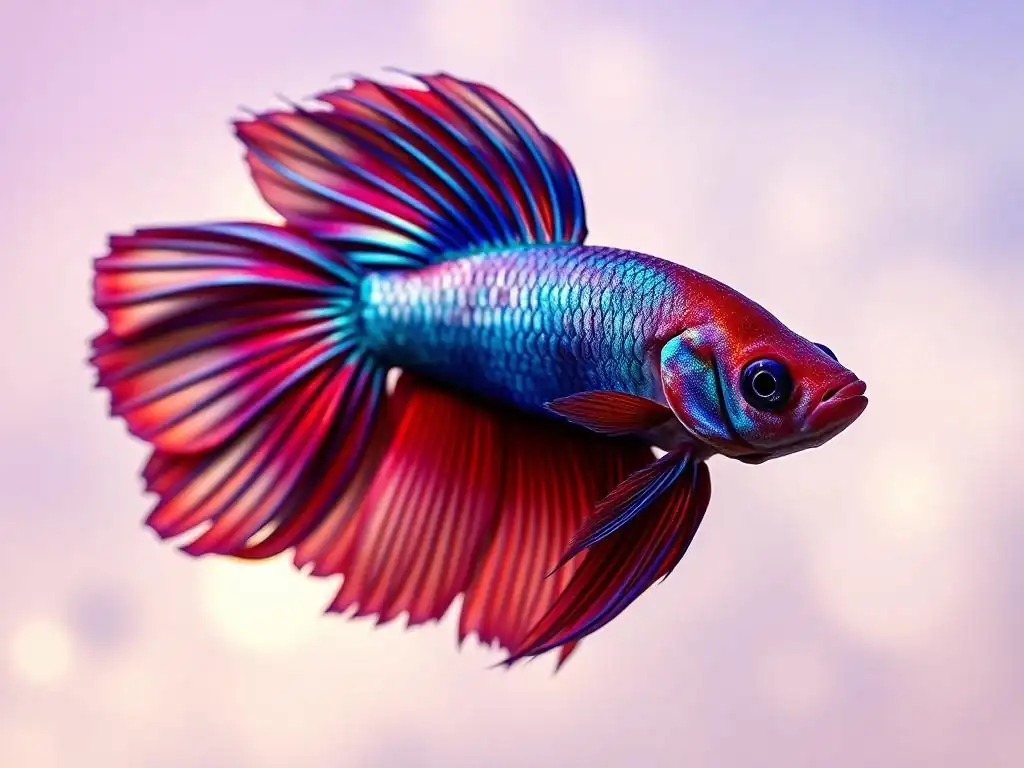
The initial phase of Betta breeding, from introduction to spawning, can present several hurdles. Successful courtship is typically indicated by the male building a prominent bubble nest and the female developing vertical breeding stripes, signaling her receptiveness. However, if these signs are absent, or if excessive aggression occurs, it points to initial breeding problems that require immediate attention. Observing their behavior closely, even during the initial "flaring" period through a divider, can provide clues to their compatibility and readiness.
Common setbacks during this stage include the male failing to construct a bubble nest, or the female not displaying the characteristic vertical stripes. Sometimes, the male might be overly aggressive, or the female might not be receptive, leading to constant chasing and fin nipping rather than courtship. Addressing these early "Betta breeding difficulties troubleshooting" steps involves ensuring the environment is perfectly suited, the fish are adequately conditioned, and considering if the pair is simply incompatible, necessitating a different pairing.
Betta Fish Not Spawning? Potential Causes and Solutions
When Betta fish fail to spawn despite apparent readiness, several underlying issues could be at play, often related to environmental factors or the fish's physiological state. Understanding these causes is key to effective "Betta breeding difficulties troubleshooting."
Water Parameter Issues Affecting Betta Spawning
Inconsistent or incorrect water parameters are a leading cause of Betta fish refusing to spawn. Fluctuations in temperature, especially drops below the optimal 78-82°F range, can stress fish and inhibit breeding behavior. Similarly, deviations from the ideal pH of 6.5-7.0, or the presence of detectable ammonia, nitrite, or high nitrate levels, can severely impact their health and reproductive drive. Bettas are highly sensitive to water quality, and even subtle imbalances can deter spawning.
To resolve these issues, maintaining stable and pristine water conditions is paramount. Use a reliable aquarium heater with a thermostat to ensure consistent temperatures. Regular testing with a liquid test kit, such as the API Freshwater Master Test Kit, is essential to monitor pH, ammonia, nitrite, and nitrate levels. Performing small, daily water changes (e.g., 10-20% of the tank volume) with aged or properly dechlorinated water can help maintain stability and dilute waste products, encouraging a healthier environment conducive to spawning.
Stress Factors Inhibiting Betta Breeding Behavior
Beyond water parameters, various environmental stressors can inhibit Betta breeding. Excessive noise, vibrations from foot traffic, bright or inconsistent lighting, and a lack of adequate hiding spots can make fish feel insecure and unwilling to engage in the vulnerable act of spawning. The presence of other fish in the same room, or even too much activity around the breeding tank, can also contribute to stress, overriding their natural breeding instincts.
To mitigate stress, create a calm and secluded breeding environment. Place the spawning tank in a quiet area of the house with minimal disturbances. Use dim, consistent lighting or natural ambient light. Provide ample hiding spots for the female, such as floating plants (e.g., Water Sprite, Hornwort) or a small cave, which allows her to escape the male's advances if needed. Covering the sides of the tank can also reduce external visual stressors, helping the fish feel more secure and ready to breed.
Incompatible Betta Pairings: Recognizing and Resolving Conflicts
While some level of aggression is natural during Betta courtship, excessive or prolonged fighting indicates an incompatible pairing. If the male is relentlessly chasing and tearing the female's fins, or if the female shows no interest and remains clamped or stressed, the pairing is unlikely to result in a spawn and may lead to severe injury or death. This is a crucial area for "Betta breeding difficulties troubleshooting."
Careful observation is key. Before full introduction, allowing the male and female to see each other through a clear divider for a few days can help assess their initial reactions. If, upon full introduction, severe aggression persists despite adequate hiding spots and a receptive female, it's best to separate the pair immediately. Not all Bettas are compatible breeders; sometimes, a male is too aggressive, or a female is simply not receptive. Trying a different, well-conditioned female or allowing the male more time to mature might be necessary to find a suitable match.
Troubleshooting Betta Fry Care Challenges
The First Few Days: Critical Care for Newborn Betta Fry
The period immediately following hatching, typically 24-36 hours after the eggs are laid, is highly critical for newborn Betta fry. During this time, the male Betta diligently collects any fallen eggs or fry and places them back into the bubble nest, providing essential paternal care. It is crucial to remove the female from the breeding tank immediately after spawning to prevent her from eating the eggs or newly hatched fry, as her parental instincts are limited to the act of spawning.
Once the fry become free-swimming, usually around 2-3 days post-hatch, the male's role diminishes, and he should also be removed to prevent him from consuming the fry. At this stage, the water level in the fry tank should ideally be lowered to 4-6 inches (approximately 10-15 cm) to make it easier for the fry to reach the surface for air, as their labyrinth organ develops. Gentle aeration, such as from an air stone set to a very low flow, can be introduced to ensure adequate oxygenation without creating strong currents that could harm the delicate fry.
Addressing Betta Fry Mortality: Common Causes and Prevention
High mortality rates among Betta fry are a common and disheartening challenge for breeders. The two primary factors contributing to fry loss are poor water quality and inadequate nutrition, both of which require vigilant "Betta breeding difficulties troubleshooting."
Maintaining Optimal Water Quality for Betta Fry Development
Betta fry are incredibly sensitive to changes in water parameters and the accumulation of waste products. Due to their small size and the confined volume of fry tanks, ammonia, nitrite, and nitrate can quickly build up from uneaten food and waste, becoming toxic. Even low levels of these compounds can lead to stress, disease, and ultimately, high mortality.
To prevent this, maintaining pristine water quality is non-negotiable. Daily, small water changes of 10-20% are often necessary. This should be done carefully using an airline tubing or a syringe to siphon out detritus from the bottom without disturbing the fry. The replacement water must be aged or thoroughly dechlorinated and matched to the tank's temperature to avoid shocking the delicate fry. Consistent monitoring of water parameters is essential to catch any issues before they become fatal.
Nutritional Needs of Betta Fry: Ensuring Adequate Feeding
The nutritional requirements of Betta fry change rapidly as they grow, and providing the correct size and type of food at each stage is vital for their survival and development. For the first few days after becoming free-swimming, fry require microscopic food sources like infusoria, as their mouths are too small for anything larger. Failure to provide this initial food source is a major cause of early fry mortality.
As they grow, typically within a week, their mouths become large enough to consume newly hatched brine shrimp or microworms. These live foods are highly nutritious and crucial for rapid growth. Fry should be fed small amounts frequently, about 3-5 times a day, to ensure a constant supply of food without overfeeding and polluting the water. A varied diet as they mature, transitioning to larger live and frozen foods, helps prevent nutritional deficiencies and stunted growth.
Preventing and Treating Diseases in Betta Fry
Betta fry, with their undeveloped immune systems, are highly susceptible to common aquarium diseases such as velvet, ich (white spot disease), and various bacterial infections. These diseases often manifest rapidly and can wipe out an entire batch of fry if not addressed immediately. Poor water quality, fluctuating temperatures, and inadequate nutrition are primary contributors to stress, which compromises their immune response and makes them vulnerable.
Prevention is the most effective strategy, as treating diseases in such delicate fry can be challenging and often involves medications that may be too harsh for them. Maintaining consistently optimal water parameters, providing a stable temperature, and ensuring a nutritious diet are fundamental preventative measures. Additionally, avoid introducing any new fish, plants, or equipment into the fry tank without a rigorous quarantine process to prevent the introduction of pathogens. If disease does occur, identifying it quickly and consulting with experienced breeders or aquatic veterinarians for appropriate, fry-safe treatments is crucial.
Overcoming Specific Betta Breeding Problems: A Deeper Dive
Genetic Issues and Selective Breeding in Betta Fish
Genetic issues can manifest as significant "Betta breeding difficulties troubleshooting" for serious hobbyists. These problems often stem from poor genetic lines, excessive inbreeding, or simply the presence of undesirable recessive genes.
Recognizing and Managing Genetic Defects in Betta Fry
Common genetic defects observed in Betta fry include swim bladder disorders, leading to buoyancy issues; spinal deformities, resulting in "kinked spines" or curved bodies; and undeveloped or malformed fins. These issues are often apparent as the fry grow, and batches with a high incidence of such defects may indicate a problematic genetic lineage. While some minor deformities might not be life-threatening, severe defects often lead to a reduced quality of life or early mortality.
Managing genetic defects involves careful observation and, unfortunately, humane culling of severely affected fry to prevent them from passing on undesirable traits. To mitigate these issues in future spawns, it is crucial to avoid breeding closely related fish, such as siblings or parent-offspring pairings, unless performing controlled line breeding with a clear understanding of the genetic risks. Maintaining detailed breeding records for each pair can help identify problematic lines and guide future breeding choices.
The Importance of Line Breeding for Improved Betta Traits
Line breeding is a strategic approach where closely related individuals are bred over several generations to selectively intensify and fix desired traits, such as specific fin shapes, color patterns, or body conformation. This method allows breeders to develop distinct and consistent lines of Betta fish with predictable characteristics, moving beyond random pairings. Through careful selection of the best individuals from each generation, breeders can enhance desired features and even establish unique strains.
However, line breeding requires a deep understanding of Betta genetics and a long-term commitment. While it can produce stunning results, it also carries the inherent risk of increasing the chances of inbreeding depression, which can lead to reduced fertility, smaller size, weakened immune systems, and an accumulation of undesirable recessive genes. Successful line breeding hinges on meticulous record-keeping, careful selection to maintain vigor, and occasionally outcrossing to introduce new genetic material and prevent inbreeding depression, thus minimizing future "Betta breeding difficulties troubleshooting" related to genetics.
Dealing with Marble Gene Instability and Color Loss
The "Marble" gene in Betta fish is a fascinating and often unpredictable genetic trait that causes a Betta's coloration to change throughout its life. This transposon gene can lead to dramatic shifts in pattern and color, creating unique and highly prized individuals. However, for breeders aiming for stable color lines, the inherent instability of the Marble gene can present a challenge, as it can result in unexpected color loss or transformations, sometimes leading to a less desirable phenotype.
While the Marble gene's activity is largely beyond a breeder's direct control, understanding its nature is key. It's not a "problem" to be fixed in the traditional sense, but rather a characteristic to be managed within a breeding program. Breeders dealing with marble gene instability often focus on selecting fish that exhibit desirable marble patterns at a young age or those whose color changes are aesthetically pleasing.
Selective breeding can aim to stabilize certain aspects of the marble expression or to produce fish with a higher likelihood of retaining specific patterns. Embracing the unpredictability can also lead to unique and sought-after varieties, shifting the focus from "Betta breeding difficulties troubleshooting" to appreciating genetic artistry.
Advanced Betta Breeding Techniques and Troubleshooting
Optimizing Water Chemistry for Enhanced Breeding Success
Beyond basic parameters, fine-tuning water chemistry can significantly enhance breeding success and reduce "Betta breeding difficulties troubleshooting." For Bettas, which originate from soft, acidic waters, replicating these conditions precisely can stimulate spawning and improve egg and fry viability. While a neutral pH is acceptable, a slightly acidic pH of 6.0-6.5 can be more ideal for some pairs. More importantly, consistent low general hardness (GH) of 3-5 dGH and low carbonate hardness (KH) of 1-3 dKH is beneficial for egg hardening and preventing osmotic stress in fry.
Achieving this precise water chemistry often involves using reverse osmosis (RO) water, which is then reconstituted with specific mineral salts to reach the desired GH and KH levels. Additionally, the introduction of tannins, typically from Indian Almond Leaves (IAL) or rooibos tea, can be highly beneficial. Tannins naturally lower pH, soften water, and release mild antiseptic compounds that can reduce stress and prevent fungal or bacterial infections in eggs and fry, mimicking their natural environment and contributing to higher spawn and survival rates.
Implementing Live Food Cultures for Betta Fry Growth
For advanced Betta breeding, relying solely on commercial fry foods is often insufficient to achieve optimal growth and survival rates. Live food cultures are paramount, as they provide the essential nutrition and natural hunting stimulus that fry require for rapid development. The progression from infusoria for the first few days, to microworms and then newly hatched brine shrimp (Artemia nauplii), is a standard and highly effective feeding regimen that addresses critical nutritional needs.
Implementing these live food cultures is a proactive step in "Betta breeding difficulties troubleshooting" related to fry nutrition. Infusoria can be easily cultured using decaying vegetable matter (e.g., a banana peel or a few rice grains) in a jar of aged water. Microworms are sustained on a simple oatmeal culture. Brine shrimp require a saltwater solution, aeration, and light for hatching. Having these cultures readily available ensures a continuous supply of highly nutritious, appropriately sized food, which dramatically improves fry growth rates, reduces mortality, and produces healthier, more vigorous juveniles.
Dealing with Aggressive Behavior in Breeding Betta Fish
While aggression is a natural part of Betta courtship, distinguishing between healthy breeding behavior and harmful aggression is an advanced troubleshooting skill. A male "hugging" or wrapping around the female during spawning is normal, but persistent, violent attacks outside of this context, or a female constantly hiding and showing no interest, indicate a problem. Understanding the nuances of their body language and interactions is key to preventing injury and ensuring a successful spawn.
Advanced strategies for managing aggression include ensuring the female is genuinely gravid (full of eggs) and displaying strong vertical stripes before introduction, as a non-receptive female is more likely to be attacked. Providing abundant floating plants and other hiding spots for the female allows her to escape the male's advances and reduces stress. If aggression remains problematic, trying a different pair, or allowing the male to mature further, can be effective. Sometimes, a specific pair simply isn't compatible, and forcing the issue only leads to stress and injury, making it necessary to pivot to alternative pairings.
Preventing Future Betta Breeding Difficulties: Best Practices
Maintaining a Healthy Breeding Stock
The foundation of successful and sustainable Betta breeding lies in maintaining a healthy and robust breeding stock. This involves selecting fish that are not only aesthetically pleasing but also display excellent vigor, good health, and a strong genetic lineage, free from known defects. Prior to any breeding attempts, prospective parent fish should be housed in spacious, clean tanks with optimal water parameters and fed a consistently high-quality, varied diet. This pre-conditioning phase ensures they are in peak physical condition to handle the stresses of spawning and egg production.
Furthermore, it's crucial to avoid overbreeding females. A female Betta should be allowed adequate recovery time, typically several months, between spawns to replenish her energy reserves and prevent burnout. While males can breed more frequently, they too benefit from periods of rest in a calm, well-maintained environment. Investing in the long-term health of your breeding stock is a proactive measure that significantly reduces the incidence of "Betta breeding difficulties troubleshooting" in subsequent generations, leading to more productive and healthier spawns.
Implementing a Rigorous Quarantine Process
One of the most effective preventative measures against future "Betta breeding difficulties troubleshooting" is the implementation of a rigorous quarantine process for all new fish introduced to your facility. Whether acquiring new breeding stock from a local fish store, an online breeder, or a show, these fish can carry parasites, bacteria, or viruses that may not be immediately apparent. Introducing them directly into your main breeding tanks can lead to widespread disease outbreaks, jeopardizing your entire stock and future breeding efforts.
A dedicated quarantine tank, separate from your main systems, should be used for all new arrivals for a minimum of 4-6 weeks. During this period, observe the fish closely for any signs of illness, such as clamped fins, lethargy, loss of appetite, white spots (ich), or frayed fins. Prophylactic treatments for common parasites or bacterial infections can be considered, though careful observation is often preferred to avoid unnecessary stress. This isolation period ensures that any potential pathogens are contained and treated before they can spread to your established breeding pairs and delicate fry.
Regular Monitoring and Adjustment of Breeding Parameters
Consistent and meticulous monitoring of all breeding parameters is essential for preventing unforeseen "Betta breeding difficulties troubleshooting." This goes beyond just checking water quality; it encompasses observing fish behavior, tracking growth rates, and maintaining detailed records of each spawn. Regular water testing, ideally daily during active breeding and weekly otherwise, provides crucial data points on temperature, pH, ammonia, nitrite, and nitrate levels. Logging these results allows breeders to identify trends, anticipate potential problems, and make timely adjustments.
Being prepared to adjust environmental factors is key. This might involve fine-tuning heater settings to maintain stable temperatures, adjusting filtration to suit the bioload, or modifying feeding schedules based on the fish's response. For instance, if fry are growing slowly, increasing feeding frequency or type might be necessary. Proactive management, based on consistent data and keen observation, allows breeders to address minor deviations before they escalate into significant problems, thereby optimizing conditions for consistent breeding success and minimizing setbacks.
Conclusion: Mastering the Art of Betta Breeding Through Careful Planning and Problem Solving
Frequently Asked Questions
What are some common reasons why Betta fish might not breed?
Several factors can contribute to breeding failure, including incompatible pairings, poor water quality, and lack of suitable breeding environment such as floating plants.
How can I improve water quality to encourage Betta breeding?
Maintaining pristine water conditions is crucial. Perform regular water changes to keep ammonia and nitrite levels at zero, ensuring a stable and healthy environment for spawning.
What constitutes a suitable breeding environment for Betta fish?
A proper breeding setup includes a shallow tank (5-10 gallons), warm water (around 80°F), and plenty of floating plants like Indian almond leaves for the male to build a bubble nest.
My Betta male builds a bubble nest but the female ignores him. What could be the issue?
The female might not be ready to spawn, or the pair may be incompatible. Try introducing a different female or ensuring the female has visible vertical barring indicating readiness.
What should I do if the male Betta eats the eggs or fry after spawning?
This can happen with inexperienced or stressed males. It's recommended to remove the female immediately after spawning and then remove the male after the fry are free-swimming to prevent predation.
The challenges outlined in this article, from water parameter fluctuations to fry mortality, are not merely theoretical hurdles; they represent the real-world complexities faced by anyone venturing into the captivating, yet demanding, world of Betta breeding. Understanding these difficulties is paramount, not just for successful spawns, but for ensuring the ethical treatment and well-being of these magnificent fish.
The journey of Betta breeding is a microcosm of life itself, filled with both triumphs and setbacks. It's a constant learning process, demanding patience, observation, and a willingness to adapt. The lessons learned extend beyond the aquarium, teaching us about resilience, the delicate balance of ecosystems, and the profound responsibility we bear when intervening in nature. The best way to learn is by doing; the worst way to teach is by talking.
- Unknown. This sentiment perfectly encapsulates the hands-on, often frustrating, but ultimately rewarding experience of Betta breeding.
Now, armed with this knowledge of potential pitfalls and troubleshooting strategies, I urge you to approach Betta breeding with both passion and prudence. Embrace the challenges, learn from your mistakes, and always prioritize the health and welfare of your fish. Let this article serve not just as a guide, but as a reminder of the dedication and respect required to successfully navigate the labyrinth of Betta breeding and contribute to the preservation of these captivating creatures.
Ignite Your Betta Breeding Journey!
Thank you for diving into the world of Betta breeding with us! Now that you're equipped with the knowledge of potential challenges, it's time to put your newfound understanding into action.
Here are some actionable steps to help you on your way:
- Prioritize quality over quantity: Instead of focusing solely on the number of fry, invest in providing the best possible environment and care to ensure a higher survival rate and healthier offspring. Consider purchasing a starter culture of live food to give your fry the best possible start.
- Share your experiences! Join the Aquarium Mastery community forums and connect with fellow Betta breeders to exchange tips, troubleshoot issues, and celebrate successes.
- Think outside the tank: Research alternative natural spawning methods! While the classic breeding setup is effective, explore methods inspired by natural habitats to enhance the breeding environment.
What's the first thing you'll change in your breeding setup to mitigate these challenges and ensure a more successful spawn?