
Moray Eel Feeding Techniques: HandFeeding vs. Target Feeding Safely

Welcome to Aquarium Mastery!
Ever wondered about the thrill of connecting with your aquatic companions on a deeper level? Dive into the fascinating world of moray eels and discover the secrets to handfeeding moray eels safely. But is it really the best approach? Explore the pros and cons, learn essential safety precautions, and find out if target feeding might be a better fit for you and your eel. Get ready to unlock a new level of interaction and understanding within your saltwater aquarium!
- Understanding Moray Eel Feeding Habits in Captivity
- The Risks and Rewards of Handfeeding Moray Eels
- Target Feeding Moray Eels: A Safer Alternative
- Step-by-Step Guide to Safe Handfeeding (If Necessary)
- Step-by-Step Guide to Target Feeding Moray Eels
- Choosing the Right Food for Moray Eels
- Maintaining a Healthy Aquarium Environment for Feeding
- Troubleshooting Common Moray Eel Feeding Problems
- Handfeeding vs. Target Feeding: Which Method is Right for Your Moray Eel?
-
Frequently Asked Questions
- How can I safely handfeed a moray eel?
- What are the key differences between handfeeding and target feeding moray eels?
- What are the benefits of target feeding over handfeeding moray eels?
- What types of food are safe and nutritious for moray eels to be handfed or target fed?
- What are some common mistakes to avoid when handfeeding or target feeding moray eels?
- Final Reflection: Embracing Responsibility in Moray Eel Care
- Dive Deeper: Transform Your Moray Eel Care Today!
Understanding Moray Eel Feeding Habits in Captivity
Natural Diet of Moray Eels
Moray eels are formidable predators in their natural reef habitats, primarily active during the night. Their diet consists largely of fish, crustaceans like crabs and shrimp, and cephalopods such as squid and octopus. These ambush predators often lie in wait within crevices and rockwork, relying on their exceptional sense of smell to detect prey, as their eyesight is relatively poor, especially in low light conditions.
In the wild, moray eels play a crucial role in the ecosystem, helping to control populations of various reef inhabitants. They are opportunistic feeders and will consume whatever small fish or invertebrates they can overpower. This natural predatory instinct, coupled with their powerful jaws and sharp, backward-pointing teeth, defines their feeding behavior and necessitates careful consideration when feeding them in a home aquarium.
Adapting Moray Eel Feeding to Aquarium Life
Bringing a moray eel into a captive environment requires a careful adaptation of their natural feeding habits to ensure their nutritional needs are met. While their wild diet is diverse, aquarists typically feed them a range of frozen, meaty foods that mimic their natural prey. Common choices include silversides, shrimp, squid, clams, and various types of marine fish flesh. The key is to provide a varied diet to ensure comprehensive nutrition, preventing deficiencies that can arise from feeding only one type of food.
Their strong feeding response, often characterized by rapid, powerful strikes, is a direct carryover from their predatory nature. This instinctual behavior means that any feeding method must account for the eel's potential to bite, even if unintentionally. Therefore, understanding and managing this behavior is paramount for the safety of both the aquarist and the eel, laying the groundwork for discussing how to feed moray eels safely.
The Risks and Rewards of Handfeeding Moray Eels
The Allure of Handfeeding Moray Eels
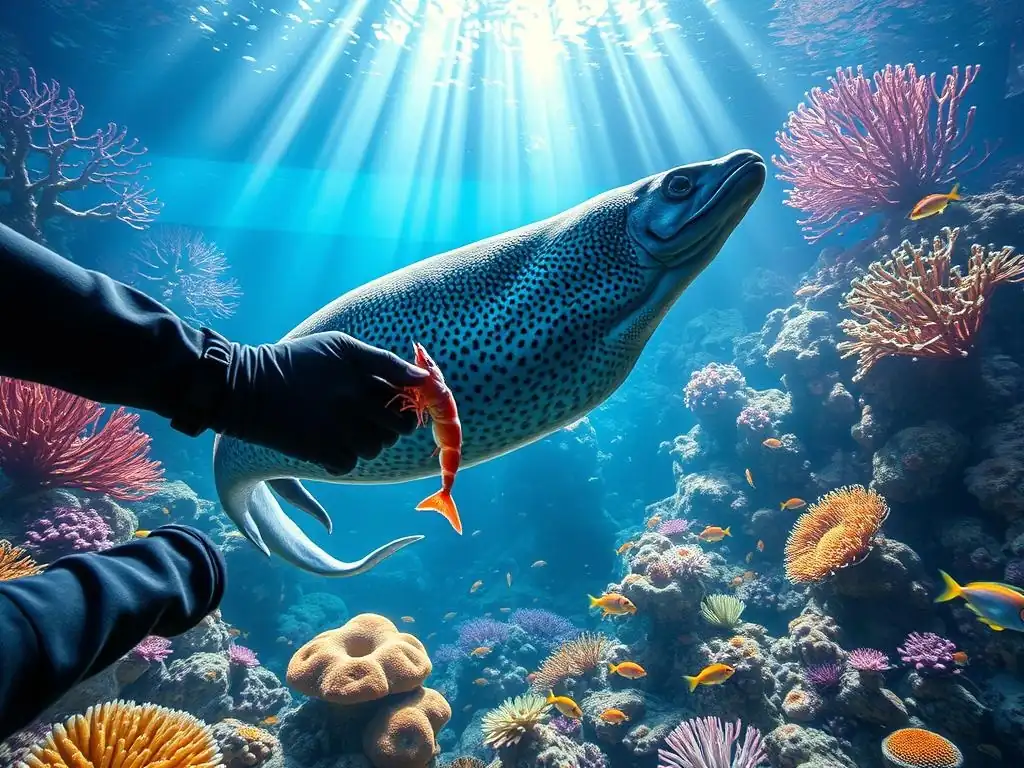
The act of handfeeding a moray eel can be incredibly captivating, offering aquarists a unique, direct interaction with these powerful and often misunderstood creatures. Many hobbyists are drawn to the spectacle of an eel emerging from its lair to take food directly from a person's hand or, more accurately, from tongs held by a hand. This close encounter can foster a perceived bond and allows for close observation of the eel's impressive feeding mechanics.
Beyond the "wow" factor, some aquarists believe handfeeding provides a more direct way to ensure the eel receives its full portion, especially in a community tank where food competition might be an issue. It allows for immediate verification that the eel is eating and helps monitor its appetite and overall health more precisely than simply broadcasting food into the tank. However, the perceived rewards must always be weighed against the significant risks involved when considering handfeeding moray eels safely.
Potential Dangers of Handfeeding: Bites and Infections
The primary and most significant danger associated with handfeeding moray eels is the risk of a bite. Moray eels possess incredibly sharp, needle-like teeth, often curved backward, designed to hold struggling prey. Their jaws are powerful, and a bite can result in deep puncture wounds and severe lacerations.
Some species, like the Green Moray (Gymnothorax funebris), can grow quite large, exceeding 6 feet in length, and their bite force can be considerable, capable of causing significant injury. The eel's poor eyesight means it often strikes based on scent and movement, and a hand too close can easily be mistaken for food.
Beyond the immediate trauma of a bite, the secondary danger is bacterial infection. Moray eels naturally carry a diverse array of bacteria in their mouths, including various Vibrio species. A bite can inject these bacteria deep into the wound, leading to rapid and severe infections that may require immediate medical attention, including antibiotics. Ignoring even a minor puncture wound from an eel bite can lead to serious health complications, underscoring the critical importance of extreme caution when attempting to feed moray eels safely.
Minimizing Risks When Handfeeding Moray Eels
While the risks are inherent, aquarists who choose to attempt handfeeding can take steps to minimize potential dangers. The absolute golden rule is never to use bare hands. Always employ long, sturdy feeding tongs, preferably made of acrylic or stainless steel, measuring at least 18-24 inches to maintain a safe distance between your hand and the eel's striking range. Ensure the tongs have a good grip to securely hold the food item.
Furthermore, it is crucial to understand and respect the eel's temperament and body language. A moray eel that is overly aggressive, territorial, or easily startled is not a candidate for handfeeding. Feed only when the eel is calm and responsive, and avoid any sudden movements that could trigger a defensive or predatory strike. By adhering to strict safety protocols and prioritizing distance, the risks associated with handfeeding moray eels safely can be reduced, though never entirely eliminated.
Target Feeding Moray Eels: A Safer Alternative
What is Target Feeding for Moray Eels?
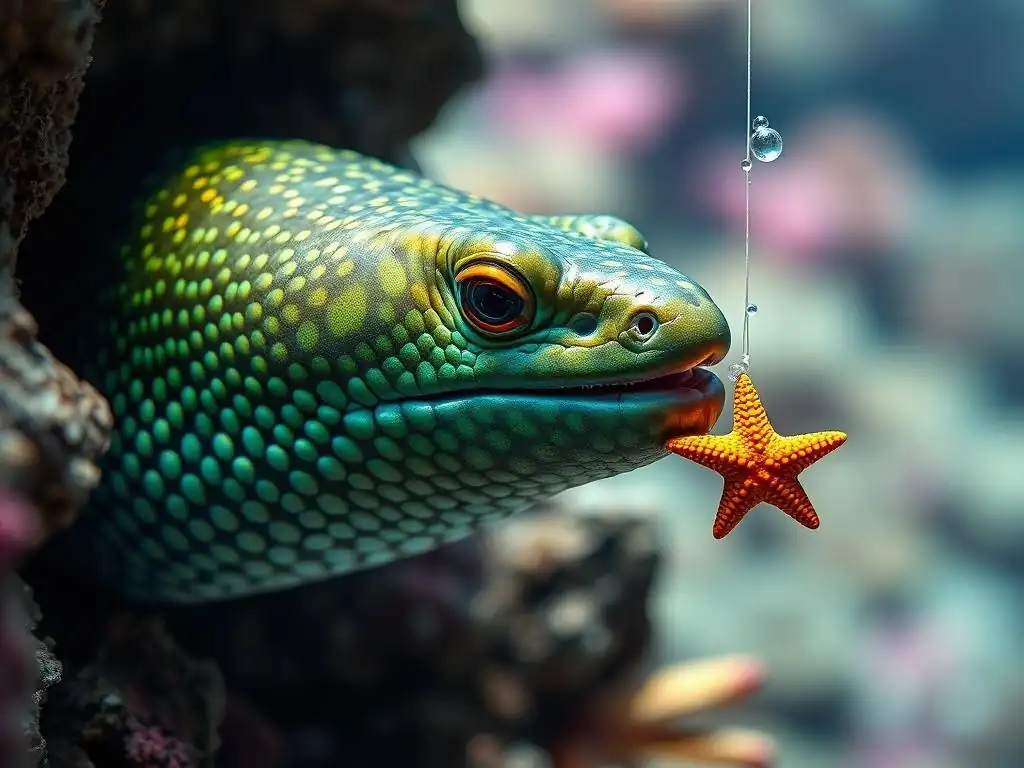
Target feeding is a technique where food is delivered directly to a specific animal in the aquarium using a long, non-contact tool, such as feeding tongs or a turkey baster. This method is distinct from broadcast feeding, where food is simply scattered into the water, and from handfeeding, which involves direct contact or very close proximity of the aquarist's hand. The primary purpose of target feeding, especially for species like moray eels, is to ensure that a particular animal receives its share of food without interference from tank mates, while simultaneously maintaining a safe distance for the aquarist.
For moray eels, target feeding means presenting a piece of food on the end of a long tool directly in front of their hiding spot or where they typically emerge during feeding time. This allows the eel to quickly identify and consume the food without the aquarist's hand ever entering the water or coming within striking distance. It leverages the eel's strong sense of smell to draw it to the food, making it an efficient and controlled feeding method.
Advantages of Target Feeding Over Handfeeding
The most significant advantage of target feeding over handfeeding moray eels is the dramatic reduction in the risk of bites. By maintaining a safe distance of 18 inches or more, the aquarist's hands are well out of the eel's striking range, virtually eliminating the chance of injury or subsequent infection. This peace of mind is invaluable for both the aquarist and the long-term well-being of the eel.
Beyond safety, target feeding offers several practical benefits. It minimizes food waste by ensuring the food is consumed directly by the intended recipient, preventing it from decaying in the tank and polluting the water. It also ensures that shy or slower-feeding eels receive adequate nutrition, as more assertive tank mates cannot steal their food. This method allows for precise portion control, which is essential for preventing overfeeding or underfeeding and contributes significantly to maintaining a healthy moray eel, making it the preferred method for feeding moray eels safely.
Tools and Techniques for Effective Target Feeding
Effective target feeding for moray eels relies on using the right tools and employing proper technique. Long feeding tongs, typically 18-36 inches in length, made from durable materials like acrylic or stainless steel, are ideal. For smaller food items or juvenile eels, a robust turkey baster can also be effective. The key is that the tool must be long enough to keep your hand clear of the eel and strong enough to hold the food securely without dropping it.
The technique involves slowly introducing the food, held firmly by the tool, into the water near the eel's known resting or feeding area. Allow the eel to become aware of the food through scent before it approaches. Present the food directly in front of the eel's head, allowing it to take the food from the tongs. Patience is crucial; avoid poking or chasing the eel with the food. Once the eel has taken the food, smoothly withdraw the tool. Consistency in location and time helps train the eel to anticipate feeding, making the process smoother and more efficient.
Step-by-Step Guide to Safe Handfeeding (If Necessary)
Step 1: Assessing Your Moray Eel's Temperament
Before even considering handfeeding, it is paramount to thoroughly assess your moray eel's individual temperament. Not all eels are suitable candidates for this high-risk activity. Observe its behavior during regular feeding with tongs; does it strike wildly and unpredictably, or does it calmly approach and take the food? Only an eel that consistently exhibits calm, predictable, and non-aggressive feeding behavior with a tool should even be considered. Avoid any attempt if the eel is new to the tank, overly stressed, or shows signs of aggression towards the tank or your presence.
Furthermore, consider the species of moray eel. Smaller, less aggressive species like the Zebra Moray (Gymnothorax zebra) might pose less risk than a large Green Moray, but caution is still paramount. An eel that is constantly hiding, darting, or showing signs of fear or agitation is not a candidate for handfeeding. This preliminary assessment is the most critical step in determining if attempting to feed moray eels safely by hand is even feasible.
Step 2: Preparing the Food and Equipment
Proper preparation is non-negotiable for anyone considering handfeeding moray eels safely. Always use long, sturdy feeding tongs that provide ample distance between your hand and the eel. Tongs should be at least 18-24 inches long for most home aquariums, and even longer for very large tanks or eels. Ensure the tongs have a secure grip to prevent dropping the food, which could lead to the eel associating your hand with food. Never use bare hands, even with gloves, as the eel's teeth can easily penetrate most materials.
Prepare the food by thawing it completely to room temperature and cutting it into appropriate, bite-sized pieces that the eel can swallow easily. Overly large pieces can cause choking or prolonged struggle, increasing the risk of an accidental bite. Have all equipment ready and within reach before you approach the tank, minimizing any fumbling or sudden movements during the feeding process.
Step 3: Establishing a Feeding Routine
Consistency is key when attempting any form of direct feeding, particularly for handfeeding moray eels safely. Establish a predictable feeding routine by feeding at the same time each day or on the same days of the week. This helps condition the eel to anticipate feeding and reduces the likelihood of startled or defensive strikes. Always approach the tank calmly and deliberately, avoiding sudden movements or loud noises that could alarm the eel.
Initially, for weeks or even months, use the long tongs for all feedings, even if you are not directly handfeeding. This helps the eel associate the tongs with food delivery and builds a sense of predictability and trust. A well-established routine makes the eel more receptive to feeding and less likely to react negatively to your presence during meal times.
Step 4: The Handfeeding Process: A Cautious Approach
When the time comes to actually handfeed, extreme caution is paramount. Slowly introduce the tong-held food into the water, moving it deliberately towards the eel's head. Allow the eel to approach the food on its own terms; never chase, poke, or prod the eel with the tongs. Keep your hand well out of the eel's known striking range at all times, relying solely on the length of your tongs. The goal is for the eel to take the food from the tongs, not from your hand.
Once the eel takes the food, smoothly and calmly withdraw the tongs from the water. Do not leave the tongs in the water longer than necessary, as this prolongs your exposure to risk. If the eel misses or is not interested, withdraw the tongs and try again later, or simply offer the food via target feeding. Remember, the objective is to feed moray eels safely, not to force a specific interaction.
Step 5: Post-Feeding Observation and Care
After the handfeeding process, take a moment to observe your moray eel's behavior. Look for any signs of stress, agitation, or unusual aggression. A calm, well-fed eel will typically retreat to its hiding spot. Also, it is absolutely crucial to inspect your hands and arms thoroughly for any nicks, scratches, or puncture wounds, no matter how small.
Even the slightest break in the skin from an eel's tooth can introduce harmful bacteria. Any wound, no matter how minor it appears, should be immediately and thoroughly cleaned with soap and water, disinfected with an antiseptic, and closely monitored. If there is any sign of inflammation, redness, swelling, or pain, seek medical attention promptly. Prioritizing post-feeding inspection is a vital part of ensuring you have fed moray eels safely.
Step-by-Step Guide to Target Feeding Moray Eels
Step 1: Selecting the Right Feeding Tool
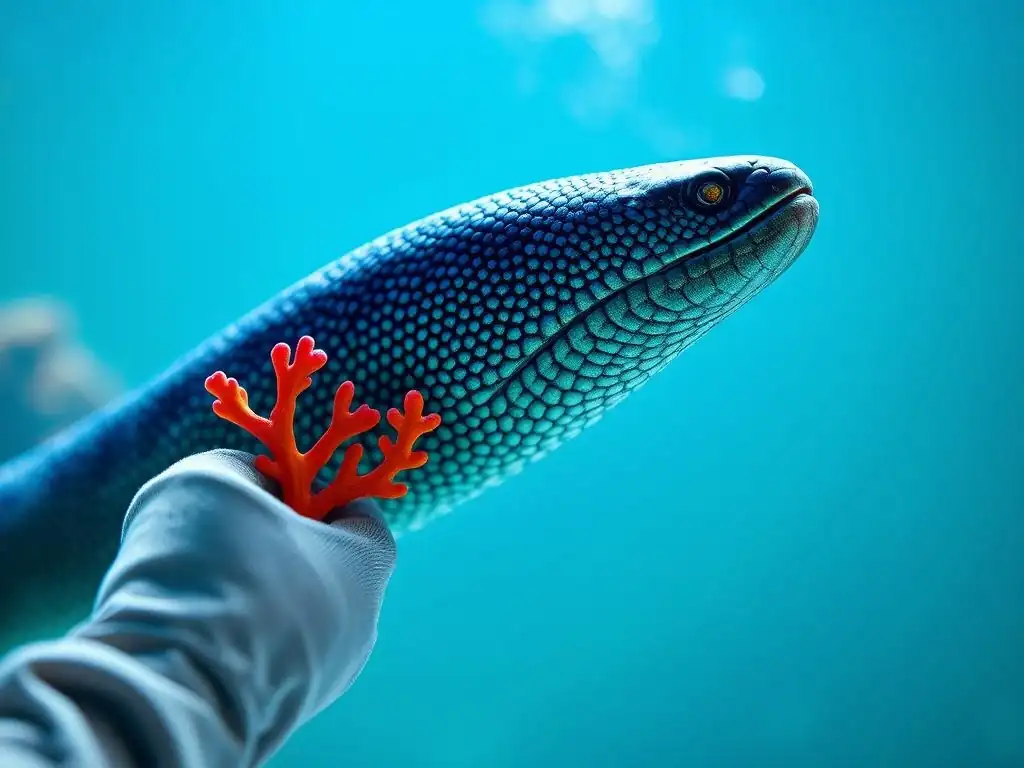
The foundation of successful and safe target feeding for moray eels is the selection of an appropriate feeding tool. Long feeding tongs, typically made of durable acrylic or stainless steel, are highly recommended. The length is crucial; aim for tongs that are at least 18 to 36 inches long, depending on your tank's depth and the size of your eel, to ensure your hand remains well outside the eel's striking range. For smaller food items or very young eels, a strong, clean turkey baster can also be effective.
Ensure the tool is clean, food-grade, and free from any sharp edges or rough surfaces that could harm the eel or scratch the tank. The tongs should have a firm grip to securely hold the food without slipping, which could lead to wasted food or frustration for the eel. Investing in a quality, long feeding tool is a small price to pay for the significant increase in safety and efficiency when target feeding moray eels.
Step 2: Preparing the Food for Target Feeding
Proper food preparation is essential for both the eel's health and the ease of feeding. If using frozen foods, thaw them completely to room temperature before feeding. This can be done by placing the desired amount in a small cup with a bit of tank water or dechlorinated fresh water for about 10-15 minutes. Avoid using hot tap water or microwaving, as excessive heat can degrade vital nutrients in the food.
Once thawed, cut the food into appropriate, bite-sized pieces that your moray eel can easily swallow. For instance, a medium-sized silverside might be fed whole to a large Green Moray, while a Snowflake Moray might require smaller chunks of shrimp or squid. Removing any hard shells from crustaceans or bones from fish can prevent potential digestive issues. This preparation ensures the food is palatable and safe for consumption, facilitating smooth target feeding moray eels.
Step 3: Introducing the Feeding Tool to Your Moray Eel
Approach the aquarium calmly and deliberately, avoiding any sudden movements or loud noises that could startle your moray eel. Gently insert the feeding tool, with the prepared food secured at its end, into the water. Move the tool slowly towards the eel's known hiding spot or its usual feeding area. Moray eels have an excellent sense of smell, and the scent of the food will often draw them out.
Allow the eel to become aware of the tool and the food on its own terms. Do not try to poke or chase the eel with the food. Patience is key; sometimes it may take a minute or two for the eel to emerge and show interest. Establishing a consistent feeding location within the tank can also help train the eel to anticipate food in that specific area, making the introduction process smoother for target feeding moray eels.
Step 4: Target Feeding Technique: Precise and Controlled
Once the moray eel shows interest and begins to approach, hold the food firmly with the tongs and present it directly in front of the eel's head. Position the food close enough for the eel to easily strike and grasp it, but maintain a safe distance for your hand from the eel's mouth. The goal is a precise and controlled delivery.
Allow the eel to take the food from the tongs. Moray eels typically have a strong feeding response and will quickly snatch the food. Once the eel has grasped the food, smoothly and calmly withdraw the feeding tool from the water. If the eel misses the food, or if it doesn't take it on the first attempt, simply reposition and try again. Avoid leaving uneaten food in the tank for extended periods, as it can decompose and negatively impact water quality.
Step 5: Monitoring Food Intake and Adjusting Portions
After successfully target feeding your moray eel, it's important to monitor how much food it consumes. Keep a mental note or even a log of the number of food pieces or the total volume eaten at each feeding session. This helps ensure your eel is receiving adequate nutrition and prevents both underfeeding and overfeeding, which can lead to health issues.
Adjust portion sizes based on your eel's growth, activity level, and overall body condition. A young, growing eel might require more frequent or larger meals than a mature, sedentary one. For instance, a healthy adult moray eel might be fed 2-3 times per week, while juveniles might require daily feedings. Observing your eel's body shape—a slightly rounded belly after feeding indicates a good meal, while a sunken appearance suggests underfeeding—will help fine-tune its diet and ensure optimal health when target feeding moray eels.
Choosing the Right Food for Moray Eels
Optimal Diet for Moray Eel Health and Growth
A varied and nutrient-rich diet is fundamental for the long-term health and vibrant coloration of moray eels in captivity. Their optimal diet should primarily consist of high-quality, meaty frozen foods that mimic their natural prey. Excellent choices include whole silversides, various types of shrimp (such as Mysis or cocktail shrimp), squid, clam, and pieces of marine fish flesh like cod or snapper. It is crucial to offer a diverse array of these items rather than relying on a single food source.
Avoid feeding live feeder fish like goldfish or guppies, as these are often nutritionally deficient and can introduce diseases or parasites into your aquarium. While morays are predators, their captive diet should focus on prepared, high-quality frozen foods. A balanced diet ensures they receive all necessary proteins, fats, and essential amino acids for robust health and active behavior.
Preparing Frozen Food for Moray Eels
Proper preparation of frozen food is just as important as selecting the right types. Always thaw frozen foods completely before offering them to your moray eel. The safest method is to thaw a portion in a small amount of tank water or dechlorinated freshwater at room temperature for about 10-15 minutes. Never use a microwave or hot tap water, as these methods can destroy heat-sensitive vitamins and nutrients, diminishing the nutritional value of the food.
Once thawed, cut the food into appropriate, manageable pieces. The size should be proportional to your eel's mouth, allowing it to swallow the food easily without choking. For example, a large Green Moray might handle a whole silverside, while a smaller Snowflake Moray might need shrimp or squid cut into 1-inch pieces. For crustaceans, removing any sharp shells can prevent internal injury. Careful preparation ensures efficient consumption and contributes to feeding moray eels safely.
Supplementing Your Moray Eel's Diet
While a varied diet of quality frozen foods is a good start, supplementing your moray eel's diet with vitamins and minerals is highly recommended, especially when feeding primarily frozen items. Freezing processes can sometimes degrade certain nutrients, and a captive diet may not fully replicate the complexity of a wild diet. Liquid vitamin supplements, such as Selcon, Vita-Chem, or similar marine aquarium supplements, are excellent for this purpose.
To supplement, simply add a few drops of the chosen vitamin solution to the thawed food about 10-15 minutes before feeding. Allow the food to soak in the supplement, ensuring the nutrients are absorbed into the food before it is offered to the eel. This method ensures that your moray eel ingests the added vitamins and minerals, promoting better immune function, coloration, and overall vitality, and addressing any potential long-term nutritional deficiencies.
Maintaining a Healthy Aquarium Environment for Feeding
Water Quality and Its Impact on Feeding
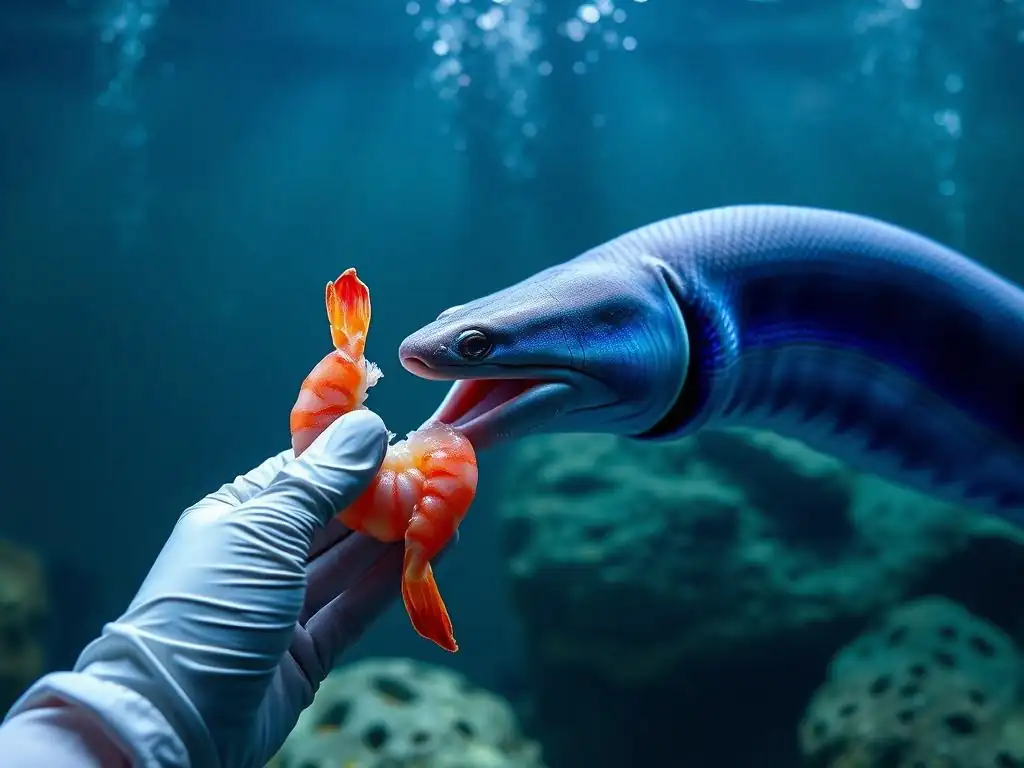
Optimal water quality is paramount for the overall health of your moray eel and directly influences its appetite and feeding behavior. Poor water parameters, such as elevated ammonia, nitrite, or nitrate levels, can stress an eel, leading to lethargy and a refusal to eat. Regular water changes, typically 10-20% weekly or bi-weekly, are essential to keep these parameters in check and replenish trace elements.
Maintaining stable salinity (1.020-1.025), temperature (72-78°F or 22-25.5°C), and pH (8.0-8.4) within their ideal ranges is also critical. Fluctuations can cause stress, impacting the eel's metabolism and willingness to feed. A healthy, stable environment encourages natural feeding responses and contributes significantly to the well-being of the eel, making all feeding efforts more effective and ensuring you are feeding moray eels safely.
Tank Setup and Feeding Zones for Moray Eels
The physical setup of the aquarium plays a crucial role in facilitating safe and stress-free feeding for moray eels. Morays are secretive by nature and require ample hiding spots where they can feel secure. Provide plenty of rockwork, PVC pipes, or ceramic caves that offer snug retreats. An eel that feels secure in its environment is more likely to emerge confidently for feeding.
Designating a specific feeding zone within the tank can also be beneficial. This area should be clear of dense decorations and away from high-traffic areas of the tank or aggressive tank mates. Training your eel to associate this zone with food delivery can make target feeding more efficient and reduce competition or stress during meal times. A well-designed habitat reduces overall stress, promoting a healthier appetite for your moray eel.
Reducing Stress During Feeding Times
Minimizing stress during feeding times is vital for encouraging a consistent appetite and positive feeding behavior in moray eels. Approach the tank slowly and calmly, avoiding any sudden movements or loud noises that could startle the eel. If your eel is particularly shy or nocturnal, dimming the aquarium lights slightly or feeding during the evening hours when they are naturally more active can encourage them to come out and eat.
Ensure that tank mates are not overly aggressive or competitive during feeding. If competition is an issue, consider target feeding your moray eel first, or separating it temporarily if feasible, to ensure it gets its full portion without undue stress. A relaxed and secure environment during feeding sessions not only benefits the eel's health but also makes the feeding process safer and more enjoyable for the aquarist.
Troubleshooting Common Moray Eel Feeding Problems
Moray Eel Refusal to Eat
A moray eel refusing to eat can be a concerning issue for aquarists. The most common causes include stress from poor water quality (e.g., high ammonia or nitrates), an unsuitable tank environment (lack of hiding spots, aggressive tank mates), or recent introduction to a new tank. First, thoroughly check all water parameters and ensure they are within optimal ranges. If the eel is new, it may simply need time to acclimate to its surroundings and feel secure enough to feed.
If water quality and environment are stable, consider offering a variety of foods. Some eels can be picky, and trying different types of frozen fish, shrimp, or squid might entice them. Feeding at different times of the day, particularly during their natural active periods (often evening), can also stimulate appetite. If refusal persists for more than a week for an adult eel, or a few days for a juvenile, begin to investigate potential underlying health issues.
Identifying and Addressing Nutritional Deficiencies
Nutritional deficiencies in moray eels often manifest subtly over time, leading to more serious health problems if not addressed. Signs can include lethargy, faded or dull coloration, poor growth, fin erosion, or increased susceptibility to diseases. These deficiencies typically stem from a diet that lacks variety or is not properly supplemented with essential vitamins and minerals.
To address these, first ensure you are offering a diverse diet of high-quality frozen meaty foods as outlined previously. Second, consistently use a marine vitamin supplement designed for aquarium fish, soaking the thawed food in the supplement before feeding. For instance, using Selcon 2-3 times a week can significantly improve an eel's nutritional intake. If severe symptoms persist despite dietary improvements, consulting a veterinarian specializing in aquatic animals is advisable.
Dealing with Aggressive Feeding Behavior
Moray eels can exhibit aggressive feeding behavior, characterized by rapid, powerful strikes or even attempts to bite the feeding tool itself. While this is a natural predatory instinct, it necessitates extreme caution. Always use long, sturdy feeding tongs to maintain a safe distance, and never provoke an aggressive eel by poking or chasing it with food. Consistency in feeding time and location can help reduce frantic behavior by establishing a predictable routine.
If an eel is consistently overly aggressive during feeding, it might be due to extreme hunger or territoriality. Consider increasing the feeding frequency with smaller portions to mitigate intense hunger. Also, evaluate the tank's population; if there are highly competitive tank mates, the eel might feel pressured to strike aggressively. In such cases, ensuring the eel has ample hiding spots and a dedicated, calm feeding zone can help. Prioritizing target feeding over handfeeding is particularly crucial when dealing with aggressive feeding behaviors to ensure you are feeding moray eels safely.
Handfeeding vs. Target Feeding: Which Method is Right for Your Moray Eel?
Factors to Consider When Choosing a Feeding Method
Deciding between handfeeding and target feeding for your moray eel involves weighing several critical factors, with safety being paramount. First, consider the specific species of moray eel; a large, powerful Green Moray poses significantly more risk than a smaller, more docile Snowflake or Zebra Moray. Second, assess your individual eel's temperament: is it calm and predictable, or is it easily startled and prone to aggressive strikes? An eel with a history of unpredictable behavior is not a candidate for handfeeding.
Your own experience level as an aquarist is also a factor; beginners should always opt for target feeding. Finally, consider your tank setup and tank mates. In a community tank, target feeding is almost always the superior method to ensure your eel gets its food without harming other fish or risking a bite to yourself. Prioritizing the safety of both the aquarist and the eel should always guide your decision on how to feed moray eels safely.
Combining Handfeeding and Target Feeding for a Balanced Approach
For very experienced aquarists with exceptionally docile moray eels, a balanced approach combining both methods might be considered, though target feeding should always remain the primary method. For instance, an aquarist might use target feeding for daily or routine meals, ensuring consistent nutrition with minimal risk. On rare occasions, and with extreme caution and proper tools (long tongs), they might attempt a very controlled "handfeeding" session for observation or a unique interaction.
This hybrid approach allows for the benefits of precise food delivery and observation while mitigating the severe risks associated with frequent direct contact. However, it's crucial to understand that even with the most docile eel, the risk of a bite is never zero. This method is only for those who fully comprehend the dangers and are committed to rigorous safety protocols, ensuring that any attempt at handfeeding moray eels safely is done with utmost care and minimal frequency.
Prioritizing Moray Eel Safety and Well-being during Feeding
Ultimately, the most important consideration when feeding moray eels is the safety and well-being of both the aquarist and the eel. While the allure of direct interaction through handfeeding can be strong, the inherent risks of severe bites and infections are substantial and should not be underestimated. A stressed or injured eel is an unhealthy eel, and an injured aquarist can no longer provide care.
Target feeding, using long, sturdy tools, is overwhelmingly the safer, more practical, and less stressful method for delivering food to moray eels in a captive environment. It ensures the eel receives its necessary nutrition without putting the aquarist at undue risk. By consistently employing safe feeding practices, aquarists can maintain healthy, thriving moray eels for years, truly mastering the art of responsible husbandry.
Frequently Asked Questions
How can I safely handfeed a moray eel?
Handfeeding moray eels requires extreme caution. Use thick gloves and tongs to offer food, keeping your hands away from their mouths. Never place your hand directly in front of the eel's face, as they have poor eyesight.
What are the key differences between handfeeding and target feeding moray eels?
Handfeeding involves offering food directly from your hand (with precautions!), while target feeding uses a feeding stick or tongs to deliver food. Target feeding is generally considered safer and more controlled.
What are the benefits of target feeding over handfeeding moray eels?
Target feeding allows for precise food placement and reduces the risk of accidental bites. It also allows you to ensure each eel receives an adequate amount of food without competition.
What types of food are safe and nutritious for moray eels to be handfed or target fed?
Moray eels thrive on a diet of frozen seafood, such as shrimp, squid, and fish pieces. Ensure the food is appropriately sized for your eel and thawed completely before feeding.
What are some common mistakes to avoid when handfeeding or target feeding moray eels?
Avoid overfeeding your eel, as this can lead to health problems. Never use your bare hands, and always maintain a safe distance between your body and the eel's mouth.
Final Reflection: Embracing Responsibility in Moray Eel Care
The exploration of handfeeding versus target feeding moray eels safely underscores a crucial point: responsible animal husbandry extends beyond mere sustenance. It demands a deep understanding of an animal's natural behaviors, nutritional needs, and the potential risks associated with human interaction. This understanding, as we've seen, is paramount to ensuring the well-being of these fascinating creatures in captive environments.
The choice between handfeeding and target feeding isn't just about convenience; it's about minimizing stress, preventing injury, and fostering a healthy, natural feeding response. Personally, witnessing the precision and control required for safe target feeding has reinforced my belief that our role as caretakers is to prioritize the animal's needs above our own desires for interaction. The greatness of a nation and its moral progress can be judged by the way its animals are treated.
- Mahatma Gandhi. This quote resonates deeply when considering the ethical implications of how we choose to feed and interact with moray eels.
As we conclude this exploration, I invite you to reflect on your own interactions with animals, both in captivity and in the wild. Consider the impact of your choices and strive to approach each encounter with respect, knowledge, and a commitment to their well-being. Let us all be mindful stewards, ensuring that our fascination with these creatures translates into a genuine dedication to their safety and thriving existence.
Dive Deeper: Transform Your Moray Eel Care Today!
Thank you for exploring the fascinating world of moray eel feeding! Now that you've learned about hand-feeding and target feeding techniques, it's time to put that knowledge into action and enhance your eel's well-being. Here are a few steps you can take right away:
- Implement target feeding during your next feeding session to ensure your eel receives the nutrition it needs while minimizing tankmate competition.
- Share your newfound knowledge! Discuss these feeding techniques with fellow aquarists on forums or social media to help others improve their eel care.
- Explore Aquarium Mastery's resources to discover lesser-known moray eel species that might thrive in a specialized setup.
What unique feeding challenge have you encountered with your moray eel, and what innovative solution did you come up with?