
Greenwater Technique for Rearing Clownfish Fry: Pros, Cons, and HowTo

Welcome to Aquarium Mastery!
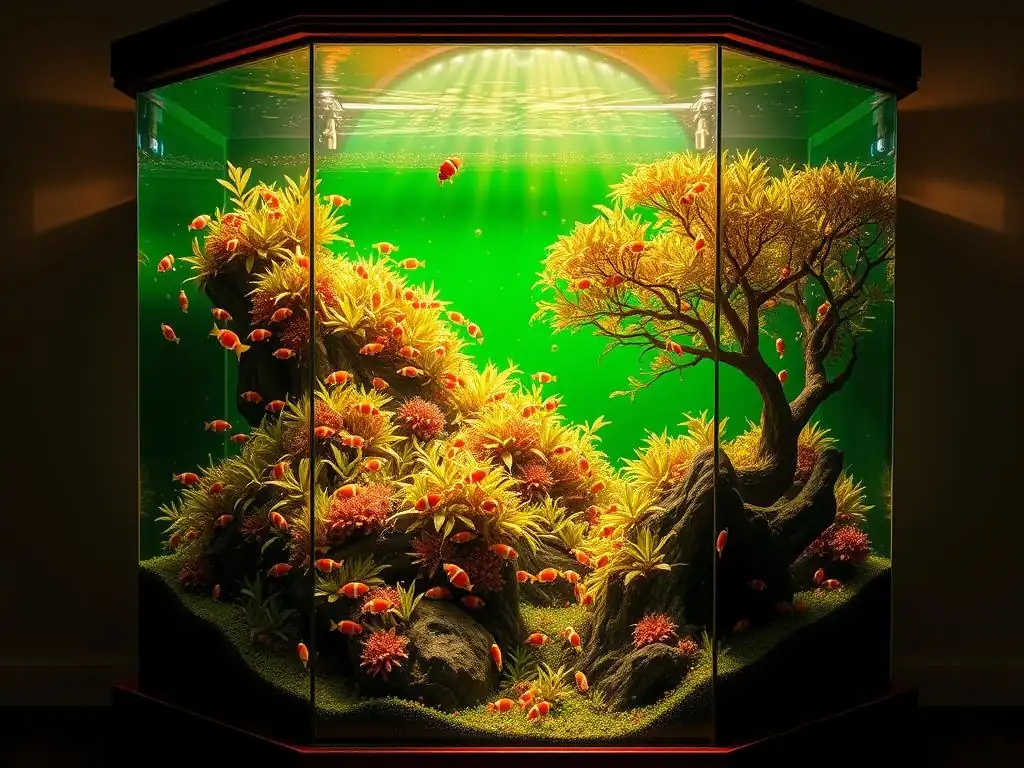
Ever wondered how to successfully navigate the delicate world of raising clownfish fry? Dive in and uncover the secrets to the greenwater technique, a crucial method for nurturing these tiny lives. We'll explore the pros, cons, and step-by-step instructions in this guide, designed to help you achieve success in clownfish fry greenwater rearing. Ready to unlock the secrets to vibrant, healthy clownfish? Let's get started!
- Rearing Clownfish Fry with the Greenwater Technique: A Comprehensive Guide
- Introduction to Greenwater Rearing for Clownfish Fry
- What is Greenwater and Why is it Beneficial?
- Pros and Cons of Greenwater Rearing
- How to Set Up a Greenwater System: A Step-by-Step Guide
- Feeding Clownfish Fry in Greenwater
- Troubleshooting Common Issues
- Alternative Rearing Methods Compared to Greenwater
- Conclusion: Is Greenwater Rearing Right for You?
-
Frequently Asked Questions
- How does greenwater benefit clownfish fry?
- What types of microalgae are best for greenwater rearing of clownfish fry?
- What are the potential drawbacks of using greenwater in clownfish fry rearing?
- How do I maintain a stable greenwater culture for my clownfish fry tank?
- When should I stop using greenwater and transition my clownfish fry to other foods?
- Final Reflection: Cultivating Life in Green Waters
- Dive Deeper: Start Your Clownfish Breeding Journey Today!
Rearing Clownfish Fry with the Greenwater Technique: A Comprehensive Guide
Introduction to Greenwater Rearing for Clownfish Fry
Understanding the Greenwater Method for Larval Clownfish
The greenwater method, in the context of marine aquaculture, refers to the practice of cultivating phytoplankton directly within the larval rearing tank or continuously adding cultured phytoplankton to it. This technique is specifically employed for the delicate early life stages of marine fish, such as clownfish, where newly hatched fry are incredibly small and vulnerable. The primary purpose of greenwater is to create a stable, more naturalistic environment that provides a consistent, microscopic food source and supports the overall well-being of the larval fish.
For marine fish breeders, overcoming the high mortality rates often seen in the initial days post-hatch is a significant challenge. Clownfish fry, being particularly tiny at around 3-4 millimeters upon hatching, require food particles that are almost invisible to the naked eye. The greenwater technique aims to mitigate these early losses by offering a constant supply of suitable prey organisms, primarily through the enrichment of rotifers and copepods that consume the phytoplankton, as well as direct consumption of the algae by the fry.
Why Choose Greenwater for Raising Clownfish Fry?
Rearing clownfish fry ex situ, or outside their natural oceanic environment, presents numerous hurdles, chief among them being the provision of appropriate nutrition and a stable habitat. Newly hatched clownfish fry possess underdeveloped digestive systems and tiny mouths, making it difficult for them to consume larger food items or artificial diets. This is where the greenwater method excels, as it addresses these specific needs by fostering a living, consistent micro-food web.
The greenwater system provides a dual benefit: it directly supplies microscopic algae for the fry to consume (though this is often a minor nutritional component), and more importantly, it serves as a nutrient-rich medium for the primary live foods like rotifers and copepods. These zooplankton, upon consuming the algae, become nutritionally enhanced, passing vital fatty acids and vitamins to the clownfish fry. Moreover, the dispersed algae particles in the water column can help the fry visually locate their prey by increasing contrast, potentially reducing stress and improving feeding success compared to clear water systems.
What is Greenwater and Why is it Beneficial?
Defining Greenwater Culture for Marine Fish Larvae
Greenwater culture, in its simplest definition, is water containing a high density of live microalgae, also known as phytoplankton. This isn't merely "dirty" water; it's a carefully managed, beneficial algal bloom specifically cultivated to support marine fish larvae. Common species of microalgae utilized in marine larviculture include Nannochloropsis oculata, known for its hardiness and nutritional profile; Chlorella species; Isochrysis galbana, which is rich in essential fatty acids; and Tetraselmis suecica, often used for gut-loading larger rotifers.
The presence of these microscopic plants serves multiple functions beyond just a direct or indirect food source. The live algae contribute to the overall environmental stability of the larval tank. They actively participate in nutrient cycling by consuming metabolic waste products such as ammonia and nitrates, helping to maintain pristine water quality. Furthermore, through photosynthesis, they continuously produce oxygen during daylight hours, contributing to higher dissolved oxygen levels crucial for the delicate fry.
The Role of Algae in Clownfish Fry Nutrition and Development
The nutritional contribution of algae in a clownfish fry greenwater rearing system is multifaceted. Algae are rich in essential nutrients, including highly unsaturated fatty acids (HUFA) like Docosahexaenoic Acid (DHA) and Eicosapentaenoic Acid (EPA), various vitamins (e.g., B12, C), and amino acids. While clownfish fry may directly ingest some algal cells, the primary nutritional pathway is often indirect, forming a crucial link in the "trophic pathway."
In this pathway, the algae are consumed by zooplankton, most notably rotifers ( Brachionus plicatilis), which are then fed to the clownfish fry. This process, known as "gut loading" or enrichment, ensures that the rotifers are packed with the necessary nutrients before they are eaten by the fry, thereby transferring essential compounds up the food chain.
Beyond nutrition, the dispersed algae in the water column also aid in visual acuity for the fry, making it easier for them to locate and capture their microscopic prey. Studies have indicated that the presence of greenwater can also reduce stress levels in larval fish, potentially due to the more naturalistic, less exposed environment it creates.
Benefits of Using Greenwater in Clownfish Larviculture
The advantages of employing the greenwater technique for clownfish fry greenwater rearing are significant and well-documented within the aquaculture community. One of the most compelling benefits is the dramatic improvement in survival rates. Anecdotal reports and controlled studies for various marine fish larvae often cite improvements from less than 10% survival in clear water systems to over 50-70% with optimized greenwater protocols, particularly in the critical first week post-hatch.
Beyond mere survival, greenwater also contributes to enhanced growth and pigmentation. The continuous availability of highly nutritious, live food, whether directly or indirectly, ensures that the fry receive a consistent supply of energy and building blocks for rapid development. The presence of carotenoids in the algae, transferred through the food chain, can also lead to more vibrant and natural coloration in the developing clownfish. Furthermore, the active participation of algae in water quality management—consuming waste, producing oxygen, and buffering pH—creates a more stable and forgiving environment, which is paramount for the successful larviculture of delicate marine species.
Pros and Cons of Greenwater Rearing
Advantages of the Greenwater Technique
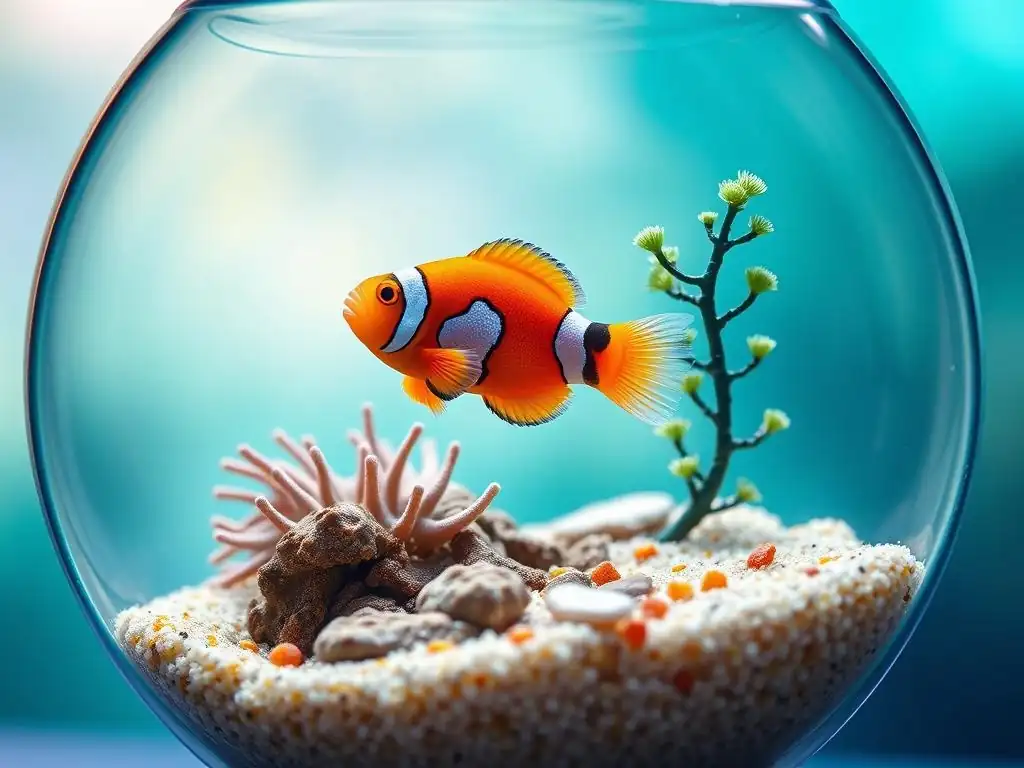
The greenwater technique, while demanding, offers several compelling advantages for the successful rearing of clownfish fry. These benefits often outweigh the complexities, making it a preferred method for many dedicated aquarists and commercial hatcheries.
Improved Survival Rates
One of the most significant advantages of greenwater rearing is the marked improvement in the survival rates of delicate clownfish fry. Newly hatched clownfish are extremely fragile and susceptible to environmental fluctuations and starvation. The greenwater system provides a constant, living food source, primarily by enriching the rotifers and copepods that the fry consume.
This continuous availability of nutrition reduces the likelihood of starvation, which is a major cause of early larval mortality. Furthermore, the presence of phytoplankton in the water column can help reduce stress by providing a more natural, sheltered environment, leading to a calmer and more successful feeding response. For instance, some breeders report an increase in survival from a typical 5-10% in clear water setups to upwards of 50-70% or even higher for optimized clownfish fry greenwater rearing protocols.
Enhanced Growth and Coloration
The rich nutritional profile provided by the algae, both directly and indirectly through the zooplankton they support, contributes significantly to faster growth rates in clownfish fry. Algae are packed with essential fatty acids (HUFA), vitamins, and amino acids crucial for rapid development. This superior nutrition translates into healthier, more robust fry that reach metamorphosis more quickly.
Additionally, the carotenoids present in many microalgae species, when consumed by the fry (via enriched live foods), play a vital role in the development of the clownfish's vibrant orange and black coloration. Fry reared in greenwater often exhibit more intense and natural pigmentation compared to those raised in clear water with less varied diets.
Natural Food Source
The greenwater system inherently mimics the natural oceanic environment where marine fish larvae typically develop. It provides a continuous, live food source that is easily ingested by the tiny mouths of newly hatched clownfish fry.
This natural approach supports the entire food web within the larval tank, ensuring that the primary live foods, such as rotifers or copepods, are themselves highly enriched before being consumed by the fry. The constant availability of food particles in the water column reduces the need for frequent, precise manual feeding of artificial diets, which can often lead to water quality degradation and less consistent nutrition.
Stabilizing Water Quality
Beyond its role as a food source, the microalgae in a greenwater system actively contribute to maintaining stable water quality, a critical factor for the survival of delicate clownfish fry. Through photosynthesis, the algae consume metabolic waste products like ammonia, nitrites, and nitrates, effectively acting as a natural bioreactor. This process helps to buffer against rapid increases in toxic nitrogenous compounds, which can be lethal to larvae.
Furthermore, during daylight hours, the algae produce oxygen, contributing to higher dissolved oxygen levels in the tank. They also provide a buffering capacity against pH swings, helping to maintain a more stable pH range, which is crucial given the sensitivity of clownfish fry to environmental fluctuations.
Despite its numerous benefits for clownfish fry greenwater rearing, the greenwater technique is not without its challenges. These drawbacks often require significant dedication, technical skill, and vigilant monitoring from the aquarist.
Maintaining a Stable Culture
One of the primary difficulties in greenwater rearing is the inherent challenge of maintaining a stable and optimal algae culture within the larval tank. Algae cultures are dynamic and can be prone to sudden crashes or uncontrolled overgrowth. Factors such as nutrient depletion, inconsistent lighting, temperature fluctuations, or contamination by unwanted microorganisms can lead to a rapid die-off of the algae, known as a "crash."
Conversely, too much light or nutrients can lead to an excessively dense bloom, which can then crash due to self-shading or oxygen depletion at night. Striking and maintaining the 'sweet spot' of optimal algae density for the fry is a continuous and demanding task, requiring daily adjustments.
Potential for Algae Blooms and Crashes
The volatile nature of algae cultures means that the greenwater system is susceptible to extreme conditions: either an uncontrolled bloom or a sudden crash. An excessive algae bloom can lead to severe oxygen depletion during the night as the algae respire, potentially causing mass mortality of fry. It can also lead to drastic pH drops due to increased carbon dioxide production and can foul the tank, making it difficult to monitor the fry.
Conversely, an algae crash, where the entire culture dies off rapidly, means an immediate loss of the primary food source and water quality buffering capacity. A crash can also release toxins from the decaying algae, leading to rapid and devastating fry mortality, often within hours.
Labor-Intensive Management
Implementing and maintaining a successful clownfish fry greenwater rearing system is considerably more labor-intensive than clear water methods. It requires not only daily monitoring of the larval tank but also the continuous culture of phytoplankton, which is a separate, demanding process in itself. This includes preparing sterile media, maintaining multiple algae cultures, and harvesting them regularly.
Within the larval tank, the aquarist must constantly assess algae density, monitor water parameters such as pH, ammonia, and dissolved oxygen, and make precise adjustments to lighting and aeration. Regular, careful water changes are still necessary to remove accumulated waste, adding to the daily workload.
Monitoring Water Parameters
The dense nature of greenwater makes it inherently challenging to visually inspect the delicate clownfish fry or detect problems early. Unlike clear water systems where fry can be easily observed, the turbid greenwater obscures visibility, making it difficult to count fry, assess their health, or identify signs of disease or distress. Furthermore, critical water parameters, particularly dissolved oxygen and pH, can exhibit significant diurnal fluctuations within a greenwater system.
Dissolved oxygen levels can soar during the day due to photosynthesis but plummet at night due to algal respiration. Similarly, pH can swing widely. Accurate and frequent monitoring of these parameters is essential, requiring reliable test kits or meters and the ability to make quick, informed adjustments to prevent detrimental conditions for the sensitive fry.
How to Set Up a Greenwater System: A Step-by-Step Guide
Step 1: Setting Up the Culture Vessel
The foundation of successful clownfish fry greenwater rearing begins with the proper setup of the larval culture vessel itself. This tank will house the newly hatched fry and the greenwater environment.
Choosing the Right Size and Type of Container
For home breeders, appropriate tank sizes typically range from 10 to 20 gallons (approximately 38-76 liters) for initial batches of clownfish fry. Smaller 5-gallon (approx. 19 liters) tanks can also be used for very small spawns or experimental setups, but larger volumes offer more stability. Glass or food-grade plastic containers are ideal due to their inert nature and ease of cleaning.
It is paramount that the chosen container is thoroughly cleaned and sterilized before use to prevent the introduction of pathogens or contaminants. Many experienced breeders opt for tanks with dark-colored backgrounds or paint the back of the tank black. This subtle visual aid can help the tiny, transparent fry locate their equally translucent prey (rotifers) by creating better contrast.
Supplying Adequate Light
Light is a critical component for the greenwater system, as it drives the photosynthesis of the microalgae. Full-spectrum LED or fluorescent lights, typically with a color temperature of around 6500K, are suitable. The duration of lighting is often extended, with many breeders providing 16 to 24 hours of light per day, especially in the initial stages. This extended photoperiod not only promotes continuous algae growth but also ensures that the fry have ample time to feed.
Crucially, the intensity of the light should be adjustable. Too much light can cause the algae to grow too rapidly and then crash, while too little light will result in insufficient algae density. Adjusting the light intensity allows for fine-tuning the algae concentration to the optimal level for the fry.
Aeration and Circulation
Gentle aeration is indispensable in a clownfish fry greenwater rearing tank. An air stone producing very fine bubbles should be used to prevent damaging the delicate fry. The purpose of aeration is twofold: it provides essential oxygenation to the water, especially at night when algae respire and consume oxygen, and it creates a gentle circulation that keeps food particles (algae and rotifers) suspended in the water column, making them more accessible to the fry.
Strong currents must be avoided, as they can exhaust or even injure the tiny larvae. The air stone should be positioned to create a subtle, upward flow without disturbing the bottom too much, where detritus might settle.
Step 2: Selecting and Culturing Algae Species
Before introducing fry, you must have a healthy, thriving culture of microalgae. This is often done in separate containers from the fry tank.
Commonly Used Algae Species
Several species of microalgae are commonly employed in marine aquaculture for their nutritional value, ease of culture, and suitable cell size. Nannochloropsis oculata is a popular choice due to its robustness, high lipid content, and relatively small cell size (2-5 µm), making it excellent for gut-loading rotifers. Isochrysis galbana (often referred to as T-ISO) is another valuable species, known for its high concentration of DHA, an essential fatty acid for marine fish development, though it can be slightly less stable to culture.
Tetraselmis suecica is a larger species (8-12 µm) primarily used for enriching larger rotifers or as a direct feed for slightly older larvae. The choice often depends on the specific nutritional needs and the robustness of the culture.
Obtaining a Starter Culture
The safest and most reliable way to begin an algae culture is by obtaining a starter culture from a reputable aquaculture supplier or a trusted online vendor specializing in live feeds. It is crucial to ensure that the starter culture is clean and free from contaminants, such as ciliates or other unwanted microorganisms, which can devastate your culture. Once acquired, the starter culture is typically transferred to a larger, sterile container with an appropriate growth medium.
Common growth media include f/2 media, which provides all the necessary macronutrients (nitrates, phosphates) and trace elements for algal growth. Starting the culture in a sterile environment is paramount to prevent crashes.
Maintaining a Healthy Culture
Maintaining a healthy, continuous algae culture requires daily attention. The cultures need consistent light (usually 24 hours of moderate intensity), gentle aeration, and regular "feeding" with a nutrient solution (e.g., f/2 solution). The density of the culture should be monitored visually or with a cell counter; a healthy culture will typically be a vibrant green.
To keep the algae in an exponential growth phase, which ensures maximum nutritional value, it's necessary to "harvest" a portion of the culture regularly (e.g., 10-20% daily) and replace it with fresh, sterile growth medium. Many breeders maintain multiple backup cultures to safeguard against unexpected crashes, ensuring a continuous supply for their clownfish fry greenwater rearing efforts.
Step 3: Transferring Fry to the Greenwater Tank
The moment of transfer is critical and requires careful handling to minimize stress on the newly hatched clownfish fry.
Acclimating Newly Hatched Fry
Clownfish fry typically hatch at night, around 8-10 days after the eggs are laid. The transfer process must be extremely gentle due to their delicate nature. Common methods include carefully siphoning the newly hatched fry from their spawning tank or, more commonly, moving the entire spawning tile or decor item with the eggs into the greenwater rearing tank just before hatching is anticipated.
This allows the fry to hatch directly into their new environment, minimizing handling stress. Crucially, the temperature and salinity of the greenwater tank must precisely match those of the hatching tank. If there's any difference, a slow drip acclimation method, where water from the greenwater tank is slowly dripped into the container holding the fry, is essential to prevent osmotic shock.
Density of Fry in Greenwater Tanks
The density of clownfish fry in the greenwater rearing tank significantly impacts their survival and growth rates. Overcrowding can lead to increased stress, poor growth, higher susceptibility to disease, and rapid deterioration of water quality. For initial stages of clownfish fry greenwater rearing, a typical density of 5-10 fry per liter is often recommended for home breeders to optimize survival and growth without excessive risk.
More experienced breeders might attempt higher densities, up to 20-30 fry per liter, but this increases the risk of issues and requires even more vigilant monitoring and management. It's often better to start with a lower density and increase it only as experience and success rates improve.
Step 4: Monitoring and Maintaining the System
Maintaining a stable and healthy greenwater system for clownfish fry requires continuous vigilance and proactive management.
Regular Water Changes
Even with the beneficial effects of greenwater, regular water changes are essential to remove accumulated waste products, replenish trace elements, and control bacterial populations. Small daily water changes, typically 5-10% of the tank volume, are often recommended, especially in the early stages. Alternatively, a larger water change of 20-30% can be performed every few days.
The replacement water should be aged, filtered saltwater, matching the temperature and salinity of the existing tank water. When performing water changes, care must be taken to siphon detritus from the bottom of the tank without disturbing or accidentally removing the delicate fry. A fine mesh screen can be placed over the siphon end to prevent fry from being drawn in.
Monitoring Algae Density and Adjusting Light/Nutrients
The optimal algae density is crucial for clownfish fry greenwater rearing. The water should be a light green, allowing the aquarist to visually discern the fry and rotifers at a depth of approximately 6-12 inches (15-30 cm). If the water appears too dark or opaque, the algae density is too high. If it appears too clear or pale, the density is too low.
Adjustments to algae density are primarily made by controlling light duration and intensity. Increase light if algae is thinning, and decrease it if the water is becoming too dense. While the primary method is light control, if algae appear pale or are consumed rapidly, a very small, diluted dose of f/2 solution (algae nutrient) can be added to the fry tank, but this should be done sparingly to avoid nutrient imbalances.
Addressing Potential Problems: Blooms, pH Swings
Despite best efforts, issues like algae blooms or pH swings can occur. If an algae bloom becomes too dense, indicated by excessively dark water, immediately reduce light intensity and duration, increase aeration to prevent nighttime oxygen depletion, and perform a partial water change. Introducing a small amount of live zooplankton (e.g., rotifers) can also help consume excess algae.
For pH swings, daily monitoring is vital, with an acceptable range typically between 7.8 and 8.4. Increased aeration can help stabilize pH by facilitating gas exchange. If pH drops too low at night, ensure adequate aeration.
If it rises too high during the day due to intense photosynthesis, reduce light intensity. In the event of an algae crash (water rapidly clears, strong smell), immediately perform a large water change (50% or more), add fresh, healthy algae culture, ensure robust aeration, and be prepared to heavily supplement with rotifers as the fry will be without their primary food source.
Feeding Clownfish Fry in Greenwater
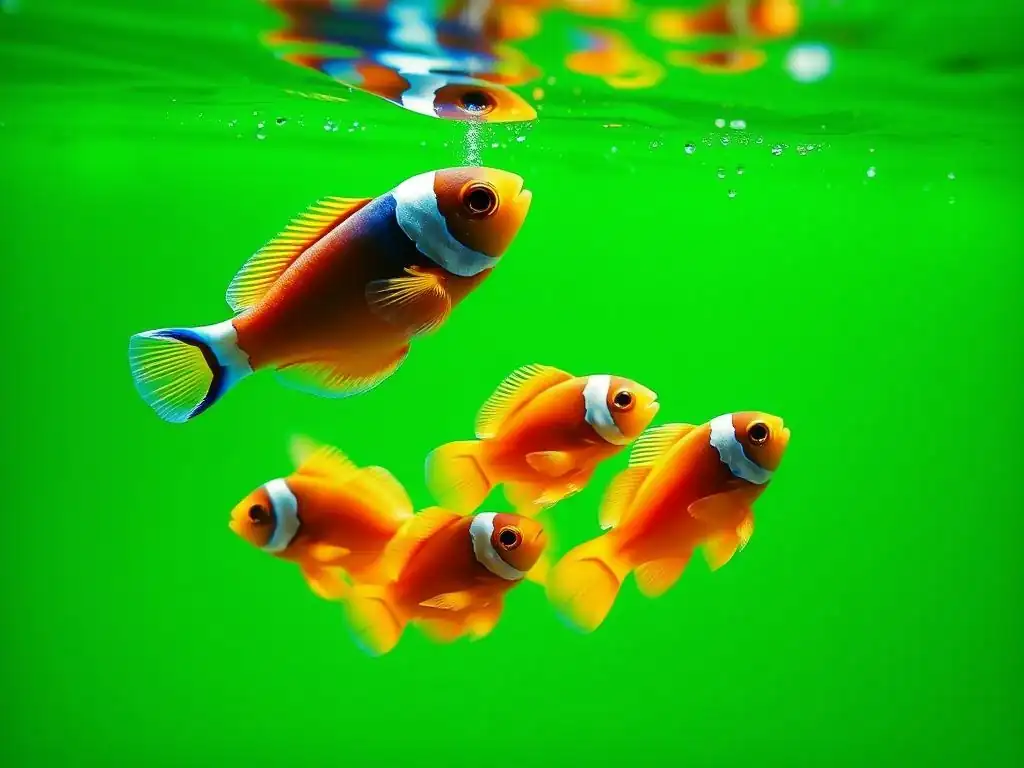
While greenwater provides a beneficial environment, it is rarely sufficient as the sole food source for clownfish fry. Supplementation with other live foods is critical for optimal growth and development.
Supplementing Greenwater with Other Food Sources
The greenwater environment excels at supporting the initial stages of larval development and providing indirect nutrition. However, for sustained growth and to meet the increasing energy demands of developing fry, additional food sources are indispensable. This often involves a carefully managed progression from smaller, highly nutritious live feeds to larger, more substantial options as the fry grow.
Rotifers as a Complementary Food
Rotifers, particularly Brachionus plicatilis (both S-type and L-type depending on fry size), are the essential first food for newly hatched clownfish fry. Their small size (typically 100-300 µm) and relatively slow swimming motion make them easily consumable by the tiny fry. Crucially, these rotifers must be "gut-loaded" or enriched with highly nutritious algae (like Nannochloropsis or Isochrysis) or commercial enrichment products (e.g., Selco, DHA Selco) before being fed to the fry.
This process ensures that the rotifers themselves are packed with essential fatty acids, vitamins, and proteins that are then transferred to the fry upon ingestion. A common feeding strategy for clownfish fry greenwater rearing involves maintaining a constant density of 10-20 rotifers per milliliter in the fry tank for the first 10-14 days, often requiring multiple daily additions to compensate for consumption and natural die-off.
Introducing Copepods
Copepods, such as Tisbe species or Apocyclops, offer a superior nutritional profile and a more natural feeding stimulus compared to rotifers. They are rich in essential fatty acids and have a jerky, erratic swimming motion that can trigger a stronger feeding response in marine larvae. While more challenging to culture than rotifers, their benefits make them highly desirable. Copepods can be introduced alongside or after rotifers, typically from day 5-7 post-hatch onwards, to provide a more varied and nutritionally complete diet. Some breeders even rely solely on copepods for very delicate species due to their exceptional nutritional value.
Weaning Fry from Greenwater
The transition from a greenwater system and live feeds to a clear water setup and artificial diets is a gradual process that typically begins around day 10-14 post-hatch, as the clownfish fry develop. The first step involves gradually reducing the algae density in the tank over 1-2 weeks, slowly increasing water clarity. Simultaneously, the fry are introduced to larger live foods. Newly hatched Artemia nauplii (brine shrimp), which are slightly larger and more energetic than rotifers, are typically introduced from day 10-14.
These should also be enriched for optimal nutrition. As the fry grow, they will progress to larger stages of Artemia. Finally, as early as 3-4 weeks post-hatch, the fry can begin to be weaned onto finely ground, high-quality flake or pellet foods specifically designed for marine fish, marking their transition to juvenile stage.
Troubleshooting Common Issues
Even with careful planning and execution, issues can arise during clownfish fry greenwater rearing. Knowing how to troubleshoot common problems is essential for success.
Dealing with Algae Crashes
An algae crash is one of the most immediate and devastating problems in a greenwater system. Symptoms include the water rapidly clearing from its green hue, a strong, unpleasant smell, and sometimes the appearance of a white precipitate at the bottom of the tank. Immediate action is crucial to save the fry.
The first step is to perform a large water change, typically 50% or more, using aged, clean saltwater that matches the existing tank parameters. Following this, add a significant volume of fresh, healthy algae culture to re-establish the greenwater environment. Increase aeration in the tank to ensure adequate dissolved oxygen, as decaying algae consume large amounts of oxygen.
Most importantly, ensure an abundant supply of enriched rotifers or copepods, as the fry will be without their primary food source during and immediately after the crash. Investigate potential causes of the crash, such as overfeeding, contamination, sudden light changes, or nutrient depletion, to prevent recurrence.
Preventing and Treating Diseases
Prevention is paramount when it comes to diseases in delicate clownfish fry, as treatment options are extremely limited and often stressful to the larvae. The best prevention strategies include maintaining excellent water quality, avoiding overcrowding, providing highly nutritious foods, and practicing rigorous hygiene (e.g., sterilizing all equipment, avoiding cross-contamination between tanks). Common diseases that can affect clownfish fry include bacterial infections (manifesting as fin rot or cloudy eyes) and parasitic infestations like Oodinium (marine velvet).
Treating these in the larval stage is challenging due to the fry's sensitivity to most medications. Formalin dips or specific antibiotics might be considered in severe cases, but only under expert guidance due to the high risk. Quarantining new live cultures (algae, rotifers, copepods) before introducing them to the fry tank is a wise practice to prevent the introduction of pathogens.
Addressing Poor Growth or Survival Rates
If clownfish fry exhibit poor growth or survival rates despite seemingly appropriate conditions, a thorough review of the entire rearing system is necessary. First, re-evaluate the feeding regimen: Are enough rotifers/copepods being supplied? Are they consistently gut-loaded with high-quality enrichment? Insufficient or poor-quality food is a common cause of stunted growth.
Second, meticulously test all water quality parameters, including ammonia, nitrite, nitrate, pH, salinity, and temperature. Even slight deviations from optimal ranges can stress fry and impede growth. Third, assess overcrowding; if fry density is too high, it can lead to competition for food and space, increased stress, and poor growth.
Reducing the density might be necessary. Lastly, consider parental factors; sometimes, poor hatch rates or weak fry batches can be attributed to the health, diet, or age of the breeding pair. In some cases, unexpected predation from unwanted organisms like hydroids that may have entered the tank can also lead to unexplained losses.
Alternative Rearing Methods Compared to Greenwater
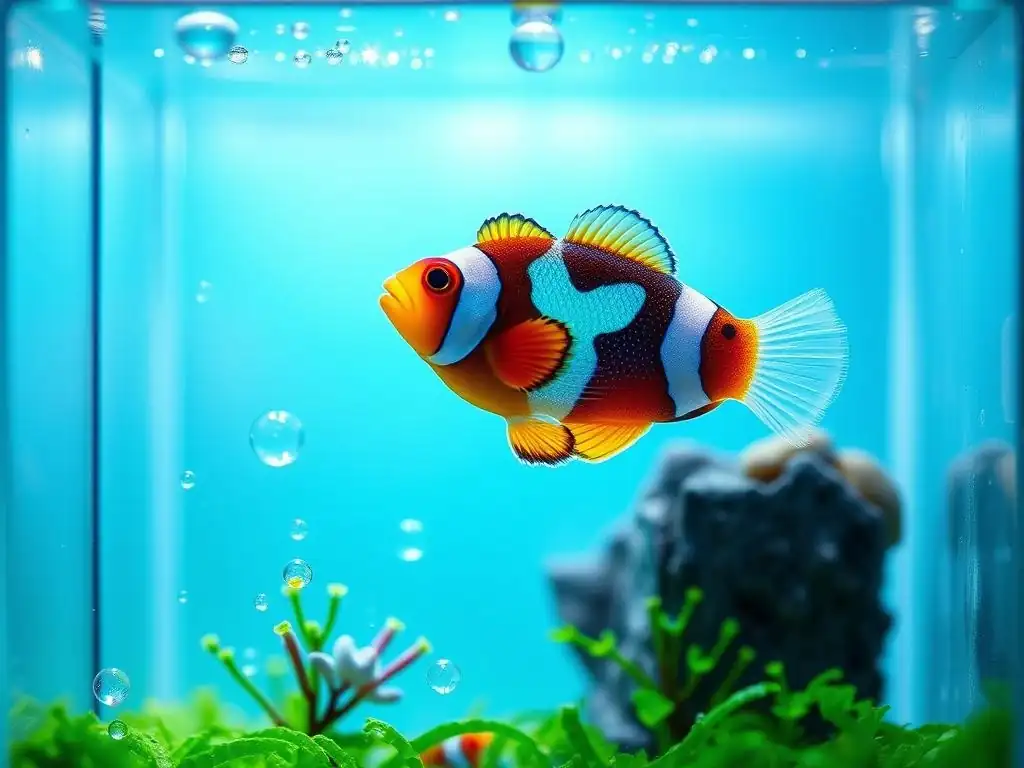
While greenwater is highly effective, especially for clownfish fry greenwater rearing, it's not the only approach. Understanding alternative methods provides context and can help breeders choose the best strategy for their resources and experience level.
Rotifer-Only Rearing
In a rotifer-only rearing system, clownfish fry are fed exclusively enriched rotifers in clear water, without the continuous presence of live microalgae in the larval tank. This method relies heavily on the consistent provision of high densities of nutritionally gut-loaded rotifers. The primary advantage of this approach is the ease of monitoring the fry, as the clear water allows for unobstructed visual inspection, making it simpler to assess their health, feeding activity, and growth. Water changes are also generally easier to perform.
However, this method requires a very high and constant density of rotifers, meaning continuous culture and frequent additions. Rotifers can also settle out of the water column, making them less accessible to fry. For very delicate marine fish species, survival rates can be lower in clear water compared to greenwater due to the absence of the buffering and stress-reducing effects of algae.
Artificial Diets
The use of artificial diets involves feeding clownfish fry micro-encapsulated or powdered commercial foods instead of live feeds. The main benefits of this method are the consistency of nutrition (assuming the diet is well-formulated) and a significant reduction in the labor associated with culturing live feeds. There's no need to maintain algae or rotifer cultures, which simplifies the overall breeding process.
However, artificial diets present significant challenges for clownfish fry. They have a high potential for fouling the water, as uneaten particles quickly decompose, leading to rapid degradation of water quality and dangerous spikes in ammonia and nitrites. Furthermore, clownfish fry, particularly in their early stages, often do not readily accept artificial diets, leading to starvation.
The nutritional value, while formulated, may also not fully replicate the complex profile of live foods, and they can sometimes lead to digestive issues. As a sole diet, artificial feeds are generally not successful for rearing newly hatched clownfish fry.
Combining Greenwater with Other Techniques
Many successful clownfish breeders and commercial hatcheries employ a hybrid approach, combining the benefits of greenwater with other rearing techniques. This often involves starting the clownfish fry in a greenwater system for the first few critical days post-hatch, typically 3 to 5 days. During this initial period, the greenwater provides unparalleled environmental stability, indirect nutrition, and visual cues for feeding. After this critical phase, as the fry grow slightly and become more robust, the system is gradually transitioned to clear water, where the primary food source becomes enriched rotifers and later, Artemia.
This combined approach capitalizes on the initial advantages of greenwater—improved survival, reduced stress, and the establishment of a robust feeding response—while mitigating its long-term maintenance challenges like algae crashes and obscured visibility. By gradually clearing the water, breeders can then more easily monitor fry health and precisely manage water quality, which becomes increasingly important as the fry consume larger quantities of live food. This balanced strategy often yields the highest survival rates and healthiest juveniles for clownfish fry greenwater rearing.
Conclusion: Is Greenwater Rearing Right for You?
Summary of Benefits and Challenges
The greenwater technique presents a powerful, albeit demanding, method for the successful rearing of clownfish fry. Its primary benefits include significantly improved survival rates, often increasing from a mere handful to over 50-70% in well-managed systems. It fosters enhanced growth and more vibrant coloration by providing a natural, highly nutritious food chain, either directly or indirectly through enriched live feeds like rotifers and copepods. Furthermore, the presence of microalgae helps stabilize water quality by consuming waste products and producing oxygen, creating a more forgiving and naturalistic environment for the delicate larvae.
However, these advantages come with notable challenges. The greenwater system is labor-intensive, requiring daily monitoring and management of both the larval tank and separate algae cultures. It is susceptible to sudden algae crashes or uncontrolled blooms, both of which can rapidly lead to mass mortality. Monitoring water parameters and the fry themselves can be difficult due to the water's turbidity. Ultimately, successful clownfish fry greenwater rearing demands a significant commitment to learning, meticulous attention to detail, and a proactive approach to problem-solving.
Resources for Further Learning
For those considering or currently engaged in clownfish fry greenwater rearing, continuous learning and adaptation are key to sustained success. Many valuable resources are available to deepen your understanding and refine your techniques. Consulting reputable aquaculture textbooks and scientific publications can provide detailed protocols and the underlying biological principles.
University extension services, particularly those focused on marine aquaculture, often offer practical guides and workshops. Engaging with experienced breeders through online forums and local aquarium clubs can provide invaluable real-world advice, troubleshooting tips, and access to starter cultures. Remember, marine fish larviculture, especially for species like clownfish, is an art as much as a science, and consistent experimentation coupled with diligent observation will ultimately lead to improved outcomes.
Frequently Asked Questions
How does greenwater benefit clownfish fry?
Greenwater, a suspension of microalgae, provides a readily available food source for tiny clownfish fry, especially in their initial stages. It also helps to stabilize water quality and provides cover.
What types of microalgae are best for greenwater rearing of clownfish fry?
Common and effective microalgae species include Nannochloropsis and Tetraselmis. These are nutritious and easily cultured, providing essential fatty acids for fry development.
What are the potential drawbacks of using greenwater in clownfish fry rearing?
Greenwater can make it difficult to observe the fry, and if not properly maintained, can lead to water quality issues like algae blooms and crashes. Overfeeding can cause ammonia spikes.
How do I maintain a stable greenwater culture for my clownfish fry tank?
Regularly monitor algae density and add nutrients as needed. Perform small, frequent water changes to prevent nutrient buildup and maintain water quality. Avoid direct sunlight.
When should I stop using greenwater and transition my clownfish fry to other foods?
Once the fry are large enough to consume rotifers and other small live foods, typically around 7-10 days after hatching, you can gradually reduce greenwater density while introducing alternative food sources.
Final Reflection: Cultivating Life in Green Waters
The journey of raising clownfish fry, as we've explored, is a delicate dance between science and art, and the greenwater technique remains a cornerstone of success for many aquaculturists. While challenges exist, the benefits of providing a nutrient-rich environment for these vulnerable creatures are undeniable, especially when aiming for optimal survival rates in the crucial early stages of development. The ongoing refinement of this method, coupled with a deeper understanding of larval needs, continues to shape the future of sustainable clownfish breeding.
This exploration into greenwater rearing has not only highlighted a practical technique but also underscored the profound responsibility we have to understand and nurture the delicate ecosystems we seek to replicate. The success of clownfish breeding, and indeed any form of aquaculture, hinges on our ability to create thriving environments. As Jacques Cousteau so eloquently stated: The sea, once it casts its spell, holds one in its net of wonder forever.
This wonder, coupled with scientific rigor, is what drives us to continually improve our methods and ensure the well-being of these captivating creatures.
Now, as you consider the intricacies of clownfish fry rearing, I encourage you to reflect on the broader implications of our actions. How can we, as individuals and as a community, contribute to the sustainable practices that protect our oceans and the life they hold? Embrace the challenge, experiment with passion, and remember that every small step towards a more sustainable future makes a world of difference.
Dive Deeper: Start Your Clownfish Breeding Journey Today!
Thank you for exploring the world of clownfish fry rearing with us! We hope you've gained valuable insights into the greenwater technique and its potential. Now it's time to put that knowledge into action!
Here are some actionable steps you can take to further your understanding and success:
- Start small: Prepare a 5-gallon tank with greenwater and introduce a small batch of newly hatched clownfish larvae to observe their feeding behavior.: This will help you understand the practical challenges.
- Explore alternative feeding methods: Research rotifer cultures and compare them with greenwater to determine which method best suits your resources and preferences. Consider visiting a local fish club meeting for advice.
- Share your experiences: Join our Aquarium Mastery community forum and share your successes, challenges, and observations with other aspiring clownfish breeders.
Ready to transform your aquarium into a thriving clownfish nursery?