
SPS Dosing Demystified: 2Part, Calcium Reactors, & Kalkwasser – Choosing Your Method

Welcome to Aquarium Mastery!
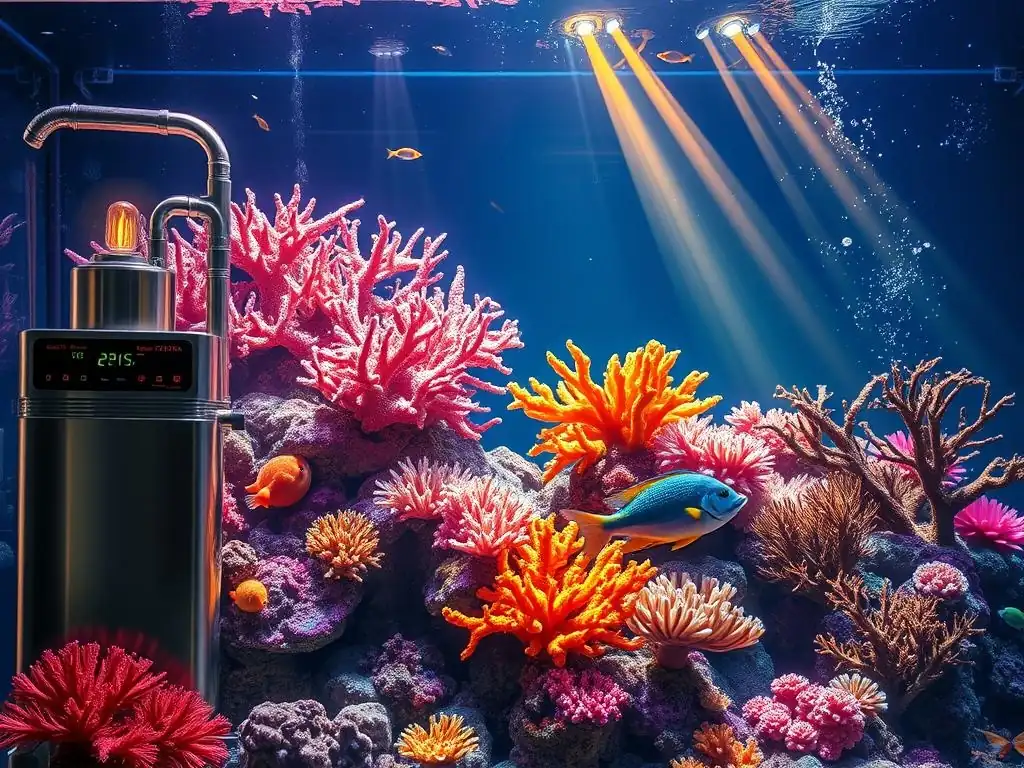
Ever wondered how to unlock the vibrant colors and rapid growth of your SPS corals? Dive in and discover the secrets of SPS aquarium dosing methods. From 2Part solutions to calcium reactors and Kalkwasser, we'll break down the complexities, empowering you to choose the perfect approach for your reef tank. Ready to master the art of coral nutrition? Let's get started!
- SPS Dosing: Choosing Your Method for Reef Tank Success
- Understanding SPS Coral Needs and Reef Aquarium Water Chemistry
- Exploring Different SPS Aquarium Dosing Methods
- Two-Part Dosing for SPS Aquariums: A Detailed Guide
- Calcium Reactors for SPS: Maintaining High Calcium Levels
- Kalkwasser Dosing for SPS: A Natural Approach to Alkalinity
- Comparing: Two-Part vs. Calcium Reactor vs. Kalkwasser
- Troubleshooting Common Dosing Problems in SPS Aquariums
- Choosing the Right SPS Dosing Method for Your Aquarium
-
Frequently Asked Questions
- How do I choose the right SPS aquarium dosing method for my tank?
- What are the key differences between 2-Part dosing, calcium reactors, and Kalkwasser?
- What are the advantages of using a calcium reactor for SPS coral growth?
- What are the potential drawbacks of using Kalkwasser in an SPS aquarium?
- How often should I test my water parameters when dosing an SPS aquarium?
- Final Reflection: Mastering the Art of Reef Stability
- Unlock Your Reef's Potential: What Will You Master Today?
SPS Dosing: Choosing Your Method for Reef Tank Success
Understanding SPS Coral Needs and Reef Aquarium Water Chemistry
The Importance of Stable Water Parameters for SPS Coral Growth and Coloration
Maintaining exceptionally stable water parameters is not merely a recommendation but a fundamental requirement for the thriving growth and vibrant coloration of Small Polyp Stony (SPS) corals in a reef aquarium. These corals, including popular genera like Acropora, Montipora, and Seriatopora, are calcifying organisms that continuously extract calcium and carbonate ions from the surrounding water to build their intricate aragonite skeletons.
Fluctuations in key parameters, even minor ones, can significantly stress these delicate animals, disrupting their metabolic processes and hindering their ability to calcify efficiently. For instance, a sudden drop in alkalinity from 8.5 dKH to 7.0 dKH over a 24-hour period can induce calcification shock, leading to tissue recession or even rapid tissue necrosis (RTN).
Beyond skeletal growth, consistent water chemistry directly influences the health of the zooxanthellae, the symbiotic algae living within coral tissues, which are responsible for the corals' stunning colors. Unstable conditions can cause these zooxanthellae to be expelled, a phenomenon known as bleaching, resulting in faded or "browned out" corals. Optimal stability, such as maintaining alkalinity within a tight range of ±0.5 dKH daily and calcium within ±10 ppm, allows SPS corals to allocate their energy towards healthy growth, vibrant pigmentation, and robust disease resistance, rather than expending it on adapting to fluctuating environmental conditions.
Calcium, Alkalinity, and Magnesium: Maintaining the Proper Ratios
The triumvirate of calcium, alkalinity, and magnesium forms the bedrock of successful SPS coral husbandry. Calcium (Ca) is the primary building block of the coral skeleton, ideally maintained within a range of 400-450 parts per million (ppm). Alkalinity, often measured in dKH (degrees of carbonate hardness), represents the concentration of carbonate and bicarbonate ions, which are equally critical for calcification and act as a pH buffer.
A typical target for SPS tanks is 7-11 dKH, with many successful aquarists aiming for the lower end (e.g., 7.5-8.5 dKH) for enhanced stability and reduced risk of precipitation. Magnesium (Mg), while not directly incorporated into the skeleton in large amounts, plays a crucial role as a catalyst, preventing the premature precipitation of calcium carbonate in the water column and ensuring its availability for coral uptake. A healthy magnesium level typically falls between 1250-1350 ppm.
Maintaining the proper ratios among these elements is as important as their individual concentrations. For example, if magnesium levels are too low (e.g., below 1100 ppm), calcium and alkalinity can precipitate out of solution, making it challenging to maintain target levels, even with consistent dosing.
Similarly, an imbalance between calcium and alkalinity, such as very high calcium (e.g., 500 ppm) with low alkalinity (e.g., 6 dKH), can lead to reduced calcification rates or precipitation. Effective SPS aquarium dosing methods focus on replenishing these elements in balanced proportions that mirror their natural consumption by corals, allowing for efficient uptake and robust skeletal development without adverse chemical reactions.
Why Consistent Dosing is Crucial for Optimal SPS Health
SPS corals, especially in a densely populated reef tank, consume calcium, alkalinity, and magnesium at a surprisingly rapid rate as they grow. This consumption is not static; it increases proportionally with the biomass and growth rate of the corals. For instance, a well-established 100-gallon SPS dominant reef tank with actively growing colonies might consume 0.5 to 1.0 dKH of alkalinity and 10-20 ppm of calcium daily. Without consistent replenishment, these vital parameters would quickly plummet to dangerously low levels, leading to stressed corals, stalled growth, and potentially irreversible damage.
Relying solely on water changes or infrequent manual additions is insufficient for the demands of an SPS reef. Manual dosing, even if done daily, introduces larger "spikes" of new elements, followed by gradual depletion, creating a sawtooth pattern of parameter fluctuation. This inconsistency, even within acceptable ranges, can be detrimental to SPS health.
Consistent SPS aquarium dosing methods, ideally automated and spread throughout the day, ensure that the corals have a continuous supply of the necessary building blocks, minimizing stress and promoting steady, uninterrupted growth. This continuous supply of elements is a hallmark of successful SPS keeping, enabling corals to reach their full growth potential and display their most vibrant colors.
Exploring Different SPS Aquarium Dosing Methods
Overview of Common Dosing Solutions for SPS Corals
The pursuit of stable water parameters for SPS corals has led to the development of several effective SPS aquarium dosing methods, each designed to replenish the essential elements consumed by calcifying organisms. The most widely adopted solutions typically focus on calcium, alkalinity (carbonate hardness), and magnesium. These methods aim to counteract the natural depletion that occurs as corals grow and build their skeletons.
Beyond these core macronutrients, many aquarists also consider supplementing trace elements such as strontium, iodine, and potassium, which are consumed in smaller quantities but are nonetheless vital for various biological processes, including coral coloration and enzyme function. However, the primary challenge addressed by most common SPS dosing solutions remains the consistent supply of calcium and alkalinity.
These dosing solutions range from simple manual additions to complex automated systems. The choice often hinges on the tank's size, the density of SPS corals, the aquarist's budget, and their desired level of automation. For instance, a small, lightly stocked SPS tank might manage with manual two-part dosing, while a large, heavily populated system with rapid coral growth would almost certainly require a more robust and automated solution like a calcium reactor. Understanding the fundamental mechanisms of each method is crucial for selecting the most appropriate strategy for your specific reef environment.
Comparing Two-Part Dosing, Calcium Reactors, and Kalkwasser Reactors
When comparing the leading SPS aquarium dosing methods, namely two-part dosing, calcium reactors, and Kalkwasser reactors, their fundamental operational principles and impacts on the reef system vary significantly. Two-part dosing involves the separate addition of concentrated liquid solutions of calcium chloride and sodium bicarbonate/carbonate directly into the aquarium water. This method is straightforward and offers precise control over individual element levels, as calcium and alkalinity can be adjusted independently. It's often the entry point for many aquarists due to its relatively low initial cost and ease of setup.
Calcium reactors, on the other hand, operate on a more complex principle. They utilize carbon dioxide (CO2) to acidify water within a sealed chamber containing calcium carbonate media (e.g., crushed coral or aragonite). This acidic water dissolves the media, releasing calcium, alkalinity, and trace elements back into the aquarium as a balanced effluent. This method provides a highly stable, continuous supply of elements and is particularly well-suited for large, heavily stocked SPS tanks.
Kalkwasser (limewater) dosing involves adding a saturated solution of calcium hydroxide. Its unique benefit is its ability to raise pH by reacting with dissolved CO2 in the water, making it beneficial for tanks struggling with low pH. While all three methods aim to replenish consumed elements, they differ in their complexity, cost, and specific impacts on water chemistry, such as pH and ionic balance, necessitating a careful consideration of each for optimal SPS health.
Two-Part Dosing for SPS Aquariums: A Detailed Guide
What is Two-Part Dosing and How Does it Work?
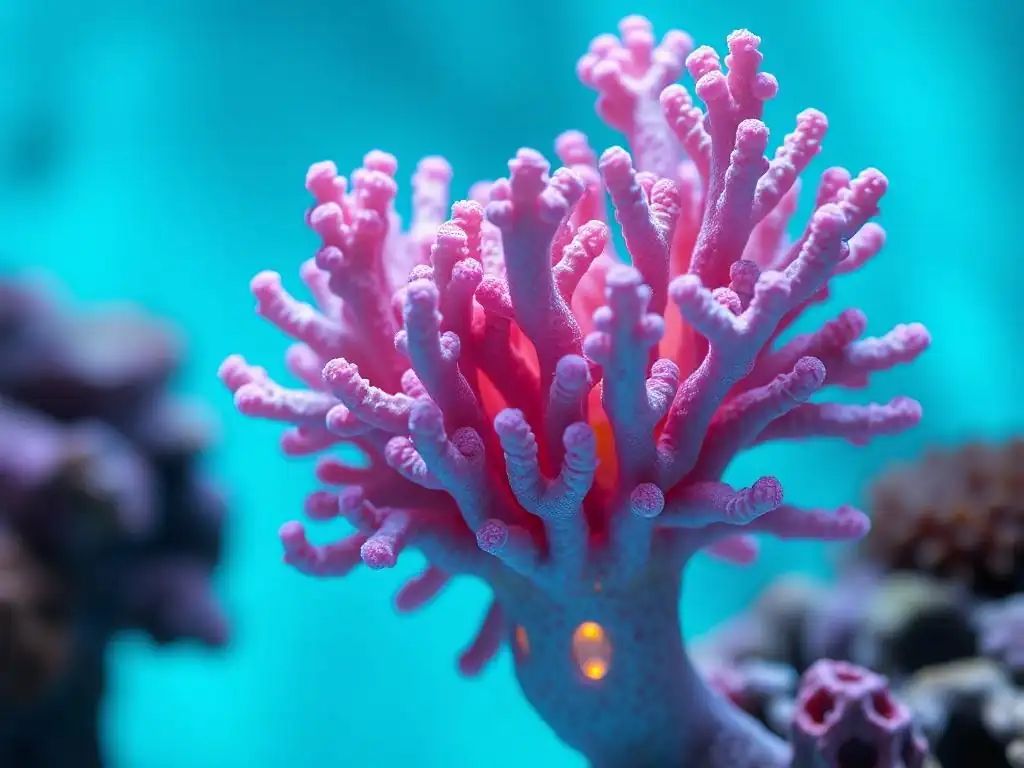
Two-part dosing, as one of the most popular SPS aquarium dosing methods, involves the separate addition of two primary chemical solutions to a reef aquarium: one containing a calcium source (typically calcium chloride) and the other providing an alkalinity source (usually sodium bicarbonate, sodium carbonate, or a blend of both). These solutions are kept separate because if mixed in concentrated form, they would react and precipitate out of solution, becoming ineffective. The core principle is to replenish the calcium and carbonate ions that SPS corals consume during their calcification process, where they build their aragonite skeletons.
When dosed into the aquarium water, the calcium solution increases the concentration of calcium ions, while the alkalinity solution raises the concentration of bicarbonate and carbonate ions. For example, a common commercial two-part system might deliver calcium at approximately 50,000 ppm and alkalinity at 4,000 dKH equivalent in their concentrated forms. These concentrated solutions are then diluted or dosed directly in small, precise amounts throughout the day using automated dosing pumps. The chemical reactions that occur, such as Ca²⁺ + CO₃²⁻ → CaCO₃, are the reverse of what happens during coral growth, effectively replacing the consumed elements and maintaining stable water parameters critical for SPS health.
Advantages of Using Two-Part Dosing for SPS
One of the most significant advantages of using two-part dosing as an SPS aquarium dosing method is its remarkable ease of setup and relatively low initial investment. Unlike more complex systems, a basic two-part setup typically only requires two dosing pumps, two reservoirs, and the concentrated solutions.
This makes it an accessible entry point for new reef aquarists or those with smaller to medium-sized tanks (e.g., up to 150 gallons with moderate SPS coral loads). The precise control offered by two-part dosing is another major benefit; aquarists can independently adjust the dosage of calcium and alkalinity, allowing for fine-tuning based on the specific consumption rates of their corals and current water test results.
Furthermore, two-part dosing has a minimal impact on the overall pH of the aquarium water, provided it is dosed correctly and in appropriate quantities. There's no introduction of CO2, which can sometimes lower pH in other dosing methods. This method also offers flexibility, as solutions can be purchased pre-mixed or prepared from dry powders, which can be more cost-effective. The ability to react quickly to minor parameter shifts by adjusting individual pump rates makes two-part dosing a highly responsive and user-friendly option for maintaining stable water chemistry in SPS-dominated reef tanks.
Disadvantages of Two-Part Dosing and Potential Challenges
Despite its advantages, two-part dosing presents certain disadvantages and potential challenges, particularly for larger or heavily stocked SPS reef tanks. The most significant drawback is the ongoing cost of consumables. For a large, dense SPS system, the daily consumption of calcium and alkalinity can be substantial, requiring significant volumes of concentrated solutions.
For example, a 200-gallon SPS tank with vigorous growth might consume several liters of each part per week, leading to monthly costs of $50-$100 or more for pre-mixed solutions. While mixing from dry powders can reduce this cost by up to 70%, it requires regular effort and attention to detail.
Another challenge associated with two-part dosing is the gradual buildup of ionic imbalance over time. While calcium chloride and sodium bicarbonate are added, the "other half" of these salts—chloride and sodium ions—accumulate in the water column. Over many months, this can lead to an elevated salinity and an imbalance in the major ion ratios, potentially stressing corals.
Regular large water changes (e.g., 10-20% monthly) are often necessary to "reset" this ionic balance. Additionally, there's always a risk of overdosing if pumps malfunction or calculations are incorrect, which can lead to rapid parameter swings and potential coral damage, such as alkalinity burn.
Setting Up and Calibrating Your Two-Part Dosing System
Setting up a two-part dosing system, one of the more straightforward SPS aquarium dosing methods, typically involves a few key components. First, you'll need at least two high-quality, programmable dosing pumps, such as those from brands like Neptune Systems (DOS), Kamoer, or BRS.
Each pump requires a dedicated reservoir for the calcium and alkalinity solutions, often 1-gallon or 5-liter containers, placed below the dosing pumps to allow for gravity feeding or close by for suction. The tubing from each pump is then routed into the aquarium or sump, ideally in areas of high water flow and ideally separated by some distance to prevent immediate precipitation of the concentrated solutions.
Calibration is a crucial step to ensure accurate dosing. Begin by testing your current aquarium's calcium, alkalinity, and magnesium levels using reliable test kits. Next, calculate your daily consumption rates for calcium and alkalinity by performing daily tests over several days to observe how much the levels drop.
Many online dosing calculators can help with this. Once you know your daily consumption (e.g., 1 dKH drop per day), program your dosing pumps to deliver the calculated volume of solution spread out over multiple small doses throughout the 24-hour period (e.g., 24 doses per day). This frequent, small dosing minimizes parameter swings and ensures a steady supply of elements, mimicking natural uptake.
Tips for Effective Two-Part Dosing in SPS Reef Tanks
For effective two-part dosing, consistent monitoring and careful practices are paramount. Firstly, always dose calcium and alkalinity solutions into high-flow areas of your sump or display tank, but crucially, ensure they are dosed at different times or in different locations. Dosing them too close together or simultaneously can lead to localized precipitation, rendering the elements unavailable to your corals and forming a white precipitate on equipment.
A common practice is to stagger doses by at least 30 minutes, or even an hour, for optimal dispersion. For example, if you dose 24 times a day, ensure the calcium dose is followed by an alkalinity dose a full cycle later.
Secondly, regular testing is non-negotiable. While automation handles the daily additions, periodic testing (initially daily or every other day, then weekly once stable) is essential to verify that your pumps are delivering accurately and that your corals' consumption rates haven't changed significantly due to growth. If you observe consistent drops in calcium or alkalinity, gradually increase your dose; if levels are consistently high, decrease it.
Consider adding a third part for magnesium if your magnesium levels consistently drop, as it's crucial for preventing calcium precipitation and is consumed, albeit slower, by SPS corals. Finally, always use high-quality, pharmaceutical-grade reagents if mixing your own solutions, and keep your dosing reservoirs clean to prevent bacterial growth.
Calcium Reactors for SPS: Maintaining High Calcium Levels
How Calcium Reactors Work: A Comprehensive Explanation
Calcium reactors represent a highly efficient and self-regulating SPS aquarium dosing method for maintaining stable calcium and alkalinity levels in demanding reef tanks. The core principle behind their operation involves the controlled dissolution of calcium carbonate media using carbon dioxide (CO2). Inside a sealed reaction chamber, aquarium water is slowly circulated. Simultaneously, CO2 gas is injected into this chamber, lowering the water's pH to an acidic range, typically between 6.5 and 6.8. At this lower pH, calcium carbonate media (such as aragonite, crushed coral, or specialized reactor media) becomes soluble and readily dissolves.
As the media dissolves, it releases calcium ions, carbonate ions (alkalinity), and a host of other beneficial trace elements back into the water. This enriched water, known as the "effluent," is then slowly dripped back into the main aquarium or sump, replenishing the elements consumed by corals.
A typical setup includes the reactor unit itself, a CO2 cylinder, a CO2 regulator (with a solenoid and bubble counter for precise control), and often a pH controller that monitors the pH within the reactor chamber and regulates the CO2 injection to maintain the desired acidity. This continuous, low-pH dissolution process ensures a steady and balanced supply of essential elements, making it ideal for heavily stocked SPS systems.
Benefits of Using a Calcium Reactor for SPS Coral Growth
The primary benefit of employing a calcium reactor as an SPS aquarium dosing method is its unparalleled ability to provide a consistent and balanced supply of calcium, alkalinity, magnesium, and other trace elements for large, densely populated SPS reef tanks. Once properly dialed in, a calcium reactor offers a highly stable environment with minimal daily intervention, freeing the aquarist from frequent mixing and refilling associated with liquid dosing.
For tanks exceeding 150 gallons with significant SPS biomass, the ongoing cost of calcium reactor media and CO2 is substantially lower than the equivalent cost of two-part solutions, making it a more economical long-term solution. For example, a 200-gallon SPS tank might consume $20-$30 worth of media every few months, compared to potentially hundreds of dollars in liquid solutions.
Furthermore, calcium reactors replenish elements in a natural, balanced ratio, as they essentially dissolve rock back into the system. This prevents the ionic imbalances that can gradually accumulate with two-part dosing, reducing the need for frequent large water changes solely for ionic reset. The continuous addition of trace elements released from the media also contributes to overall coral health and vibrant coloration. The automation and stability provided by a calcium reactor allow SPS corals to calcify at their maximum potential, leading to faster growth rates and more robust skeletal structures, which are hallmarks of a thriving reef system.
Drawbacks of Calcium Reactors: Cost, Maintenance, and CO2 Concerns
Despite their significant benefits, calcium reactors come with several drawbacks that aquarists must consider. The most prominent is the high initial investment cost. A complete calcium reactor setup, including the reactor unit, a CO2 cylinder, a high-quality CO2 regulator with a solenoid valve, and often a dedicated pH controller, can easily range from $500 to over $1,000.
This makes it a less accessible option for hobbyists on a tight budget or those with smaller tanks that don't justify the expense. Beyond the upfront cost, calcium reactors require dedicated plumbing and often a significant amount of space in the sump area, which can be a challenge for compact setups.
Maintenance and operational considerations also exist. Calcium reactors require periodic refilling of media (typically every 3-6 months depending on consumption) and occasional cleaning of the reactor chamber and effluent lines to prevent blockages. The use of pressurized CO2 tanks introduces a safety consideration, requiring proper ventilation and secure placement.
While a calcium reactor generally provides stable parameters once tuned, the initial tuning process can be complex and time-consuming, involving careful adjustments to CO2 bubble rate and effluent drip rate to achieve the desired calcium and alkalinity levels without causing pH swings in the main tank. The acidic effluent can also slightly lower the overall tank pH, which might be a concern in systems already struggling with low pH.
Choosing the Right Calcium Reactor for Your SPS Aquarium
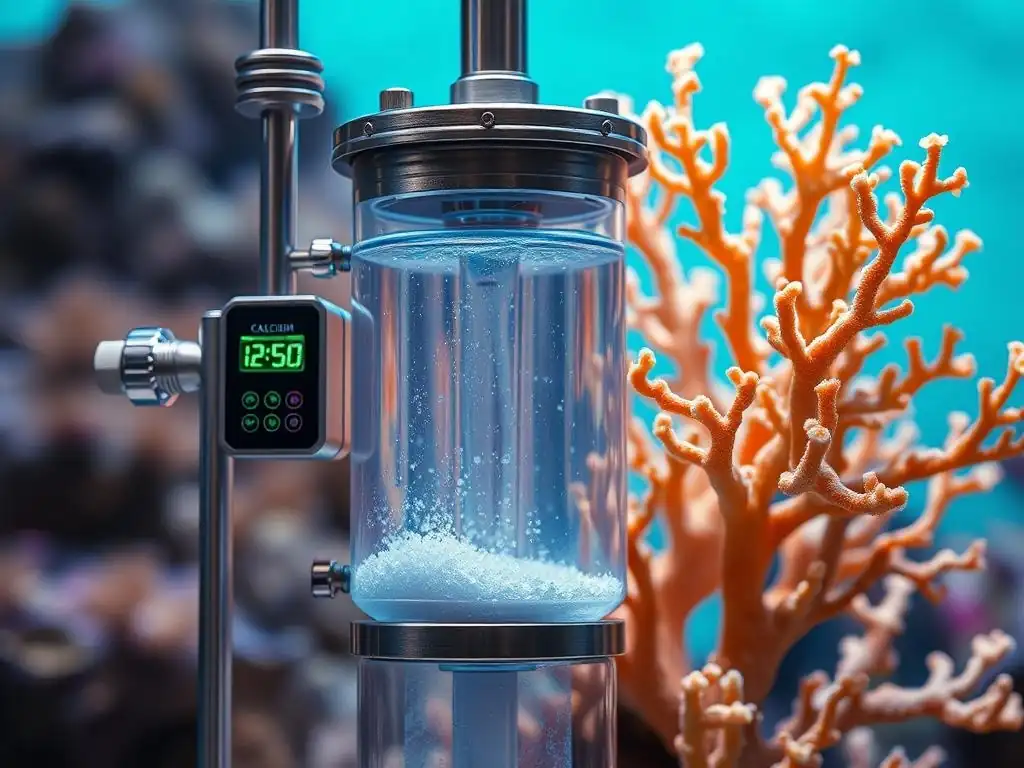
Selecting the appropriate calcium reactor is crucial for its effective performance as an SPS aquarium dosing method. The primary factor to consider is the reactor's rated capacity, which should align with your aquarium's volume and, more importantly, its SPS coral load.
A common rule of thumb is to choose a reactor rated for a tank size larger than your actual display tank, especially if you plan on having a dense population of fast-growing SPS corals. For example, a 100-gallon tank with heavy SPS might benefit from a reactor rated for 150-200 gallons to ensure sufficient capacity for future growth and high consumption rates.
Beyond capacity, consider the reactor's design and features. Look for reactors with efficient CO2 recirculation, which minimizes CO2 waste and improves dissolution efficiency. Features like easy media access (e.g., top-loading design), robust construction, and a reliable internal or external pump are also important. Some reactors come with integrated CO2 bubble counters or pH probe ports, simplifying setup. Research reputable brands known for quality and reliability, as a consistent and dependable calcium reactor is vital for maintaining the stable parameters SPS corals demand. Reading user reviews and consulting with experienced aquarists can provide valuable insights into real-world performance.
Calcium Reactor Setup and Fine-Tuning for Optimal Performance
Setting up a calcium reactor, while more involved than two-part dosing, is a manageable process for any dedicated aquarist. The basic setup involves connecting the reactor to your CO2 cylinder via a regulator and solenoid, plumbing an incoming water line from your sump (often T-ed off a return pump or a dedicated feed pump), and routing the effluent line back into a high-flow area of your sump.
Once assembled and filled with calcium reactor media, the initial fine-tuning begins. This involves slowly increasing the CO2 bubble rate (e.g., 1-2 bubbles per second initially) and adjusting the effluent drip rate (e.g., 20-40 drips per minute) to achieve a target pH within the reactor chamber, typically between 6.5 and 6.8, which is monitored by a pH probe connected to a pH controller.
Fine-tuning for optimal performance is an iterative process. After initial setup, allow 24-48 hours for the system to stabilize. Then, test your main tank's alkalinity and calcium levels. If alkalinity is too low, slightly increase the CO2 bubble rate or the effluent drip rate; if too high, decrease them.
Conversely, if calcium is low, adjust similarly. The goal is to achieve stable target parameters in your main tank (e.g., 8.0 dKH and 420 ppm calcium) with minimal fluctuations. Regular testing (daily initially, then weekly) and minor adjustments are necessary, especially as coral growth increases consumption. Patience and meticulous observation are key to mastering this powerful SPS aquarium dosing method.
Kalkwasser Dosing for SPS: A Natural Approach to Alkalinity
What is Kalkwasser and How Does it Affect Reef Chemistry?
Kalkwasser, German for "limewater," is a saturated solution of calcium hydroxide (Ca(OH)2) in purified water, typically RODI (Reverse Osmosis De-Ionized) water. As an SPS aquarium dosing method, it offers a unique approach to replenishing both calcium and alkalinity simultaneously. When calcium hydroxide dissolves in water, it forms calcium ions (Ca²⁺) and hydroxide ions (OH⁻).
The key to Kalkwasser's impact on reef chemistry lies in its high pH, typically around 12.0-12.5. When this high-pH solution is slowly added to the aquarium water, the hydroxide ions react with dissolved carbon dioxide (CO2) present in the water, converting it into bicarbonate (HCO₃⁻) and carbonate (CO₃²⁻) ions.
This reaction, often simplified as Ca(OH)₂ + CO₂ → CaCO₃ + H₂O, effectively removes CO2 from the water column, which in turn helps to raise and stabilize the overall pH of the aquarium. This is particularly beneficial for tanks that suffer from chronically low pH, often due to high CO2 levels from respiration, inadequate gas exchange, or a closed environment. By converting CO2 into beneficial carbonate ions, Kalkwasser not only supplies the essential building blocks for calcification but also acts as a powerful pH buffer, promoting a more stable and favorable environment for SPS coral growth, which thrives in pH levels typically above 8.0.
Advantages of Kalkwasser Dosing in SPS Aquariums
Kalkwasser dosing offers several compelling advantages, making it a favored SPS aquarium dosing method for many aquarists, particularly those with smaller to medium-sized tanks or those struggling with low pH. One of its most significant benefits is its ability to naturally raise and stabilize the aquarium's pH. By consuming dissolved CO2 from the water, Kalkwasser helps to maintain pH levels in the optimal range (e.g., 8.0-8.4), which is highly beneficial for SPS coral calcification and overall metabolic health. This makes it an excellent choice for tanks that experience pH dips, especially at night.
Furthermore, Kalkwasser provides both calcium and alkalinity in a balanced, stoichiometric ratio, meaning it adds these elements in the precise proportions corals consume them, without introducing ionic imbalances. This eliminates the concern of accumulating unwanted ions, as is sometimes the case with two-part dosing.
It is also quite cost-effective for the amount of calcium and alkalinity it delivers, as calcium hydroxide powder is relatively inexpensive (e.g., a pound of Kalkwasser powder might cost $10-$20 and last for months in a small tank). When incorporated into an automatic top-off (ATO) system, Kalkwasser can deliver small, frequent doses, providing continuous replenishment of elements and stable parameters with minimal daily effort.
Disadvantages of Kalkwasser Dosing: Limitations and Risks
Despite its benefits, Kalkwasser dosing has notable disadvantages and inherent risks, limiting its suitability as the sole SPS aquarium dosing method for all setups. The primary limitation is its relatively low solubility. A saturated Kalkwasser solution can only deliver a finite amount of calcium and alkalinity. For very large or heavily stocked SPS tanks with high consumption rates (e.g., a 200-gallon tank packed with fast-growing Acropora), Kalkwasser alone may not be able to keep up with the demand, necessitating supplementation with other dosing methods.
A significant risk associated with Kalkwasser is the potential for rapid pH spikes if dosed too quickly or in too large a quantity. Given its high pH (around 12.0), an uncontrolled addition can cause a sudden, dangerous rise in tank pH, stressing or even killing sensitive corals and fish. Therefore, Kalkwasser must always be dosed very slowly and continuously, ideally via a slow drip or an ATO system that adds small amounts over many hours.
Handling calcium hydroxide powder also requires caution, as it is caustic and can cause skin or eye irritation. Lastly, Kalkwasser solutions must be kept sealed from atmospheric CO2, as exposure will cause the calcium hydroxide to precipitate as calcium carbonate, reducing its potency and forming a crust, often called "Kalk crust," on the surface.
Setting Up a Kalkwasser Reactor for Your SPS Tank
Setting up a Kalkwasser reactor for your SPS tank provides a more automated and efficient way to dose this beneficial solution compared to manual mixing. A Kalkwasser reactor is essentially a sealed chamber designed to continuously mix calcium hydroxide powder with fresh RODI water, creating a consistently saturated Kalkwasser solution while preventing atmospheric CO2 from degrading its potency. The setup typically involves connecting the reactor to your automatic top-off (ATO) system. Instead of the ATO directly adding RODI water to your sump, it draws water through the Kalkwasser reactor, which then dispenses the freshly mixed limewater into the aquarium.
The reactor itself is usually a cylindrical container with an internal mixing mechanism, often a small pump or stir bar, that periodically agitates the Kalkwasser powder to ensure saturation. The input line from your ATO reservoir feeds RODI water into the reactor, and the output line delivers the clear, saturated Kalkwasser supernatant to your sump or display tank. Crucially, ensure all connections are airtight to prevent CO2 ingress. A well-designed Kalkwasser reactor will minimize sludge buildup at the bottom, allowing you to dose only the clear solution, which is essential to avoid introducing particulates into your tank.
Kalkwasser Mixing and Dosing Best Practices
Proper Kalkwasser mixing and dosing are critical to safely and effectively utilize this SPS aquarium dosing method. When preparing Kalkwasser, always use high-quality calcium hydroxide powder and mix it with purified RODI water. A common ratio is 1 to 2 teaspoons of powder per gallon of RODI water, but always follow the manufacturer's recommendations. Mix the solution thoroughly, then allow it to settle for several hours, or even overnight, in a sealed container or reactor. Only the clear supernatant (the liquid above the settled white precipitate) should be dosed into the aquarium; the precipitate itself should not be added.
The golden rule for Kalkwasser dosing is "slow and steady." Due to its high pH, rapid addition can shock your tank. The safest and most effective method is to dose it very slowly and continuously, ideally through an ATO system that trickles small amounts throughout the day and night.
For tanks without an ATO, a dedicated dosing pump can be used, but ensure it's programmed for many small, frequent doses (e.g., 24-48 doses per day) into a high-flow area of the sump or tank. Monitor your tank's pH closely, especially during the initial days of Kalkwasser dosing, to ensure it remains within a safe range (e.g., 8.0-8.4). Never dose Kalkwasser when your pH is already at its peak or if you observe signs of stress in your corals.
Comparing: Two-Part vs. Calcium Reactor vs. Kalkwasser
Cost Analysis: Which Dosing Method is Most Economical?
When evaluating SPS aquarium dosing methods, the cost is a significant factor, encompassing both initial setup expenses and ongoing consumable costs. Two-part dosing generally has the lowest initial cost, requiring only dosing pumps (e.g., $150-$400 for a set of two) and reservoirs. Kalkwasser reactors fall into a medium initial cost bracket, with the reactor itself and an ATO system potentially totaling $200-$500. Calcium reactors demand the highest initial investment, with the reactor unit, CO2 tank, regulator, and pH controller often exceeding $500, sometimes reaching over $1,000 for high-end setups.
However, the long-term ongoing costs tell a different story. For large, heavily stocked SPS tanks, two-part dosing becomes the most expensive due to the continuous purchase of concentrated liquid solutions. A 200-gallon SPS system might easily incur $50-$100+ per month in two-part solution costs.
Kalkwasser is often the most economical in terms of consumables, as calcium hydroxide powder is very cheap (e.g., a few dollars per month for a typical tank). Calcium reactors, while expensive upfront, have very low ongoing costs for media (e.g., $20-$50 every few months) and CO2 refills (e.g., $20-$40 every 6-12 months), making them the most cost-effective for high-demand systems in the long run.
Maintenance Requirements: Comparing the Effort Involved
The maintenance requirements for different SPS aquarium dosing methods vary considerably, influencing the aquarist's daily or weekly routine. Two-part dosing is generally the least maintenance-intensive on a day-to-day basis. The primary tasks involve refilling dosing reservoirs (ranging from weekly to monthly depending on tank size and consumption) and occasional cleaning of the dosing pump heads to prevent clogs. If using dry powders, the additional step of mixing fresh solutions is required, which can be done weekly or bi-weekly.
Kalkwasser dosing, particularly with a reactor, involves periodic refilling of the reactor with calcium hydroxide powder (e.g., every 1-4 weeks) and ensuring the clear supernatant is being dosed. Regular cleaning of the reactor to remove any sludge buildup is also necessary. Calcium reactors, conversely, are the most maintenance-intensive of the three.
They require periodic refilling of the CO2 cylinder (e.g., every 6-12 months), replenishing the calcium reactor media (e.g., every 3-6 months), and occasional cleaning of the reactor chamber, media, and effluent lines. The CO2 regulator and pH probe also require periodic calibration and maintenance. While calcium reactors offer high stability, they demand more hands-on attention for their upkeep.
Impact on Water Parameters: Alkalinity, Calcium, and pH Stability
Each SPS aquarium dosing method has a distinct impact on key water parameters, particularly alkalinity, calcium, and pH stability. Two-part dosing offers excellent independent control over calcium and alkalinity, allowing aquarists to fine-tune each parameter precisely. However, it generally has a neutral effect on pH, meaning it won't significantly raise or lower it. A potential long-term impact is the gradual buildup of ionic imbalance (excess sodium and chloride ions), which necessitates regular water changes to prevent issues.
Kalkwasser dosing uniquely provides the benefit of raising and stabilizing pH. By consuming dissolved CO2, it helps maintain higher pH levels (e.g., 8.0-8.4), which is advantageous for calcification and can counteract nighttime pH drops. It adds calcium and alkalinity in a balanced ratio, preventing ionic imbalance. However, its capacity to deliver elements is limited by the solubility of calcium hydroxide, and rapid dosing can cause dangerous pH spikes.
Calcium reactors provide a highly balanced and continuous supply of calcium, alkalinity, magnesium, and trace elements, mirroring natural seawater. They do not cause ionic imbalance. While the acidic effluent can slightly lower the pH within the reactor chamber, the overall impact on tank pH is generally stable, or it may slightly lower tank pH if not properly balanced with aeration.
Suitability for Different Tank Sizes and SPS Coral Loads
The suitability of each SPS aquarium dosing method is heavily dependent on the tank size and the density of SPS coral load. Two-part dosing is generally ideal for smaller to medium-sized reef tanks, typically up to 150 gallons, with a light to moderate SPS coral population. Its ease of use and lower initial cost make it a popular choice for beginners or those with less demanding systems. As consumption rates increase in larger tanks, the ongoing cost and frequency of refilling reservoirs can become prohibitive.
Kalkwasser dosing is most effective for small to medium tanks, generally up to 75-100 gallons, especially if they have moderate SPS consumption and benefit from pH elevation. It can also be used as a supplementary dosing method in larger tanks to help boost pH or provide a portion of the daily calcium/alkalinity demand.
Calcium reactors are the preferred and most efficient SPS aquarium dosing method for large, densely populated SPS-dominant reef tanks (typically 150 gallons and above). Their ability to deliver a high, continuous, and balanced supply of elements makes them indispensable for systems with very high calcification demands, ensuring optimal growth and stability for extensive SPS colonies.
Troubleshooting Common Dosing Problems in SPS Aquariums
Identifying and Addressing Alkalinity Swings
Alkalinity swings are one of the most common and damaging issues in SPS-dominated reef tanks, often leading to visible coral stress. Symptoms include pale or bleached coral tips, tissue recession starting from the base or tips of the coral, and a general loss of vitality. Rapid alkalinity drops (e.g., from 8.5 dKH to 7.0 dKH within 24 hours) can cause "alkalinity burn," where coral tissue appears to melt away. The primary causes are inconsistent dosing (e.g., dosing too infrequently or with pump malfunctions), rapid increases in coral consumption due to a growth spurt, or inaccurate test kit readings.
To address alkalinity swings, first, verify your test kit's accuracy by cross-referencing with another brand or a trusted aquarist. Second, check your dosing pump's calibration by measuring the actual volume dispensed over a set period (e.g., 24 hours). If using a calcium reactor, ensure the CO2 bubble rate and effluent drip rate are stable.
For all SPS aquarium dosing methods, increasing the frequency of smaller doses throughout the day (e.g., 24 doses instead of 4) can significantly reduce swings. If consumption has increased, gradually increase the daily dose by 5-10% increments, retesting daily until stability is achieved. Maintaining alkalinity within a tight range, such as 7.5-8.5 dKH, is crucial.
Dealing with Calcium Precipitation and Imbalances
Calcium precipitation manifests as a white, powdery residue on heaters, pumps, sand, or even coral skeletons, and can sometimes cause cloudy water. This occurs when calcium carbonate forms directly in the water column instead of being incorporated into coral skeletons. Common causes include dosing calcium and alkalinity solutions too close together, leading to localized oversaturation; excessively high pH (e.g., consistently above 8.5); overdosing calcium or alkalinity; or insufficient magnesium levels, which normally prevent precipitation.
To deal with calcium precipitation, first, ensure that if you are using two-part dosing, calcium and alkalinity are dosed in different high-flow areas of the sump or tank, separated by at least 30-60 minutes. Second, check your magnesium levels; if they are below 1250 ppm, gradually raise them to the target range of 1250-1350 ppm. Magnesium acts as an anti-precipitant.
Third, monitor your pH; if it's consistently too high, consider increasing aeration or ensuring proper gas exchange. If levels of calcium or alkalinity are consistently above target ranges (e.g., calcium >450 ppm or alkalinity >9.0 dKH), reduce your daily dose. Patience is key, as rebalancing can take several days.
Recognizing and Correcting Magnesium Deficiencies
Magnesium deficiencies, while less immediately apparent than alkalinity or calcium issues, can subtly undermine the stability of your SPS reef. The primary symptom of low magnesium (typically below 1200 ppm) is the difficulty in maintaining stable calcium and alkalinity levels, even with consistent dosing. Magnesium acts as a crucial buffer, preventing calcium carbonate from precipitating out of solution. When magnesium is low, calcium and alkalinity can react prematurely, becoming unavailable to corals and often leading to the white precipitation discussed earlier, despite your best efforts with SPS aquarium dosing methods.
To recognize a deficiency, regular testing of magnesium levels is essential, typically weekly or bi-weekly. If levels are consistently low, the solution is to dose a separate magnesium supplement. Magnesium is consumed much slower than calcium or alkalinity, so it typically needs less frequent replenishment. When supplementing, raise magnesium levels slowly, no more than 50-100 ppm per day, to avoid shocking your system. Aim for a target range of 1250-1350 ppm. Once stable, magnesium consumption is often minimal, and small, infrequent doses or even just weekly testing might suffice to maintain levels.
Adjusting Dosing Based on Coral Growth and Consumption Rates
As SPS corals grow and your reef tank matures, their demand for calcium, alkalinity, and magnesium will naturally increase. Failing to adjust your SPS aquarium dosing methods accordingly can lead to declining parameters and stressed corals. Recognizing increased consumption involves consistent monitoring. Visible cues of increased consumption include rapid new tip growth on Acropora, visible growth rings on Montipora, and overall increased biomass. More reliably, if your weekly test results consistently show a downward trend in alkalinity or calcium, despite your current dosing regimen, it indicates increased consumption.
To adjust your dosing, the most effective method is to gradually increase your daily dose. For example, if your alkalinity drops by 0.5 dKH over a week, calculate the additional amount needed to bring it back into range and then incrementally increase your daily dose by 5-10%. Re-test daily for a few days to confirm the new dose is adequate.
Keep a detailed log of your test results and dosing adjustments. This allows you to track trends and make informed decisions. It's an ongoing process; as your corals continue to grow and thrive, periodic adjustments to your chosen SPS aquarium dosing methods will be necessary to maintain optimal water parameters.
Choosing the Right SPS Dosing Method for Your Aquarium
Factors to Consider When Selecting a Dosing Strategy
Selecting the optimal SPS aquarium dosing method requires a careful evaluation of several critical factors specific to your reef setup and personal preferences. Firstly, tank size and SPS coral density are paramount. A small 40-gallon tank with a few SPS frags will have significantly lower calcification demands than a 250-gallon system packed with mature Acropora colonies. Methods like two-part dosing might be perfectly adequate for the former, while the latter would almost certainly necessitate a calcium reactor.
Secondly, consider your budget, both for initial equipment purchase and ongoing consumable costs. Calcium reactors have a high upfront cost but are economical long-term for large tanks, while two-part dosing has a low initial cost but high ongoing expenses for big systems. Available space in your sump or cabinet is another practical consideration, as calcium reactors and their associated CO2 tanks require more footprint than dosing pumps and liquid reservoirs.
Finally, your desired level of automation and personal comfort with complexity should influence your choice. Two-part dosing is relatively simple to set up and operate, while calcium reactors involve more intricate plumbing and tuning, appealing more to experienced aquarists seeking maximum automation and stability.
Matching Dosing Method to Your Budget and Experience Level
Matching your SPS aquarium dosing method to your budget and experience level is crucial for long-term success and enjoyment in the hobby. For beginners or those with limited budgets, two-part dosing is often the recommended starting point. Its relatively low initial cost (a few hundred dollars for pumps and solutions) and straightforward operation make it accessible. It allows new aquarists to learn about parameter stability without being overwhelmed by complex equipment. While ongoing costs for consumables can add up in larger tanks, it's a manageable system for tanks up to about 100-150 gallons with moderate SPS loads.
For intermediate to advanced aquarists with larger tanks (e.g., 150+ gallons) and a higher budget, a calcium reactor becomes a highly attractive option. Despite the higher initial investment (typically $500-$1000+), its long-term cost-effectiveness, superior stability, and reduced hands-on daily maintenance make it the preferred choice for dense SPS systems. Kalkwasser dosing offers an interesting intermediate option.
It's more budget-friendly than a calcium reactor and can be very effective for small to medium tanks (e.g., up to 100 gallons) or as a pH booster in larger systems, appealing to those comfortable with mixing chemicals and desiring pH support. Ultimately, the "best" method is the one you can consistently manage within your means, ensuring stable parameters for your SPS corals.
Creating a Balanced and Effective Dosing Regimen for SPS Success.
Creating a balanced and effective SPS aquarium dosing regimen, regardless of the method chosen, hinges on two core principles: consistent monitoring and meticulous observation. Regular testing of your key parameters—calcium, alkalinity, and magnesium—is the cornerstone of any successful SPS dosing strategy. Daily or every-other-day testing during initial setup and after significant changes, then transitioning to weekly testing once stable, provides the data needed to fine-tune your dosing. Record your results diligently to track trends and identify changes in coral consumption rates.
Beyond numbers, observing your corals provides invaluable feedback. Healthy SPS corals will exhibit good polyp extension, vibrant coloration, and visible new tip growth. Signs of stress, such as paling, browning, tissue recession, or stunted growth, are indicators that your parameters might be off or your dosing regimen needs adjustment.
Be prepared to make small, incremental changes to your dosing based on both your test results and the visual cues from your corals. The goal is not just to hit target numbers, but to maintain those numbers with minimal fluctuation, providing the consistent and stable environment that allows your SPS corals to thrive, calcify efficiently, and display their breathtaking beauty.
Frequently Asked Questions
How do I choose the right SPS aquarium dosing method for my tank?
Choosing depends on your tank size and coral demand. 2-Part is good for smaller tanks, while calcium reactors are better for larger, heavily stocked systems. Kalkwasser can be a supplementary method.
What are the key differences between 2-Part dosing, calcium reactors, and Kalkwasser?
2-Part dosing directly adds calcium and alkalinity. Calcium reactors dissolve aragonite media. Kalkwasser adds calcium and maintains pH, but is limited in its capacity to replenish other elements.
What are the advantages of using a calcium reactor for SPS coral growth?
Calcium reactors offer stable alkalinity and calcium levels in larger tanks. They require less manual intervention compared to 2-Part dosing and can help maintain stable parameters over time.
What are the potential drawbacks of using Kalkwasser in an SPS aquarium?
Kalkwasser alone may not provide sufficient calcium and alkalinity for demanding SPS corals. It also needs careful monitoring to avoid pH swings and is best suited as a supplement, not the primary dosing method.
How often should I test my water parameters when dosing an SPS aquarium?
Regular testing is crucial! Aim to test alkalinity, calcium, and magnesium at least weekly, or even more frequently (2-3 times per week) when first starting a new dosing regime, to ensure proper balance and stability.
Final Reflection: Mastering the Art of Reef Stability
The journey through the various SPS aquarium dosing methods reveals more than just chemical formulas and equipment choices; it underscores the delicate balance required to nurture thriving reef ecosystems. Understanding 2Part solutions, calcium reactors, and kalkwasser isn't simply about maintaining alkalinity and calcium levels, but about mastering the art of creating a stable and vibrant underwater world. The principles discussed are not just theoretical; they are the foundation upon which successful reef keeping is built, impacting the health and beauty of our aquariums daily.
The pursuit of optimal SPS growth has profoundly shaped the reefing hobby, driving innovation and fostering a deeper appreciation for the intricate processes occurring within our tanks. My own experiences with SPS corals have taught me the invaluable lesson of patience and the importance of meticulous observation. The sea, once it casts its spell, holds one in its net of wonder forever.
- Jacques Cousteau. This quote perfectly encapsulates the allure of reef keeping, reminding us that our efforts are not just about maintaining a system, but about connecting with the magic and complexity of the ocean itself.
As you embark on your own SPS reefing journey, remember that the knowledge gained here is a powerful tool. Embrace the challenges, experiment with different approaches, and never stop learning. Let the principles of stability and balance guide your decisions, and you will unlock the secrets to creating a breathtaking SPS reef that will inspire awe and wonder for years to come.
Unlock Your Reef's Potential: What Will You Master Today?
Thanks for diving into the world of SPS dosing with us! We hope you’ve gained some clarity on the options available and feel more confident in choosing the right method for your reef. Now it's time to take action and cultivate a thriving SPS environment.
Here are a few steps you can take right now:
- Decide on ONE dosing method and commit to learning everything about it. Research, watch videos, and join relevant forums to become an expert in your chosen technique.
- Explore the Aquarium Mastery community! Share your initial thoughts and chosen method with other reef keepers and ask for personalized advice.
- Consider experimenting with a small, easy-to-grow SPS coral after you've established stable parameters with your chosen method to test your skills and observe results.
Which SPS coral are you most excited to nurture once your dosing is dialed in?