
Water Changes for Dwarf Cichlids: How Often is Enough?

Welcome to Aquarium Mastery!
Ever wondered if you're really getting water changes right for your delicate Dwarf Cichlids? The secret to their vibrant health and stunning colors might just be hiding in the details. Dive in and unlock the best practices for dwarf cichlid water changes – you might be surprised by what you discover, and your little aquatic gems will certainly thank you!
- Understanding the Importance of Water Changes for Dwarf Cichlids
- Factors Influencing Water Change Frequency for Dwarf Cichlids
- Determining the Ideal Water Change Schedule for Your Dwarf Cichlid Tank
- Step-by-Step Guide to Performing a Dwarf Cichlid Water Change
- Common Mistakes to Avoid During Dwarf Cichlid Water Changes
- Optimizing Water Quality for Dwarf Cichlids Beyond Water Changes
- Water Change Frequency for Specific Dwarf Cichlid Species
- Troubleshooting Water Quality Issues in Dwarf Cichlid Tanks
- Long-Term Benefits of Consistent Water Changes for Dwarf Cichlids
-
Frequently Asked Questions
- How often should I perform water changes for my dwarf cichlid aquarium?
- What type of water is best for dwarf cichlid water changes?
- Why are regular water changes important for dwarf cichlids?
- What should I do if my dwarf cichlids seem stressed after a water change?
- How do I dechlorinate tap water for dwarf cichlid water changes?
- Final Reflection: The Ever-Flowing Necessity
- Ignite Your Cichlid's Vitality!
Understanding the Importance of Water Changes for Dwarf Cichlids
Why Regular Water Changes are Crucial for Dwarf Cichlid Health
Regular water changes are fundamentally important for maintaining the health and longevity of dwarf cichlids. These fish, often originating from pristine, soft, and acidic blackwater or clearwater environments, are exceptionally sensitive to the accumulation of metabolic waste products. Over time, fish respiration, uneaten food, and decaying organic matter break down into ammonia, then nitrite, and finally nitrate.
While biological filtration converts the highly toxic ammonia and nitrite, nitrate still accumulates and, at elevated levels (often above 20-40 ppm for sensitive species), can cause chronic stress, suppress immune systems, and lead to disease. A consistent dwarf cichlid water change regimen effectively dilutes these harmful compounds, preventing their concentration from reaching dangerous thresholds.
Beyond toxin removal, water changes also replenish essential trace elements and minerals that are naturally consumed by fish, plants, and beneficial bacteria. Elements like calcium, magnesium, and various trace minerals are vital for osmoregulation, proper bone and fin development, and overall metabolic functions. As these are depleted, fish can suffer from deficiencies that manifest as stunted growth, poor coloration, or susceptibility to illness. Performing a dwarf cichlid water change ensures that these vital components are reintroduced, maintaining the delicate chemical balance necessary for these sensitive species to thrive.
The Role of Water Quality in Dwarf Cichlid Wellbeing
The overall water quality directly dictates the wellbeing of dwarf cichlids. Fluctuations in parameters such as pH, temperature, and hardness (GH/KH) are major stressors for these fish, which are adapted to very stable natural environments.
For instance, many Apistogramma species prefer stable, soft, and acidic water with a pH range of 5.0-6.5 and GH below 5 dGH, while a species like the Bolivian Ram ( Mikrogeophagus altispinosus) is more tolerant of slightly harder water but still thrives in stable conditions. Poor water quality, characterized by unstable parameters or high pollutant levels, is a leading cause of stress, which can lead to a compromised immune system and make dwarf cichlids highly susceptible to common aquarium diseases like Ich or bacterial infections.
Optimal water quality not only prevents disease but also promotes vibrant coloration, natural behavior, and successful breeding. When dwarf cichlids are housed in conditions that closely mimic their natural habitat, they exhibit their full genetic potential. For example, a male German Blue Ram ( Mikrogeophagus ramirezi) in pristine, stable water will display intense blue, yellow, and red hues, and engage in intricate courtship rituals.
Conversely, the same fish in subpar water will appear faded, lethargic, and show no interest in breeding. Therefore, maintaining excellent water quality through consistent dwarf cichlid water change practices is paramount for observing the true beauty and natural behaviors of these captivating fish.
Factors Influencing Water Change Frequency for Dwarf Cichlids
Tank Size and Bioload Considerations for Water Change Schedules
The size of your aquarium plays a significant role in determining how frequently you need to perform a dwarf cichlid water change. Larger tanks (e.g., 40 gallons and above) offer greater dilution for waste products, meaning pollutants accumulate more slowly compared to smaller tanks (e.g., 10-20 gallons).
However, this advantage is heavily influenced by the tank's bioload, which refers to the total amount of organic waste produced by all living organisms within the aquarium. A heavily stocked 50-gallon tank, for instance, might accumulate nitrates at a faster rate than a lightly stocked 20-gallon tank, potentially requiring more frequent or larger water changes despite its greater volume.
Understanding your tank's bioload is crucial for establishing an effective dwarf cichlid water change schedule. Bioload is influenced by the number, size, and species of fish, as well as feeding habits. For example, a tank housing a single pair of Apistogramma cacatuoides alongside a small school of Chili Rasboras will have a relatively low bioload.
In contrast, a tank with multiple pairs of Pelvicachromis pulcher (Kribensis) and several robust bottom-dwellers will have a substantially higher bioload. A higher bioload necessitates either more frequent small water changes (e.g., 20% twice a week) or larger, less frequent changes (e.g., 50% weekly) to prevent nitrate buildup and maintain stable parameters.
The Impact of Planted Aquariums on Water Change Needs
Planted aquariums can significantly influence the frequency of dwarf cichlid water changes, primarily due to the ability of live plants to absorb nitrates. Fast-growing plants like Water Wisteria ( Hygrophila difformis), Anacharis ( Egeria densa), or various stem plants are particularly effective at consuming nitrates as a nutrient source, thereby helping to keep levels low.
In a heavily planted, well-lit aquarium with a balanced nutrient supply, nitrate accumulation can be significantly mitigated, potentially allowing for slightly less frequent or smaller water changes compared to a sparsely planted or barren tank. For instance, a densely planted 20-gallon tank with a pair of Apistogramma borellii might only need a 20-25% water change weekly, whereas a similar unplanted tank might require 30-40% weekly.
However, it's important to note that plants do not eliminate the need for water changes entirely. While they consume nitrates, they do not remove other accumulating substances like hormones, pheromones, or certain dissolved organic compounds that can inhibit fish growth and overall vitality. Furthermore, if plants are not growing vigorously or the tank is overstocked, their nitrate-absorbing capacity may be overwhelmed. Therefore, even in a heavily planted dwarf cichlid tank, a regular water change schedule remains essential to dilute these unseen pollutants and replenish vital trace elements that plants also consume, ensuring a holistic approach to water quality management.
Stocking Levels and Their Effect on Water Change Requirements
The stocking level of your dwarf cichlid aquarium directly correlates with the rate at which waste products accumulate, thus heavily influencing the required dwarf cichlid water change frequency. A higher stocking density, meaning more fish or larger fish in a given volume of water, naturally leads to a greater production of ammonia, nitrite, and ultimately nitrate. For example, a 30-gallon tank housing a single pair of Mikrogeophagus ramirezi and a small group of peaceful tetras will produce significantly less waste than the same tank housing three pairs of Kribensis cichlids, which are larger and more prolific waste producers.
Overstocking is a common pitfall that dramatically increases the demand for frequent and substantial water changes. When a tank is overstocked, the biological filter can become overwhelmed, leading to persistent ammonia or nitrite spikes, even if nitrates are managed.
Even if the biological filter keeps up, the sheer volume of organic waste and nitrates produced will necessitate daily or every-other-day water changes to maintain acceptable water parameters, which is unsustainable and stressful for both the fish and the aquarist. It's generally recommended to under-stock or stock appropriately for dwarf cichlids to minimize the need for extreme dwarf cichlid water change regimens and ensure a stable, healthy environment.
Determining the Ideal Water Change Schedule for Your Dwarf Cichlid Tank
Observing Your Dwarf Cichlids: Signs They Need a Water Change
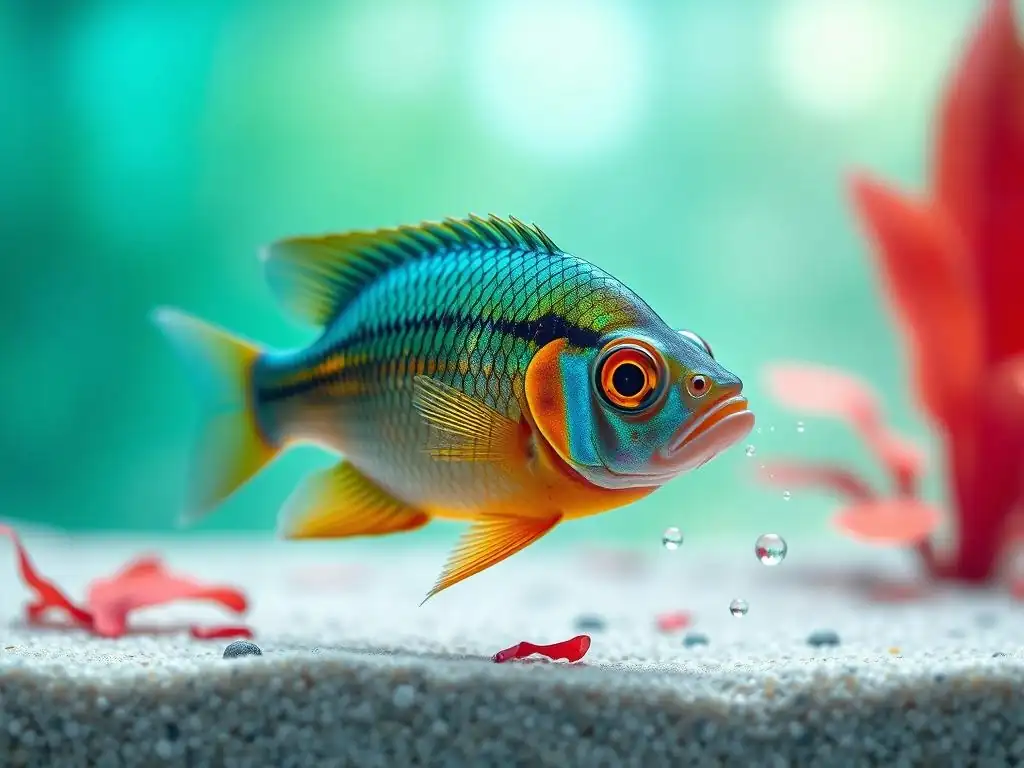
Observing your dwarf cichlids' behavior and appearance is a critical first step in determining if a dwarf cichlid water change is urgently needed. Healthy dwarf cichlids are typically active, display vibrant coloration, have clear eyes, and exhibit good appetite.
If you notice signs such as lethargy, clamped fins, dull or faded colors, rapid gill movement (indicating respiratory distress or ammonia/nitrite poisoning), loss of appetite, or increased hiding behavior, these can all be strong indicators of deteriorating water quality. For example, an Apistogramma that is normally inquisitive and explores its territory but suddenly becomes reclusive or stays motionless near the substrate may be reacting to elevated toxins.
Beyond the fish themselves, visual cues within the tank can also signal the need for a water change. A noticeable increase in algae growth, cloudy or murky water, or a persistent foul odor emanating from the tank are all red flags. While these issues can sometimes stem from other problems like overfeeding or insufficient filtration, they often accompany high nitrate levels and other dissolved organic compounds that a dwarf cichlid water change can effectively address. A persistent yellow tint to the water, for instance, often indicates a buildup of dissolved organic carbon, which is best removed through water changes.
Testing Your Aquarium Water: Key Parameters to Monitor
Regularly testing your aquarium water is indispensable for objectively determining your dwarf cichlid water change schedule. The most crucial parameters to monitor are ammonia, nitrite, and nitrate. Ammonia and nitrite should always read zero; any detectable amount (even 0.25 ppm ammonia) indicates an issue with your biological filter or an immediate need for a water change. Nitrate levels are the primary indicator of accumulated waste; while some fish can tolerate up to 40 ppm, sensitive dwarf cichlids like Rams or Apistogramma species thrive best when nitrates are kept below 10-20 ppm, ideally even lower.
Other important parameters for dwarf cichlids include pH, GH (General Hardness), and KH (Carbonate Hardness). Many dwarf cichlids, especially Apistogramma species, prefer soft, acidic water (pH 5.0-6.5, GH 1-5 dGH).
Monitoring these parameters helps ensure that your water changes are not only diluting toxins but also maintaining the stable, specific water chemistry that these fish require. For example, if your tap water is hard and you're trying to maintain soft water for Apistogramma, frequent small water changes might be more suitable than large, infrequent ones to avoid drastic parameter swings, or you might need to use reverse osmosis (RO) water.
Establishing a Baseline Water Change Routine
Establishing a baseline dwarf cichlid water change routine typically involves starting with a conservative schedule and adjusting based on water test results and fish observation. For most dwarf cichlid tanks, a weekly water change of 20-30% is a good starting point. This frequency and volume are generally effective at keeping nitrates low and replenishing trace elements without causing significant stress to the fish or disrupting the beneficial bacterial colony. For example, a 29-gallon tank with a pair of Mikrogeophagus ramirezi and a small school of cardinal tetras might comfortably maintain stable parameters with a 25% weekly water change.
After implementing this baseline, consistently test your water parameters (especially nitrates) before each scheduled dwarf cichlid water change for several weeks. If nitrates remain consistently low (e.g., below 10 ppm) and your fish are thriving, you might consider slightly reducing the frequency (e.g., to 20% every 10 days) or volume.
Conversely, if nitrates are consistently high (e.g., above 20 ppm) or your fish show signs of stress, you'll need to increase the frequency (e.g., to 30% twice a week) or the volume of each water change. The goal is to find the minimum effective water change regimen that keeps your dwarf cichlids healthy and your water parameters stable.
Step-by-Step Guide to Performing a Dwarf Cichlid Water Change
Preparing for the Water Change: Essential Equipment
Before initiating a dwarf cichlid water change, gathering all necessary equipment ensures a smooth and stress-free process for both you and your fish. You will need a clean bucket (dedicated solely for aquarium use to avoid chemical contamination), a gravel vacuum (siphon), a water conditioner/dechlorinator, and a thermometer. It's also beneficial to have a separate container for preparing new water and a water testing kit to check parameters before and after the change. Ensure your gravel vacuum hose is long enough to reach from your tank to the bucket on the floor.
Additionally, consider the source water. If using tap water, a high-quality water conditioner is absolutely essential to neutralize chlorine and chloramines, which are highly toxic to fish and beneficial bacteria. For sensitive dwarf cichlids, especially those from soft, acidic waters, you might also consider using a buffering agent or preparing reverse osmosis (RO) water remineralized to the appropriate parameters, which requires an RO unit and specific remineralizing salts. Always ensure the new water is temperature-matched to the aquarium water to prevent temperature shock, ideally within 1-2 degrees Fahrenheit difference.
The Process: Safely Removing and Replacing Water
The process of performing a dwarf cichlid water change involves carefully removing old water and introducing new, conditioned water. First, turn off heaters and filters to prevent them from running dry. Use your gravel vacuum to siphon out the desired amount of water, typically 20-30% of the tank's volume. While siphoning, gently stir the substrate to remove accumulated detritus and uneaten food, focusing on areas where waste tends to collect, but be mindful not to disturb the fish or uproot plants excessively. For a 20-gallon tank, a 25% water change would mean removing 5 gallons.
Once the old water is removed, slowly add the temperature-matched, dechlorinated (and possibly remineralized) new water back into the tank. Pouring slowly helps to minimize stress on the fish and prevents excessive stirring of the substrate. It's often helpful to pour the new water onto a piece of decor or a hand to disperse the flow.
After the tank is refilled, turn the heater and filter back on. Monitor your dwarf cichlids closely for the next few hours to ensure they are adjusting well to the refreshed environment. This systematic approach ensures a safe and effective dwarf cichlid water change.
Post-Water Change: Monitoring and Adjustments
After completing a dwarf cichlid water change, it's crucial to monitor your fish and the tank's parameters for the next 24-48 hours. Observe your dwarf cichlids for any signs of stress, such as rapid breathing, hiding, or unusual swimming patterns. Healthy fish should quickly return to their normal behavior, perhaps even appearing more vibrant and active due to the improved water quality. This immediate post-change observation helps confirm that the new water parameters were well-matched and the process caused minimal disturbance.
Within a few hours of the dwarf cichlid water change, and again after 24 hours, re-test key water parameters such as ammonia, nitrite, and nitrate. This helps verify that the change effectively reduced nitrate levels and that the biological filter was not negatively impacted.
If you notice any spikes in ammonia or nitrite, it could indicate a problem with your water source, improper dechlorination, or an issue with your biological filter. Based on these post-change readings and your fish's behavior, you can make minor adjustments to your next water change, such as slightly increasing or decreasing the volume, or fine-tuning the temperature matching process.
Common Mistakes to Avoid During Dwarf Cichlid Water Changes
Over-Changing Water: Disrupting the Tank's Ecosystem
One common mistake to avoid during a dwarf cichlid water change is performing excessively large or frequent changes, also known as "over-changing." While water changes are beneficial, removing too much water at once (e.g., 50% or more on a weekly basis in an established tank) can cause drastic shifts in water parameters such as pH, temperature, and mineral content.
Dwarf cichlids, particularly sensitive species like German Blue Rams, are highly susceptible to parameter shock, which can lead to severe stress, weakened immune systems, and even death. For example, a sudden pH swing from 6.5 to 7.5 after a large water change can be fatal for many Apistogramma species.
Moreover, over-changing water can disrupt the delicate balance of the tank's beneficial bacterial colonies that reside in the filter media and substrate. While these bacteria primarily attach to surfaces, large water changes can introduce significant amounts of chlorinated water if not properly conditioned, or rapidly alter the water chemistry, making it difficult for the bacteria to thrive.
A sudden drop in nutrient availability (nitrates) can also momentarily impact their efficiency. It's generally safer and more effective to perform smaller, more frequent dwarf cichlid water changes (e.g., 20-30% weekly) to maintain stability rather than attempting to "reset" the tank with massive changes.
Neglecting Water Parameters: Ignoring GH, KH and pH
Another critical mistake is focusing solely on nitrate reduction during a dwarf cichlid water change while neglecting other crucial water parameters like GH (General Hardness), KH (Carbonate Hardness), and pH. Many dwarf cichlids, especially Apistogramma species and Rams, have very specific requirements for water hardness and acidity. For instance, Apistogramma agassizii thrives in soft water (GH 1-5 dGH) with a slightly acidic pH (5.5-6.5), and ignoring these parameters can lead to chronic stress, poor coloration, and failure to breed, even if nitrates are low.
If your tap water parameters differ significantly from the ideal conditions for your dwarf cichlids, simply adding dechlorinated tap water during a dwarf cichlid water change can gradually shift the tank's water chemistry away from optimal. For example, if your tap water has a high pH and is hard, consistently using it will slowly raise the pH and hardness in your tank, which can be detrimental to soft-water dwarf cichlids.
In such cases, aquarists often need to employ reverse osmosis (RO) water, then remineralize it to the precise GH/KH/pH levels required, or use buffering products to maintain stability. Regular testing of all key parameters is essential to ensure the dwarf cichlid water change is truly beneficial.
Improper Water Preparation: The Importance of Dechlorination and Temperature Matching
Improper water preparation is a frequent and dangerous mistake during a dwarf cichlid water change. The most common error is neglecting to adequately dechlorinate tap water. Municipal tap water contains chlorine or chloramines, which are highly toxic to fish and lethal to the beneficial bacteria in your aquarium's filter. Even small amounts can cause gill damage, respiratory distress, and wipe out your biological filter, leading to deadly ammonia and nitrite spikes. Always use a high-quality water conditioner that neutralizes both chlorine and chloramines, and follow the product's dosage instructions precisely for the total volume of water being added.
Equally important is temperature matching the new water to the existing aquarium water. Dwarf cichlids are highly susceptible to temperature shock, which can severely stress their immune systems and even lead to death. A sudden drop or rise of even a few degrees Fahrenheit can cause fish to go into shock, leading to clamped fins, erratic swimming, and increased susceptibility to diseases like Ich.
Always use a thermometer to ensure the new water is within 1-2 degrees Fahrenheit of the tank water before adding it. This careful temperature matching during a dwarf cichlid water change is a simple yet critical step to ensure the well-being of your fish.
Optimizing Water Quality for Dwarf Cichlids Beyond Water Changes
The Benefits of Filtration: Mechanical, Chemical, and Biological
Beyond regular dwarf cichlid water changes, robust filtration is the cornerstone of maintaining optimal water quality. A comprehensive filtration system typically incorporates three main types: mechanical, chemical, and biological. Mechanical filtration, often provided by sponges or filter floss, physically removes particulate matter like uneaten food and detritus, preventing them from breaking down and contributing to the bioload. This helps keep the water clear and reduces the organic load that would otherwise convert into nitrates.
Chemical filtration, utilizing media like activated carbon or specialized resins, removes dissolved organic compounds, odors, and certain pollutants that mechanical and biological filtration might miss. Activated carbon, for instance, can absorb yellowing compounds, pesticides, and medications, leading to clearer, healthier water. Biological filtration, the most critical component, provides a vast surface area for beneficial bacteria to colonize. These bacteria convert toxic ammonia into less toxic nitrite, and then nitrite into relatively harmless nitrate. A well-established biological filter is essential for processing the waste continuously produced by dwarf cichlids, complementing the nitrate removal achieved through dwarf cichlid water change practices.
Substrate Choice and Its Influence on Water Quality
The choice of substrate in a dwarf cichlid tank can significantly influence water quality and maintenance needs. For many dwarf cichlids, especially Apistogramma species that prefer soft, acidic conditions, inert substrates like fine sand or small, smooth gravel are ideal. These substrates do not leach minerals into the water, helping to maintain stable GH and KH levels. Conversely, substrates containing crushed coral, aragonite, or limestone will slowly dissolve, increasing KH, GH, and pH, which is detrimental to soft-water dwarf cichlids but might be acceptable for species like Kribensis that tolerate harder water.
Furthermore, the texture and depth of the substrate affect waste accumulation and anaerobic zones. Fine sand is excellent for detritus to settle on top, making it easy to siphon during a dwarf cichlid water change. However, if too deep and not regularly disturbed, it can develop anaerobic pockets that produce harmful gases. A substrate depth of 1-2 inches is often sufficient, allowing for easy cleaning without excessive anaerobic zones. Some aquarists also use specialized substrates designed to buffer pH or provide essential nutrients for plants, which indirectly support water quality by promoting plant growth and nitrate uptake.
The Role of Live Plants in Maintaining a Healthy Aquarium Environment
Live plants play a vital and often underestimated role in maintaining a healthy aquarium environment for dwarf cichlids, going beyond what a dwarf cichlid water change alone can achieve. Plants actively absorb nitrates, phosphates, and other nitrogenous compounds directly from the water column, effectively competing with algae for these nutrients and helping to keep nitrate levels low. Fast-growing species like Water Wisteria, Brazilian Pennywort, or various stem plants are particularly effective "nitrate sponges." This biological filtration by plants contributes significantly to overall water stability and clarity, reducing the burden on mechanical and chemical filters.
In addition to nutrient absorption, live plants oxygenate the water through photosynthesis, providing a more enriched environment for fish. They also offer crucial hiding places and territories for dwarf cichlids, reducing stress and promoting natural behaviors. Many dwarf cichlids, such as Apistogramma species, feel more secure and display better coloration in heavily planted tanks. The presence of plants also helps to stabilize pH by utilizing carbon dioxide during the day. By creating a more balanced and natural ecosystem, live plants complement regular dwarf cichlid water change routines, leading to a more robust and resilient aquarium.
Water Change Frequency for Specific Dwarf Cichlid Species
Ram Cichlid Water Change Requirements: Delicate Needs
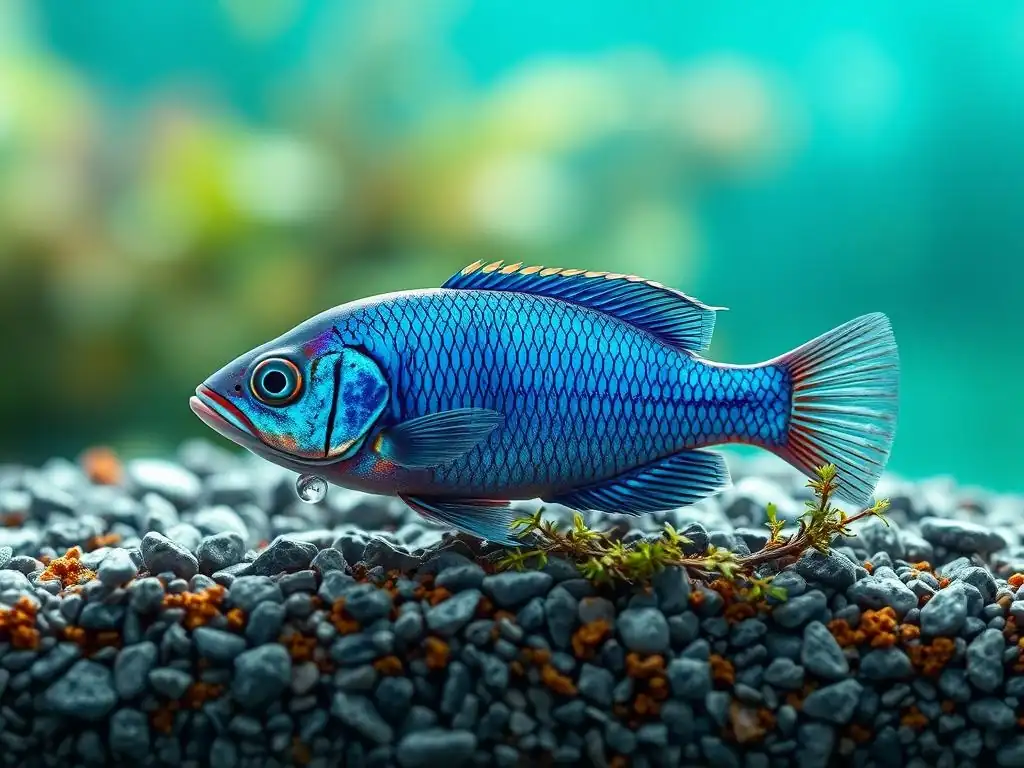
Ram cichlids, including German Blue Rams ( Mikrogeophagus ramirezi) and Bolivian Rams ( Mikrogeophagus altispinosus), are known for their sensitivity to water quality, with German Blue Rams being particularly delicate. For German Blue Rams, pristine water conditions are paramount. They thrive in very soft (GH 1-5 dGH), acidic (pH 5.0-6.5), and stable water, with nitrates ideally kept below 10 ppm.
Therefore, a frequent and consistent dwarf cichlid water change schedule is crucial. Many experienced Ram keepers recommend performing a 20-25% dwarf cichlid water change twice a week, or at minimum, a 30-40% water change weekly. This diligence helps prevent nitrate accumulation and ensures the replenishment of trace elements they quickly deplete.
Bolivian Rams are slightly hardier than their German Blue counterparts and can tolerate a broader range of water parameters, including slightly harder water (up to 10-12 dGH) and a more neutral pH (6.5-7.5). However, they still benefit immensely from clean, stable water. For Bolivian Rams, a weekly dwarf cichlid water change of 25-30% is generally sufficient to maintain optimal health and vibrant coloration, assuming a moderate stocking level and efficient filtration. Regardless of the Ram species, observing their behavior and regularly testing water parameters (especially nitrates, pH, and GH/KH) is key to fine-tuning their specific water change frequency.
Apistogramma Water Change Frequency: Tailoring to Species
The water change frequency for Apistogramma species largely depends on the specific species, as their natural habitats vary, though most prefer soft, acidic water. Species like Apistogramma cacatuoides or Apistogramma agassizii, originating from blackwater environments, generally require very low nitrate levels (ideally below 10 ppm) and stable, soft, acidic conditions (pH 5.0-6.5, GH 1-5 dGH). For these more sensitive species, a weekly dwarf cichlid water change of 20-30% is often recommended to maintain pristine conditions and prevent the buildup of dissolved organic compounds that can inhibit their well-being and breeding behavior.
Other Apistogramma species, such as Apistogramma borellii or Apistogramma macmasteri, are sometimes found in clearwater or even slightly harder water environments, making them a bit more adaptable. While they still prefer stable conditions, they might tolerate a slightly less stringent dwarf cichlid water change schedule, perhaps 20-25% every 7-10 days, provided the tank is not overstocked and nitrates remain consistently low (below 20 ppm).
Regardless of the species, consistent monitoring of water parameters (pH, GH, KH, nitrates) and keen observation of the fish's health and behavior are the best guides for tailoring the ideal Apistogramma dwarf cichlid water change routine.
Kribensis Water Change Schedules: Balancing Hardiness with Care
Kribensis cichlids ( Pelvicachromis pulcher) are generally considered one of the hardier dwarf cichlid species, known for their adaptability to a wider range of water parameters compared to Rams or Apistogramma. They can tolerate pH values from 6.0 to 8.0 and a broader range of hardness (GH 5-15 dGH). While their hardiness might suggest less frequent water changes, they are still cichlids and benefit significantly from clean, stable water. Due to their relatively larger size and propensity for breeding, which increases bioload, a consistent dwarf cichlid water change regimen is still important.
For a Kribensis tank, a weekly dwarf cichlid water change of 20-25% is a good general guideline. This frequency helps keep nitrates in check (ideally below 20 ppm) and ensures the replenishment of essential minerals. If the tank is heavily stocked, or if you have multiple breeding pairs, you might need to increase the frequency to 30% weekly or even 20% twice a week to manage the higher bioload effectively. Despite their hardiness, neglecting water changes can still lead to stress, faded colors, and susceptibility to disease, demonstrating that even robust dwarf cichlids thrive best with consistent, proactive care.
Troubleshooting Water Quality Issues in Dwarf Cichlid Tanks
Dealing with Ammonia and Nitrite Spikes
Ammonia and nitrite spikes are highly toxic to dwarf cichlids and require immediate action. Any detectable levels (e.g., 0.25 ppm ammonia or nitrite) indicate a problem with your biological filtration. The first and most critical step is an immediate, significant dwarf cichlid water change, typically 50% or more, using properly conditioned and temperature-matched water. This dramatically dilutes the toxins. Following the water change, add a liquid ammonia detoxifier, which temporarily neutralizes ammonia and nitrite, providing a buffer while your biological filter recovers.
After the initial large dwarf cichlid water change, continue to monitor ammonia and nitrite levels daily. Perform smaller (20-30%) daily or every-other-day water changes until both parameters consistently read zero. Avoid overfeeding during this period, and ensure your filter is clean and functioning correctly, but do not clean filter media excessively with tap water, as this can destroy beneficial bacteria. Identify the cause of the spike (e.g., new tank syndrome, overfeeding, filter malfunction, medication) to prevent recurrence.
Addressing High Nitrate Levels
High nitrate levels (above 20 ppm for sensitive dwarf cichlids) are a common chronic issue that, while less immediately lethal than ammonia/nitrite, can lead to long-term stress, suppressed immune function, and stunted growth. The primary solution for high nitrates is increasing the frequency or volume of your dwarf cichlid water change routine. If you're doing 20% weekly, try 30-40% weekly, or even 20% twice a week. For example, if nitrates are consistently at 40 ppm before a weekly 25% dwarf cichlid water change, increasing it to 35-40% might bring them down to the desired 10-20 ppm range.
Beyond water changes, integrate other nitrate-reducing strategies. Ensure you are not overfeeding, as uneaten food is a major source of nitrates. Consider adding fast-growing live plants like Anacharis or Water Wisteria, which actively absorb nitrates from the water. Improve mechanical filtration to remove detritus before it breaks down. In some cases, chemical filtration media like nitrate-absorbing resins can provide temporary relief, but these should complement, not replace, regular dwarf cichlid water changes.
Managing pH Fluctuations
pH fluctuations can be particularly stressful for dwarf cichlids, especially those from soft, acidic environments like many Apistogramma species or German Blue Rams. A stable pH is often more important than hitting an exact number, as long as it's within the fish's acceptable range. If your pH is fluctuating, the first step is to identify the cause. Common culprits include insufficient KH (carbonate hardness), which acts as a buffer, or inconsistent dwarf cichlid water change practices where the new water's pH differs significantly from the tank's.
To manage pH, test your tap water's pH and KH. If your tap water has very low KH, it's prone to pH crashes. In such cases, using a buffering product designed for aquariums or preparing new water with reverse osmosis (RO) water and remineralizing it to a stable KH (e.g., 2-4 dKH for soft water dwarf cichlids) can help. Avoid using harsh chemicals to "chase" a specific pH, as this often leads to instability. Consistent, appropriately sized dwarf cichlid water changes with well-matched and buffered water are key to maintaining a stable pH environment.
Long-Term Benefits of Consistent Water Changes for Dwarf Cichlids
Promoting Vibrant Colors and Breeding Behavior
Consistent dwarf cichlid water changes are paramount for promoting the vibrant colors and natural breeding behaviors that make these fish so appealing. When water quality is consistently high and stable, dwarf cichlids are less stressed, allowing them to fully express their genetic potential. For example, a German Blue Ram in pristine, low-nitrate water will display brilliant iridescent blues, fiery reds, and rich yellows, whereas the same fish in neglected water will appear dull and washed out. The removal of inhibiting hormones and pheromones through regular water changes also signals to the fish that conditions are favorable for reproduction.
Many dwarf cichlid species, such as Apistogramma and Kribensis, are known for their intricate courtship rituals and parental care. These behaviors are rarely observed in tanks with subpar water quality. Clean water, coupled with the replenishment of essential trace elements, contributes directly to the fish's overall vitality and reproductive drive. Aquarists who adhere to a strict dwarf cichlid water change schedule often report more frequent spawning and higher success rates in raising fry, demonstrating the direct link between water quality and reproductive success.
Preventing Disease and Enhancing Lifespan
One of the most significant long-term benefits of consistent dwarf cichlid water changes is their role in disease prevention and enhancing lifespan. Poor water quality, characterized by high nitrates, ammonia, or fluctuating parameters, is the leading cause of stress in aquarium fish. Chronic stress weakens a fish's immune system, making them highly susceptible to common aquarium diseases like Ich (white spot disease), fin rot, bacterial infections, and fungal issues. By regularly diluting pollutants and maintaining stable conditions, water changes reduce this stress, allowing the fish's natural defenses to remain strong.
For sensitive dwarf cichlids, a diligent dwarf cichlid water change regimen can mean the difference between a short, sickly life and a long, healthy one. For instance, a German Blue Ram, which typically lives 2-3 years, might only survive a few months in poor conditions, but can reach its full lifespan and beyond in a well-maintained tank. The removal of unseen toxins and the replenishment of vital minerals through consistent water changes contribute directly to the overall health, vigor, and longevity of these beautiful fish.
Creating a Thriving Aquarium Ecosystem
Consistent dwarf cichlid water changes do more than just benefit the fish; they contribute to the creation of a thriving, balanced aquarium ecosystem. By regularly removing accumulated waste products and replenishing essential elements, water changes help maintain the delicate balance required for beneficial bacteria, plants, and other inhabitants to flourish. This fosters a resilient environment where biological processes work efficiently, and the overall health of the system is robust against minor disturbances.
A well-maintained tank with regular dwarf cichlid water changes experiences fewer algae outbreaks, clearer water, and a more stable environment for all its inhabitants. This proactive approach minimizes the need for reactive interventions like medication or drastic parameter adjustments. Ultimately, a consistent dwarf cichlid water change routine is a fundamental practice that underpins the stability, beauty, and long-term success of any dwarf cichlid aquarium, allowing aquarists to enjoy a vibrant and flourishing slice of aquatic life.
Frequently Asked Questions
How often should I perform water changes for my dwarf cichlid aquarium?
Water changes for dwarf cichlids should be performed weekly, aiming for a change of 25-50% of the total tank volume. This helps maintain stable water parameters crucial for their health.
What type of water is best for dwarf cichlid water changes?
Use dechlorinated tap water or reverse osmosis (RO) water, adjusted to match the existing tank's pH and temperature. This prevents shocking the fish.
Why are regular water changes important for dwarf cichlids?
Water changes remove accumulated nitrates and other harmful substances that build up over time. This prevents stress and disease in sensitive dwarf cichlids.
What should I do if my dwarf cichlids seem stressed after a water change?
Ensure the new water's temperature and pH closely match the existing tank water. Also, avoid drastic changes and consider smaller, more frequent water changes.
How do I dechlorinate tap water for dwarf cichlid water changes?
Use a commercial dechlorinator specifically designed for aquariums. Follow the product's instructions carefully to ensure complete removal of chlorine and chloramine.
Final Reflection: The Ever-Flowing Necessity
The meticulous care required for dwarf cichlids, particularly concerning water changes, highlights a broader truth: sustained well-being demands consistent effort and adaptation. Just as these vibrant fish thrive in pristine conditions, so too do our own endeavors flourish when nurtured with diligence and a willingness to adjust our approach based on observation and understanding. The principles of balance and maintenance, so crucial in the aquarium, resonate far beyond its glass walls.
The ongoing influence of responsible fishkeeping, and specifically the dedication it takes to maintain a healthy environment for dwarf cichlids, extends beyond the hobby itself. It fosters a deeper appreciation for the delicate ecosystems around us and the interconnectedness of all living things. We are tied to the ocean. And when we go back to the sea, whether it is to sail or to watch it, we are going back from whence we came.
- John F. Kennedy. This sentiment applies equally to our aquariums; they are miniature oceans, demanding our respect and care.
Consider the lessons learned from understanding the nuances of dwarf cichlid water changes. What other areas of your life could benefit from a more proactive and attentive approach to maintenance and balance? Let the dedication you bring to your aquarium inspire you to cultivate similar habits of care and attention in all your pursuits, fostering a more vibrant and thriving existence, both for yourself and the world around you.
Ignite Your Cichlid's Vitality!
Thank you for diving into the world of dwarf cichlid water changes! We hope you’ve gained valuable insights to help your colorful companions thrive. Now, let's translate that knowledge into action!
Here are some ways to supercharge your cichlid keeping:
- Commit to a consistent water change schedule! This is the single most effective thing you can do for their long-term health. Aim for 25% weekly, or adjust based on your testing.
- Explore alternative water change techniques. Consider using a Python water changer for easier maintenance or research drip acclimation for sensitive species.
- Share your water change routine on social media and tag us @AquariumMastery! Let's build a community of thriving dwarf cichlids.
What's one small change you'll make this week to improve your dwarf cichlid's water quality?