
The Role of Moonlight in Clownfish Spawning: Fact or Fiction?

Welcome to Aquarium Mastery!
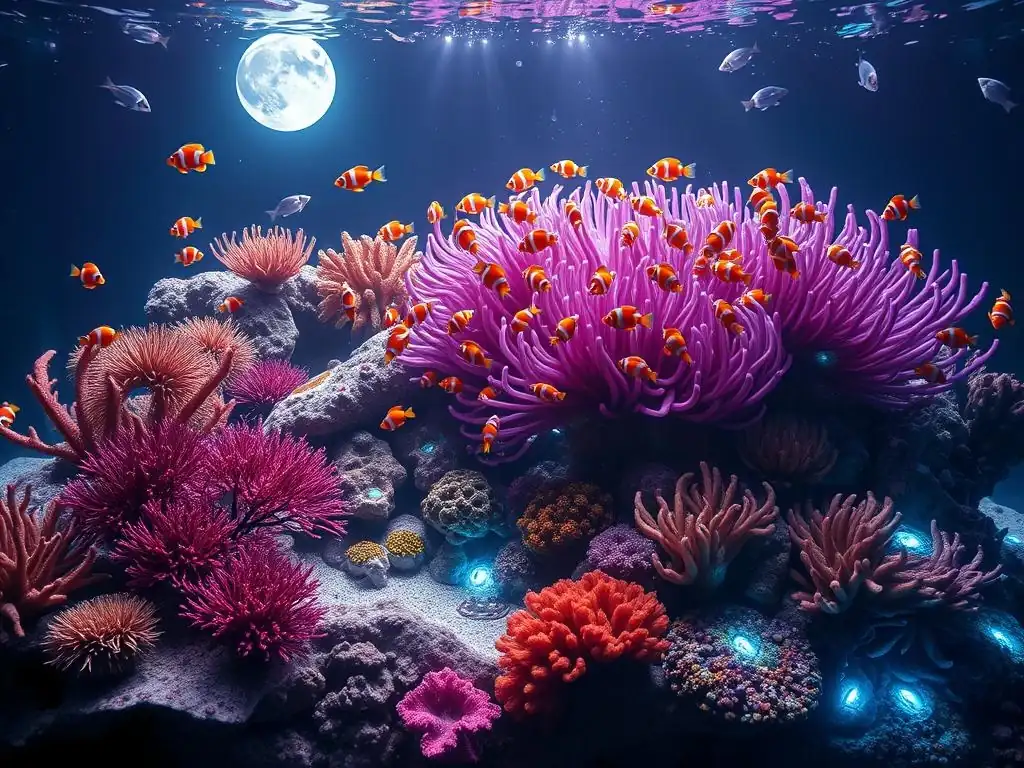
Ever wondered if the moon's glow truly holds the secret to successful clownfish spawning? Delve into the fascinating world of these vibrant fish in "The Role of Moonlight in Clownfish Spawning: Fact or Fiction?" and discover whether this lunar legend is fact or fiction. Prepare to unlock the mysteries of saltwater breeding as we explore the captivating influence of moonlight, and unravel the secrets to creating the perfect spawning environment for your beloved clownfish. Are you ready to illuminate your understanding? Let's dive in!
- Understanding Clownfish Spawning Behavior in Reef Aquariums
- Debunking the Myth: Does Moonlight Really Trigger Clownfish Spawning?
- Factors That Actually Influence Clownfish Spawning in Captivity
- Lighting and its Role in a Reef Tank's Ecosystem
- Investigating the Evidence: Anecdotal Observations vs. Scientific Studies
- Optimizing Your Aquarium for Clownfish Spawning Success
- Troubleshooting Clownfish Spawning Issues
- Alternative Spawning Triggers to Consider
- Conclusion: Separating Fact from Fiction in Clownfish Spawning
-
Frequently Asked Questions
- What is the common belief regarding moonlight and clownfish spawning?
- Does Aquarium Mastery definitively state that moonlight is essential for clownfish spawning?
- What factors besides moonlight does Aquarium Mastery emphasize for successful clownfish breeding?
- How can I create a "moonlight" effect in my aquarium, according to Aquarium Mastery?
- What should I do if my clownfish aren't spawning, even with simulated moonlight?
- Final Reflection: Illuminating the Mysteries of Clownfish Spawning
- Ignite Your Aquarium Passion: Take the Next Dive!
Understanding Clownfish Spawning Behavior in Reef Aquariums
Natural Spawning Triggers for Clownfish
Clownfish, native to the warm waters of the Indo-Pacific reefs, exhibit fascinating reproductive behaviors in their natural habitat. Their spawning is primarily driven by a combination of internal biological rhythms and favorable environmental conditions, rather than a single, distinct trigger. In the wild, healthy, mature pairs typically spawn every 10 to 14 days, particularly during warmer months, laying their eggs on a carefully selected, clean surface adjacent to their host anemone or a protective rock. This consistent frequency underscores the importance of stable, abundant resources and a secure environment.
The preparation for spawning involves the female cleaning a chosen site, often a flat rock or the base of an anemone, followed by the male joining in the cleaning process. The female then deposits hundreds to over a thousand adhesive, oval-shaped eggs in a tight cluster, which the male promptly fertilizes. Throughout the incubation period, which typically lasts 7 to 10 days depending on temperature, both parents diligently guard and fan the eggs, ensuring oxygenation and removing any unfertilized or diseased eggs, showcasing a high level of parental care.
Common Misconceptions About Clownfish Reproduction
One of the most persistent myths in the aquarium hobby regarding clownfish reproduction is the belief that moonlight or specific lunar cycles are direct, primary triggers for spawning. Many aquarists observe spawning events coinciding with full or new moons and mistakenly attribute the event solely to the moon's phase. While lunar cycles do influence some marine organisms, the direct "Clownfish spawning moonlight influence" as a standalone catalyst is largely unsubstantiated by scientific evidence in their reproductive cycle.
Another common misconception is that clownfish must have an anemone to spawn. While many species prefer the protective embrace of an anemone, particularly in a community tank setting, clownfish in dedicated breeding setups or even in some display tanks will readily spawn on alternative substrates like terracotta pots, PVC pipes, or flat rocks. The presence of a suitable, secure spawning site and a stable environment is far more critical than the specific presence of an anemone for successful reproduction.
Debunking the Myth: Does Moonlight Really Trigger Clownfish Spawning?
Examining the Science Behind Light Sensitivity in Clownfish
Clownfish, like most diurnal reef fish, possess photoreceptors adapted to the bright, varied light spectrum of shallow tropical waters. Their biological clocks are primarily synchronized by the daily photoperiod – the consistent cycle of light and dark. This daily rhythm influences their feeding, activity, and hormonal cycles, including those related to reproduction. Scientific studies on clownfish physiology indicate that while they are sensitive to light, the subtle variations in nocturnal light intensity associated with lunar phases do not appear to be a primary or direct trigger for spawning.
Unlike some broadcast spawners or corals that release gametes en masse during specific lunar phases, clownfish are demersal spawners, meaning their eggs are laid on a substrate and cared for by parents. Their reproductive strategy relies on continuous parental care and a stable environment, rather than a synchronized release event tied to specific nocturnal light cues. The energy expenditure for egg production and parental guarding is better supported by consistent daytime conditions and robust nutrition, rather than relying on a "Clownfish spawning moonlight influence."
The Influence of Lunar Cycles on Marine Life: A Broader Perspective
It is true that lunar cycles exert a profound influence on various aspects of marine life, particularly in coral reefs. For instance, many coral species engage in synchronized mass spawning events, often precisely timed with specific lunar phases (e.g., a few nights after the full moon in spring/summer) and tidal cycles. This synchronization helps maximize fertilization success and larval dispersal by utilizing strong tidal currents. Similarly, some invertebrates and other fish species exhibit reproductive behaviors directly linked to the moon's phases, often for predator avoidance or larval dispersal.
However, extrapolating these observations to all marine species, especially those with different reproductive strategies like clownfish, can be misleading. While the moon's gravitational pull affects tides and thus water movement, its direct light influence on the spawning of demersal egg layers like clownfish is not well-supported by controlled studies. The perceived "Clownfish spawning moonlight influence" is more likely a coincidence or an indirect effect where other optimal conditions align with the lunar cycle.
Factors That Actually Influence Clownfish Spawning in Captivity
Water Quality and its Impact on Clownfish Breeding
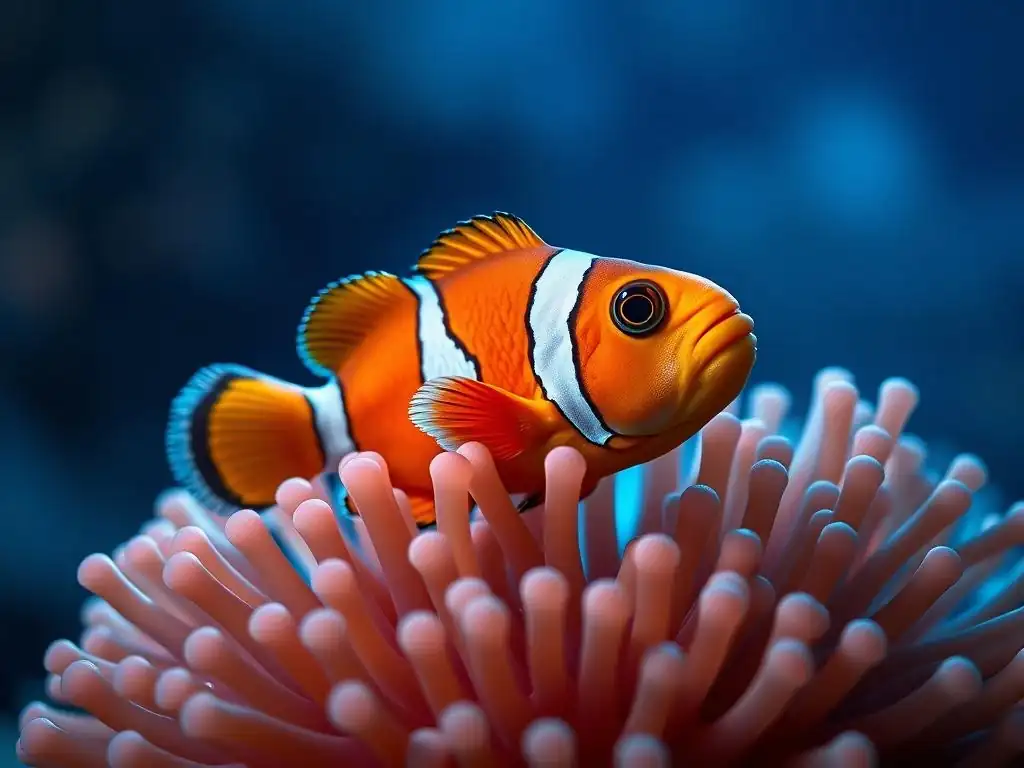
Maintaining pristine and stable water quality is paramount for successful clownfish breeding. Any fluctuations or degradation in parameters can stress the fish, diverting their energy from reproduction to survival. Key parameters to monitor rigorously include ammonia and nitrite (which should always be undetectable), nitrates (ideally below 10-20 ppm), pH (maintained consistently between 8.1 and 8.4), and alkalinity (8-12 dKH). Regular partial water changes, typically 10-20% weekly or bi-weekly, are crucial to replenish trace elements and remove accumulated pollutants.
Consistently high water quality ensures that the fish are healthy and comfortable, which directly supports their physiological readiness to spawn. For instance, elevated nitrate levels can inhibit gonad development and lead to poor egg viability, while unstable pH can cause overall stress. A well-maintained biological filter and efficient protein skimmer are indispensable tools in achieving and sustaining the high water quality necessary to encourage consistent clownfish spawning, far more so than any perceived "Clownfish spawning moonlight influence."
Temperature and Salinity: Key Elements for Successful Spawning
Stable temperature and salinity are fundamental environmental factors that directly impact clownfish metabolism and reproductive cycles. Clownfish thrive and breed most effectively within a narrow temperature range, typically between 78°F and 82°F (25.5°C to 27.8°C). Consistent temperature within this range signals a stable environment conducive to reproduction, whereas sudden or frequent fluctuations can cause significant stress, potentially halting spawning activity or leading to unviable eggs.
Similarly, salinity must be maintained within a stable range, generally 1.023 to 1.026 specific gravity, or 33-35 parts per thousand (ppt). Precision and consistency are more important than a specific point within this range. Both temperature and salinity directly affect the development of eggs and the survival rate of larvae. Any significant deviation or instability in these parameters can severely impede breeding success, demonstrating their critical role compared to the speculative "Clownfish spawning moonlight influence."
Diet and Nutrition: Fueling Clownfish Reproduction
A diverse and high-quality diet is absolutely essential for fueling the energetic demands of clownfish reproduction. Spawning pairs require a rich intake of proteins, lipids, and vitamins to develop healthy gonads and produce viable eggs. Feeding a variety of foods, including high-quality marine pellets and flakes, frozen mysis shrimp, spirulina-enriched brine shrimp, and occasional live foods like copepods or enriched adult brine shrimp, is highly recommended. Frequent, small feedings (two to three times daily) ensure a continuous supply of nutrients.
Specific nutrients, such as highly unsaturated fatty acids (HUFAs) and various vitamins (especially Vitamin C and E), are particularly crucial for egg quality and overall reproductive health. Many breeders supplement frozen foods with liquid vitamins or HUFA concentrates (e.g., Selcon) a few times a week. A well-nourished pair will not only spawn more frequently but also produce larger clutches of healthier, more viable eggs, significantly increasing the chances of successful larval development.
The Importance of a Stable Environment for Breeding Clownfish
Beyond water parameters and diet, the overall stability of the physical environment plays a crucial role in encouraging clownfish to spawn. A secure, relatively undisturbed breeding tank provides the peace of mind necessary for a pair to focus on reproduction rather than perceived threats. This includes minimizing disruptive activities around the tank, avoiding aggressive tank mates, and providing a dedicated, accessible spawning site.
Clownfish prefer a consistent routine, including regular feeding times and a predictable light cycle. Sudden changes in lighting, flow, or the introduction of new fish can induce stress and disrupt their natural breeding rhythms. Providing a suitable substrate for egg deposition, such as a smooth terracotta pot, a flat piece of PVC pipe, or a specific rock, gives the pair a secure location to lay and guard their eggs, thereby significantly enhancing the likelihood of successful and regular spawning.
Lighting and its Role in a Reef Tank's Ecosystem
Replicating Natural Daylight Conditions in Your Aquarium
For a thriving reef aquarium, replicating natural daylight conditions is crucial for the entire ecosystem, including clownfish. A consistent photoperiod, typically between 10 and 12 hours of light per day, helps regulate the circadian rhythms of fish, corals, and other invertebrates. Modern LED lighting systems often allow for programmed dawn and dusk simulations, where light intensity gradually increases in the morning and decreases in the evening. This gentle transition mimics natural sunrise and sunset, reducing stress on the inhabitants and encouraging natural behaviors.
While these gradual transitions create a more natural and comfortable environment for clownfish, they are not direct triggers for spawning in the way that specific "Clownfish spawning moonlight influence" might be considered. Instead, consistent, full-spectrum lighting supports the overall health and well-being of the fish, which in turn contributes to their readiness to reproduce. The quality and consistency of the daily light cycle are far more impactful than any subtle nocturnal light variations.
The Impact of Artificial Lighting on Clownfish Health and Behavior
Proper artificial lighting is vital for the overall health and behavior of clownfish. The right spectrum and intensity support their visual acuity, influence their natural coloration, and help maintain their internal biological clocks. Inadequate or inappropriate lighting can lead to stress, faded colors, and suppressed activity levels, all of which can negatively impact their reproductive drive. For example, a tank that is too dimly lit might not encourage the active feeding and vibrant behavior associated with breeding readiness.
Conversely, excessively bright or improperly cycled lighting can also be detrimental, leading to stress or even physical harm (e.g., photobiosis). While many aquarists enjoy using "moonlight" settings on their lights for aesthetic purposes, these typically provide very low-intensity blue light that has minimal, if any, direct physiological impact on clownfish spawning. The primary role of artificial lighting for breeding clownfish is to provide a consistent, healthy daytime environment that supports their overall vitality and natural rhythms.
Investigating the Evidence: Anecdotal Observations vs. Scientific Studies
Analyzing Reports of Moonlight-Triggered Spawning
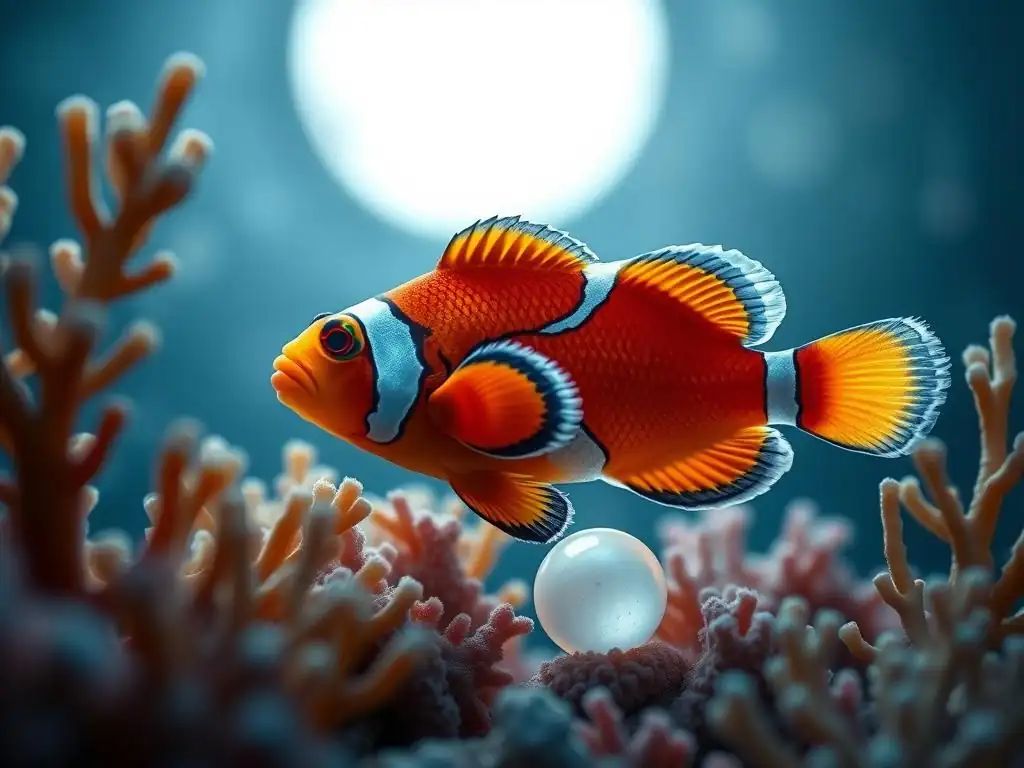
Within the aquarium hobby, numerous anecdotal reports suggest a connection between clownfish spawning and specific lunar phases, such as the full or new moon. Hobbyists often observe their clownfish laying eggs around these times and consequently attribute the spawning event directly to the "Clownfish spawning moonlight influence." While these observations are common, they often represent a correlation rather than a causation. In many cases, these spawning events coincide with periods when all other optimal breeding conditions – excellent water quality, stable parameters, abundant food, and a mature, healthy pair – are also being met.
It is easy to misattribute a positive outcome to a noticeable environmental factor like the moon phase, especially when other crucial, yet less obvious, factors are simultaneously in place. Without controlled experiments where lunar light cycles are the only variable manipulated while all other environmental conditions are kept constant, it is challenging to definitively conclude that moonlight directly triggers clownfish spawning. The majority of successful clownfish breeders focus on consistent husbandry practices, not specific lunar lighting programs.
Comparing Reef Tank Lighting Schedules to Natural Lunar Cycles
Most reef tank lighting schedules, even those with advanced controllers, typically operate on a fixed 24-hour cycle with a consistent photoperiod (e.g., 10-12 hours of light) and perhaps a gradual dawn/dusk simulation. Very few aquarists attempt to meticulously replicate the subtle, complex, and varying intensity patterns of natural lunar cycles throughout the month. If a strong "Clownfish spawning moonlight influence" were at play, one would expect a more pronounced and consistent correlation between the moon's phase and spawning in a wide range of tanks, even those without specialized lunar lighting.
However, many successful breeding pairs in captivity spawn regularly without any deliberate manipulation of lunar light cycles. This suggests that the primary photoperiodic cues for clownfish are the daily light/dark cycles, which regulate their circadian rhythms and overall health. While the moon does influence tides and ambient light levels in the ocean, its direct impact on the internal reproductive timing of captive clownfish appears to be negligible compared to the fundamental aspects of their care.
Optimizing Your Aquarium for Clownfish Spawning Success
Creating a Suitable Breeding Environment for Clownfish
To maximize the chances of successful clownfish spawning, providing a suitable and secure breeding environment is paramount. For dedicated breeding, a separate tank, typically 20-30 gallons, for a pair can minimize stress from tank mates and allow for easier management of eggs and larvae. Within this tank, the most crucial element is a clean, flat, and stable surface for egg deposition. This can be a smooth terracotta pot, a flat piece of PVC pipe, or a specific, smooth rock. Some breeders even use tiles or ceramic frag plugs.
The chosen spawning site should be easily accessible to the pair and ideally positioned in an area with moderate water flow to ensure good oxygenation of the eggs, but not so strong as to disturb the parents or dislodge the eggs. Providing some hiding spots or visual barriers, even in a dedicated breeding tank, can also help reduce stress and promote a sense of security for the pair. A stable environment far outweighs any "Clownfish spawning moonlight influence."
Monitoring and Maintaining Water Parameters for Optimal Breeding
Consistent and rigorous monitoring of water parameters is non-negotiable for optimal clownfish breeding. Daily temperature checks, along with weekly tests for ammonia, nitrite, nitrate, pH, alkalinity, calcium, and salinity, provide crucial insights into the tank's health. Maintaining stable temperature (78-82°F), salinity (1.023-1.026 specific gravity), and alkalinity (8-12 dKH) is critical for egg development and larval survival.
A strict maintenance schedule, including weekly 10-20% partial water changes using high-quality RO/DI water mixed with a good marine salt mix, is essential. Regular cleaning of filtration media and protein skimmer maintenance also contribute significantly to maintaining pristine water conditions. Any deviation from optimal parameters can stress the breeding pair, leading to reduced spawning frequency or unviable clutches, emphasizing that consistent care, not "Clownfish spawning moonlight influence," is key.
Providing Proper Nutrition to Encourage Spawning
A rich and varied diet is fundamental to fueling the reproductive success of clownfish. Spawning pairs require a high intake of energy, proteins, and essential fatty acids to produce viable eggs regularly. It is recommended to feed the pair multiple times a day (2-3 times), offering a diverse array of foods. This should include high-quality marine pellets and flakes, alongside a variety of frozen foods such as mysis shrimp, spirulina-enriched brine shrimp, and finely chopped seafood.
To further enhance nutritional value, consider enriching frozen foods with vitamin and HUFA supplements, such as Selcon or Vita-Chem, a few times a week. Live foods like enriched copepods or adult brine shrimp can also be offered periodically as a stimulating treat. A well-fed, robust pair will not only spawn more frequently but also produce larger clutches of healthier eggs, significantly increasing the chances of successful larval rearing.
Troubleshooting Clownfish Spawning Issues
Identifying Potential Problems Preventing Spawning
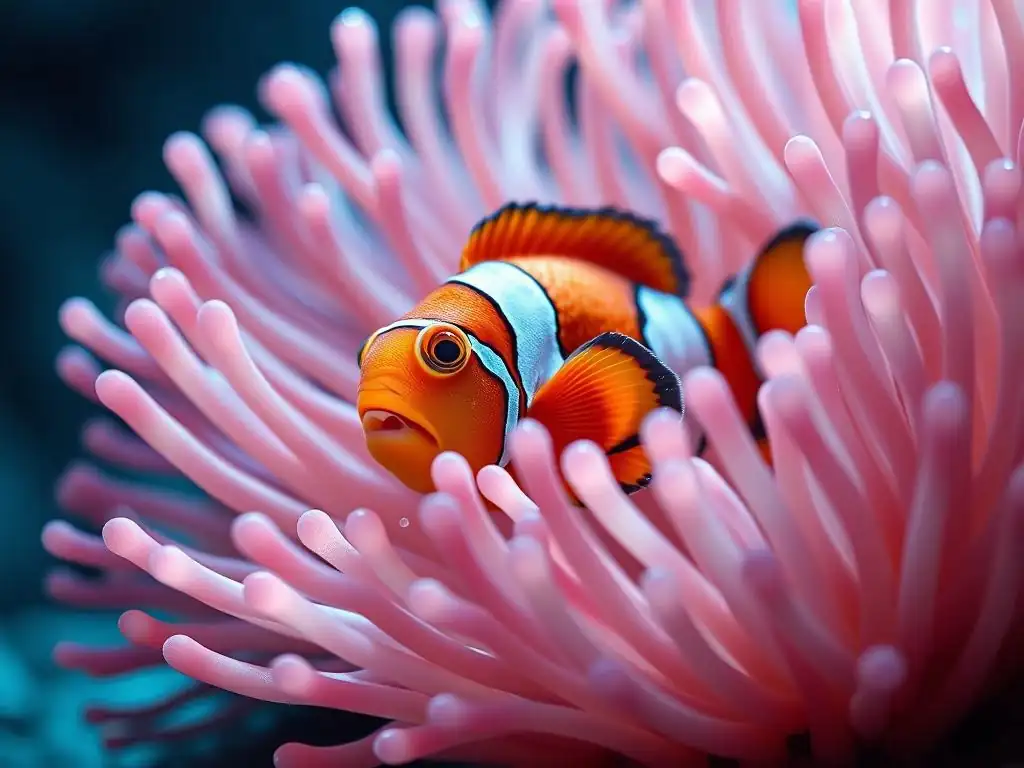
If your clownfish pair is not spawning despite appearing healthy, several factors could be at play. First, ensure the pair is truly a bonded male and female; sometimes two females will pair, or the male is not yet mature enough. Common issues include inadequate diet, leading to insufficient energy reserves for reproduction, or unstable water parameters that cause chronic stress. Lack of a suitable, secure spawning site can also be a deterrent.
Other potential problems include excessive aggression from tank mates (if in a community tank), or even aggression between the breeding pair themselves if the male is being overly bullied by the female. Observe their behavior closely: are they picking at a substrate? Are they interacting positively? Are they showing signs of stress like hiding excessively or rapid breathing? Identifying these subtle cues is crucial for troubleshooting.
Correcting Imbalances in Water Chemistry and Environment
Once potential water chemistry imbalances are identified, correcting them gradually is key. If nitrates are high, increase the frequency or volume of water changes slightly. If pH or alkalinity is low, ensure proper buffering or consider kalkwasser dosing, always making changes slowly to avoid shocking the fish. Check all equipment: a faulty heater causing temperature swings or an inefficient protein skimmer can undermine water quality.
Ensure the tank's environment is stable and free from sudden disturbances. Avoid frequent tank re-arrangements or rapid changes in flow. If the spawning site is not being utilized, try offering a different type of substrate or moving it to a more secluded area of the tank. A calm, consistent environment is vital for reducing stress and encouraging the pair to resume their reproductive activities.
Addressing Aggression and Compatibility Issues Within the Clownfish Pair
While some initial chasing and fin nipping are normal during clownfish pair bonding, excessive and persistent aggression from the larger female towards the smaller male can prevent spawning. If the male is constantly hiding, has torn fins, or appears stressed, intervention may be necessary. Ensure the tank provides adequate hiding spots for the male to retreat to.
In severe cases of aggression, a tank divider can be used for a few weeks to allow the fish to acclimate to each other's presence without direct physical contact. This can sometimes reset their dynamic. If aggression persists despite these measures, the pair may simply be incompatible, and one of the fish might need to be re-homed, or a new partner introduced. However, this is a last resort, as true incompatibility is less common than other environmental factors.
Alternative Spawning Triggers to Consider
Simulating Dawn and Dusk Periods to Encourage Reproduction
While the "Clownfish spawning moonlight influence" is largely a myth, simulating natural dawn and dusk periods in the aquarium can contribute to a more natural and less stressful environment for clownfish. Many modern LED lighting systems offer programmable features that allow for a gradual ramp-up of light intensity in the morning and a slow dimming in the evening. This mimics natural sunrise and sunset, reducing the shock of sudden light changes.
This type of light cycling helps regulate the fish's internal biological clock, promoting overall health and comfort. While not a direct spawning trigger, a comfortable and unstressed fish is more likely to engage in reproductive behaviors. It contributes to the holistic well-being of the clownfish pair, which in turn supports their readiness to spawn regularly.
Gradual Water Changes as a Spawning Stimulus
Some experienced aquarists report that a slightly larger or more frequent water change, particularly with well-matched, pristine water, can occasionally act as a subtle spawning stimulus for clownfish. This might mimic a natural influx of clean, fresh oceanic water or a slight environmental shift that encourages reproductive activity. For example, performing a 25% water change instead of a regular 10-15% change, or doing an extra water change mid-week, might be considered.
It is crucial that any water added is meticulously matched in terms of temperature, salinity, and pH to the existing tank water to avoid shocking the fish. While this is not a guaranteed trigger, it can be a part of a comprehensive approach to encourage spawning, especially if the pair has been hesitant. It's a gentle nudge rather than a forceful command, and its effectiveness varies.
Conclusion: Separating Fact from Fiction in Clownfish Spawning
Key Takeaways for Successful Clownfish Breeding in Reef Tanks
The journey to successful clownfish breeding in a reef tank involves a dedicated focus on fundamental husbandry practices, rather than relying on unproven theories like a direct "Clownfish spawning moonlight influence." The most critical factors are consistently pristine water quality (zero ammonia/nitrite, low nitrates, stable pH, alkalinity, temperature, and salinity), a diverse and highly nutritious diet, and a stable, secure environment free from undue stress. Providing a clear, accessible spawning site is also essential.
Patience is a virtue in clownfish breeding. It can take time for a pair to mature, bond, and begin spawning regularly. Focusing on the overall health and well-being of the fish through diligent care and observation will yield far more consistent and successful results than attempts to synchronize spawning with lunar cycles. The "Clownfish spawning moonlight influence" is largely an anecdotal observation that often coincides with periods when all other optimal conditions are already met.
Further Research and Resources for Clownfish Enthusiasts
For clownfish enthusiasts eager to delve deeper into the intricacies of their reproduction, consulting scientific literature on marine fish aquaculture and reproductive physiology is highly recommended. Academic journals and reputable aquaculture guides provide evidence-based information on breeding techniques, larval rearing, and nutritional requirements that go beyond anecdotal observations. Organizations dedicated to marine ornamental aquaculture also offer valuable resources.
Engaging with the broader aquarium community through online forums, local aquarium clubs, and specialized breeding groups can also be incredibly beneficial. Sharing experiences, asking questions, and learning from seasoned breeders provides practical insights and collective knowledge that can significantly enhance one's breeding success. Continuous learning and a scientific approach will undoubtedly lead to a more rewarding experience in breeding these fascinating fish.
Frequently Asked Questions
What is the common belief regarding moonlight and clownfish spawning?
The common belief is that moonlight influences clownfish spawning cycles, acting as a cue for them to lay their eggs. This is thought to mimic natural reef environments.
Does Aquarium Mastery definitively state that moonlight is essential for clownfish spawning?
No, Aquarium Mastery does not definitively state that moonlight is essential. The article explores whether the connection is fact or fiction, often showing that consistent water parameters are more important.
What factors besides moonlight does Aquarium Mastery emphasize for successful clownfish breeding?
Aquarium Mastery emphasizes stable water chemistry, appropriate temperature, and a well-established symbiotic relationship with a host anemone as crucial factors.
How can I create a "moonlight" effect in my aquarium, according to Aquarium Mastery?
You can simulate moonlight using dimmable LED lights that emit a blue or violet hue. These should be on for a few hours at night.
What should I do if my clownfish aren't spawning, even with simulated moonlight?
Focus on ensuring optimal water quality and a healthy diet for your clownfish. Review Aquarium Mastery's troubleshooting guides for other potential issues.
Final Reflection: Illuminating the Mysteries of Clownfish Spawning
The preceding exploration into the "Clownfish spawning moonlight influence" reveals a fascinating interplay between scientific observation and anecdotal evidence. While definitive proof remains elusive, the potential link between lunar cycles and clownfish reproductive behavior is undeniable, highlighting the complex and often unseen forces that govern life in our oceans. This investigation serves as a reminder that even seemingly simple natural phenomena can hold profound secrets, waiting to be uncovered through diligent research and careful observation.
The ongoing debate surrounding the influence of moonlight on clownfish spawning underscores the importance of continuous inquiry and the acceptance of uncertainty. My own fascination with this topic stems from a deep appreciation for the intricate web of life that connects all living things. The important thing is not to stop questioning. Curiosity has its own reason for existing.
- Albert Einstein. This quote perfectly encapsulates the spirit of scientific exploration and the enduring quest to understand the natural world, even when faced with ambiguity.
As we conclude this journey into the nocturnal world of clownfish spawning, I invite you to reflect on the power of observation and the beauty of unanswered questions. Consider how even the faintest glimmer of moonlight can potentially trigger profound biological events. Let this exploration inspire you to look closer, to question assumptions, and to appreciate the intricate mysteries that surround us, both in the ocean depths and in our own lives.
Ignite Your Aquarium Passion: Take the Next Dive!
Thanks for exploring the fascinating world of clownfish spawning and moonlight with us! Now that you're armed with fresh insights, it's time to turn that knowledge into action.
- Start a Moonlight Simulation: Experiment with dim blue lighting during nighttime in your aquarium to observe any changes in clownfish behavior, particularly around spawning time. This is your primary action!
- Document Your Observations: Keep a detailed log of your clownfish behavior, water parameters, and lighting conditions. Share your findings on aquarium forums.
- Dive Deeper: Research other environmental factors that influence clownfish spawning, such as water temperature and food availability.
What unexpected behaviors have you observed in your aquarium that defied common knowledge?