
Lilaeopsis Brasiliensis (Micro Sword): A Hardy, GrassLike Carpet Option

Welcome to Aquarium Mastery!
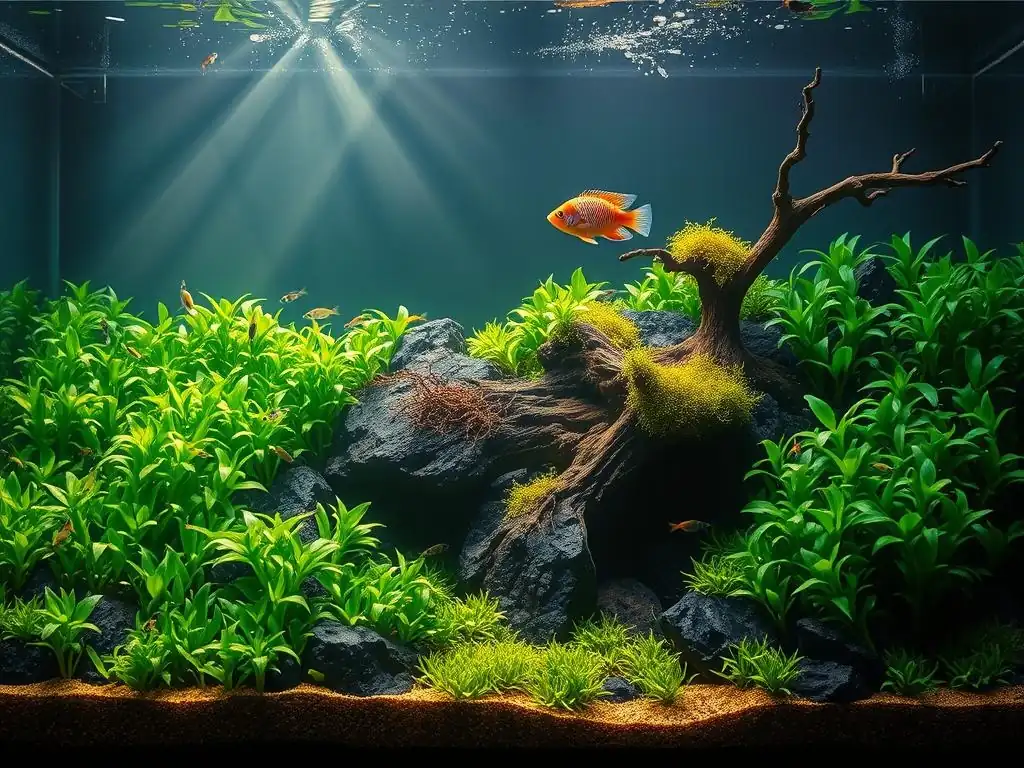
Ever dreamed of a lush, green carpet swaying gently at the bottom of your aquarium? Dive into the world of Lilaeopsis brasiliensis, also known as Micro Sword, and discover how to cultivate this hardy, grass-like plant into a stunning underwater meadow. But is it truly as easy as it looks? Uncover the secrets to successful Lilaeopsis brasiliensis carpet care and learn how to avoid common pitfalls that can turn your dream into a frustrating struggle. Ready to transform your tank? Let's get started!
- Lilaeopsis Brasiliensis (Micro Sword): A Hardy, GrassLike Carpet Option for Your Aquarium
- Introduction to Lilaeopsis Brasiliensis: The Micro Sword
- Lilaeopsis Brasiliensis Carpet Care: Essential Tips for Success
- Planting and Propagating Lilaeopsis Brasiliensis for a Lush Carpet
- Troubleshooting Common Issues with Lilaeopsis Brasiliensis
- Lilaeopsis Brasiliensis vs. Other Carpeting Plants: A Comparison
- Creating the Ideal Environment for Lilaeopsis Brasiliensis
- Lilaeopsis Brasiliensis: Long-Term Care and Maintenance
- Conclusion: Achieving a Beautiful Lilaeopsis Brasiliensis Carpet
-
Frequently Asked Questions
- What exactly is Lilaeopsis brasiliensis, and why is it a popular aquarium plant?
- Is Lilaeopsis brasiliensis suitable for both beginner and experienced aquarists?
- What are the optimal water parameters for Lilaeopsis brasiliensis to thrive?
- How much light does Lilaeopsis brasiliensis require to form a dense carpet?
- What are some common challenges when growing Lilaeopsis brasiliensis and how can they be addressed?
- Final Reflection: Cultivating Patience, Harvesting Beauty
- Cultivate Your Dream Aquascape
Lilaeopsis Brasiliensis (Micro Sword): A Hardy, GrassLike Carpet Option for Your Aquarium
Introduction to Lilaeopsis Brasiliensis: The Micro Sword
What is Lilaeopsis Brasiliensis? A Beginner's Guide
Lilaeopsis brasiliensis, commonly known as Micro Sword, is a popular aquatic plant highly sought after by aquascapers for its ability to form a dense, vibrant green carpet across the aquarium substrate. Originating from South America, particularly Brazil, this plant belongs to the Apiaceae family, which also includes terrestrial plants like parsley and carrots. Its appearance is characterized by slender, bright green, grass-like leaves that typically grow to a height of 2 to 7 centimeters (approximately 0.8 to 2.8 inches), although in some conditions, it can reach up to 10-15 cm (4-6 inches).
This plant propagates primarily through runners, which are horizontal stems that spread across the substrate, producing new plantlets at intervals. This growth habit allows Lilaeopsis brasiliensis to gradually fill in open areas, creating a lush, uniform carpet that mimics a natural grassland. Its delicate appearance provides a beautiful contrast to larger, background plants and offers excellent foraging and hiding spaces for small fish, shrimp, and fry, making it a functional as well as aesthetic addition to a freshwater setup.
Why Choose Lilaeopsis Brasiliensis for Your Freshwater Aquarium?
Choosing Lilaeopsis brasiliensis for your freshwater aquarium offers numerous benefits, both aesthetically and ecologically. Its capacity to form a dense, carpet-like foreground instantly elevates the visual appeal of an aquascape, providing a sense of depth and a natural, serene environment. Unlike some other demanding carpeting plants, Micro Sword is considered relatively hardy once established, making it a more forgiving option for aquarists who might be new to planted tanks but aspire to achieve a professional-looking carpet.
Beyond its beauty, Lilaeopsis brasiliensis contributes significantly to the aquarium's ecosystem. Like all aquatic plants, it performs photosynthesis, absorbing carbon dioxide and releasing oxygen, thereby improving water quality and aeration for tank inhabitants. It also helps in nutrient cycling by taking up excess nitrates and other waste compounds, which can help in preventing algae outbreaks. For those looking to create a "nature aquarium" style layout, Micro Sword provides an authentic, naturalistic ground cover that truly enhances the overall biotope feel.
Lilaeopsis Brasiliensis Carpet Care: Essential Tips for Success
Optimal Water Parameters for Lilaeopsis Brasiliensis Growth
For optimal Lilaeopsis brasiliensis carpet care, maintaining stable and appropriate water parameters is paramount. This plant thrives in a temperature range of 20°C to 28°C (68°F to 82°F), with the mid-20s (around 24-26°C or 75-79°F) often yielding the best growth. Sudden fluctuations in temperature can stress the plant and lead to melting or stunted growth, making a reliable heater and consistent room temperature crucial.
Regarding water chemistry, Lilaeopsis brasiliensis prefers slightly acidic to neutral pH levels, ideally within the range of 6.0 to 7.5. While it can tolerate a broader spectrum, maintaining a stable pH is more important than hitting an exact number. Moderate water hardness, specifically a general hardness (GH) of 3-10 dGH and carbonate hardness (KH) of 3-8 dKH, is generally suitable. Consistent water parameters are key to robust Lilaeopsis brasiliensis carpet care, ensuring the plant remains healthy and spreads effectively.
Lighting Requirements for a Thriving Micro Sword Carpet
Lighting is a critical factor in achieving a dense and vibrant Lilaeopsis brasiliensis carpet. This plant generally requires moderate to high light intensity to thrive and spread efficiently. A PAR (Photosynthetically Active Radiation) value of 30-50 µmol/m²/s at the substrate level is often recommended for robust growth, with higher values (up to 70 PAR) encouraging faster and denser carpeting. Inadequate lighting will cause the plant to grow leggy and tall as it stretches for light, failing to form the desired compact carpet.
The photoperiod, or duration of light exposure, is equally important. An optimal photoperiod of 8 to 10 hours per day is ideal for Lilaeopsis brasiliensis carpet care. Exceeding 10 hours can lead to increased algae growth without significant additional benefit to the plant, while less than 8 hours might hinder its growth and carpeting capabilities. Using a timer for your aquarium lights ensures consistency, which is vital for the plant's health and helps prevent stress.
CO2 Injection: Is it Necessary for Lilaeopsis Brasiliensis?
While Lilaeopsis brasiliensis can survive in a low-tech setup without CO2 injection, achieving a truly dense, vibrant, and rapidly spreading carpet almost invariably requires supplemental CO2. Carbon dioxide is a primary nutrient for photosynthesis, and providing it in ample supply (typically aiming for 20-30 ppm) significantly accelerates the plant's growth rate and encourages prolific runner production, leading to a much thicker and healthier carpet. Without CO2, growth will be considerably slower, and the carpet may appear sparse or take a very long time to establish.
For serious aquascapers focused on optimal Lilaeopsis brasiliensis carpet care, CO2 injection is highly recommended. It not only boosts growth but also enhances the plant's coloration, making it a more vibrant green. In tanks with high light, CO2 becomes even more critical to prevent the plant from crashing due to insufficient carbon for its accelerated metabolic rate. A consistent CO2 supply, monitored with a drop checker, is a cornerstone of successful Micro Sword cultivation.
Substrate and Fertilization for Healthy Lilaeopsis Brasiliensis
The choice of substrate plays a pivotal role in the success of Lilaeopsis brasiliensis carpet care, as this plant is a heavy root feeder. A nutrient-rich substrate, such as an aquasoil (e.g., ADA Amazonia, Tropica Aquarium Soil, or Controsoil), is highly recommended. These substrates provide essential macro and micronutrients directly to the roots, promoting strong initial growth and sustained health. If using an inert substrate like fine-grained sand or gravel, it is crucial to supplement with root tabs placed directly beneath the plant clusters to ensure a steady supply of nutrients.
In addition to a rich substrate or root tabs, regular liquid fertilization is beneficial, especially once the carpet begins to establish itself and demand more nutrients. A balanced liquid fertilizer containing macro-nutrients (Nitrogen, Phosphorus, Potassium - NPK) and essential micro-nutrients (especially iron, manganese, and boron) will support overall plant health and vibrant coloration. Dosing according to the specific needs of your tank and the plant's growth rate, typically a few times a week or with each water change, is an integral part of comprehensive Lilaeopsis brasiliensis carpet care.
Planting and Propagating Lilaeopsis Brasiliensis for a Lush Carpet
How to Plant Lilaeopsis Brasiliensis for Optimal Coverage
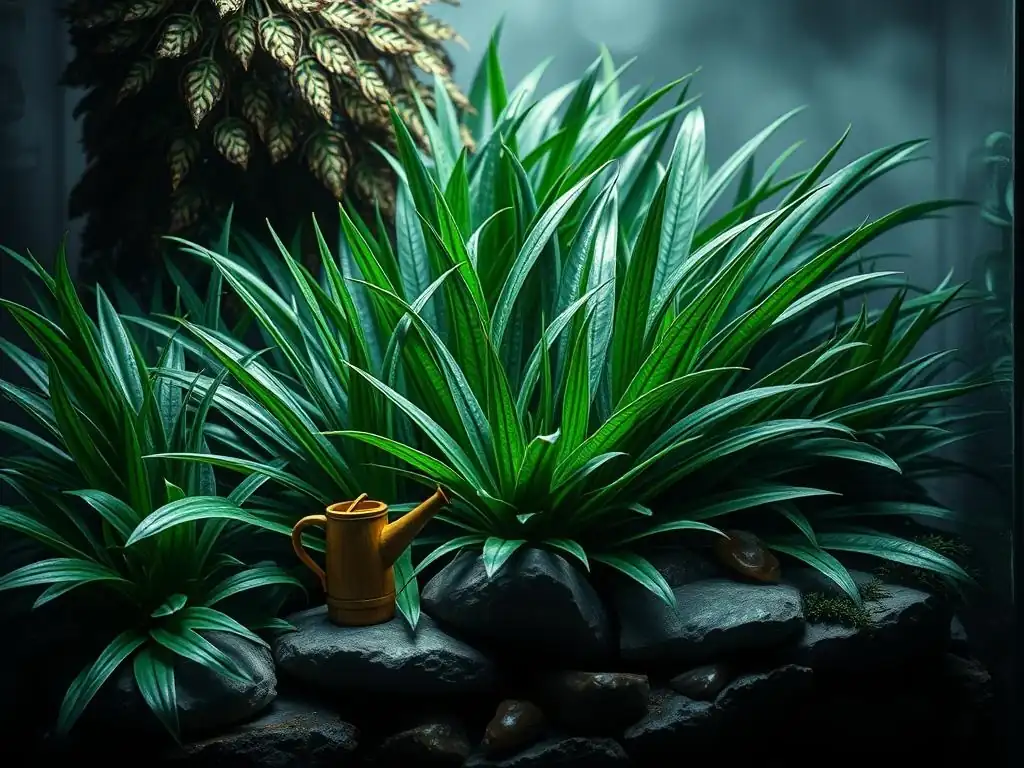
Proper planting technique is crucial for establishing a successful Lilaeopsis brasiliensis carpet. Upon receiving the plant, it's typically in pots or on mats. Carefully separate the plant into small individual clumps or strands, each containing a few leaves and a small root system. The smaller the clumps, the more easily they will establish and spread. For optimal coverage, plant these small divisions about 1-2 centimeters (0.4-0.8 inches) apart in a grid pattern across the desired carpeting area.
Use long tweezers to gently push each clump into the substrate, ensuring that the roots are fully buried and the base of the leaves is just at or slightly above the substrate surface. This method allows the plant to quickly root and send out runners. Initially, the plants may appear sparse, but with good Lilaeopsis brasiliensis carpet care including proper lighting, CO2, and nutrients, they will rapidly send out runners, connecting the individual clumps and forming a dense carpet within weeks to a few months, depending on conditions.
Propagating Lilaeopsis Brasiliensis: Creating More Micro Sword Plants
Lilaeopsis brasiliensis is an excellent plant for propagation due to its natural growth habit of producing runners. Once established, the plant will continuously send out horizontal runners just beneath or along the substrate surface. These runners will develop new plantlets at their nodes, each with its own root system and leaves. This natural propagation is what allows the plant to form its characteristic dense carpet.
To manually propagate and expand your Lilaeopsis brasiliensis carpet, you can simply snip a runner that has developed a new plantlet. Carefully dig up the new plantlet, ensuring it has a few roots attached, and replant it in another desired area of the aquarium. This method is particularly useful for quickly filling in bare spots or starting a new carpet section. Regular trimming of the existing carpet also encourages the plant to send out more runners and grow denser, contributing to effective Lilaeopsis brasiliensis carpet care.
Trimming and Maintenance for a Dense Lilaeopsis Carpet
Regular trimming is an essential aspect of maintaining a dense and healthy Lilaeopsis brasiliensis carpet. As the plant grows, its leaves can become long and create a thick canopy that shades the lower layers, potentially leading to browning and die-off of the older growth. To prevent this and encourage horizontal growth, trim the carpet periodically, typically every 3-4 weeks depending on the growth rate. Use sharp, long-handled scissors to carefully trim the top 20-30% of the leaves, much like mowing a lawn.
This trimming stimulates the plant to send out more runners and produce new, fresh growth, resulting in a significantly denser and more compact carpet. After trimming, it's important to remove any floating plant debris to prevent it from decaying and impacting water quality, which is a key part of overall Lilaeopsis brasiliensis carpet care. Consistent trimming not only maintains the desired aesthetic but also ensures that light penetrates effectively to the lower parts of the carpet, promoting uniform growth.
Troubleshooting Common Issues with Lilaeopsis Brasiliensis
Why is My Lilaeopsis Brasiliensis Turning Brown?
Browning of Lilaeopsis brasiliensis is a common issue that aquarists encounter, and it typically indicates a problem with the plant's environment or nutrient uptake. One of the most frequent causes is insufficient light. If the light intensity is too low or the photoperiod is too short, the plant cannot photosynthesize efficiently, leading to a decline in health and subsequent browning or melting. Ensure your lighting meets the moderate to high requirements for Lilaeopsis brasiliensis carpet care.
Another significant factor is nutrient deficiency, particularly a lack of iron or other micronutrients, which are crucial for chlorophyll production and overall plant vitality. If your substrate is inert, ensure you are using root tabs and supplementing with a comprehensive liquid fertilizer. Poor water circulation, which can lead to nutrient "dead spots" around the plant, and drastic fluctuations in water parameters (temperature, pH, CO2) can also stress the plant and cause browning. Addressing these environmental factors is key to successful Lilaeopsis brasiliensis carpet care.
Algae Control in a Lilaeopsis Brasiliensis Aquarium
Algae can be a persistent challenge in any planted aquarium, and a Lilaeopsis brasiliensis carpet can sometimes become a target, especially if conditions are not optimal. The most common cause of algae outbreaks in a planted tank is an imbalance in light, CO2, and nutrients. Too much light without sufficient CO2 and nutrients will inevitably lead to algae proliferation, as algae are more efficient at utilizing limited carbon sources.
Effective algae control in a Lilaeopsis brasiliensis aquarium involves striking the right balance. Ensure CO2 levels are stable at 20-30 ppm and lighting is consistent (8-10 hours). Regular water changes (20-30% weekly) help remove excess nutrients. Introducing algae-eating tank mates like Amano shrimp ( Caridina multidentata) or Otocinclus catfish can also be highly effective. Manual removal of visible algae, especially during regular Lilaeopsis brasiliensis carpet care and trimming, is also important to keep it in check.
Slow Growth of Lilaeopsis Brasiliensis: Possible Causes and Solutions
Slow growth in Lilaeopsis brasiliensis is a clear indicator that one or more essential growth factors are not being met. The most common culprit is insufficient CO2, especially if you are aiming for a dense carpet. Without adequate carbon, the plant's photosynthetic rate is severely limited, leading to sluggish growth and minimal runner production. Increasing CO2 levels to the recommended 20-30 ppm range often provides a dramatic improvement.
Another significant cause is nutrient deficiency, particularly in the substrate. If your Lilaeopsis brasiliensis is not getting enough root-level nutrients (like iron and potassium) from your substrate or root tabs, its growth will stall. Ensure your substrate is rich or that root tabs are regularly replaced (every 3-6 months). Lastly, inadequate lighting or inconsistent photoperiods can also contribute to slow growth. Reviewing and optimizing these three pillars—CO2, nutrients, and light—is fundamental to accelerating growth and achieving excellent Lilaeopsis brasiliensis carpet care.
Lilaeopsis Brasiliensis vs. Other Carpeting Plants: A Comparison
Lilaeopsis Brasiliensis vs. Dwarf Hairgrass: Which is Right for You?
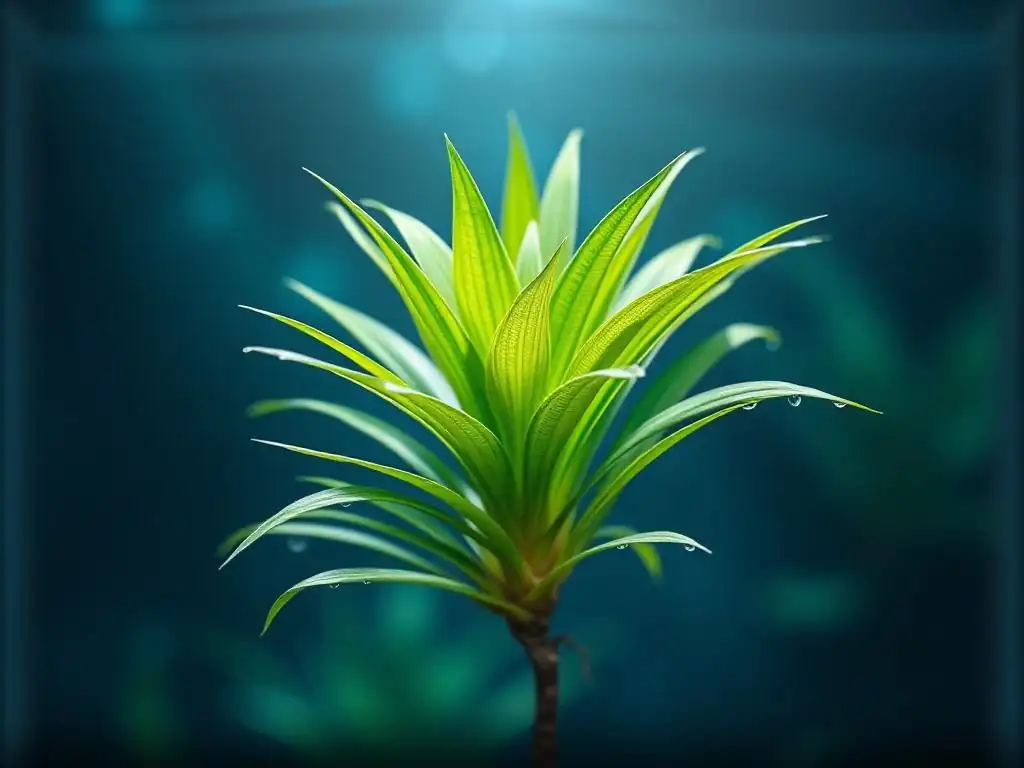
When choosing a carpeting plant, Lilaeopsis brasiliensis (Micro Sword) is often compared to Dwarf Hairgrass ( Eleocharis parvula or acicularis). Both create a grass-like effect, but they have distinct differences. Dwarf Hairgrass typically grows taller and finer, creating a more "wild" or meadow-like appearance, with individual blades often reaching 5-15 cm (2-6 inches). In contrast, Lilaeopsis brasiliensis generally stays shorter and has broader, more rigid blades, forming a denser, more uniform carpet, usually 2-7 cm (0.8-2.8 inches) tall.
In terms of Lilaeopsis brasiliensis carpet care versus Dwarf Hairgrass, Micro Sword is often considered slightly less demanding regarding light and CO2, though both benefit immensely from high tech setups. Dwarf Hairgrass can be more prone to melting initially and sometimes struggles to carpet without strong light and CO2. For a truly compact, neat "lawn" look, Micro Sword is often preferred. For a shaggier, more natural "meadow" or "field" effect, Dwarf Hairgrass excels.
Comparing Lilaeopsis Brasiliensis to Other Popular Aquarium Carpets
Beyond Dwarf Hairgrass, Lilaeopsis brasiliensis stands out against other popular carpeting plants like Monte Carlo ( Micranthemum tweediei) and Dwarf Baby Tears ( Hemianthus callitrichoides 'Cuba' or HC Cuba). Monte Carlo is known for its relatively easy carpeting, forming a lush, round-leafed carpet that is forgiving of moderate light and CO2. HC Cuba, on the other hand, is considered one of the most demanding carpeting plants, requiring very high light, consistent CO2, and excellent nutrient levels to thrive and form its characteristic tiny, dense carpet.
In the spectrum of carpeting plant difficulty, Lilaeopsis brasiliensis sits comfortably in the middle. It is more demanding than Monte Carlo for a dense carpet but significantly less finicky than HC Cuba. Its unique grass-like texture offers an aesthetic distinct from the small, round leaves of Monte Carlo and HC Cuba. For aquarists seeking a natural grass look without the extreme demands of HC Cuba, Micro Sword provides a robust and rewarding option, making its Lilaeopsis brasiliensis carpet care a manageable endeavor for intermediate hobbyists.
The Advantages of Lilaeopsis Brasiliensis in a Planted Tank
Lilaeopsis brasiliensis offers several compelling advantages that make it a superb choice for planted tanks. Firstly, its ability to form a dense, natural-looking grass carpet provides an unparalleled aesthetic that transforms the foreground of an aquascape, lending a sense of scale and depth. This creates a visually appealing and calming underwater landscape.
Secondly, once established, Micro Sword is relatively hardy compared to some other carpeting plants. While optimal Lilaeopsis brasiliensis carpet care involves high light and CO2, it is more forgiving of slight fluctuations than more sensitive species. Its dense growth also provides excellent cover for small fry, shrimp, and bottom-dwelling fish, offering both refuge and additional foraging surfaces. Furthermore, like all healthy aquatic plants, it contributes to water purification by absorbing excess nutrients, helping to maintain a stable and healthy aquarium environment.
Creating the Ideal Environment for Lilaeopsis Brasiliensis
Suitable Tank Mates for Lilaeopsis Brasiliensis
When selecting tank mates for an aquarium featuring a Lilaeopsis brasiliensis carpet, it's important to choose species that will not disturb the delicate plant roots or uproot the carpet. Small, peaceful fish are ideal. Good options include various species of Tetras (e.g., Neon Tetras, Cardinal Tetras), Rasboras (e.g., Harlequin Rasboras, Chili Rasboras), and peaceful small schooling fish. These species tend to occupy the mid to upper water columns and are unlikely to dig.
Bottom dwellers that are known to be plant-safe are also suitable. Otocinclus catfish are excellent algae eaters and gentle on plants. Dwarf shrimp, such as Cherry Shrimp ( Neocaridina davidi) or Amano Shrimp ( Caridina multidentata), are highly beneficial as they graze on algae without harming the Lilaeopsis brasiliensis carpet, contributing positively to overall Lilaeopsis brasiliensis carpet care. Avoid larger, aggressive, or known plant-eating fish, as well as notorious diggers like many cichlids, which can easily ruin a carefully cultivated carpet.
Aquascaping Ideas with Lilaeopsis Brasiliensis: Inspiration and Examples
Lilaeopsis brasiliensis is a highly versatile plant for aquascaping, capable of creating diverse natural aesthetics. Its most common use is as a foreground carpet, creating a lush green "lawn" effect that provides a beautiful contrast to hardscape elements like rocks and driftwood. For a classic "Nature Aquarium" style, combine a dense Micro Sword carpet with strategically placed Iwagumi-style rock formations, allowing the carpet to flow around the rocks, mimicking a natural grassy hillside.
Another inspiring idea is to use Lilaeopsis brasiliensis to create a sense of depth in larger tanks. By varying the height of the substrate or placing the carpet on a slightly elevated section, you can achieve a visually striking tiered effect. It also works wonderfully as a transitional plant between midground elements and the foreground, softening hard lines. For those focusing on Lilaeopsis brasiliensis carpet care, remember that its dense growth can provide excellent shelter for small fish, making it perfect for breeding setups or shrimp tanks, where the carpet becomes both a haven and a foraging ground.
Maintaining a Healthy Aquarium Ecosystem for Lilaeopsis Brasiliensis Growth
Maintaining a healthy and balanced aquarium ecosystem is fundamental to the long-term success of Lilaeopsis brasiliensis growth and Lilaeopsis brasiliensis carpet care. This involves consistent water changes, typically 20-30% weekly, to remove accumulated nitrates and replenish essential trace elements. Regular testing of water parameters (pH, GH, KH, nitrates, phosphates) allows for proactive adjustments, preventing conditions that could stress the plants.
Proper filtration is also crucial to ensure excellent water clarity and circulation, which helps distribute nutrients evenly throughout the tank. A mature biological filter will efficiently process fish waste, preventing ammonia and nitrite spikes that are toxic to both fish and plants. Lastly, a balanced approach to lighting, CO2, and nutrient dosing, as detailed earlier, ensures that the Lilaeopsis brasiliensis has all the resources it needs to thrive without encouraging excessive algae growth, creating a harmonious and vibrant underwater environment.
Lilaeopsis Brasiliensis: Long-Term Care and Maintenance
Regular Maintenance Schedule for a Lilaeopsis Brasiliensis Carpet
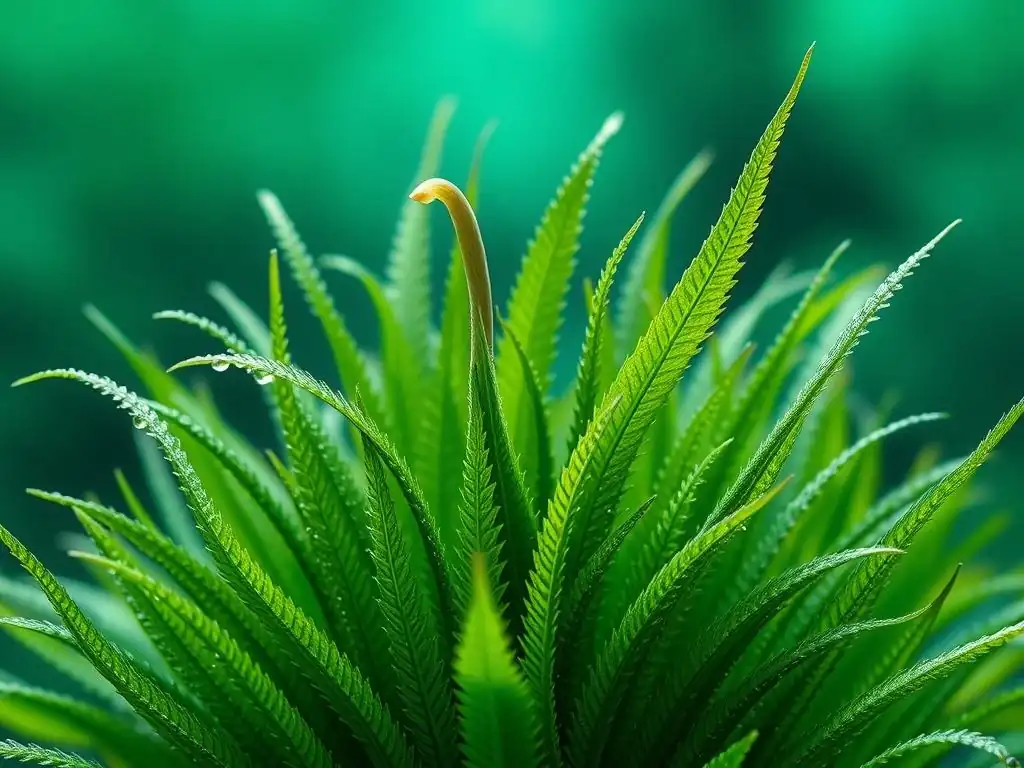
Establishing a routine maintenance schedule is paramount for sustained Lilaeopsis brasiliensis carpet care. Weekly tasks should include a 20-30% water change, which helps replenish vital trace elements and remove excess nutrients. During this time, visually inspect the carpet for any signs of browning, algae, or melting, and address them promptly. Cleaning the substrate surface lightly with a gravel vacuum (being careful not to disturb the roots) can remove detritus that might accumulate on the carpet.
Bi-weekly or monthly, depending on growth rate, perform trimming of the carpet. Use sharp, long-handled scissors to "mow" the top layer of the Lilaeopsis brasiliensis, promoting denser growth and preventing shading of lower leaves. After trimming, remove any floating plant debris. Every 3-6 months, consider replacing or adding root tabs directly into the substrate beneath the carpet, especially if using an inert substrate, to ensure a continuous supply of root-level nutrients. Consistent adherence to this schedule will ensure a vibrant and healthy Lilaeopsis brasiliensis carpet for years.
Preventing Common Diseases and Problems in Lilaeopsis Brasiliensis
While Lilaeopsis brasiliensis is relatively hardy, it can still suffer from common plant problems, primarily nutrient deficiencies and environmental stress, which can sometimes manifest as "diseases" or decline. Preventing these issues is key to effective Lilaeopsis brasiliensis carpet care. The most prevalent problem is melting or browning, often due to insufficient light, CO2, or nutrient imbalances (especially iron deficiency). Ensuring consistent high light, stable CO2 injection (20-30 ppm), and a nutrient-rich substrate with regular liquid fertilization will largely prevent these issues.
Algae growth on the carpet is another common problem. This is typically a symptom of an imbalance, usually too much light relative to CO2 and nutrients. Maintaining a balanced ecosystem with appropriate lighting duration (8-10 hours), consistent CO2, and regular water changes will deter most algae. Introducing algae-eating shrimp can also be a proactive measure. By diligently monitoring water parameters, providing consistent essential resources, and performing routine maintenance, you can significantly reduce the risk of problems and ensure the longevity of your beautiful Lilaeopsis brasiliensis carpet.
Ensuring the Longevity of Your Lilaeopsis Brasiliensis Aquarium
Ensuring the longevity of your Lilaeopsis brasiliensis aquarium goes beyond basic plant care; it involves creating a stable, thriving ecosystem. This means maintaining consistent environmental parameters, not just for the plant, but for all inhabitants. Avoid sudden changes in temperature, pH, or CO2 levels, as stability is crucial for both plant and fish health. Regular monitoring with reliable test kits allows for prompt intervention if parameters drift.
Furthermore, consider the long-term nutrient demands of a dense carpet. As the Lilaeopsis brasiliensis matures, it will consume more nutrients. Proactive replenishment through root tabs and comprehensive liquid fertilizers is essential to prevent deficiencies that could lead to decline. Periodic gentle substrate agitation (without disturbing roots) can help release trapped nutrients and prevent anaerobic pockets. By focusing on holistic aquarium health and consistent, diligent Lilaeopsis brasiliensis carpet care, you can enjoy a lush, vibrant Micro Sword carpet for many years, enhancing the beauty and ecological balance of your aquatic masterpiece.
Conclusion: Achieving a Beautiful Lilaeopsis Brasiliensis Carpet
The Rewards of Successful Lilaeopsis Brasiliensis Carpet Care
Achieving a beautiful and thriving Lilaeopsis brasiliensis carpet is one of the most rewarding accomplishments in aquascaping. The effort invested in providing optimal lighting, consistent CO2 injection, nutrient-rich substrate, and diligent water parameter management truly pays off. The visual impact of a dense, vibrant green foreground, mimicking a natural underwater lawn, transforms an aquarium into a captivating living art piece. This lush carpet provides a serene and natural aesthetic that enhances the entire aquascape and creates a calming focal point in any room.
Beyond the aesthetic appeal, the rewards extend to the overall health of your aquatic ecosystem. A well-established Lilaeopsis brasiliensis carpet actively contributes to water purification by absorbing excess nitrates and other pollutants, leading to clearer, healthier water for your fish and invertebrates. It also provides invaluable shelter and foraging grounds for small aquatic life, enriching their environment. The satisfaction of cultivating such a beautiful and functional plant makes dedicated Lilaeopsis brasiliensis carpet care a truly fulfilling endeavor for any aquarist.
Further Resources for Mastering Lilaeopsis Brasiliensis
For those looking to further master Lilaeopsis brasiliensis carpet care and delve deeper into advanced aquascaping techniques, a wealth of resources is available. Online forums and communities dedicated to planted tanks and aquascaping offer platforms for asking questions, sharing experiences, and learning from seasoned hobbyists. Many experienced aquascapers regularly post detailed build journals and long-term care updates, providing invaluable insights into their successes and challenges with Micro Sword.
Specialized plant profiles and care guides from reputable aquarium plant suppliers often offer species-specific nuances for Lilaeopsis brasiliensis. Additionally, books and articles by renowned aquascapers frequently feature detailed sections on carpeting plants, including Micro Sword, covering everything from initial planting strategies to long-term maintenance and troubleshooting. Engaging with these resources can provide the detailed knowledge and inspiration needed to cultivate an exceptionally beautiful and healthy Lilaeopsis brasiliensis carpet in your aquarium.
Frequently Asked Questions
What exactly is Lilaeopsis brasiliensis, and why is it a popular aquarium plant?
Lilaeopsis brasiliensis, often called Micro Sword, is a low-growing aquatic plant that's popular for creating a carpet-like effect in aquariums. Its grass-like appearance adds a natural, aesthetically pleasing touch.
Is Lilaeopsis brasiliensis suitable for both beginner and experienced aquarists?
While Lilaeopsis brasiliensis is considered relatively hardy, achieving a dense carpet can be challenging. Beginners might find it requires patience, while experienced aquarists can easily achieve the desired effect with the right conditions.
What are the optimal water parameters for Lilaeopsis brasiliensis to thrive?
Lilaeopsis brasiliensis prefers slightly acidic to neutral water (pH 6.0-7.5) and a temperature range of 70-82°F (21-28°C). Adequate CO2 injection significantly boosts its growth rate.
How much light does Lilaeopsis brasiliensis require to form a dense carpet?
Lilaeopsis brasiliensis needs moderate to high lighting to promote dense growth and carpeting. Insufficient light can lead to leggy growth and slower propagation.
What are some common challenges when growing Lilaeopsis brasiliensis and how can they be addressed?
One common challenge is slow growth, which can be addressed by ensuring sufficient lighting, CO2, and nutrients. Another issue can be algae growth, tackled with proper tank maintenance and algae-eating inhabitants.
Final Reflection: Cultivating Patience, Harvesting Beauty
The journey of cultivating a Lilaeopsis brasiliensis carpet mirrors life itself: it requires patience, dedication, and an understanding that true beauty often emerges from slow, deliberate growth. While this article focused on the practical aspects of Lilaeopsis brasiliensis carpet care, its relevance extends beyond the confines of the aquarium. It speaks to the broader human desire to create, nurture, and transform a space into something truly special.
The enduring appeal of the Lilaeopsis brasiliensis carpet lies in its ability to transform a sterile aquarium floor into a vibrant, natural landscape. This transformation, however, is not instantaneous; it demands consistent effort and a willingness to adapt to the plant's needs. This mirrors the challenges we face in our own lives, where meaningful change requires sustained commitment and a deep understanding of the environment we inhabit. As the renowned naturalist John Muir wisely stated: In every walk with nature one receives far more than he seeks.
This sentiment perfectly encapsulates the rewards of patiently nurturing a Lilaeopsis brasiliensis carpet and, by extension, any endeavor that demands time and dedication.
Now, consider the lessons learned from cultivating your own Lilaeopsis brasiliensis carpet. Reflect on the patience you exercised, the challenges you overcame, and the beauty you ultimately created. Let this experience inspire you to approach other areas of your life with the same dedication and mindful attention. Embrace the slow, deliberate growth that leads to lasting beauty, and remember that even the smallest efforts can transform the landscape of your world.
Cultivate Your Dream Aquascape
Thanks for diving into the world of Lilaeopsis brasiliensis! Now that you're armed with the knowledge to cultivate this beautiful carpeting plant, let's turn those ideas into reality. Here are a few steps to get you started:
- Jumpstart your aquascape by ordering your own Lilaeopsis brasiliensis today! See which suppliers are in your area, or find it online from a reputable vendor.
- Experiment with different planting densities and substrate types to see what works best in your aquarium environment. Document your progress and share your results with the aquascaping community.
- Share this article with fellow aquarium enthusiasts who might be looking for a low-maintenance carpeting plant option.
What creative aquascaping design are you envisioning for your Lilaeopsis brasiliensis carpet?