
Harvesting Your Macroalgae: When, Why, and How to Do It Right for Optimal Benefit


Welcome to Aquarium Mastery!
Ever wondered if those vibrant greens waving in your saltwater aquarium could do more than just look pretty? Dive into our guide on saltwater aquarium macroalgae harvesting and unlock the secrets to a healthier, more balanced ecosystem. Learn when, why, and how to harvest like a pro, and discover the unexpected benefits waiting within your reef tank. Ready to turn your macroalgae into a powerful ally? Let's get started!
- Harvesting Macroalgae for Nutrient Control and Propagation in Reef Aquariums
- Understanding Macroalgae Harvesting in Reef Tanks
- When to Harvest Macroalgae: Visual Cues and Growth Rates
- How to Harvest Macroalgae: Techniques for Different Species
- Optimizing Macroalgae Growth for Efficient Nutrient Export
- Troubleshooting Common Harvesting Challenges
- Advanced Harvesting Strategies for Refugiums and Algae Scrubbers
- Integrating Macroalgae Harvesting into a Comprehensive Reef Keeping Strategy
-
Frequently Asked Questions
- How often should I harvest macroalgae in my saltwater aquarium?
- Why is harvesting macroalgae important for my saltwater aquarium?
- What tools do I need to harvest macroalgae effectively?
- How much macroalgae should I remove during each harvesting session?
- What should I do with the harvested macroalgae?
- Final Reflection: Cultivating a Thriving Ecosystem
- Unleash the Power of Your Harvest!
Harvesting Macroalgae for Nutrient Control and Propagation in Reef Aquariums
Understanding Macroalgae Harvesting in Reef Tanks
Why Harvest Macroalgae in Your Reef Tank?
Harvesting macroalgae in a reef tank is primarily a nutrient export strategy, mimicking natural reef ecosystems where various forms of algae absorb dissolved organic compounds. Macroalgae, particularly fast-growing species like Chaetomorpha linum or Caulerpa prolifera, efficiently absorb nitrates and phosphates from the water column. Without regular harvesting, these absorbed nutrients would eventually be released back into the system if the macroalgae dies off, leading to undesirable spikes in nitrate levels, potentially rising from a healthy 2-5 ppm to over 15-20 ppm, and phosphate levels exceeding 0.1 ppm, which can fuel nuisance algae blooms.
Furthermore, managing macroalgae growth prevents it from overrunning the display tank or becoming too dense in a dedicated refugium. Overly dense macroalgae can restrict water flow, create anaerobic pockets, and eventually lead to die-off from self-shading, negating its nutrient export benefits. Regular saltwater aquarium macroalgae harvesting ensures a vibrant, actively growing population that continuously processes excess nutrients, maintaining the delicate balance crucial for corals and fish.
Benefits of Regular Macroalgae Harvesting for Reef Tank Health
Consistent macroalgae harvesting significantly contributes to superior water quality, which is the cornerstone of a thriving reef aquarium. By consistently removing nitrates and phosphates, harvesting helps keep these critical parameters within optimal ranges—typically nitrates below 5-10 ppm and phosphates below 0.03-0.05 ppm. This stability directly benefits corals, enhancing their calcification rates and overall growth; for instance, stony corals might exhibit growth rates of 1-2 cm per month with consistently low nutrient levels, compared to stunted growth in high-nutrient environments.
Beyond nutrient control, regular saltwater aquarium macroalgae harvesting reduces the competitive advantage for nuisance algae like hair algae, bryopsis, or cyanobacteria. With macroalgae actively outcompeting these undesirable forms for available nutrients, their outbreaks are significantly minimized, saving aquarists considerable time and effort in manual removal. This natural filtration method can, in some systems, reduce the reliance on chemical filtration media like GFO (Granular Ferric Oxide) by 20-30%, contributing to a more natural and cost-effective reef keeping approach.
When to Harvest Macroalgae: Visual Cues and Growth Rates
Identifying Optimal Growth Indicators for Macroalgae Harvest
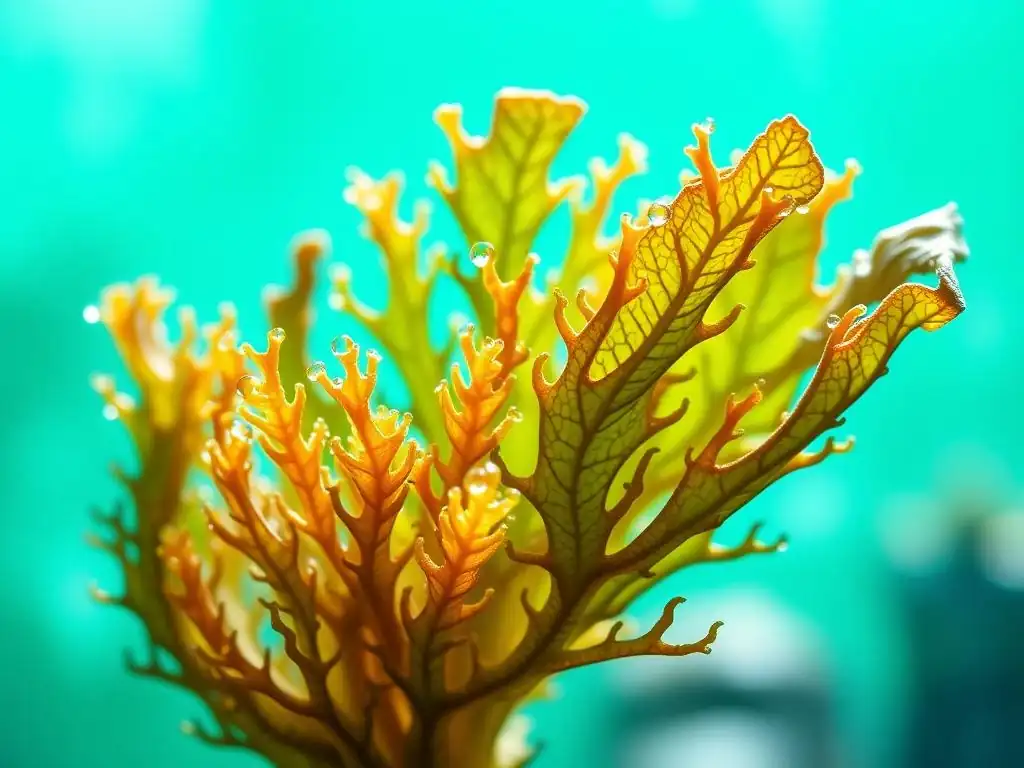
The most reliable indicator for harvesting macroalgae is visual observation of its growth and density. When macroalgae, such as Chaetomorpha, fills approximately 70-80% of the available space in its refugium or dedicated growing area, it's typically ready for a trim. Other visual cues include a vibrant, healthy color (e.g., deep green for Chaeto), indicating active photosynthesis and nutrient uptake, and rapid elongation of fronds or runners.
Monitoring water parameters, specifically nitrate and phosphate levels, also provides crucial insights. If these nutrient levels begin to steadily climb despite a healthy and growing macroalgae population, it may indicate that the macroalgae is reaching its maximum nutrient absorption capacity or that its growth has slowed due to overcrowding. For example, if nitrates creep from a stable 2 ppm to 5 ppm over a week, it suggests the macroalgae is saturated and a harvest is due to rejuvenate its nutrient uptake efficiency.
Avoiding Over-Harvesting: Maintaining a Healthy Macroalgae Population and Stability
While harvesting is vital, over-harvesting can be detrimental to reef tank stability. Removing too much macroalgae at once, such as 80-90% of its biomass, can lead to a sudden decrease in nutrient export capacity, potentially causing a temporary spike in nitrates by 1-2 ppm and phosphates by 0.01-0.02 ppm as the system adjusts. This rapid shift can stress corals and provide a window of opportunity for nuisance algae to proliferate.
To maintain a healthy, stable macroalgae population and continuous nutrient export, it's crucial to leave a significant portion behind—typically 20-30% of the existing biomass. This ensures that a strong base remains to continue absorbing nutrients and quickly regrow, preventing major nutrient swings. Furthermore, a thriving macroalgae bed provides a stable habitat for beneficial microfauna, such as copepods and amphipods, which are essential food sources for many reef inhabitants.
How to Harvest Macroalgae: Techniques for Different Species
Preparing for Macroalgae Removal: Tools and Best Practices
Before commencing any saltwater aquarium macroalgae harvesting, proper preparation is key to ensuring a smooth and safe process for your aquatic environment. Essential tools include a clean pair of stainless steel aquarium shears or long-handled scissors, a dedicated clean bucket or container for the harvested algae, and gloves to protect your hands from potential irritants and to prevent transferring skin oils or contaminants into the tank. Using tools specifically designed for aquarium use minimizes the risk of introducing rust or harmful chemicals from household items.
It is highly recommended to temporarily turn off any pumps that could draw dislodged macroalgae into the main display tank, particularly the return pump from the refugium. This precaution prevents undesirable algae from circulating through the system and potentially settling in the display tank, where it could become a nuisance. Ensuring the bucket is exclusively used for aquarium purposes prevents any residue from soaps or cleaning agents from contaminating the harvested algae or the tank water during the process.
Specific Techniques for Harvesting Popular Macroalgae Species
Different macroalgae species exhibit unique growth patterns, requiring tailored harvesting techniques to optimize their health and nutrient export efficiency.
Harvesting Chaetomorpha linum (Chaeto)
Chaetomorpha linum, commonly known as Chaeto, grows in a tangled, spaghetti-like ball, making its harvesting relatively straightforward. To harvest Chaeto, simply reach into its designated area, gently grasp a portion of the dense ball, and twist or pull it away.
The goal is to remove a significant section while leaving enough behind to continue growing and maintaining its "tumble" form, which promotes optimal water flow through the clump. A typical harvest might involve removing 30-50% of the Chaeto mass, which for a 20-gallon refugium, could be a clump the size of a grapefruit every 2-3 weeks, depending on nutrient availability and growth rate.
Harvesting Caulerpa prolifera
Caulerpa prolifera spreads via runners (rhizoids) that anchor into the substrate or rockwork. When harvesting Caulerpa, use scissors to cut the runners near their attachment points, carefully removing the fronds and associated runners. It is crucial to avoid tearing or excessively disturbing the substrate, which can release trapped detritus.
A significant consideration with Caulerpa is its potential to "go sexual" and release spores and stored nutrients if stressed or allowed to grow too densely without harvesting. This event can cause a sudden nitrate spike of 10-20 ppm. Harvesting should be done before it covers more than 75% of its designated area, as Caulerpa can spread rapidly, sometimes growing 5-10 cm of new runner length per week.
Harvesting Gracilaria hayi (Ogo)
Gracilaria hayi, often called Ogo, possesses a bushy, branching structure. Harvesting Gracilaria involves pruning individual branches or small clumps with scissors. This method allows for selective trimming, maintaining the plant's overall form while removing excess biomass. Gracilaria is also highly palatable to many herbivorous fish, such as tangs and rabbitfish, making it a dual-purpose macroalgae for nutrient export and supplementary feeding. A typical harvest might involve trimming 20-40% of the longest branches, which can then be rinsed and offered as a natural food source, potentially reducing the need for dried seaweed by up to 50% for their diet.
Utilizing Harvested Macroalgae: Composting, Feeding, or Propagation
Once harvested, macroalgae can be disposed of responsibly by composting it, adding valuable nitrogen and minerals to garden soil. Alternatively, for aquarists with herbivorous fish, rinsed macroalgae, particularly Gracilaria or Chaetomorpha, can serve as an excellent supplementary food source, providing natural fiber and trace elements. A handful of rinsed Chaetomorpha can offer a good dietary supplement for a Yellow Tang. For those looking to expand their hobby or share with other aquarists, healthy harvested macroalgae can also be used for propagation, allowing others to benefit from its nutrient export capabilities.
Optimizing Macroalgae Growth for Efficient Nutrient Export
Maintaining Ideal Water Parameters: Nitrate and Phosphate Levels
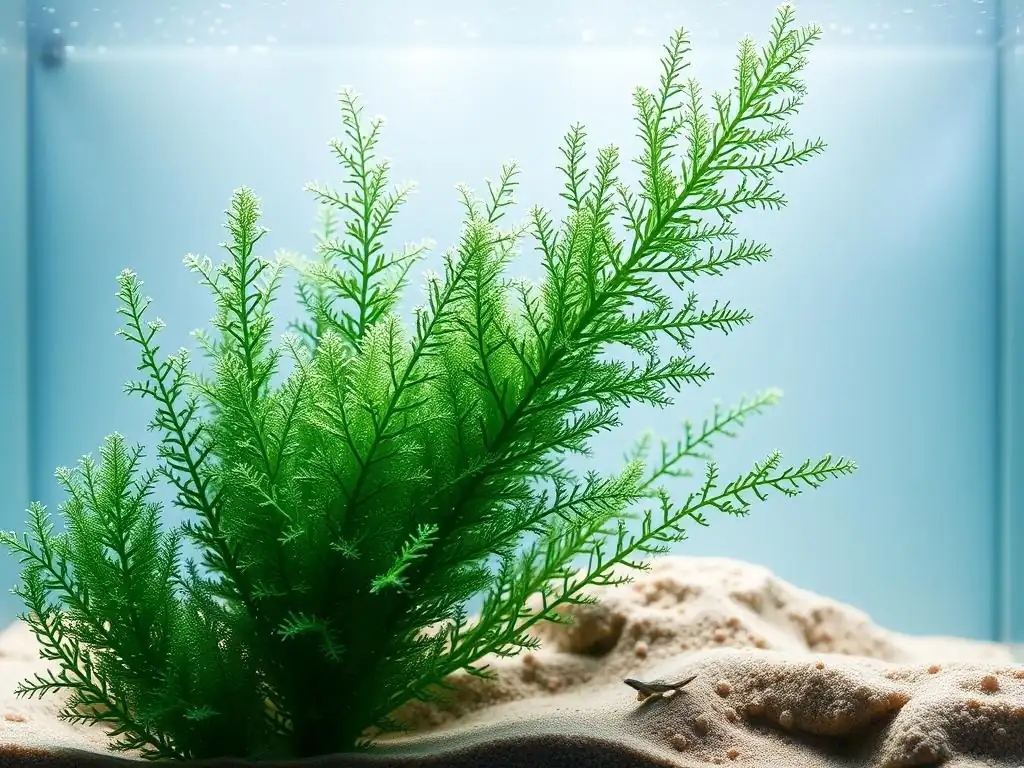
For macroalgae to efficiently export nutrients, maintaining a delicate balance of water parameters is crucial. While macroalgae thrive on nitrates and phosphates, too high levels can lead to saturation and reduced growth, while too low levels can starve them. The "sweet spot" for optimal growth typically involves maintaining nitrates between 2-5 ppm and phosphates between 0.01-0.03 ppm. If nitrates consistently drop below 1 ppm, Chaetomorpha growth rates can decrease by up to 30%.
Beyond primary nutrients, macroalgae also require trace elements for robust growth. Iron, for instance, is vital for chlorophyll production, and iodine plays a role in various metabolic processes. Regular, small-scale dosing of these elements, such as adding iron at 0.05 ppm weekly, can significantly boost the growth of certain red macroalgae like Gracilaria, enhancing their nutrient uptake capacity.
Lighting and Flow Considerations for Macroalgae Growth
Adequate lighting is paramount for macroalgae photosynthesis and growth. Refugiums typically benefit from lights emitting a spectrum rich in red and blue wavelengths, although full-spectrum lights (6500K to 10000K) or specific LED grow lights are also effective. A PAR (Photosynthetically Active Radiation) rating of 50-100 at the macroalgae surface is generally sufficient to support vigorous growth. Insufficient or inappropriate lighting will stunt growth and reduce nutrient uptake.
Equally important is robust water flow through the macroalgae bed. Moderate to high flow (e.g., 5-10 times the refugium volume per hour) prevents detritus from settling within the algae, ensures consistent delivery of nutrients, and promotes gas exchange. Stagnant areas within the macroalgae clump can lead to reduced nutrient uptake efficiency by 15-20% and potentially create anaerobic zones, which are detrimental to overall system health.
Troubleshooting Common Harvesting Challenges
Addressing Algae Blooms After Harvesting
One common challenge encountered after saltwater aquarium macroalgae harvesting is the potential for a temporary bloom of nuisance algae. This can occur if a significant amount of macroalgae is removed too rapidly, leading to a sudden shift in nutrient dynamics or the release of stored nutrients from disturbed or dying algal fragments. If nitrates jump from 2 ppm to 8 ppm after a substantial harvest, for instance, a 10-15% water change can help mitigate the spike and prevent a bloom.
It is crucial to monitor nutrient levels closely for several days following a large harvest. If nuisance algae, such as diatoms or dinoflagellates, begin to appear within 24-48 hours, it's a strong indicator of a nutrient imbalance. Implementing activated carbon or a small dose of GFO for a short period can help absorb excess nutrients, while ensuring stable parameters through consistent protein skimming and water changes will help the system re-stabilize.
Preventing Nutrient Swings and Maintaining Stability
The key to preventing nutrient swings and maintaining stability after saltwater aquarium macroalgae harvesting lies in adopting a gradual and consistent approach rather than infrequent, large-scale removals. Harvesting 20-30% of the macroalgae biomass weekly or bi-weekly is far more effective and stable than attempting to remove 70% or more monthly. This consistent removal ensures continuous nutrient export and prevents the macroalgae from becoming oversaturated or dying off due to overcrowding.
Integrating macroalgae harvesting with other nutrient export methods, such as efficient protein skimming and regular water changes, forms a robust reef-keeping strategy. This multi-pronged approach provides a buffer against minor fluctuations, helping to keep nitrate fluctuations within a tight 1-2 ppm range and phosphate within 0.005 ppm. Such stability is paramount for the long-term health and vibrancy of corals and fish in a reef aquarium.
Advanced Harvesting Strategies for Refugiums and Algae Scrubbers
Maximizing Nutrient Export Through Strategic Harvesting
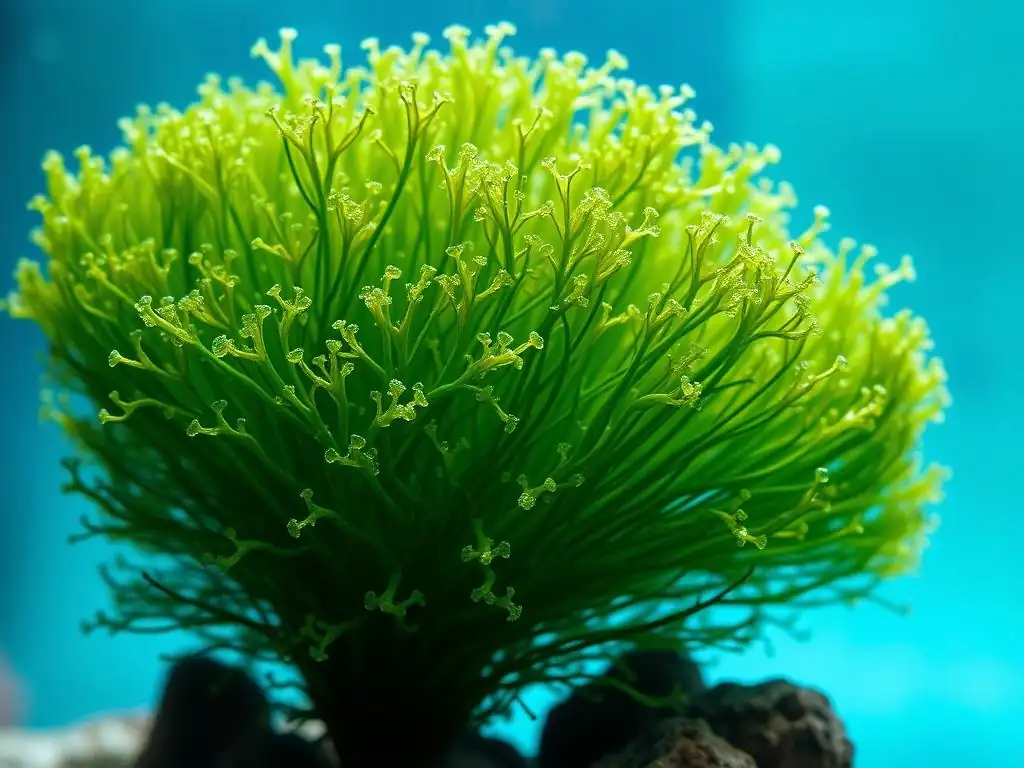
For larger or more complex reef systems, strategic saltwater aquarium macroalgae harvesting can significantly maximize nutrient export. In refugiums designed with multiple sections or housing different macroalgae species, rotational harvesting can be employed. For example, an aquarist might harvest Chaetomorpha from one section during one week and then Gracilaria from another section the following week. This method ensures that a large portion of the nutrient-absorbing biomass is always active and growing, providing more consistent nutrient removal and potentially reducing overall system nitrates by an additional 5-10% compared to sporadic, whole-refugium harvests.
Targeting specific areas of dense growth within the refugium also proves beneficial. If one area of macroalgae is visibly more vigorous or compacted, focusing harvesting efforts there can prevent stagnation and ensure that newer, more metabolically active growth is promoted. This strategic approach to saltwater aquarium macroalgae harvesting optimizes the refugium's efficiency, ensuring it functions as a dynamic and highly effective biological filter.
Selective Harvesting for Targeted Nutrient Reduction
Advanced aquarists can also employ selective harvesting based on observed nutrient levels and the known nutrient preferences of different macroalgae species. While most macroalgae absorb both nitrates and phosphates, some species may show a slight preference. For instance, Chaetomorpha is highly efficient at nitrate uptake, while some Caulerpa species have been observed to absorb phosphates more rapidly.
If persistent high nitrates are detected but phosphates remain low, focusing harvesting efforts on nitrate-absorbing species like Chaetomorpha can be prioritized. Conversely, if phosphates are problematic, encouraging and selectively harvesting species known for stronger phosphate uptake could be beneficial. This targeted saltwater aquarium macroalgae harvesting allows for a more precise approach to nutrient management, potentially reducing specific nutrient levels by 0.01 ppm over 24 hours in a dedicated section.
Integrating Macroalgae Harvesting into a Comprehensive Reef Keeping Strategy
Incorporating Harvesting into Your Regular Maintenance Schedule
To achieve the best possible results, saltwater aquarium macroalgae harvesting should not be an afterthought but an integral part of your regular reef tank maintenance schedule. Treat it with the same importance as water changes, filter sock replacements, or protein skimmer cleaning. For many reef systems, a bi-weekly harvesting schedule is ideal, typically taking approximately 10-15 minutes. This consistent effort can reliably maintain nitrate levels below 5 ppm and phosphates below 0.03 ppm, creating a stable and pristine environment for all inhabitants.
Establishing a routine ensures that nutrient export is continuous and efficient, preventing the build-up of undesirable compounds that can lead to algae outbreaks or stress on corals and fish. By making saltwater aquarium macroalgae harvesting a habit, aquarists proactively manage their system's nutrient load, contributing significantly to its overall health and longevity.
The Long-Term Benefits of Sustainable Macroalgae Management
The long-term benefits of a consistent and sustainable saltwater aquarium macroalgae harvesting strategy are profound. It leads to remarkably stable water chemistry, which is crucial for the health and vibrant coloration of corals, and significantly reduces the incidence of nuisance algae outbreaks. Reef tanks employing consistent macroalgae harvesting often experience 20-30% fewer nuisance algae outbreaks over a year compared to systems relying solely on chemical filtration or less active biological methods.
This stability translates directly into healthier, more robust reef inhabitants, including increased growth rates for corals and reduced stress for fish, potentially extending the lifespan of sensitive species by several months or even years. Ultimately, saltwater aquarium macroalgae harvesting is a cornerstone of natural reef keeping, fostering a more resilient, beautiful, and self-sustaining ecosystem that mimics the pristine conditions of natural reefs.
Frequently Asked Questions
How often should I harvest macroalgae in my saltwater aquarium?
The frequency of harvesting depends on the growth rate of your macroalgae and the nutrient levels in your tank. Generally, harvesting every 2-4 weeks is a good starting point.
Why is harvesting macroalgae important for my saltwater aquarium?
Harvesting macroalgae helps to remove excess nutrients like nitrates and phosphates from the water. This improves water quality and reduces the risk of algae blooms, creating a healthier environment for your fish and invertebrates.
What tools do I need to harvest macroalgae effectively?
You'll typically need a pair of aquarium-safe scissors or pruning shears, a clean bucket to collect the harvested macroalgae, and potentially a net to catch any loose pieces.
How much macroalgae should I remove during each harvesting session?
A good rule of thumb is to remove no more than 1/3 to 1/2 of the total macroalgae volume during each harvest. Over-harvesting can destabilize your tank's ecosystem.
What should I do with the harvested macroalgae?
You can compost it, feed it to other herbivores (if appropriate), or discard it responsibly. Avoid flushing it down the drain, as it can contribute to nutrient pollution in waterways.
Final Reflection: Cultivating a Thriving Ecosystem
The insights shared throughout this article underscore the vital role of responsible saltwater aquarium macroalgae harvesting in maintaining a balanced and flourishing aquatic environment. Understanding the "when, why, and how" is not merely a matter of aquarium maintenance; it's about actively participating in the creation of a sustainable microcosm that mirrors the delicate equilibrium of natural marine ecosystems.
The practice of harvesting macroalgae, when done thoughtfully, profoundly impacts the health and aesthetics of our saltwater aquariums. It’s a continuous learning process, a dance between observation and action, where we strive to understand the needs of our underwater world. The best time to plant a tree was 20 years ago. The second best time is now.
This ancient proverb resonates deeply with the principles of responsible macroalgae harvesting; the sooner we embrace informed practices, the sooner we reap the benefits of a vibrant and healthy aquarium.
As you consider the information presented, I encourage you to reflect on your own role as a steward of your saltwater aquarium. Embrace the knowledge shared, experiment with different harvesting techniques, and continuously refine your approach based on your observations. By actively engaging in responsible macroalgae harvesting, you're not just maintaining an aquarium; you're cultivating a thriving ecosystem, a testament to the beauty and resilience of the marine world, right in your own home.
Unleash the Power of Your Harvest!
Thanks for diving deep into the world of macroalgae! We hope you've gained valuable insights into optimizing your harvesting practices. Now, let's put that knowledge into action.
Here are a few ways to maximize your macroalgae harvesting potential:
- Schedule Your First Harvest: Mark your calendar for a strategic trim. Don't just think about it, do it!
- Share Your Success: Post a picture of your freshly harvested macroalgae on social media with #AquariumMasteryHarvest. Let's inspire others!
- Experiment with Algae-Based Cuisine: Try incorporating a small amount of your harvest into a smoothie or salad for a nutritional boost. (Always research edibility first!)
What innovative harvesting technique will you try first to maximize the benefits in your aquarium?