
The Complete Guide to Water Trumpets: Exploring Cryptocoryne Diversity

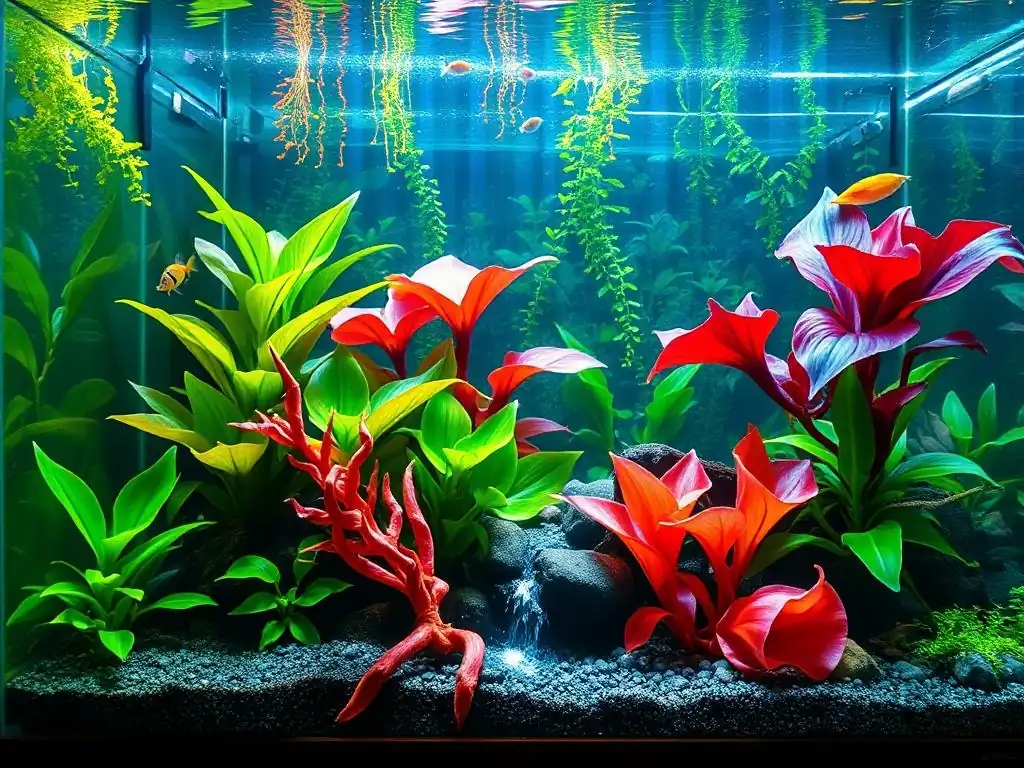
Welcome to Aquarium Mastery!
Ever wondered how to cultivate the vibrant, lush underwater landscapes you see in stunning aquariums? Dive in and discover the secrets to a thriving aquatic world, starting with our comprehensive guide to Cryptocoryne water trumpet care. Unlock the beauty and benefits of these fascinating plants, and learn how to master their unique needs. Ready to transform your tank? Let's explore!
- Understanding Cryptocoryne: An Introduction to Water Trumpets
- Cryptocoryne Species Profiles: A Diverse Selection
- Cryptocoryne Water Trumpet Care: Essential Guidelines
- Planting and Propagating Cryptocoryne
- Troubleshooting Common Cryptocoryne Problems
- Cryptocoryne in Aquascaping: Design Ideas
- Choosing the Right Cryptocoryne for Your Aquarium: Key Considerations
- Conclusion: Mastering Cryptocoryne Water Trumpet Care.
-
Frequently Asked Questions
- ### What are Cryptocoryne water trumpets and why are they popular in aquariums?
- ### What are the key water parameters needed for successful Cryptocoryne water trumpet care?
- ### How do I propagate Cryptocoryne water trumpets in my aquarium?
- ### What are some common problems encountered when caring for Cryptocoryne water trumpets, and how can I prevent them?
- ### What type of substrate and lighting conditions are best for Cryptocoryne water trumpet care?
- Final Reflection: Embracing the Subtleties of Aquatic Life
- Unveil the Secrets of Your Own Cryptocoryne Paradise!
Understanding Cryptocoryne: An Introduction to Water Trumpets
What are Cryptocoryne Water Trumpets? Defining Characteristics
Cryptocoryne, commonly known as water trumpets, comprise a diverse genus of aquatic plants belonging to the Araceae family. Native primarily to Southeast Asia, particularly regions like Sri Lanka, Thailand, and Indonesia, these plants are renowned for their unique appearance and adaptability within freshwater aquariums. Characterized by their rosette growth form, Cryptocorynes develop a dense network of roots and rhizomes, anchoring them firmly in the substrate. Their leaves exhibit remarkable variation in shape, size, and coloration, ranging from narrow, lance-shaped blades to broad, crinkled textures, and hues that span from vibrant greens to deep browns, reds, and bronzes.
A defining characteristic of Cryptocoryne water trumpets is their often slow to moderate growth rate, which contributes to their stable presence in an established aquascape. Unlike many fast-growing stem plants, Cryptocorynes prefer consistent conditions and can react strongly to sudden environmental shifts, a phenomenon known as "crypt melt." Their ability to thrive in various lighting conditions, from low to moderate, makes them a versatile choice for aquarists aiming for a lush, natural aesthetic without requiring intensive high-tech setups. Understanding these inherent traits is fundamental to successful Cryptocoryne water trumpet care, ensuring their longevity and vibrant display.
Why Choose Cryptocoryne for Your Freshwater Aquarium? Benefits and Aesthetics
Choosing Cryptocoryne water trumpets for a freshwater aquarium offers a multitude of benefits, making them a favored option for both novice and experienced aquarists. One primary advantage is their relatively low maintenance requirement once established. Unlike more demanding aquatic plants, many Cryptocoryne species can thrive with minimal intervention, making Cryptocoryne water trumpet care less daunting. They are highly efficient at absorbing excess nutrients like nitrates and phosphates from the water column through their extensive root systems, thereby contributing significantly to improved water quality and helping to suppress algae growth, which is a common challenge in aquariums.
Aesthetically, Cryptocorynes are unparalleled in their ability to create natural, lush landscapes within an aquarium. Their diverse range of leaf shapes, textures, and colors allows for incredible versatility in aquascaping. For instance, smaller species like Cryptocoryne parva can form dense foreground carpets, while larger varieties such as Cryptocoryne wendtii or Cryptocoryne spiralis can serve as striking midground or background accents. Their subtle beauty and varied forms can mimic the appearance of a natural riverbed or stream, adding depth, dimension, and a sense of tranquility to any freshwater setup, enhancing the overall visual appeal of the aquatic environment.
Crypt Melt Explained: Understanding and Preventing Cryptocoryne Melting
Crypt melt is a common, yet often alarming, phenomenon experienced by Cryptocoryne water trumpets, where the leaves rapidly deteriorate, turning translucent, mushy, or dissolving entirely. This dramatic response is typically a stress reaction to sudden, significant changes in the plant's environment.
Common triggers include drastic shifts in water parameters (e.g., pH, hardness, temperature), changes in lighting intensity or duration, alterations in nutrient availability, or even the physical act of moving or replanting the Cryptocoryne. While disheartening to witness, crypt melt is a natural protective mechanism; the plant sacrifices its existing foliage to conserve energy and adapt to new conditions, often regrowing stronger and healthier leaves once acclimatized.
Preventing crypt melt primarily revolves around providing stable conditions and minimizing environmental shocks. When introducing new Cryptocoryne plants, it is crucial to acclimatize them gradually to the aquarium's water parameters. Avoid frequent replanting or disturbing their root systems once established, as their roots are particularly sensitive.
Maintaining consistent water parameters, performing regular but not overly drastic water changes (e.g., 20-30% weekly), and ensuring stable lighting periods are vital aspects of effective Cryptocoryne water trumpet care. If melting occurs, resist the urge to remove the rhizome, as the plant will often recover and send out new growth from its base within a few weeks to a couple of months, provided conditions stabilize.
Cryptocoryne Species Profiles: A Diverse Selection
Popular Cryptocoryne Varieties for Aquariums
Cryptocoryne wendtii: Care and Variations
Cryptocoryne wendtii is arguably one of the most popular and widely available Cryptocoryne species for freshwater aquariums, celebrated for its hardiness and remarkable adaptability. This species exhibits a vast array of variations, often distinguished by their leaf color and texture, including 'Green', 'Red', 'Bronze', 'Brown', and 'Mi Oya'.
Typically growing to a height of 10-25 cm (4-10 inches), C. wendtii forms a dense rosette of lance-shaped to broad leaves, making it an excellent choice for midground planting or as a focal point in smaller tanks. Its robust nature means it can tolerate a wide range of water parameters, from soft to moderately hard water, and pH levels generally between 6.0 and 8.0, though consistent conditions are always preferred for optimal Cryptocoryne water trumpet care.
Caring for Cryptocoryne wendtii is relatively straightforward. It thrives in low to moderate lighting, requiring about 0.25 to 0.5 watts per liter (or 10-20 PAR) to maintain healthy growth and vibrant coloration. While it can survive in nutrient-poor substrates, its growth and overall health are significantly enhanced by a rich substrate and the addition of root tabs, as it is a heavy root feeder.
CO2 injection is not strictly necessary but will promote faster and more robust growth, particularly for the more colorful variants. Regular pruning of older, decaying leaves will also help maintain the plant's aesthetic and encourage new growth.
Cryptocoryne beckettii: The Beckett's Water Trumpet
Cryptocoryne beckettii, often known as Beckett's Water Trumpet, is another highly favored Cryptocoryne species among aquarists due to its striking appearance and relatively undemanding nature. Originating from Sri Lanka, this plant typically features olive-green to reddish-brown leaves with a distinct hammered or crinkled texture, often displaying a contrasting reddish underside.
It generally reaches a height of 15-30 cm (6-12 inches), making it an ideal choice for the midground of most aquarium setups. C. beckettii is known for its resilience and ability to adapt to various water conditions, performing well in temperatures between 22-28°C (72-82°F) and a pH range of 6.0-7.5.
Effective Cryptocoryne water trumpet care for C. beckettii involves providing a nutrient-rich substrate, as its strong root system benefits greatly from substrate fertilizers or root tabs. While it can tolerate low light conditions (around 0.25 watts per liter or 10 PAR), moderate lighting (0.5 watts per liter or 20 PAR) will enhance its coloration and growth rate. Like other Cryptocorynes, it prefers stable environments and can experience crypt melt if subjected to sudden changes. Propagation is primarily through runners, which the plant sends out horizontally through the substrate, allowing it to form dense clusters over time.
Cryptocoryne parva: The Smallest Cryptocoryne Species
Cryptocoryne parva holds the distinction of being the smallest known Cryptocoryne species, making it an exquisite choice for foreground planting in nano tanks or as a delicate carpet in larger aquariums. Hailing from Sri Lanka, this diminutive plant rarely exceeds 5-10 cm (2-4 inches) in height, forming a compact, dense mat of vibrant green, narrow, lanceolate leaves. Unlike many other Cryptocorynes, C. parva is unique in its requirement for higher light levels and often benefits significantly from CO2 injection to truly thrive and carpet effectively, setting it apart in terms of its specific Cryptocoryne water trumpet care needs.
To successfully grow Cryptocoryne parva, a nutrient-rich substrate is essential, as its extensive root system draws heavily on substrate nutrients. Lighting should be moderate to high, typically around 0.5-1.0 watts per liter (20-40+ PAR), to encourage its compact, carpeting growth habit. While it can survive in lower light, it tends to grow taller and less dense.
CO2 supplementation, in the range of 15-30 ppm, is highly recommended to achieve the desired carpeting effect and robust growth. Stable water parameters, including temperatures between 22-26°C (72-79°F) and a pH of 6.0-7.5, are also crucial to prevent melt and ensure its delicate beauty flourishes.
Cryptocoryne lucens: A Vibrant Addition to Your Tank
Cryptocoryne lucens is a charming and somewhat less common Cryptocoryne species, highly valued for its elegant, upright growth and vibrant green foliage. Originating from Sri Lanka, this plant typically grows to a moderate height of 10-20 cm (4-8 inches), making it an excellent choice for midground placement, where its linear leaves can provide a pleasing contrast to broader-leafed plants. Its relatively slow growth rate and compact form contribute to a neat and tidy appearance in the aquarium. C. lucens is generally hardy and adaptable, tolerating a range of water conditions, which simplifies its Cryptocoryne water trumpet care.
For optimal health, Cryptocoryne lucens benefits from a nutrient-rich substrate and moderate lighting. While it can survive in low light (around 0.25 watts per liter or 10 PAR), providing moderate illumination (0.5 watts per liter or 20 PAR) will encourage denser growth and a more vibrant green color. Root tabs are highly recommended to supply essential nutrients directly to its root system. Water parameters should be stable, with temperatures ideally between 22-28°C (72-82°F) and a pH range of 6.0-7.5. Like other Cryptocorynes, it is susceptible to melt if conditions fluctuate dramatically, so consistency is key.
Cryptocoryne spiralis: The Spiraling Water Trumpet
Cryptocoryne spiralis, aptly named the Spiraling Water Trumpet, is a distinctive and often majestic Cryptocoryne species known for its long, narrow, ribbon-like leaves that can grow quite tall, sometimes reaching lengths of 30-60 cm (12-24 inches) or more under optimal conditions. Native to India, this species provides a dramatic vertical element to the aquarium, making it an excellent choice for background planting in larger tanks.
Its leaves typically display shades of green, though some variants may exhibit reddish or brownish tones, especially under higher light. Its unique spiraling or wavy leaf margins add an interesting textural dynamic to the aquascape.
Effective Cryptocoryne water trumpet care for C. spiralis involves providing a deep, nutrient-rich substrate to accommodate its extensive root system. It thrives in moderate lighting (0.5 watts per liter or 20 PAR) but can tolerate lower light, though growth may be slower and less robust. While CO2 injection is not strictly necessary, it can significantly boost growth rate and overall vigor, allowing the plant to reach its full potential.
Stable water parameters are crucial, with temperatures ranging from 22-28°C (72-82°F) and a pH between 6.0-7.5. Due to its potential size, C. spiralis is best suited for larger aquariums (50 liters or more) where it has ample space to grow without overshadowing other plants.
Less Common Cryptocoryne Species
Cryptocoryne affinis: Care and Unique Features
Cryptocoryne affinis is a captivating and somewhat less common species, highly prized by collectors for its striking coloration and unique leaf morphology. Native to Malaysia, this Cryptocoryne typically features broad, heavily textured leaves that display a remarkable iridescent dark green to brown on the upper surface, often with a contrasting deep reddish-purple or maroon underside.
Growing to a moderate height of 15-30 cm (6-12 inches), its leaves can be quite crinkled or bullated, adding significant visual interest to the midground of an aquarium. C. affinis is known for its preference for slightly harder, alkaline water, which sets it apart from some other Cryptocorynes.
Optimal Cryptocoryne water trumpet care for C. affinis involves providing a stable environment with specific water parameters. It thrives best in moderate lighting (around 0.5 watts per liter or 20 PAR) and benefits significantly from a nutrient-rich substrate. Unlike many Cryptocorynes, C. affinis prefers water with a higher pH, typically in the range of 7.0-8.0, and medium to hard water (GH 8-15 dGH). Temperatures between 22-28°C (72-82°F) are ideal. While it can be more sensitive to sudden changes than C. wendtii, its stunning appearance makes the extra attention to its specific needs worthwhile for dedicated aquarists.
Cryptocoryne crispatula: Care and Unique Features
Cryptocoryne crispatula is a fascinating and diverse species complex, with various forms and geographical variants, making it a truly unique addition to an aquarium. Originating from Southeast Asia, particularly Thailand and Vietnam, its most defining characteristic is its long, narrow, often heavily crinkled or "crisped" leaves, which can reach impressive lengths of 30-60 cm (12-24 inches) or more.
The coloration varies from light green to dark green, sometimes with reddish hues, and the intense crimping of the leaf margins creates a distinct texture that stands out in a planted tank. This species is best suited for the background of medium to large aquariums due to its potential height.
Caring for Cryptocoryne crispatula requires attention to its preference for stable conditions. It generally thrives in moderate lighting (0.5 watts per liter or 20 PAR) and benefits greatly from a nutrient-rich substrate, as it is a strong root feeder. Water parameters should be consistent, with temperatures typically between 22-28°C (72-82°F) and a pH range of 6.0-7.5.
While some forms can tolerate slightly harder water, soft to medium-hard water is generally preferred. Like other Cryptocorynes, it is susceptible to melt if conditions fluctuate, emphasizing the importance of consistent Cryptocoryne water trumpet care. Regular pruning of older leaves can encourage new, healthier growth.
Cryptocoryne retrospiralis: Care and Unique Features
Cryptocoryne retrospiralis is a striking and elegant Cryptocoryne species, often sought after for its distinctive, spiraling or wavy leaves that provide a dynamic vertical element in the aquarium. Native to India, this plant produces long, narrow, ribbon-like leaves that can grow to lengths of 30-50 cm (12-20 inches), making it an excellent background plant for medium to large aquariums. The leaves are typically a vibrant green, often with a subtle reddish tint under optimal lighting, and their characteristic undulation adds a unique textural dimension to the aquascape, contrasting beautifully with broader-leafed plants.
For successful Cryptocoryne retrospiralis care, a deep, nutrient-rich substrate is highly recommended to support its extensive root system. It prefers moderate lighting (around 0.5 watts per liter or 20 PAR) to display its full potential for growth and coloration, though it can survive in lower light. Stable water parameters are crucial, with temperatures ideally maintained between 22-28°C (72-82°F) and a pH range of 6.0-7.5.
While not strictly necessary, CO2 injection can significantly enhance its growth rate and overall vigor, leading to a more robust and visually impressive plant. Consistent Cryptocoryne water trumpet care will ensure this species thrives and contributes significantly to the tank's aesthetic.
Cryptocoryne Water Trumpet Care: Essential Guidelines
Optimal Water Parameters for Cryptocoryne Growth
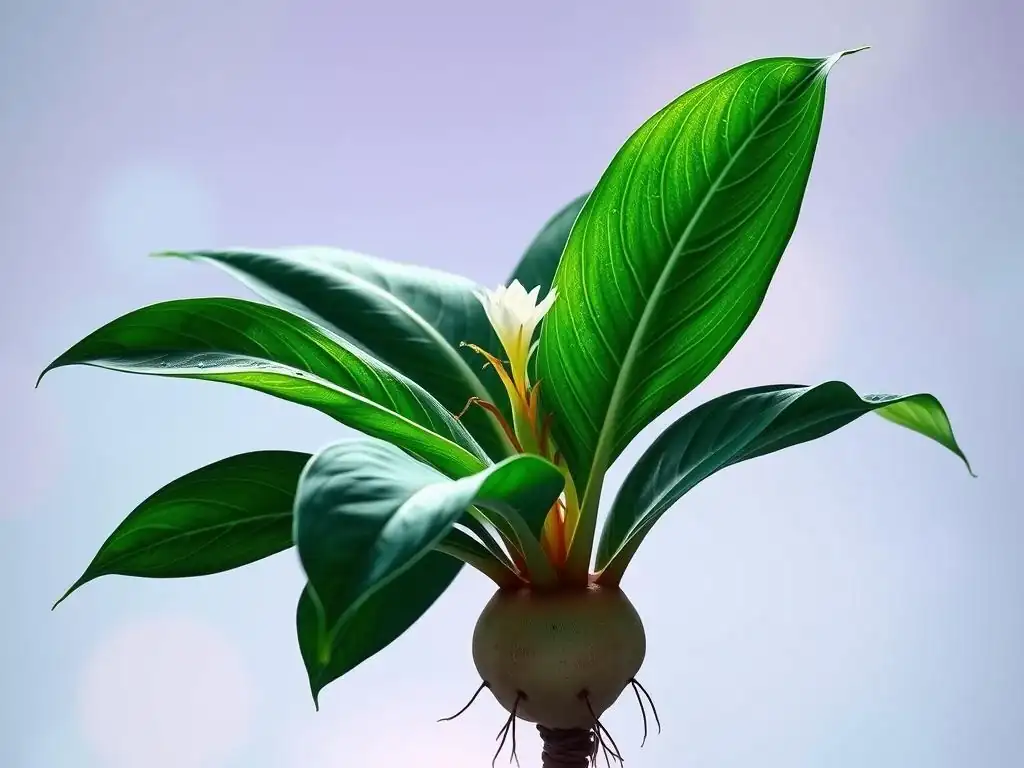
Achieving optimal Cryptocoryne water trumpet care begins with maintaining stable and appropriate water parameters. While Cryptocoryne species are generally adaptable, consistency is key to preventing stress and the dreaded "crypt melt." Most Cryptocorynes thrive in soft to medium-hard water, with a general hardness (GH) typically ranging from 3 to 12 dGH and a carbonate hardness (KH) between 2 to 8 dKH. Extreme fluctuations in these parameters can trigger a melt response, as the plants are sensitive to sudden chemical changes in their environment.
Furthermore, it is important to monitor ammonia, nitrite, and nitrate levels. Like all aquatic plants, Cryptocorynes help absorb nitrates, but excessively high levels (above 20-30 ppm) can indicate an imbalance in the tank. Conversely, extremely low nutrient levels, especially after prolonged periods, can also stress the plants. Regular testing with a reliable aquarium test kit is an indispensable part of comprehensive Cryptocoryne water trumpet care, allowing aquarists to make small, corrective adjustments rather than drastic ones.
Temperature Requirements for Healthy Cryptocorynes
The ideal temperature range for most Cryptocoryne water trumpets falls between 22°C and 28°C (72°F and 82°F). Within this range, the plants can photosynthesize efficiently and maintain healthy metabolic processes. While many species can tolerate slight deviations, prolonged exposure to temperatures outside this range can lead to stunted growth, increased susceptibility to disease, or stress-induced crypt melt. For example, temperatures consistently below 20°C (68°F) may slow growth considerably, while those above 30°C (86°F) can accelerate decay and create an environment less favorable for long-term health.
Maintaining a stable temperature is more critical than hitting an exact number within the optimal range. Rapid temperature swings, such as those caused by malfunctioning heaters or large, cold water changes, can be a significant trigger for crypt melt. Utilizing a reliable aquarium heater with a thermostat is crucial for consistent Cryptocoryne water trumpet care, ensuring the temperature remains steady throughout the day and night. Monitoring the tank temperature daily with an accurate thermometer will help prevent issues before they become problematic.
pH Levels and Water Hardness for Cryptocoryne Care
pH levels for Cryptocoryne water trumpets are generally quite broad, with most species thriving in a slightly acidic to neutral range, typically between 6.0 and 7.5. Some specific species, like Cryptocoryne affinis, prefer slightly alkaline conditions up to pH 8.0, while others might prefer slightly more acidic water. The key aspect of Cryptocoryne water trumpet care regarding pH is stability. Sudden shifts in pH, even within the acceptable range, are more detrimental than consistently maintaining a pH at the higher or lower end of the spectrum.
Water hardness, encompassing both general hardness (GH) and carbonate hardness (KH), also plays a role. Most Cryptocorynes prefer soft to medium-hard water (GH 3-12 dGH, KH 2-8 dKH). KH, in particular, acts as a buffer, stabilizing the pH. Therefore, maintaining a moderate KH helps prevent drastic pH swings. While some species are adaptable to harder water, excessively hard water can sometimes hinder nutrient uptake. Regular water testing will help ensure these parameters remain consistent, reducing stress on the plants and promoting robust growth.
The Importance of Water Changes for Cryptocoryne Health
Regular water changes are a fundamental component of effective Cryptocoryne water trumpet care, contributing significantly to plant health and overall aquarium stability. While Cryptocorynes are known for their ability to absorb nutrients, accumulated waste products, excess nitrates, and other undesirable substances can build up in the water column over time. A consistent water change schedule, typically 20-30% of the tank volume weekly or bi-weekly, helps to dilute these harmful compounds, preventing their accumulation to toxic levels.
Furthermore, water changes replenish essential trace elements and minerals that Cryptocoryne plants utilize for growth and metabolic functions. Even with a nutrient-rich substrate, the water column provides vital elements. However, it's crucial to ensure that the replacement water is dechlorinated and temperature-matched to the aquarium water to prevent shocking the plants. Drastic changes in water parameters during large or infrequent water changes can be a significant trigger for crypt melt, underscoring the need for small, regular, and consistent water management as part of optimal Cryptocoryne water trumpet care.
Lighting Needs for Cryptocoryne Species
Lighting is a critical factor in Cryptocoryne water trumpet care, though the specific requirements vary significantly between species. Generally, Cryptocorynes are known for their adaptability to lower light conditions, which is one reason for their popularity among beginner aquarists. However, providing appropriate lighting is essential for healthy growth, vibrant coloration, and to prevent issues like leggy growth or algae accumulation on leaves. The intensity and duration of light directly impact photosynthesis rates and nutrient uptake.
A typical photoperiod for Cryptocoryne plants is 8-10 hours per day. Longer periods can encourage algae growth without significantly benefiting the plants, while shorter periods may not provide enough energy for robust growth. Using a timer to ensure consistent light exposure is a simple yet effective aspect of Cryptocoryne water trumpet care. Adjusting light intensity and duration based on the specific Cryptocoryne species and overall tank setup (e.g., presence of other plants, CO2 injection) will yield the best results.
Low Light Cryptocoryne Varieties
Many Cryptocoryne water trumpet species are perfectly suited for low-light aquarium setups, making them an excellent choice for tanks without high-powered lighting or CO2 injection. Varieties such as Cryptocoryne wendtii (most forms), Cryptocoryne beckettii, and Cryptocoryne undulata thrive under lighting conditions typically ranging from 0.25 to 0.5 watts per liter, or approximately 10-20 PAR (Photosynthetically Active Radiation). In these conditions, they will grow slower but remain healthy and robust, often displaying their full, natural coloration.
For low-light Cryptocoryne water trumpet care, it's important to understand that "low light" does not mean "no light." Adequate light penetration to the substrate is still necessary, especially for the plant's initial establishment and continued energy production. While these plants are forgiving, providing a nutrient-rich substrate remains crucial, as they primarily absorb nutrients through their roots. Low light setups also generally mean less intense algae growth, which is a bonus for the aquarist.
High Light Cryptocoryne Varieties
While most Cryptocorynes are low-light adaptable, a few specific species and certain conditions can benefit from or even require higher light levels to truly flourish. Cryptocoryne parva, for instance, is a notable exception that generally needs moderate to high light (0.5-1.0 watts per liter or 20-40+ PAR) to achieve its desired compact, carpeting growth. Without sufficient light, C. parva tends to stretch and grow taller, losing its characteristic low-growing habit. Similarly, some of the more colorful Cryptocoryne variants, such as deep red C. wendtii 'Red' or 'Mi Oya', may exhibit more intense coloration under brighter illumination.
For high-light Cryptocoryne water trumpet care, it's important to consider additional factors. Increased light intensity typically correlates with a higher demand for CO2 and nutrients. Therefore, high-light setups often necessitate CO2 injection and a comprehensive fertilization regimen to prevent nutrient deficiencies and support robust plant growth. Without adequate CO2 and nutrients, high light can actually stress the plants and promote nuisance algae growth, turning a beneficial condition into a detrimental one. Monitoring plant health and adjusting light, CO2, and fertilization accordingly is key.
Substrate and Fertilization for Cryptocoryne Water Trumpets
The substrate plays a foundational role in Cryptocoryne water trumpet care, as these plants are primarily root feeders. Their extensive root systems are designed to absorb nutrients directly from the substrate, making the choice and quality of the substrate paramount for their long-term health and growth. Beyond the substrate, a balanced fertilization strategy is essential to ensure Cryptocorynes receive all necessary macro and micronutrients, whether through the water column or directly at the roots.
Proper substrate selection and a well-planned fertilization routine can significantly enhance the vibrancy, growth rate, and resilience of Cryptocoryne plants. Conversely, an inadequate substrate or nutrient deficiencies can lead to stunted growth, discoloration, and increased susceptibility to melt or disease. Understanding the interplay between substrate and fertilization is key to mastering Cryptocoryne water trumpet care and achieving a thriving planted aquarium.
Best Substrates for Rooted Cryptocoryne Growth
For optimal Cryptocoryne water trumpet care, a nutrient-rich substrate is highly recommended. These plants are heavy root feeders, meaning they primarily draw their essential nutrients from the substrate rather than the water column. Inert substrates like sand or gravel alone will not provide sufficient long-term nutrition. Instead, consider using specialized aquatic plant substrates, which are typically composed of nutrient-rich clays, volcanic soils, or other porous materials designed to hold and slowly release nutrients. Brands like ADA Aqua Soil, Fluval Stratum, or CaribSea Eco-Complete are popular choices.
Alternatively, if using an inert substrate, supplementing with a layer of nutrient-rich soil beneath the sand or gravel (known as a "dirted tank") or regularly adding root tabs directly into the substrate around the Cryptocoryne roots is highly effective. Root tabs are concentrated slow-release fertilizers that provide a steady supply of iron, potassium, and other micronutrients directly where the plant needs them most. This targeted fertilization method is crucial for robust Cryptocoryne growth and helps prevent deficiencies that can lead to yellowing leaves or stunted development.
Fertilization Strategies: Liquid vs. Root Tabs
When it comes to fertilizing Cryptocoryne water trumpets, a combination of strategies often yields the best results, though root tabs are generally considered more crucial due to their root-feeding nature. Root tabs, placed directly into the substrate near the plant's roots, provide a slow and steady release of essential macro and micronutrients like iron, potassium, and trace elements, directly addressing the Cryptocoryne's primary method of nutrient uptake. They are particularly effective for long-term nutrient supply and are a cornerstone of comprehensive Cryptocoryne water trumpet care.
Liquid fertilizers, on the other hand, primarily supply nutrients to the water column, which benefits plants that absorb nutrients through their leaves (e.g., stem plants). While Cryptocorynes do absorb some nutrients from the water, their reliance on the substrate means liquid fertilizers are often a supplementary measure rather than a primary one for these plants.
However, a balanced liquid fertilizer can help ensure trace elements are consistently available, especially in tanks with high plant biomass or if you notice signs of deficiency in newer leaves (which might indicate water column deficiencies). A balanced approach, combining nutrient-rich substrate or root tabs with occasional liquid fertilization, provides a comprehensive nutrient profile.
Avoiding Fertilizer Burn in Cryptocorynes
Fertilizer burn, while less common with Cryptocorynes compared to more sensitive plants, can occur if nutrient concentrations, particularly from root tabs or concentrated liquid fertilizers, become excessively high. Signs of fertilizer burn might include localized yellowing, browning, or even holes in the leaves, especially near the substrate where root tabs are placed. This typically happens when too many root tabs are used in a small area, or if liquid fertilizers are overdosed in a tank with very soft water and low plant mass, leading to a toxic buildup of certain elements.
To prevent fertilizer burn and ensure optimal Cryptocoryne water trumpet care, it's crucial to follow the manufacturer's recommendations for root tab dosage and placement. For instance, a typical recommendation might be one root tab per 15-20 cm (6-8 inches) diameter area around the plant, replaced every 3-6 months. When using liquid fertilizers, start with a lower dose and gradually increase if needed, always observing the plants for signs of stress. Regular water changes also help prevent the accumulation of excess nutrients in the water column, mitigating the risk of burn and maintaining a healthy balance for your Cryptocorynes.
CO2 Injection: Is it Necessary for Cryptocoryne?
CO2 injection for Cryptocoryne water trumpets is generally not considered strictly necessary, especially for the majority of common species thriving in low to moderate light conditions. Many Cryptocorynes, such as Cryptocoryne wendtii and Cryptocoryne beckettii, can grow perfectly well and remain healthy without supplemental CO2, relying on the dissolved CO2 naturally present in the water. This makes them excellent choices for low-tech setups, simplifying Cryptocoryne water trumpet care for beginners or those preferring a less complex aquarium.
However, while not essential, providing CO2 can significantly enhance the growth rate, overall vigor, and coloration of Cryptocoryne plants. Species like Cryptocoryne parva, which requires higher light to carpet effectively, benefit immensely from CO2 injection to achieve their full potential. In high-tech setups with intense lighting, CO2 supplementation (aiming for 15-30 ppm) becomes almost a requirement to support the plants' increased metabolic demands and prevent algae outbreaks. Ultimately, the decision to use CO2 depends on the specific Cryptocoryne species, the desired growth rate, and the overall setup of the aquarium.
Planting and Propagating Cryptocoryne
Planting Cryptocoryne Water Trumpets: Step-by-Step Guide
Proper planting is crucial for the successful establishment and long-term health of Cryptocoryne water trumpets. These plants are sensitive to root disturbance, so a careful approach during planting will minimize the risk of crypt melt.
- Prepare the Plant: Gently remove the Cryptocoryne from its packaging or pot. If it comes with rock wool, carefully remove as much as possible without damaging the roots. Trim any dead or decaying leaves and excessively long roots (leaving about 5-7 cm or 2-3 inches).
- Dig a Hole: Using your fingers or tweezers, create a small hole in the substrate deep enough to accommodate the roots. For Cryptocorynes, it's important that the crown (where the leaves meet the roots) is just above or at the substrate line.
- Insert the Plant: Carefully place the plant into the hole, ensuring the roots are spread out downwards and not bunched up.
- Cover the Roots: Gently push the substrate around the roots, burying them completely. The crown of the plant should remain exposed or just barely covered. Burying the crown too deeply can lead to rot.
- Secure (Optional): If the plant is buoyant or struggling to stay down, you can temporarily place a small, smooth rock at its base, which can be removed once the roots establish in a few weeks.
- Acclimatization: Be prepared for potential crypt melt in the initial weeks. Maintain stable water parameters to help the plant recover and send out new growth. This careful planting process is a key element of effective Cryptocoryne water trumpet care.
Cryptocoryne Propagation Methods: Runners and Division
Cryptocoryne water trumpets primarily propagate through the production of runners, making it a relatively simple and natural process for aquarists to expand their collection. Runners are horizontal stems that grow out from the base of the mother plant, either along the surface of the substrate or just beneath it.
Along these runners, small plantlets (new Cryptocoryne plants) will develop, complete with their own root systems and a few leaves. Once these plantlets have developed a few leaves and a healthy root system (typically 5-10 cm or 2-4 inches away from the mother plant), they can be carefully separated from the runner using sharp scissors and replanted elsewhere in the aquarium.
Another method of propagation is division, particularly useful for older, well-established Cryptocoryne clumps. This involves carefully uprooting a mature plant and gently separating the rhizome (the main horizontal stem from which roots and leaves grow) into multiple sections. Each section must have a portion of the rhizome, a few healthy roots, and at least 2-3 leaves to ensure viability.
This method can be more stressful for the plant and may induce crypt melt, so it should be done with care. Both methods contribute to the natural spread and increase of Cryptocoryne water trumpets within an aquascape, allowing aquarists to create dense, lush displays over time.
Encouraging Cryptocoryne Growth and Spread
Encouraging robust growth and natural spread of Cryptocoryne water trumpets relies on providing consistent, optimal conditions and minimizing disturbances. A nutrient-rich substrate is paramount, as Cryptocorynes are heavy root feeders. Regular replenishment of substrate nutrients through root tabs, every 3-6 months, will provide a steady supply of essential macro and micronutrients, fueling the plant's growth and encouraging the development of runners. Maintaining stable water parameters (temperature, pH, GH, KH) and avoiding drastic fluctuations is also critical, as consistency significantly reduces stress and the likelihood of crypt melt, allowing the plant to invest energy into growth.
Furthermore, providing appropriate lighting (typically low to moderate) for the specific Cryptocoryne species, along with a consistent photoperiod of 8-10 hours, will support healthy photosynthesis. While not strictly necessary for all species, CO2 injection can significantly accelerate growth and encourage more vigorous runner production, especially in higher-light setups. Finally, allowing the plants to establish without frequent uprooting or moving them will enable their root systems to fully develop and anchor, leading to stronger, more prolific growth and a natural expansion through their inherent propagation mechanisms. This holistic approach to Cryptocoryne water trumpet care fosters a thriving environment.
Troubleshooting Common Cryptocoryne Problems
Identifying and Treating Crypt Melt
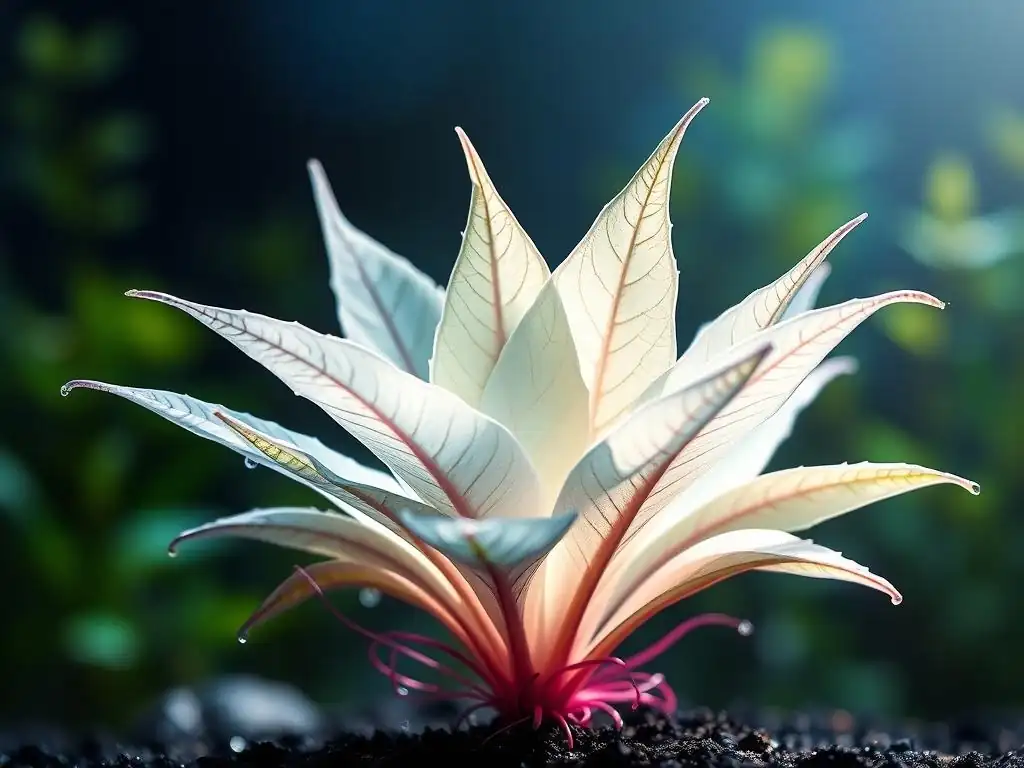
Identifying crypt melt is relatively straightforward: the leaves of your Cryptocoryne water trumpet will rapidly turn translucent, appear mushy, or completely dissolve, sometimes seemingly overnight. This reaction is a stress response to sudden changes in the aquatic environment. Common triggers include significant shifts in water parameters (temperature, pH, hardness), changes in lighting intensity or duration, major alterations in nutrient availability, or even the physical shock of moving or replanting the Cryptocoryne. While alarming, it's crucial to understand that crypt melt is often a natural acclimatization process, not necessarily a sign of a dying plant.
Treating crypt melt primarily involves stabilizing the aquarium environment and practicing patience.
- Identify the Trigger: Review any recent changes to your tank (new fish, large water change, new light, fertilizer changes).
- Stabilize Parameters: Ensure water temperature, pH, and hardness are consistent within the optimal range for your Cryptocoryne. Perform small, regular water changes (e.g., 10-15% daily for a few days) with temperature-matched, dechlorinated water to gradually adjust conditions without shocking the plants further.
- Trim Decaying Leaves: Carefully trim away the melted, decaying leaves with sharp scissors. This prevents the decaying matter from polluting the water and encourages the plant to put energy into new growth.
- Maintain Substrate Nutrients: Ensure the plant has access to a nutrient-rich substrate or fresh root tabs.
- Patience: The most important step in Cryptocoryne water trumpet care during a melt is patience. The rhizome and root system are usually still healthy, and new leaves will typically emerge within a few weeks to a couple of months once the plant has adapted to its new environment.
Dealing with Algae Growth on Cryptocorynes
Algae growth on Cryptocoryne water trumpet leaves is a common issue that can hinder photosynthesis and detract from the plant's aesthetic appeal. It typically indicates an imbalance in the aquarium, often related to excessive light, too many nutrients in the water column (especially phosphates or nitrates), or insufficient CO2 for the given light intensity. Common types of algae found on Cryptocorynes include green spot algae (small, hard green spots), green dust algae (a fine green film), or even black beard algae (dark, fuzzy patches).
To deal with algae on your Cryptocoryne water trumpets:
- Identify the Type of Algae: This helps pinpoint the imbalance.
- Adjust Lighting: Reduce the photoperiod to 6-8 hours or lower the light intensity if it's too high for your setup, especially if you don't use CO2.
- Optimize Nutrients: Perform more frequent, small water changes to reduce excess nutrients in the water column. Ensure your substrate is providing nutrients to the roots (for Cryptocorynes) rather than relying solely on liquid fertilizers if algae is an issue.
- Increase CO2 (if applicable): If you have moderate to high lighting, ensure your CO2 levels are adequate (15-30 ppm). Inadequate CO2 with high light is a primary cause of algae.
- Manual Removal: Gently wipe algae off the leaves with a soft cloth or toothbrush during water changes. Avoid harsh scrubbing that could damage the leaves.
- Introduce Algae Eaters: Snails (e.g., Nerite snails) or certain fish (e.g., Otocinclus catfish) can help manage algae, but they are not a solution for underlying imbalances. Consistent Cryptocoryne water trumpet care, focusing on balance, is key to long-term algae control.
Addressing Nutrient Deficiencies in Cryptocoryne Plants
Nutrient deficiencies in Cryptocoryne water trumpets typically manifest as specific visual symptoms on the leaves, indicating which essential elements are lacking. As Cryptocorynes are primarily root feeders, these deficiencies often point to issues with the substrate or root tab fertilization. For example, yellowing of older leaves, particularly between the veins, often suggests a potassium deficiency. If new leaves are stunted, pale, or have chlorosis (yellowing), it might indicate an iron deficiency, which is crucial for chlorophyll production. Overall stunted growth or very dark, almost purple leaves could point to a phosphate deficiency.
Addressing these deficiencies is a key part of effective Cryptocoryne water trumpet care:
- Check Substrate Nutrients: Ensure your substrate is nutrient-rich or that root tabs are regularly replaced (typically every 3-6 months). This is the most common solution for Cryptocoryne deficiencies.
- Supplement Specific Nutrients: If symptoms persist, consider adding a liquid fertilizer that specifically targets the identified deficiency (e.g., a potassium supplement or an iron-rich trace element mix).
- Ensure Proper pH: Extreme pH levels can sometimes lock out certain nutrients, making them unavailable to the plant even if present in the water or substrate. Maintain stable pH within the optimal range for your Cryptocoryne.
- Monitor Water Parameters: Regular testing for nitrates and phosphates can help determine if overall nutrient levels are too low.
- Avoid Overdosing: While addressing deficiencies, be cautious not to overdose fertilizers, which can lead to algae outbreaks or even fertilizer burn. A balanced approach based on observed symptoms is best.
Preventing Disease in Your Cryptocoryne Collection
Preventing disease in your Cryptocoryne water trumpet collection primarily revolves around maintaining a stable, healthy environment and following good aquarium husbandry practices. Cryptocorynes are generally robust plants, and true "diseases" in the traditional sense (like bacterial or fungal infections that specifically target the plant) are rare. Most plant health issues, including decay or melting, are typically stress responses to environmental imbalances rather than contagious diseases.
Key preventive measures for Cryptocoryne water trumpet care include:
- Stable Water Parameters: Avoid sudden fluctuations in temperature, pH, and hardness. Use a reliable heater and perform small, regular water changes.
- Nutrient-Rich Substrate: Ensure the plants have consistent access to essential nutrients through a good substrate or regular root tab application.
- Appropriate Lighting: Provide the correct light intensity and duration for your specific Cryptocoryne species. Too much or too little light can stress the plants.
- Good Water Quality: Keep ammonia and nitrite at zero, and nitrates at manageable levels (below 20 ppm) through filtration and water changes.
- Minimize Disturbance: Avoid frequently uprooting or moving Cryptocoryne plants once they are established, as this can trigger crypt melt.
- Quarantine New Plants: While not for Cryptocorynes themselves, quarantining new fish or invertebrates can prevent the introduction of pathogens that might indirectly stress your entire aquarium ecosystem. By focusing on these preventative measures, you create an optimal environment where your Cryptocorynes can thrive and resist common stressors.
Cryptocoryne in Aquascaping: Design Ideas
Using Cryptocoryne as a Foreground Plant
Using Cryptocoryne water trumpets as foreground plants adds a natural, understated beauty to the front of an aquascape, particularly in smaller tanks or to create a detailed, low-growing section in larger ones. While many Cryptocorynes grow too large for a true carpet, species like Cryptocoryne parva are perfect for this role.
C. parva rarely exceeds 5-10 cm (2-4 inches) in height and, with sufficient light and CO2, can form a dense, vibrant green carpet, providing a beautiful contrast to taller plants behind it. Its slow growth rate means less frequent trimming compared to true carpeting plants like Hemianthus callitrichoides 'Cuba'.
For a slightly taller, yet still foreground-appropriate option, smaller forms of Cryptocoryne wendtii or Cryptocoryne lucens can be strategically placed. These might grow up to 10-15 cm (4-6 inches) and offer varied leaf shapes and colors (e.g., bronze or reddish tones from C. wendtii 'Bronze') that can create visual interest without obstructing the view of the midground. When using Cryptocorynes in the foreground, ensure they have access to a rich substrate for optimal Cryptocoryne water trumpet care, as their root systems are crucial for their health and ability to spread and fill in the space.
Creating a Midground Display with Cryptocoryne
Cryptocoryne water trumpets excel as midground plants, where their diverse sizes, leaf shapes, and colors can create a lush, natural transition between foreground carpets and background stem plants. Species like Cryptocoryne wendtii (in its various forms like 'Green', 'Red', 'Bronze'), Cryptocoryne beckettii, and Cryptocoryne undulata are perfectly suited for this role, typically growing to heights of 15-30 cm (6-12 inches). Their rosette growth habit forms dense clumps that can effectively hide equipment or tank walls while adding depth and texture to the aquascape.
By strategically arranging different Cryptocoryne varieties, aquascapers can achieve a rich tapestry of greens, browns, and reds. For example, placing a cluster of bronze C. wendtii next to green C. beckettii can create a striking contrast. Their relatively slow and stable growth means they require less frequent trimming than many stem plants, making maintenance simpler. Ensuring a nutrient-rich substrate and stable water parameters is vital for Cryptocoryne water trumpet care in the midground, allowing these plants to establish strong root systems and flourish, providing a lasting, beautiful display.
Integrating Cryptocoryne into a Natural Aquarium Setup
Integrating Cryptocoryne water trumpets into a natural aquarium setup, often referred to as a "nature aquarium" or "biotope," enhances the authenticity and ecological balance of the tank. Their native habitat in slow-moving streams and riverbanks of Southeast Asia makes them ideal candidates for recreating a slice of nature. Their ability to thrive in varied conditions, from low-tech setups to high-tech environments, allows them to be incorporated into a wide range of natural designs, from dense jungle-like tanks to more open, minimalist landscapes.
In a natural setup, Cryptocorynes can be used to mimic the undergrowth of a forest floor, creating shaded areas and hiding spots for fish and invertebrates. Their rhizomatous growth and runner production allow them to gradually colonize areas, forming natural-looking clumps over time. Combining them with driftwood, rocks, and other natural hardscape elements enhances the biotope feel.
For example, placing Cryptocoryne beckettii or C. wendtii around the base of a large piece of driftwood can soften its edges and make it appear more established. Prioritizing stable water parameters and a nutrient-rich substrate as part of Cryptocoryne water trumpet care will ensure these plants thrive and contribute to a truly immersive and natural aquatic environment.
Choosing the Right Cryptocoryne for Your Aquarium: Key Considerations
Tank Size and Cryptocoryne Growth Potential
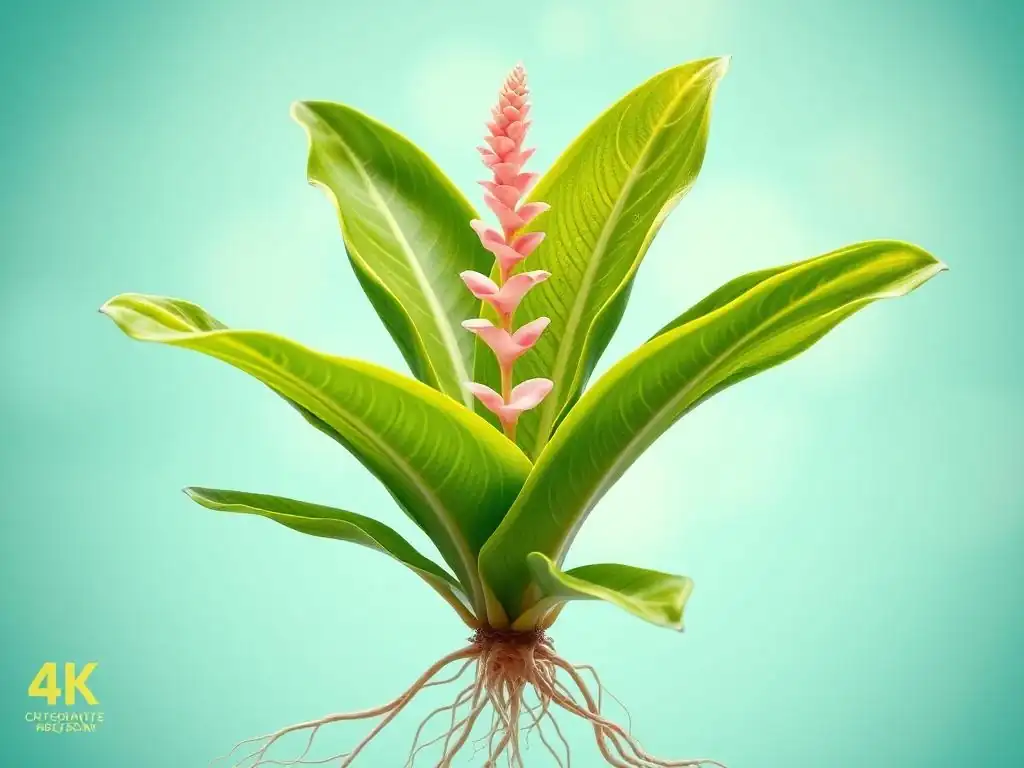
When selecting Cryptocoryne water trumpets for your aquarium, one of the most critical considerations is the plant's mature size and growth potential relative to your tank's dimensions. Cryptocoryne species vary widely in their maximum height and spread, and choosing appropriately sized plants is essential for maintaining an aesthetically pleasing and manageable aquascape. For instance, a small 20-liter (5-gallon) nano tank would be overwhelmed by a large Cryptocoryne spiralis (which can reach 60 cm or 24 inches), but would be perfect for a compact Cryptocoryne parva (5-10 cm or 2-4 inches).
For mid-sized tanks (50-100 liters or 10-25 gallons), varieties like Cryptocoryne wendtii or Cryptocoryne beckettii (15-30 cm or 6-12 inches) are excellent choices for midground planting. Larger aquariums (100+ liters or 25+ gallons) offer the flexibility to use taller species like Cryptocoryne crispatula or Cryptocoryne spiralis in the background, creating dramatic vertical elements. Understanding the mature size of your chosen Cryptocoryne species is a fundamental aspect of Cryptocoryne water trumpet care, ensuring the plant fits its intended space and contributes positively to the overall aquascape without overgrowing.
Compatibility with Fish and Invertebrates
The compatibility of Cryptocoryne water trumpets with your aquarium's fish and invertebrate inhabitants is an important consideration to ensure a harmonious and thriving ecosystem. Fortunately, most Cryptocoryne species are quite hardy and generally well-tolerated by a wide variety of common aquarium inhabitants. Their robust leaves are typically not appealing to herbivorous fish that might otherwise graze on softer-leaved plants. For example, common community fish like tetras, rasboras, guppies, and most peaceful cichlids (e.g., Angelfish, Dwarf Cichlids) coexist beautifully with Cryptocorynes.
However, certain fish species known for their plant-uprooting habits, such as large cichlids (e.g., Oscars, Jack Dempseys) or goldfish, might disturb the Cryptocoryne's sensitive root systems, potentially leading to crypt melt or uprooted plants. Similarly, some larger snails or crayfish might damage leaves, though this is less common with Cryptocorynes than with softer plants. For most peaceful community tanks, Cryptocoryne water trumpet care is straightforward in terms of compatibility; their presence often provides excellent hiding spots and a sense of security for fish, contributing to a healthy and natural environment.
Your Experience Level with Aquatic Plants
Your experience level with aquatic plants should significantly influence your choice of Cryptocoryne water trumpets, as some species are considerably more forgiving than others. For beginners, hardy and adaptable varieties like Cryptocoryne wendtii (especially the 'Green' or 'Brown' forms) and Cryptocoryne beckettii are highly recommended. These species tolerate a wider range of water parameters and lighting conditions, are less prone to severe crypt melt, and require minimal intervention, making Cryptocoryne water trumpet care relatively simple for newcomers. They establish readily and provide rewarding growth even in low-tech setups.
As you gain more experience, you might explore species that have more specific requirements or are more sensitive to environmental changes. For example, Cryptocoryne parva requires higher light and often CO2 injection to carpet effectively, posing a greater challenge for a novice. Similarly, species like Cryptocoryne affinis prefer harder, more alkaline water, demanding more precise parameter management. Intermediate to advanced aquarists might also enjoy the challenge of rarer or more demanding Cryptocorynes. Starting with easy-to-care-for varieties builds confidence and expertise before tackling the more finicky members of the Cryptocoryne family.
Conclusion: Mastering Cryptocoryne Water Trumpet Care.
Frequently Asked Questions
### What are Cryptocoryne water trumpets and why are they popular in aquariums?
Cryptocorynes, often called water trumpets, are a diverse genus of aquatic plants prized for their varying sizes, shapes, and colors. They are popular due to their relatively easy care and ability to thrive in a wide range of aquarium conditions.
### What are the key water parameters needed for successful Cryptocoryne water trumpet care?
Maintaining stable water parameters is vital. Cryptocorynes generally prefer slightly acidic to neutral water (pH 6.0-7.5), moderate water hardness, and a temperature range of 72-82°F (22-28°C).
### How do I propagate Cryptocoryne water trumpets in my aquarium?
The primary method is through rhizome division. Carefully separate the rhizome, ensuring each section has roots and leaves, then replant them in the substrate for new plant growth.
### What are some common problems encountered when caring for Cryptocoryne water trumpets, and how can I prevent them?
"Crypt melt," or the sudden dissolving of leaves, is a common issue. Prevent it by maintaining stable water parameters and avoiding sudden changes in lighting or water chemistry. Ensure proper substrate fertilization to provide essential nutrients.
### What type of substrate and lighting conditions are best for Cryptocoryne water trumpet care?
Cryptocorynes thrive in a nutrient-rich substrate such as aquarium soil or root tabs. While they can tolerate low light, moderate lighting promotes healthier growth and more vibrant colors.
Final Reflection: Embracing the Subtleties of Aquatic Life
The journey through the diverse world of Cryptocoryne water trumpets, as we've explored, is more than just a guide to aquarium plants; it's a testament to the beauty and complexity hidden within seemingly simple ecosystems. The current surge in interest in biotope aquariums and sustainable practices underscores the relevance of understanding these delicate plants and their specific needs, highlighting a growing appreciation for the interconnectedness of life, even within our own homes.
This exploration has undoubtedly deepened our understanding of the delicate balance required to cultivate these aquatic gems. Personally, I've found the intricate variations within the Cryptocoryne genus to be a powerful reminder of the biodiversity we must strive to protect, both in our aquariums and in the wider world. In nature, nothing exists alone.
- Rachel Carson. This quote perfectly encapsulates the interconnectedness we observe within the Cryptocoryne ecosystem, emphasizing the importance of holistic care and understanding.
Now, as you embark on your own Cryptocoryne adventures, remember that patience and observation are your greatest allies. Let the lessons learned about water parameters, lighting, and substrate guide you, but also allow yourself to be surprised by the unique adaptations and subtle beauty each Cryptocoryne variety possesses. Embrace the challenge, celebrate the successes, and contribute to the growing community of aquarists dedicated to preserving these fascinating plants for generations to come.
Unveil the Secrets of Your Own Cryptocoryne Paradise!
Thanks for diving into the world of Cryptocoryne with us! We hope this guide has sparked your interest in these amazing aquatic plants and given you the knowledge to cultivate them successfully. Now it's time to take action and create your own underwater haven!
- Begin your Cryptocoryne journey by selecting one new species to add to your aquarium. Challenge yourself to choose one you've never heard of before!
- Share your Cryptocoryne growth progress on social media using #AquariumMasteryCrypts to connect with fellow enthusiasts.
- Consider setting up a dedicated "Cryptocoryne hospital tank" – a small, controlled environment for nurturing newly acquired or struggling plants back to health, ensuring optimal conditions.
What unique Cryptocoryne species are you most excited to cultivate and how will you prepare its ideal habitat in your aquarium?