
Yellow Watchman Goby: Personality, Pistol Shrimp Partners & Perfect Reef Manners

Welcome to Aquarium Mastery!
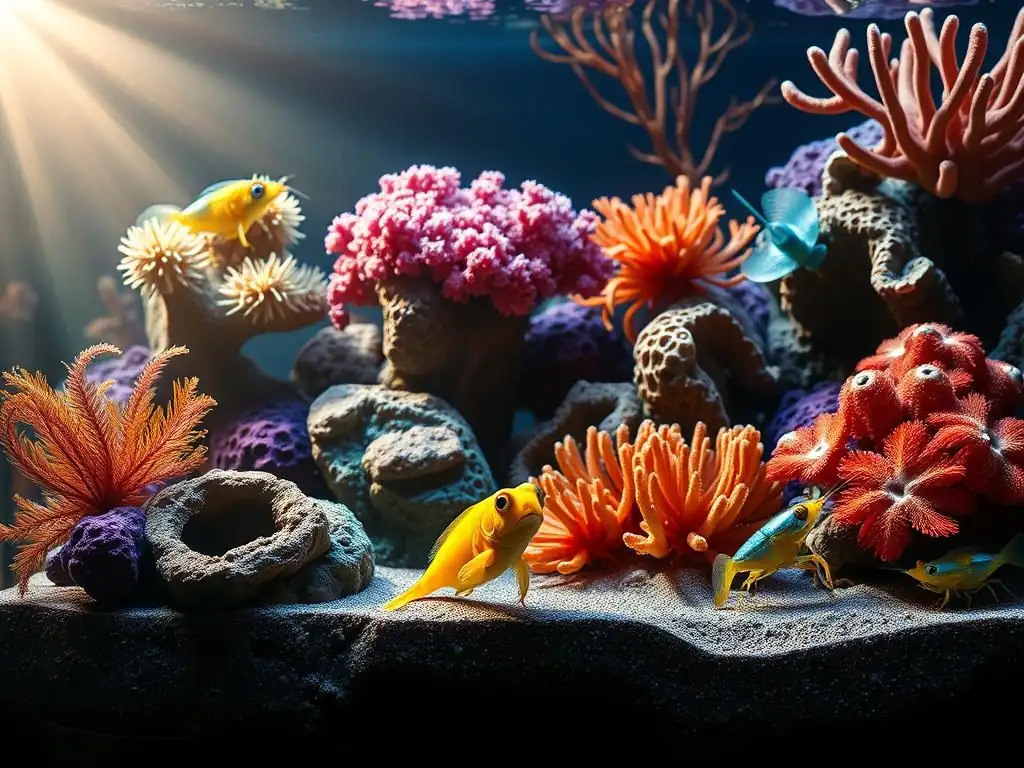
Ever been mesmerized by the quirky personality of a Yellow Watchman Goby? These little guys are more than just cute fish; they're fascinating members of the reef ecosystem. Dive in to discover everything you need to know about Yellow Watchman Goby care, from their unique symbiotic relationship with pistol shrimp to creating the perfect environment for them to thrive in your saltwater aquarium. Intrigued? Let's explore the secrets to keeping your Yellow Watchman Goby happy and healthy!
- Understanding the Yellow Watchman Goby: An Introduction
- Yellow Watchman Goby Care: A Comprehensive Guide
- The Symbiotic Relationship: Yellow Watchman Goby and Pistol Shrimp
- Yellow Watchman Goby Health and Disease
- Breeding Yellow Watchman Goby: A Manageable Endeavor
- Troubleshooting Common Yellow Watchman Goby Issues
- Purchasing a Yellow Watchman Goby: What to Look For
- Conclusion: The Yellow Watchman Goby - A Rewarding Reef Addition
- Frequently Asked Questions
- Final Reflection: A Tiny Guardian's Enduring Appeal
- Ignite Your Reef Tank: Discover the Goby-Shrimp Power Couple!
Understanding the Yellow Watchman Goby: An Introduction
What is a Yellow Watchman Goby? Identifying Cryptocentrus cinctus
The Yellow Watchman Goby, scientifically known as Cryptocentrus cinctus, is a captivating species of marine fish highly sought after by saltwater aquarium enthusiasts. Characterized by its striking bright yellow body adorned with iridescent blue or white spots, this goby typically reaches an adult size of about 4 to 5 inches (approximately 10 to 12.5 cm) in captivity. Its distinctive appearance, coupled with its unique behaviors, makes it a fascinating addition to many reef tanks.
Originating from the Western Pacific Ocean, including regions like Japan, Indonesia, and the Great Barrier Reef, the Yellow Watchman Goby inhabits sandy or rubble-strewn bottoms near coral reefs. They are often found in shallow waters, typically at depths ranging from 3 to 100 feet (1 to 30 meters). Their natural habitat preferences directly influence the ideal aquascaping and substrate choices for optimal yellow watchman goby care in a home aquarium.
Why Choose a Yellow Watchman Goby for Your Reef Tank?
Choosing a Yellow Watchman Goby for a reef tank offers numerous benefits, primarily due to its peaceful temperament and fascinating symbiotic relationship with pistol shrimp. Unlike some more boisterous species, this goby exhibits minimal aggression towards other tank inhabitants, making it an excellent candidate for a community reef environment. Their calm demeanor helps maintain a stable and stress-free ecosystem, which is crucial for sensitive corals and invertebrates.
Furthermore, the Yellow Watchman Goby's unique partnership with a pistol shrimp (such as the Tiger Pistol Shrimp, Alpheus bellulus) provides an unparalleled behavioral display for aquarists. The goby acts as a lookout, standing guard at the entrance of the shrimp's burrow, while the nearly blind shrimp meticulously excavates and maintains their shared home. This symbiotic interaction not only enriches the visual appeal of the tank but also contributes to the substrate's aeration, showcasing a remarkable example of mutualism that is a highlight of yellow watchman goby care.
Yellow Watchman Goby Care: A Comprehensive Guide
Essential Tank Setup for Yellow Watchman Goby
Tank Size Requirements for a Single Yellow Watchman Goby (and a Pair)
For a single Yellow Watchman Goby, a minimum tank size of 20 to 30 gallons is generally recommended. This allows sufficient space for the fish to establish a territory, forage, and potentially create a burrow, even without a pistol shrimp partner. While they are not overly active swimmers, the depth and footprint of the tank are important for providing adequate substrate depth and rockwork for their burrowing tendencies.
If considering a pair of Yellow Watchman Gobies or a goby-pistol shrimp pair, increasing the tank size to 40 gallons or more is advisable. This larger volume provides ample room for the symbiotic duo to establish a secure burrow system without encroaching on the territories of other tank inhabitants. Proper yellow watchman goby care emphasizes providing enough space to prevent stress and encourage natural behaviors.
Ideal Aquascaping for Yellow Watchman Goby and Pistol Shrimp
The ideal aquascaping for a Yellow Watchman Goby, especially when paired with a pistol shrimp, heavily focuses on providing a deep sand bed and stable rockwork. A sand bed of at least 3-4 inches (7.5-10 cm) in depth is crucial, composed of fine to medium-grain sand, as this allows the pistol shrimp to effectively excavate and maintain their burrow. The presence of varied rubble and small, stable rocks on the sand bed can also facilitate burrow construction.
Strategic placement of live rock is also vital. Rocks should be placed directly on the bottom glass of the aquarium before adding sand to prevent collapses caused by the shrimp's extensive tunneling. This stability ensures the safety of both the goby and other tank inhabitants. Creating multiple crevices and cave-like structures within the rockwork provides alternative hiding spots and contributes to a naturalistic environment essential for comprehensive yellow watchman goby care.
Water Parameters: Maintaining Optimal Conditions for Yellow Watchman Goby
Maintaining stable and optimal water parameters is fundamental for the long-term health and vitality of Yellow Watchman Gobies. These fish thrive in conditions typical of a healthy reef aquarium. The specific gravity should be kept between 1.020 and 1.025, mimicking natural ocean salinity. A stable pH level ranging from 8.1 to 8.4 is also critical for their well-being, as significant fluctuations can cause stress.
Temperature is another key factor, with an ideal range of 72-78°F (approximately 22-26°C). Ammonia and nitrite levels must consistently remain at zero, as even trace amounts can be highly toxic. Nitrate levels should be kept below 20 ppm, ideally much lower, through regular water changes and efficient filtration. Consistent monitoring of these parameters through reliable test kits is a cornerstone of effective yellow watchman goby care.
Feeding Your Yellow Watchman Goby: Diet and Nutrition
What Do Yellow Watchman Gobies Eat in the Wild?
In their natural habitat, Yellow Watchman Gobies are primarily carnivorous, feeding on a variety of small benthic invertebrates and detritus found within the sand and rockwork. Their diet largely consists of tiny crustaceans, worms, and other microfauna that they actively sift through the substrate or snatch from the water column. This natural feeding behavior is often observed in the aquarium as they hover over the sand, occasionally sifting mouthfuls of substrate.
Their symbiotic relationship with pistol shrimp also plays a role in their wild diet. While the shrimp excavates, it often stirs up edible particles and small organisms from the substrate, which the goby then consumes. Understanding this natural diet is crucial for replicating appropriate feeding strategies in captivity to ensure proper yellow watchman goby care and nutrition.
Best Food Options for Yellow Watchman Goby in Captivity
To provide comprehensive yellow watchman goby care, a varied diet of high-quality frozen and live foods is essential in captivity. Excellent choices include frozen mysis shrimp, brine shrimp (especially enriched varieties), finely chopped krill, and various marine preparations. These foods offer the necessary proteins and nutrients that mimic their natural carnivorous diet.
It is also beneficial to offer live foods such as copepods and amphipods, which can be introduced to the tank or cultivated in a refugium. These provide a natural foraging opportunity and are particularly good for encouraging shy or newly introduced gobies to eat. While some gobies may accept high-quality marine pellets or flakes, their preference for meaty foods usually makes frozen and live options more effective for sustained health.
Feeding Frequency and Portion Sizes for Healthy Yellow Watchman Goby
For optimal yellow watchman goby care, it is generally recommended to feed these fish two to three times per day. Due to their relatively small size and active metabolism, frequent, small meals are more beneficial than large, infrequent feedings. This approach helps maintain stable water quality by preventing an excess of uneaten food from decaying in the tank.
Portion sizes should be small enough to be consumed within a few minutes, typically a pinch of frozen food or a small amount of live food. Overfeeding can lead to poor water quality, which negatively impacts the goby's health and the overall reef ecosystem. Observing the fish's behavior during feeding will help determine if the portions are appropriate; a healthy goby will actively search for and consume food without leaving significant leftovers.
Yellow Watchman Goby Behavior and Compatibility
The Unique Personality of Yellow Watchman Goby
The Yellow Watchman Goby possesses a unique and endearing personality that makes it a favorite among aquarists. They are generally peaceful and shy, often spending their time perched on rocks or hovering near the entrance of their burrow, diligently watching for perceived threats. While not overtly active swimmers, their subtle movements and vigilant demeanor are captivating to observe.
One of their most charming traits is their curiosity. Once settled, they will often observe their surroundings with their prominent eyes, sometimes even "watching" the aquarist. Their territorial nature is typically expressed through subtle posturing rather than outright aggression, making them ideal inhabitants for community reef tanks. This distinctive personality is a key aspect of the yellow watchman goby experience for hobbyists.
Are Yellow Watchman Gobies Reef Safe?
Yes, Yellow Watchman Gobies are considered exceptionally reef safe, making them an ideal choice for aquariums housing delicate corals and invertebrates. They do not nip at corals, clams, or other sessile invertebrates. Their diet consists primarily of small invertebrates and detritus, which they sift from the sand or pick from the water column, posing no threat to the established reef ecosystem.
Their peaceful nature extends to most other reef inhabitants as well. While they may occasionally show mild territoriality towards other bottom-dwelling fish of similar size, this is rarely problematic in a sufficiently sized tank with ample hiding spots. Their reef-safe temperament is a primary reason for their popularity, ensuring that their inclusion enhances the tank's biodiversity without causing harm, a critical component of successful yellow watchman goby care.
Potential Tank Mates for Yellow Watchman Goby
When selecting tank mates for a Yellow Watchman Goby, prioritizing peaceful, similarly sized fish is crucial to ensure their comfort and long-term well-being. Good companions include other small, docile gobies (though caution should be exercised with very similar species to avoid territorial disputes), clownfish, small wrasses (like the six-line wrasse), blennies, and certain cardinalfish. These species generally occupy different niches within the aquarium, minimizing competition.
Invertebrates such as hermit crabs, snails, and various shrimp species (excluding aggressive or predatory types) are also excellent choices. Of course, the most iconic and beneficial tank mate is a compatible pistol shrimp, which forms the famous symbiotic partnership. Avoid large, aggressive, or highly active fish that might intimidate or outcompete the shy goby for food, as this can undermine even the best yellow watchman goby care efforts.
The Symbiotic Relationship: Yellow Watchman Goby and Pistol Shrimp
Understanding the Goby-Pistol Shrimp Partnership
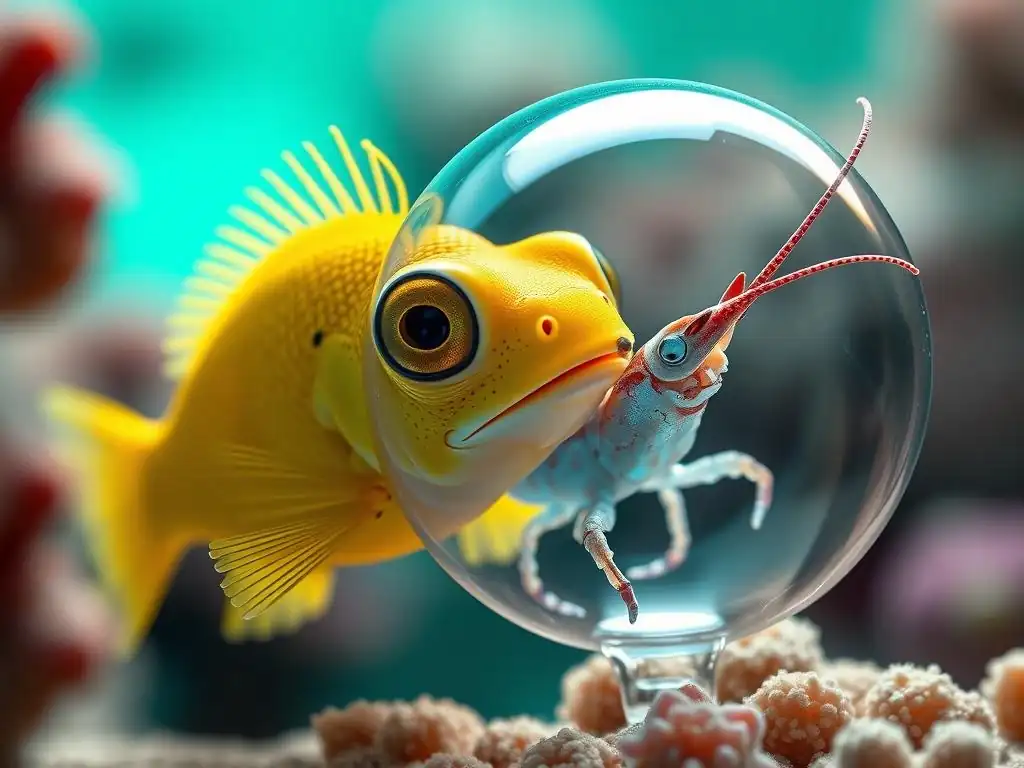
The partnership between a Yellow Watchman Goby and a pistol shrimp is one of the most remarkable examples of mutualism in the marine world, a cornerstone of their natural behavior. In this symbiotic relationship, the nearly blind pistol shrimp (e.g., Alpheus bellulus or Alpheus randalli) takes on the role of architect and excavator, digging and maintaining an intricate burrow system within the sand bed. The goby, with its superior eyesight, acts as the vigilant lookout.
The goby positions itself at the entrance of the burrow, constantly scanning for predators. If danger approaches, it signals the shrimp by flicking its tail, and both creatures retreat into the safety of the burrow. This reciprocal arrangement benefits both parties: the shrimp gains protection from a watchful guardian, and the goby gains a secure, pre-built shelter without expending energy on excavation. Observing this natural interaction is a highlight of yellow watchman goby care.
Choosing a Compatible Pistol Shrimp Species
When aiming to establish a goby-pistol shrimp partnership, choosing a compatible pistol shrimp species is paramount. The Tiger Pistol Shrimp ( Alpheus bellulus) and the Candy Cane Pistol Shrimp ( Alpheus randalli) are among the most popular and readily available choices, known for their strong propensity to form symbiotic bonds with Yellow Watchman Gobies. These species are generally peaceful towards other tank inhabitants, making them suitable for reef environments.
It's important to select a pistol shrimp that is roughly proportionate in size to the goby to ensure a balanced partnership. While other Alpheus species may also form associations, the success rate and ease of pairing are highest with the commonly available symbiotic species. Introducing them simultaneously or the shrimp first, allowing it to establish a burrow, often yields the best results for successful yellow watchman goby care and partnership formation.
Setting Up a Habitat for a Goby-Pistol Shrimp Pair
Setting up an ideal habitat for a Yellow Watchman Goby and Pistol Shrimp pair requires careful planning to facilitate their symbiotic relationship. The foundation is a deep sand bed, at least 3-4 inches (7.5-10 cm) deep, composed of fine to medium-grain sand. This depth allows the pistol shrimp to excavate stable and extensive burrows.
Crucially, any live rock or heavy décor should be placed directly on the bottom glass of the aquarium before adding sand. This prevents the shrimp's burrowing activities from undermining the rockwork, which could lead to collapses and potential injury to tank inhabitants. Providing small pieces of rubble or shell near the sand bed can also encourage the shrimp to start digging, providing a ready-made structure for their shared home, enhancing the natural yellow watchman goby care environment.
Observing and Maintaining the Symbiotic Relationship
Observing the symbiotic relationship between a Yellow Watchman Goby and its Pistol Shrimp partner is one of the most rewarding aspects of their care. Once established, the goby will typically perch near the burrow entrance, acting as a sentinel, while the shrimp diligently works inside, occasionally pushing out sand and debris. The goby's tail flick is the clear signal for retreat, a fascinating display of their coordinated defense.
Maintaining this relationship primarily involves ensuring a stable environment, appropriate feeding, and minimal disturbances. Avoid rearranging the sand bed unnecessarily, as this can destroy their burrow and stress the pair. If the partnership seems to falter, ensuring water parameters are pristine and providing ample food can sometimes help re-establish their bond. Patience is key, as some pairs may take days or even weeks to fully settle into their synchronized routine, a testament to dedicated yellow watchman goby care.
Yellow Watchman Goby Health and Disease
Common Diseases Affecting Yellow Watchman Gobies
While generally hardy, Yellow Watchman Gobies can be susceptible to common marine aquarium diseases, particularly if stressed or introduced to unstable environments. Ich (White Spot Disease, caused by Cryptocaryon irritans) is one of the most prevalent issues, manifesting as small white spots resembling salt grains on the fish's body and fins. Velvety disease (Oodinium) is another concern, presenting as a fine, dusty coating, often with rapid breathing.
Bacterial infections can also occur, leading to symptoms like fin rot, cloudy eyes, or ulcers, often stemming from poor water quality or physical injury. Internal parasites, though less visible, can cause emaciation and lethargy. Proactive yellow watchman goby care, including proper quarantine and maintaining pristine water conditions, significantly reduces the risk of these common ailments.
Recognizing Symptoms of Illness in Yellow Watchman Gobies
Early recognition of illness symptoms is vital for effective yellow watchman goby care and treatment. Beyond visible spots or coatings, changes in behavior are often the first indicators. A sick goby may become unusually lethargic, hide excessively, or show a loss of appetite. Labored breathing, rapid gill movements, or gasping at the surface can indicate respiratory distress or poor water quality.
Physical signs include clamped fins, faded coloration, abnormal swimming patterns (such as twitching or rubbing against tank decor), or visible lesions and swelling. If the goby normally partners with a pistol shrimp, a sudden disinterest in the burrow or a lack of coordination with its partner can also signal underlying health issues. Prompt observation and intervention are crucial for recovery.
Quarantine and Treatment Protocols for Sick Yellow Watchman Gobies
Implementing a quarantine protocol for all new arrivals is the most effective preventative measure in yellow watchman goby care. A separate quarantine tank (QT) of at least 10-20 gallons, equipped with basic filtration and heating, allows for observation and treatment of potential diseases before introduction to the main display tank. A common QT period is 2-4 weeks.
If a Yellow Watchman Goby shows signs of illness in the main tank, it should ideally be moved to a QT for specific treatment. For Ich, copper-based medications or hyposalinity (lowering specific gravity to 1.009-1.010) are common approaches. Bacterial infections typically require broad-spectrum antibiotics. Always follow medication instructions precisely and monitor water parameters closely during treatment to ensure the best chance of recovery for your Yellow Watchman Goby.
Breeding Yellow Watchman Goby: A Manageable Endeavor
Creating a Breeding Environment for Yellow Watchman Goby
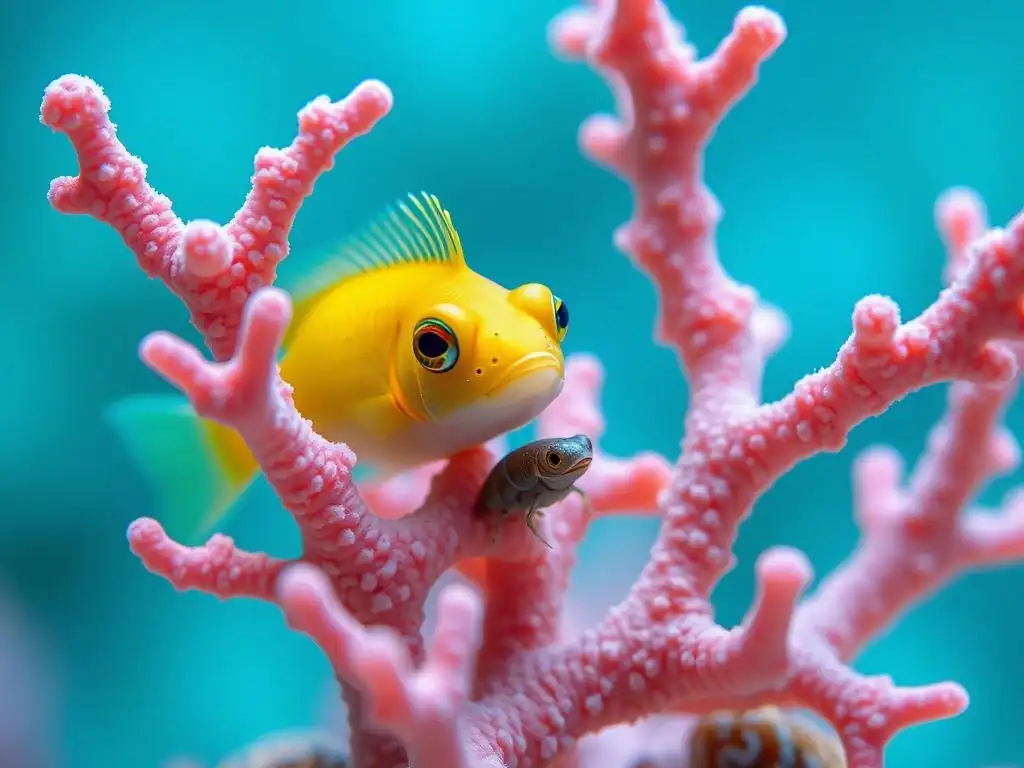
Breeding Yellow Watchman Gobies in a home aquarium is considered challenging and relatively rare for the average hobbyist, though not impossible for dedicated aquaculturists. To create a potential breeding environment, a dedicated breeding tank, typically 20-40 gallons, is recommended to provide a controlled setting free from disturbances. The tank should feature a deep sand bed (at least 4-6 inches) and plenty of stable rockwork or PVC pipes arranged to form secure caves or burrows, mimicking their natural nesting sites.
Water parameters must be meticulously stable and pristine, mirroring optimal reef conditions: specific gravity 1.023-1.025, pH 8.1-8.4, and temperature around 78-80°F (25.5-26.7°C). A bonded male-female pair is essential, and providing them with a pistol shrimp partner can encourage natural behaviors, including burrow construction critical for egg laying. Consistent, high-quality feeding with enriched meaty foods helps condition the pair for spawning.
Identifying Male and Female Yellow Watchman Goby
Distinguishing between male and female Yellow Watchman Gobies can be subtle and often requires observing behavioral cues. In many goby species, males tend to be slightly larger and may exhibit more vibrant coloration, particularly during spawning periods. However, this is not always a definitive indicator for Cryptocentrus cinctus.
A more reliable method is observing a pair's interaction over time. Yellow Watchman Gobies are known to form monogamous pairs. If two gobies consistently share a burrow and display non-aggressive, synchronized behaviors, it's highly likely they are a male-female pair. During spawning, the female's abdomen may appear noticeably swollen with eggs, and the male might exhibit increased territoriality around their shared burrow, guarding the eggs.
Spawning and Raising Yellow Watchman Goby Fry
Once a Yellow Watchman Goby pair is established and conditioned, spawning typically occurs within their shared burrow. The female will lay a clutch of eggs, often numbering in the hundreds, on the ceiling or walls of the burrow. The male then fertilizes them and takes on the primary role of guarding and fanning the eggs to ensure adequate oxygenation and cleanliness. The eggs are adhesive and are usually a pale yellow or clear color.
Raising Yellow Watchman Goby fry is the most challenging aspect of their breeding. The eggs usually hatch within 4-7 days, releasing tiny, planktonic larvae that are extremely small and delicate. These larvae require specialized, microscopic live foods such as rotifers for their initial weeks, followed by newly hatched brine shrimp nauplii. Maintaining pristine water quality in the larval rearing tank and providing continuous access to appropriate food sources are critical for the survival of the fry, demanding advanced yellow watchman goby care techniques.
Troubleshooting Common Yellow Watchman Goby Issues
Goby Aggression: Addressing Territorial Behavior
While generally peaceful, Yellow Watchman Gobies can exhibit territorial behavior, especially towards other bottom-dwelling gobies or fish that infringe upon their burrow space. This aggression is typically mild, manifesting as chasing or posturing rather than physical harm. To address this, ensure the tank is adequately sized (40+ gallons for multiple gobies or a pair with other bottom dwellers) and provides multiple distinct territories and hiding spots.
Introducing new fish carefully, perhaps after rearranging some rockwork to disrupt established territories, can also help. If aggression persists and causes stress to other inhabitants, consider removing the more aggressive goby or providing additional, well-defined zones within the tank using rock barriers. Ensuring plenty of food is available for all inhabitants can also reduce competition and potential disputes, a key aspect of managing yellow watchman goby care.
Pistol Shrimp Host Refusal: Encouraging Acceptance
Sometimes, a Yellow Watchman Goby may refuse to partner with a pistol shrimp, or vice-versa, despite both being compatible species. This can occur if one or both are stressed, newly introduced, or if an existing burrow system is not to their liking. To encourage acceptance, ensure the tank has a sufficiently deep and appropriate sand bed (fine to medium grain, 3-4+ inches deep) and stable rockwork for burrow construction.
Introduce the pistol shrimp first, allowing it a few days to establish an initial burrow. Then, introduce the goby. Sometimes, simply placing the goby near the shrimp's burrow entrance can facilitate the bond. If a partnership doesn't form immediately, patience is key. Providing ample food for both, maintaining pristine water quality, and minimizing disturbances can help create an environment conducive to their natural pairing behavior, enhancing yellow watchman goby care.
Refusal to Eat: Encouraging a Picky Eater
A Yellow Watchman Goby refusing to eat can be a sign of stress, illness, or simply a new environment. First, check all water parameters to ensure they are optimal and stable, as poor water quality is a common stressor. Observe the fish for any signs of disease (spots, clamped fins, labored breathing) and address any health issues promptly.
For a healthy but picky eater, offer a variety of high-quality, meaty frozen foods such as mysis shrimp, brine shrimp, and finely chopped krill. Live foods like copepods or enriched brine shrimp can often entice a reluctant eater due to their natural movement. Target feeding with a pipette can ensure the food reaches the goby directly, especially if it's shy or competing with faster tank mates. Consistent, small feedings throughout the day can also stimulate appetite, crucial for effective yellow watchman goby care.
Purchasing a Yellow Watchman Goby: What to Look For
Selecting a Healthy Specimen from Your Local Fish Store
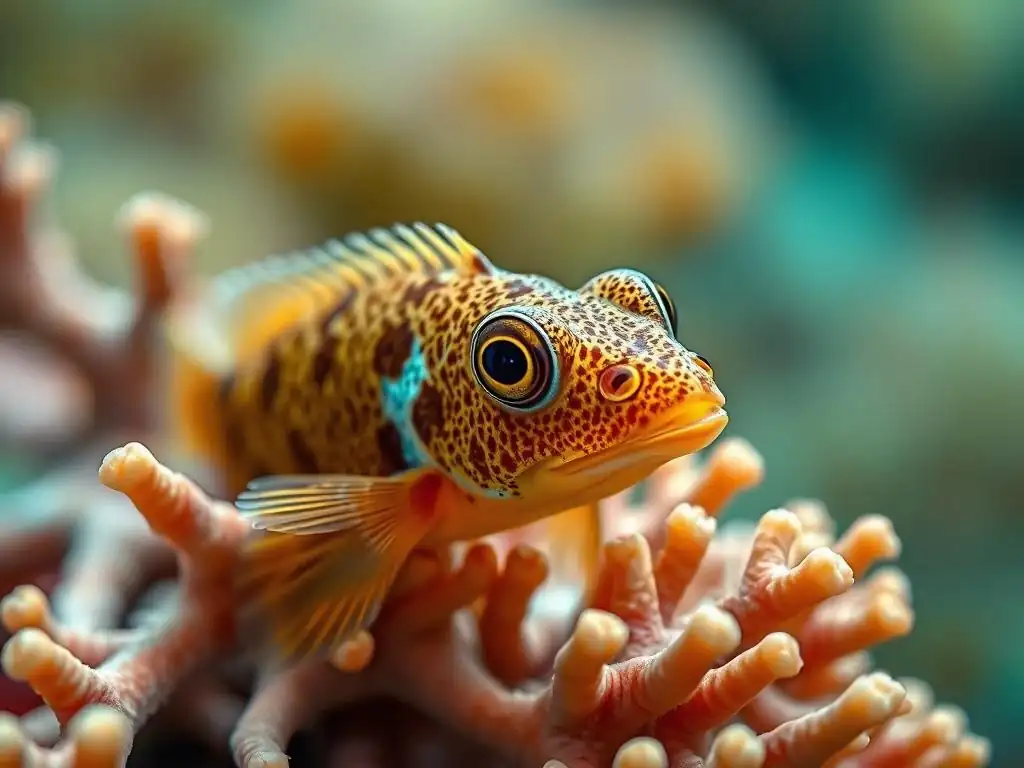
When purchasing a Yellow Watchman Goby, selecting a healthy specimen is crucial for its long-term success in your aquarium. Look for a fish that is active and alert, swimming naturally or perching confidently. Its coloration should be vibrant and uniform, with no signs of fading, cloudiness, or lesions. The fins should be intact, not clamped or frayed.
Observe its breathing; gills should move smoothly and regularly, without rapid gasping. Check its body condition: it should appear plump, not emaciated, with no sunken belly. If possible, watch it eat to confirm it has a healthy appetite. Avoid fish that are constantly hiding, appear lethargic, or show any visible signs of disease like white spots or cloudy eyes. A reputable fish store will maintain clean tanks and healthy livestock, which is the first step in excellent yellow watchman goby care.
Acclimation Process: Introducing Your Yellow Watchman Goby to Its New Home
Proper acclimation is vital for safely introducing a Yellow Watchman Goby to its new aquarium, minimizing stress and shock from changes in water parameters. The drip acclimation method is highly recommended for sensitive marine fish. Begin by floating the sealed bag in your tank for 15-20 minutes to equalize temperature.
Next, open the bag and secure it to the side of the tank. Using airline tubing and a knot or valve to control the flow, slowly drip water from your display tank into the bag. Aim for a drip rate of about 2-3 drips per second, allowing the volume of water in the bag to double over a period of 45-60 minutes.
Once acclimated, gently net the goby and transfer it to the tank, discarding the bag water to prevent introducing any contaminants. Turn off aquarium lights for a few hours after introduction to further reduce stress, ensuring a smooth transition for your yellow watchman goby care.
Conclusion: The Yellow Watchman Goby - A Rewarding Reef Addition
Frequently Asked Questions
What is a Yellow Watchman Goby, and why is it popular?
The Yellow Watchman Goby (Cryptocentrus cinctus) is a small, bright yellow fish known for its docile nature and ability to form symbiotic relationships with pistol shrimp. Its unique personality and reef-safe behavior make it a popular choice for saltwater aquariums.
What are the ideal tank conditions for a Yellow Watchman Goby?
These gobies thrive in tanks with plenty of hiding places such as rockwork and a sandy substrate for burrowing. Maintain stable water parameters, including a temperature of 72-78°F and a specific gravity of 1.023-1.025, to ensure optimal health.
What do Yellow Watchman Gobies eat?
They are primarily carnivorous and accept a variety of small meaty foods. Offer a diet including frozen mysis shrimp, brine shrimp, and high-quality flake or pellet food. Target feeding may be necessary to ensure they get enough food.
How does a Yellow Watchman Goby interact with a Pistol Shrimp?
They form a symbiotic relationship where the goby acts as a "watchman," alerting the shrimp to danger. In return, the shrimp digs and maintains a burrow that the goby uses for shelter. This partnership is fascinating to observe in a home aquarium.
What are some common health issues that affect Yellow Watchman Gobies?
They are generally hardy, but can be susceptible to diseases like ich or marine velvet, especially if water quality is poor. Quarantine new arrivals and maintain excellent water parameters to prevent illness.
Final Reflection: A Tiny Guardian's Enduring Appeal
The vibrant Yellow Watchman Goby, as we've explored, is more than just a splash of sunshine in a reef tank; it's a testament to the captivating beauty and intricate relationships that thrive beneath the waves. Understanding the nuances of Yellow Watchman Goby care is not merely about maintaining an aquarium, but about fostering a miniature ecosystem, a microcosm of the natural world that demands respect, knowledge, and a genuine appreciation for its delicate balance.
This tiny fish, with its endearing personality and symbiotic bond with pistol shrimp, continues to fascinate and inspire aquarists worldwide. The enduring popularity of the Yellow Watchman Goby speaks volumes about our innate desire to connect with nature and to create harmonious environments, even within the confines of our homes. In the end, we will conserve only what we love; we will love only what we understand; and we will understand only what we are taught.
- Baba Dioum. This quote perfectly encapsulates the responsibility we bear as stewards of these incredible creatures.
So, as you consider adding a Yellow Watchman Goby to your reef, or simply reflect on the wonders of the natural world, remember the lessons we've uncovered. Embrace the opportunity to learn, to nurture, and to appreciate the profound beauty that exists in the smallest of creatures. Let the Yellow Watchman Goby serve as a reminder that even the tiniest beings can teach us invaluable lessons about cooperation, resilience, and the interconnectedness of life.
Ignite Your Reef Tank: Discover the Goby-Shrimp Power Couple!
Thank you for diving into the fascinating world of Yellow Watchman Gobies! Now that you're equipped with the knowledge to appreciate these reef-safe characters, it's time to bring that knowledge to life. Here’s how you can take the next step:
- Transform your tank: Start planning a goby-shrimp symbiotic paradise! Research appropriate tank size, substrate, and rockwork to create the perfect habitat for your new duo.
- Share the wonder: Spread the word by telling fellow reefing enthusiasts about the captivating partnership between Watchman Gobies and Pistol Shrimp.
- Consider the unexpected: Explore the possibility of introducing other compatible reef inhabitants, like a peaceful, algae-eating fish, to create a diverse and balanced ecosystem.
Ready to build a dynamic, captivating underwater community starring the Yellow Watchman Goby and its pistol shrimp pal?