
The Dangers of Handling Moray Eels: Understanding Bites and Safety Precautions

Welcome to Aquarium Mastery!
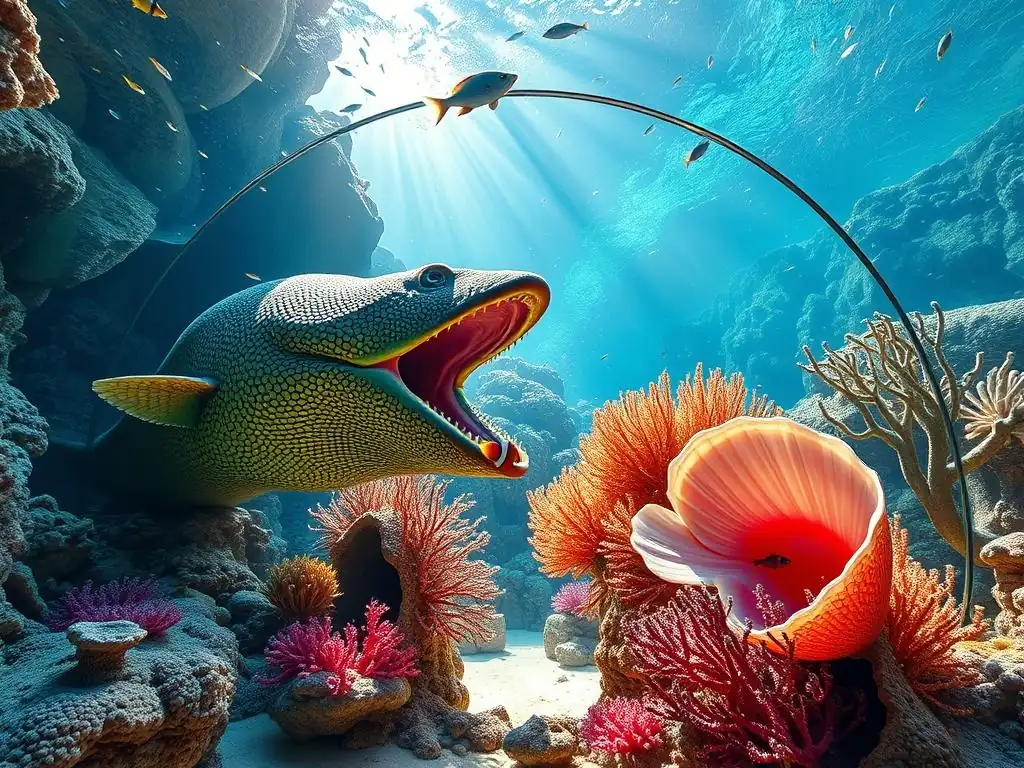
Ever wondered what lurks beneath the surface of the most captivating saltwater tanks? Beyond the vibrant corals and graceful swimmers lies a creature of mystery and potential peril: the moray eel. This article delves into a critical aspect of aquarium keeping: Moray eel bite safety. Discover the dangers, understand the risks, and learn essential precautions to keep both you and your aquatic companions safe. Are you prepared to handle the power of the moray? Dive in and find out!
- Understanding the Risks: Moray Eel Bites in Aquariums
- Moray Eel Bite First Aid: Immediate Steps to Take
- Preventing Moray Eel Bites: Safety Precautions for Aquarists
- Moray Eel Behavior: Recognizing Warning Signs and Avoiding Provocation
- Debunking Myths: Moray Eel Bite Misconceptions
- Long-Term Care After a Moray Eel Bite: Healing and Infection Prevention
- Choosing Moray Eels Responsibly: Considerations Before Bringing One Home
- Conclusion: Prioritizing Safety and Responsible Moray Eel Keeping
-
Frequently Asked Questions
- What are the primary dangers associated with moray eel bites?
- Are moray eel bites poisonous or venomous?
- What immediate steps should I take if bitten by a moray eel?
- How can I best prevent moray eel bites when maintaining my aquarium?
- Are there any specific safety precautions I should take when introducing a new moray eel to my aquarium?
- Final Reflection: Navigating the Murky Waters of Moray Eel Encounters
- Dive Deeper: Unlock the Secrets of Safe Eel Handling!
Understanding the Risks: Moray Eel Bites in Aquariums
Why Moray Eels Bite: Common Causes and Triggers
Moray eels, while fascinating inhabitants of a marine aquarium, are predatory by nature and possess a powerful bite. The primary reason a moray eel bites is often defensive, triggered by feeling threatened or startled within its environment. Their eyesight is relatively poor, relying heavily on their excellent sense of smell to locate food. Consequently, a finger or hand inadvertently placed near their hiding spot, especially during feeding times, can easily be mistaken for prey. This misidentification is a leading cause of accidental bites in the aquarium hobby.
Beyond mistaken identity, stress and territoriality can also provoke a moray eel to bite. An overcrowded tank, insufficient hiding spots, or persistent harassment from tank mates can make an eel feel insecure and more prone to aggression. Sudden movements near the tank, particularly when an aquarist is performing maintenance, can also startle these reclusive creatures, leading to a swift defensive strike. Understanding these common triggers is the first step towards ensuring moray eel bite safety for both the aquarist and the animal.
The Anatomy of a Moray Eel Bite: Powerful Jaws and Teeth
The anatomy of a moray eel's mouth is uniquely adapted for gripping and holding prey, making their bites particularly nasty. Unlike most fish, morays possess a second set of jaws, known as pharyngeal jaws, located deep within their throat. When an eel bites, the primary outer jaws clamp down, and then these pharyngeal jaws extend forward, grasp the prey, and pull it down the throat. This "grip and rip" mechanism is highly effective for securing slippery prey and can inflict significant tissue damage on a human.
Their teeth are another critical aspect of a moray eel bite. Most species have numerous sharp, backward-curving teeth designed to prevent prey from escaping. These teeth can cause deep puncture wounds and severe lacerations. For instance, a medium-sized Green Moray (Gymnothorax funebris) can exert a considerable bite force, easily penetrating skin and muscle. The combination of powerful jaws, sharp teeth, and the unique pharyngeal jaw mechanism means that a moray eel bite is not just a simple nip but a deep, tearing injury with a high risk of bacterial contamination.
Moray Eel Bite Severity: Factors Influencing the Level of Injury
The severity of a moray eel bite can vary widely depending on several factors. The size and species of the eel play a significant role; a bite from a small, relatively docile Snowflake Moray (Echidna nebulosa) might result in minor punctures, whereas a strike from a larger species like a Tessellata Moray (Gymnothorax favagineus) could cause extensive tissue damage, tendon injury, or even bone involvement. The depth and duration of the bite are also critical; a quick defensive snap is less severe than an eel clamping down and twisting.
Beyond the immediate physical trauma, the most significant factor influencing moray eel bite severity is the high risk of infection. Moray eels' mouths are teeming with bacteria, including common marine pathogens like Vibrio species. These bacteria are introduced deep into the wound during a bite, leading to rapid and aggressive infections, cellulitis, or even sepsis if not treated promptly. Even a seemingly superficial bite carries a substantial infection risk, underscoring the importance of immediate and thorough first aid to maintain moray eel bite safety.
Moray Eel Bite First Aid: Immediate Steps to Take
What to Do Immediately After a Moray Eel Bite: Cleaning and Disinfection
In the unfortunate event of a moray eel bite, immediate action is crucial to minimize the risk of infection and complications. The very first step is to thoroughly clean the wound. Flush the affected area extensively under clean, running tap water for at least 5 to 10 minutes. This helps to mechanically remove as much bacteria and debris as possible from the deep puncture wounds. Do not scrub the wound vigorously, as this can push bacteria deeper into the tissue.
After initial flushing, wash the wound gently with soap and water. Follow this with an antiseptic solution such as povidone-iodine (e.g., Betadine) or chlorhexidine. These antiseptics help to kill remaining bacteria on the skin surface and within the wound. While a moray eel bite is not typically venomous, the bacterial load is extremely high, making aggressive cleaning paramount. This immediate and thorough disinfection is a critical component of moray eel bite safety protocols.
Stopping the Bleeding: Applying Pressure and Wound Care
Once the wound is cleaned, the next priority is to control any bleeding. Apply direct, firm pressure to the wound using a clean cloth, sterile gauze, or a clean towel. Maintain continuous pressure for several minutes until the bleeding subsides. If the bite is on an extremity, elevating the injured limb above the heart can also help reduce blood flow and promote clotting. Avoid frequently lifting the dressing to check for bleeding, as this can disrupt the clotting process.
After the bleeding has stopped, apply a clean, sterile dressing to the wound. Do not attempt to close deep puncture wounds yourself, as this can trap bacteria inside and lead to severe infection. Instead, cover the wound loosely to allow for drainage. Monitor the wound closely for any signs of continued bleeding, and if it persists or is excessive, seek professional medical attention immediately. Proper wound care is essential for preventing complications and ensuring effective moray eel bite safety.
Assessing the Wound: When to Seek Professional Medical Attention
Given the nature of a moray eel bite, professional medical attention is almost always recommended, even for seemingly minor injuries. You should seek immediate medical care if the bite is deep, involves significant tissue loss, shows signs of nerve or tendon damage (e.g., numbness, inability to move a digit), or if the bleeding is profuse and difficult to control. Any bite that breaks the skin carries a high risk of bacterial infection from marine pathogens.
Beyond the initial trauma, watch for signs of infection in the hours and days following the bite. These include increasing redness, swelling, warmth around the wound, throbbing pain, pus discharge, fever, chills, or red streaks extending from the wound. Marine bacterial infections, particularly those caused by Vibrio species, can progress rapidly and lead to serious complications if not treated promptly with appropriate antibiotics. Always err on the side of caution when assessing a moray eel bite to prioritize your moray eel bite safety.
Preventing Moray Eel Bites: Safety Precautions for Aquarists
Safe Feeding Practices: Avoiding Hand Feeding of Moray Eels
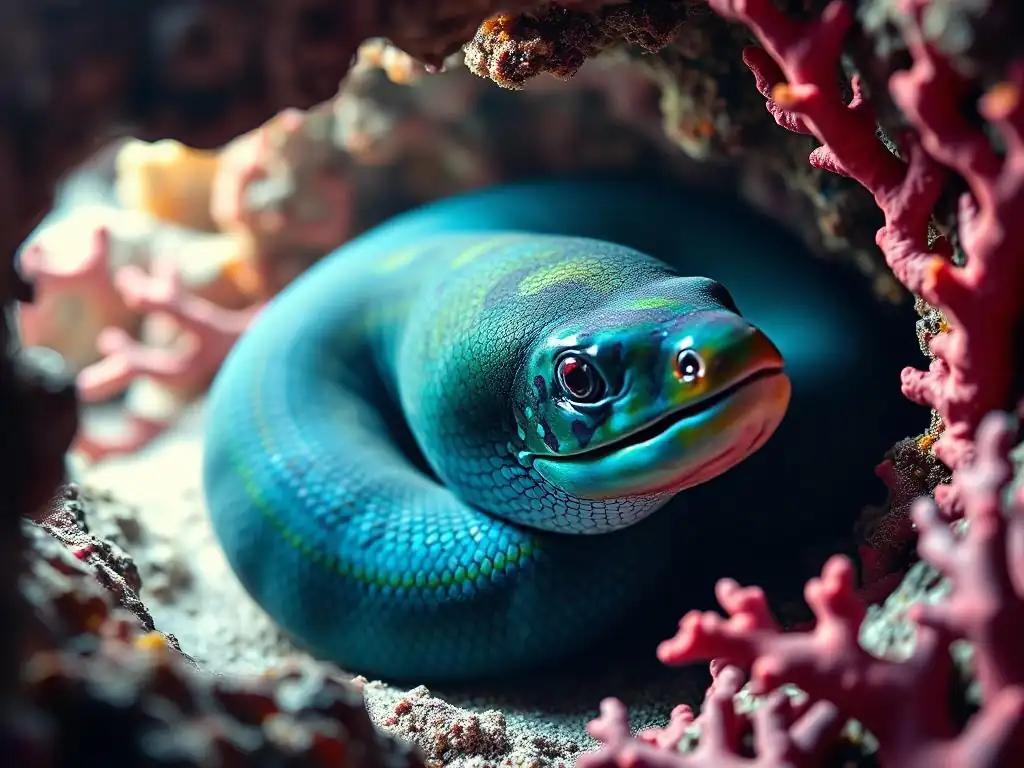
One of the most common scenarios leading to a moray eel bite is hand-feeding. While tempting to interact closely with these fascinating creatures, hand-feeding directly puts your fingers at risk of being mistaken for food. Moray eels have poor eyesight and rely heavily on their sense of smell to detect prey. A finger wiggling nearby can easily be perceived as a tasty morsel, leading to a swift and powerful strike.
To ensure moray eel bite safety, always use long feeding tongs or sticks, ideally at least 12 to 18 inches in length, to offer food. This maintains a safe distance between your hands and the eel's mouth. Furthermore, establish a consistent feeding schedule and designated feeding spot within the tank. This helps the eel associate the tongs, rather than your hand, with mealtime, reducing the likelihood of accidental bites. Avoid sudden movements during feeding that could startle the eel or make it more aggressive.
Maintaining a Safe Aquarium Environment: Reducing Stress and Aggression
A well-designed and maintained aquarium environment is crucial for preventing moray eel bites by minimizing stress and aggression. Ensure the tank is adequately sized for the specific moray eel species you keep; a small Snowflake Moray might thrive in a 50-gallon tank, but a larger species like a Black Ribbon Eel (Gymnothorax isingteena) would require a tank of 100 gallons or more. Overcrowding or an inappropriately sized habitat can lead to chronic stress, making the eel more prone to defensive behavior.
Provide ample hiding spots and secure rockwork that allows the eel to feel safe and retreat when needed. Morays are naturally reclusive and appreciate multiple caves and crevices. Stable water parameters (temperature, salinity, pH, and low nitrates) are also vital. Poor water quality or sudden changes can cause stress, impacting the eel's immune system and temperament. A comfortable, stress-free eel is less likely to exhibit aggressive behaviors, significantly improving overall moray eel bite safety.
Using Tools and Equipment: Protecting Yourself During Tank Maintenance
Tank maintenance is a necessary part of aquarium keeping but also presents a high-risk scenario for moray eel bites. To protect yourself, always use long-handled tools for cleaning, rearranging rockwork, or performing any task inside the tank. Gravel vacuums with extended handles, algae scrapers on long poles, and specialized tongs for moving corals or rocks are indispensable. Avoid reaching bare hands into the tank, especially near known eel hiding spots.
Consider wearing thick, puncture-resistant gloves (though no glove is entirely bite-proof against a determined moray) when performing tasks that require more direct hand involvement, such as attaching new equipment. Before beginning maintenance, it can also be beneficial to turn off powerheads and return pumps to reduce water flow, which can sometimes disorient or agitate the eel. By prioritizing the use of appropriate tools and minimizing direct hand contact, you vastly enhance your moray eel bite safety.
Moray Eel Behavior: Recognizing Warning Signs and Avoiding Provocation
Understanding Moray Eel Body Language: Identifying Potential Threats
While moray eels are generally reclusive, they do exhibit certain behaviors that can serve as warning signs of potential aggression or discomfort. One common behavior is gaping, where the eel opens its mouth wide. While often a normal respiratory action to pump water over their gills, if combined with other signs like increased tension in the body, rapid movements, or retreating into a cave, it can indicate stress or a defensive posture. Some species may also become more active, swimming erratically, when agitated.
Another subtle sign might be a change in their usual hiding spot or a reluctance to retreat, instead holding their ground and staring directly at an approaching hand or tool. Learning the individual personality and typical behavior patterns of your specific moray eel is crucial. An eel that is usually shy but suddenly becomes more bold or actively approaches during non-feeding times might be signaling discomfort. Recognizing these subtle cues is key to avoiding provocation and ensuring moray eel bite safety.
Minimizing Stress: Creating a Suitable Habitat for Moray Eels
Minimizing stress is paramount for encouraging calm behavior in moray eels and reducing the likelihood of bites. Their habitat must provide ample opportunities for them to feel secure. This means a tank with plenty of secure rockwork, including multiple caves and crevices that are appropriately sized for the eel to retreat into. A stressed eel is a more unpredictable eel, and stress can stem from various environmental factors.
Maintaining stable water parameters, including temperature, salinity, and pH, is vital. Fluctuations can cause physiological stress, leading to behavioral changes. Similarly, ensuring compatible tank mates that do not harass or compete with the eel for space or food will contribute to a peaceful environment. A moray eel that feels safe and comfortable in its surroundings is far less likely to react defensively, thereby enhancing moray eel bite safety for the aquarist.
Avoiding Direct Contact: Using Nets and Catch Cups
The most effective way to avoid a moray eel bite is to never engage in direct physical contact with the eel. This means refraining from touching them, even if they appear docile or curious. When it becomes necessary to move a moray eel for tank maintenance, medical treatment, or relocation, always use appropriate tools. Sturdy, large nets or specialized catch cups (often clear plastic containers with a sliding lid) are the safest options.
When attempting to net or capture an eel, do so slowly and deliberately to minimize stress and prevent panic, which could lead to a frantic strike. It's often beneficial to have a second person assist. By consistently employing a hands-off approach and relying on suitable equipment for any necessary interaction, aquarists can significantly reduce the risk of a moray eel bite, prioritizing their safety and the well-being of the eel.
Debunking Myths: Moray Eel Bite Misconceptions
Myth: All Moray Eels Are Aggressive
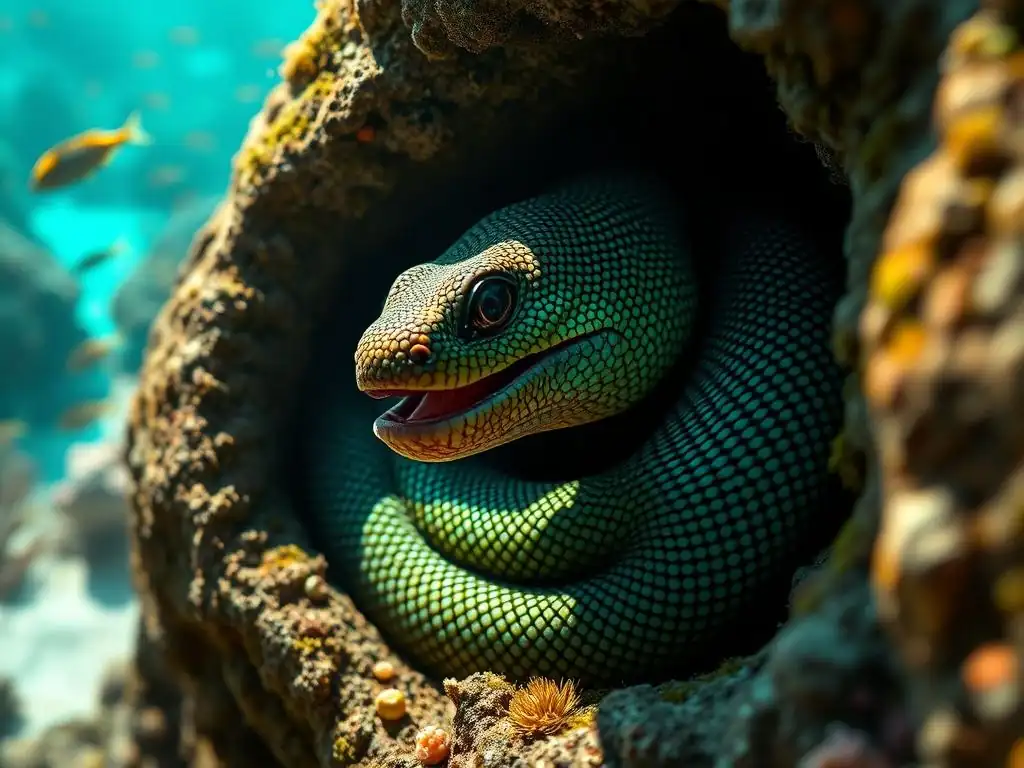
A common misconception is that all moray eels are inherently aggressive and will bite without provocation. This belief often stems from their predatory appearance and the dramatic nature of their bites. In reality, most moray eels kept in home aquariums, such as the popular Snowflake Moray (Echidna nebulosa) or Gold-Spotted Moray (Gymnothorax favagineus), are quite reclusive and shy. They prefer to hide in rockwork and only emerge for food or if they feel threatened.
Their "aggressive" reputation is largely due to their defensive capabilities and the natural hunting instincts they exhibit when food is present. A moray eel is far more likely to retreat into its cave than to actively pursue a human hand. Bites almost exclusively occur due to mistaken identity (e.g., a finger looking like food), feeling cornered, or being stressed. Understanding this distinction is crucial for appreciating their true temperament and practicing proper moray eel bite safety.
Reality: Temperament Varies by Species and Individual
The reality is that moray eel temperament varies significantly by species and even among individual eels within the same species. Smaller species, like the Golden Dwarf Moray (Gymnothorax melatremus) or the Snowflake Moray, are generally considered much less aggressive and more docile than larger counterparts such as the Green Moray (Gymnothorax funebris) or the Giant Moray (Gymnothorax javanicus), which can grow to immense sizes and possess formidable jaws. Some species, like the Ribbon Eel (Rhinomuraena quaesita), are notoriously shy and delicate.
Even within a single species, individual personalities can differ. Some eels might be naturally bolder or more curious, while others remain extremely timid. This variability underscores the importance of researching specific species before purchase and observing your own eel's behavior closely. Responsible aquarists acknowledge these differences and tailor their handling and tank maintenance practices accordingly, always prioritizing moray eel bite safety.
Myth: Moray Eel Bites Are Always Fatal
Another pervasive myth is that a moray eel bite is always fatal. This is unequivocally false. While a moray eel bite can be extremely serious and cause significant injury, fatalities are exceedingly rare. The primary danger associated with a moray eel bite is not venom (they are not venomous in the traditional sense, though their mucus can be irritating) but the high risk of severe bacterial infection.
The deep puncture wounds inflicted by their backward-curving teeth introduce a multitude of marine bacteria, including dangerous Vibrio species, deep into the tissue. If left untreated, these infections can lead to serious complications such as cellulitis, tissue necrosis, or even systemic sepsis, which can be life-threatening. However, with prompt and appropriate medical treatment, including thorough wound cleaning and antibiotic therapy, the vast majority of moray eel bite victims make a full recovery.
Reality: Bites Can Be Serious but Are Rarely Deadly with Proper Treatment
The reality is that moray eel bites, while capable of causing significant trauma, are rarely deadly when proper first aid and medical treatment are sought promptly. The immediate physical damage can be severe, involving deep lacerations, punctures, and potential damage to tendons, nerves, or even bone, especially from larger species. However, the most critical concern is the high probability of bacterial infection.
Marine bacteria, particularly Vibrio vulnificus, can cause rapidly progressing and aggressive infections. Symptoms like intense pain, swelling, redness, and fever can appear within hours. This is why immediate wound cleaning and disinfection, followed by medical evaluation and often a course of broad-spectrum antibiotics, are essential. With timely and correct medical intervention, the severe complications of infection can usually be prevented, ensuring that the outcome of a moray eel bite is typically recovery, not fatality. This highlights the paramount importance of moray eel bite safety protocols.
Long-Term Care After a Moray Eel Bite: Healing and Infection Prevention
Monitoring for Infection: Signs and Symptoms to Watch For
After receiving initial first aid and medical attention for a moray eel bite, continuous monitoring of the wound for signs of infection is crucial for effective long-term care and moray eel bite safety. Even with antibiotics, infections can develop or worsen. Key symptoms to watch for include increasing redness around the wound, spreading warmth, and persistent or worsening pain that does not respond to pain relievers. Swelling that continues to increase rather than decrease is also a red flag.
Other critical signs of infection include the presence of pus or foul-smelling discharge from the wound, red streaks (lymphangitis) spreading from the bite site towards the heart, and systemic symptoms such as fever, chills, body aches, or swollen lymph nodes. Daily inspection of the wound, ideally after cleaning, is recommended. If any of these symptoms appear or worsen, contact your medical professional immediately, as prompt intervention is vital to prevent severe complications.
Antibiotic Treatment: When and How to Use Them
Due to the high risk of bacterial infection from marine organisms, medical professionals often prescribe broad-spectrum antibiotics proactively after a moray eel bite, even if overt signs of infection are not yet present. The choice of antibiotic will typically target common marine bacteria, such as Vibrio species. Examples of commonly used antibiotics include doxycycline or a fluoroquinolone like ciprofloxacin, often for a duration of 7 to 14 days, depending on the severity of the bite and the doctor's assessment.
It is absolutely critical to complete the entire course of antibiotics as prescribed by your doctor, even if your symptoms improve or disappear before the medication runs out. Stopping antibiotics prematurely can lead to a relapse of the infection, and it can also contribute to antibiotic resistance, making future infections harder to treat. Adhering strictly to the antibiotic regimen is a cornerstone of preventing long-term complications and ensuring comprehensive moray eel bite safety.
Wound Closure Techniques: Stitches and Other Options
The approach to wound closure after a moray eel bite is often different from a typical cut, primarily due to the high risk of deep bacterial infection. Deep puncture wounds, common with moray eel bites, are frequently left open (or loosely approximated) rather than being immediately stitched. This technique, known as "healing by secondary intention" or "delayed primary closure," allows the wound to drain any bacteria or pus, significantly reducing the risk of trapping infection inside.
If the wound is large or involves significant tissue loss, a doctor might opt for a delayed primary closure, where the wound is thoroughly cleaned and monitored for a few days before being stitched, once the risk of infection has significantly decreased. In some cases, especially with extensive tissue damage, skin grafts or other reconstructive procedures might be necessary in the long term. Following your doctor's specific instructions for wound care and closure is paramount for proper healing and to ensure the most effective moray eel bite safety.
Choosing Moray Eels Responsibly: Considerations Before Bringing One Home
Researching Moray Eel Species: Selecting a Suitable Temperament
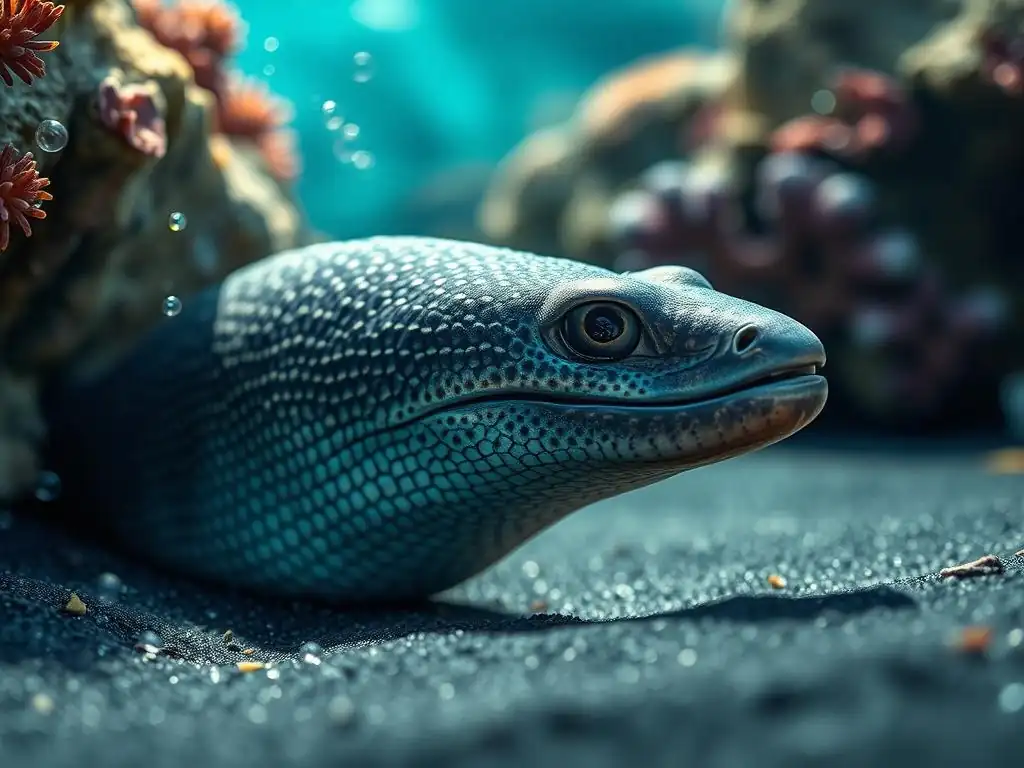
Before considering a moray eel for your home aquarium, thorough research into specific species is paramount. Moray eels vary greatly in size, temperament, and care requirements. For instance, a Snowflake Moray (Echidna nebulosa) typically reaches 2-3 feet and is relatively docile, making it a more manageable option for many aquarists. In contrast, a Tessellata Moray (Gymnothorax favagineus) can exceed 6 feet and is significantly more powerful and potentially aggressive.
Understanding the adult size and natural behavior of the species you are interested in is vital for both the eel's well-being and your moray eel bite safety. Some species are known to be more reclusive, while others might be bolder or more prone to defensive strikes. Responsible aquarists select a species that aligns with their experience level, tank size capabilities, and willingness to manage potential risks, rather than choosing based solely on appearance.
Providing an Adequate Habitat: Ensuring the Eel's Well-being
Providing an adequate habitat is crucial for the health and temperament of a moray eel, directly impacting the likelihood of a moray eel bite. The tank must be appropriately sized to accommodate the eel's adult length and provide ample swimming space. A minimum of 50-75 gallons might suffice for a smaller species like the Snowflake Moray, but larger species require tanks of 125 gallons or more. More importantly, the habitat must include an abundance of secure hiding spots, caves, and crevices within the rockwork.
Moray eels are masters of escape, so a tightly fitting, heavy lid is non-negotiable. They can squeeze through incredibly small openings. Maintaining stable water parameters (temperature, salinity, pH, and low nitrates) is also essential for their overall health and stress levels. A well-designed, secure, and stress-free environment promotes a calmer eel, which in turn reduces the risk of defensive bites and enhances overall moray eel bite safety.
Understanding the Commitment: Long-Term Care and Potential Hazards
Bringing a moray eel into your home aquarium is a significant long-term commitment. These fascinating creatures can live for many years, with some species living 10 to 30 years or even longer in captivity with proper care. This means a sustained dedication to maintaining their specialized environment, providing appropriate nutrition, and managing their unique behaviors. It's not a pet for the casual aquarist.
Furthermore, responsible ownership includes a thorough understanding of the potential hazards associated with keeping a predatory animal. Despite all precautions, the risk of a moray eel bite, while low with proper practices, can never be entirely eliminated. Aquarists must be prepared for this possibility by knowing first aid and when to seek medical attention. Embracing this commitment, from habitat provision to understanding bite risks, is fundamental to truly prioritizing moray eel bite safety and responsible eel keeping.
Conclusion: Prioritizing Safety and Responsible Moray Eel Keeping
Frequently Asked Questions
What are the primary dangers associated with moray eel bites?
Moray eel bites can cause serious lacerations and deep puncture wounds. Due to the eel's powerful jaws and sharp teeth, injuries often require medical attention.
Are moray eel bites poisonous or venomous?
Moray eels are not venomous, meaning they don't inject toxins. However, a bite can lead to bacterial infections due to bacteria present in the eel's mouth and the aquarium environment.
What immediate steps should I take if bitten by a moray eel?
First, thoroughly clean the wound with soap and water. Seek immediate medical attention, as stitches and antibiotics may be necessary to prevent infection.
How can I best prevent moray eel bites when maintaining my aquarium?
Avoid direct hand contact with the eels. Use long-handled tools for feeding and tank maintenance, and always be aware of the eel's location.
Are there any specific safety precautions I should take when introducing a new moray eel to my aquarium?
Introduce the eel carefully using a quarantine tank first to observe its behavior. Use appropriate netting or containers to transfer the eel, minimizing stress and the risk of a bite.
The information presented throughout this article underscores the very real dangers associated with handling moray eels, highlighting the importance of proactive safety measures when diving or interacting with marine environments. Understanding the potential for a moray eel bite and knowing how to prevent it is not just about personal safety; it's about respecting the delicate balance of the underwater ecosystem and ensuring responsible interaction with its inhabitants.
This topic resonates deeply because it reminds us that even in seemingly idyllic settings, potential hazards exist. Our understanding of these creatures and our commitment to safe practices directly impacts both our well-being and the preservation of marine life. As Jacques Cousteau wisely stated, The sea, once it casts its spell, holds one in its net of wonder forever.
This wonder should be coupled with respect and knowledge, ensuring we don't inadvertently disrupt the natural order or put ourselves at risk.
Now, armed with this knowledge about moray eel bite safety, consider how you can apply these principles beyond the realm of diving. Reflect on the importance of preparation, awareness, and respect in all your interactions with the natural world. Let this be a reminder to approach every environment, whether terrestrial or aquatic, with a sense of caution and a commitment to responsible stewardship. By doing so, we can ensure both our safety and the continued health of the planet we share.
Dive Deeper: Unlock the Secrets of Safe Eel Handling!
Thanks for exploring the fascinating, and sometimes dangerous, world of moray eels! We hope you’ve gained valuable insights into safely coexisting with these captivating creatures. Now, let's put that knowledge into action!
Here's how you can become a true aquarium mastery expert:
- Immediately review your current aquarium setup for any potential risks to both yourself and your moray eel. Is the tank secure? Are your maintenance tools appropriate?
- Share this vital information with fellow aquarium enthusiasts! Spreading awareness is the best defense against accidents.
- Consider attending a specialized workshop on advanced marine animal handling – you might be surprised at what you learn!
What's one unexpected lesson you've learned about moray eel safety that you'll apply to your aquarium practice?