
Top 3 Most Beautiful & Attainable Dragonets for Your Nano Reef Showcase

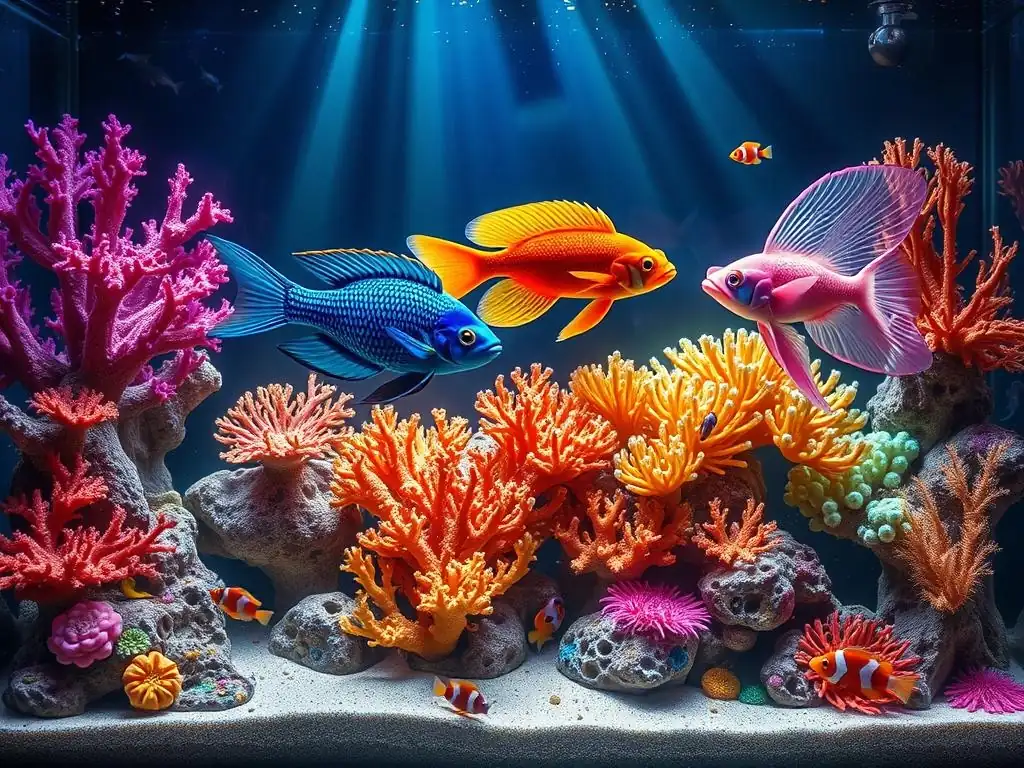
Welcome to Aquarium Mastery! Ever dreamt of adding a splash of vibrant color and otherworldly charm to your nano reef? Dragonet fish are the dazzling jewels of the aquarium world, and we're here to help you choose the perfect one. Dive into our guide, " Top 3 Most Beautiful & Attainable Dragonets for Your Nano Reef Showcase," and discover which of these captivating creatures can thrive in your small saltwater paradise. Ready to unlock the secrets to keeping these beauties happy and healthy? Let's get started!
- Introduction: Dragonet Fish - Jewels of the Nano Reef Aquarium
- Dragonet Fish Selection Criteria: Beauty, Availability & Suitability
- Top 3 Dragonet Species for Nano Reefs: A Detailed Comparison
- Dragonet Fish Care: Essential Tips for Nano Reef Success
- Tank Mates for Dragonets in Nano Reefs: Compatibility Considerations
- Conclusion: Enhancing Your Nano Reef with Stunning Dragonets
-
Frequently Asked Questions
- What makes Dragonet fish suitable for a nano reef aquarium?
- Which Dragonet species are generally considered the easiest to keep in a nano reef?
- What are the primary dietary challenges when keeping Dragonets in a nano reef?
- How can I ensure a sufficient copepod population for my Dragonet in a nano reef?
- What are some common health issues to watch out for in Dragonets kept in nano reefs?
- Final Reflection: The Enduring Allure of Nano Reef Dragonets
- Ignite Your Reef: Bring Dragonet Majesty Home!
Introduction: Dragonet Fish - Jewels of the Nano Reef Aquarium
Why Dragonets are Perfect for Small Saltwater Tanks
Dragonets, with their mesmerizing patterns and deliberate movements, are truly the jewels of the saltwater aquarium. Their compact size, typically ranging from 2 to 4 inches, makes them exceptionally well-suited for nano reef environments, which often have limited space. Unlike many faster-swimming marine fish, dragonets navigate their surroundings with a unique, almost hovering grace, allowing observers to appreciate their intricate coloration and delicate finnage up close. A dragonet fish nano reef can become a vibrant, miniature underwater tapestry, with these small wonders as the captivating focal point.
Furthermore, their generally peaceful demeanor makes them ideal inhabitants for a harmonious reef community. Dragonets are not known to be aggressive towards other fish or invertebrates, including corals, anemones, and snails. They spend most of their time sifting through sand or perching on live rock, exhibiting a calm presence that complements the often bustling activity of a nano reef. This gentle nature, combined with their striking aesthetics, solidifies their position as highly sought-after residents for a carefully curated dragonet fish nano reef.
Understanding Dragonet Care Requirements for Nano Reefs
While undeniably beautiful, dragonets are not considered beginner-friendly fish due to their highly specialized dietary needs. The vast majority of dragonet species, especially those found in the wild, primarily subsist on a diet of benthic copepods and other minute microfauna found naturally within the reef ecosystem. This reliance on live, microscopic organisms presents the most significant challenge for their long-term survival in a closed system, particularly a smaller dragonet fish nano reef where natural populations of these food sources can be quickly depleted.
Successful dragonet keeping in a nano reef hinges on maintaining impeccable and stable water parameters. This includes consistent salinity levels, ideally between 1.023 and 1.026 specific gravity, and a stable temperature range of 72-78°F (22-26°C). Excellent water quality, characterized by low nitrates (ideally below 10 ppm) and phosphates (below 0.03 ppm), is paramount not only for the fish's health but also for supporting the microfauna they depend on. Consistent monitoring and regular small water changes are essential to prevent parameter swings, which can severely stress these delicate dragonet fish nano reef inhabitants.
Dragonet Fish Selection Criteria: Beauty, Availability & Suitability
Factors to Consider Before Purchasing a Dragonet for Your Nano Reef
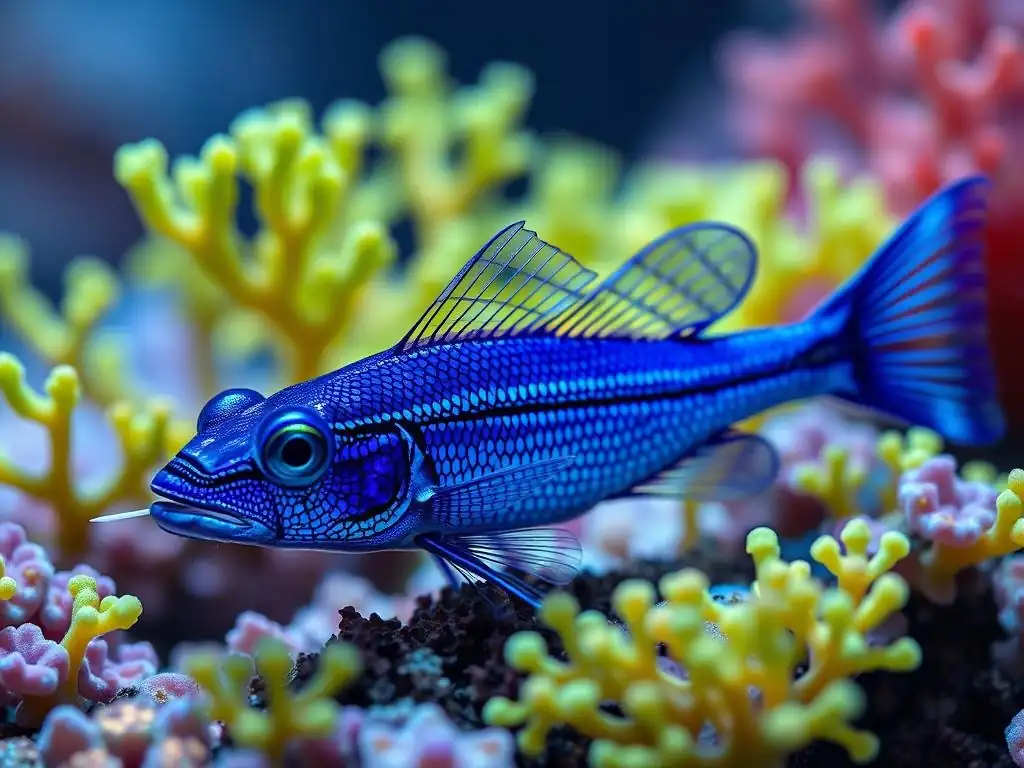
Before bringing a dragonet into your home, several critical factors must be weighed to ensure its long-term health and your success. Availability and cost vary significantly; for instance, the popular Mandarin Dragonet is widely available, but many are wild-caught, which can make them more challenging to acclimate to captive diets. Captive-bred options exist and are often preferred due to their potential to accept prepared foods, though they typically come at a higher price point, sometimes double or triple that of their wild counterparts.
Ruby Red and Ocellated Dragonets are generally less common but are also found through specialized retailers. Always prioritize purchasing a visibly healthy specimen: one that is active, has clear eyes, and shows no signs of physical damage or disease.
Tank size suitability is another crucial consideration, even for a dedicated dragonet fish nano reef. While their small size suggests they fit into tiny tanks, their feeding requirements demand a certain volume of water and live rock to support a natural food supply. A minimum of 20-30 gallons is generally recommended for Mandarin and Ruby Red Dragonets to provide sufficient foraging area and copepod habitat.
Ocellated Dragonets, being slightly smaller and potentially more adaptable to prepared foods, might thrive in tanks as small as 10-15 gallons if meticulously maintained. Ample live rock, offering crevices and surfaces for microfauna to thrive, is indispensable regardless of tank size.
Importance of a Mature Reef Tank for Dragonet Success
The single most critical factor for successfully keeping a dragonet fish nano reef is the maturity of the aquarium. A tank should be established for at least 6 to 12 months, allowing for the development of a robust and self-sustaining population of copepods and amphipods within the live rock and sand bed. These tiny crustaceans form the staple diet of most dragonet species. In a newly set up tank, these microfauna populations are often insufficient to support a dragonet, leading to slow starvation, even if the fish appears to be actively foraging.
A mature reef tank provides the complex biological infrastructure necessary to foster these vital food sources. Live rock, with its porous structure and myriad of hiding spots, acts as a natural hatchery and refuge for copepods. A deep sand bed (at least 2-3 inches) further enhances this ecosystem, providing additional foraging grounds and a substrate for micro-invertebrate colonization. For example, a well-established 20-gallon dragonet fish nano reef can host tens of thousands of copepods, but even this population can be rapidly depleted by a single dragonet if not continuously replenished through natural reproduction or supplemental dosing.
Top 3 Dragonet Species for Nano Reefs: A Detailed Comparison
#1. The Mandarin Dragonet (Synchiropus splendidus): A Nano Reef Icon
Mandarin Dragonet Appearance and Temperament
The Mandarin Dragonet, Synchiropus splendidus, is arguably the most recognizable and coveted dragonet fish nano reef inhabitant, celebrated for its astonishingly vibrant and intricate coloration. Its body is adorned with a labyrinthine pattern of electric blue, emerald green, and fiery orange lines, truly living up to its "splendid" name. Growing to an average adult size of 3 to 4 inches (7.5-10 cm), their striking appearance is further enhanced by their unique mode of locomotion: a slow, deliberate "hovering" using their pectoral fins, rather than typical swimming. This allows for prolonged observation of their exquisite details.
In terms of temperament, Mandarin Dragonets are overwhelmingly peaceful, making them ideal candidates for a tranquil dragonet fish nano reef community. They are non-aggressive towards other fish, corals, and invertebrates, preferring to spend their time meticulously sifting through sand or perching on live rock. While generally shy, they can become territorial with other dragonets of the same sex, particularly males, so it's advisable to keep only one per nano tank unless a verified mated pair is acquired for a sufficiently large system (50+ gallons). Their calm demeanor ensures they won't disturb the delicate balance of a sensitive reef environment.
Mandarin Dragonet Diet and Feeding Challenges in Nano Reefs
The primary diet of the Mandarin Dragonet consists almost exclusively of benthic copepods and amphipods that naturally proliferate within a mature live rock system. This highly specialized feeding habit presents the most significant challenge for their long-term survival in captivity. Wild-caught specimens, which make up a large portion of the market, are notoriously difficult to acclimate to prepared foods, often refusing even the finest frozen or dried options. They rely entirely on constantly foraging for live microfauna throughout the day.
Estimates suggest that a single Mandarin Dragonet can consume thousands of copepods daily to sustain itself. In a typical dragonet fish nano reef, the natural copepod population, even in a mature tank, may not be sufficient to meet this constant demand. Without a robust, self-sustaining population that can reproduce faster than the dragonet consumes them, or without consistent supplemental live food, the fish will slowly starve over weeks or months, even if it appears to be actively pecking at the substrate. This is why the maturity of the tank and proactive feeding strategies are absolutely paramount.
Tips for Successfully Keeping Mandarin Dragonets in a Small Aquarium
Successfully keeping Mandarin Dragonets in a dragonet fish nano reef requires dedication to their unique dietary needs. One of the most effective strategies is to establish a dedicated copepod refugium. This is a separate, dimly lit sump or chamber plumbed into the main display, where copepods can be cultured and allowed to reproduce without predation. Periodically, these cultured copepods can then be dosed into the main display tank, providing a continuous supply of live food. Many aquarists report significant success using this method to sustain their Mandarins.
For captive-bred Mandarin Dragonets, there is a greater chance of training them to accept prepared foods. This process requires immense patience and persistence. Small, high-quality frozen foods like enriched Mysis shrimp, cyclop-eeze, or enriched brine shrimp can be offered via targeted feeding using a turkey baster, directly in front of the dragonet. Some aquarists create "feeding stations" – small, designated areas where food is regularly deposited. Even if they accept prepared foods, it is still highly recommended to supplement with live copepods to ensure a complete and natural diet for these iconic dragonet fish nano reef residents.
#2. The Ruby Red Dragonet (Synchiropus cf. rubrovinctus): A Vibrant Alternative
Ruby Red Dragonet: Visual Appeal and Unique Characteristics
The Ruby Red Dragonet, Synchiropus cf. rubrovinctus, offers a stunning alternative to the Mandarin, captivating aquarists with its intense, deep ruby red coloration accented by iridescent blue spots and lines. While sharing the characteristic dragonet body shape, its distinct color palette provides a different visual appeal, often appearing more uniformly red with scattered blue highlights. Slightly smaller than the Mandarin, Ruby Reds typically reach an adult size of about 2 to 2.5 inches (5-6.5 cm), making them an excellent fit for compact dragonet fish nano reef setups.
Their movements are similar to the Mandarin's, characterized by a deliberate, bottom-dwelling shuffle and occasional short bursts of hovering. Ruby Red Dragonets tend to be a bit more active in their foraging compared to the more sedentary Mandarins, constantly sifting through the sand and exploring live rock for micro-invertebrates. Like their Mandarin cousins, they are peaceful and non-aggressive, posing no threat to corals or other tank inhabitants. Their vibrant, jewel-like appearance makes them a compelling choice for any dragonet fish nano reef seeking a splash of deep, rich color.
Ruby Red Dragonet's Adaptability to Nano Reef Environments
The Ruby Red Dragonet is often considered marginally more adaptable to captive environments than wild-caught Mandarins, though they still primarily rely on microfauna. This slight edge in adaptability, particularly concerning the acceptance of prepared foods, can make them a more "attainable" dragonet fish nano reef choice for aquarists without a fully mature, teeming copepod population. However, it is crucial to understand that "more adaptable" does not mean "easy"; a robust supply of live food remains their fundamental dietary requirement.
Their slightly smaller adult size also contributes to their suitability for nano reef tanks. While a mature tank with ample live rock is still essential, a Ruby Red Dragonet might thrive in a well-established 15-20 gallon system, assuming consistent supplemental feeding of live copepods. Their ability to potentially broaden their diet, especially for captive-bred individuals, can alleviate some of the intense pressure on the natural copepod population within a confined dragonet fish nano reef environment.
Feeding Strategies for Ruby Red Dragonets in Confined Spaces
Despite their potential for broader dietary acceptance, live copepods remain the cornerstone of a Ruby Red Dragonet's diet. Daily or every-other-day dosing of live copepods from a cultured source or regular purchases from online suppliers is highly recommended to ensure their nutritional needs are met. Just like Mandarins, they are constant foragers, and a consistent supply of these tiny organisms prevents starvation. A refugium dedicated to copepod propagation is an invaluable tool for sustaining a Ruby Red Dragonet in a dragonet fish nano reef.
Beyond live foods, patience and consistent effort can encourage Ruby Red Dragonets to accept small, high-quality frozen foods. Options such as cyclop-eeze, enriched brine shrimp, or finely chopped Mysis shrimp, offered via targeted feeding with a pipette or turkey baster, can sometimes be accepted. It's often helpful to offer these foods after the main tank lights have dimmed or turned off, as this reduces competition from faster-feeding tank mates and encourages the shy dragonet to venture out and forage. This diligent feeding approach is vital for the long-term health of a Ruby Red dragonet fish nano reef inhabitant.
#3. The Ocellated Dragonet (Synchiropus ocellatus): A Peaceful Bottom Dweller
Ocellated Dragonet: Peaceful Nature and Nano Reef Compatibility
The Ocellated Dragonet, Synchiropus ocellatus, presents a more subdued yet equally charming option for the dragonet fish nano reef enthusiast. While lacking the flamboyant colors of its Mandarin and Ruby Red cousins, its mottled brown, tan, and cream coloration, coupled with distinctive "ocelli" or eye-spots on its dorsal fin, provides excellent camouflage and a unique aesthetic. Growing to a maximum size of about 2 inches (5 cm), they are the smallest of the three highlighted species, making them exceptionally well-suited for even the most compact nano reef setups.
Their temperament is remarkably peaceful and shy, perfectly aligning with the serene atmosphere of a mixed reef tank. Ocellated Dragonets spend much of their time sifting through the sand bed, diligently searching for micro-invertebrates. They are non-aggressive towards other fish, corals, and invertebrates, making them an ideal community fish that will not disturb the delicate balance of a small ecosystem. Their cryptic nature means they might not be as constantly visible as a Mandarin, but their industrious foraging provides fascinating observation for a dedicated dragonet fish nano reef keeper.
Ocellated Dragonet Diet and Scavenging Habits in Small Tanks
Like all dragonets, the Ocellated Dragonet primarily relies on microfauna as its natural food source. However, they are often considered the most adaptable of the common dragonet species when it comes to accepting prepared foods. Many aquarists report success in training Ocellated Dragonets to consume small frozen foods such as Mysis shrimp, enriched brine shrimp, and cyclop-eeze, especially if acquired as captive-bred specimens or slowly acclimated. Their active sand-sifting behavior means they are constantly foraging for tiny organisms within the substrate.
Their scavenging habits are a notable characteristic; they will actively sift through the sand, consuming detritus and any small food particles missed by other tank inhabitants. While this makes them appear less demanding, a consistent supply of live copepods is still crucial for their long-term health and vibrancy, particularly in a dragonet fish nano reef where natural food sources might be limited. Their ability to supplement their diet with prepared foods, however, can make them a more forgiving option for aquarists who may struggle to maintain a massive copepod population.
Creating a Suitable Habitat for Ocellated Dragonets
To ensure the well-being of an Ocellated Dragonet in a dragonet fish nano reef, providing an appropriate habitat is essential. A deep sand bed, ideally at least 2-3 inches (5-7.5 cm) in depth, is highly recommended. This provides ample substrate for their constant sifting and foraging activities, which are central to their natural behavior and diet. The sand bed also becomes a crucial area for the proliferation of beneficial micro-invertebrates they feed upon.
In addition to a deep sand bed, ample live rock with numerous crevices, caves, and overhangs is important. These structures offer security, potential hiding spots, and additional surfaces for microfauna to colonize. Due to their smaller size and potentially broader diet, an Ocellated Dragonet can thrive in a well-established dragonet fish nano reef as small as 10-15 gallons, provided the tank is mature, stable, and consistently supplied with both natural and, if accepted, supplemental foods.
Dragonet Fish Care: Essential Tips for Nano Reef Success
Ensuring a Stable Nano Reef Ecosystem for Dragonets
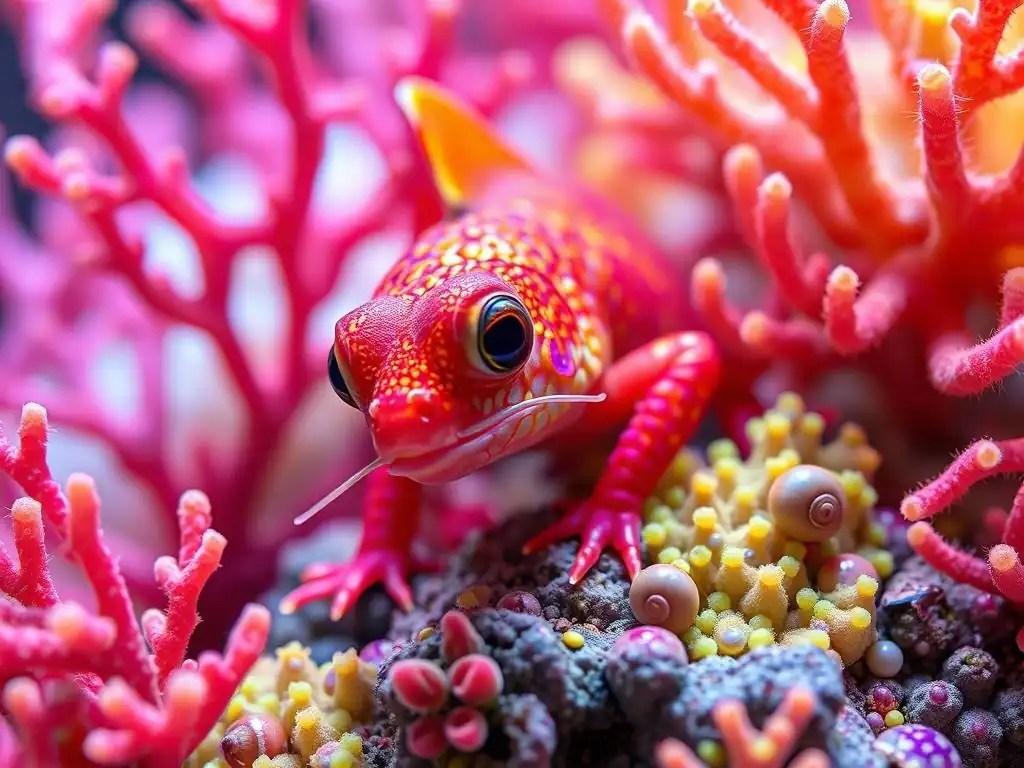
Maintaining a stable and pristine nano reef ecosystem is paramount for the long-term success of any dragonet fish nano reef inhabitant. Consistent water parameters are non-negotiable: temperature should be maintained within a tight range of 74-78°F (23-26°C), salinity at 1.025 specific gravity, pH between 8.1-8.4, alkalinity at 8-12 dKH, and calcium levels between 400-450 ppm. Fluctuations in these parameters can severely stress dragonets, compromising their immune systems and making them susceptible to disease. Regular testing using reliable kits is essential.
Furthermore, a low-nutrient environment is crucial. High levels of nitrates (above 10 ppm) and phosphates (above 0.03 ppm) not only harm sensitive corals but also negatively impact the microfauna populations that dragonets depend on. Implementing effective biological filtration, utilizing protein skimmers (even small ones for nano tanks), and performing consistent small water changes (e.g., 10-20% weekly) are vital practices to export nutrients and maintain superior water quality. A clean, stable dragonet fish nano reef environment directly contributes to the health and longevity of these delicate fish.
Providing Adequate Live Food Sources for Dragonets
The single most critical aspect of dragonet fish nano reef care is ensuring a continuous and abundant supply of live food. For most dragonets, especially wild-caught specimens, this means live copepods. Relying solely on the natural copepod population within a nano tank, even a mature one, is often insufficient for long-term sustenance.
Therefore, proactive measures are necessary. Regularly dosing live copepods from a cultured source is highly recommended. A typical 20-gallon dragonet fish nano reef might benefit from 1-2 doses of 5,000-10,000 live copepods per week during the initial acclimation period, with frequency potentially decreasing as the tank's natural population establishes itself.
Culturing copepods in a dedicated refugium is the most sustainable and cost-effective method. Various copepod species, such as Tigriopus californicus (a benthic, robust species) and Tisbe copepods (smaller, more pelagic but also benthic), offer a diverse nutritional profile. When introducing copepods to the display tank, it's often best to do so after the lights are out, allowing the copepods to settle into the rockwork and sand bed without being immediately consumed by other tank inhabitants or swept into filtration. This continuous replenishment of live food is the cornerstone of a thriving dragonet fish nano reef.
Preventing Parasites and Diseases in Dragonets
Dragonets, particularly when stressed from starvation or poor water quality, are susceptible to common saltwater parasites and diseases, including marine Ich ( Cryptocaryon irritans) and Velvet ( Amyloodinium ocellatum). Given their delicate nature and often poor condition upon arrival (especially wild-caught specimens), prevention is far more effective than treatment. The most crucial preventive measure is strict quarantine of all new fish for at least 4-6 weeks in a separate, observation tank. This allows for monitoring, potential treatment, and acclimation without introducing pathogens to the established dragonet fish nano reef.
Beyond quarantine, maintaining pristine water quality and a consistent, nutrient-rich feeding regimen are vital for boosting a dragonet's natural immune system. A well-fed, unstressed dragonet fish nano reef inhabitant is far more resilient to disease. Avoid sudden changes in water parameters, which can cause significant stress. If a dragonet does show signs of illness, prompt action is necessary, often involving moving the fish to a hospital tank for treatment, as many common medications can harm corals and invertebrates in the main reef display.
Tank Mates for Dragonets in Nano Reefs: Compatibility Considerations
Choosing the Right Tank Inhabitants for a Peaceful Community
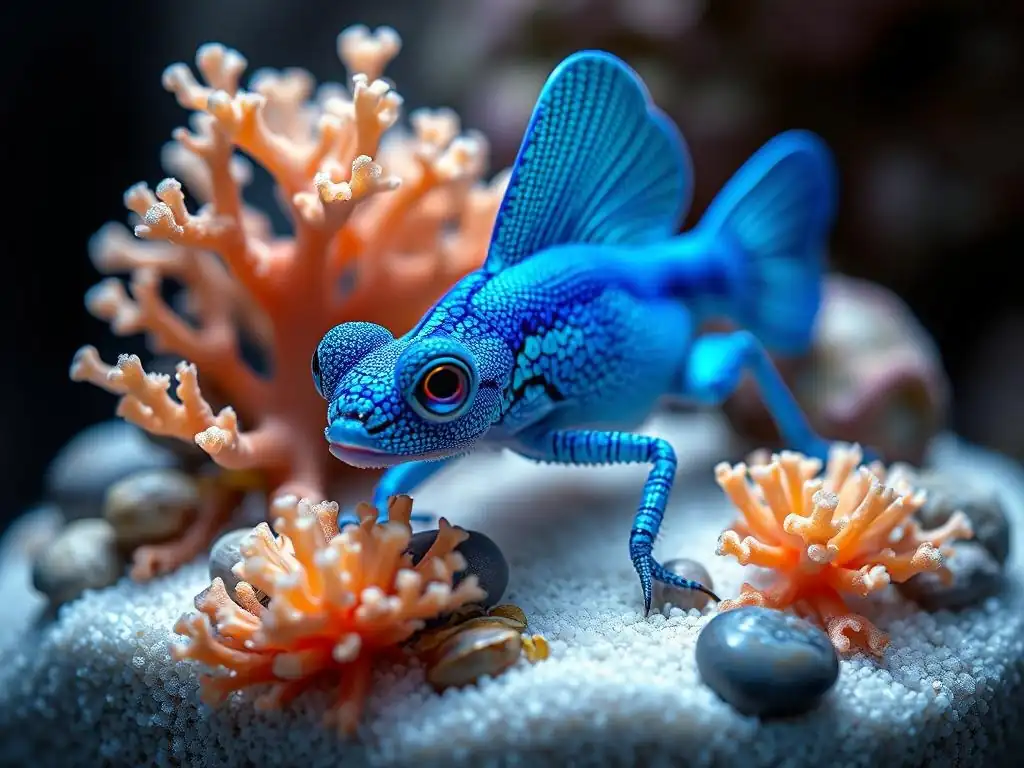
Selecting appropriate tank mates is crucial for the peaceful coexistence and long-term health of dragonets in a dragonet fish nano reef. The ideal companions are small, peaceful, and non-aggressive fish that will not outcompete the slow-feeding dragonet for its primary food source. Excellent choices include various species of small gobies, such as Clown Gobies ( Gobiodon spp.), Trimma Gobies ( Trimma spp.), or even small Watchman Gobies ( Cryptocentrus cinctus) if tank size permits. Small blennies, like the Tailspot Blenny ( Salarias fasciatus), can also be good additions.
Other compatible tank mates include small, docile cardinalfish (e.g., Banggai Cardinalfish), and firefish (e.g., Purple Firefish, Nemateleotris decora). These fish generally occupy different niches within the water column and are not voracious eaters, reducing competition for food. Invertebrates such as various species of snails (e.g., Nassarius snails, turbo snails), hermit crabs, and cleaner shrimp are also excellent, non-competitive additions that contribute to the overall health and cleanup crew of a dragonet fish nano reef.
Avoiding Aggressive Tank Mates that Compete for Food
Careful consideration must be given to avoiding tank mates that could pose a threat or outcompete your dragonet fish nano reef inhabitant. Aggressive or overly active fish, such as most species of damselfish, larger wrasses (e.g., Six-Line Wrasse, Yellow Coris Wrasse), or dottybacks, should be avoided. These species can stress dragonets with their constant activity or, more critically, directly compete for the limited supply of copepods and other microfauna that dragonets rely on. A dragonet, with its slow, deliberate feeding style, cannot compete with faster, more agile fish for food.
Even seemingly peaceful fish can become problematic if they are voracious eaters. Any fish that actively hunts for copepods or similar small invertebrates on the live rock and sand bed will directly compete with your dragonet, potentially leading to its starvation. It is vital to research the feeding habits of all potential tank mates. The success of a dragonet fish nano reef hinges on ensuring its primary resident has unimpeded access to its specialized diet, free from undue stress or competition.
Conclusion: Enhancing Your Nano Reef with Stunning Dragonets
Selecting the Right Dragonet for Your Specific Nano Reef Setup
Choosing the right dragonet for your dragonet fish nano reef is a decision that balances aesthetic preference with practical care considerations. The iconic Mandarin Dragonet offers unparalleled beauty but demands a highly mature tank and a consistent, abundant supply of live copepods, making it a commitment for experienced aquarists.
The Ruby Red Dragonet provides a vibrant alternative, slightly more adaptable to prepared foods and potentially suitable for slightly smaller tanks, though still requiring diligent live food supplementation. The Ocellated Dragonet, smaller and often more accepting of prepared foods, can be a more forgiving option for those with a less established copepod population, particularly if paired with a deep sand bed.
Ultimately, the success of a dragonet fish nano reef relies on thorough research and realistic self-assessment of your commitment to their unique needs. Consider your tank's maturity, its size, your ability to provide a continuous source of live food, and your willingness to invest patience in acclimation and feeding. A well-prepared aquarist who understands these specific requirements is far more likely to witness these mesmerizing creatures thrive and become a long-term, cherished addition to their miniature marine world.
The Rewards of Successfully Keeping Dragonet Fish in a Nano Aquarium
The journey of successfully keeping dragonet fish nano reef inhabitants, while demanding, offers immense rewards. There is a profound satisfaction in observing these vibrant, peaceful fish not just surviving, but truly thriving, in a carefully cultivated miniature ecosystem. Their unique swimming style, intricate patterns, and constant foraging behavior add an unparalleled layer of beauty and fascination to any nano reef. They transform a simple aquarium into a dynamic, living piece of art, drawing the eye and sparking conversation.
A thriving dragonet fish nano reef is a testament to an aquarist's dedication and understanding of marine biology. It showcases the delicate balance that can be achieved in a closed system, mirroring the intricate relationships found on natural coral reefs.
The joy derived from watching a Mandarin or Ruby Red Dragonet gracefully navigate its colorful domain, or an Ocellated Dragonet diligently sift through the sand, is a unique experience that enriches the entire hobby. With proper care and preparation, a dragonet fish nano reef can indeed become a stunning and captivating centerpiece, bringing a vibrant slice of the ocean into your home.
Frequently Asked Questions
What makes Dragonet fish suitable for a nano reef aquarium?
Dragonets, particularly certain species, are small and relatively peaceful, making them good candidates for nano reefs. However, their specialized diet and specific requirements need careful consideration.
Which Dragonet species are generally considered the easiest to keep in a nano reef?
The Ocellaris Clown Dragonet ( Synchiropus ocellatus) is often recommended as a beginner-friendly option. Others include the Hector's Goby and the Green Mandarin, but require high levels of pod production.
What are the primary dietary challenges when keeping Dragonets in a nano reef?
Dragonets primarily feed on copepods and amphipods, which can be scarce in a new or poorly established nano reef. Aquarists must ensure a sustainable pod population or supplement their diet.
How can I ensure a sufficient copepod population for my Dragonet in a nano reef?
Establishing a refugium connected to your display tank can help cultivate a thriving copepod population. Regular pod supplementation is also often necessary, especially initially.
What are some common health issues to watch out for in Dragonets kept in nano reefs?
Malnutrition due to insufficient food is a major concern. Also, ich and other parasites can be problematic. Careful observation and quarantine are crucial for preventing disease.
Okay, here's a final reflection designed to close your article "Top 3 Most Beautiful & Attainable Dragonets for Your Nano Reef Showcase," optimized for the keyword "Dragonet fish nano reef" and following your specified structure:
Final Reflection: The Enduring Allure of Nano Reef Dragonets
The vibrant world of nano reef aquariums, once a niche hobby, has exploded in popularity, and at its heart lies the captivating Dragonet fish. Their unique beauty and manageable size make them a highly sought-after addition, transforming a simple tank into a miniature underwater masterpiece. This article has highlighted three of the most attainable and visually stunning Dragonets, proving that even small spaces can house extraordinary marine life.
The fascination with Dragonets in nano reefs reflects a deeper desire for connection with nature, even in our increasingly urban lives. The delicate dance of a Mandarin Dragonet grazing on copepods is a mesmerizing sight, a reminder of the intricate ecosystems that exist beyond our everyday experience. In every walk with nature, one receives far more than he seeks.
- John Muir. This quote perfectly captures the profound sense of peace and wonder that these miniature ecosystems can inspire.
Now, as you consider adding a Dragonet to your own nano reef, remember that responsible aquascaping and diligent care are paramount. Embrace the challenge, research thoroughly, and create a thriving environment where these captivating creatures can flourish. Let the beauty of the Dragonet fish inspire you to cultivate not only a stunning aquarium but also a deeper appreciation for the delicate balance of our oceans.
Ignite Your Reef: Bring Dragonet Majesty Home!
Thank you for exploring the captivating world of dragonets with us! We hope this article has inspired you with visions of vibrant colors and unique personalities gracing your nano reef. Now, it's time to turn that inspiration into action.
Here are a few ways to continue your dragonet journey:
- Dive into Responsible Acquisition: Prioritize sourcing your dragonet from reputable breeders or local aquarium stores with proven ethical practices. This supports sustainable aquariculture and ensures a healthy start for your new companion.
- Explore the intricacies of copepod culturing! Mastering copepod propagation unlocks the key to a flourishing dragonet diet. Delve into guides and forums to become a copepod connoisseur!
- Share your dream dragonet tank vision! What unique aquascape or pairing are you envisioning? Let's spark ideas and create a community of dragonet enthusiasts!
What's the first step you'll take to transform your nano reef into a dragonet paradise?