
Sebae Clownfish (Amphiprion sebae): Comprehensive Care & Anemone Matching

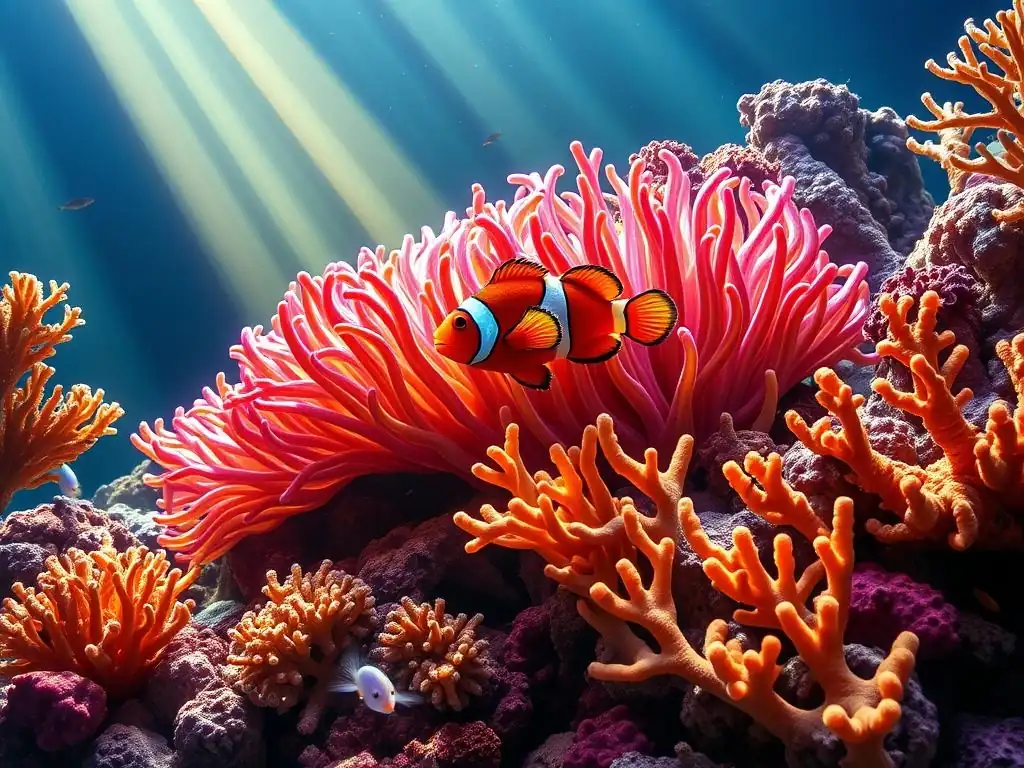
Welcome to Aquarium Mastery, your ultimate resource for thriving aquatic ecosystems!
Ever wondered if a Sebae clownfish is truly happy in its anemone home? Dive into our comprehensive Sebae Clownfish (Amphiprion sebae): Comprehensive Care & Anemone Matching guide to unlock the secrets of a harmonious and vibrant saltwater aquarium. Discover the perfect anemone pairings and ensure a flourishing life for your clownfish. Ready to create a truly spectacular reef environment? Let's get started!
- Ocellaris Clownfish (Amphiprion ocellaris): Comprehensive Care & Anemone Matching Guide
- Understanding the Ocellaris Clownfish: An Introduction to Amphiprion ocellaris
- Setting Up the Ideal Ocellaris Clownfish Tank Environment
- Ocellaris Clownfish Anemone Compatibility: Finding the Perfect Host
- Feeding Your Ocellaris Clownfish: Ensuring Proper Nutrition
- Ocellaris Clownfish Health and Disease Prevention
- Ocellaris Clownfish Tank Mates: Choosing Compatible Species
- Breeding Ocellaris Clownfish: A Detailed Guide
- Purchasing Ocellaris Clownfish: What to Look For
- Conclusion: Mastering Ocellaris Clownfish Care
-
Frequently Asked Questions
- What anemones are most compatible with Sebae clownfish?
- Why is it difficult to pair Sebae clownfish with anemones in aquariums?
- What are the risks involved in introducing a Sebae clownfish to an anemone?
- What water parameters are crucial for successfully keeping Sebae clownfish and anemones?
- What should I do if my Sebae clownfish is not showing interest in its anemone?
- Final Reflection: The Symbiotic Dance Continues
- Unleash the Vibrant Beauty of Sebae Clownfish!
Ocellaris Clownfish (Amphiprion ocellaris): Comprehensive Care & Anemone Matching Guide
Understanding the Ocellaris Clownfish: An Introduction to Amphiprion ocellaris
Origin and Natural Habitat of the Ocellaris Clownfish
The Ocellaris clownfish, Amphiprion ocellaris, is a fascinating marine species native to the warm waters of the Indo-Pacific region. Their natural distribution spans a vast area, from the Andaman and Nicobar Islands in the west, across Southeast Asia, to the northern territories of Australia, and extending northwards to the Ryukyu Islands of Japan. These vibrant fish are typically found in shallow, protected lagoons and coral reefs, often at depths ranging from 1 to 15 meters, where they form intricate symbiotic relationships with specific host anemones.
In their natural habitat, Ocellaris clownfish are inextricably linked to the health of the coral reef ecosystem. They spend their entire adult lives within the protective tentacles of their host anemones, relying on the anemone's stinging cells (nematocysts) for defense against predators. In return, the clownfish may clean the anemone of parasites, provide nutrients through their waste, and even defend the anemone from certain predators, creating a mutually beneficial partnership that is crucial for their survival in the wild.
Physical Characteristics of the Ocellaris Clownfish
Ocellaris clownfish are instantly recognizable by their striking coloration and pattern. They typically feature a vibrant orange body adorned with three distinct, vertical white bands, each edged in black. The first band is located just behind the eye, the second near the mid-body, and the third on the caudal peduncle, just before the tail fin. While the most common coloration is orange, variations such as black (often referred to as "Black Ocellaris" or "Darwin Ocellaris") exist, which are natural mutations or selective breeding outcomes.
These small, hardy fish generally reach a maximum adult size of about 7 to 11 centimeters (approximately 2.8 to 4.3 inches) in captivity, with females typically growing larger than males. Their fins are rounded, and their overall body shape is relatively compact, allowing them to maneuver effectively within the tight spaces of anemone tentacles. The Ocellaris clownfish's robust physical characteristics contribute to its popularity and resilience in home aquariums, making it an excellent choice for beginner and experienced aquarists alike.
Ocellaris Clownfish Temperament and Behavior in the Aquarium
Ocellaris clownfish are renowned for their generally peaceful and engaging temperament, making them ideal inhabitants for a wide range of marine aquariums. They are not typically aggressive towards other fish species, especially when housed in appropriate tank sizes with suitable tank mates. However, they can exhibit territorial behavior towards other clownfish, particularly if they are not a bonded pair or if the tank is too small, which can lead to stress and aggression.
A fascinating aspect of Ocellaris clownfish behavior is their protandrous hermaphroditism, meaning all individuals are born male but possess the ability to change sex to female. In a group, the largest and most dominant individual will transition into the female, while the second largest becomes the dominant male. If the female is removed, the dominant male will change sex to female, and the next largest male will assume the dominant male role. This social hierarchy is a key element of their natural behavior and is often observed in aquarium settings when multiple juveniles are introduced.
Setting Up the Ideal Ocellaris Clownfish Tank Environment
Tank Size Requirements for Ocellaris Clownfish
Providing an appropriately sized tank is crucial for the long-term health and well-being of Ocellaris clownfish. While a single Ocellaris clownfish can survive in a tank as small as 10 gallons (approximately 38 liters), it is generally recommended to provide a minimum tank size of 20 gallons (approximately 76 liters) for a single individual or a bonded pair. This larger volume offers greater stability in water parameters, more swimming space, and reduces the likelihood of territorial disputes with other tank inhabitants.
For aquarists planning a community tank or considering housing more than a pair, increasing the tank size proportionally is essential. A 30-gallon (approx. 114-liter) or larger tank is often recommended for a diverse community setup that includes Ocellaris clownfish, allowing ample room for other compatible species and sufficient space for the clownfish to establish their territory, particularly if an anemone is introduced. Larger tanks also offer more flexibility for aquascaping and filtration, contributing to a healthier and more stable marine environment.
Essential Water Parameters for Ocellaris Clownfish Health
Maintaining stable and appropriate water parameters is paramount for the health and longevity of Ocellaris clownfish. These fish thrive in conditions that mimic their natural tropical reef environment. The specific gravity (salinity) should be maintained between 1.020 and 1.025, with an ideal range of 1.023-1.025 for a reef-like setup. Temperature should consistently remain between 74-82°F (23-28°C), with 78°F (25.5°C) being a commonly cited optimal point.
Beyond salinity and temperature, diligent monitoring of other key parameters is vital. The pH level should be stable, ranging from 8.1 to 8.4. Ammonia and nitrite levels must always be undetectable (0 ppm), as even trace amounts can be highly toxic to marine fish. Nitrate levels should be kept as low as possible, ideally below 10-20 ppm, through regular water changes and efficient filtration. Regular testing with reliable test kits is essential to ensure these parameters remain within their acceptable ranges, preventing stress and disease in your Ocellaris clownfish.
Substrate and Aquascaping for an Ocellaris Clownfish Habitat
The choice of substrate and the overall aquascaping play a significant role in creating a comfortable and naturalistic environment for Ocellaris clownfish. A sand bed, typically 1-2 inches deep, composed of fine aragonite sand or crushed coral, is often recommended. This not only provides a natural aesthetic but also supports beneficial bacteria and allows for the development of a healthy ecosystem. While Ocellaris clownfish do not typically burrow, a soft substrate can be beneficial for the health of certain anemone species they may host.
Aquascaping should include ample live rock, which serves multiple purposes in a marine aquarium. Live rock provides essential biological filtration by harboring nitrifying and denitrifying bacteria, contributing significantly to water quality. It also offers hiding places, territories, and exploration opportunities for the fish. When designing the rockwork, ensure there are caves, overhangs, and open swimming areas. If planning to introduce a host anemone, consider providing stable, flat surfaces or sandy areas where the anemone can settle securely, away from high flow or sharp edges.
Lighting Requirements for a Thriving Ocellaris Clownfish Tank
The lighting requirements for an Ocellaris clownfish tank are primarily dictated by whether the aquarist intends to keep a host anemone or corals. For a fish-only with live rock (FOWLR) tank housing only Ocellaris clownfish, moderate lighting is sufficient. Standard LED or fluorescent lights designed for marine aquariums will provide adequate illumination for viewing the fish and supporting basic algal growth on live rock.
However, if the goal is to keep a host anemone like a Bubble Tip Anemone ( Entacmaea quadricolor), which is photosynthetic, then much stronger and more specialized lighting will be required. High-intensity LED fixtures with a full spectrum, including blue and actinic wavelengths, are commonly used. These lights should provide sufficient PAR (Photosynthetically Active Radiation) to support the anemone's symbiotic zooxanthellae. The specific wattage and spectrum will depend on the tank's depth and the anemone species chosen, but generally, reef-capable lighting is necessary to ensure the anemone's long-term health and vitality.
Filtration and Water Quality Maintenance for Ocellaris Clownfish
Effective filtration is the cornerstone of a healthy Ocellaris clownfish aquarium, ensuring pristine water quality. A robust filtration system typically combines mechanical, biological, and chemical filtration. Mechanical filtration, often provided by filter socks, sponges, or filter floss, physically removes particulate matter from the water column, preventing the buildup of detritus. Regular cleaning or replacement of mechanical media is crucial to prevent nitrate accumulation.
Biological filtration, primarily facilitated by live rock and a healthy sand bed, is responsible for the crucial nitrogen cycle, converting toxic ammonia and nitrite into less harmful nitrate. A protein skimmer is highly recommended for marine tanks, as it efficiently removes organic waste before it can break down and pollute the water, significantly improving water clarity and reducing nitrate levels.
Chemical filtration, such as activated carbon or specialized resins, can be used periodically to remove dissolved organic compounds and maintain crystal-clear water. Beyond filtration, consistent water changes—typically 10-20% bi-weekly or monthly—are vital for replenishing essential trace elements and further diluting nitrates and other undesirable compounds, ensuring a stable and healthy environment for your Ocellaris clownfish.
Ocellaris Clownfish Anemone Compatibility: Finding the Perfect Host
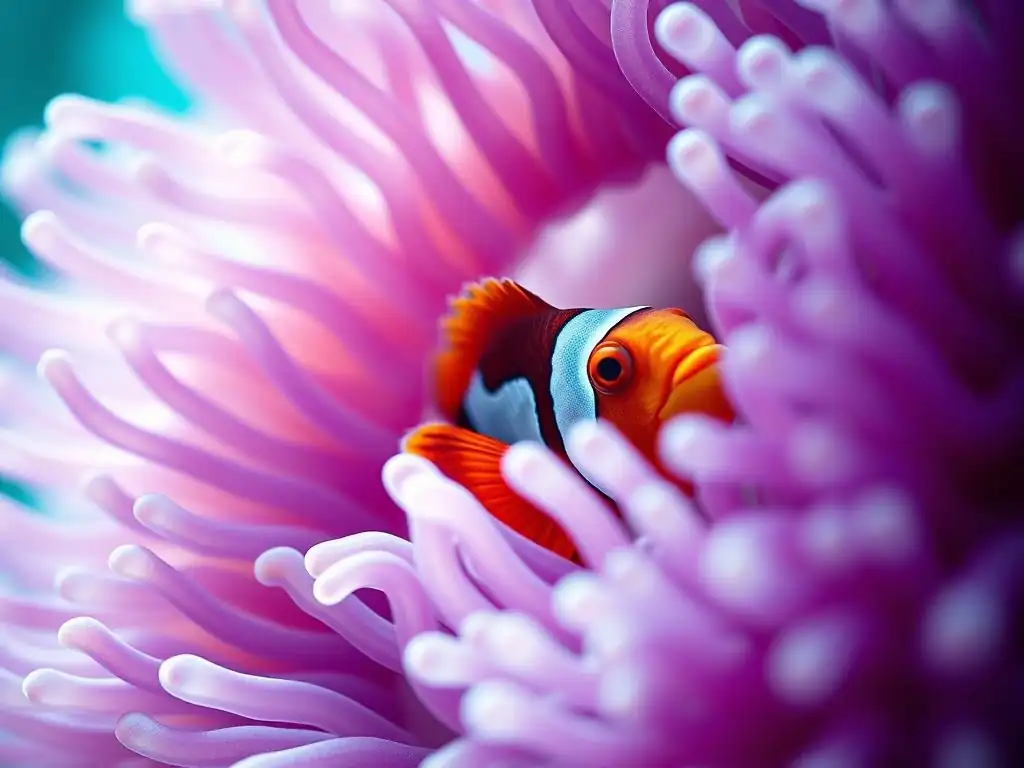
The Symbiotic Relationship Between Clownfish and Anemones
The symbiotic relationship between clownfish and sea anemones is one of nature's most iconic partnerships, a classic example of mutualism. Clownfish, including the Ocellaris, possess a unique mucus coating that prevents them from being stung by the anemone's nematocysts (stinging cells). This allows the clownfish to safely reside within the anemone's tentacles, gaining protection from predators that are unable to withstand the anemone's sting.
In return for shelter, the clownfish offers several benefits to its host. It can actively defend the anemone from certain predators, such as butterflyfish, which may try to eat the anemone's tentacles. Clownfish also help keep the anemone clean by removing detritus and parasites. Furthermore, their waste products provide nutrients, such as ammonia, which can be utilized by the symbiotic algae (zooxanthellae) living within the anemone's tissues, contributing to the anemone's overall health and growth. This intricate Ocellaris clownfish anemone compatibility guide highlights the specific needs of both partners.
Best Anemone Species for Ocellaris Clownfish: A Compatibility Guide
While Ocellaris clownfish are known to host a variety of anemone species in the wild, not all are equally suitable or practical for home aquariums. The success of an Ocellaris clownfish anemone compatibility guide hinges on choosing an appropriate host that can thrive in captivity and is readily accepted by the clownfish. It's important to note that even with suitable species, some individual clownfish may never host an anemone, especially if they were tank-bred without prior exposure.
The most commonly accepted and recommended host anemones for Ocellaris clownfish in the aquarium trade include the Bubble Tip Anemone ( Entacmaea quadricolor), Sebae Anemone ( Heteractis crispa), and occasionally the Carpet Anemone ( Stichodactyla gigantea). Each of these anemones has specific care requirements that must be met to ensure both the anemone and the Ocellaris clownfish thrive. Providing a stable environment, proper lighting, and excellent water quality are paramount for any anemone.
Bubble Tip Anemone ( Entacmaea quadricolor ) and Ocellaris Clownfish
The Bubble Tip Anemone ( Entacmaea quadricolor), often abbreviated as BTA, is arguably the most popular and commonly recommended host anemone for Ocellaris clownfish. Its popularity stems from its relatively hardy nature compared to other host anemones, its vibrant coloration (ranging from green and rose to red and purple), and its distinctive "bubble tips" when fully inflated and healthy. Ocellaris clownfish show a very high propensity to host BTAs, often associating with them within hours or days of introduction.
Successful keeping of a BTA requires stable water parameters, moderate to strong lighting (typically 200-400 PAR), and moderate, indirect water flow. A mature aquarium of at least 30-50 gallons (approx. 114-189 liters) is recommended, as BTAs can grow quite large, sometimes reaching 12-18 inches (30-45 cm) in diameter. They also require supplemental feeding of meaty foods like mysis shrimp or chopped fish a few times a week to maintain their health and vitality, particularly if the lighting is not exceptionally strong.
Sebae Anemone ( Heteractis crispa) and Ocellaris Clownfish [Less Common Pairing]
The Sebae Anemone ( Heteractis crispa), also known as the Leather Anemone or Leathery Sea Anemone, is another species that Ocellaris clownfish can host, though it is a less common pairing in home aquariums compared to the Bubble Tip Anemone. Sebae Anemones are characterized by their long, often sticky tentacles that can vary in color from white, cream, or brown to vibrant purples and greens. They typically have a distinct purple or blue oral disc.
Sebae Anemones are generally more challenging to keep than BTAs and are not recommended for novice aquarists. They require very pristine water quality, strong lighting (often 300-500+ PAR), and moderate to strong turbulent water flow. A large, mature aquarium of at least 50-75 gallons (approx. 189-284 liters) is necessary, as they can grow quite large, reaching diameters of up to 20 inches (50 cm). Due to their more demanding care requirements and sensitivity to changes in water parameters, the Sebae Anemone is considered a more advanced host option for an Ocellaris clownfish anemone compatibility guide.
Carpet Anemone ( Stichodactyla gigantea) and Ocellaris Clownfish [Requires Larger Tank]
Carpet Anemones, such as Stichodactyla gigantea (Giant Carpet Anemone), are natural hosts for Ocellaris clownfish in the wild, but they are generally not recommended for most home aquariums due to their immense size and potent sting. These anemones can grow to an impressive diameter of 3 feet (approximately 90 cm) or more, requiring exceptionally large tanks—typically 100 gallons (approx. 378 liters) or more—to thrive and not overwhelm the entire system.
Beyond their size, Carpet Anemones possess a very strong sting that can harm other tank inhabitants, including corals and even human skin upon contact. They demand extremely high light levels (often 400-600+ PAR) and very stable, pristine water conditions. Their care is highly specialized, making them suitable only for experienced aquarists with very large, dedicated systems. While an Ocellaris clownfish will readily host in a Carpet Anemone, the challenges associated with keeping the anemone itself often make it an impractical choice for the average hobbyist.
Introducing Anemones to Your Ocellaris Clownfish Tank: A Step-by-Step Guide
Introducing an anemone to an Ocellaris clownfish tank requires careful planning and execution to ensure the well-being of both organisms. First, ensure your aquarium is mature and stable, ideally running for at least 6-12 months with consistently excellent water parameters (ammonia and nitrite 0 ppm, nitrate <10 ppm, stable salinity, temperature, and pH). A new tank is simply not stable enough to support an anemone.
Once your tank is prepared, select a healthy anemone from a reputable dealer. Acclimate the anemone slowly using a drip acclimation method over at least 60-90 minutes to gradually match your tank's salinity and temperature. After acclimation, gently place the anemone in a low-flow area on the substrate or a stable rock, allowing it to choose its preferred location. Avoid forcing it into a spot, as anemones will move until they find optimal conditions.
Monitor the anemone closely for signs of stress (e.g., deflated appearance, mouth gaping). Once the anemone has settled, your Ocellaris clownfish may take some time, sometimes days or even weeks, to begin hosting. You can encourage hosting by placing the clownfish near the anemone, but avoid direct physical contact that might stress either animal.
Troubleshooting: When Ocellaris Clownfish Reject Anemones [Possible Reasons and Solutions]
It is not uncommon for Ocellaris clownfish, especially those that are tank-bred and have never encountered an anemone before, to initially reject or ignore a newly introduced host. One primary reason for rejection is simply a lack of prior experience; many commercially bred Ocellaris clownfish are raised without an anemone, so they don't instinctively recognize it as a host. In such cases, patience is key. Sometimes, the clownfish will eventually "learn" to host over a period of days or even weeks.
Other factors contributing to rejection or non-hosting behavior include an unhealthy or stressed anemone, which may not be releasing the appropriate chemical signals to attract the clownfish. Ensure the anemone's care requirements (lighting, flow, feeding) are perfectly met. Additionally, if the tank is too small or there are overly aggressive tank mates, the clownfish may feel too stressed to engage in hosting behavior.
Providing ample space and ensuring a peaceful environment can help. In some instances, a clownfish may prefer a specific type of anemone, and if the chosen species isn't their preferred host, they may ignore it. While frustrating, it's important to remember that hosting is a natural behavior, but not a guaranteed one, and an Ocellaris clownfish can live a full, healthy life without ever hosting an anemone.
Feeding Your Ocellaris Clownfish: Ensuring Proper Nutrition
Natural Diet of Ocellaris Clownfish in the Wild
In their natural reef habitat, Ocellaris clownfish are omnivorous, with a diet that primarily consists of zooplankton, small crustaceans, and various types of algae. They are opportunistic feeders, often foraging in the water column for passing plankton. Their close association with host anemones also influences their diet; they may consume uneaten food scraps from the anemone's meals, and some research suggests they may even feed on dead or dying tentacles of their host, contributing to the anemone's health by removing detritus.
This varied natural diet provides them with a wide range of essential nutrients, including proteins, fats, carbohydrates, vitamins, and minerals, all crucial for their growth, coloration, and overall health. Understanding their wild feeding habits helps aquarists formulate a balanced and nutritious diet in captivity, ensuring that all dietary needs are met to prevent deficiencies and promote vitality.
Recommended Foods for Ocellaris Clownfish in Captivity
To mimic their natural diet and ensure comprehensive nutrition, Ocellaris clownfish in captivity should be fed a varied diet of high-quality marine-specific foods. A staple diet should include finely chopped frozen foods such as mysis shrimp, brine shrimp (enriched), and copepods. These provide essential proteins and fatty acids that are vital for their health and vibrant coloration.
In addition to frozen foods, high-quality flake foods and pellets specifically formulated for marine omnivores are excellent choices. Look for brands that list marine proteins (like fish meal, krill, or spirulina) as primary ingredients. Supplementing their diet with marine-based algae flakes or sheets, such as spirulina or nori, can also provide necessary plant-based nutrients and fiber. Offering a diverse range of foods not only ensures a balanced diet but also keeps the fish engaged and prevents boredom.
Feeding Schedule and Portion Sizes for Optimal Health
Establishing a consistent feeding schedule and providing appropriate portion sizes are critical for the health of Ocellaris clownfish and the overall water quality of the aquarium. For adult Ocellaris clownfish, feeding two to three times per day is generally recommended. Juveniles, due to their faster metabolism and growth rate, may benefit from more frequent feedings, perhaps three to four times daily, but with smaller portions.
The key to proper portion size is to feed only what your clownfish can consume within 1-2 minutes. Overfeeding is a common mistake that can lead to significant water quality issues, including elevated nitrates and phosphates, which can fuel undesirable algae growth and stress tank inhabitants. If you notice uneaten food settling on the substrate, reduce the portion size. This approach ensures that the fish receive adequate nutrition without compromising the delicate balance of the marine ecosystem.
Supplementing the Ocellaris Clownfish Diet [Vitamins and Minerals]
While a varied diet of high-quality frozen and dry foods typically provides most of the necessary nutrients, supplementing the Ocellaris clownfish diet with additional vitamins and minerals can further enhance their health, immune system, and coloration. Many commercially available liquid vitamin supplements are designed for marine fish and can be soaked into frozen foods just before feeding.
For instance, products rich in Vitamin C, such as Selcon or Vita-Chem, are often recommended, as Vitamin C is crucial for immune function and stress resistance in fish. Garlic extracts are also sometimes used, not only for their potential immune-boosting properties but also to enhance palatability for finicky eaters. However, supplementation should be done judiciously and according to product instructions, as over-supplementation can be detrimental. A balanced approach ensures your Ocellaris clownfish receive all the necessary micronutrients for long-term vitality.
Ocellaris Clownfish Health and Disease Prevention
Common Diseases Affecting Ocellaris Clownfish
Despite their general hardiness, Ocellaris clownfish are susceptible to several common marine aquarium diseases, particularly if water quality is poor or they are stressed. One of the most prevalent is Marine Ich ( Cryptocaryon irritans), characterized by small white spots resembling salt grains on the fish's body and fins, accompanied by rapid breathing and scratching against tank decor. Another common ailment is Marine Velvet ( Amyloodinium ocellatum), which presents as a fine, dusty, golden or brownish coating on the fish, often causing rapid gill movements and lethargy.
Bacterial infections can also occur, manifesting as fin rot, cloudy eyes, or ulcers on the body, often secondary to stress or injury. Less common but still possible are internal parasites, which might cause weight loss despite regular feeding, or bloat. Understanding these common diseases is the first step in effective Ocellaris clownfish care and prevention, allowing for prompt identification and treatment.
Identifying Symptoms of Illness in Ocellaris Clownfish
Early identification of illness is crucial for successful treatment and preventing the spread of disease in an Ocellaris clownfish tank. Aquarists should regularly observe their fish for any changes in appearance or behavior. Key symptoms to watch for include: altered swimming patterns, such as darting, twitching, or difficulty maintaining buoyancy; changes in coloration, like fading or darkening; and visible external signs such as white spots, fuzzy growths, red streaks, or frayed fins.
Behavioral changes are also strong indicators of stress or disease. These can include loss of appetite, lethargy, hiding excessively, rapid or labored breathing (gasping at the surface or increased gill movement), or constant scratching against rocks or substrate. Any deviation from their normal, active, and curious behavior warrants closer inspection and immediate action to diagnose and address the underlying issue, ensuring optimal Ocellaris clownfish care.
Quarantine Procedures for New Ocellaris Clownfish
Implementing a strict quarantine procedure for all new Ocellaris clownfish (and any other new livestock) is perhaps the single most effective measure for preventing disease introduction into a display tank. A dedicated quarantine tank (QT) of 10-20 gallons (approx. 38-76 liters) is ideal, equipped with a heater, sponge filter, and PVC pipes for hiding places, but no substrate or elaborate decor that could absorb medication.
New clownfish should spend a minimum of 4-6 weeks in the QT. During this period, observe them closely for any signs of illness. Many aquarists opt for a prophylactic treatment regimen, even if no symptoms are present, to eliminate potential parasites like Ich or Velvet. Common prophylactic treatments include copper-based medications (e.g., Copper Power, Cupramine) or Chloroquine Phosphate. Freshwater dips can also be used for immediate parasite removal. This proactive approach significantly reduces the risk of devastating outbreaks in your main display tank, safeguarding your existing inhabitants and ensuring thorough Ocellaris clownfish care.
Treatment Options for Sick Ocellaris Clownfish
The appropriate treatment for a sick Ocellaris clownfish depends entirely on the accurate diagnosis of the disease. For external parasitic infections like Marine Ich or Velvet, copper-based medications are highly effective. These treatments must be administered in a hospital or quarantine tank, as copper is toxic to invertebrates and corals. The duration of copper treatment typically ranges from 14-30 days, maintaining a consistent therapeutic level (e.g., 0.5-0.8 ppm for ionic copper).
Bacterial infections often respond well to broad-spectrum antibiotics, which can be administered through medicated foods or as a bath treatment in a hospital tank. Fungal infections, though less common in marine systems, may require antifungal medications. It is crucial to follow dosage instructions precisely and complete the full course of treatment, even if symptoms improve, to prevent recurrence and antibiotic resistance. Always prioritize maintaining excellent water quality throughout the treatment period, as clean water aids in the healing process.
Maintaining a Healthy Aquarium Environment to Prevent Disease
Preventing disease in Ocellaris clownfish is far more effective and less stressful than treating it. The cornerstone of disease prevention is maintaining a stable, healthy, and pristine aquarium environment. This begins with thorough tank cycling before adding any fish, ensuring the nitrogen cycle is fully established and ammonia and nitrite are undetectable. Consistent water parameters, including salinity, temperature, and pH, must be maintained within optimal ranges, as fluctuations can stress fish and weaken their immune systems.
Regular maintenance, such as weekly or bi-weekly water changes (10-20%), cleaning of mechanical filtration media, and proper protein skimming, is essential to keep nitrates and other pollutants low. Providing a high-quality, varied diet ensures the fish receive all necessary nutrients, bolstering their immune system. Avoiding overstocking the tank and selecting compatible tank mates reduces stress and aggression. Finally, strict quarantine of all new livestock eliminates the introduction of pathogens, creating a robust and resilient environment for your Ocellaris clownfish.
Ocellaris Clownfish Tank Mates: Choosing Compatible Species
Ideal Tank Mates for Ocellaris Clownfish
Ocellaris clownfish are generally peaceful and make excellent additions to a variety of community reef and FOWLR (Fish Only With Live Rock) aquariums, provided their tank mates are chosen carefully. Ideal companions are other small to medium-sized, peaceful marine fish that will not outcompete the clownfish for food or territory. Good choices often include species like Royal Grammas ( Gramma loreto), which are vibrant and occupy different areas of the tank.
Other suitable tank mates include small gobies (e.g., Yellow Watchman Goby, Diamond Watchman Goby), blennies (e.g., Lawnmower Blenny, Starry Blenny), and certain damselfish (though some damselfish can be aggressive, so choose wisely, such as the Azure Damsel). Small, peaceful wrasses (e.g., Six-Line Wrasse, Possum Wrasse) can also coexist well. When selecting tank mates, always consider the adult size of the fish and their specific temperament to ensure a harmonious environment for your Ocellaris clownfish.
Fish to Avoid Keeping with Ocellaris Clownfish [Aggressive or Predatory Species]
To ensure the safety and well-being of your Ocellaris clownfish, it is crucial to avoid housing them with aggressive, predatory, or overly boisterous species. Large, carnivorous fish such as Groupers, Lionfish, and large Anglerfish will view Ocellaris clownfish as potential prey. Even moderately aggressive fish like some larger tangs (e.g., Naso Tangs, Blue Tangs in smaller tanks) or certain triggerfish (e.g., Humu Humu Triggerfish) can harass or injure the more docile clownfish, especially in confined spaces.
Highly territorial or semi-aggressive damselfish species, other than the few peaceful exceptions, should also be avoided, as they can constantly nip at and stress Ocellaris clownfish. Similarly, certain large angelfish (e.g., Emperor Angelfish) may become aggressive as they mature. The general rule of thumb is to avoid any fish that is significantly larger, known for aggression, or has a mouth large enough to swallow an Ocellaris clownfish.
Invertebrate Compatibility with Ocellaris Clownfish
Ocellaris clownfish are generally reef-safe and compatible with most common invertebrates found in marine aquariums. They pose no threat to corals (LPS, SPS, soft corals), although if they host an anemone and the anemone moves too close to corals, the anemone's sting can damage them. Various types of shrimp, such as cleaner shrimp ( Lysmata amboinensis), peppermint shrimp ( Lysmata wurdemanni), and sexy shrimp ( Thor amboinensis), can coexist peacefully with Ocellaris clownfish.
Other compatible invertebrates include snails (e.g., turbo snails, nassarius snails) and hermit crabs, which serve as excellent cleanup crew members. Starfish (e.g., sand sifting starfish, brittle stars) and various types of sea cucumbers are also generally safe. The primary concern regarding invertebrate compatibility usually lies with the invertebrates themselves posing a threat to other tank inhabitants or having very specific care requirements, rather than the Ocellaris clownfish being a danger to them.
Breeding Ocellaris Clownfish: A Detailed Guide
Setting Up a Breeding Tank for Ocellaris Clownfish
To successfully breed Ocellaris clownfish, a dedicated breeding tank is highly recommended, as it provides a controlled environment free from predators and competition. A tank size of 10-20 gallons (approx. 38-76 liters) is sufficient for a breeding pair. The tank should be equipped with a sponge filter for gentle filtration, a heater to maintain a stable temperature of 78-82°F (25.5-28°C), and a small powerhead for gentle water circulation.
Crucially, the breeding tank needs a suitable spawning surface. A clay flowerpot (new and unglazed), a ceramic tile, or a piece of slate placed on the bottom of the tank provides an ideal location for the clownfish to lay their eggs. Ensure the tank is cycled and water parameters are stable and pristine (ammonia/nitrite 0 ppm, nitrate <10 ppm, salinity 1.023-1.025). Dim lighting is often preferred by breeding pairs, and a lid is essential to prevent jumping.
Conditioning Ocellaris Clownfish for Breeding
Conditioning Ocellaris clownfish for breeding involves providing them with an exceptionally nutritious and varied diet to ensure they are in peak health and readiness to spawn. This process, often called "fattening up," should begin several weeks or even months before you expect spawning. Feed the breeding pair multiple times a day (3-5 times) with a diverse array of high-quality, protein-rich foods.
Recommended conditioning foods include live or frozen mysis shrimp, enriched brine shrimp, finely chopped silversides, and high-quality marine pellets. Supplementing their diet with vitamin-enriched foods can also boost their reproductive health. A healthy, well-fed pair is more likely to spawn regularly and produce viable eggs. Consistent water changes and stable water parameters in the breeding tank also contribute significantly to successful conditioning.
Identifying Male and Female Ocellaris Clownfish
Identifying male and female Ocellaris clownfish can be straightforward once a pair has formed, especially given their protandrous hermaphroditism. All Ocellaris clownfish are born male, and the largest, most dominant individual in a group will eventually transition into a female. Consequently, the female in a bonded pair will almost always be noticeably larger and more robust than the male.
The male, while smaller, will still be mature and often exhibits a more streamlined body shape compared to the female's rounder, egg-laden appearance when she is ready to spawn. Behavioral cues also help: the female will typically be the more dominant partner, while the male will be more attentive to her and to the chosen spawning site. Observing these size and behavioral differences allows for accurate identification of a breeding pair.
The Ocellaris Clownfish Breeding Process: Spawning and Egg Care
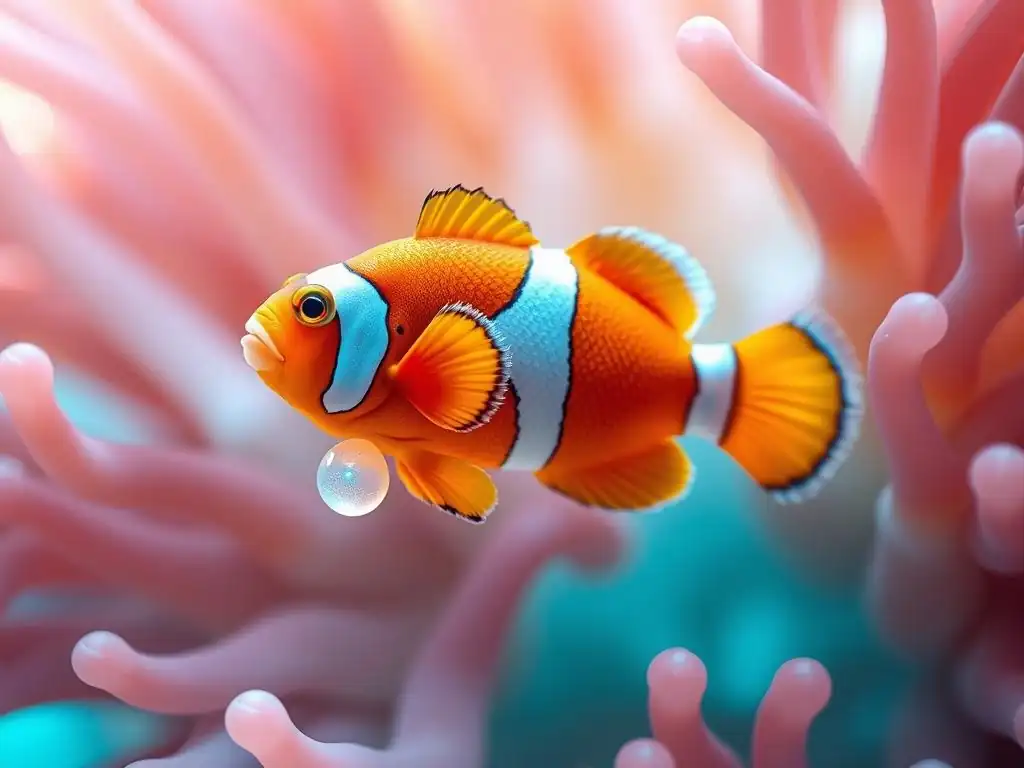
The Ocellaris clownfish breeding process typically begins with the pair meticulously cleaning a chosen spawning site, usually a flat surface like a clay pot. The female then lays a clutch of orange to reddish-brown eggs, ranging from 100 to over 1,000 eggs, depending on her size and age. The male immediately follows, fertilizing the eggs. This spawning event usually occurs every 10-14 days once a pair is established and conditioned.
After spawning, the male Ocellaris clownfish takes on the primary role of egg care. He diligently fans the eggs with his fins to provide oxygenation, removes unfertilized or fungus-covered eggs, and guards them fiercely from any perceived threats. The eggs typically hatch after 7-10 days, depending on water temperature, usually a few hours after the tank lights go out, often around dusk or early morning.
Raising Ocellaris Clownfish Fry: From Hatching to Juvenile
Raising Ocellaris clownfish fry is the most challenging aspect of breeding but also the most rewarding. Once the eggs hatch, the tiny, translucent fry are planktonic and require immediate feeding with live food. The crucial first food for Ocellaris fry is rotifers ( Brachionus plicatilis), which are small enough for their mouths and provide essential nutrition. Rotifers should be cultured and enriched with nutritional supplements (e.g., phytoplankton) before feeding.
As the fry grow, typically after 7-10 days, they will transition from rotifers to larger live foods like newly hatched brine shrimp nauplii. Around 15-20 days post-hatch, they can begin to accept finely crushed flake foods or specialized powdered fry diets. Maintaining pristine water quality in the fry rearing tank is paramount, requiring multiple small water changes daily and careful removal of uneaten food. As they develop their characteristic stripes and coloration, they transition from fry to juvenile, typically around 30-45 days post-hatch, at which point they can be gradually weaned onto a standard Ocellaris clownfish diet.
Purchasing Ocellaris Clownfish: What to Look For
Selecting Healthy Ocellaris Clownfish at the Fish Store
When purchasing Ocellaris clownfish, selecting healthy specimens is crucial for their successful integration into your aquarium. Look for fish that are active and alert, swimming freely without any labored breathing or erratic movements. Their fins should be fully intact, without any signs of tearing or fraying. The body should appear full and well-fed, not sunken or emaciated, and their coloration should be vibrant and uniform, free from any cloudy patches, white spots (like Ich), or fuzzy growths (like fungus).
Observe the fish's behavior in the store tank for at least 10-15 minutes. Ensure they are not hiding excessively or exhibiting signs of stress, such as clamped fins or rapid gill movements. Inquire about their feeding habits at the store and confirm they are readily accepting food. A reputable fish store will house their clownfish in clean, well-maintained tanks and be able to provide information about their origin (wild-caught vs. tank-bred) and previous diet, aiding in your Ocellaris clownfish care journey.
Acclimation Procedures for New Ocellaris Clownfish
Proper acclimation is a critical step in introducing new Ocellaris clownfish to your aquarium, minimizing stress and preventing shock from changes in water parameters. The drip acclimation method is highly recommended for marine fish due to its slow and gradual approach. Begin by floating the sealed bag containing the clownfish in your quarantine tank (or display tank, if no quarantine is used) for 15-20 minutes to equalize temperature.
After temperature equalization, open the bag and secure it in a container larger than the bag itself. Using airline tubing, start a slow drip of water from your aquarium into the container, aiming for about 1-2 drips per second. Allow the water volume in the container to double over a period of 45-60 minutes. Once the volume has doubled, carefully net the clownfish and transfer it to the tank, discarding the water from the bag. Avoid pouring the bag water into your aquarium, as it may contain undesirable pathogens or pollutants.
Ethical Considerations When Buying Ocellaris Clownfish
Ethical considerations play an important role when acquiring Ocellaris clownfish, impacting both the health of the fish and the sustainability of marine ecosystems. Whenever possible, choose tank-bred Ocellaris clownfish over wild-caught specimens. Tank-bred fish are generally hardier, more accustomed to aquarium life and prepared foods, and less likely to carry diseases or parasites. More importantly, purchasing tank-bred clownfish supports sustainable aquaculture practices, reducing pressure on wild populations and fragile coral reef habitats.
Inquire about the source of the fish from your local fish store. A reputable dealer will be transparent about their suppliers and practices. Avoid purchasing fish from stores where tanks appear dirty, overcrowded, or where fish show visible signs of disease. Supporting responsible aquarists and ethical businesses helps ensure the long-term viability of the hobby and the conservation of marine life, contributing positively to broader Ocellaris clownfish care.
Conclusion: Mastering Ocellaris Clownfish Care
Recap of Key Considerations for Ocellaris Clownfish Keeping
Mastering Ocellaris clownfish care involves a holistic approach that prioritizes stable water parameters, a suitable environment, proper nutrition, and vigilant health monitoring. Key considerations include providing a minimum 20-gallon tank for a pair, maintaining specific gravity between 1.023-1.025, temperature at 74-82°F, and undetectable ammonia/nitrite levels. Effective filtration, regular water changes, and a varied diet of high-quality marine foods are non-negotiable for their long-term health and vibrant coloration.
When considering an anemone, the Bubble Tip Anemone is the most recommended host due to its compatibility and relative hardiness, though proper lighting and water flow are essential for its well-being. Selecting peaceful tank mates and implementing a strict quarantine protocol for all new additions are critical steps in disease prevention. By adhering to these guidelines, aquarists can enjoy the engaging antics and beauty of Ocellaris clownfish for many years, often exceeding a decade in well-maintained aquariums.
Resources for Further Learning About Ocellaris Clownfish
For aquarists seeking to deepen their understanding and expertise in Ocellaris clownfish care, a wealth of resources is available. Reputable online forums and communities dedicated to saltwater aquariums, such as Reef2Reef or The Reef Central, offer invaluable opportunities to connect with experienced hobbyists, ask questions, and learn from shared experiences. These platforms often host detailed discussions on everything from advanced filtration techniques to specific Ocellaris clownfish anemone compatibility guide scenarios.
Beyond online communities, several comprehensive books on marine aquarium keeping and specialized clownfish care provide in-depth scientific and practical information. Websites of established marine aquaculture facilities or academic institutions often publish research and care guides. Attending local aquarium club meetings or expos can also provide networking opportunities and access to expert advice, ensuring continuous learning and refinement of your Ocellaris clownfish care practices.
Frequently Asked Questions
What anemones are most compatible with Sebae clownfish?
Sebae clownfish are notoriously picky about anemone hosts. While they can host with a few, they often reject them. Heteractis crispa (Sebae anemone) is their natural host, but other options are rarely successful.
Why is it difficult to pair Sebae clownfish with anemones in aquariums?
Sebae clownfish in aquariums often struggle to adapt to available anemones. This is likely due to differences in water quality, lighting, and the anemones themselves compared to their natural habitat.
What are the risks involved in introducing a Sebae clownfish to an anemone?
If the clownfish doesn't host, it can experience stress, leading to illness or death. The anemone can also be harmed if the clownfish excessively nips or irritates it during attempts to host.
What water parameters are crucial for successfully keeping Sebae clownfish and anemones?
Maintaining stable water parameters is essential. This includes proper salinity, temperature, pH, ammonia, nitrite, and nitrate levels. Regular water changes are critical.
What should I do if my Sebae clownfish is not showing interest in its anemone?
Monitor the clownfish for signs of stress. Ensure the anemone is healthy and properly acclimated. You can also try introducing a second, smaller Sebae clownfish.
Final Reflection: The Symbiotic Dance Continues
The intricate relationship between the Sebae clownfish and its anemone host, as explored throughout this guide, is more than just a biological curiosity; it's a powerful metaphor for interdependence and mutual benefit in a world increasingly defined by isolation. Understanding the nuances of this symbiotic dance, from proper care to anemone compatibility, allows us not only to create thriving aquarium ecosystems but also to appreciate the delicate balance that sustains life itself.
This journey into the world of Amphiprion sebae has underscored the profound impact that even seemingly small creatures can have on our understanding of the natural world. The dedication required to successfully keep these fish and their anemones mirrors the commitment needed to foster healthy relationships in our own lives. In nature, nothing exists alone.
- Rachel Carson. This quote reminds us that every action, every choice, ripples outwards, affecting the delicate web of connections that binds us all.
As you close this guide, consider the lessons learned about patience, observation, and the importance of providing the right environment for growth. Let the vibrant colors and fascinating behaviors of the Sebae clownfish and its anemone serve as a constant reminder to cultivate your own symbiotic relationships – to seek out connections that nurture, support, and allow both parties to flourish. Embrace the challenge of creating a harmonious ecosystem, both within your aquarium and within your life, and witness the beauty that unfolds.
Unleash the Vibrant Beauty of Sebae Clownfish!
Thank you for diving deep into the captivating world of Sebae Clownfish. We hope you've gained valuable insights into their care and anemone pairings. Now, it's time to translate that knowledge into action!
- Embark on your Sebae adventure! Conduct thorough research, and if ready, carefully source a healthy Sebae Clownfish from a reputable vendor. Be sure to provide the proper tank environment it requires for success.
- Explore the fascinating world of anemones! Delve into anemone compatibility and research the care needs of potential host anemones like Heteractis crispa.
- Spread the Sebae love! Share this article with fellow aquarium enthusiasts and spark discussions about the best practices for keeping these stunning fish.
What specific aspect of Sebae Clownfish care are you most eager to implement in your own aquarium journey?