
Best Substrate for Zoanthid Gardens: Sand, Rock, or Bare Bottom?

Welcome to Aquarium Mastery!
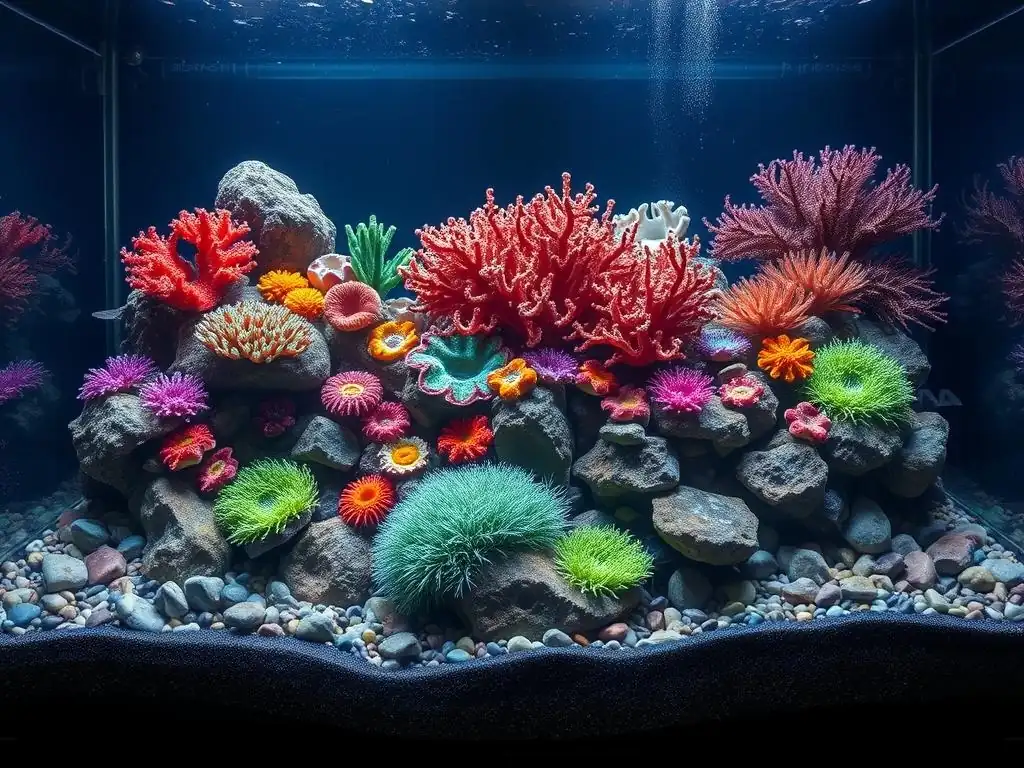
Ever wondered what the absolute best foundation is for a thriving zoanthid garden? Dive into our Zoanthid Substrate Choice Guide and uncover the secrets to creating the perfect environment for these captivating corals. Choosing the right substrate can make all the difference between a struggling colony and a vibrant, flourishing reef... Curious to learn more? Let's explore the options together!
- Understanding Zoanthid Substrate Needs for Optimal Growth
- Sand Substrate for Zoanthids: Pros and Cons
- Rock Substrate for Zoanthids: A Detailed Look
- Bare Bottom Tanks for Zoanthids: Is It the Right Choice?
- Comparing Sand, Rock, and Bare Bottom: A Zoanthid Substrate Comparison Chart
- Choosing the Right Substrate: Factors to Consider for Your Zoanthid Garden
- Tips for Maintaining Your Chosen Zoanthid Substrate
- Conclusion: The Ideal Substrate for Your Zoanthid Garden Depends on Your Goals
-
Frequently Asked Questions
- What are Zoanthids and why does substrate choice matter?
- What are the pros and cons of using sand as a substrate for Zoanthids?
- How does using live rock as a Zoanthid substrate differ from using dry rock?
- What are the benefits of a bare-bottom tank for keeping Zoanthids?
- Are there any specific substrate types that Zoanthids should never be placed on?
- Final Reflection: Cultivating Thriving Zoanthid Reefs
- Ignite Your Zoanthid Garden: Start Growing Now!
Understanding Zoanthid Substrate Needs for Optimal Growth
Why Substrate Matters for Zoanthid Health and Color
Substrate provides the fundamental anchorage for Zoanthids, which are sessile polyps, meaning they attach themselves to a surface and do not move. This stable base is crucial for their survival and well-being, as it minimizes stress from dislodgement and allows them to fully extend their polyps. In their natural reef habitats, Zoanthids are commonly found encrusting onto rockwork, rubble zones, or even shells, illustrating their need for a secure attachment point to thrive.
The connection between a suitable substrate and Zoanthid health extends to their ability to efficiently absorb light and nutrients. A stable colony, securely anchored, can maintain optimal polyp extension, maximizing its exposure to light for photosynthesis and facilitating the capture of suspended food particles from the water column. Conversely, an unstable Zoanthid colony, perhaps one on a frag plug not properly secured, might retract more frequently or be easily dislodged, leading to reduced light exposure and potential fading of their vibrant colors, a common issue observed in hobbyist tanks where the Zoanthid substrate choice guide is overlooked.
Zoanthid Placement and Its Impact on Substrate Choice
The intended placement of Zoanthids within the aquarium significantly influences the most appropriate substrate choice. Zoanthids generally prefer moderate water flow and moderate lighting conditions, and the substrate directly impacts how effectively these environmental parameters can be met for the colony. For instance, a Zoanthid colony intended for a high-flow, high-light area near the top of the aquascape will require a different substrate solution than one destined for a lower-flow, shadier spot.
Consider a specific example: a prized 'Rasta' Zoanthid colony, known for its vibrant coloration and specific light requirements, might thrive best when securely attached to a piece of live rock positioned higher in the tank to receive ample PAR (Photosynthetically Active Radiation). In contrast, a more adaptable 'Green Starburst' Zoanthid might do perfectly well encrusting a small piece of rubble placed directly on a sand bed or even on the bare bottom of the tank. This highlights that the ultimate success of your Zoanthid garden is deeply intertwined with thoughtful Zoanthid substrate choice and careful placement.
Sand Substrate for Zoanthids: Pros and Cons
Advantages of Sand Beds for Zoanthid Colonies
Natural Look and Feel
A sand bed provides an aesthetically pleasing and natural appearance, mimicking the shallow reef zones where many Zoanthid species originate. It offers a seamless transition from the live rock aquascape, enhancing the visual depth and overall appeal of a Zoanthid garden. Many aquarists find that the soft, granular texture of sand creates an authentic backdrop for the diverse and often striking colors of Zoanthid colonies, making the aquarium appear more cohesive and established.
Furthermore, sand beds allow for flexible placement of Zoanthids, especially those mounted on small frag plugs. These can be gently nestled directly into the sand, allowing them to slowly encrust the surrounding grains and expand their footprint over time, creating sprawling Zoanthid "carpets." For example, a 2-inch frag of 'Vampire Slayer' Zoanthids, when properly placed on a stable sand bed, can begin to encrust outwards, potentially achieving a spread of 4-6 inches in diameter within a year under optimal conditions, offering a dynamic and natural growth pattern.
Potential for Beneficial Bacteria
Sand beds, particularly those with a depth of 3-4 inches or more (known as deep sand beds or DSBs), can host vast populations of beneficial bacteria, including both aerobic and anaerobic strains. The anaerobic bacteria residing in the deeper, oxygen-depleted layers are crucial for the denitrification process, which converts harmful nitrates into harmless nitrogen gas. This natural biological filtration significantly contributes to maintaining stable water parameters, which is vital for the long-term health and vibrancy of Zoanthid colonies.
A well-established sand bed can process a substantial amount of nitrogenous waste. Research and hobbyist experience suggest that a mature, healthy sand bed can contribute to reducing nitrate levels by 50-70% over several weeks in a properly balanced reef system. This natural nitrate reduction helps keep water quality pristine, preventing the accumulation of nutrients that can stress Zoanthids and promote nuisance algae growth, thereby making a sand bed a valuable component in a comprehensive Zoanthid substrate choice guide.
Disadvantages of Using Sand with Zoanthids
Potential for Detritus Buildup
One significant drawback of sand beds is their propensity to trap detritus, which includes uneaten food, fish waste, and decaying organic matter. This accumulation of organic waste can lead to elevated levels of nitrates and phosphates, fostering the growth of nuisance algae such as diatoms and cyanobacteria, which can outcompete or smother Zoanthid colonies. If not regularly managed, this nutrient buildup can severely impact the water quality and overall health of the Zoanthid garden.
Furthermore, neglected detritus in deeper sand beds can create anaerobic pockets, leading to the production of hydrogen sulfide, a gas highly toxic to marine life, including Zoanthids. In a 50-gallon aquarium with a 2-inch sand bed, a lack of consistent siphoning over 3-4 weeks can cause nitrate levels to spike from an ideal 5 ppm to over 20 ppm, inducing stress in Zoanthid colonies, often causing them to retract frequently, lose color, or even melt, underscoring the importance of diligent maintenance.
Sand Bed Instability
Sand beds can be prone to instability, especially in tanks with high water flow or active burrowing inhabitants like certain gobies or snails. Strong currents from powerheads can easily shift sand, creating bare spots or burying Zoanthid frags. Similarly, the digging activities of some fish or invertebrates can disturb the sand bed, leading to uneven surfaces and potential dislodgement of unattached Zoanthid colonies.
Zoanthid frags placed directly onto the sand bed might not always anchor securely, making them vulnerable to being knocked over or covered by shifting sand. This can impede their access to light and flow, crucial for their photosynthetic needs. For example, a powerhead rated at 1000 GPH (gallons per hour) in a relatively small 20-gallon tank can generate enough localized turbulence to easily shift a shallow sand bed, repeatedly dislodging unattached Zoanthid frags and requiring frequent manual re-placement, which can be frustrating for the aquarist.
Rock Substrate for Zoanthids: A Detailed Look
Benefits of Attaching Zoanthids to Rocks
Natural Reef Environment Simulation
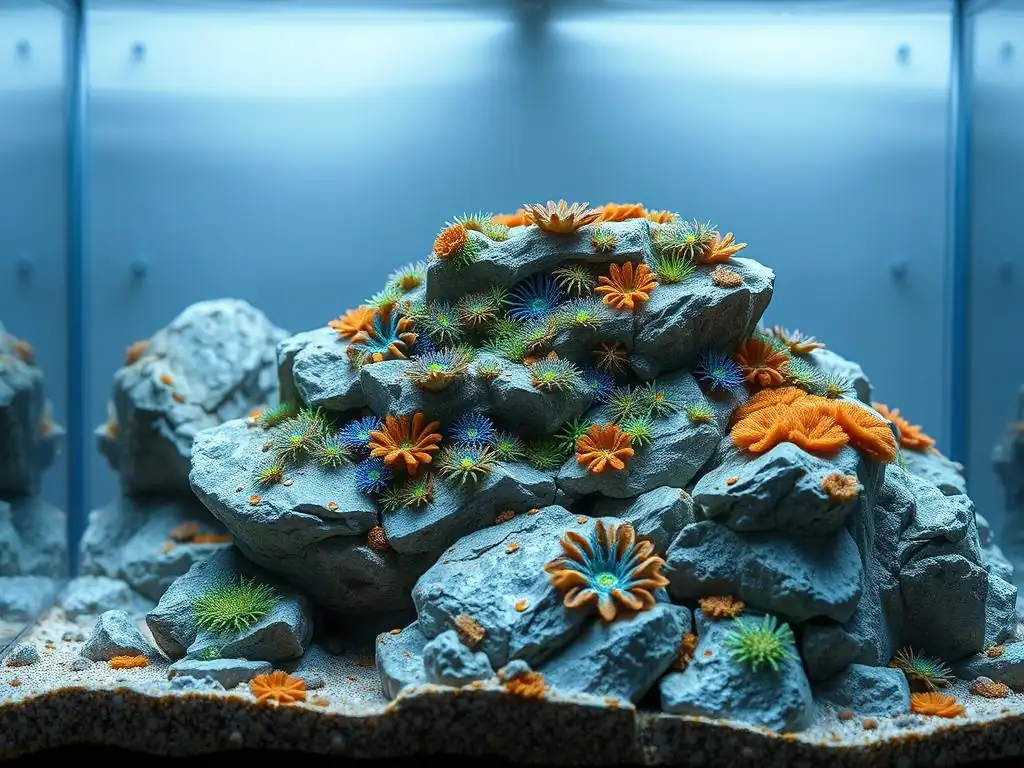
Attaching Zoanthids to live rock provides the most natural and stable substrate for their growth, closely mimicking their native reef environments where they commonly encrust onto rocky structures. This organic integration enhances the aesthetic appeal of a Zoanthid garden, allowing colonies to spread naturally across the rockwork and blend seamlessly into the aquascape. The porous nature of live rock also offers ample surface area for beneficial nitrifying bacteria, contributing significantly to the biological filtration of the aquarium.
Live rock is a cornerstone of a healthy reef ecosystem, acting as a natural filter and providing microhabitats. A general guideline for effective biological filtration suggests using 1 to 1.5 pounds of live rock per gallon of tank water. This extensive surface area ensures robust bacterial colonies that break down ammonia and nitrites, maintaining the stable water parameters essential for the long-term health and vibrant coloration of Zoanthid colonies, making it a prime consideration in any Zoanthid substrate choice guide.
Easy Fragging and Propagation
One of the significant advantages of growing Zoanthids on rock is the ease with which colonies can be managed, fragged, and propagated. Zoanthids, when attached to small frag plugs or directly to manageable pieces of live rock, can be easily moved within the tank or removed for propagation. This facilitates the controlled expansion of your Zoanthid garden and allows for sharing or trading frags with other hobbyists.
As Zoanthids encrust onto a rock, they form a solid, stable colony that is less susceptible to accidental dislodgement compared to those simply resting on sand. When it comes to propagation, a well-established colony can be carefully cut or broken off from the main rock, yielding numerous new polyps. For instance, a healthy 4-inch diameter colony of Zoanthids encrusting a rock can be propagated to produce dozens of new polyps within a year, making it an efficient method for expanding your collection or sharing with others.
Drawbacks of Rock Substrates for Zoanthids
Limited Placement Options
Once Zoanthids have securely encrusted onto a large piece of live rock, their placement within the aquarium becomes relatively permanent. Unlike small frag plugs that can be easily repositioned, moving a large, established Zoanthid colony on a rock can be challenging. It may require significant effort, potentially disturbing the entire aquascape or even risking damage to the colony itself if not handled with extreme care.
This permanence can limit future aquascaping flexibility. If a Zoanthid colony grows exceptionally large, begins to shade other corals, or if you simply wish to reconfigure your tank layout, relocating the colony might necessitate disassembling portions of the rock structure. Such an undertaking can be time-consuming and stressful for the aquarium inhabitants, underscoring a key consideration when making a long-term Zoanthid substrate choice.
Competition with Other Corals
While Zoanthids are generally considered peaceful corals, they can still compete for space and resources with other coral species, especially if placed too closely on the same rock structure. Fast-growing soft corals, certain LPS (Large Polyp Stony) corals with sweeping tentacles, or even other aggressive Zoanthid morphs can engage in chemical warfare or physically sting nearby Zoanthid colonies, leading to retraction, tissue necrosis, or even death in the affected area.
For example, placing a 'Dragon Soul' Favia coral too close to a vibrant 'God of War' Zoanthid colony on the same rock can result in the Favia's sweeper tentacles stinging the Zoanthids, causing them to close up and eventually recede. To mitigate such issues, it is generally recommended to maintain a buffer zone of at least 3-4 inches between different coral types on the same rock, depending on the aggression level of the species involved, ensuring each colony has ample room to thrive without competition.
Bare Bottom Tanks for Zoanthids: Is It the Right Choice?
Advantages of Bare Bottom Systems for Zoanthid Keeping
Easy Cleaning and Maintenance
Bare bottom tanks offer a significant advantage in terms of cleaning and maintenance efficiency. Without a sand bed to trap detritus, uneaten food, and fish waste settle directly on the glass bottom, making it incredibly easy to siphon out during routine water changes. This eliminates the need for time-consuming sand bed siphoning, which can be a tedious task in heavily stocked reef tanks.
This streamlined cleaning process dramatically reduces the overall labor involved in maintaining a Zoanthid garden. For instance, a typical weekly cleaning and water change in a 50-gallon bare bottom tank might take approximately 20-30 minutes, whereas a tank of similar size with a deep sand bed requiring thorough siphoning could take 45-60 minutes or more. This time-saving aspect is a major draw for hobbyists seeking a low-maintenance approach to their Zoanthid substrate choice.
Reduced Nutrient Buildup
Bare bottom systems inherently experience lower levels of accumulated organic waste compared to tanks with sand beds, as there are no porous areas for detritus to settle and decompose. This translates directly to more stable and consistently lower concentrations of nitrates and phosphates, which are key nutrients that fuel nuisance algae growth. By preventing the accumulation of these undesirable compounds, bare bottom tanks provide a cleaner, more stable environment for Zoanthid health.
The reduced nutrient load in bare bottom tanks minimizes the risk of outbreaks of problematic algae, such as cyanobacteria or diatoms, which often proliferate in nutrient-rich environments. Many successful Zoanthid gardens are maintained in bare bottom setups, consistently demonstrating nitrate levels below 5 ppm and phosphates below 0.05 ppm. This exceptional water quality contributes to the vibrant coloration and robust growth of Zoanthid colonies, making bare bottom a compelling option in a Zoanthid substrate choice guide focused on nutrient control.
Disadvantages of Bare Bottom Aquariums for Zoanthids
Unnatural Appearance
One of the primary disadvantages of bare bottom tanks for Zoanthid gardens is their less natural aesthetic appeal. The exposed glass bottom can appear stark and detract from the illusion of a natural reef environment, which many aquarists strive to create. While live rock aquascaping can still be employed, the absence of a substrate layer often results in a visual lack of depth and organic continuity that a sand bed typically provides.
For aquarists prioritizing the visual authenticity of their reef tank, the reflective surface of the bare glass bottom can be a significant detractor. The stark contrast between the vibrant corals and the exposed floor can break the immersive experience, with some hobbyists finding the reflections or the lack of a natural bottom distracting from the overall beauty of their Zoanthid garden.
Increased Water Flow Requirements
In bare bottom tanks, higher water flow rates are often necessary to ensure that detritus remains suspended in the water column and is efficiently exported to the sump or external filtration systems (e.g., protein skimmer, filter socks). Without a sand bed to trap waste, strong and turbulent flow is crucial to prevent organic matter from settling and accumulating on the tank floor.
However, this increased flow can present a challenge for some Zoanthid species that prefer moderate rather than highly turbulent water movement. While many Zoanthids are adaptable, excessively high or direct flow can cause them to retract frequently, struggle to fully extend their polyps, or even detach from their frag plugs or rockwork. For instance, a 75-gallon bare bottom display tank might require total circulation of 7,500-11,250 GPH (100-150 times the tank volume turnover) to ensure optimal detritus removal, a significantly higher flow rate than typically needed for a sand-bedded tank of similar size.
Comparing Sand, Rock, and Bare Bottom: A Zoanthid Substrate Comparison Chart
Key Considerations for Zoanthid Substrate Selection
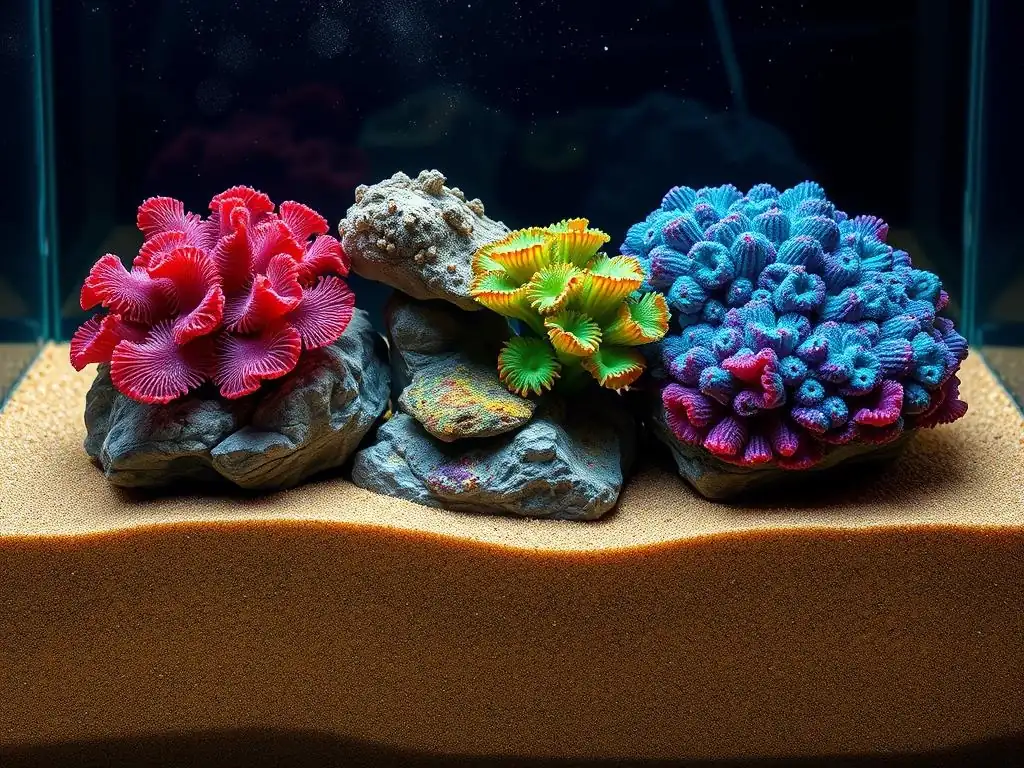
When navigating the Zoanthid substrate choice guide, aquarists must weigh various factors, as the "best" option is highly subjective and depends on individual tank goals, maintenance philosophy, and the specific Zoanthid species being kept. Each substrate type—sand, rock, and bare bottom—presents a unique set of advantages and disadvantages that will influence the long-term success and aesthetic appeal of your Zoanthid garden.
The ultimate decision should be an informed one, balancing the practicalities of maintenance with the desired visual outcome and the specific needs of your Zoanthid colonies. Understanding the nuances of each option allows hobbyists to make a choice that aligns with their commitment level and ensures a thriving environment for their Zoanthids, leading to a vibrant and healthy reef display.
Ease of Maintenance Comparison
Maintenance effort varies significantly among the different Zoanthid substrate options. Bare bottom tanks are generally the easiest to maintain, requiring simple siphoning of settled detritus from the glass bottom during water changes. Sand beds, especially deeper ones, are the most involved, necessitating regular, careful siphoning to prevent detritus buildup and potential anaerobic pockets, which can be time-consuming. Rock-heavy setups require moderate maintenance, primarily involving blowing off detritus from the rockwork with a turkey baster, but can be complex if large colonies need to be moved.
To illustrate, a typical 40-gallon breeder tank might require approximately 15 minutes weekly for bare bottom maintenance (excluding water changes), whereas a similar tank with a sand bed could demand 30 minutes or more for thorough siphoning. A rock-heavy setup might fall in between, perhaps around 20 minutes, depending on the complexity of the aquascape. These time commitments are crucial factors for busy aquarists considering their Zoanthid substrate choice.
Aesthetic Preferences and Zoanthid Placement
Aesthetics play a substantial role in the selection of a Zoanthid substrate. Many aquarists prefer the natural, soft look of a sand bed, which provides a seamless transition and depth to the aquascape, allowing for flexible placement of Zoanthid frags directly onto the sand. Others might favor the clean, minimalist lines of a bare bottom tank, which emphasizes the rockwork and the corals themselves. Rock substrates offer a structured, authentic reef appearance where Zoanthids can naturally encrust and become integrated into the display.
Zoanthid placement is also influenced by the chosen substrate. On sand, frags can be easily moved and rearranged to optimize lighting and flow. On rock, once Zoanthids encrust, their placement becomes more permanent, limiting future aquascaping changes. Bare bottom tanks require Zoanthids to be attached to frag racks or secured onto rock structures, which might constrain the ability to create natural-looking, sprawling Zoanthid carpets.
Long-Term Health and Growth
The long-term health and growth of a Zoanthid garden are intimately linked to the stability of water parameters, which can be influenced by the chosen substrate. Sand beds can offer some buffering capacity and host diverse bacterial communities, but they also pose a risk of nutrient accumulation if not meticulously maintained.
Bare bottom tanks excel in nutrient control due to the easy export of detritus, leading to consistently lower nitrate and phosphate levels, but they lack the natural buffering and biological diversity of a sand bed. Rock substrates provide stable attachment points and significant biological filtration capacity, contributing to overall system stability.
A well-maintained sand bed can support Zoanthid colonies for many years, with some hobbyists reporting colonies thriving for over 5-7 years in mature, sand-bedded systems. Similarly, bare bottom tanks equipped with robust filtration can see Zoanthid colonies grow exponentially, often doubling in polyp count within 6-12 months under ideal conditions, demonstrating that long-term success is achievable across different substrate types, provided the system is managed effectively.
Choosing the Right Substrate: Factors to Consider for Your Zoanthid Garden
Tank Size and Dimensions
The size and dimensions of your aquarium are crucial factors when making your Zoanthid substrate choice. Smaller nano tanks, typically under 20 gallons, have limited water volume, making them more susceptible to rapid parameter fluctuations if nutrient accumulation occurs. For these smaller systems, a shallow sand bed (1 inch or less) or a bare bottom approach is often preferred to minimize the risk of detritus traps and nutrient spikes.
Larger aquariums, such as those 50 gallons and above, offer more flexibility regarding substrate depth and type. They can more easily accommodate a deep sand bed (3-4 inches) for enhanced biological filtration or extensive rockwork without compromising water stability. For instance, a 10-gallon nano tank might struggle to maintain stable conditions with a deep sand bed, whereas a 100-gallon display tank can comfortably support a 4-inch deep sand bed or an elaborate bare bottom aquascape, providing ample volume to dilute any potential issues related to the Zoanthid substrate.
Water Flow and Lighting
The interplay between water flow, lighting, and your chosen Zoanthid substrate is critical for the health and vibrancy of your colonies. High water flow can be problematic for sand beds, as it can stir up fine particles, create sandstorms, and potentially bury Zoanthid frags. In contrast, bare bottom tanks often require higher flow to ensure detritus remains suspended for efficient removal, which needs to be balanced with Zoanthids' preference for moderate, non-turbulent flow.
Lighting considerations also influence substrate choice and Zoanthid placement. Zoanthids generally thrive under moderate PAR levels, typically ranging from 50 to 150 PAR, though some high-end morphs may prefer up to 200 PAR. If Zoanthids are placed on a rock structure, the rock's height and position will dictate the light intensity they receive. On a bare bottom, Zoanthids on frag racks or small rocks can be easily adjusted to find their ideal light sweet spot, making the Zoanthid substrate choice guide an integrated decision with equipment setup.
Specific Zoanthid Species and Their Substrate Preferences
While most Zoanthid species are remarkably adaptable to various substrate types, some rare or high-end morphs might exhibit subtle preferences or perform better under specific conditions. Understanding the natural habitat of a particular Zoanthid species can offer clues to its ideal placement and substrate. For instance, species commonly found encrusting rocky outcrops in nature might thrive best when securely attached to live rock in the aquarium.
Conversely, some Zoanthids might be more tolerant of or even prefer placement on a sand bed if their natural counterparts are found in sandy or rubble zones. When acquiring specific Zoanthid morphs, researching their care requirements and typical growth patterns can provide valuable insights. For example, popular 'Utter Chaos' Zoanthids, often sold as small frag plugs, will readily encrust onto live rock or even a bare glass bottom with a frag rack, showcasing their versatility, but ensuring their initial stability is paramount for successful long-term growth in your Zoanthid garden.
Tips for Maintaining Your Chosen Zoanthid Substrate
Sand Bed Maintenance Techniques
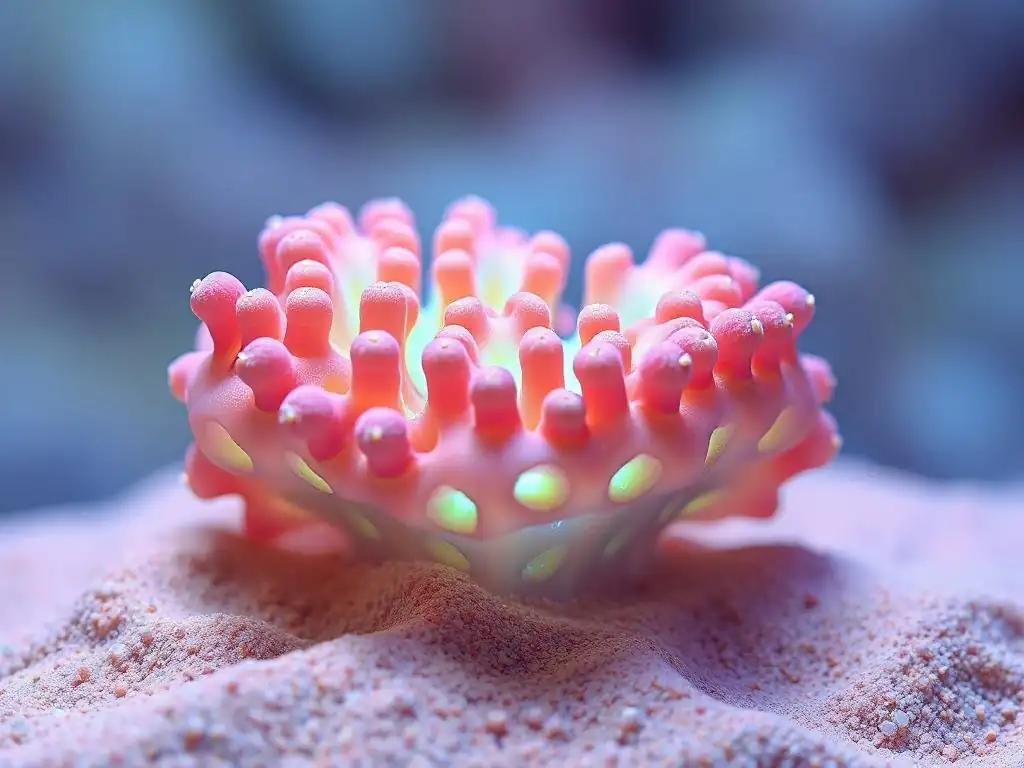
Maintaining a sand bed for a Zoanthid garden requires consistent effort to prevent nutrient buildup and ensure a healthy environment. During weekly water changes, gently siphon the top layer of the sand bed, especially in areas where detritus visibly accumulates. It is crucial to avoid disturbing the deeper, anaerobic layers of the sand bed, as this can release harmful gases and disrupt the beneficial bacterial populations crucial for denitrification.
In addition to manual siphoning, incorporating sand-stirring invertebrates can significantly aid in maintenance. Species like Nassarius snails (e.g., Nassarius vibex) actively burrow through the top inch or two of sand, preventing dead spots and aerating the substrate, which helps to prevent detritus from settling too deeply. For instance, a few Nassarius snails can effectively turn over the top layer of sand in a 20-gallon tank, reducing the need for intensive manual siphoning and contributing to a cleaner Zoanthid substrate.
Rock Substrate Cleaning and Placement Strategies
Maintaining a rock substrate for your Zoanthid garden primarily involves ensuring stable placement and preventing detritus accumulation on the rockwork itself. Regularly use a turkey baster or a small powerhead to gently blow off any detritus that settles on the surface of the rocks and around the Zoanthid colonies. This dislodged detritus can then be siphoned out of the water column during routine maintenance.
When initially aquascaping, ensure that all live rock pieces are securely placed and interlocked to prevent any shifts or collapses. Using reef-safe epoxy or cement can provide additional stability, especially for larger or precarious structures. This proactive approach prevents accidental rock falls that could crush or damage delicate Zoanthid colonies, a rare but devastating event for any Zoanthid garden, highlighting the importance of thoughtful Zoanthid substrate setup.
Bare Bottom Tank Management
Managing a bare bottom tank for Zoanthids focuses on maximizing detritus export and maintaining pristine water quality. Due to the absence of a substrate to trap waste, robust water flow is essential to keep detritus suspended, allowing it to be efficiently carried to the sump or external filtration. Strategically placed powerheads can create turbulent flow patterns that prevent any organic matter from settling on the tank floor.
Furthermore, a highly efficient filtration system is critical. This typically includes a high-capacity protein skimmer, filter socks, and potentially other mechanical filtration media in the sump. Filter socks, for example, should be changed every 2-3 days in a heavily stocked bare bottom tank to physically remove particulate waste before it can break down and contribute to nutrient buildup. This diligent management ensures consistently low nitrate and phosphate levels, which are ideal for the long-term health and vibrant growth of Zoanthid colonies in a bare bottom system.
Conclusion: The Ideal Substrate for Your Zoanthid Garden Depends on Your Goals
Frequently Asked Questions
What are Zoanthids and why does substrate choice matter?
Zoanthids are a type of soft coral often kept in reef aquariums. The substrate impacts water quality, stability, and the ability for Zoanthids to attach and thrive.
What are the pros and cons of using sand as a substrate for Zoanthids?
Sand provides a natural-looking environment and can harbor beneficial bacteria. However, it can also trap detritus, leading to nutrient buildup and potential algae problems.
How does using live rock as a Zoanthid substrate differ from using dry rock?
Live rock introduces beneficial bacteria and microfauna, creating a more stable ecosystem. Dry rock requires a longer cycling period and may initially lack the biological diversity of live rock.
What are the benefits of a bare-bottom tank for keeping Zoanthids?
A bare-bottom tank allows for easy cleaning and prevents detritus accumulation. This can help maintain pristine water quality and reduce the risk of algae blooms.
Are there any specific substrate types that Zoanthids should never be placed on?
While not strictly forbidden, avoid substrates that release harmful chemicals or are overly abrasive. Ensure the substrate is reef-safe and appropriate for a saltwater environment.
Final Reflection: Cultivating Thriving Zoanthid Reefs
The debate surrounding the ideal substrate for zoanthid gardens remains a vibrant and crucial discussion within the reefing community. Understanding the nuances of sand, rock, and bare bottom setups is no longer just about aesthetics; it's about fostering a thriving ecosystem that supports the health and vibrancy of these captivating corals. The choices we make today directly impact the long-term success and beauty of our reef aquariums.
This exploration of zoanthid substrate choices has highlighted the importance of informed decision-making in reef keeping. Personally, I've learned that there's no one-size-fits-all answer, and the best approach is often tailored to individual tank parameters and personal preferences. The key is not to prioritize one method over another, but to understand the strengths and weaknesses of each and choose the one that best suits your specific needs and goals.
This understanding is paramount to creating a flourishing environment for our zoanthids.
As you consider the future of your own zoanthid garden, I encourage you to reflect on the principles discussed here. Don't be afraid to experiment, to observe, and to adapt your approach based on the unique needs of your corals. Embrace the journey of learning and discovery, and you'll be rewarded with a vibrant and captivating reef that brings joy for years to come.
Ignite Your Zoanthid Garden: Start Growing Now!
Thank you for diving into the world of Zoanthid substrates with us! We hope you've gained valuable insights into choosing the perfect foundation for your vibrant Zoanthid garden. Now it's time to put that knowledge into action and witness the beauty of thriving corals firsthand.
Here’s how you can start right now:
- Carefully consider the pros and cons of each substrate and select the option that best aligns with your tank's needs and your personal maintenance style. Remember, a healthy substrate is a happy Zoanthid garden!
- Experiment with strategic rock placement to create varied flow patterns, promoting optimal health and color vibrancy in your Zoanthids.
- Share your own Zoanthid substrate experiences with other reefers online – your insights could help someone create their dream aquarium!
What specific substrate are you most excited to experiment with in your Zoanthid garden, and why?