
Creating a South American Blackwater Biotope for Apistogrammas

Welcome to Aquarium Mastery!
Ever dreamt of recreating the mysterious, tannin-rich waters of the Amazon in your own home? Dive into our comprehensive guide on the Apistogramma blackwater biotope setup and unlock the secrets to creating a thriving South American paradise for these captivating dwarf cichlids. What hidden challenges and surprising rewards await you on this aquatic adventure? Let's explore!
- Understanding the Apistogramma Blackwater Biotope
- Planning Your Apistogramma Blackwater Aquarium
- Recreating the Blackwater Environment: Water Chemistry
- Selecting Substrate and Hardscape for Your Apistogramma Biotope
- Plants for an Apistogramma Blackwater Biotope
- Choosing the Right Apistogramma Species
- Introducing and Acclimating Apistogrammas to Your New Biotope
- Apistogramma Care and Maintenance in a Blackwater Biotope
- Breeding Apistogrammas in a Blackwater Biotope
- Troubleshooting Common Issues in Apistogramma Blackwater Biotopes
- The Beauty and Benefits of a Thriving Apistogramma Blackwater Biotope.
-
Frequently Asked Questions
- What is a blackwater biotope and why is it suitable for Apistogrammas?
- What are the key components of a successful Apistogramma blackwater biotope setup?
- What types of plants are recommended for an Apistogramma blackwater biotope aquarium?
- How do I properly prepare the water to mimic blackwater conditions for Apistogrammas?
- What are some common mistakes to avoid when setting up an Apistogramma blackwater biotope?
- Final Reflection: Embracing the Blackwater's Whisper
- Embark on Your Biotope Journey Today!
Understanding the Apistogramma Blackwater Biotope
What is a Blackwater Biotope Aquarium?
A blackwater biotope aquarium is a specialized setup designed to replicate the natural aquatic environments found in regions like the Amazon Basin, particularly the slow-moving rivers and flooded forests. This unique habitat is characterized by its tea-stained, dark water, which is a result of tannins and humic acids released from decaying organic matter such as leaves, wood, and peat. These substances create a naturally soft, acidic water chemistry, typically with a pH ranging from 4.0 to 6.5 and very low general and carbonate hardness (GH/KH often below 3 dKH).
The "black" appearance of the water is not due to dirt or pollution, but rather the dissolved organic compounds that absorb light, giving the water a distinctive amber or brownish hue. This low-light, chemically stable environment is home to many specialized fish species, including various dwarf cichlids. Recreating an Apistogramma blackwater biotope setup involves careful selection of substrate, hardscape, and water parameters to mimic these specific natural conditions, providing an ideal home for your fish.
Why Choose a Blackwater Biotope for Apistogrammas?
Apistogrammas, a diverse genus of dwarf cichlids, originate predominantly from these very blackwater environments in South America. Their natural habitats are often characterized by dense leaf litter, submerged roots, and incredibly soft, acidic water. Choosing an Apistogramma blackwater biotope setup directly addresses their specific physiological and behavioral needs, promoting not just survival but thriving within the aquarium.
This specialized environment significantly reduces stress on the fish, as they are kept in conditions closely mirroring their native waters. The unique water chemistry and subdued lighting encourage natural behaviors such as foraging, territorial displays, and, most notably, successful breeding. Furthermore, the presence of tannins in the water provides natural anti-bacterial and anti-fungal properties, which can contribute to the overall health and disease resistance of the Apistogrammas.
Benefits of a Natural Habitat for Apistogramma Health
The specific water chemistry and environmental conditions of an Apistogramma blackwater biotope setup offer profound health benefits. The humic substances and tannins released by leaf litter and driftwood have been shown to boost the immune systems of fish, acting as natural disinfectants and reducing the proliferation of common aquatic pathogens. For instance, studies have indicated that tannic acid can inhibit the growth of certain harmful bacteria and fungi, leading to fewer instances of fin rot or fungal infections.
Beyond disease prevention, the soft, acidic water minimizes osmotic stress on Apistogrammas, as their bodies are adapted to efficiently regulate salts in ion-poor environments. This reduces the energy expenditure typically associated with osmoregulation in harder water, allowing more energy for growth, coloration, and reproduction. The subdued lighting and ample hiding spots provided by the blackwater setup also contribute to a lower stress level, leading to more vibrant colors, increased activity, and a greater likelihood of successful breeding, with many species preferring pH values between 5.5 and 6.5 for optimal egg viability.
Planning Your Apistogramma Blackwater Aquarium
Determining the Right Tank Size for Apistogrammas
When planning an Apistogramma blackwater biotope setup, selecting the appropriate tank size is crucial for the well-being and natural behavior of these territorial dwarf cichlids. While a single pair of smaller Apistogramma species like Apistogramma borellii might survive in a 10-gallon aquarium, a 20-gallon long (30" x 12" x 12" / 76cm x 30cm x 30cm) or a 29-gallon tank (30" x 12" x 18" / 76cm x 30cm x 46cm) is generally considered the minimum for a single pair of most common species such as Apistogramma cacatuoides or Apistogramma agassizii.
The longer footprint of a 20-gallon long provides more horizontal swimming space and territory, which is more beneficial than vertical height for these bottom-dwelling fish.
For keeping multiple Apistogramma pairs, or a male with a small harem (one male with two or three females), a 40-gallon breeder tank (36" x 18" x 16" / 91cm x 46cm x 41cm) or larger is highly recommended. This increased footprint allows for the creation of multiple distinct territories using driftwood and leaf litter, minimizing aggression and stress. For example, a 40-gallon breeder could comfortably house a trio of Apistogramma macmasteri along with a small school of peaceful dither fish, allowing each female to establish her own spawning territory without excessive conflict.
Essential Equipment for a Blackwater Setup
Setting up an Apistogramma blackwater biotope requires specific equipment to maintain the unique water parameters and environment. Beyond the basic aquarium tank, you will need a reliable heater to maintain stable temperatures, a thermometer for accurate monitoring, and a gentle filtration system. Crucially, given the specific water chemistry requirements, a reverse osmosis (RO) or deionized (DI) water system is often essential to achieve the extremely soft water needed for these fish.
Additionally, precise water testing kits for pH, general hardness (GH), and carbonate hardness (KH) are indispensable for monitoring and adjusting your water parameters. Materials that naturally release tannins, such as various types of driftwood, peat moss, and a consistent supply of dried leaves (like Indian Almond leaves), are also fundamental to establishing and maintaining the desired blackwater conditions and color.
Filtration for Blackwater Apistogramma Tanks
Filtration in an Apistogramma blackwater biotope setup should prioritize gentle water movement and biological stability over strong current. Apistogrammas prefer calm, slow-moving waters, so powerful filters that create turbulent flow should be avoided. Excellent choices include sponge filters, which offer effective biological filtration with minimal current and are safe for fry, or small hang-on-back (HOB) filters with adjustable flow rates. Canister filters can also be used, but their output should be baffled or directed to minimize strong currents.
It is important to note that activated carbon or other chemical filtration media that remove tannins should generally be avoided in a blackwater tank, as they will strip the water of its characteristic color and beneficial humic substances. Instead, consider placing aquarium-grade peat moss in a filter bag within the filter to slowly release beneficial acids and tannins, further contributing to the desired low pH and soft water conditions while providing additional biological filtration.
Lighting Considerations for a Blackwater Environment
Lighting for an Apistogramma blackwater biotope setup should be subdued and moderate, mimicking the dappled sunlight that penetrates the dense canopy and tannin-stained waters of their natural habitats. Intense lighting can stress Apistogrammas, causing them to lose color and seek excessive cover, as they are naturally accustomed to dim conditions. LED lights with adjustable intensity or dimming capabilities are ideal, allowing you to fine-tune the brightness to create a natural, calming ambiance.
Aim for a photoperiod of about 6 to 8 hours per day. This duration is sufficient for any compatible low-light plants you might include, such as Anubias or Java Fern, without encouraging excessive algae growth in the already nutrient-rich, low-light environment. The dark, tannin-stained water itself will naturally diffuse and absorb much of the light, further contributing to the desired subdued atmosphere and enhancing the vibrant coloration of your Apistogrammas.
Heating and Temperature Control for Apistogrammas
Maintaining a stable and appropriate temperature is paramount for the health and well-being of Apistogrammas in a blackwater biotope setup. Most Apistogramma species thrive in tropical temperatures ranging from 76°F to 82°F (24°C to 28°C), with some species preferring the higher end of this range for breeding. Fluctuations in temperature can cause significant stress, weakening their immune systems and making them more susceptible to disease.
A reliable, appropriately sized aquarium heater with an accurate thermostat is essential. For larger tanks or to ensure redundancy, consider using two smaller heaters positioned at opposite ends of the tank to ensure even heat distribution. Always use a separate, accurate thermometer (digital or glass) to monitor the water temperature independently of the heater's setting, ensuring that the desired stable temperature is consistently maintained.
Recreating the Blackwater Environment: Water Chemistry
Achieving the Ideal Water Parameters for Apistogrammas
The cornerstone of a successful Apistogramma blackwater biotope setup lies in meticulously replicating their native water chemistry. This means aiming for very soft water and an acidic pH, typically within the range of 5.0 to 6.5. Wild Apistogrammas inhabit waters with extremely low mineral content, often with a general hardness (GH) below 3 dGH and carbonate hardness (KH) close to 0-1 dKH. Achieving and maintaining these specific parameters consistently is far more critical than simply darkening the water.
Regular and accurate testing of your water parameters using reliable liquid test kits is indispensable. Focus on pH, GH, and KH, as these directly impact the fish's osmoregulation and breeding success. Any significant fluctuations can cause severe stress to these sensitive fish, leading to health issues. Therefore, a proactive approach to water management, including the use of reverse osmosis (RO) or deionized (DI) water, is often necessary to provide a stable, ideal environment.
Soft Water and Low pH: Key to Blackwater Success
Soft water and low pH are not merely preferences for Apistogrammas; they are fundamental requirements for their physiological well-being and successful reproduction. Apistogrammas have evolved in environments where the water is naturally very soft, meaning it has a very low concentration of dissolved minerals like calcium and magnesium. In harder water, these fish can experience osmotic stress as their bodies work harder to regulate internal salt balances, leading to long-term health issues and a shortened lifespan.
Similarly, an acidic pH (typically below 6.5) is critical for several reasons. It inhibits the growth of many harmful bacteria and parasites, contributing to a healthier environment. More importantly, for breeding, the low pH is vital for egg viability and successful hatching. Many Apistogramma species' eggs simply will not develop or hatch in water with a pH above 7.0, and often require conditions as low as 5.0-6.0 for optimal success. This makes the precise control of water chemistry a defining characteristic of an effective Apistogramma blackwater biotope setup.
Using Natural Water Softeners: Peat Moss and Catappa Leaves
To naturally achieve the soft, acidic water conditions crucial for an Apistogramma blackwater biotope setup, aquarists often rely on organic materials that release humic substances. Aquarium-grade peat moss is a highly effective natural water softener and pH reducer. When placed in a filter media bag within a canister filter or hang-on-back filter, peat moss slowly leaches humic and fulvic acids into the water, gradually lowering the pH and reducing both general and carbonate hardness. It typically needs to be replaced every 4 to 8 weeks as its softening capabilities diminish.
Another indispensable natural softener and tannin source is Indian Almond Leaves (Catappa leaves). These leaves not only release significant amounts of beneficial tannins, imparting the characteristic blackwater tint, but also contribute to lowering pH and providing mild antibacterial and antifungal properties. A common guideline is to add 1-2 medium-sized Catappa leaves per 10 gallons of water, replacing them every 2-4 weeks as they decompose. Other options include alder cones and guava leaves, all of which contribute to the desired water chemistry and provide natural cover.
The Role of Tannins in Blackwater Aquariums
Tannins are the defining characteristic of an Apistogramma blackwater biotope setup, responsible for the water's distinctive amber or tea-stained color. These natural organic compounds, primarily humic and fulvic acids, are released from decaying plant matter such as driftwood, leaf litter, and peat moss. Beyond their aesthetic contribution, tannins play a crucial role in replicating the natural environment and promoting the health of blackwater fish.
Functionally, tannins naturally lower the pH and soften the water, mimicking the precise conditions Apistogrammas require. They also possess mild antiseptic and anti-fungal properties, which can help prevent common fish diseases by inhibiting the growth of harmful bacteria and fungi in the water column. Furthermore, the light-absorbing quality of tannins creates a subdued, calming environment that reduces stress for photophobic Apistogrammas, encouraging more natural behavior, brighter coloration, and increased breeding activity.
Monitoring and Adjusting Water Chemistry
Consistent monitoring and careful adjustment of water chemistry are vital for the long-term success of an Apistogramma blackwater biotope setup. Regular testing of pH, general hardness (GH), and carbonate hardness (KH) should be performed at least weekly, or more frequently during the initial setup phase. Liquid test kits provide more accurate readings than test strips and are highly recommended. Ammonia, nitrite, and nitrate levels should also be monitored to ensure the nitrogen cycle is functioning effectively.
If parameters drift, adjustments must be made slowly and cautiously. For instance, if the pH begins to rise, it may indicate a depletion of tannins or the need for more frequent addition of peat moss or leaf litter. If the water becomes too hard, increasing the proportion of RO/DI water during water changes is the most effective solution. Never attempt drastic, sudden changes to water chemistry, as this can severely stress or even kill sensitive Apistogrammas. Small, consistent adjustments over time are always preferable to maintain stability.
Selecting Substrate and Hardscape for Your Apistogramma Biotope
Choosing the Right Substrate for a Natural Look
The substrate plays a crucial role in an Apistogramma blackwater biotope setup, not just for aesthetics but also for the fish's natural behaviors. Fine, inert sand is the ideal choice, such as pool filter sand or specialized aquarium sands. Apistogrammas are natural sifters and enjoy digging through the substrate in search of food particles, and a fine sand substrate prevents injury to their delicate barbels. Avoid coarse or sharp gravels, which can damage their mouths and gills.
A darker colored sand can enhance the natural blackwater aesthetic, making the fish's colors appear more vibrant and reducing reflections that can stress them. A substrate depth of 1 to 2 inches (2.5 to 5 cm) is generally sufficient, allowing for root growth of any compatible plants and providing enough material for the Apistogrammas to sift through. This choice helps mimic the soft, silty bottoms found in their native riverbeds.
Adding Driftwood and Root Structures
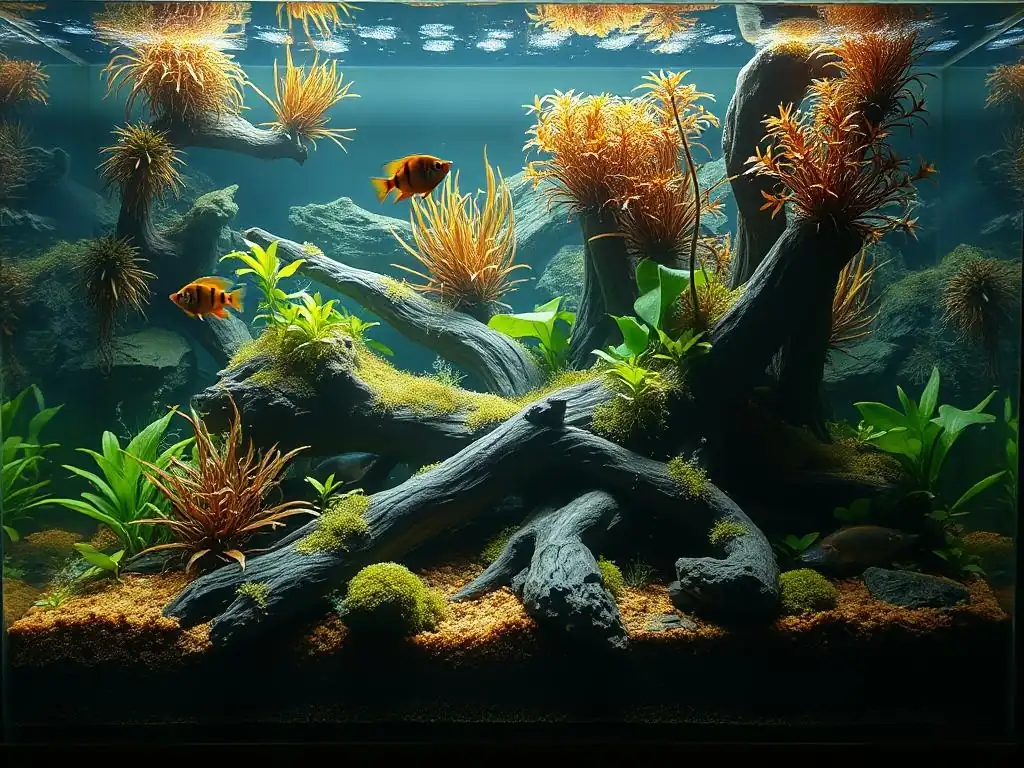
Driftwood and intricate root structures are indispensable elements in creating an authentic Apistogramma blackwater biotope setup. They serve multiple purposes: providing essential hiding spots and territorial boundaries for these cichlids, releasing beneficial tannins that contribute to the water's characteristic color and chemistry, and offering surfaces for beneficial biofilm growth. Types like Malaysian driftwood, Manzanita, and Spiderwood are popular choices due to their natural appearance and tannin-releasing properties.
When arranging driftwood, aim to create a complex network of caves, crevices, and visual barriers. This allows dominant males to establish territories without constant conflict, and provides secure retreats for females or subdominant fish. Before adding any driftwood, it's crucial to prepare it by boiling or soaking it for several days or weeks. This process helps to leach out excess tannins (preventing an overly dark tank initially) and ensures the wood becomes waterlogged enough to sink.
Incorporating Leaf Litter for a Realistic Blackwater Ecosystem
Incorporating a generous layer of leaf litter is perhaps the most defining and beneficial aspect of an Apistogramma blackwater biotope setup. This mimics the natural forest floor of their native habitats, where decaying leaves accumulate on the riverbed. Beyond contributing significantly to the blackwater aesthetic and tannin release, leaf litter provides vital foraging grounds for microfauna, which serve as a natural food source for Apistogrammas and their fry.
The leaves also offer crucial hiding spots and visual breaks, reducing stress and providing security for the fish, especially during breeding. As the leaves slowly decompose, they continuously release beneficial humic substances, contributing to the soft, acidic water chemistry and providing mild antibacterial and antifungal properties. Common types of leaves used include Indian Almond (Catappa) leaves, dried Oak leaves, and Guava leaves, all of which are safe for aquarium use.
Sourcing and Preparing Leaf Litter
Proper sourcing and preparation of leaf litter are essential for a healthy Apistogramma blackwater biotope setup. The safest option is to purchase leaves specifically sold for aquarium use from reputable aquatic suppliers, as these are guaranteed to be pesticide-free and clean. If collecting leaves yourself, ensure they come from a source that has not been exposed to pesticides, herbicides, or other pollutants, and identify the tree species correctly to ensure they are safe (e.g., Oak, Maple, Beech, Magnolia are generally safe, avoid cherry or fruit tree leaves).
Once sourced, the leaves should be thoroughly rinsed to remove any surface debris. Many aquarists opt to briefly boil the leaves for 5-10 minutes. This helps to sterilize them, make them sink faster, and leach out some of the initial, most intense tannins, preventing a sudden, drastic darkening of the water.
After preparation, a layer of leaves, typically 0.5 to 1 inch (1 to 2.5 cm) thick, can be added to the substrate. As they decompose, which usually takes 2-4 weeks depending on the leaf type, they should be replenished to maintain the desired effect and continuous release of beneficial compounds.
Plants for an Apistogramma Blackwater Biotope
Selecting Compatible Plants for Low Light and Acidic Conditions
While the focus of an Apistogramma blackwater biotope setup is often on hardscape and leaf litter, incorporating live plants can greatly enhance the natural feel and provide additional benefits. However, the low light levels and soft, acidic water characteristic of these biotopes mean that not all plants will thrive. It's crucial to select hardy species that are tolerant of these specific conditions and do not require intense lighting or a rich substrate.
Plants that derive most of their nutrients from the water column or through their leaves, rather than solely from the substrate, tend to do best. Epiphytic plants that can be attached to driftwood or rocks are particularly well-suited, as they don't rely heavily on the substrate, which is often fine sand. Focus on species known for their adaptability and low-light tolerance to ensure their success in this unique environment.
Planting Techniques for a Natural Appearance
Achieving a natural appearance in an Apistogramma blackwater biotope setup with plants involves strategic placement and appropriate planting techniques. For epiphytic plants like Anubias, Java Fern, and Bucephalandra, the rhizome (the thick horizontal stem from which leaves and roots grow) should never be buried in the substrate. Instead, these plants should be attached to driftwood or rocks using fishing line, super glue gel (aquarium safe), or by wedging them into crevices. Over time, their roots will naturally anchor them to the surface.
Cryptocoryne species, which are among the few stem plants that tolerate soft, acidic water and low light, can be planted directly into the fine sand substrate. When planting Cryptocorynes, gently bury their roots, but leave the crown (where the leaves emerge) exposed. Arrange plants to create natural clusters and provide additional visual barriers and hiding spots, contributing to the overall biotope aesthetic and the well-being of your Apistogrammas.
Examples of Suitable Plants
Several plant species are well-suited for the challenging conditions of an Apistogramma blackwater biotope setup, thriving in low light and soft, acidic water. Anubias barteri var. nana is an excellent choice due to its extreme hardiness and minimal light requirements. It can be easily attached to driftwood or rocks, providing a lush green contrast against the dark wood and water. Similarly, Microsorum pteropus, commonly known as Java Fern, is another robust epiphyte that tolerates a wide range of conditions and provides excellent cover.
Bucephalandra species, while sometimes more expensive, are also fantastic epiphytic options, offering a variety of leaf shapes and colors that thrive in low light and soft water. For foreground or midground planting in the sand, various Cryptocoryne species, such as Cryptocoryne wendtii or Cryptocoryne undulata, are highly recommended.
These plants adapt well to the soft, acidic conditions and can form dense clumps, providing additional hiding spots. Floating plants like Dwarf Water Lettuce ( Pistia stratiotes) or Salvinia species can also be used to further diffuse light and provide cover, though their growth should be managed to prevent complete light blockage.
Choosing the Right Apistogramma Species
Popular Apistogramma Species for a Blackwater Biotope
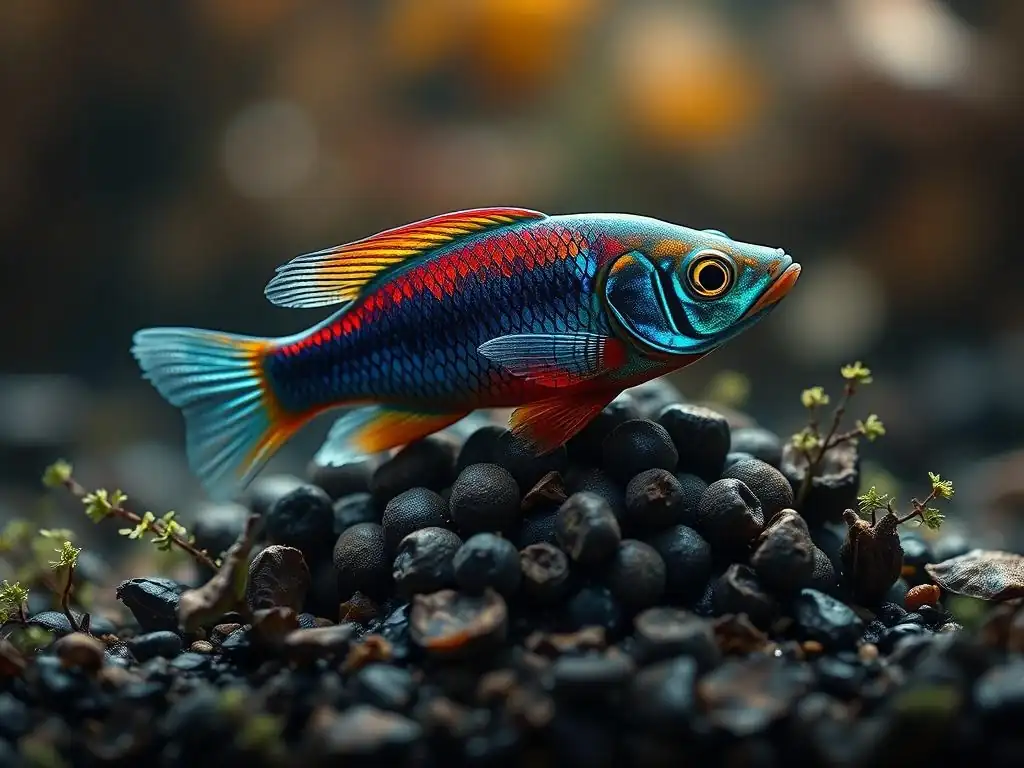
When embarking on an Apistogramma blackwater biotope setup, selecting the right species is crucial for success and enjoyment. Several popular Apistogramma species are ideally suited for these conditions, exhibiting vibrant colors and fascinating behaviors. The Cockatoo Dwarf Cichlid ( Apistogramma cacatuoides) is one of the most common and relatively hardy choices, known for its striking finnage and adaptable nature, with males reaching about 3 inches (7.5 cm). They are available in various color morphs like "Triple Red" or "Orange Flash."
Another excellent option is Agassiz's Dwarf Cichlid ( Apistogramma agassizii), celebrated for its intricate patterns and vibrant hues, with males growing up to 3.5 inches (9 cm). For smaller tanks or a more peaceful community, the Umbrella Dwarf Cichlid ( Apistogramma borellii) is a fantastic choice, typically reaching only 2.5 inches (6.5 cm) for males. Other suitable species include Macmaster's Dwarf Cichlid ( Apistogramma macmasteri) and Panda Dwarf Cichlid ( Apistogramma panduro), all of which benefit immensely from the specific parameters of an Apistogramma blackwater biotope setup.
Considering Compatibility Between Apistogramma Species
While Apistogrammas are generally considered dwarf cichlids, they are highly territorial, especially the males, and this must be a primary consideration when planning an Apistogramma blackwater biotope setup with multiple fish. It is generally advisable to keep only one male Apistogramma per tank unless the aquarium is very large (50 gallons or more) and heavily aquascaped with numerous visual barriers created by driftwood, plants, and leaf litter. This extensive cover helps to break lines of sight and minimize direct confrontations.
For most home aquariums, keeping a single pair or a trio (one male with two or three females) of a single species is the most successful approach to avoid excessive aggression. Females will typically establish their own smaller territories, especially when breeding.
Avoid mixing species that are very similar in appearance or aggression levels, as this can lead to intense inter-species conflict. When selecting tankmates, opt for small, peaceful schooling fish that primarily inhabit the upper water column, such as Cardinal Tetras ( Paracheirodon axelrodi), Ember Tetras ( Hyphessobrycon amandae), or Otocinclus catfish ( Otocinclus affinis), which will not compete for territory and can act as dither fish, making the Apistogrammas feel more secure.
Sourcing Healthy Apistogrammas from Reputable Breeders
The health and genetic quality of your Apistogrammas are paramount for the long-term success of your Apistogramma blackwater biotope setup. Sourcing fish from reputable breeders or specialized local fish stores significantly reduces the risk of introducing diseases into your carefully established biotope and ensures you acquire fish that are genetically robust. Reputable suppliers typically house their fish in appropriate conditions and can provide information on their origins, whether wild-caught or tank-bred.
When selecting fish, look for active, alert individuals with vibrant coloration, intact fins, and no visible signs of stress, such as clamped fins, rapid breathing, or lesions. Tank-bred Apistogrammas are often preferred as they are generally hardier and more accustomed to aquarium life than wild-caught specimens. Engaging with local aquarium clubs or online forums dedicated to dwarf cichlids can also connect you with passionate hobbyists and small-scale breeders who often offer high-quality, well-conditioned fish.
Introducing and Acclimating Apistogrammas to Your New Biotope
Proper Acclimation Procedures for Sensitive Fish
Apistogrammas are highly sensitive to sudden changes in water parameters, making proper acclimation a critical step when introducing them to your Apistogramma blackwater biotope setup. The drip acclimation method is strongly recommended for these delicate fish, as it allows for a very gradual adjustment to your tank's specific pH, temperature, and hardness. Begin by floating the sealed bag in your aquarium for 15-20 minutes to equalize the water temperature.
After temperature equalization, carefully open the bag and use an airline tubing to create a slow drip from your tank into the bag. Aim for a drip rate of about 1-2 drops per second. Allow this process to continue for at least 1 to 2 hours, or until the volume of water in the bag has approximately doubled.
Once acclimation is complete, gently net the fish out of the bag and release them into the aquarium, discarding the bag water to prevent the introduction of any pathogens or undesirable elements from the store water into your pristine biotope. Dimming your aquarium lights during and for several hours after acclimation can help reduce stress on the newly introduced fish.
Monitoring Apistogramma Behavior After Introduction
Following the introduction of your Apistogrammas into their new blackwater biotope setup, diligent monitoring of their behavior is crucial for ensuring a smooth transition and early detection of any issues. It is normal for new fish to be shy and hide for the first few hours or even a day as they adjust to their new surroundings. Look for signs of stress, such as clamped fins, rapid gill movements, labored breathing, prolonged hiding, or a complete refusal to eat.
Within 24 to 48 hours, healthy Apistogrammas should begin to explore their new environment, display more natural colors, and show interest in food. Observe their interactions, especially if you have multiple fish; watch for excessive aggression or signs of bullying. Ensure they are finding and utilizing the hiding spots and territories you've created with driftwood and leaf litter. Consistent observation during the first week will help you confirm that your Apistogrammas are settling in well and thriving in their new home.
Apistogramma Care and Maintenance in a Blackwater Biotope
Feeding Your Apistogrammas a Varied Diet
Providing a varied and high-quality diet is fundamental to the health and vibrant coloration of Apistogrammas in a blackwater biotope setup. As primarily carnivorous or insectivorous fish, their diet should be rich in protein. A good feeding regimen includes a mix of high-quality dry foods, such as small flakes or pellets specifically formulated for dwarf cichlids, offered 2-3 times a day in small amounts that can be consumed within a few minutes.
Supplementing dry foods with frozen and live options is highly beneficial. Frozen bloodworms, brine shrimp, daphnia, and mysis shrimp are excellent choices that provide essential nutrients and mimic natural prey. Live foods, such as newly hatched brine shrimp, micro worms, or daphnia, are particularly effective for conditioning breeding pairs and stimulating natural hunting behaviors. A diverse diet not only boosts their immune system but also enhances their natural colors, making your Apistogrammas truly shine in their blackwater environment.
Regular Water Changes and Tank Maintenance
Despite the unique chemistry of an Apistogramma blackwater biotope setup, regular water changes remain a cornerstone of proper maintenance and water quality. Weekly water changes of 20-30% are generally recommended to remove accumulated nitrates and replenish essential trace elements. However, given the sensitivity of Apistogrammas to parameter shifts, it is paramount that the replacement water precisely matches the tank's existing soft, acidic parameters, especially pH, GH, and KH. Using RO/DI water remineralized to your target parameters is often the most reliable method.
During water changes, gently siphon detritus from the surface of the substrate. While leaf litter is an integral part of the biotope, excessive accumulation of waste underneath it should be addressed. Avoid vigorous vacuuming that disrupts the beneficial bacterial colonies or removes too much of the decomposing leaves, as they contribute to the ecosystem. Clean filter media only when necessary and in old tank water to preserve beneficial bacteria. Consistency in your maintenance routine is key to maintaining a stable and thriving Apistogramma blackwater biotope.
Recognizing and Treating Common Apistogramma Diseases
Even in a well-maintained Apistogramma blackwater biotope setup, fish can occasionally fall ill. Recognizing common diseases early is crucial for effective treatment and preventing spread. Symptoms to watch for include white spots (Ich), a dusty appearance (Velvet), frayed fins (fin rot), bloating, clamped fins, lethargy, loss of appetite, or unusual swimming patterns. While the tannins in blackwater can offer some natural protection against certain pathogens, they are not a cure-all.
Prevention is always the best approach: maintain stable water parameters, provide a varied and nutritious diet, and quarantine all new fish for at least 2-4 weeks before introducing them to your main biotope. If disease occurs, identify it accurately before treating. Many medications can be harsh on sensitive dwarf cichlids, so consider using half doses or natural remedies (e.g., increasing temperature for Ich, adding more tannins) with caution. Consulting a knowledgeable aquarist or veterinarian can provide valuable guidance for specific treatments while minimizing stress on your Apistogrammas.
Breeding Apistogrammas in a Blackwater Biotope
Creating Optimal Breeding Conditions
Creating optimal breeding conditions is a primary reason many aquarists establish an Apistogramma blackwater biotope setup. The soft, acidic water is not just preferred but often essential for successful spawning and fry development. Aim for a pH typically between 5.0 and 6.0, with general hardness (GH) as low as 0-3 dGH. A stable temperature, usually around 78-82°F (25.5-28°C), is also crucial to induce spawning.
Beyond water parameters, the physical environment must be conducive to breeding. Provide plenty of suitable spawning sites such as small terracotta pots, coconut shells, or naturally formed caves within driftwood. A dense layer of leaf litter on the substrate offers security and provides foraging grounds for newly hatched fry. Conditioning the male and female with a rich diet of live and frozen foods, such as bloodworms and brine shrimp, will help them become robust and ready for reproduction.
Identifying Mating Behaviors and Egg Laying
Observing the distinct mating behaviors in an Apistogramma blackwater biotope setup is one of the most rewarding aspects of keeping these fish. When a female is ready to spawn, her coloration will intensify dramatically, often turning a vibrant yellow with pronounced black markings, signalling her receptiveness and territorial intent around a chosen spawning site. The male will display his most brilliant colors, fanning his fins and performing elaborate courtship dances to entice the female into his territory.
Once a pair has bonded and selected a spawning cave, the female will typically enter first, cleaning the inner surface. She will then lay her eggs, usually on the ceiling or walls of the cave, in small batches, which the male then fertilizes. Clutch sizes vary by species but commonly range from 30 to over 100 eggs. After egg laying, the female will aggressively guard the eggs, fanning them with her fins to ensure proper oxygenation and deterring any intruders, while the male often patrols the immediate vicinity.
Raising Apistogramma Fry in a Blackwater Environment
Raising Apistogramma fry in a blackwater biotope setup offers several advantages, as the environment naturally supports their delicate early stages. Eggs typically hatch within 2-4 days, and the fry become free-swimming 5-7 days later, depending on temperature. During their initial free-swimming phase, the fry are incredibly small and require microscopic food sources. The decomposing leaf litter in a blackwater tank naturally cultivates infusoria and other micro-organisms, providing a vital initial food source.
Once free-swimming, the fry can be fed newly hatched brine shrimp nauplii several times a day. Their rapid growth necessitates excellent water quality, so small, frequent water changes (5-10% daily or every other day) are crucial, ensuring the replacement water matches the tank's parameters. Parental care is common in Apistogrammas; the female will often herd her fry and protect them fiercely, guiding them to foraging areas within the leaf litter and driftwood. This natural protection and the specific water chemistry of the blackwater environment significantly increase the survival rate of the delicate fry.
Troubleshooting Common Issues in Apistogramma Blackwater Biotopes
Dealing with Algae Growth in Low-Light Tanks
While an Apistogramma blackwater biotope setup inherently features subdued lighting, algae can still become an issue if conditions are not carefully managed. Common causes of algae growth in these tanks include excessive light duration (more than 8 hours daily), high nutrient levels (often from overfeeding or insufficient water changes), or an imbalance in the tank's ecosystem. Unlike brightly lit planted tanks, robust algae growth is generally undesirable in a blackwater biotope, as it detracts from the natural aesthetic and can outcompete desirable biofilm.
To combat algae, first reduce your lighting period to 6-8 hours a day. Ensure you are not overfeeding your Apistogrammas, as uneaten food quickly breaks down into nitrates and phosphates. Consistent weekly water changes (20-30%) are vital for exporting excess nutrients. Adding a small group of compatible algae-eating fish, such as Otocinclus catfish, can also help, provided they are suitable tankmates for your Apistogrammas. Manual removal of algae during maintenance is also effective.
Maintaining Stable Water Parameters
Maintaining stable water parameters is paramount for the health of Apistogrammas in a blackwater biotope setup, as these fish are highly sensitive to fluctuations. One common challenge is the gradual increase in hardness and pH over time, often due to the evaporation of pure water (leaving minerals behind) or the buffering capacity of the substrate or decor. Conversely, the continuous release of tannins can sometimes cause pH to drop too low if not properly managed.
To ensure stability, always top off evaporated water with pure RO/DI water, not tap water, to prevent mineral buildup. Perform consistent, small water changes with RO/DI water that has been remineralized to your target GH/KH and pH. Regularly test your pH, GH, and KH to catch any shifts early. If pH is trending too low, you might need to reduce the amount of tannin-releasing materials or increase the frequency of water changes. If pH is too high, ensure your chosen substrate isn't buffering it up, and consider adding more peat moss or fresh leaf litter.
Addressing Aggression and Territoriality
Aggression and territoriality are inherent behaviors in Apistogrammas, especially among males, and can be a common issue in an Apistogramma blackwater biotope setup if not properly mitigated. While a single male with multiple females or a single pair is often recommended, conflicts can still arise, particularly if breeding occurs or if the tank lacks sufficient hiding spots. Signs of aggression include chasing, nipping, and displaying flared fins.
The most effective solution is to provide an abundance of hiding spots and visual barriers throughout the aquarium. Utilize driftwood, intricate root structures, dense plant clusters, and a thick layer of leaf litter to create multiple secluded territories. This allows weaker or subdominant fish to escape and hide from aggressive individuals. If severe aggression persists, particularly between two males in a smaller tank, it may be necessary to separate them into different aquariums to prevent injury or chronic stress. Ensuring adequate tank size from the outset for your chosen species and group size is also crucial.
The Beauty and Benefits of a Thriving Apistogramma Blackwater Biotope.
Creating a thriving Apistogramma blackwater biotope setup is an exceptionally rewarding endeavor for any aquarist. The unique aesthetic, with its deep amber waters and intricate hardscape, offers a calming and visually striking display that stands apart from conventional community tanks. Beyond its captivating beauty, this specialized setup provides an unparalleled environment for Apistogrammas, allowing them to display their most vibrant colors and exhibit natural behaviors rarely seen in less tailored conditions.
The meticulous attention to water chemistry, the strategic use of natural botanicals, and the provision of ample hiding spots directly contribute to the long-term health and well-being of these sensitive dwarf cichlids. From enhanced immune systems to successful breeding cycles, the benefits for the fish are profound. Ultimately, an Apistogramma blackwater biotope setup is more than just an aquarium; it's a living piece of the Amazon, offering a unique opportunity to observe and appreciate these fascinating fish in an environment truly reflective of their natural home.
Frequently Asked Questions
What is a blackwater biotope and why is it suitable for Apistogrammas?
A blackwater biotope is an aquarium mimicking a South American blackwater environment, characterized by acidic, tannin-rich water. This environment is ideal for Apistogrammas because it replicates their natural habitat and promotes their health and breeding.
What are the key components of a successful Apistogramma blackwater biotope setup?
Essential elements include soft, acidic water, a substrate of sand and leaf litter, driftwood for shelter, and subdued lighting. Filtration should be gentle, and water changes are crucial for maintaining water quality.
What types of plants are recommended for an Apistogramma blackwater biotope aquarium?
Plants tolerant of low light and acidic conditions are best. Java Fern, Anubias, and floating plants like Amazon Frogbit help create a natural, shaded environment that Apistogrammas prefer.
How do I properly prepare the water to mimic blackwater conditions for Apistogrammas?
Use reverse osmosis (RO) water or dechlorinated tap water and add peat extract, blackwater extract, or Catappa leaves to lower the pH and create the tannin-rich, amber-colored water that Apistogrammas thrive in. Regular water testing is essential.
What are some common mistakes to avoid when setting up an Apistogramma blackwater biotope?
Avoid overstocking the tank, using hard or alkaline water, and neglecting water changes. Also, ensure proper filtration and gradual acclimatization of Apistogrammas to the new environment to prevent stress and disease.
Final Reflection: Embracing the Blackwater's Whisper
The journey of recreating a South American blackwater biotope for Apistogrammas is more than just setting up an aquarium; it's about understanding and respecting a delicate ecosystem. Today, as biodiversity faces unprecedented challenges, replicating these environments in our homes serves as a powerful reminder of the beauty and fragility of the natural world, urging us to become more conscious stewards of our planet.
This endeavor has profoundly influenced my perspective, highlighting the interconnectedness of all living things and the importance of preserving these unique habitats. The subtle nuances of water chemistry, the careful selection of botanicals, and the patient observation of the Apistogrammas thriving in their simulated home – all contribute to a deeper appreciation for the intricate balance of nature. In the end, we will conserve only what we love; we will love only what we understand; and we will understand only what we are taught.
- Baba Dioum's words resonate deeply, underscoring the educational power of recreating such biotope aquariums.
Now, I invite you to reflect on your own connection to the natural world. Consider how you can bring a piece of that world into your life, not just for aesthetic pleasure, but as a constant reminder of the responsibility we all share to protect these invaluable ecosystems. Let the gentle flow of the blackwater inspire you to act, to learn, and to contribute to a future where the whispers of the wild continue to be heard.
Embark on Your Biotope Journey Today!
Thank you for diving into the fascinating world of blackwater biotopes! We hope you're inspired to create a slice of the Amazon in your own home. Now, let's turn that inspiration into action!
Here are a few steps you can take to bring your Apistogramma's dream habitat to life:
- Start Planning Your Layout: Sketch out your ideal tank design, noting the placement of driftwood, leaf litter, and potential spawning caves.
- Gather Local Resources: Research sustainable sources for natural elements like leaves and branches within your region to authentically simulate the biotope.
- Join the Community: Connect with other biotope enthusiasts online to exchange tips, troubleshoot challenges, and showcase your progress!
What unique element are you most excited to incorporate into your blackwater biotope?