
How Many Shrimp Per Gallon? Stocking Guidelines for a Healthy Colony

Welcome to Aquarium Mastery!
Ever wondered if you're giving your shrimp enough space to thrive? Dive into our comprehensive guide on shrimp stocking density per gallon and unlock the secrets to a flourishing shrimp colony. Discover the crucial factors that impact shrimp health and learn how to avoid common pitfalls. Ready to create the perfect shrimp paradise? Let's get started!
- Shrimp Stocking Guide: Maintaining a Healthy Aquarium Ecosystem
- Understanding Stocking Density for Optimal Shrimp Health
- Determining Ideal Stocking Density Per Gallon for Common Species
- Factors Affecting Shrimp Stocking Capacity: A Detailed Analysis
- Overstocking Risks: Consequences and Prevention
- Calculating Shrimp Stocking: Practical Application
- Maintaining a Healthy Shrimp Colony: Essential Practices
- Optimizing Your Aquarium for Increased Shrimp Stocking
- Troubleshooting Common Shrimp Stocking Issues
- Advanced Techniques for Experienced Shrimp Keepers
- Conclusion: Achieving a Thriving Shrimp Ecosystem
-
Frequently Asked Questions
- How many shrimp can I safely stock per gallon in my aquarium?
- What factors besides tank size influence shrimp stocking density?
- How can I tell if my shrimp tank is overstocked?
- What are the most common mistakes people make when stocking shrimp?
- Does the type of shrimp matter when determining stocking density?
- Final Reflection: Cultivating Thriving Aquatic Ecosystems
- Start Your Shrimp Colony Today!
Shrimp Stocking Guide: Maintaining a Healthy Aquarium Ecosystem
Understanding Stocking Density for Optimal Shrimp Health
The Importance of Proper Stocking Levels
Maintaining the correct shrimp stocking density per gallon is paramount for the long-term health and vitality of your aquatic ecosystem. Overstocking is a common pitfall that can lead to rapid deterioration of water quality, increased stress among inhabitants, and a higher susceptibility to disease. When too many shrimp are housed in a confined space, their collective bioload – the amount of waste they produce – can quickly overwhelm the beneficial bacteria responsible for breaking down harmful ammonia and nitrite, leading to toxic spikes.
Conversely, while less common, severe understocking can sometimes lead to an ecosystem that struggles to establish a robust nitrogen cycle, as there isn't enough ammonia production to adequately feed the bacterial colonies. However, for shrimp, the primary concern is almost always overpopulation, which depletes resources like food and clean water, stunts growth, and inhibits natural breeding behaviors. A balanced shrimp stocking density per gallon ensures that each individual has ample space, access to food, and stable water conditions.
Factors Influencing Stocking Capacity
The ideal shrimp stocking density per gallon is not a one-size-fits-all number but rather a dynamic guideline influenced by several critical factors. These include the overall size of the aquarium, the efficiency and type of its filtration system, the density and type of live plants, the stability of water parameters (such as pH, GH, and KH), and the aquarist's feeding practices. Each of these elements contributes significantly to the tank's capacity to process waste and provide a healthy environment.
For instance, a heavily planted 10-gallon tank with robust filtration can comfortably support a higher shrimp stocking density per gallon than a bare 10-gallon tank with minimal filtration. Similarly, the specific species of shrimp also plays a crucial role, as their size, bioload, and sensitivity to water conditions vary considerably. Understanding the interplay of these factors allows aquarists to make informed decisions about how many shrimp their setup can truly sustain.
Determining Ideal Stocking Density Per Gallon for Common Species
Neocaridina davidi (Cherry Shrimp, etc.) Stocking Levels
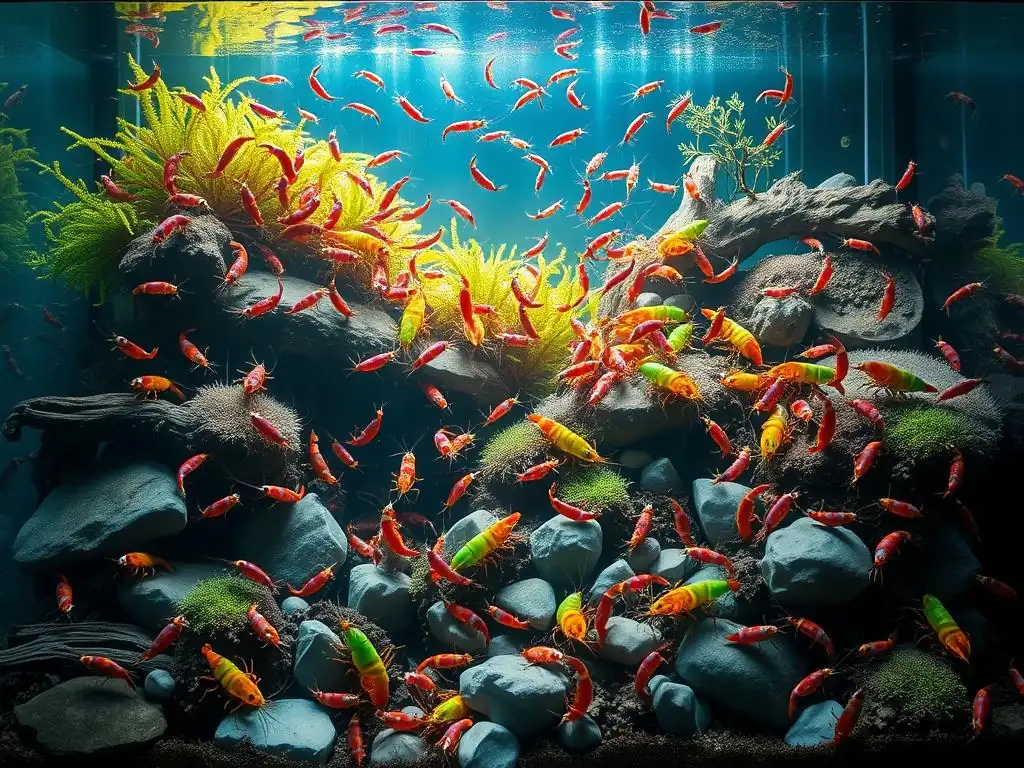
Neocaridina davidi, commonly known as Cherry Shrimp, Blue Dream Shrimp, or Yellow Shrimp, are among the most popular and hardy dwarf shrimp for freshwater aquariums. Due to their small size (typically 1 to 1.5 inches as adults) and relatively low bioload, they can be stocked quite densely. A general guideline for a healthy, established tank is to aim for 5 to 10 adult Neocaridina shrimp per gallon of water. For example, a 10-gallon tank could comfortably house 50 to 100 adult Neocaridina shrimp, assuming good filtration and a planted environment.
It's important to note that Neocaridina are prolific breeders, and an initial shrimp stocking density per gallon will likely increase significantly over time as the colony reproduces. A healthy female can produce 20-50 shrimplets every 4-6 weeks. Therefore, it's often wise to start with a slightly lower number, perhaps 5-7 per gallon, to allow for population growth without immediately overstressing the system. Their adaptability to a wide range of water parameters (pH 6.5-8.0, GH 6-10, KH 3-8) also contributes to their suitability for higher shrimp stocking density per gallon.
Caridina cantonensis (Crystal Red Shrimp, etc.) Stocking Levels
Caridina cantonensis, which includes highly sought-after varieties like Crystal Red Shrimp (CRS), Crystal Black Shrimp (CBS), and Taiwan Bees, are generally more sensitive and have slightly stricter water parameter requirements than Neocaridina. While still relatively small (around 1 inch as adults), their specific needs for softer, more acidic water (pH 5.5-7.0, GH 4-6, KH 0-1) and stable conditions mean they typically require a lower shrimp stocking density per gallon. A common recommendation is 3 to 5 adult Caridina shrimp per gallon.
For instance, a 10-gallon tank dedicated to Caridina shrimp might house 30 to 50 individuals. Maintaining stable water parameters is crucial for their survival and breeding, as fluctuations can quickly lead to stress and fatalities, especially at higher densities. Their bioload, while still small, is considered marginally higher than Neocaridina due to their sensitivity, making conservative shrimp stocking density per gallon a safer approach to ensure a thriving colony.
Stocking Levels for Amano Shrimp (Caridina multidentata)
Amano Shrimp are larger than dwarf shrimp species, reaching lengths of up to 2 inches (5 cm). They are highly valued for their exceptional algae-eating capabilities and their hardy nature. Due to their larger size, Amano Shrimp contribute more significantly to the tank's bioload compared to Neocaridina or Caridina dwarf shrimp. Therefore, their recommended shrimp stocking density per gallon is considerably lower.
A general guideline for Amano Shrimp is 1 Amano shrimp per 2 to 3 gallons of water. This means a 10-gallon tank could comfortably support 3 to 5 Amano Shrimp, while a 20-gallon tank might house 7 to 10. While they are excellent algae eaters, it's important not to overstock them, as their waste can still accumulate and impact water quality. Unlike dwarf shrimp, Amano Shrimp do not typically breed in freshwater aquariums, so their population will remain stable, making the initial shrimp stocking density per gallon a consistent measure.
Factors Affecting Shrimp Stocking Capacity: A Detailed Analysis
Aquarium Size and Surface Area Optimization
The physical size of an aquarium plays a fundamental role in determining the sustainable shrimp stocking density per gallon. Larger tanks offer greater water volume, which inherently provides more stability for water parameters by diluting waste products more effectively. A 20-gallon tank, for example, is far more forgiving of minor fluctuations and bioload increases than a 5-gallon nano tank, simply due to the sheer volume of water. This stability is crucial for shrimp, which are sensitive to sudden changes.
Beyond just volume, the internal surface area within the tank is equally vital. Shrimp are grazers, constantly foraging for biofilm and micro-organisms on surfaces. Incorporating elements like driftwood, rocks, ceramic caves, and fine-grain substrates significantly increases the available surface area for biofilm growth and provides ample hiding spots, reducing stress. A 10-gallon tank with extensive hardscape and substrate can effectively support a higher shrimp stocking density per gallon than a bare-bottom tank of the same volume, as it offers more usable territory and grazing grounds for the shrimp.
Filtration System: Biological Load Management
An efficient and appropriately sized filtration system is paramount for managing the bioload of any aquarium, directly influencing the sustainable shrimp stocking density per gallon. The primary function of filtration, particularly biological filtration, is to convert toxic ammonia and nitrite into less harmful nitrate through the action of beneficial bacteria. A robust biological filter can process more waste, thereby allowing for a higher number of shrimp.
Sponge filters are highly recommended for shrimp tanks due to their gentle flow, their large surface area for beneficial bacteria colonization, and their inability to suck up tiny shrimplets. For instance, a dual sponge filter rated for a 20-gallon tank can significantly enhance the biological capacity of a 10-gallon setup, allowing for a 20-30% increase in shrimp stocking density per gallon compared to a tank with a less efficient filter. Regular maintenance of the filter media (rinsing in old tank water) ensures its continued efficiency without disrupting the bacterial colonies.
Planted Aquariums: Biofilm and Oxygen Production
Heavily planted aquariums are exceptionally beneficial for shrimp and can significantly increase the sustainable shrimp stocking density per gallon. Live aquatic plants contribute to the ecosystem in multiple ways: they absorb nitrates, provide extensive surface area for biofilm to grow, offer crucial hiding spots for shrimp (especially molting adults and vulnerable shrimplets), and produce oxygen through photosynthesis.
For example, a 10-gallon tank densely planted with fast-growing species like Java Moss, Hornwort, and stem plants can support up to 80-100 Neocaridina shrimp once established, whereas a sparsely planted tank of the same size might only safely house 30-40. The biofilm on plant leaves serves as a primary food source for shrimp, reducing the need for supplemental feeding and consequently minimizing waste. Furthermore, the oxygen produced by plants helps maintain high dissolved oxygen levels, which are vital for shrimp health, particularly at higher shrimp stocking density per gallon.
Water Parameters: Stability and GH/KH Considerations
Stable water parameters are non-negotiable for shrimp health and directly impact the achievable shrimp stocking density per gallon. Shrimp are highly sensitive to sudden fluctuations in temperature, pH, General Hardness (GH), and Carbonate Hardness (KH). Consistent parameters reduce stress, bolster their immune systems, and facilitate successful molting, which is a critical process for their growth.
General Hardness (GH) is particularly important as it relates to the concentration of calcium and magnesium, essential minerals for shrimp exoskeleton formation and successful molting. For Neocaridina, a GH of 6-10 dGH is generally ideal, while Caridina often prefer softer water with a GH of 4-6 dGH. Carbonate Hardness (KH) acts as a buffer, stabilizing pH.
A KH of 2-5 dKH is suitable for Neocaridina, whereas Caridina prefer a very low KH (0-1 dKH) to maintain a lower pH. Maintaining these specific ranges consistently allows shrimp to thrive at their recommended shrimp stocking density per gallon, whereas unstable parameters will quickly lead to health issues and fatalities, regardless of stocking level.
Feeding Practices: Minimizing Waste and Overfeeding
Feeding practices have a profound impact on water quality and, by extension, the sustainable shrimp stocking density per gallon. Overfeeding is one of the most common causes of poor water quality in shrimp tanks, as uneaten food quickly decomposes, releasing ammonia and increasing the bioload. Shrimp are primarily grazers that consume biofilm, algae, and detritus, meaning they do not require large quantities of supplemental food.
It is crucial to feed shrimp sparingly, offering only what they can consume within 2-3 hours. For a colony of 50 Neocaridina in a 10-gallon tank, a single small shrimp pellet or a tiny piece of blanched vegetable every other day might be sufficient, especially if the tank is heavily planted. Observing the shrimp's feeding behavior and removing any uneaten food after a few hours helps prevent the accumulation of organic waste. By minimizing waste through judicious feeding, aquarists can maintain pristine water conditions, which in turn supports a higher and healthier shrimp stocking density per gallon.
Overstocking Risks: Consequences and Prevention
Ammonia and Nitrite Spikes: Toxicity and Prevention
One of the most immediate and severe consequences of exceeding the appropriate shrimp stocking density per gallon is the rapid accumulation of toxic ammonia and nitrite. In an overstocked tank, the amount of waste produced (feces, uneaten food, decaying plant matter) overwhelms the beneficial bacteria in the filter and substrate that are responsible for the nitrogen cycle. This leads to a build-up of ammonia, which is highly toxic to shrimp even at low concentrations (e.g., 0.25 ppm). As ammonia is converted to nitrite, another highly toxic compound, the shrimp's ability to absorb oxygen is severely impaired.
Symptoms of ammonia/nitrite poisoning in shrimp include lethargy, erratic swimming, gasping at the surface, and rapid, unexplained deaths. To prevent this, regular water testing (at least weekly for new tanks, bi-weekly for established ones) for ammonia, nitrite, and nitrate is essential. If ammonia or nitrite are detected above 0 ppm, immediate action is required, typically a 20-30% partial water change to dilute the toxins, followed by an assessment of the shrimp stocking density per gallon and feeding habits.
Stress and Disease: Reduced Immunity
Overcrowding significantly increases stress levels in a shrimp colony, leading to a compromised immune system and heightened susceptibility to various diseases. When shrimp stocking density per gallon is too high, shrimp experience constant competition for food, space, and hiding spots. This chronic stress diverts energy from growth and immune function, making them more vulnerable to bacterial infections (e.g., Vorticella, Columnaris), fungal infections, and parasitic infestations (e.g., Scutariella japonica).
Stressed shrimp may exhibit behaviors such as excessive hiding, loss of color, or a general lethargy. They may also struggle with molting, leading to "molt death syndrome." A healthy, unburdened immune system is crucial for shrimp to successfully shed their old exoskeletons and resist pathogens. Therefore, maintaining an optimal shrimp stocking density per gallon is a key preventative measure against widespread disease outbreaks in the aquarium.
Breeding Inhibition: Impact on Population Growth
When the shrimp stocking density per gallon becomes too high, it can have a significant negative impact on the colony's breeding success and overall population growth. Stressed shrimp are less likely to breed, and even if they do, the survival rate of shrimplets can plummet due to poor water quality, lack of adequate food sources, and increased competition or even cannibalism from adult shrimp.
In an overstocked environment, adult shrimp may not find sufficient resources to produce healthy eggs, or berried females may drop their eggs prematurely. Shrimplets, being incredibly tiny and vulnerable, are often outcompeted for the limited biofilm and micro-organisms available. A noticeable decline in new offspring or a complete halt in breeding activity, despite the presence of male and female shrimp, is a strong indicator that the shrimp stocking density per gallon has exceeded the tank's capacity to support a thriving, reproductive colony.
Algae Blooms: Imbalance and Control
An excessive shrimp stocking density per gallon directly contributes to an increase in nutrient levels within the aquarium, primarily nitrates and phosphates, which are byproducts of shrimp waste and uneaten food. These elevated nutrient levels act as a powerful fertilizer for algae, often leading to unsightly and problematic algae blooms. While some types of algae are a natural food source for shrimp, an uncontrolled bloom indicates a significant imbalance in the ecosystem.
Common signs include green water, brown diatom algae, or hair algae covering surfaces. Beyond aesthetics, severe algae blooms can deplete oxygen levels at night when plants and algae respire, potentially suffocating shrimp. To control algae, it's essential to address the root cause, which often involves reducing the shrimp stocking density per gallon, decreasing feeding amounts, and performing more frequent partial water changes to export excess nutrients. A balanced ecosystem, achieved through proper stocking and maintenance, naturally keeps algae in check.
Calculating Shrimp Stocking: Practical Application
Estimating Bioload Based on Species and Size
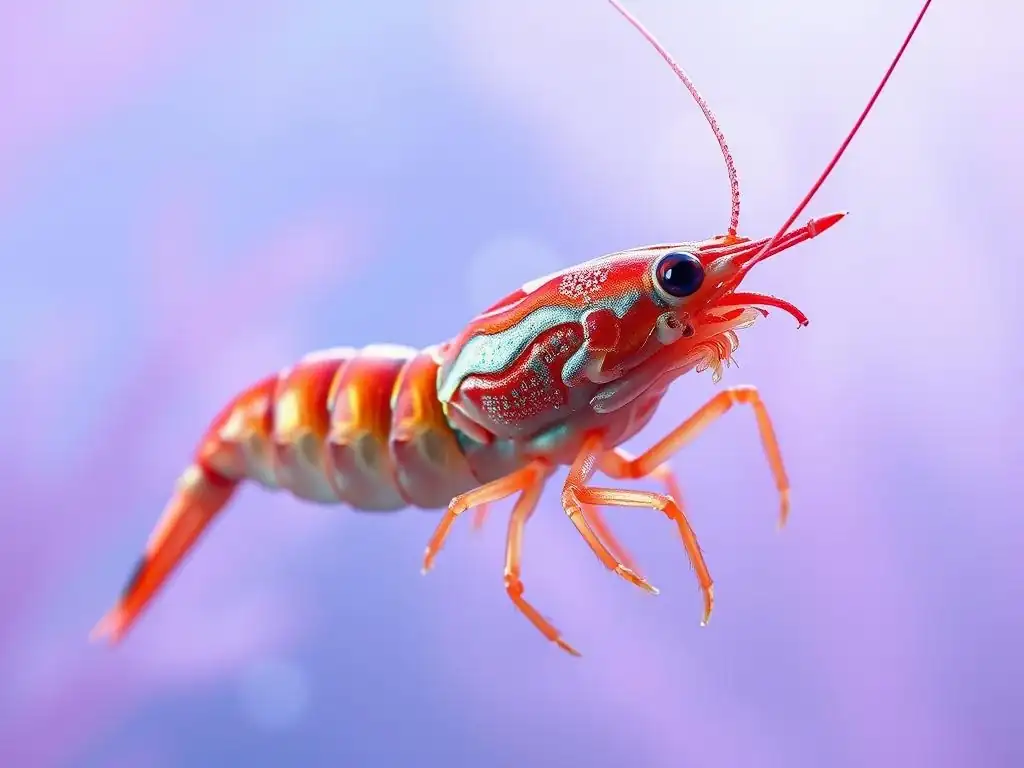
Accurately estimating the bioload of your shrimp colony is fundamental to determining the appropriate shrimp stocking density per gallon. While specific bioload values are difficult to quantify precisely, a general understanding of each species' contribution is helpful. Neocaridina dwarf shrimp, being small (1-1.5 inches), have a very low bioload; approximately 10-15 Neocaridina might contribute a bioload equivalent to a single small fish like a guppy.
Caridina dwarf shrimp are similar but slightly more sensitive. In contrast, larger shrimp like Amano Shrimp (up to 2 inches) have a comparatively higher bioload, with 1 Amano potentially equaling the bioload of 2-3 Neocaridina.
When planning your shrimp stocking density per gallon, it's always advisable to start conservatively. For instance, if aiming for a theoretical maximum of 10 Neocaridina per gallon, begin with 5-7 shrimp per gallon. Monitor your water parameters closely for the first few weeks, and observe the shrimp's behavior. If water quality remains stable and the shrimp appear healthy and active, you can gradually increase the population, allowing the beneficial bacteria to adapt to the slowly increasing bioload.
Water Parameter Monitoring: Frequency and Interpretation
Consistent and accurate water parameter monitoring is the most reliable way to assess if your shrimp stocking density per gallon is sustainable. Regular testing for ammonia, nitrite, and nitrate is critical, as these are direct indicators of the tank's ability to process waste. Ammonia and nitrite levels should always be 0 ppm. Any detectable amount signifies an overloaded biological filter, indicating that the current shrimp stocking density per gallon is too high or filtration is inadequate. Nitrate levels should ideally be kept below 20 ppm, though shrimp can tolerate slightly higher levels if kept stable.
Beyond the nitrogen cycle, monitoring pH, GH (General Hardness), and KH (Carbonate Hardness) is equally important. For Neocaridina, a stable pH between 6.5-8.0, GH 6-10, and KH 3-8 is generally suitable. Caridina require more specific parameters, typically pH 5.5-7.0, GH 4-6, and KH 0-1. Deviations from these ideal ranges or, more critically, sudden fluctuations, can indicate stress on the shrimp, regardless of the shrimp stocking density per gallon. Weekly testing for new setups and bi-weekly for established tanks provides the necessary data to make informed decisions about your colony's health and potential adjustments to stocking.
Behavioral Observation: Identifying Signs of Stress
Beyond numerical water parameters, observing the behavior of your shrimp is an invaluable tool for determining if your shrimp stocking density per gallon is appropriate. Healthy shrimp are typically active, constantly grazing on surfaces, and exhibiting vibrant coloration. They should move around freely, and you should see a mix of sizes, indicating successful breeding and shrimplet survival.
Signs of stress or an overstocked environment include lethargy, where shrimp remain motionless for extended periods or hide excessively. Erratic swimming, darting around the tank, or trying to climb out of the water can indicate severe water quality issues like ammonia poisoning or low oxygen. A loss of color intensity is often a sign of chronic stress.
Furthermore, an increase in unexplained deaths, especially after molting, points to problems with water parameters or overall tank conditions exacerbated by a high shrimp stocking density per gallon. Promptly identifying these behavioral cues allows aquarists to intervene before a crisis, whether by reducing the population, increasing water changes, or improving filtration.
Maintaining a Healthy Shrimp Colony: Essential Practices
Regular Water Changes: Frequency and Volume
Regular partial water changes are a cornerstone of maintaining pristine water quality and supporting a healthy shrimp stocking density per gallon. They are essential for diluting accumulated nitrates, replenishing vital minerals, and removing dissolved organic compounds that can build up over time. For most shrimp tanks, a weekly or bi-weekly water change of 10-20% of the tank volume is recommended.
When performing water changes, it is crucial to use dechlorinated water that is temperature-matched to the aquarium water to prevent shocking the shrimp. For sensitive Caridina species, or if using RO/DI water, remineralization with specialized shrimp salts (e.g., SaltyShrimp GH/KH+ for Neocaridina, SaltyShrimp GH+ for Caridina) is necessary to ensure the correct mineral balance. Consistent water changes prevent the gradual decline in water quality that can stress shrimp, making them more resilient even at a higher shrimp stocking density per gallon.
Filtration and Aeration: Ensuring Water Quality
A well-maintained filtration system and adequate aeration are critical for processing waste and ensuring high dissolved oxygen levels, both of which are vital for a thriving shrimp stocking density per gallon. Sponge filters are often preferred for shrimp tanks due to their gentle flow and large surface area for beneficial bacteria. It's important to clean filter media regularly but gently, rinsing it in old tank water removed during a water change to preserve the beneficial bacterial colonies. Avoid rinsing filter media under tap water, as chlorine can kill these essential bacteria.
Beyond filtration, proper aeration is key. Shrimp, like all aquatic life, require oxygen to survive. While plants produce oxygen during the day, they consume it at night. Surface agitation from a filter output or an air stone can help ensure consistent oxygen saturation, especially in heavily planted or highly stocked tanks. Adequate oxygen levels reduce stress and improve the metabolism of shrimp, allowing them to thrive even at a higher shrimp stocking density per gallon.
Varied Diet: Nutritional Requirements
While shrimp are excellent grazers of biofilm and algae, a varied and balanced supplemental diet is essential to meet their nutritional requirements, promote vibrant coloration, and support successful breeding, particularly at higher shrimp stocking density per gallon. A diet rich in both plant-based and protein-based foods is ideal.
Specialized shrimp pellets are a good staple, providing balanced nutrition. Supplement this with blanched vegetables such as zucchini, spinach, or kale (fed sparingly and removed after a few hours). Occasional protein sources like spirulina powder, bee pollen, or even specific protein-rich shrimp foods can be beneficial, especially for breeding colonies.
For example, a colony of 50 Neocaridina might receive a single small pellet every other day, supplemented with a blanched pea once a week. A varied diet contributes to stronger exoskeletons for molting, enhances color, and boosts overall health, allowing shrimp to better handle the demands of a higher shrimp stocking density per gallon.
Removal of Dead Shrimp and Detritus: Preventing Ammonia Buildup
Prompt removal of dead shrimp and excess detritus is a crucial, yet often overlooked, aspect of maintaining water quality and preventing ammonia spikes, especially in tanks with a high shrimp stocking density per gallon. Deceased shrimp decompose rapidly, releasing significant amounts of ammonia into the water, which can quickly become toxic to the remaining colony. Therefore, daily checks for any deceased individuals are highly recommended.
Similarly, uneaten food, shed exoskeletons, and decaying plant matter contribute to the bioload. During routine water changes, use a small gravel vacuum or turkey baster to siphon out any visible detritus from the substrate and hard-to-reach areas. For instance, in a 10-gallon tank with 50+ shrimp, siphoning a small section of the substrate during each weekly water change helps keep organic waste levels low. This proactive approach to cleanliness directly reduces the burden on the biological filter, helping to maintain stable water parameters and support the existing shrimp stocking density per gallon.
Optimizing Your Aquarium for Increased Shrimp Stocking
Increasing Surface Area: Decorations, Substrates, and Plants
To safely increase your shrimp stocking density per gallon, optimizing the available surface area within the aquarium is a highly effective strategy. Shrimp are masters of grazing on biofilm, which grows on every available surface. By adding more decor, choosing appropriate substrates, and especially by incorporating a variety of live plants, you provide more "real estate" for shrimp to forage and hide.
Driftwood and various types of rocks (e.g., lava rock, seiryu stone) offer porous surfaces that are excellent for biofilm growth and provide numerous crevices for shrimp. Fine-grain substrates like specialized shrimp soil or inert sand offer more surface area than coarse gravel. Most importantly, live plants like Java Moss, Christmas Moss, Bucephalandra, Anubias, and various stem plants dramatically increase the usable surface area.
A dense mat of Java Moss, for example, can house dozens of shrimplets and provide an immense grazing ground for adults. This expanded surface area effectively increases the tank's carrying capacity, allowing for a higher sustainable shrimp stocking density per gallon.
Filtration Upgrades: Choosing the Right Filter
Upgrading or enhancing your filtration system is a direct way to support a higher shrimp stocking density per gallon by improving the tank's ability to process waste. While sponge filters are excellent for shrimp tanks, adding a second sponge filter or upgrading to a larger model can significantly increase biological filtration capacity. For instance, if you have a 10-gallon tank with a single small sponge filter, adding a second one or replacing it with a sponge filter rated for a 20-gallon tank will provide substantially more surface area for beneficial bacteria.
For larger shrimp tanks (20 gallons and up), a hang-on-back (HOB) filter equipped with a pre-filter sponge on its intake to protect shrimplets, or even a canister filter, can offer superior mechanical and biological filtration. These filters often have larger media capacities, allowing for more robust bacterial colonies. By ensuring your filtration system is robust and well-maintained, you create a more stable environment that can handle the increased bioload associated with a higher shrimp stocking density per gallon.
Water Parameter Stability: Maintaining Ideal Conditions
Achieving and maintaining highly stable water parameters is paramount for pushing the boundaries of shrimp stocking density per gallon, particularly for sensitive species like Caridina. Fluctuations in pH, GH, or KH are major stressors for shrimp and can lead to molting issues, illness, and death. Using Reverse Osmosis (RO) or Deionized (DI) water, then remineralizing it with specific shrimp salts, offers the most precise control over water chemistry.
For example, using SaltyShrimp GH/KH+ for Neocaridina or SaltyShrimp GH+ for Caridina allows aquarists to consistently achieve the exact desired GH and KH levels with every water change. This eliminates the variability often found in tap water and ensures that shrimp are not subjected to sudden parameter shifts. A stable environment reduces stress on the shrimp, allowing them to allocate more energy to growth and reproduction, thereby making them more resilient and capable of thriving even at a higher shrimp stocking density per gallon.
Troubleshooting Common Shrimp Stocking Issues
Sudden Shrimp Deaths: Identifying Potential Causes
Sudden, unexplained shrimp deaths are a distressing sign that your current shrimp stocking density per gallon might be too high or that underlying water quality issues are present. The most common immediate causes include ammonia or nitrite poisoning, rapid fluctuations in water parameters (especially pH, GH, or temperature), and copper contamination. Copper, even in trace amounts from tap water (e.g., from old pipes) or certain fish medications, is highly toxic to shrimp.
When sudden deaths occur, the first step is always to perform a full suite of water tests for ammonia, nitrite, nitrate, pH, GH, and KH. If ammonia or nitrite are detected, perform an immediate 20-30% partial water change with temperature-matched, dechlorinated water. Consider using a water conditioner that detoxifies ammonia. If parameters are stable, investigate potential contaminants like copper. If high shrimp stocking density per gallon is suspected, reducing feeding and increasing water change frequency can help stabilize the environment.
Algae Overgrowth: Causes and Solutions
Algae overgrowth, while sometimes a food source for shrimp, can become problematic and often indicates an imbalance in the aquarium, frequently linked to an excessive shrimp stocking density per gallon. The primary causes are excess nutrients (nitrates, phosphates) and/or too much light. When shrimp waste and uneaten food accumulate faster than the filter can process them, these nutrients fuel algal blooms.
To combat algae, first, assess your shrimp stocking density per gallon and feeding habits. Reduce the amount of food offered to ensure all is consumed within a few hours. Increase the frequency and volume of partial water changes (e.g., 20% twice a week instead of 10% once a week) to export excess nutrients. Adjust lighting duration, typically to 6-8 hours a day. Manual removal of algae with a scraper or toothbrush can provide immediate relief. A balanced ecosystem, where the bioload from the shrimp stocking density per gallon is properly managed, will naturally keep algae in check.
Poor Water Quality: Testing and Remediation
Signs of poor water quality extend beyond just algae and include cloudy water, foul odors, or a persistent film on the water surface. These issues are almost always indicative of an overburdened filter or an excessive shrimp stocking density per gallon leading to an accumulation of organic waste and dissolved solids. While shrimp can be hardy, prolonged exposure to poor water quality will lead to stress, disease, and death.
Immediate remediation involves thorough water testing for ammonia, nitrite, nitrate, pH, GH, and KH. If any parameters are off, perform a significant (30-50%) partial water change. Increase the frequency of water changes and ensure you are vacuuming the substrate thoroughly to remove trapped detritus and uneaten food. Check your filter: ensure it's clean and operating efficiently, and consider if it's appropriately sized for your current shrimp stocking density per gallon. Adding more live plants can also help absorb excess nutrients. Consistent monitoring and proactive maintenance are key to reversing and preventing poor water quality.
Advanced Techniques for Experienced Shrimp Keepers
Specialized Substrates: Buffering and Nutrient Release
For experienced shrimp keepers, particularly those focused on sensitive Caridina species, specialized active substrates can be a game-changer in maintaining the precise water parameters required for a higher shrimp stocking density per gallon. These substrates, often clay-based (e.g., ADA Aqua Soil, Fluval Stratum), are designed to buffer the pH down to a desirable range (typically 5.5-6.5) and lower the KH to near zero. This creates the soft, acidic water preferred by Caridina shrimp, which is often difficult to achieve and maintain with inert substrates and tap water.
Beyond buffering, many active substrates slowly release essential nutrients that benefit aquatic plants, which in turn contribute to a healthier environment for shrimp by absorbing nitrates and providing biofilm. While these substrates require careful initial setup and can deplete their buffering capacity over time (typically 1-2 years), they provide unparalleled stability for demanding shrimp species. This stability allows for a more consistent and potentially higher shrimp stocking density per gallon by reducing environmental stress.
Supplemental Oxygen: Improving Water Quality
In heavily planted tanks, or those with a very high shrimp stocking density per gallon, supplemental oxygen can significantly improve water quality and shrimp health. While plants produce oxygen during the day through photosynthesis, they consume oxygen at night through respiration. In a densely populated or heavily planted tank, dissolved oxygen levels can drop dangerously low overnight, leading to stress and even suffocation for shrimp.
Using an air stone connected to an air pump is an effective way to increase surface agitation and maximize oxygen exchange between the water and air. A small powerhead positioned to create gentle surface ripples can also achieve this. For instance, in a 20-gallon tank with 150+ Neocaridina, an air stone running 24/7 or specifically at night can prevent oxygen depletion, reducing stress and improving overall metabolism. This ensures that even at a high shrimp stocking density per gallon, shrimp have ample oxygen for optimal health and activity.
Targeted Feeding Strategies: Optimizing Growth and Coloration
Advanced shrimp keepers often employ targeted feeding strategies to optimize shrimp growth, enhance coloration, and support successful breeding, even with a high shrimp stocking density per gallon. Beyond a basic staple, specific foods can address particular needs. For example, foods rich in astaxanthin (a carotenoid pigment) can intensify red, orange, and yellow coloration in Neocaridina and Crystal Red Shrimp. Foods with higher protein content can support faster growth and breeding in young colonies.
These strategies involve carefully selecting specialized shrimp foods and feeding them in precise, small amounts. For instance, a small amount of spirulina powder or bee pollen might be offered once or twice a week to a breeding colony to boost nutritional intake. The key is to observe the shrimp's consumption closely and remove any uneaten food within an hour or two to prevent water quality degradation. This meticulous approach to nutrition ensures that shrimp receive all necessary components for thriving, allowing them to flourish even at a higher shrimp stocking density per gallon.
Conclusion: Achieving a Thriving Shrimp Ecosystem
Key Considerations for Successful Shrimp Keeping
Achieving a thriving shrimp ecosystem hinges on a holistic understanding of their needs, with proper shrimp stocking density per gallon serving as a foundational element. It's clear that the ideal number of shrimp per gallon is not a fixed universal rule but rather a dynamic guideline influenced by a complex interplay of factors: the specific shrimp species, the tank's size and internal surface area, the efficiency of its filtration system, the density of live plants, the stability of water parameters, and the aquarist's diligent feeding and maintenance routines.
Ultimately, successful shrimp keeping is an art and a science, demanding consistent observation, proactive care, and a willingness to adapt. By prioritizing stable water parameters, robust filtration, ample surface area, and thoughtful feeding, aquarists can create an environment where their shrimp not only survive but truly flourish, even at a higher shrimp stocking density per gallon. The health and vitality of your shrimp colony will be the ultimate testament to your mastery of these essential principles.
Frequently Asked Questions
How many shrimp can I safely stock per gallon in my aquarium?
Generally, a good starting point is 10 dwarf shrimp per gallon. However, this depends on the specific species and the tank's biological filtration.
What factors besides tank size influence shrimp stocking density?
Besides tank size, consider water parameters, filtration capacity, and the amount of available hiding places for the shrimp. Overcrowding can quickly lead to water quality issues.
How can I tell if my shrimp tank is overstocked?
Signs of overstocking include increased mortality rates, stressed behavior, and a noticeable rise in ammonia or nitrite levels. Frequent water changes may also indicate an imbalance.
What are the most common mistakes people make when stocking shrimp?
Common mistakes include overfeeding, neglecting water changes, and introducing shrimp to uncycled tanks. Acclimation is also crucial to their survival.
Does the type of shrimp matter when determining stocking density?
Yes, it absolutely matters! Larger shrimp like Amano shrimp require more space than smaller species like Cherry shrimp. Research the specific needs of your chosen shrimp species.
Final Reflection: Cultivating Thriving Aquatic Ecosystems
The principles of responsible shrimp keeping, as outlined in this article, are more crucial than ever in a world increasingly aware of the delicate balance within our ecosystems. Understanding and adhering to appropriate shrimp stocking densities isn't just about maintaining a visually appealing aquarium; it's about ensuring the long-term health and well-being of these fascinating creatures and preventing the detrimental effects of overpopulation and poor water quality.
This journey into the nuances of shrimp stocking has underscored the profound impact we, as aquarists, have on the lives of these miniature inhabitants. The responsibility we bear to provide a suitable environment, one that mimics their natural habitat as closely as possible, is paramount. The greatness of a nation and its moral progress can be judged by the way its animals are treated.
- Mahatma Gandhi. This quote, though broadly applicable, resonates deeply with the ethical considerations inherent in aquarium keeping.
Now, armed with this knowledge of shrimp stocking density per gallon, I invite you to reflect on your own aquariums and the choices you make. Consider the impact of your decisions on the delicate ecosystems you create. Let us all strive to be conscientious stewards, fostering thriving aquatic environments where shrimp can flourish, contributing to the beauty and biodiversity of our world, one gallon at a time.
Start Your Shrimp Colony Today!
Thank you for diving into the fascinating world of shrimp keeping! We hope you now feel confident in understanding the stocking guidelines to ensure a thriving shrimp colony. Now it's time to take the next step!
Here are a few actions you can take to continue your journey:
- Start small! Purchase a nano aquarium (5-10 gallons) and begin with a small group (5-10) of hardy shrimp like Red Cherry Shrimp. This allows you to master the basics before expanding.
- Join our Aquarium Mastery community forum to share your shrimp-keeping journey, ask questions, and connect with fellow enthusiasts.
- Experiment with live plants in your shrimp tank! Did you know certain plants, like Java Moss, can boost shrimp breeding success?
What substrate are you planning to use for your new shrimp tank, and why?