
Amazon Sword (Echinodorus Bleheri): Majestic Centerpiece Care Guide

Welcome to Aquarium Mastery!
Ever dreamt of a lush, vibrant aquarium centerpiece that truly captivates? Our in-depth Amazon Sword care guide unlocks the secrets to cultivating these majestic plants, ensuring your Echinodorus bleheri thrives. But that's just the beginning! Dive in and discover everything you need to know about aquatic plants, from selecting the right species to mastering propagation techniques. Ready to transform your tank?
- Introduction to Amazon Sword Plants for Aquariums
- Amazon Sword Care: Essential Requirements
- Planting and Positioning Your Amazon Sword
- Maintaining a Healthy Amazon Sword Plant
- Choosing Tank Mates for Amazon Swords
- Troubleshooting Common Amazon Sword Issues
- Amazon Sword Varieties and Similar Plants
- Conclusion: Mastering Amazon Sword Care for a Beautiful Aquarium
-
Frequently Asked Questions
- What are the ideal water parameters for Amazon Sword plants?
- How much light does an Amazon Sword need?
- What is the best substrate for planting Amazon Swords?
- How often should I fertilize my Amazon Sword?
- What are some common problems encountered when growing Amazon Swords, and how can I address them?
- Final Reflection: Cultivating Growth, Within and Without
- Cultivate Your Aquatic Kingdom: Bring the Amazon to Your Tank!
Introduction to Amazon Sword Plants for Aquariums
Why Choose an Amazon Sword for Your Freshwater Tank?
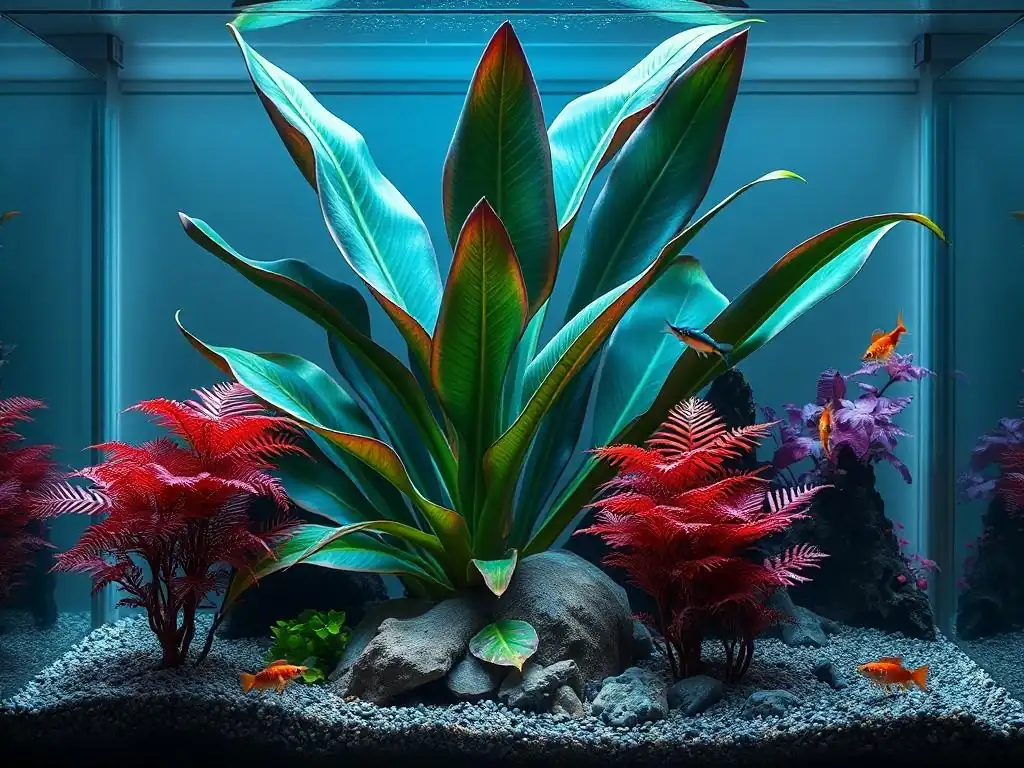
The Amazon Sword plant ( Echinodorus bleheri) stands out as an exceptional choice for freshwater aquariums, particularly for those seeking a prominent, lush centerpiece. Its striking broad, lance-shaped leaves, which can reach impressive heights of 12-20 inches (30-50 cm) under optimal conditions, create a visually impactful focal point in any aquascape.
This plant's vibrant green foliage adds significant depth and natural beauty, making it a favorite among aquarists looking to establish a dynamic and aesthetically pleasing environment. Beyond its visual appeal, its relatively straightforward care requirements contribute to its widespread popularity, making it accessible even for those with moderate experience in planted tanks.
Choosing an Amazon Sword also brings substantial ecological benefits to your aquarium ecosystem. As a robust aquatic plant, it actively contributes to water quality by absorbing excess nitrates and other waste products, which in turn helps to inhibit the growth of nuisance algae. Furthermore, its dense foliage provides excellent shelter and hiding spots for various fish species, reducing stress and promoting natural behaviors. The oxygenation provided by the plant during photosynthesis also benefits the overall health of the tank inhabitants, creating a more balanced and thriving aquatic habitat.
Understanding the Echinodorus Bleheri Species
Echinodorus bleheri, commonly known as the Amazon Sword, is a species of aquatic plant native to the Amazon basin in South America, where it thrives in slow-moving rivers and floodplains. It is characterized by its large, upright growth habit, forming a beautiful rosette of long, lanceolate leaves that emerge from a central crown. The leaves are typically a rich, vibrant green, though younger leaves may exhibit a slightly reddish tint before maturing. This species is often confused with other Echinodorus varieties, but E. bleheri is distinguished by its consistent large size and relatively uniform green coloration without significant patterning.
This particular Echinodorus species is highly regarded for its adaptability and hardiness in a wide range of aquarium conditions. While it can tolerate lower light levels, its true potential for majestic growth and coloration is realized under moderate lighting and with proper nutrient supplementation. Its robust root system allows it to firmly anchor itself in the substrate, making it resilient to disturbances from larger fish. Understanding these inherent characteristics is key to providing the best Amazon Sword care and ensuring its long-term health and impressive display in your freshwater aquarium.
Amazon Sword Care: Essential Requirements
Optimal Tank Parameters for Amazon Sword Growth
Water Temperature and pH for Amazon Swords
Maintaining stable and appropriate water parameters is crucial for optimal Amazon Sword growth and overall health. For Echinodorus bleheri, an ideal water temperature range is between 72-82°F (22-28°C), which closely mimics their natural tropical habitat. Consistent temperatures within this range help prevent stress and promote steady metabolic processes within the plant. Fluctuations outside this range, especially sudden drops, can lead to stunted growth or leaf deterioration.
Regarding pH, Amazon Swords generally thrive in slightly acidic to neutral water, with a preferred pH range of 6.5-7.5. While they are quite adaptable and can tolerate a slightly broader spectrum, maintaining the pH within this zone ensures optimal nutrient availability from the water column and substrate. Extreme pH levels, particularly very high alkalinity, can hinder the plant's ability to absorb essential micronutrients like iron, leading to deficiency symptoms such as yellowing leaves. Therefore, regular monitoring of these parameters is a vital aspect of comprehensive Amazon Sword care.
Lighting Needs for Healthy Amazon Sword Plants
Lighting is a fundamental component of effective Amazon Sword care, directly influencing the plant's ability to photosynthesize and grow. Echinodorus bleheri generally thrives under moderate lighting conditions, typically around 1.5 to 2 watts per gallon (WPG) for fluorescent lighting, or the equivalent intensity with modern LED fixtures. Providing a consistent photoperiod of 8-10 hours per day is recommended; exceeding this duration can encourage unwanted algae growth on the leaves, while insufficient light will result in pale, stunted growth and a lack of vigor.
While Amazon Swords can survive in lower light setups, their growth will be significantly slower, and they may not achieve their full majestic size or vibrant green coloration. Conversely, excessive lighting, especially without adequate CO2 and nutrient supplementation, can lead to nutrient imbalances and severe algae issues. Therefore, balancing light intensity and duration is a critical step in providing optimal Amazon Sword plant care, ensuring the plant receives enough energy to flourish without becoming susceptible to common planted tank problems.
CO2 Injection: Is It Necessary for Amazon Swords?
For the hobbyist providing Amazon Sword care, the question of CO2 injection often arises. While Echinodorus bleheri can certainly grow and survive without supplemental CO2, especially in low-tech or moderately planted aquariums, injecting CO2 can dramatically enhance its growth rate and overall health. Carbon dioxide is a primary nutrient for photosynthesis, and providing a consistent supply, typically through pressurized CO2 systems, allows the plant to grow larger, develop more robust root systems, and exhibit more vibrant coloration.
In a tank with moderate to high lighting and a rich substrate, CO2 injection becomes particularly beneficial, as it allows the Amazon Sword to fully utilize the available light and nutrients without becoming carbon-limited. This leads to significantly faster and lusher growth, enabling the plant to truly become the majestic centerpiece it's known for. While not strictly "necessary" for survival, for those aiming for a truly thriving and impressive Amazon Sword display, CO2 supplementation is a highly recommended component of advanced Amazon Sword plant care.
Substrate and Fertilization for Thriving Amazon Swords
Choosing the Right Substrate for Amazon Sword Roots
The substrate is arguably the most critical component for successful Amazon Sword care, as these plants are heavy root feeders. Unlike epiphytic plants that absorb nutrients from the water column, Echinodorus bleheri primarily draws its nourishment through its extensive root system embedded in the substrate. Therefore, an inert gravel substrate alone is insufficient for long-term health and robust growth. The ideal substrate should be nutrient-rich and provide a stable anchor for the large root structure.
Specialized aquatic plant substrates, such as ADA Aqua Soil, Fluval Stratum, or similar products, are excellent choices as they are designed to release nutrients gradually. Alternatively, a layer of nutrient-rich soil (like laterite or a specific aquatic plant soil) capped with 2-3 inches (5-7.5 cm) of inert gravel or sand can also provide the necessary foundation. This depth is important to allow the roots ample space to spread and absorb nutrients effectively. A well-chosen substrate is foundational to any successful Amazon Sword care guide.
Fertilizing Amazon Swords: Liquid vs. Root Tabs
Given their nature as heavy root feeders, Amazon Swords benefit immensely from targeted fertilization. Root tabs are the most effective method for delivering essential nutrients directly to the plant's root system. These small, nutrient-packed capsules are typically inserted into the substrate near the base of the plant every 3-4 months, depending on the brand and nutrient release rate. Root tabs provide a slow, steady supply of macro and micronutrients, including crucial iron, which is vital for preventing yellowing leaves and promoting lush green growth.
While root tabs address the primary nutritional needs, liquid fertilizers can complement this by providing nutrients to the water column, benefiting both the Amazon Sword's leaves and any other water-column-feeding plants in the aquarium. However, for Echinodorus bleheri, the emphasis should always be on root supplementation. A balanced fertilization regimen, combining a nutrient-rich substrate with regular root tab applications and occasional liquid dosing, is key to mastering Amazon Sword care and ensuring your plant thrives.
Planting and Positioning Your Amazon Sword
Where to Place Your Amazon Sword in the Aquarium
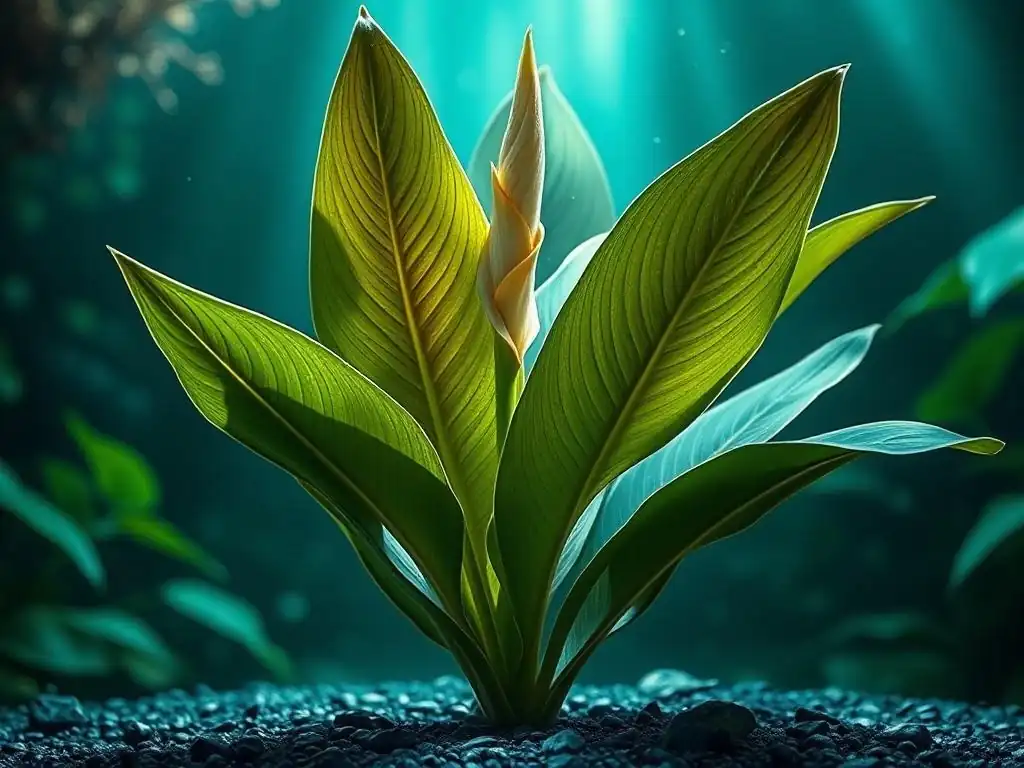
Due to its potential for significant size, the Amazon Sword plant is best positioned in the background or as a central centerpiece in larger freshwater aquariums. When mature, its broad leaves can easily spread and reach the water surface, potentially shading out smaller plants if not strategically placed. For tanks under 20 gallons, a single Amazon Sword might dominate the entire aquascape, so consider its adult dimensions. In tanks 30 gallons and above, it can truly shine as a focal point.
When selecting its exact spot, ensure there's ample space around the plant for its roots to spread and for its leaves to grow without being constantly brushed against by strong filtration outflow or tank inhabitants. Placing it slightly off-center can create a more dynamic and visually interesting layout, adhering to principles of aquascaping design. Proper positioning is a crucial initial step in providing effective Amazon Sword care, setting the stage for its long-term health and aesthetic contribution.
Step-by-Step Guide to Planting Amazon Swords
Proper planting is essential to ensure your Amazon Sword establishes itself successfully and thrives in its new environment. Begin by gently removing the plant from its packaging, carefully unwrapping any rock wool or ties around the roots. Inspect the roots and leaves; trim any damaged, rotting, or excessively long roots with sharp scissors, aiming for a length of about 2-3 inches (5-7.5 cm). Also, remove any yellowing or damaged leaves at the base to redirect the plant's energy towards new, healthy growth.
Next, using your fingers or tweezers, dig a small hole in your nutrient-rich substrate. Carefully place the trimmed roots into the hole, fanning them out if possible, and then gently cover them with substrate. The most critical step is to ensure that the crown of the plant—the point where the roots meet the base of the leaves—is not buried. Burying the crown can lead to rot and plant demise.
The crown should be just at or slightly above the substrate line. Finally, gently press the substrate around the base to secure the plant, preventing it from floating up, and then slowly refill the tank if it was drained for planting. This meticulous planting process is fundamental to successful Amazon Sword care.
Maintaining a Healthy Amazon Sword Plant
Regular Pruning and Trimming for Amazon Swords
Regular pruning is an important aspect of Amazon Sword care, contributing to both the plant's health and the overall aesthetics of your aquarium. As Amazon Swords mature, their older, outer leaves may begin to yellow, develop holes, or accumulate algae. Removing these senescent or damaged leaves allows the plant to redirect its energy towards producing new, healthy growth from the central crown. This also prevents decaying plant matter from contributing to nutrient buildup in the water column.
To prune your Amazon Sword, use a sharp pair of aquatic plant scissors and cut the undesirable leaves close to the base, where they emerge from the crown. Avoid tearing or ripping the leaves, as this can cause unnecessary stress to the plant. The frequency of pruning depends on the plant's growth rate and the condition of its leaves, typically ranging from once every few weeks to every couple of months. Consistent, careful trimming ensures your Amazon Sword remains a vibrant and healthy centerpiece, a testament to diligent Amazon Sword plant care.
Identifying and Treating Common Amazon Sword Problems
Recognizing Nutrient Deficiencies in Amazon Swords
One of the most common issues encountered in Amazon Sword care is nutrient deficiencies, which manifest through various visual cues. The most frequently observed deficiency is iron, characterized by a general yellowing or chlorosis of the leaves, particularly new growth. If the older leaves are yellowing and developing holes, it often indicates a potassium deficiency. Stunted growth, along with pale or translucent leaves, can point to a general lack of macronutrients like nitrogen or phosphorus, or an overall insufficient nutrient supply in the substrate.
Addressing these deficiencies is crucial for maintaining a healthy Amazon Sword. For iron deficiency, supplementing with iron-rich root tabs or a liquid iron additive is highly effective. Potassium can be boosted with liquid fertilizers containing potassium. For general nutrient deficiencies, ensuring a rich substrate and consistent application of comprehensive root tabs is key. Regular water testing can help identify imbalances, allowing for targeted supplementation and effective Amazon Sword plant care.
Dealing with Algae on Amazon Sword Leaves
Algae growth on Amazon Sword leaves is a common frustration for aquarists, often indicating an imbalance in the tank's ecosystem. Green spot algae, appearing as small, hard green dots, typically results from excessive light intensity or duration. Black beard algae (BBA), a fuzzy dark growth, often signals fluctuating CO2 levels or nutrient imbalances, particularly low CO2 coupled with high organic waste. Excessive nitrates or phosphates can also fuel general green filamentous algae.
Effective Amazon Sword care in this context involves addressing the root cause. Reduce lighting intensity or duration to 8-10 hours per day. For BBA, ensure stable CO2 levels if injecting, and increase water changes to lower organic waste. Introduce algae-eating tank mates like Otocinclus catfish or Amano shrimp, which can help graze algae off the leaves. Gently wiping affected leaves with a soft cloth or toothbrush during water changes can provide immediate relief, but long-term solutions require correcting the underlying environmental imbalances.
Amazon Sword Propagation: Growing New Plants
Propagation by Adventitious Plants
The most common and straightforward method for Amazon Sword propagation is through adventitious plants, also known as plantlets or runners. Mature, healthy Amazon Swords will often send out long flower stalks (rhizomes or runners) from the central crown. Along these stalks, small plantlets will develop, each forming its own set of leaves and roots. This is a natural and efficient way for the plant to reproduce, and it simplifies Amazon Sword care for those looking to expand their plant collection.
Once these plantlets have developed a robust root system (typically 2-3 inches long) and at least 3-4 leaves, they are ready for detachment. Carefully cut the stalk connecting the plantlet to the mother plant using sharp scissors. The detached plantlet can then be gently planted into the substrate, ensuring the crown is not buried, just like planting a mature Amazon Sword. With proper care, these young plants will grow into full-sized Amazon Swords, providing a cost-effective way to populate your aquarium or share with other hobbyists.
Propagation by Seed (Less Common)
While Amazon Swords do produce flowers and can theoretically be propagated by seed, this method is significantly less common and generally impractical for the average home aquarist. In their natural habitat, or under very specific controlled conditions, the flowers can be pollinated, leading to seed production. These seeds would then need to be collected and germinated, a process that requires precise environmental control and a considerable amount of patience.
The main reasons hobbyists rarely use seed propagation in Amazon Sword care are the difficulty in getting the plants to flower consistently in an aquarium setting, the challenge of successful pollination, and the slow and often unreliable germination process. Compared to the ease and speed of propagating via adventitious plantlets, seed propagation is reserved for specialized growers or those attempting hybridization experiments, making it largely irrelevant for general Amazon Sword plant care.
Choosing Tank Mates for Amazon Swords
Compatible Fish and Invertebrates for Amazon Sword Aquariums
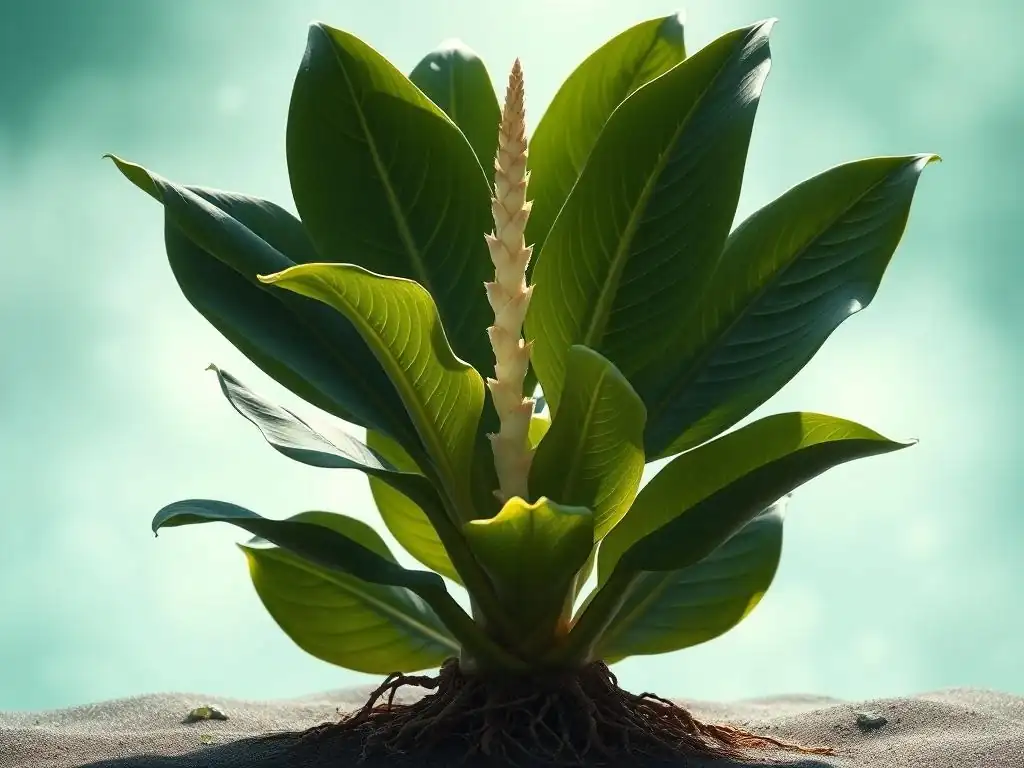
Selecting appropriate tank mates is a vital part of long-term Amazon Sword care, ensuring the plant remains undamaged and thrives. Peaceful, community-oriented fish that do not typically graze on plants are ideal. Excellent choices include various species of Tetras (e.g., Neon Tetras, Cardinal Tetras, Rummy-nose Tetras), Rasboras (e.g., Harlequin Rasboras), peaceful Gouramis (e.g., Dwarf Gouramis, Honey Gouramis), and most species of Corydoras catfish. Small, peaceful cichlids like Angelfish can also coexist well, though they require ample space due to their size.
Invertebrates such as Amano shrimp and various snail species (e.g., Nerite snails) are also highly compatible. Amano shrimp are particularly beneficial as they are excellent algae eaters and will not harm the Amazon Sword leaves. These compatible species contribute to a balanced ecosystem without causing physical damage to the plant or uprooting it, making them perfect companions in a well-maintained Amazon Sword aquarium.
Fish to Avoid with Amazon Sword Plants
For optimal Amazon Sword care, it's equally important to identify and avoid fish species that are known to be destructive to aquatic plants. Large, boisterous cichlids such as Oscars, Jack Dempseys, or Green Terrors are notorious for uprooting plants and altering aquascapes, making them unsuitable for tanks with delicate or rooted plants like the Amazon Sword. Similarly, many larger Plecostomus species, particularly the Common Pleco when it matures, can develop a taste for plant matter, leaving holes or tears in leaves.
Herbivorous fish, such as Silver Dollars, certain larger Barbs (e.g., Buenos Aires Tetras), and some species of goldfish, are also known to actively graze on broad-leaved plants, including Amazon Swords. While some fish may only nip at leaves occasionally, consistent grazing will significantly damage the plant, leading to stunted growth or even its demise. Thorough research into the dietary habits and behaviors of potential tank mates is crucial to prevent disheartening damage to your Amazon Sword plants.
Troubleshooting Common Amazon Sword Issues
Why is My Amazon Sword Turning Yellow?
Yellowing leaves on an Amazon Sword are a common indicator of underlying issues in your Amazon Sword care routine. The most frequent cause is an iron deficiency. Iron is a critical micronutrient for chlorophyll production, and without sufficient levels, the plant cannot produce the green pigment, leading to chlorosis (yellowing). This often appears first on newer leaves or as a general fading of older ones. Insufficient lighting can also cause leaves to turn pale or yellow, as the plant lacks the energy for proper photosynthesis.
Other contributing factors can include a lack of general macronutrients in the substrate, especially nitrogen, or simply the natural senescence of older leaves. To address yellowing, first, ensure your lighting is adequate (moderate intensity, 8-10 hours daily). Then, focus on iron supplementation, typically by adding iron-rich root tabs near the plant's base or using a liquid iron fertilizer. Ensure a nutrient-rich substrate is in place, and consider a comprehensive liquid fertilizer if other plants are also showing signs of deficiency. Regularly removing old, yellowing leaves at the base also helps the plant focus energy on new growth.
Why is My Amazon Sword Not Growing?
A lack of growth in an Amazon Sword, particularly if it's new or has been established for some time, points to environmental deficiencies in its Amazon Sword care. The most common culprits include insufficient light, a depleted or unsuitable substrate, and a lack of essential nutrients. If the plant isn't receiving enough light (less than 1.5 WPG equivalent or too short a photoperiod), its photosynthetic rate will be too low to support significant growth. Similarly, if the substrate lacks nutrients, the plant's root system, which is its primary feeding mechanism, cannot access the necessary elements for development.
To stimulate growth, review your lighting setup; ensure moderate intensity and a consistent 8-10 hour photoperiod. Confirm that your substrate is nutrient-rich and deep enough (at least 2-3 inches). If using inert gravel, supplement with root tabs every few months. While not strictly necessary for survival, introducing CO2 injection can dramatically accelerate growth and lead to a much larger, healthier plant. Lastly, verify that water parameters like temperature (72-82°F) and pH (6.5-7.5) are within optimal ranges and stable, as extreme fluctuations can stress the plant and inhibit growth.
Holes in Amazon Sword Leaves: Causes and Solutions
Holes appearing in the leaves of your Amazon Sword are a specific symptom that often indicates a potassium deficiency, a common issue in Amazon Sword care. Potassium is a vital macronutrient involved in various plant functions, including cell wall integrity and overall plant vigor. When deficient, plant tissue can break down, leading to visible holes, often starting in older leaves. While less common, physical damage from overly boisterous fish or snails can also cause holes, though these typically appear more irregularly.
To address potassium deficiency, the most direct solution is to supplement with potassium-rich fertilizers. This can be done through liquid fertilizers containing potassium or by ensuring your root tabs (if used) are comprehensive and include this essential nutrient. Regular water changes can also help maintain a balanced nutrient profile. Observe your tank inhabitants to rule out physical damage; if fish are the culprits, consider their compatibility with planted tanks. Ensuring a balanced and consistent nutrient supply through a robust Amazon Sword care routine is key to preventing these unsightly holes.
Amazon Sword Varieties and Similar Plants
Exploring Different Echinodorus Species
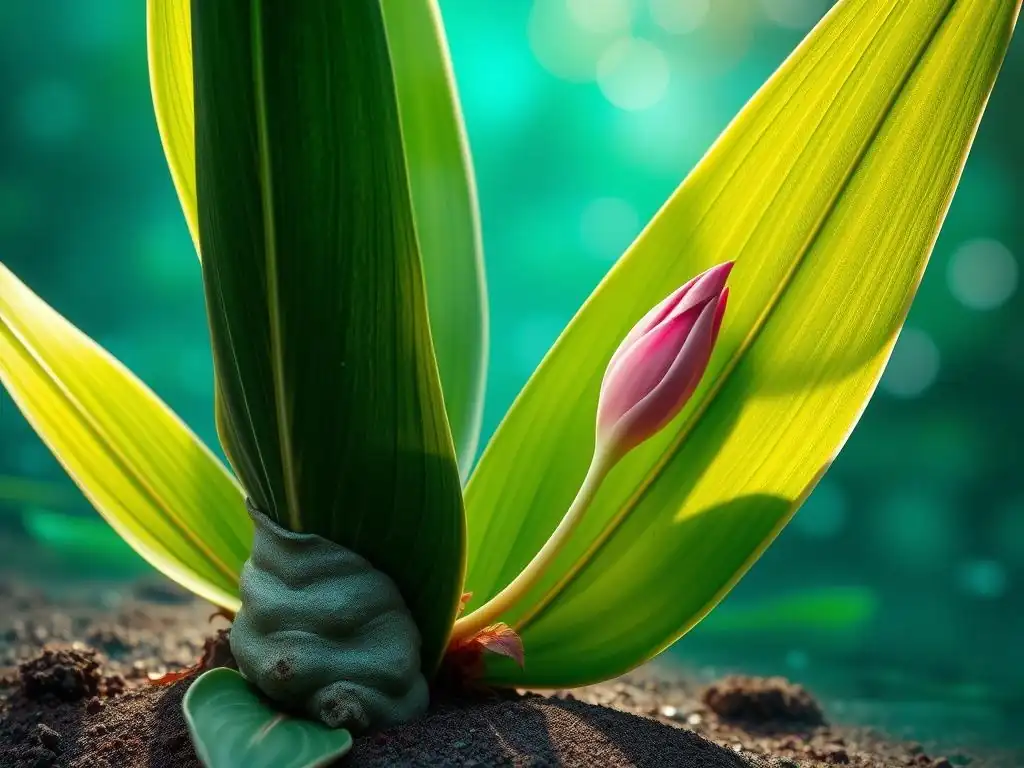
While Echinodorus bleheri is the most recognized Amazon Sword, the Echinodorus genus encompasses a wide array of species and cultivated varieties, each offering unique characteristics that can enhance an aquascape. For instance, Echinodorus ozelot is popular for its distinctive reddish-brown spots on green leaves, providing a striking contrast. Echinodorus red flame lives up to its name with vibrant reddish-pink new growth that matures into a deeper green, adding a fiery splash of color.
Other notable species include Echinodorus parviflorus 'Tropica', a smaller variant often marketed as a dwarf Amazon Sword, ideal for smaller tanks or midground placement due to its more compact size, typically 6-10 inches (15-25 cm). Echinodorus uruguayensis features narrower, more elongated leaves, offering a different texture and flow. Exploring these different Echinodorus species allows aquarists to choose a sword plant that perfectly matches their tank size, aesthetic preference, and specific Amazon Sword care capabilities, while still benefiting from the genus's general hardiness.
Alternatives to Amazon Swords for Beginner Aquarists
For beginner aquarists or those with low-tech setups who desire a large, lush green plant but might find the Amazon Sword's specific needs challenging, several excellent alternatives offer similar visual impact with even more forgiving Amazon Sword care requirements. Anubias barteri varieties (e.g., Anubias Nana, Anubias Congensis) are incredibly hardy, tolerate very low light, and do not require planting in the substrate as they are epiphytes that attach to wood or rock. They are also highly resistant to fish grazing.
Another great option is Java Fern ( Microsorum pteropus), which, like Anubias, can be attached to decor and thrives in low light conditions. Its unique leaf structure adds a different texture to the background or midground. For a substrate-rooted plant that is generally easier than Amazon Swords, various Cryptocoryne wendtii cultivars (e.g., 'Green', 'Red', 'Bronze') are excellent. They are adaptable to a wide range of water parameters and light levels, and while they may melt back initially after planting, they typically rebound vigorously, making them robust choices for those seeking simpler Amazon Sword plant care.
Conclusion: Mastering Amazon Sword Care for a Beautiful Aquarium
Frequently Asked Questions
What are the ideal water parameters for Amazon Sword plants?
Amazon Swords thrive in slightly acidic to neutral water, with a pH of 6.5-7.5. They prefer a temperature range of 72-82°F (22-28°C). Maintaining stable water chemistry is crucial for their health.
How much light does an Amazon Sword need?
Amazon Swords are moderate light plants, requiring approximately 8-10 hours of light per day. Insufficient light can lead to stunted growth, while excessive light can promote algae growth.
What is the best substrate for planting Amazon Swords?
A nutrient-rich substrate is essential. Consider using aquarium soil or root tabs to provide the necessary nutrients. A good substrate promotes healthy root development and overall plant vigor.
How often should I fertilize my Amazon Sword?
Regular fertilization is important for optimal growth. Use a liquid fertilizer specifically designed for aquatic plants, following the manufacturer's instructions. Root tabs can also provide a sustained release of nutrients.
What are some common problems encountered when growing Amazon Swords, and how can I address them?
Common issues include yellowing leaves (nutrient deficiency), algae growth, and slow growth. Address nutrient deficiencies with appropriate fertilization. Control algae by maintaining good water quality and providing adequate lighting.
Final Reflection: Cultivating Growth, Within and Without
The journey of understanding and nurturing the Amazon Sword, as detailed in this guide, extends far beyond the confines of an aquarium. The principles of attentive care, patience, and creating a thriving environment resonate deeply with our own lives and the ecosystems we inhabit. Just as the Amazon Sword requires specific conditions to flourish, so too do we, and so does the world around us.
The enduring appeal of the Amazon Sword lies not just in its aesthetic beauty, but in its symbolic representation of resilience and growth. This guide, I hope, has illuminated not only the practical aspects of its care, but also the profound connection we can forge with nature through even the simplest of acts. The best time to plant a tree was 20 years ago. The second best time is now.
This ancient proverb reminds us that nurturing growth, whether in our aquariums or in our lives, is a continuous and rewarding endeavor.
Now, as you embark on your own Amazon Sword care journey, I invite you to reflect on the broader implications of creating a thriving environment. Consider how you can apply the lessons of patience, attention to detail, and understanding the needs of others to cultivate growth not only in your aquarium, but also within yourself and in the world around you. Let the majestic Amazon Sword serve as a constant reminder of the beauty and potential that lies within us all, waiting to be nurtured and brought to full bloom.
Cultivate Your Aquatic Kingdom: Bring the Amazon to Your Tank!
Thank you for exploring the majestic world of the Amazon Sword with us! We hope you've gained valuable insights into nurturing this captivating centerpiece. Now, let's transform that knowledge into action and create a thriving underwater ecosystem.
Here are some ways you can deepen your connection with your Amazon Sword and the aquatic world:
- Embark on your aquascaping adventure: Commit to a weekly observation of your Amazon Sword, noting its growth, leaf health, and any changes in its environment.
- Share your own Amazon Sword journey! Post a photo of your Amazon Sword on social media using #AquariumMastery and tag us. Let’s inspire others with the beauty of planted tanks!
- Dive deeper: Research a companion plant for your Amazon Sword that thrives in similar conditions. Challenge yourself to propagate it and expand your underwater garden!
What unique aquascaping technique will you use to showcase the beauty of your Amazon Sword in your tank?