
Rosette Plants and Algae: Keeping Leaves Clean and Healthy

Welcome to Aquarium Mastery!
Ever wondered how to keep those beautiful rosette plants in your aquarium thriving, free from unsightly algae? You're in the right place! Get ready to dive deep into the secrets of Rosette Plant Algae Control. This guide will unlock the key to pristine leaves and a healthy, vibrant aquarium ecosystem. Intrigued? Let's explore how you can achieve the perfect balance!
- Understanding Rosette Plants in Aquariums
- The Algae Problem: Why Rosette Plants are Susceptible
- Rosette Plant Algae Control: A Multifaceted Approach
- Preventing Algae Recurrence: Long-Term Strategies
- Troubleshooting Common Issues with Algae on Rosette Plants
-
Frequently Asked Questions
- How do rosette plants contribute to algae control in an aquarium?
- What are the best types of rosette plants for algae control?
- What common algae problems affect rosette plants?
- How can I manually remove algae from rosette plant leaves?
- What are some preventative measures to avoid algae growth on rosette plants?
- Final Reflection: Cultivating Clarity in Rosette Gardens
- Cultivate Your Aquatic Oasis
Understanding Rosette Plants in Aquariums
What are Rosette Plants? Defining Characteristics
Rosette plants are a distinct category of aquatic flora characterized by their leaves growing from a central crown, typically situated at or near the substrate level. Unlike stem plants that have leaves emerging along an elongated stem, rosette plants develop their foliage directly from a compact rhizome or a singular basal point. This growth pattern gives them a unique, often bushy or fountain-like appearance, making them popular choices for foreground, midground, or even background placement in freshwater aquariums, depending on their mature size.
The defining characteristic of rosette plants is this absence of a true stem from which leaves branch off. Instead, their leaves, which can vary widely in shape, size, and color—from broad, wavy blades to narrow, strap-like forms—all originate from a central point. This structure means they are often heavy root feeders, drawing a significant portion of their nutrients from the substrate rather than directly from the water column, which influences their care requirements and susceptibility to issues like Rosette plant algae control.
Popular Rosette Plant Species for Freshwater Aquariums
Freshwater aquariums benefit greatly from the aesthetic diversity and natural appeal that rosette plants offer. Their varied forms can create excellent focal points or natural-looking dense groupings. Several species are widely available and well-suited for a range of aquarium sizes and aquascaping styles.
These popular rosette species are chosen for their beauty, adaptability, and ability to thrive under proper conditions, though each has specific needs that influence successful Rosette plant algae control within their environment.
Echinodorus (Sword Plants): A Rosette Staple
Echinodorus species, commonly known as Sword Plants, are perhaps the most iconic and widely used rosette plants in freshwater aquariums. Ranging from the relatively compact Ozelot Sword ( Echinodorus 'Ozelot') to the massive Amazon Sword ( Echinodorus amazonicus), these plants are characterized by their broad, often long leaves that emerge from a central crown. They are renowned for their hardiness and ability to thrive in a variety of conditions, making them excellent choices for beginners and experienced aquarists alike.
Sword Plants are heavy root feeders and benefit immensely from a nutrient-rich substrate, such as aquasoil or root tabs, to support their robust growth. They can grow quite large, with some Echinodorus species reaching heights of over 20 inches in optimal conditions, providing excellent cover for fish and contributing significantly to the aquarium's biomass. Their strong growth, when properly supported with nutrients and light, is a key factor in effective Rosette plant algae control.
Cryptocoryne: Versatile Rosette Options
Cryptocoryne species, often simply called "Crypts," are another highly popular group of rosette plants known for their diverse leaf shapes, colors, and sizes. Varieties like Cryptocoryne wendtii (available in green, brown, and red forms), Cryptocoryne undulata, and the tiny Cryptocoryne parva offer incredible versatility for aquascaping, from foreground carpets to midground accents. Crypts are generally slower growers than Sword Plants and are more sensitive to sudden changes in water parameters, a phenomenon often referred to as "Crypt Melt."
Despite their initial sensitivity, once established, Cryptocoryne plants are incredibly hardy and can thrive in low to moderate light conditions. They prefer stable water chemistry and a nutrient-rich substrate, as they are primarily root feeders. Their slower growth rate means that maintaining stable tank conditions and ensuring adequate, consistent nutrient supply is paramount for their health and for effective Rosette plant algae control on their leaves.
Vallisneria: A Unique Rosette-Like Plant
While not a true rosette plant in the strictest botanical sense (as they spread extensively via runners), Vallisneria species are often grouped with rosettes due to their leaves emerging from a central base, creating a similar visual effect. Common varieties include Vallisneria spiralis (Corkscrew Val) and Vallisneria gigantea (Jungle Val). These plants are characterized by their long, strap-like leaves that can grow to impressive lengths, making them ideal for background planting, where they can create a dense, natural wall.
Vallisneria is exceptionally adaptable and can tolerate a wide range of water parameters, including harder water. They are fast-growing, especially with moderate lighting and a nutrient-rich substrate, and readily propagate through runners, quickly filling in available space. Their rapid growth and ability to form dense stands can be a significant advantage in Rosette plant algae control by outcompeting algae for nutrients and light.
The Algae Problem: Why Rosette Plants are Susceptible
Rosette plants, despite their beauty and robustness, can be particularly susceptible to algae growth on their leaves. This vulnerability stems from several factors inherent to their structure and growth habits. Their broad, often large leaf surfaces provide an expansive area for algae spores to settle and adhere, making them prime targets. Furthermore, many rosette species, especially those in lower light or nutrient-limited conditions, can be relatively slow growers. This slower metabolic rate means they may not be able to outcompete fast-growing algae for available nutrients and light, allowing algae to establish and flourish on their foliage.
The dense growth pattern of some rosette plants can also create areas of reduced water flow around their lower leaves, leading to nutrient stagnation and the accumulation of detritus, both of which can foster algae growth. Addressing these underlying conditions is crucial for successful Rosette plant algae control.
Common Types of Algae Affecting Rosette Plants
Aquarists frequently encounter several types of algae on their rosette plants, each indicating different underlying imbalances in the aquarium ecosystem. Identifying the specific type of algae is the first step toward effective mitigation and long-term Rosette plant algae control.
Understanding the appearance and common causes of these algae types is vital for diagnosing and resolving the issue, ensuring the health and aesthetic appeal of your rosette plants.
Green Spot Algae on Rosette Leaves
Green Spot Algae (GSA) manifests as small, flat, dark green, circular spots that adhere tightly to plant leaves, particularly older, slower-growing rosette leaves, and aquarium glass. These spots are notoriously difficult to scrape off without potentially damaging the plant tissue. GSA is typically a sign of high light intensity combined with low or fluctuating phosphate levels in the water column. While not immediately detrimental to the plant's life, a heavy infestation can block light from reaching the leaf surface, impairing photosynthesis and making the leaves appear unsightly.
Controlling Green Spot Algae on rosette leaves often involves adjusting light intensity or duration, ensuring consistent phosphate dosing (aiming for 0.1-1.0 ppm), and providing adequate CO2. For instance, in an Echinodorus tank experiencing GSA, increasing phosphate levels through fertilization and slightly reducing the photoperiod from, say, 10 hours to 8 hours can significantly reduce its prevalence. Nerite snails are also excellent grazers of this stubborn algae, contributing to Rosette plant algae control.
Brown Algae (Diatoms) and Rosette Plants
Brown Algae, or Diatoms, appear as a soft, dusty, brownish film that coats surfaces, including rosette plant leaves, substrate, and tank decor. Unlike GSA, diatoms are easily wiped away with a gentle touch. This type of algae is most common in newly set up aquariums (often referred to as "new tank syndrome") where silicate levels are high, and the beneficial bacterial colonies are still establishing themselves. It can also appear in mature tanks if there's an excess of silicates in the tap water or insufficient light.
While diatoms are generally harmless to plants and often resolve on their own as a tank matures, a persistent brown film on rosette leaves like those of Cryptocoryne can impede light penetration and photosynthesis. Effective Rosette plant algae control for diatoms involves ensuring the tank is fully cycled, increasing light intensity if it's too low, and introducing algae eaters like Otocinclus catfish or Nerite snails. Regular water changes can also help dilute silicate levels.
Black Beard Algae (BBA) Infestation on Rosettes
Black Beard Algae (BBA), also known as Red Algae or Brush Algae, is one of the most frustrating and persistent algae types for aquarists. It appears as tough, dark gray to black, brush-like tufts that firmly attach to plant leaves, driftwood, and equipment. BBA is notoriously difficult to remove manually and can quickly overwhelm rosette plants, severely impacting their health and aesthetic appeal. The primary causes of BBA are typically fluctuating or insufficient CO2 levels, inconsistent nutrient dosing, or poor water circulation, particularly in high-light setups.
A common scenario for BBA infestation on rosette plants, such as Vallisneria or Echinodorus, involves unstable CO2 injection, where levels fluctuate throughout the day or are simply too low for the light intensity. Addressing BBA requires a multifaceted approach focused on achieving stability: ensuring CO2 levels are consistent (20-30 ppm is a common target for planted tanks), maintaining stable nutrient levels, and improving water flow to eliminate dead spots. Spot treating with liquid carbon products can also be effective in Rosette plant algae control for localized BBA outbreaks.
Rosette Plant Algae Control: A Multifaceted Approach
Effective Rosette plant algae control is not about eradicating all algae, but rather about managing its growth to prevent it from overwhelming your beautiful plants. This requires a holistic and consistent approach, addressing various aspects of the aquarium environment. No single solution works for every type of algae or every tank setup; instead, a combination of strategies tailored to your specific conditions will yield the best results.
A proactive stance, focusing on prevention and maintaining optimal conditions, is far more effective than reactive measures once an algae bloom takes hold. By understanding the interplay between water parameters, lighting, biological inhabitants, and manual maintenance, aquarists can create an environment where rosette plants thrive and algae remains at bay.
Maintaining Optimal Water Parameters for Algae Prevention
Stable and optimal water parameters are the cornerstone of a healthy planted aquarium and the most crucial factor in preventing algae. When essential nutrients are balanced and readily available to plants, they can outcompete algae for resources, naturally keeping unwanted growth in check. Fluctuations or deficiencies in key parameters can stress plants, making them vulnerable to algae colonization.
Regular testing of water parameters—such as nitrates, phosphates, and CO2—is essential to identify imbalances before they lead to significant algae issues. Adjusting these parameters to support robust plant growth is a primary strategy for effective Rosette plant algae control.
Importance of Nitrate Levels in Rosette Plant Algae Management
Nitrates (NO3) are a vital macronutrient for aquatic plants, serving as a primary nitrogen source for cellular growth and protein synthesis. Maintaining adequate nitrate levels, typically between 5 to 20 parts per million (ppm), is crucial for healthy rosette plant growth.
If nitrate levels are too low, plants can become stunted or show signs of nutrient deficiency, which weakens them and allows algae to gain a competitive advantage. Conversely, excessively high nitrate levels, while generally not a direct cause of algae on their own, can contribute to algae blooms if other essential nutrients like phosphates or potassium are deficient or if CO2 is insufficient.
For effective Rosette plant algae control, ensuring a consistent and sufficient supply of nitrates supports vigorous plant growth, allowing plants like Echinodorus to develop strong, healthy leaves that are more resistant to algae colonization. Aquarists often dose nitrates via potassium nitrate (KNO3) or commercial all-in-one fertilizers to maintain target levels, especially in heavily planted tanks with few fish.
Phosphate Control for a Healthy Rosette Plant Ecosystem
Phosphates (PO4) are another essential macronutrient for plant growth, playing a critical role in energy transfer and DNA synthesis. Optimal phosphate levels in a planted aquarium are generally targeted between 0.1 to 1.0 ppm. Low phosphate levels are frequently linked to outbreaks of Green Spot Algae (GSA) on plant leaves and tank surfaces, as GSA tends to thrive in environments where phosphates are scarce for higher plants.
To achieve successful Rosette plant algae control, ensuring consistent phosphate availability is key. Many aquarists supplement phosphates using potassium phosphate (KH2PO4) or integrated liquid fertilizers. For example, if your Cryptocoryne leaves are showing signs of GSA, increasing phosphate dosing to maintain levels around 0.5 ppm can often significantly reduce the algae. Regular testing helps confirm that levels are within the desired range, preventing both deficiencies and excesses.
CO2 Injection and its Impact on Algae Growth in Rosette Plant Tanks
Carbon dioxide (CO2) is arguably the most critical nutrient for photosynthesis in planted aquariums, especially those with moderate to high light. When CO2 is consistently available at optimal levels (typically 20-30 ppm), plants can photosynthesize efficiently, leading to robust and rapid growth. This strong plant growth is the most effective defense against algae, as plants outcompete algae for all available nutrients. Fluctuations in CO2 levels, even minor ones, or insufficient CO2 for the given light intensity, are major triggers for notorious algae types like Black Beard Algae (BBA) and Green Dust Algae (GDA).
For successful Rosette plant algae control in a CO2-injected tank, maintaining a stable and consistent CO2 supply throughout the photoperiod is paramount. This often involves using a pH controller, drop checker, or careful manual adjustment of the CO2 regulator. For instance, if your Vallisneria or Echinodorus plants are showing signs of BBA, the first step should be to verify and stabilize CO2 delivery, ensuring it remains at a consistent 25 ppm throughout the entire light cycle.
Effective Lighting Strategies to Minimize Algae
Lighting is a fundamental component of a planted aquarium, driving photosynthesis and plant growth. However, it is also a primary catalyst for algae proliferation. An imbalance in light intensity or duration relative to the available CO2 and nutrients is a common cause of algae blooms. Therefore, mastering your lighting strategy is a critical aspect of Rosette plant algae control.
The goal is to provide sufficient light for your rosette plants to thrive without providing an excess that fuels uncontrolled algae growth. This balance is often tank-specific and requires careful observation and adjustment.
Light Intensity and Duration: Finding the Right Balance for Rosettes
The intensity and duration of light should be carefully matched to the needs of your specific rosette plants and the overall nutrient and CO2 levels in your aquarium. Most rosette plants, such as Cryptocoryne species, can thrive under moderate light, typically requiring 6 to 8 hours of illumination per day. Higher light-demanding plants like some Echinodorus varieties might benefit from slightly higher intensity, but still within a similar duration. Providing too much light without adequate CO2 and nutrients will inevitably lead to algae issues, as algae are more efficient at utilizing limited resources under high light.
To optimize Rosette plant algae control, start with a moderate light intensity and a photoperiod of 6-8 hours. Observe your plants and tank for several weeks. If plants are struggling and algae is minimal, you might gradually increase light intensity or duration. Conversely, if algae is rampant, particularly green or black algae, reducing the photoperiod by an hour or dimming the lights can often provide immediate relief.
Avoiding Excessive Light That Fuels Algae Growth
Excessive light is one of the most common triggers for rampant algae growth in planted aquariums. When plants receive more light than they can effectively utilize for photosynthesis (due to limitations in CO2 or other nutrients), the surplus light energy becomes available for algae. Algae, being opportunistic and fast-growing, quickly capitalize on this imbalance, leading to rapid colonization of tank surfaces and plant leaves. This is especially true for broad-leaved rosette plants, which offer a large surface area.
For example, running a high-power LED light for 10-12 hours a day on a tank with moderate fertilization and no CO2 injection is a recipe for severe algae outbreaks, particularly Green Spot Algae and Black Beard Algae on Echinodorus and Cryptocoryne leaves. Effective Rosette plant algae control demands a disciplined approach to lighting: prioritize quality over quantity, use a timer for consistent photoperiods, and consider dimming capabilities if your light allows. A siesta period (a break in the middle of the light cycle) can also sometimes help by disrupting algae's photosynthetic rhythm while still providing sufficient light for plants.
Biological Algae Control Methods for Rosette Plants
Incorporating algae-eating fish and invertebrates into your aquarium is a natural and continuous method of Rosette plant algae control. These biological cleaners can graze on various types of algae, keeping surfaces, including delicate rosette plant leaves, cleaner without the need for manual intervention or chemical treatments. However, it's important to choose species that are compatible with your tank size, water parameters, and other inhabitants, and to understand their specific algae preferences.
While biological control can significantly reduce algae, it rarely eliminates it entirely, especially in cases of severe outbreaks. They are best used as part of a comprehensive strategy to maintain a balanced ecosystem where plants thrive and algae remains minimal.
Introducing Algae-Eating Fish and Invertebrates
A diverse team of algae-eating fish and invertebrates can effectively manage different types of algae that plague rosette plants. These creatures provide constant vigilance, consuming algae as it appears, which helps prevent it from establishing firmly on plant surfaces.
When selecting biological cleaners, consider their size, temperament, and specific dietary needs to ensure they are a good fit for your aquarium's ecosystem and contribute positively to Rosette plant algae control.
Otocinclus Catfish: Algae Eaters for Rosette Plant Tanks
Otocinclus catfish (often called "Otos") are small, peaceful, and highly effective algae grazers, making them ideal for planted aquariums, including those featuring delicate rosette plants. They are particularly adept at consuming soft green algae and diatoms (brown algae) that often coat plant leaves, glass, and decor. Their small size (typically 1.5-2 inches) means they can navigate easily among dense plant foliage, reaching areas that other algae eaters might miss.
Otos prefer to be kept in groups of at least three to six individuals, as they are schooling fish. They require a mature, well-established aquarium with stable water parameters and plenty of hiding spots. A group of five Otocinclus in a 20-gallon tank can significantly reduce the amount of diatoms and green film algae on Cryptocoryne and Echinodorus leaves, contributing immensely to Rosette plant algae control without disturbing the plants.
Amano Shrimp: Efficient Algae Cleaners for Rosette Leaves
Amano shrimp ( Caridina multidentata) are renowned for their voracious appetite for a wide variety of algae, making them one of the most popular and effective invertebrate cleaners for planted tanks. They are particularly skilled at grazing on green hair algae, diatoms, and even some types of Black Beard Algae (BBA), especially when the BBA is still in its early stages or when other food sources are scarce. Their constant foraging activity helps keep rosette plant leaves clean and free from algal films.
Amano shrimp are relatively hardy and can grow up to 2 inches in length. They are peaceful and compatible with most community fish, though care should be taken with large, aggressive fish that might prey on them. For effective Rosette plant algae control, a general guideline is to add one Amano shrimp per 2-3 gallons of water. For instance, a 30-gallon tank with Echinodorus and Cryptocoryne could benefit from 10-15 Amano shrimp to keep algae in check.
The Role of Snails in Rosette Plant Algae Removal
Various snail species can be valuable allies in Rosette plant algae control, each with unique grazing habits. Nerite snails ( Neritina spp.) are particularly effective at consuming tough green spot algae and diatoms from hard surfaces, including rosette plant leaves and glass. Their rasping mouthparts are excellent for scraping off stubborn films without damaging plant tissue. Other species, like Ramshorn snails and Mystery snails, also graze on soft algae, detritus, and decaying plant matter, contributing to overall tank cleanliness.
While some snails, like Ramshorns, can reproduce rapidly if overfed, Nerite snails require brackish water for successful breeding, meaning they won't overrun a freshwater aquarium. Introducing a few Nerite snails to a tank with Echinodorus or Vallisneria can significantly reduce the build-up of green spot algae, acting as a tireless clean-up crew and complementing other Rosette plant algae control strategies.
Manual Algae Removal Techniques for Rosette Plants
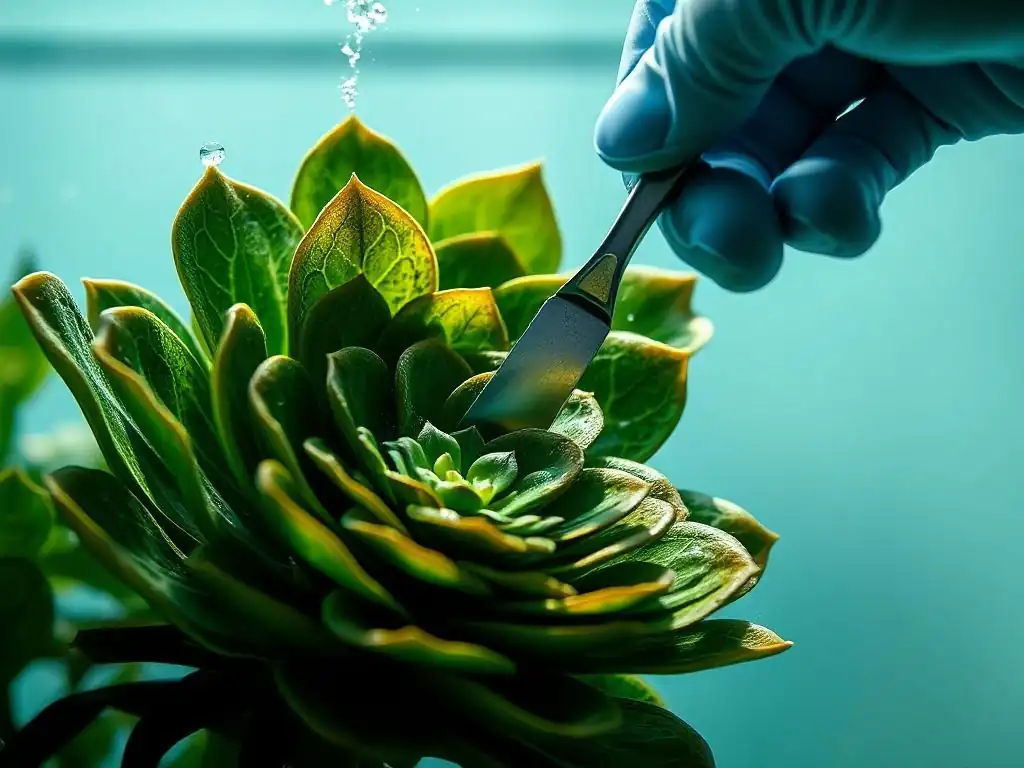
Despite optimal water parameters and the presence of biological cleaners, some manual intervention is often necessary for complete Rosette plant algae control, especially for stubborn or localized outbreaks. Manual removal provides immediate relief and prevents algae from spreading or becoming too entrenched on your rosette plants. It's crucial to perform these tasks gently to avoid damaging the delicate leaves and root structures of your plants.
Regular inspection of your rosette plants for early signs of algae growth can make manual removal much easier and more effective. Incorporating these techniques into your routine maintenance schedule will help maintain the pristine appearance and health of your aquatic plants.
Gently Wiping Algae from Rosette Plant Leaves
One of the most direct and effective ways to remove soft algae from rosette plant leaves is gentle manual wiping. This method is particularly useful for diatoms (brown algae) and soft green film algae that coat the broad surfaces of plants like Echinodorus or Cryptocoryne. Using your fingers, a soft aquarium sponge, or a dedicated plant-safe cloth, gently rub the affected leaves to dislodge the algae.
This technique should be performed carefully to avoid tearing or bruising the plant tissue, especially for more delicate leaves. For instance, when cleaning Cryptocoryne leaves, which can be prone to melting if stressed, use very light pressure. Regular, gentle wiping as part of your weekly tank maintenance can prevent these soft algae from accumulating and becoming a significant problem, contributing to ongoing Rosette plant algae control.
Using a Soft Brush to Clean Algae
For more stubborn algae types, such as firmly attached green spot algae or early stages of Black Beard Algae on robust rosette plant leaves, a soft-bristled brush can be more effective than just wiping. A dedicated aquarium brush or a new, soft toothbrush can be used to gently scrub the affected areas. The bristles can reach into crevices and dislodge algae that fingers or sponges might miss.
When using a brush, it is paramount to apply minimal pressure to prevent damaging the plant's cuticles or tearing the leaf. This method is best suited for sturdier rosette plants like mature Echinodorus leaves rather than more fragile species. For example, if a large Amazon Sword plant has persistent green spots, a soft brush can carefully work them off, providing a more thorough clean than wiping alone and aiding in targeted Rosette plant algae control.
Trimming Heavily Infested Rosette Plant Leaves
In cases where rosette plant leaves are heavily infested with tough algae like Black Beard Algae (BBA) or are severely covered in green spot algae that cannot be effectively removed manually, trimming the affected leaves is often the best course of action. This method removes a significant portion of the algae biomass from the tank immediately and encourages the plant to put energy into growing new, healthy foliage.
To trim, use sharp aquarium scissors to cut the infested leaf as close to the base or crown of the plant as possible. This is particularly effective for plants like Echinodorus and larger Cryptocoryne species. For example, if an Echinodorus 'Red Flame' has several leaves completely covered in BBA, carefully removing these leaves will not only improve the plant's appearance but also reduce the overall algae load in the tank, making other Rosette plant algae control methods more effective on new growth.
Chemical Algae Control Options (Use with Caution)
Chemical algaecides should generally be considered a last resort in Rosette plant algae control. While they can provide rapid results, they often come with risks to sensitive fish, invertebrates (especially shrimp and snails), and even some aquatic plants. They do not address the underlying cause of the algae problem, meaning the algae will likely return if water parameters, lighting, or nutrient imbalances are not corrected.
If chemical treatment is deemed necessary for severe outbreaks, it must be used with extreme caution, following manufacturer instructions precisely, and ideally targeting specific areas to minimize overall tank impact.
Algaecides: When and How to Use Them Safely
Algaecides are chemical solutions designed to kill algae. They are typically used when all other Rosette plant algae control methods (optimizing parameters, manual removal, biological control) have failed to manage a severe algae outbreak. Common active ingredients include glutaraldehyde (often sold as "liquid carbon" supplements like Seachem Excel) or copper-based compounds. Copper, however, is highly toxic to invertebrates like shrimp and snails and should generally be avoided in planted tanks.
When using glutaraldehyde-based products, it's crucial to follow the dosing instructions precisely. Overdosing can harm fish and plants, especially delicate species. For example, if a tank is severely plagued by BBA on Vallisneria and other plants, a careful, measured dose of liquid carbon according to product instructions might be used. It's often recommended to increase aeration during treatment and perform a water change after 24 hours to remove dead algae and residual chemicals. Always be aware of potential negative impacts on sensitive tank inhabitants.
Spot Treating Algae on Rosette Plants to Minimize Impact
Spot treating is a safer and more targeted approach to using chemical algaecides, particularly for localized and stubborn algae patches on rosette plants. This method involves applying a small, concentrated amount of an algaecide (such as liquid carbon) directly onto the affected algae, rather than dosing the entire tank. This minimizes the chemical's impact on the broader aquarium environment and its inhabitants.
To spot treat, turn off your filter and powerheads to stop water circulation. Load a syringe with a small, measured amount of liquid carbon solution (e.g., 1-2 ml per 10 gallons of tank volume, but check product-specific instructions for direct application). Carefully squirt the solution directly onto the Black Beard Algae or Green Spot Algae patches on your Echinodorus or Cryptocoryne leaves. Allow it to sit for 10-15 minutes before turning the filter back on. This direct application can effectively kill the targeted algae, turning BBA red or white within days, and is a valuable tool for precise Rosette plant algae control.
Preventing Algae Recurrence: Long-Term Strategies
Successful Rosette plant algae control isn't just about clearing existing outbreaks; it's fundamentally about preventing their recurrence. This requires a commitment to consistent, long-term maintenance practices that promote a healthy, balanced ecosystem where your rosette plants thrive and naturally outcompete algae. Establishing a stable environment with proper nutrient cycling, regular upkeep, and careful introduction of new elements will significantly reduce the likelihood of future algae problems.
These long-term strategies are crucial for maintaining the beauty and health of your rosette plants and ensuring a vibrant, low-maintenance aquarium. They represent the culmination of understanding your tank's needs and proactively addressing potential imbalances.
Regular Water Changes and Rosette Plant Health
Regular water changes are one of the most fundamental and effective long-term strategies for Rosette plant algae control and overall aquarium health. They serve multiple vital functions: diluting accumulated nitrates and phosphates (excess nutrients that fuel algae growth), removing dissolved organic compounds (DOCs) that can contribute to water quality degradation and algae, and replenishing essential trace elements that plants utilize. Without regular water changes, nutrient imbalances can quickly arise, stressing plants and creating prime conditions for algae blooms.
Performing weekly water changes of 25-50% is a common recommendation for planted aquariums. For example, in a 55-gallon tank with a dense Echinodorus and Cryptocoryne setup, a weekly 25% water change will remove accumulated nitrates from fish waste and decaying plant matter, keeping levels stable and reducing the food source for algae. This consistent replenishment of fresh water also ensures that rosette plants have access to the necessary micronutrients for robust growth, helping them outcompete algae.
Proper Fertilization to Support Rosette Growth and Outcompete Algae
Proper and consistent fertilization is paramount for the long-term health of rosette plants and is a critical component of Rosette plant algae control. Healthy, vigorously growing plants are the best defense against algae, as they effectively outcompete algae for available light, CO2, and nutrients. Since many rosette plants, especially Echinodorus and Cryptocoryne, are heavy root feeders, providing nutrients directly in the substrate is as important as dosing liquid fertilizers for water column nutrients.
A balanced fertilization regimen should include macronutrients (nitrogen, phosphorus, potassium) and a full spectrum of micronutrients (iron, manganese, boron, etc.). For instance, inserting root tabs near the crowns of your Echinodorus every 3-4 months and supplementing with a comprehensive liquid fertilizer dosed daily or weekly ensures your plants receive all necessary elements. This robust growth ensures that your rosette plants remain healthy and dominant, leaving fewer resources for opportunistic algae to thrive.
Quarantine New Plants to Prevent Algae Introduction
Quarantining new aquatic plants before introducing them into your main display tank is a simple yet incredibly effective preventative measure for Rosette plant algae control. New plants, especially those purchased from local fish stores or online retailers, can often harbor unwanted hitchhikers, including algae spores, snail eggs, or even parasitic organisms. Introducing these directly into your established aquarium can trigger an immediate algae outbreak or introduce pests that become difficult to eradicate.
A proper quarantine procedure involves placing new plants in a separate container (even a bucket or small plastic tub) with water for a period of 1-2 weeks. During this time, inspect them daily for any signs of algae or pests. A common practice is to perform a plant dip using a mild solution, such as potassium permanganate or a dilute bleach solution (e.g., 1 part bleach to 19 parts water for 1-2 minutes, followed by thorough rinsing and a dechlorinator bath), to kill algae and pests before transfer. This simple step can save significant headaches in future Rosette plant algae control efforts.
Troubleshooting Common Issues with Algae on Rosette Plants
Even with a strong preventative strategy, algae can sometimes appear on rosette plants, indicating an underlying imbalance in the aquarium. Troubleshooting effectively means moving beyond simply treating the visible algae and instead focusing on identifying and rectifying the root cause. This requires a systematic approach, observing patterns, and making targeted adjustments to your tank's parameters.
Patience and keen observation are key to successful troubleshooting. Remember that changes in the aquarium ecosystem can take time to manifest, and solutions may not be immediate.
Identifying the Root Cause of Persistent Algae Problems
When algae persistently plagues your rosette plants, it's a clear signal that an environmental imbalance exists. Instead of reaching for a quick fix, systematically review your tank's conditions to pinpoint the primary culprit. Begin by re-evaluating your lighting: Is the intensity too high for your plants' needs or the available CO2/nutrients? Is the photoperiod excessively long, perhaps over 8 hours? Many cases of Green Spot Algae on Echinodorus leaves, for example, point to too much light coupled with insufficient phosphates.
Next, rigorously test your water parameters. Are your nitrates consistently between 5-20 ppm and phosphates between 0.1-1.0 ppm? Fluctuating or low CO2 levels (below 20 ppm) are a notorious cause for Black Beard Algae on Cryptocoryne and Vallisneria. Also, consider water circulation and filtration: are there "dead spots" where water flow is minimal, allowing detritus and algae to accumulate? Sometimes, simply adding a small powerhead to improve flow around dense rosette plant groupings can significantly reduce algae.
Adjusting Your Approach Based on Algae Type and Severity
Once you've identified the likely root cause of your algae problem, tailor your adjustments to the specific type and severity of the outbreak. Different algae types respond to different solutions, and a blanket approach may not be effective or could even worsen other issues. For instance, if you're battling diatoms (brown algae) on new Cryptocoryne leaves in a recently set up tank, the focus should be on tank maturity and potentially increasing light slightly, rather than drastic nutrient adjustments.
Conversely, if you observe a severe outbreak of Black Beard Algae on your Echinodorus plants, the primary focus should be on stabilizing CO2 levels to a consistent 25-30 ppm throughout the photoperiod, ensuring good water flow, and potentially spot treating with liquid carbon. For less severe outbreaks, such as isolated green spot algae, increasing phosphate dosing and introducing Nerite snails might be sufficient. Make incremental changes, observe the results over a week or two, and be prepared to fine-tune your strategy until Rosette plant algae control is achieved and maintained.
Frequently Asked Questions
How do rosette plants contribute to algae control in an aquarium?
Rosette plants can help control algae by competing for nutrients and providing shade, reducing the amount of light available for algae growth. They also contribute to a balanced ecosystem that naturally inhibits algae blooms.
What are the best types of rosette plants for algae control?
Some effective rosette plants for algae control include Anubias, Echinodorus (Amazon Swords), and Cryptocoryne. These plants are generally hardy and adaptable, and some species grow large enough to provide significant shade.
What common algae problems affect rosette plants?
Rosette plants are often susceptible to algae like green spot algae and beard algae. These algae can coat the leaves, inhibiting photosynthesis and potentially harming the plant.
How can I manually remove algae from rosette plant leaves?
You can gently remove algae using a soft toothbrush or cloth. For stubborn algae, consider a short dip in a diluted hydrogen peroxide solution, but be careful not to damage the plant.
What are some preventative measures to avoid algae growth on rosette plants?
Preventative measures include maintaining proper water parameters, providing adequate but not excessive lighting, and ensuring good water circulation. Regularly testing your water and performing water changes are also crucial.
Final Reflection: Cultivating Clarity in Rosette Gardens
The insights shared in this article highlight the crucial link between vigilant algae control and the flourishing health of rosette plants. Understanding the delicate balance within these miniature ecosystems is not merely an academic exercise; it's a practical necessity for anyone striving to cultivate vibrant and thriving rosette gardens, whether in a home aquarium or a sprawling outdoor pond.
This journey into the world of rosette plants and their algal adversaries underscores the profound impact of observation and proactive intervention. My own experiences have taught me that consistent attention, even in small doses, can dramatically improve the health and longevity of these beautiful plants. The best time to plant a tree was 20 years ago. The second best time is now.
This ancient proverb resonates deeply when considering algae control; addressing the issue early prevents it from spiraling into a larger, more challenging problem.
As you nurture your own rosette plants, remember that you are not just tending to greenery, but fostering a microcosm of life. Take the knowledge gained here and apply it with diligence and care. Observe, adapt, and learn from each success and setback. Let the principles of Rosette plant algae control guide you towards creating a thriving aquatic environment, a testament to your dedication and a source of enduring beauty.
Cultivate Your Aquatic Oasis
Thank you for exploring the beauty and intricacies of rosette plants and algae management in your aquarium. We hope this information empowers you to create a thriving and balanced aquatic ecosystem. Now, let’s dive into action!
- Take the plunge and gently clean the leaves of your rosette plants today. A little TLC can make a big difference.
- Share your rosette plant success stories and challenges on social media using #AquariumMastery. Let's learn from each other!
- Experiment with introducing algae-eating snails or shrimp to naturally maintain leaf cleanliness in your aquarium. Observe their impact closely.
What unique method will you use to ensure your rosette plants are radiant and algae-free?