
Can Different Neocaridina Colors Live Together Safely? An Expert Look

Welcome to Aquarium Mastery!
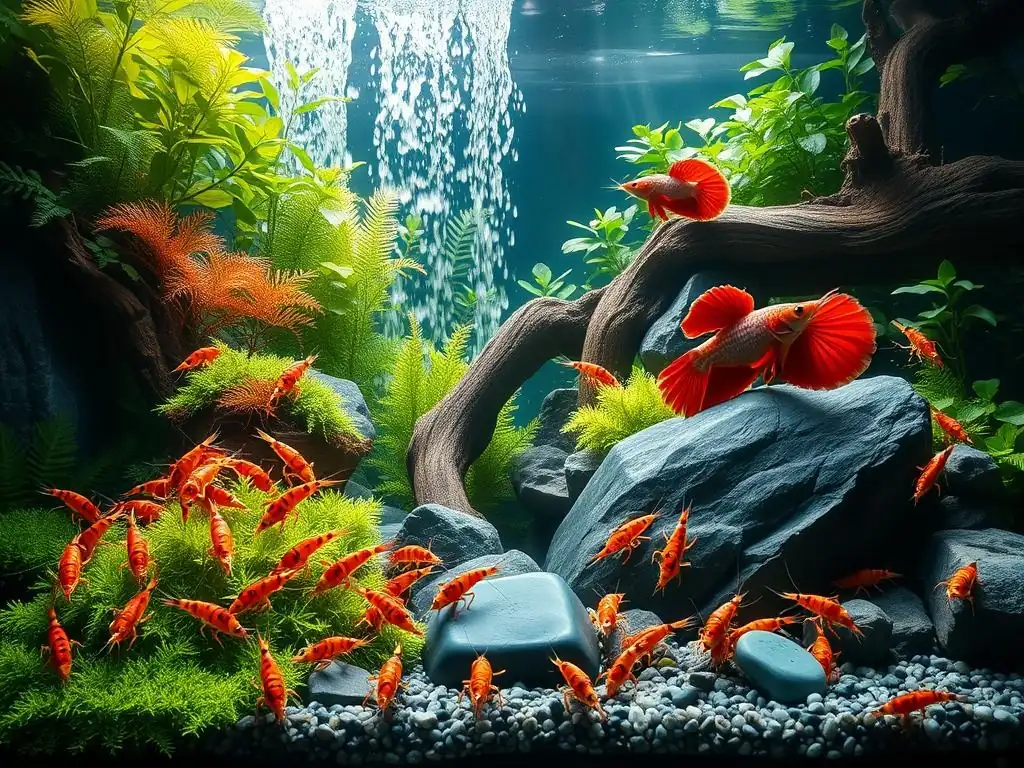
Ever wondered if your vibrant Neocaridina shrimp can truly live in harmony, creating a dazzling rainbow in your tank? Diving into the fascinating world of shrimp keeping, we'll explore the crucial topic of Neocaridina color compatibility in the aquarium. Discover the secrets to a thriving and colorful shrimp community, avoiding common pitfalls and unlocking the full potential of your invertebrate haven. Ready to learn more? Let's get started!
- Understanding Neocaridina Shrimp and Color Morphs
- Neocaridina Color Compatibility: The Core Question
- The Science Behind Crossbreeding Neocaridina Shrimp
- Potential Issues with Mixing Neocaridina Colors
- Setting Up a Neocaridina Color Compatibility Aquarium: Best Practices
- Preventing Crossbreeding in a Neocaridina Community Tank
- The Ethical Considerations of Neocaridina Crossbreeding
- Neocaridina Shrimp Care: Essential for All Colors
- Troubleshooting Neocaridina Color Loss and Fading
- Neocaridina Color Compatibility Summary: Is it Right for You?
-
Frequently Asked Questions
- What are Neocaridina shrimp and why is color compatibility important?
- Will different Neocaridina colors interbreed in an aquarium?
- What happens when Neocaridina of different colors breed together?
- Is it possible to keep different Neocaridina colors together and prevent breeding?
- What are some alternative shrimp species that can be kept with Neocaridina without interbreeding?
- Final Reflection: A Kaleidoscope of Coexistence
- Ignite Your Shrimp Tank: Create a Thriving Neocaridina Rainbow!
Understanding Neocaridina Shrimp and Color Morphs
What are Neocaridina Shrimp? A Brief Overview
Neocaridina shrimp, primarily Neocaridina davidi (formerly Neocaridina heteropoda), are small, freshwater dwarf shrimp highly popular in the aquarium hobby. Originating from Taiwan and China, these invertebrates are prized for their vibrant colors, ease of care, and ability to thrive in a wide range of water parameters, making them an excellent choice for both beginner and experienced aquarists. They typically grow to about 1 inch (2.5 cm) in length, living for approximately 1-2 years.
These industrious creatures serve as valuable clean-up crew members in a Neocaridina color compatibility aquarium, constantly grazing on algae, biofilm, and detritus, contributing to a cleaner and healthier tank environment. Their hardiness, compared to their more sensitive Caridina cousins, and their prolific breeding habits further enhance their appeal, allowing hobbyists to establish thriving colonies relatively easily.
The Appeal of Different Neocaridina Colors in Aquariums
The primary allure of Neocaridina shrimp lies in their stunning array of colors, which can transform an ordinary aquarium into a dynamic and visually captivating display. From fiery reds and deep blues to sunny yellows, emerald greens, and even stark whites, the spectrum of available morphs allows aquarists to create truly unique underwater landscapes. This diversity encourages many enthusiasts to consider a Neocaridina color compatibility aquarium, hoping to combine these vibrant hues.
Beyond their aesthetic appeal, these shrimp are peaceful inhabitants, making them suitable for community tanks with non-aggressive fish species. Their constant grazing and active movements provide continuous interest, and their relatively small bioload means they can be kept in modest tank sizes. The desire to showcase a "rainbow" effect within a single setup often drives the question of Neocaridina color compatibility, as hobbyists envision a kaleidoscope of shrimp gracefully navigating their planted aquariums.
Neocaridina Color Morphs: A Spectrum of Choices
Through years of selective breeding from the wild-type brown Neocaridina davidi, a remarkable range of stable color morphs has been developed, each with its own distinct charm. Some of the most popular varieties include the classic Red Cherry Shrimp (ranging from Sakura to Fire Red grades), the striking Blue Dream and Blue Velvet Shrimp, sunny Yellow Goldenbacks, lush Green Jades, deep Black Rose/Schoko, and pristine Snowball/White Pearl Shrimp. More recently, Orange Sunkist and Bloody Mary lines have also gained significant popularity.
Each morph represents a specific genetic line carefully cultivated to enhance and stabilize a particular coloration. For instance, the grading system for Red Cherries — from low-grade translucent red to high-grade opaque Fire Red — illustrates the intensity achieved through dedicated breeding efforts. Understanding these individual morphs is crucial when considering a Neocaridina color compatibility aquarium, as their genetic backgrounds will dictate the outcomes of interbreeding.
Neocaridina Color Compatibility: The Core Question
Genetic Basis of Neocaridina Shrimp Colors
The vibrant spectrum of Neocaridina shrimp colors is fundamentally rooted in their genetics. Their coloration is determined by the presence, absence, and concentration of various pigments, primarily carotenoids and chromatophores, which are specialized pigment-containing cells. Different genes control the expression of these pigments, leading to the distinct color morphs we see today. For example, the intense red of a Fire Red shrimp is due to a high concentration of red carotenoids, while the blue of a Blue Dream shrimp comes from specific blue chromatophores.
When shrimp reproduce, they pass on these genetic instructions to their offspring. The way these genes interact – whether they are dominant, recessive, or co-dominant – dictates the resulting coloration of the next generation. This genetic blueprint is what makes the topic of Neocaridina color compatibility so fascinating and, at times, complex, as mixing different color morphs can lead to unpredictable outcomes in their progeny.
Are Different Neocaridina Colors the Same Species?
This is the most critical question regarding Neocaridina color compatibility: Yes, all the popular Neocaridina dwarf shrimp color morphs, such as Red Cherry, Blue Dream, Yellow, Black Rose, and Snowball, belong to the exact same species, Neocaridina davidi. They are not separate species but rather selectively bred variations or "strains" derived from the original wild-type Neocaridina davidi.
Because they are all the same species, different Neocaridina color morphs can and will readily interbreed if kept together in a Neocaridina color compatibility aquarium. This interbreeding is the primary reason why hobbyists often see a loss of vibrant coloration and a reversion to wild-type patterns in their mixed-color shrimp colonies over generations. Understanding this fundamental biological fact is key to managing expectations when housing various Neocaridina colors together.
The Science Behind Crossbreeding Neocaridina Shrimp
Dominant and Recessive Genes in Neocaridina
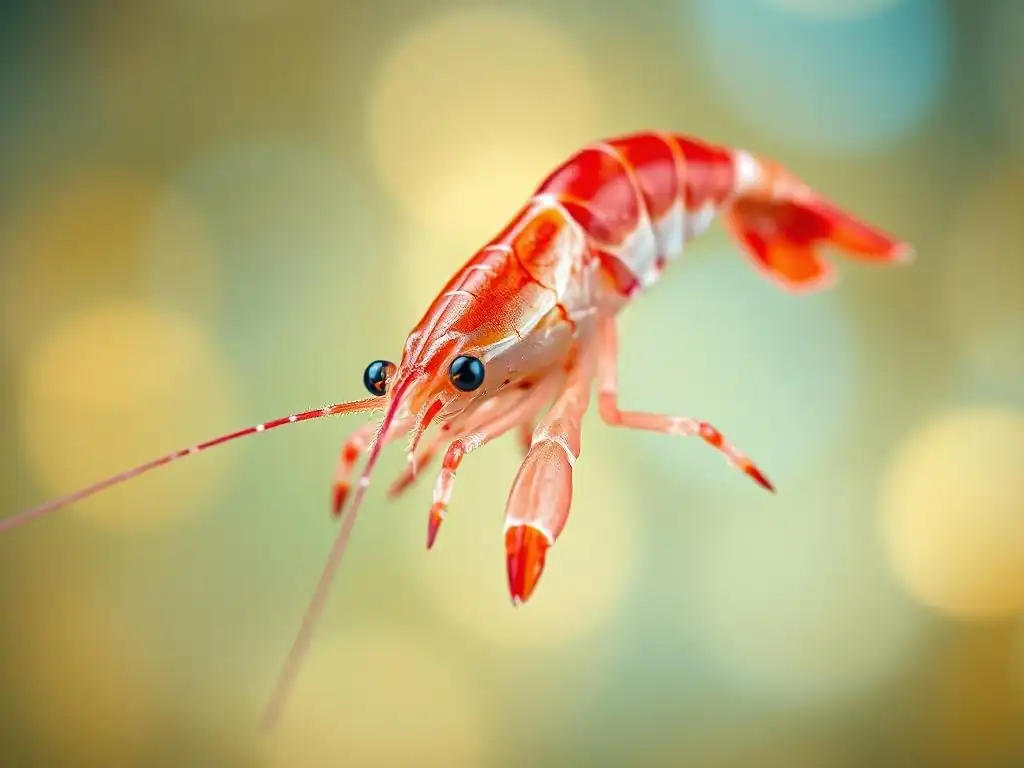
The genetic inheritance of Neocaridina shrimp colors follows principles of Mendelian genetics, involving dominant and recessive genes. In many cases, the wild-type brownish or clear coloration tends to be genetically dominant over the more vibrant, selectively bred color morphs. For example, if a Red Cherry shrimp (which carries genes for red pigment) breeds with a Blue Dream shrimp (carrying genes for blue pigment), their offspring may not inherit a pure, vibrant red or blue. Instead, the dominant wild-type genes, or a complex mix of the recessive color genes, can lead to less desirable, "muddy" or desaturated colors.
This genetic interplay means that even if you start with two distinct and beautiful colors, the first generation of offspring (F1) might show some interesting mixes, but subsequent generations (F2, F3, etc.) will increasingly exhibit a blend of traits. The pure, intense colors that breeders have spent years stabilizing are often recessive or require specific gene combinations, making them easily masked or diluted when mixed with other genetic lines.
Predicting Offspring Colors: The Genetics of Dilution and Wild-Type Expression
Predicting the exact color of offspring from crossbred Neocaridina shrimp is exceptionally difficult due due to the polygenic nature of their coloration (multiple genes influencing a single trait) and incomplete dominance or co-dominance in some instances. However, a common and predictable outcome in a mixed Neocaridina color compatibility aquarium is the "dilution" of vibrant colors or, more frequently, a "reversion to wild-type."
When different color morphs breed, the genetic pool becomes mixed, and the specific genes responsible for intense, pure colors become scattered. Over several generations, the offspring tend to lose the distinctness and vibrancy of their parent colors, often appearing as dull brown, clear, or a muted, mottled version of the original shades. This phenomenon, known as wild-type reversion, is a natural genetic tendency as the shrimp's lineage reverts to its ancestral, camouflaged form, making it a significant consideration for any aquarist planning a mixed Neocaridina color compatibility aquarium.
Potential Issues with Mixing Neocaridina Colors
Loss of Color Intensity Over Generations
One of the most noticeable and common issues arising from housing different Neocaridina color morphs in a single Neocaridina color compatibility aquarium is the gradual loss of color intensity. When shrimp of varying genetic backgrounds interbreed, the specific genes responsible for producing and maintaining vibrant, opaque colors become diluted. This means that while initial offspring might still display some color, subsequent generations will progressively show weaker, more translucent, or mottled hues.
For example, if you start with a colony of high-grade Fire Red shrimp and mix them with deep Blue Dream shrimp, you might initially see some interesting variations. However, within just two or three generations, a significant percentage of the shrimplets will likely be less intensely colored than their parents, appearing more like a pale red, faded blue, or even a dull, brownish-red. This genetic dilution is a direct consequence of the mixed gene pool, making it challenging to maintain the aesthetic appeal of a colorful shrimp tank without active intervention.
Wild-Type Reversion: The Brown Shrimp Phenomenon
Perhaps the most significant and often surprising outcome of mixing different Neocaridina color morphs is the phenomenon of "wild-type reversion." This occurs when the offspring of crossbred shrimp begin to resemble the ancestral, wild form of Neocaridina davidi, which is typically a clear to brownish-grey coloration, sometimes with subtle speckles. This reversion is not a sign of poor health but rather a natural genetic consequence of mixing distinct color lines.
The wild-type genes are often dominant or co-expressed, and when the carefully selected recessive genes for specific colors are no longer consistently paired, the default, camouflaged coloration re-emerges. Within a few generations in a mixed Neocaridina color compatibility aquarium, it is highly probable that a substantial portion of your colony will consist of these less visually appealing, brown shrimp. This can be disappointing for hobbyists who initially sought to create a vibrant, multi-colored display.
Maintaining Distinct Neocaridina Color Lines
Given the high probability of color dilution and wild-type reversion, maintaining distinct Neocaridina color lines within a single tank is practically impossible if they are allowed to breed. For hobbyists and breeders who wish to preserve the purity and vibrancy of specific color morphs, the only reliable method is to house each distinct color line in its own dedicated aquarium.
This means that if you want to keep vibrant Red Cherries, deep Blue Dreams, and bright Yellow Goldenbacks, you would ideally need three separate tanks. This approach prevents any crossbreeding, ensuring that the genetic integrity of each line remains uncompromised. While this requires more space and equipment, it guarantees that your shrimp will retain their desired coloration over successive generations, preventing the "muddying" effect often seen in a mixed Neocaridina color compatibility aquarium.
Setting Up a Neocaridina Color Compatibility Aquarium: Best Practices
Tank Size and Water Parameters for Neocaridina Shrimp
For a thriving Neocaridina color compatibility aquarium, a minimum tank size of 5 gallons (approximately 19 liters) is recommended for a small colony, though a 10-gallon (38-liter) tank or larger is preferred for greater stability and to accommodate a growing population. Stable water parameters are paramount for shrimp health and color vibrancy. Ideal temperatures range from 68-78°F (20-25.5°C). The pH should be maintained between 6.5 and 8.0, with an optimal range of 7.0-7.5.
Crucially, Neocaridina shrimp require specific water hardness: a General Hardness (GH) of 4-8 dGH (70-140 ppm) and Carbonate Hardness (KH) of 3-6 dKH (50-100 ppm) are generally suitable. Total Dissolved Solids (TDS) typically fall between 150-250 ppm. Consistency is more important than hitting exact numbers; sudden fluctuations in parameters can stress shrimp, leading to molting issues and faded colors. Utilizing a reliable test kit for regular monitoring is essential for success in any Neocaridina color compatibility aquarium.
Providing Ample Hiding Places for Shrimp
A well-designed Neocaridina color compatibility aquarium must offer an abundance of hiding places. These retreats are crucial for shrimp security, especially during vulnerable periods like molting, when their new exoskeletons are soft and they are susceptible to predation or stress. Hiding spots also provide safe havens for shrimplets to grow and for shrimp to escape from more boisterous tank mates, if any.
Excellent options for hiding places include dense clumps of live plants such as Java Moss, Christmas Moss, Anubias, and Bucephalandra, which also serve as surfaces for biofilm growth. Natural decorations like cholla wood, driftwood, and small rock caves or ceramic shrimp tubes are also highly effective. Providing these safe zones significantly reduces stress levels in your Neocaridina colony, which in turn contributes to their overall health, breeding success, and vibrant coloration.
Optimal Substrate and Plant Choices for Neocaridina
When setting up a Neocaridina color compatibility aquarium, the choice of substrate and plants can significantly influence both the shrimp's well-being and their perceived coloration. For substrate, inert options like fine gravel or sand are ideal.
Avoid active or buffering substrates designed for soft water, as these can lower pH and hardness, which may not be suitable for Neocaridina unless specifically remineralized. Darker substrates, such as black sand or dark gravel, are often recommended as they can make the shrimp's colors appear more intense by providing a strong contrast and encouraging them to darken their own pigmentation to blend in.
Heavily planted tanks are highly beneficial for Neocaridina shrimp. Live plants provide numerous advantages: they offer ample surface area for biofilm and algae to grow (a primary food source), help oxygenate the water, absorb nitrates, and provide crucial hiding places. Easy-to-care-for plants like Java Fern, Anubias, various mosses (e.g., Java Moss, Christmas Moss), Water Wisteria, and Hornwort are excellent choices. These plants thrive in a wide range of conditions suitable for Neocaridina and contribute to a stable and aesthetically pleasing environment for your colorful shrimp.
Preventing Crossbreeding in a Neocaridina Community Tank
Selective Breeding Strategies for Color Maintenance
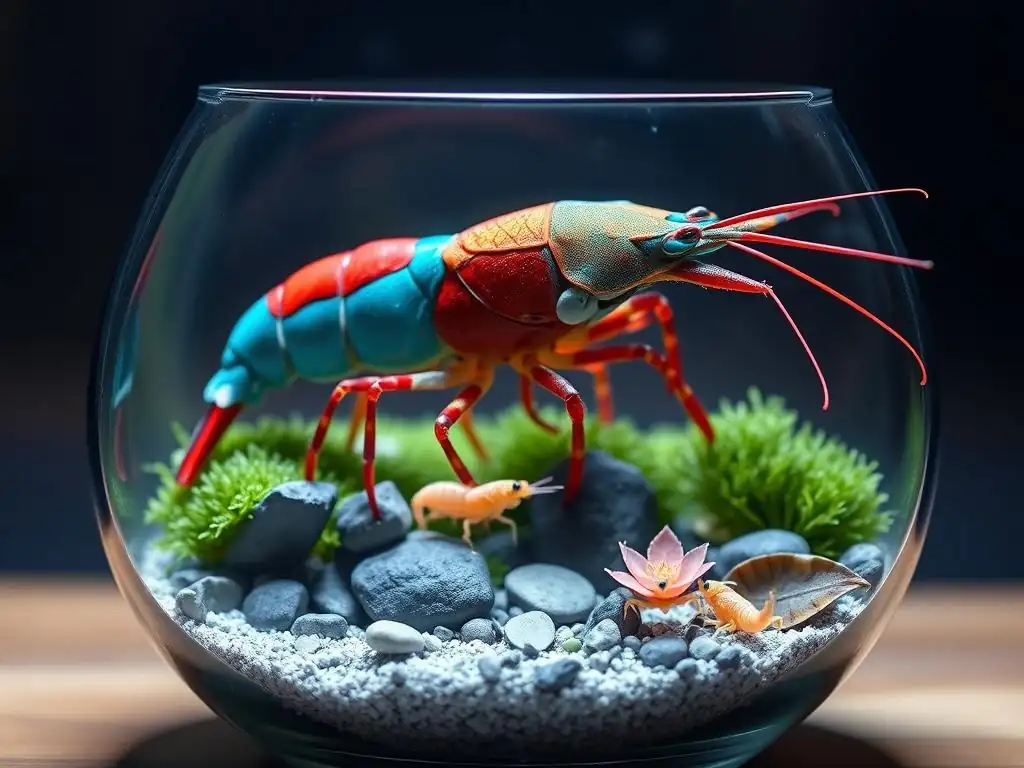
For serious hobbyists aiming to maintain the purity and vibrancy of specific Neocaridina color lines, selective breeding strategies are essential. This involves carefully choosing which shrimp are allowed to breed based on their coloration, health, and conformation to the desired morph's standards. The most common practice is "culling," where shrimp that do not exhibit the desired color intensity, clarity, or show signs of wild-type reversion are removed from the breeding pool.
Furthermore, some breeders engage in "line breeding," which involves breeding related individuals to intensify specific traits within a pure line, or strategic "outcrossing" with a new, unrelated, high-grade individual of the same color to introduce fresh genetics and prevent inbreeding depression, followed by rigorous culling. These meticulous strategies are employed to ensure that the genetic integrity and visual appeal of specific Neocaridina color morphs are preserved over successive generations, a stark contrast to what typically occurs in a casual mixed Neocaridina color compatibility aquarium.
Culling Undesirable Colors: A Necessary Practice?
Culling, in the context of Neocaridina shrimp keeping, refers to the practice of removing individuals from a breeding colony that do not meet the desired standards for color, pattern, or health. While it may sound harsh, it is a widely accepted and often necessary practice for hobbyists and breeders dedicated to maintaining the purity and high quality of specific Neocaridina color lines. In a Neocaridina color compatibility aquarium where different colors have interbred, culling becomes even more critical to manage the inevitable appearance of dull or wild-type offspring.
The purpose of culling is to prevent undesirable genes from being passed on to future generations, thereby preserving the genetic integrity and vibrant coloration of the desired morph. Culled shrimp are typically moved to a separate "cull tank," where they can live out their lives, or sometimes used as feeders for other aquarium inhabitants. This practice, while requiring a strong resolve, is crucial for anyone serious about the long-term maintenance of distinct and high-grade Neocaridina colors.
Separating Shrimp by Color: Multiple Tank Setup
The most effective and foolproof method to prevent crossbreeding and maintain the genetic purity of different Neocaridina color morphs is to house each distinct color line in its own dedicated aquarium. This approach, while requiring more initial investment in tanks, filters, and heaters, completely eliminates the possibility of interbreeding and the subsequent loss of color intensity or wild-type reversion.
For example, if you wish to keep Red Cherry, Blue Dream, and Yellow Goldenback shrimp, you would set up three separate tanks, one for each color. This ensures that only shrimp of the same color morph breed with each other, guaranteeing that their offspring will retain the desired vibrant coloration and genetic characteristics. While a multiple tank setup might seem daunting, it is the only reliable way to achieve and maintain pure, high-grade Neocaridina color lines, offering peace of mind to aquarists concerned about the long-term aesthetic of their Neocaridina color compatibility aquarium.
The Ethical Considerations of Neocaridina Crossbreeding
Preserving the Purity of Specific Neocaridina Lines
The selective breeding of Neocaridina shrimp over many years has resulted in the diverse and beautiful color morphs we enjoy today. Each distinct color line, such as Fire Red, Blue Dream, or Green Jade, represents a significant investment of time and effort by breeders to stabilize specific genetic traits. From an ethical standpoint within the hobby, many enthusiasts feel a responsibility to preserve the purity and genetic integrity of these established lines.
Indiscriminate crossbreeding in a mixed Neocaridina color compatibility aquarium can lead to the "dilution" of these carefully cultivated genetics, resulting in less vibrant or wild-type offspring. This not only diminishes the visual appeal but also, in a broader sense, can contribute to the loss of distinct, high-quality genetic lines within the hobby. Therefore, responsible shrimp keeping often involves understanding these genetic implications and making informed choices to either maintain pure lines or accept the predictable outcomes of mixing.
The Impact of Crossbreeding on the Shrimp Market
The practice of crossbreeding Neocaridina shrimp, particularly when done without an understanding of genetics or intent for specific outcomes, can have a noticeable impact on the shrimp market. When different color morphs are mixed in a Neocaridina color compatibility aquarium, the resulting offspring often revert to the wild-type brown or exhibit dull, inconsistent coloration. These "mutts" or "culls" typically have little to no commercial value compared to pure, high-grade shrimp.
This can lead to a saturation of low-quality, mixed-color shrimp in the market, making it harder for reputable breeders who invest time and effort into maintaining pure lines to sell their high-grade specimens. Furthermore, it can create confusion for new hobbyists who purchase mixed-color shrimp expecting them to maintain their vibrant hues, only to be disappointed by the subsequent dullness of their colony. Responsible breeding practices, which include maintaining pure lines or clearly labeling mixed-grade shrimp, are crucial for supporting a healthy and transparent shrimp market that benefits both sellers and buyers.
Neocaridina Shrimp Care: Essential for All Colors
Feeding Your Neocaridina Shrimp: A Balanced Diet
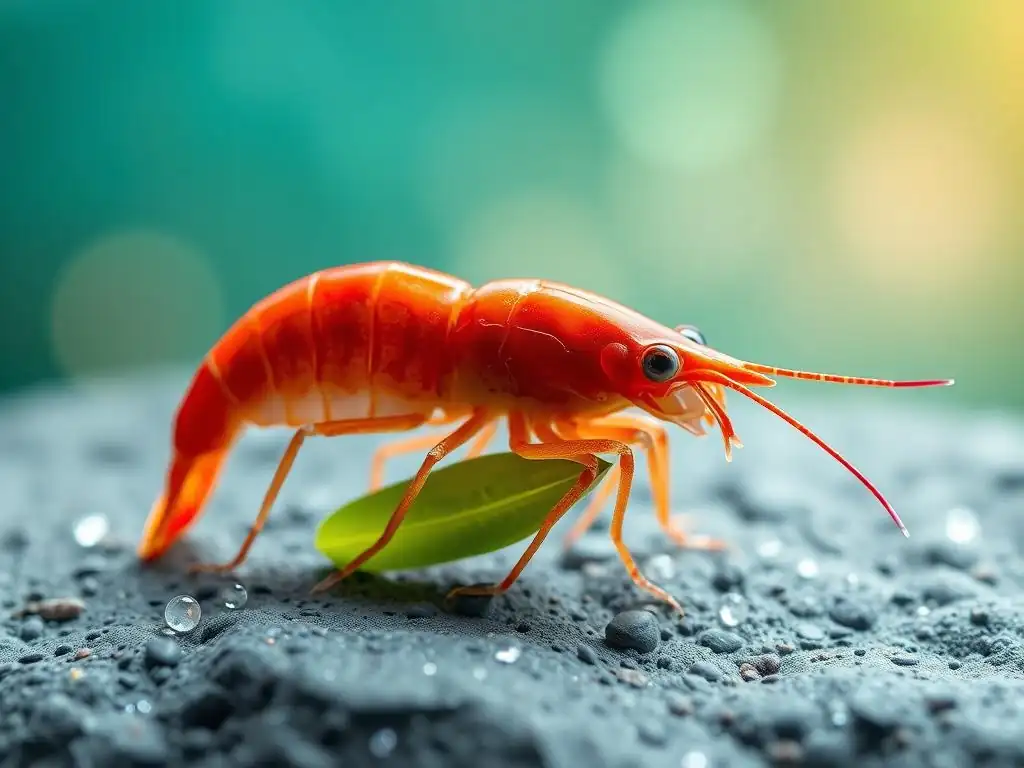
Providing a balanced and appropriate diet is crucial for the health, growth, and vibrant coloration of all Neocaridina shrimp, regardless of their specific color morph. While shrimp are excellent scavengers, relying solely on tank algae and biofilm is often insufficient, especially for larger colonies. A high-quality diet should consist of specialized shrimp pellets or wafers that are rich in plant matter, spirulina, and essential minerals. Brands like Mosura, GlasGarten, and Hikari offer excellent commercial options.
Supplementing their diet with blanched vegetables such as zucchini, spinach, kale, or carrot can provide additional nutrients and variety. Indian almond leaves and mulberry leaves are also popular additions, as they release beneficial tannins and provide a surface for biofilm growth. Overfeeding is a common mistake and can quickly foul the water, so offer small amounts every 1-2 days, ensuring it is consumed within a few hours to maintain pristine water quality in your Neocaridina color compatibility aquarium.
Water Quality Maintenance for Healthy Shrimp
Maintaining pristine and stable water quality is the single most important factor for the health, longevity, and vibrant coloration of Neocaridina shrimp. Regular water changes are essential; typically, 10-20% of the tank volume should be replaced weekly or bi-weekly with dechlorinated, temperature-matched water. Using a reliable water conditioner that neutralizes chlorine, chloramines, and heavy metals is non-negotiable.
For filtration, sponge filters are highly recommended as they provide gentle flow, extensive surface area for beneficial bacteria (which helps process ammonia and nitrites), and are completely safe for tiny shrimplets. Avoid powerful hang-on-back or canister filters with strong intakes unless they are equipped with shrimp-safe pre-filters. Crucially, copper is highly toxic to all invertebrates, including Neocaridina shrimp; therefore, thoroughly check the ingredients of any aquarium medications, plant fertilizers, or tap water conditioners to ensure they are copper-free before introducing them to your Neocaridina color compatibility aquarium.
Common Neocaridina Shrimp Diseases and Treatments
While Neocaridina shrimp are generally hardy, they can be susceptible to certain issues if water quality is poor or diet is inadequate. One common problem is molting issues, often indicated by a shrimp struggling to shed its old exoskeleton or dying during the process. This is frequently due to unstable water parameters, particularly insufficient calcium or magnesium, which are vital for shell formation. Ensuring stable GH and KH, and potentially adding mineral supplements like SaltyShrimp GH/KH+, can help.
Bacterial infections can manifest as lethargy, loss of appetite, or white patches. Improving water quality is the first step, and in severe cases, shrimp-safe antibiotics might be considered, though they should be used with extreme caution. Fungal infections, such as the dreaded "Green Fungus" (likely Cladogonium ogishimae), appear as fuzzy growths, often on the gills or body. These are challenging to treat, sometimes requiring salt dips or specific anti-fungal agents.
Lastly, parasites like Planaria (flatworms) or Vorticella (bell-shaped protozoans) can infest a tank. Identifying the specific parasite is key to treatment, often with shrimp-safe medications like No Planaria for flatworms. Prevention through excellent husbandry remains the best defense in any Neocaridina color compatibility aquarium.
Troubleshooting Neocaridina Color Loss and Fading
Identifying the Cause of Color Loss in Shrimp
When Neocaridina shrimp begin to lose their vibrant coloration or appear faded, it's crucial to identify the underlying cause. Several factors can contribute to color loss, and understanding them is the first step towards remediation. Stress is a primary culprit; poor water quality (fluctuating parameters, high nitrates), aggressive tank mates, insufficient hiding places, or sudden environmental changes can all lead to faded colors. A poor diet lacking essential pigments like carotenoids can also result in dull shrimp.
Furthermore, genetics play a significant role. If your shrimp are from a mixed-color lineage, the fading might simply be the inevitable result of wild-type reversion. Age can also cause some fading in older shrimp. Lastly, the lighting in your aquarium and the color of your substrate can influence perceived color; light-colored substrates can make shrimp appear paler as they try to blend in, while strong lighting might wash them out. Observing your shrimp's behavior and tank conditions carefully is key to diagnosing the issue in your Neocaridina color compatibility aquarium.
Adjusting Water Parameters to Enhance Color
While stable water parameters are essential for overall shrimp health, certain adjustments can sometimes help enhance their coloration. For instance, ensuring adequate levels of General Hardness (GH) and Carbonate Hardness (KH) is vital. GH provides the minerals (calcium and magnesium) necessary for healthy molting and shell development, which indirectly supports vibrant color. Some aquarists report that slightly higher mineral content (within the recommended safe ranges) can intensify reds and oranges in Neocaridina shrimp.
If you are using reverse osmosis (RO) or deionized (DI) water, it's crucial to remineralize it with a product specifically designed for Neocaridina shrimp, such as SaltyShrimp GH/KH+, to provide these essential minerals. Beyond specific numbers, consistency and stability are paramount. Wild fluctuations in pH, temperature, or hardness can cause significant stress, leading to faded colors. Regular water testing and small, frequent water changes with properly conditioned water are fundamental for maintaining the stable environment that promotes peak coloration in your Neocaridina color compatibility aquarium.
Providing Proper Lighting for Neocaridina Coloration
While lighting doesn't directly create the pigments in Neocaridina shrimp, it plays a significant role in how their colors are perceived and can indirectly influence their vibrancy. Adequate lighting is necessary for plant growth, which contributes to a healthy shrimp environment by providing food and hiding places. However, excessively bright or incorrect spectrum lighting can stress shrimp or make their colors appear washed out.
Full-spectrum LED lights with a good balance of red and blue wavelengths are often recommended, as these specific light spectra can enhance the appearance of red, blue, and yellow pigments in the shrimp, making their colors pop. Beyond the light itself, the substrate color is a powerful tool for enhancing Neocaridina coloration.
Shrimp tend to darken their bodies to blend in with their environment. Therefore, using a dark-colored inert substrate, such as black sand or dark gravel, can significantly intensify their colors, making reds redder, blues bluer, and yellows more vibrant, contributing greatly to the aesthetic of your Neocaridina color compatibility aquarium.
Neocaridina Color Compatibility Summary: Is it Right for You?
Weighing the Pros and Cons of Mixing Colors
Deciding whether to mix different Neocaridina colors in your aquarium involves weighing several distinct pros and cons. On the positive side, a mixed Neocaridina color compatibility aquarium can initially create a stunning "rainbow" effect, offering a visually diverse and engaging display. It also simplifies tank management, as you only need one setup rather than multiple tanks for different colors. For casual hobbyists who are not concerned with maintaining specific genetic lines or selling offspring, it can be a fun and less demanding way to enjoy these captivating invertebrates.
However, the cons are significant for those who value color purity. The primary disadvantage is the inevitable loss of color intensity over generations, leading to duller, less vibrant shrimp. This is often accompanied by a reversion to the wild-type brownish or clear coloration, diminishing the aesthetic appeal that initially attracted many hobbyists. Furthermore, offspring from mixed parentage typically have little to no commercial value, and maintaining any semblance of color purity within such a tank would necessitate continuous, rigorous culling.
Alternative Options for Shrimp Enthusiasts
For shrimp enthusiasts who prioritize vibrant, distinct colors and wish to avoid the genetic consequences of crossbreeding, several alternative strategies exist. The most effective method is to establish single-color tanks, dedicating a separate aquarium to each desired Neocaridina color morph. While this requires more space, equipment, and maintenance, it guarantees the genetic purity and sustained vibrancy of each line, ensuring that your shrimp retain their desired high-grade coloration for generations.
Another option is to focus on perfecting a single, high-grade color within one tank. Instead of attempting a mixed Neocaridina color compatibility aquarium, dedicate your efforts to breeding and culling one specific morph, aiming for the most intense and consistent coloration possible.
Lastly, if you desire diversity within a single tank, consider keeping different species of dwarf shrimp that cannot interbreed, such as Neocaridina with Caridina cantonensis (e.g., Crystal Red Shrimp), provided their water parameter requirements are compatible. However, it's crucial to note that Neocaridina and Caridina often have different ideal water parameters, making cohabitation challenging for optimal health and breeding.
Final Thoughts on Neocaridina Color Keeping
While different Neocaridina color morphs can physically coexist safely in a shared aquarium, their "compatibility" in terms of maintaining distinct color lines is virtually non-existent. The fundamental biological reality is that all popular Neocaridina colors belong to the same species, Neocaridina davidi, and will readily interbreed. This interbreeding, over just a few generations, inevitably leads to a dilution of vibrant colors and a reversion to the ancestral wild-type brown coloration.
For hobbyists who prioritize the stunning, pure hues that have been selectively bred into these shrimp, the expert recommendation is clear: maintain each distinct color morph in its own dedicated tank. This multi-tank setup is the only reliable way to preserve genetic purity and ensure long-term color vibrancy.
For those who are less concerned with specific color purity and find enjoyment in the unpredictable outcomes of mixed genetics, a Neocaridina color compatibility aquarium can certainly be a fascinating, albeit genetically dynamic, experience. Ultimately, the decision rests on your personal goals as an aquarist and your understanding of the genetic implications involved in keeping these beautiful, diverse dwarf shrimp.
Frequently Asked Questions
What are Neocaridina shrimp and why is color compatibility important?
Neocaridina shrimp are popular freshwater aquarium inhabitants known for their vibrant colors. Color compatibility is important because crossbreeding can lead to dull, brownish offspring, diminishing their aesthetic appeal.
Will different Neocaridina colors interbreed in an aquarium?
Yes, different Neocaridina colors will readily interbreed. They belong to the same species, Neocaridina davidi, meaning they are genetically compatible and capable of producing offspring.
What happens when Neocaridina of different colors breed together?
The offspring of mixed-color Neocaridina are often wild-type, or brownish, as the recessive color genes are diluted. This can result in a tank of less vibrant shrimp over time.
Is it possible to keep different Neocaridina colors together and prevent breeding?
It is very difficult to completely prevent breeding. The best approach is to keep only one color variety of Neocaridina per tank to maintain distinct color lines.
What are some alternative shrimp species that can be kept with Neocaridina without interbreeding?
Consider adding Caridina species, such as Crystal Red Shrimp or Amano Shrimp, as they are genetically distinct from Neocaridina and will not interbreed.
Final Reflection: A Kaleidoscope of Coexistence
The vibrant world of Neocaridina shrimp, as we've explored, is a testament to the beauty of diversity within a single species. Understanding Neocaridina color compatibility in the aquarium is not just about aesthetics; it's about creating a thriving and harmonious ecosystem. The insights shared here are increasingly relevant as more aquarists seek to personalize their underwater landscapes with a rainbow of these fascinating creatures.
The allure of a mixed-color Neocaridina tank extends beyond visual appeal. It reflects a deeper appreciation for the interconnectedness of life and the potential for peaceful coexistence, even in a confined space. This mirrors our own societal aspirations for inclusivity and understanding. The beauty of the world lies in the diversity of its people,
a sentiment that resonates equally with the diverse colors of Neocaridina shrimp thriving together.
As you consider the possibilities of your own Neocaridina aquarium, remember that responsible aquascaping is key. By understanding the genetics and providing a stable environment, you can create a vibrant and thriving community. Let this knowledge inspire you to not only cultivate a beautiful aquarium but also to reflect on the broader lessons of harmony and acceptance that these tiny creatures can teach us.
Ignite Your Shrimp Tank: Create a Thriving Neocaridina Rainbow!
Thanks for diving into the vibrant world of Neocaridina shrimp! Hopefully, you've gained a clearer understanding of how to mix and match these colorful creatures. Now it's time to put that knowledge into action and bring your dream shrimp tank to life!
Here are a few ways to get started:
- Start Planning: Carefully consider the specific color variations you want to keep together. Remember to research their individual needs (even if similar) to ensure optimal conditions.
- Share the knowledge: Spread the love of colorful shrimp! Share this article with your fellow aquarists on social media. Let's get everyone creating stunning shrimp tanks.
- Observe and learn: Keenly watch your new shrimp colony for any signs of stress or aggression after introducing new colors. Consider adding more hiding spots if needed!
What color combinations are you most excited to experiment with in your Neocaridina shrimp tank? Let's discuss your plans in the comments!