
Creating the Ideal Neocaridina Habitat: Substrate, Plants, and Decor Choices

Welcome to Aquarium Mastery!
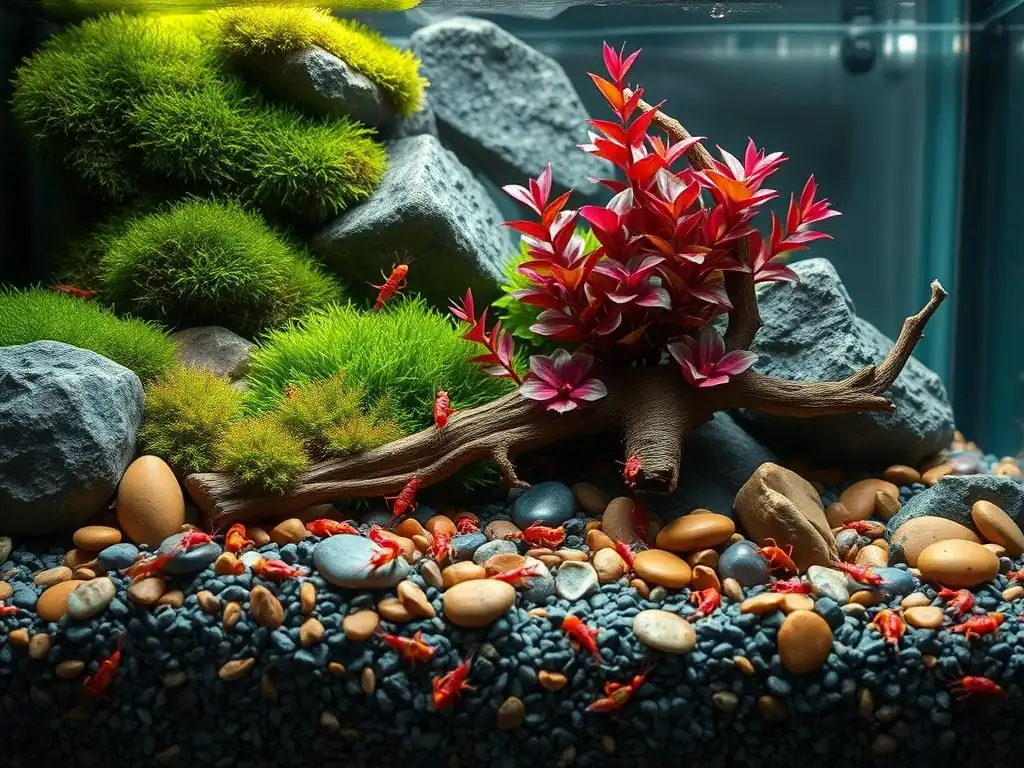
Ever wondered how the perfect substrate can unlock vibrant colors and thriving health in your Neocaridina shrimp? You're in the right place! Dive into our comprehensive guide on Neocaridina shrimp substrate choices and discover the secrets to crafting an ideal habitat that will have your shrimp population booming. Prepare to be amazed at how the right foundation can transform your aquarium into a miniature underwater paradise. Let's get started!
- Understanding Neocaridina Shrimp Habitat Requirements
- Neocaridina Shrimp Substrate Choices: A Detailed Guide
- Selecting the Right Plants for Your Neocaridina Shrimp Tank
- Decorating Your Neocaridina Shrimp Tank: Safety and Functionality
- Setting Up Your Neocaridina Tank: A Step-by-Step Guide
- Maintaining a Healthy Neocaridina Shrimp Habitat
- Troubleshooting Common Neocaridina Shrimp Habitat Problems
-
Frequently Asked Questions
- What are the best substrate options for a Neocaridina shrimp tank?
- Why is substrate choice important for Neocaridina shrimp?
- Can I use regular garden soil as a substrate for my Neocaridina shrimp tank?
- What role do plants play in a Neocaridina shrimp tank concerning substrate?
- How often should I clean the substrate in my Neocaridina shrimp tank?
- Final Reflection: Cultivating Thriving Shrimp Ecosystems
- Ignite Your Shrimp Tank: Craft the Perfect Paradise!
Understanding Neocaridina Shrimp Habitat Requirements
Why Substrate, Plants, and Decor Matter for Neocaridina Health
The careful selection of substrate, live plants, and appropriate decor is paramount for establishing a thriving Neocaridina shrimp habitat. These elements collectively contribute to the physical and chemical stability of the aquarium, providing essential hiding spots, foraging grounds, and surfaces for beneficial biofilm growth. A well-designed environment significantly reduces stress levels for these delicate invertebrates, encourages natural behaviors like grazing and breeding, and improves overall longevity within the aquarium.
Beyond aesthetics, these components serve vital functional roles. Substrate, for instance, offers a vast surface area for nitrifying bacteria, crucial for processing harmful ammonia and nitrite. Plants act as natural biofilters, absorbing excess nutrients, while decor provides secure retreats for molting shrimp or gravid females, protecting them from potential stress or predation by tankmates. The right Neocaridina shrimp substrate choices directly impacts water chemistry and stability.
Key Water Parameters for Neocaridina Shrimp Success
Maintaining stable water parameters is critical for the health and successful breeding of Neocaridina shrimp. These hardy dwarf shrimp generally thrive within a pH range of 6.5 to 8.0, though specific color morphs may show preferences within this spectrum. For instance, common Red Cherry Shrimp often do well at a pH of 7.0-7.6. General Hardness (GH), which measures calcium and magnesium ions, should ideally be between 4-8 dGH, as these minerals are essential for proper molting and shell formation.
Carbonate Hardness (KH), indicating the water's buffering capacity, is important for pH stability and should typically be maintained between 2-6 dKH. A Total Dissolved Solids (TDS) reading of 150-250 ppm is often cited as ideal, reflecting the overall mineral content. Temperature stability is also crucial, with a recommended range of 68-78°F (20-25.5°C). Fluctuations in these parameters can lead to molting issues, stress, and even death, underscoring the importance of a stable environment influenced by factors like Neocaridina shrimp substrate choices.
Neocaridina Shrimp Substrate Choices: A Detailed Guide
The Importance of Substrate for a Thriving Neocaridina Colony
The substrate forms the foundation of any Neocaridina shrimp aquarium, playing a much more significant role than just being a decorative bottom layer. It serves as an extensive surface area for the colonization of beneficial nitrifying bacteria, which are indispensable for the nitrogen cycle, converting toxic ammonia and nitrite into less harmful nitrate. Without a robust bacterial colony, water quality can rapidly deteriorate, posing a severe threat to shrimp health.
Furthermore, the substrate provides a vital foraging ground for Neocaridina shrimp. They spend a significant portion of their day grazing on the biofilm, detritus, and micro-algae that accumulate on and within the substrate particles. A suitable Neocaridina shrimp substrate choices also contributes to the overall stability of the tank's ecosystem by influencing water parameters, offering anchoring points for plants, and providing additional hiding spots for shrimp, especially during their vulnerable molting phases.
Best Substrate Options for Neocaridina Shrimp Aquariums
When considering Neocaridina shrimp substrate choices, aquarists typically weigh between inert and active options, each with distinct advantages and disadvantages depending on the desired water parameters and overall tank setup. The ideal choice supports both shrimp health and plant growth, while maintaining water stability.
Inert Substrates: Pros and Cons for Neocaridina Shrimp
Inert substrates are those that do not significantly alter water chemistry, meaning they will not buffer pH or release minerals into the water column. This makes them an excellent choice for Neocaridina shrimp, which are quite adaptable to a wide range of parameters, especially if the source water already falls within their preferred GH and KH ranges. Common examples include inert gravel, sand (such as pool filter sand or specialized aquarium sand like ADA La Plata Sand or CaribSea Super Naturals), and crushed lava rock.
The primary advantages of inert Neocaridina shrimp substrate choices are their stability and affordability. They allow the aquarist to precisely control water parameters through water changes and mineral additives, rather than relying on the substrate to do so. However, their main drawback is the lack of buffering capacity; if your tap water is very soft or acidic, you will need to actively supplement minerals (like using specific shrimp remineralizers) to ensure adequate GH and KH for healthy molting and shell development in Neocaridina shrimp.
Active Substrates: Buffering pH for Optimal Shrimp Health
Active substrates, often referred to as "aquarium soils" or "buffered substrates," are designed to lower and buffer the pH, typically to an acidic range (pH 6.0-6.8), and often soften the water. These Neocaridina shrimp substrate choices are primarily formulated for plants and soft-water invertebrates like Caridina shrimp, which require very specific, low pH and GH conditions. Popular examples include ADA Aqua Soil Amazonia, Fluval Stratum, and UNS Controsoil.
While active substrates can provide excellent plant growth and may initially seem appealing for their buffering capabilities, they can be problematic for Neocaridina shrimp if the pH drops too low. Most Neocaridina strains prefer a slightly higher, more neutral pH (7.0-7.6) than what these soils typically maintain. An active substrate might lead to an unstable environment for Neocaridina as its buffering capacity depletes over time, causing potential pH swings and requiring more frequent water parameter monitoring and adjustments. It's crucial to understand that these soils often leach ammonia initially, requiring a longer cycling period before shrimp introduction.
Comparing Substrates: Gravel vs. Sand vs. Soil for Neocaridina
When evaluating Neocaridina shrimp substrate choices, the physical characteristics of gravel, sand, and active soils offer different benefits and challenges. Gravel (typically 2-5mm in size) is easy to clean due to its larger particle size, allowing detritus to fall between gaps for easy siphoning. It provides good aeration for plant roots but can trap food particles, leading to potential water quality issues if overfed.
Sand (0.5-2mm) offers a very fine surface for shrimp to graze on biofilm and is excellent for burrowing species (though Neocaridina don't burrow). It prevents detritus from settling deep, keeping waste on the surface where it's easily siphoned. However, sand can compact over time, potentially leading to anaerobic spots if not disturbed occasionally. Fine sand is often considered one of the best Neocaridina shrimp substrate choices for aesthetic and functional reasons.
Active Aquarium Soils (granulated clay) are rich in nutrients and designed to buffer water parameters. They are excellent for plant growth, but as discussed, their impact on pH and GH might not be ideal for all Neocaridina strains. They also tend to break down over several years, requiring eventual replacement. For most Neocaridina setups, inert options like fine gravel or sand are generally simpler and more stable.
Substrate Depth: How Much Substrate Does Your Neocaridina Tank Need?
The ideal substrate depth for a Neocaridina shrimp tank is typically between 1 to 2 inches (approximately 2.5 to 5 centimeters). This depth provides sufficient surface area for beneficial bacteria to colonize and allows plants to root securely without creating overly deep layers that could become problematic. For example, in a standard 10-gallon (38-liter) tank, about 10-12 pounds (4.5-5.5 kg) of sand would achieve a depth of roughly 1.5 inches (3.8 cm).
Exceeding this depth, especially with fine sand or active soils, can lead to the formation of anaerobic pockets within the substrate. These oxygen-deprived zones can harbor harmful anaerobic bacteria that produce toxic hydrogen sulfide gas, identifiable by a rotten egg smell. While a healthy ecosystem with plants and shrimp foraging can mitigate some of this, maintaining a shallower Neocaridina shrimp substrate choices minimizes this risk and simplifies maintenance.
Preparing Your Chosen Substrate for a Neocaridina Tank
Proper preparation of your chosen Neocaridina shrimp substrate choices is a crucial step before adding it to your aquarium. For inert substrates like gravel or sand, thorough rinsing is absolutely essential. Place small batches of the substrate in a clean bucket and rinse under running water, stirring vigorously, until the water runs completely clear and free of dust and debris. This process can take several minutes per batch, but it prevents cloudy water in your established tank and removes any manufacturing residues.
Conversely, active aquarium soils (like ADA Aqua Soil) should generally not be rinsed. Rinsing these types of Neocaridina shrimp substrate choices can cause the granules to break down, releasing excessive dust and diminishing their buffering and nutrient properties. Instead, they should be carefully added to the tank. Be aware that most active soils will cause an initial ammonia spike during the cycling process due to their rich nutrient content; this necessitates a longer and more careful cycling period before any shrimp are introduced.
Selecting the Right Plants for Your Neocaridina Shrimp Tank
Live Plants as a Natural Biofilter and Food Source
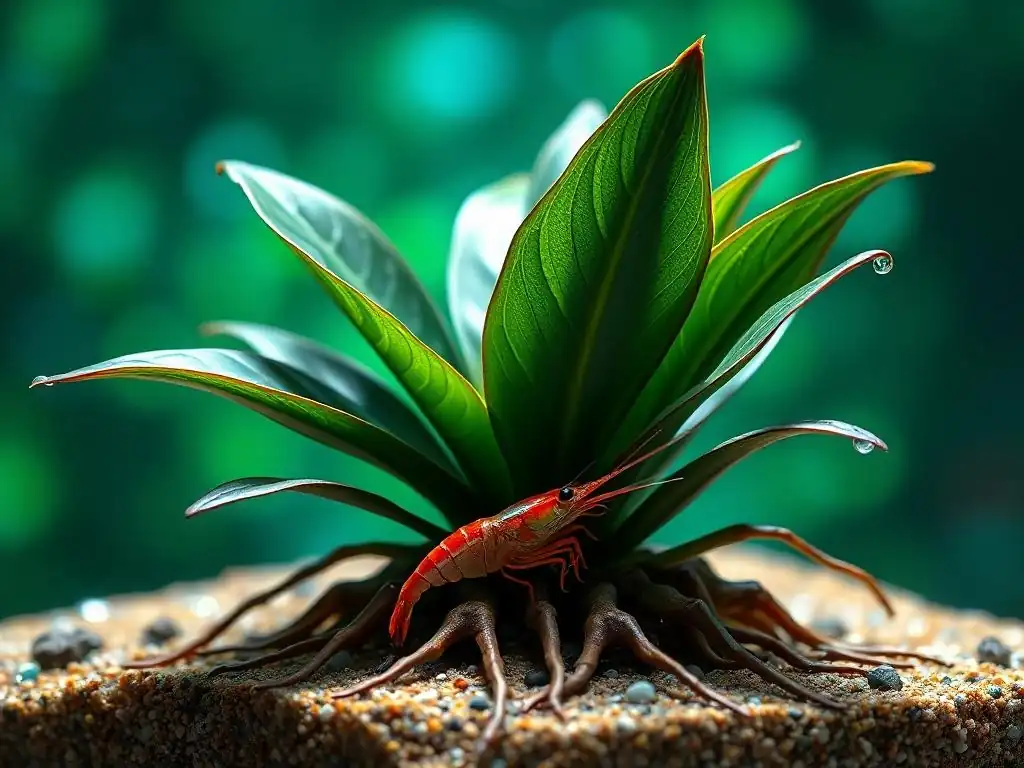
Live plants are an invaluable addition to any Neocaridina shrimp aquarium, offering a multitude of benefits that extend far beyond mere aesthetics. Functionally, they act as powerful natural biofilters, absorbing harmful nitrates, ammonia, and nitrites from the water column, thereby contributing significantly to superior water quality and reducing the frequency of large water changes. This nutrient absorption directly competes with algae, helping to keep it under control.
Beyond their filtration capabilities, plants provide abundant surface area for the growth of biofilm and micro-algae, which constitute a primary and continuous food source for Neocaridina shrimp. The shrimp constantly graze on these surfaces, supplementing their diet naturally. Furthermore, dense plant growth offers essential hiding spots and security for shrimp, particularly during vulnerable periods like molting or for newly hatched fry, greatly reducing stress and improving survival rates.
Best Plant Species for Neocaridina Shrimp Aquariums
When selecting plants for a Neocaridina shrimp tank, prioritize species that are hardy, low-maintenance, and provide ample surface area for grazing and hiding. Avoid plants that require intense lighting, CO2 injection, or complex fertilization, as these can introduce instability or chemicals that might harm shrimp.
Java Moss: A Shrimp Favorite and Easy Grower
Taxiphyllum barbieri, commonly known as Java Moss, is arguably the quintessential plant for Neocaridina shrimp tanks, and for good reason. Its dense, tangled structure provides an unparalleled haven for shrimp, offering excellent hiding spots for molting individuals and a secure nursery for newborn fry. The vast surface area of Java Moss is a prime location for the accumulation of biofilm and microscopic organisms, making it an endless buffet for grazing shrimp.
This resilient moss is incredibly easy to grow, tolerating a wide range of lighting conditions from low to moderate, and adapting to various water parameters. It does not require specific substrate or CO2 supplementation. Java Moss can be left free-floating, or easily attached to driftwood, rocks, or even mesh to create "moss walls," adding significant visual appeal and functionality to the Neocaridina shrimp substrate choices and overall layout.
Anubias: Hardy and Provides Hiding Places
Anubias species, such as Anubias barteri var. nana or Anubias coffeefolia, are another excellent choice for Neocaridina shrimp aquariums due to their exceptional hardiness and broad leaves. These slow-growing plants are virtually indestructible under typical aquarium conditions, making them ideal for beginners. Their robust leaves provide ample shade and resting spots for shrimp, while their rhizomes (thick stems) offer additional surfaces for biofilm growth.
A key advantage of Anubias is that their rhizome should not be buried in the substrate, as this can lead to rot. Instead, they are best attached to driftwood or rocks using fishing line or super glue gel until their roots anchor naturally. This flexibility allows for creative aquascaping and ensures the plant's longevity, contributing to a stable and aesthetically pleasing environment for your Neocaridina shrimp substrate choices and inhabitants.
Floating Plants: Reducing Light and Providing Shade
Floating plants like Dwarf Water Lettuce ( Pistia stratiotes), Frogbit ( Limnobium laevigatum), and Salvinia ( Salvinia natans) are highly beneficial additions to a Neocaridina shrimp tank. Their leaves float on the water's surface, creating a natural canopy that effectively reduces the intensity of light penetrating the tank. This reduction in light can be advantageous in several ways: it helps to curb excessive algae growth, and it provides a more subdued, natural environment that can reduce stress in shrimp.
Furthermore, the extensive root systems of these floating plants dangle into the water column, providing additional surface area for shrimp to graze on biofilm and offering extra hiding places for shrimp, especially fry. These plants are also highly efficient at absorbing excess nitrates and other nutrients directly from the water, acting as powerful natural filters and contributing to overall water quality stability in conjunction with your chosen Neocaridina shrimp substrate choices.
Plant Placement and Aquascaping Ideas for Shrimp Tanks
Thoughtful plant placement is crucial for creating a functional and visually appealing Neocaridina shrimp habitat. A good aquascape for shrimp tanks often incorporates a layered approach, with shorter plants in the foreground, medium-height plants in the midground, and taller species or dense moss walls in the background. This layering provides varied habitats and allows for open spaces where shrimp can be observed foraging on the Neocaridina shrimp substrate choices.
Consider creating dense "jungles" of Java Moss or Christmas Moss in corners or around driftwood, as these areas become prime hiding and breeding grounds. Anubias can be strategically placed on driftwood or rocks to provide elevated resting spots and break up sightlines. Ensure there are open areas on the Neocaridina shrimp substrate choices for shrimp to graze freely, and use plants to create natural barriers or territories if you plan to keep multiple color morphs, although Neocaridina shrimp generally coexist peacefully.
Decorating Your Neocaridina Shrimp Tank: Safety and Functionality
Choosing Shrimp-Safe Decorations: Avoiding Toxic Materials
The selection of decorations for a Neocaridina shrimp tank requires careful consideration to ensure the safety and well-being of these sensitive invertebrates. It is absolutely crucial to avoid any materials that could leach toxins into the water. This includes items with paints, glazes, or coatings unless they are explicitly labeled as "aquarium safe" and certified non-toxic. Many craft store items or garden ornaments, while aesthetically pleasing, often contain heavy metals or chemicals that are highly poisonous to shrimp, with copper being particularly lethal even in minute quantities.
Opt for natural, untreated materials whenever possible. Before introducing any new decor, thoroughly rinse it with dechlorinated water and, if appropriate (e.g., driftwood), boil or soak it for an extended period to remove impurities. Always err on the side of caution; if you are unsure about a material's safety, it's best to avoid it altogether to prevent potential harm to your Neocaridina shrimp.
Driftwood: Adding Tannins and Creating Natural Hiding Spots
Driftwood is an excellent and highly recommended decor choice for Neocaridina shrimp tanks, offering both aesthetic appeal and significant functional benefits. As natural wood slowly breaks down, it releases beneficial tannins into the water. These tannins, which impart a slight amber tint to the water, have mild anti-fungal and anti-bacterial properties, contributing to a healthier environment. They can also slightly lower the pH, which can be beneficial if your source water is on the higher end of the Neocaridina pH range.
More importantly, driftwood provides an extensive surface area for the growth of biofilm and algae, serving as a continuous food source for grazing shrimp. Its intricate shapes and crevices create numerous natural hiding spots, which are invaluable for shrimp during molting, for gravid females, and for newly hatched fry. Before adding driftwood to your tank, it is essential to prepare it by boiling or soaking it for several days to weeks to remove excess tannins and ensure it becomes waterlogged and sinks.
Rocks and Stones: Creating Caves and Visual Interest
Rocks and stones are versatile hardscape elements that can significantly enhance the visual appeal and functionality of a Neocaridina shrimp tank. Varieties like Seiryu stone, Dragon stone (Ohko stone), and lava rock are popular choices. Lava rock, in particular, is highly porous, offering a massive surface area for beneficial bacteria colonization, thus contributing to biological filtration. These elements can be arranged to create natural-looking caves, tunnels, and crevices, providing additional secure hiding spots for shrimp.
When selecting rocks, ensure they are aquarium-safe and will not alter water parameters undesirably. For instance, certain types of limestone can raise pH and hardness, which might not be ideal if you're aiming for specific Neocaridina shrimp substrate choices and water parameters. Always clean rocks thoroughly before adding them to the tank. Arrange them securely to prevent them from toppling over and potentially harming or trapping shrimp.
The Role of Shrimp Hides in a Neocaridina Tank
Shrimp hides, whether natural or artificial, play a critical role in the well-being and security of Neocaridina shrimp. These specialized retreats are essential for several reasons. During the molting process, when a shrimp sheds its old exoskeleton, it is extremely vulnerable and seeks immediate shelter. Adequate hides provide a safe, secluded space for them to recover without stress or the risk of being disturbed by tankmates.
Similarly, gravid (pregnant) female shrimp often seek out quiet, protected areas to carry their eggs until they hatch. For newly hatched fry, these hides offer crucial protection from larger tank inhabitants and provide micro-environments rich in biofilm for them to graze upon. Hides can take many forms, from dense clumps of moss, hollow pieces of driftwood, and small rock caves, to purpose-built ceramic shrimp tubes or terracotta pots, all complementing your chosen Neocaridina shrimp substrate choices.
Setting Up Your Neocaridina Tank: A Step-by-Step Guide
Preparing the Tank: Cleaning and Leak Testing
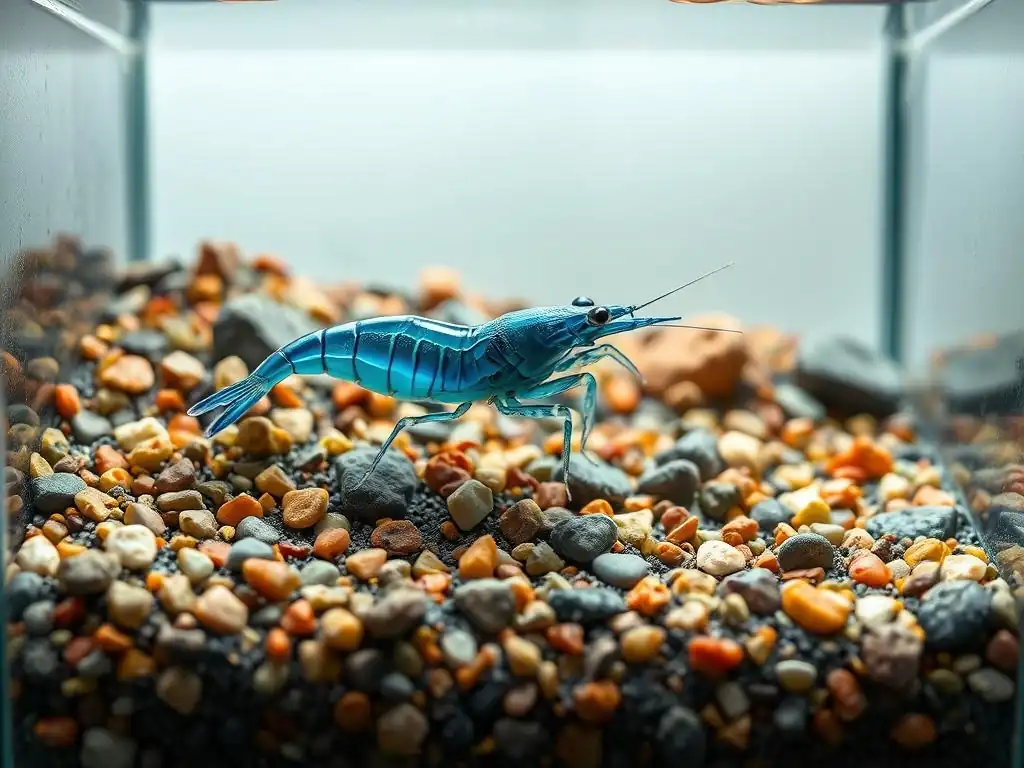
Before beginning the setup process, ensure your aquarium tank is thoroughly clean. Rinse the tank interior and exterior with plain water only; avoid using any soaps, detergents, or chemical cleaners, as residues can be highly toxic to shrimp. Use a clean, dedicated sponge or cloth. After cleaning, it's highly recommended to perform a leak test. Fill the tank with water and let it sit for at least 24 to 48 hours in a safe location (e.g., a bathtub or garage) to ensure there are no leaks before placing it in its final display spot.
Installing the Substrate Layer
Once the tank is clean and leak-tested, proceed with installing your chosen Neocaridina shrimp substrate choices. If using inert sand or gravel, gently pour the pre-rinsed substrate into the bottom of the tank. For active soils, carefully add them without rinsing. You can use a plastic sheet or a clean plate placed on the bottom to help distribute the substrate evenly and prevent scratches to the tank glass. Aim for a depth of 1 to 2 inches (2.5-5 cm), optionally sloping it slightly from back to front for visual depth.
Planting Your Chosen Aquarium Plants
With the Neocaridina shrimp substrate choices in place, it's time to add your selected live plants. For rooted plants, use tweezers to gently push their roots into the substrate. Plant taller species towards the back and shorter ones in the foreground to create depth and visual interest. For plants like Anubias and Java Moss, which prefer to be attached to hardscape, secure them to driftwood or rocks using fishing line or super glue gel. Ensure all plants are anchored securely so they don't float away when the tank is filled.
Adding Decor and Hardscape Elements
After planting, strategically place your chosen decor and hardscape elements. Position driftwood, rocks, and any specific shrimp hides to create an aesthetically pleasing layout while also providing ample hiding spots and foraging surfaces for your Neocaridina shrimp. Ensure all hardscape elements are stable and won't shift or fall, potentially trapping or harming shrimp. Consider the flow of the tank and how shrimp will navigate around these elements.
Filling the Tank and Cycling the Water
Finally, it's time to fill your Neocaridina tank. To avoid disturbing your carefully arranged substrate and plants, place a clean plate or a piece of plastic wrap on top of the substrate and gently pour dechlorinated water over it. Fill the tank slowly until it's nearly full. Once filled, begin the crucial nitrogen cycling process.
This involves establishing a colony of beneficial bacteria in your filter and substrate capable of converting ammonia and nitrite. This typically takes 4-6 weeks and involves dosing a small amount of ammonia or using established filter media. Test water parameters regularly until ammonia and nitrite consistently read zero.
Maintaining a Healthy Neocaridina Shrimp Habitat
Regular Water Changes: Maintaining Water Quality
Regular, small water changes are fundamental to maintaining pristine water quality in a Neocaridina shrimp tank. Unlike fish, shrimp are highly sensitive to sudden fluctuations in water parameters. Therefore, aim for small, frequent water changes, typically 10-20% of the tank volume once a week. This approach helps to remove accumulated nitrates and replenish essential minerals without causing significant shifts in temperature, pH, or hardness.
Always use dechlorinated water that matches the tank's temperature and parameters as closely as possible. A slow drip method, using airline tubing and a control valve, is often preferred for Neocaridina tanks, as it minimizes stress by gradually introducing new water. This careful approach, combined with a stable Neocaridina shrimp substrate choices, contributes significantly to long-term shrimp health.
Monitoring Water Parameters: pH, GH, and KH
Consistent monitoring of water parameters is paramount for the health and breeding success of Neocaridina shrimp. Regular testing of pH, General Hardness (GH), and Carbonate Hardness (KH) is essential, especially in the initial months after setup and after any significant changes to the tank. Liquid test kits are generally more accurate and reliable than test strips for these crucial parameters.
For Neocaridina, target a pH between 6.5-8.0, GH between 4-8 dGH, and KH between 2-6 dKH. If parameters drift, make very gradual adjustments using appropriate mineralizers (for GH/KH) or pH buffers. Sudden changes can lead to molting issues, stress, and even fatalities. A stable Neocaridina shrimp substrate choices, especially an inert one, helps maintain consistency in these parameters over time.
Feeding Your Neocaridina Shrimp: Supplementing Natural Food Sources
Neocaridina shrimp are primarily grazers, constantly foraging on biofilm, algae, and detritus that naturally accumulate on the Neocaridina shrimp substrate choices, plants, and decor. In a well-established, planted tank, these natural food sources can sustain a small colony. However, to ensure optimal health, growth, and breeding, supplementing their diet is recommended.
Offer specialized shrimp pellets that are rich in spirulina and other plant matter. You can also provide blanched vegetables like zucchini slices, spinach, or kale. Feed sparingly; only provide an amount that can be consumed within a few hours to prevent overfeeding, which can foul the water and lead to planaria outbreaks. Remove any uneaten food promptly after 2-3 hours to maintain water quality.
Identifying and Addressing Common Neocaridina Shrimp Tank Issues
Even in a well-maintained Neocaridina shrimp habitat, issues can arise. One common problem is molting difficulties, often indicated by a shrimp struggling to shed its old exoskeleton or having a visible "ring of death" (a white ring around the body). This is typically due to incorrect GH/KH levels or sudden parameter swings. Addressing the underlying water parameters is crucial.
Sudden shrimp deaths can be attributed to various factors, including rapid changes in water parameters, the presence of toxins (especially copper from medications or household products), or old age. Bacterial or fungal infections, often appearing as discoloration or fuzzy growths, are less common but can occur in poor water conditions. Regular observation of your shrimp's behavior and appearance, coupled with prompt action to rectify issues, is key to a thriving Neocaridina colony.
Troubleshooting Common Neocaridina Shrimp Habitat Problems
Algae Control in Neocaridina Tanks
Algae growth is a common issue in aquariums, including Neocaridina tanks. While some algae provide a natural food source for shrimp, excessive growth can be unsightly and indicate an imbalance. The primary culprits are often too much light (duration or intensity) and excess nutrients (from overfeeding or insufficient water changes). To control algae, first reduce your tank's light duration to 6-8 hours per day.
Ensure you are not overfeeding your shrimp and perform regular, small water changes to export nitrates. Increasing the density of live plants can also help, as they compete with algae for nutrients. Neocaridina shrimp themselves will graze on some types of soft algae, but for stubborn cases, introducing a few Nerite snails can provide additional algae control without harming your shrimp or disrupting your Neocaridina shrimp substrate choices.
Dealing with Unwanted Pests and Snails
Unwanted pests like Planaria (flatworms with triangular heads) and Hydra (small, stinging polyps) can occasionally hitchhike into a Neocaridina tank on new plants or live food. While Neocaridina shrimp are generally robust, these pests can compete for food or even harm very young shrimp. The best defense is prevention: quarantine new plants and thoroughly rinse them before introduction.
If an infestation occurs, reduce feeding significantly, as pests thrive on excess food. For Planaria, specific shrimp-safe medications like Fenbendazole (found in dog dewormers like Panacur C, used at very low doses) can be effective. For Hydra, manual removal or specific shrimp-safe treatments can be used. Common snails like bladder snails or ramshorn snails are often harmless detritus eaters and can be controlled by simply not overfeeding; they will only proliferate if there is an abundance of food.
Maintaining a Stable and Healthy Ecosystem
The cornerstone of a healthy Neocaridina shrimp habitat is stability. Shrimp are highly sensitive to sudden changes, so consistency in all aspects of tank management is crucial. This includes maintaining stable water parameters (temperature, pH, GH, KH) through regular, small water changes and consistent monitoring. Avoid rapid shifts in any parameter, as even a seemingly minor change can induce stress or molting problems.
A balanced feeding schedule, providing just enough food without overfeeding, prevents water quality issues and pest outbreaks. A well-chosen and maintained Neocaridina shrimp substrate choices provides a stable foundation for beneficial bacteria. Regularly observe your shrimp for any signs of distress or disease, and address issues promptly. By adhering to consistent care routines and understanding the subtle needs of these fascinating invertebrates, you can foster a thriving and long-lived Neocaridina colony.
Frequently Asked Questions
What are the best substrate options for a Neocaridina shrimp tank?
The best substrates are inert options like aquarium gravel or aquasoil. Aquasoil can lower pH, which is beneficial, but requires monitoring and may need buffering.
Why is substrate choice important for Neocaridina shrimp?
The substrate affects water parameters, such as pH and hardness, directly impacting shrimp health. Certain substrates can also provide a surface for biofilm growth, a crucial food source.
Can I use regular garden soil as a substrate for my Neocaridina shrimp tank?
No, garden soil is generally not recommended. It can contain harmful chemicals, pesticides, and decompose in ways that negatively impact water quality, harming your shrimp.
What role do plants play in a Neocaridina shrimp tank concerning substrate?
Plants help maintain water quality by absorbing nitrates and provide hiding places for shrimp. Certain plant types thrive in specific substrates, impacting plant and shrimp health.
How often should I clean the substrate in my Neocaridina shrimp tank?
Partial substrate cleaning is recommended every few weeks during water changes. Avoid deep cleaning, as this can disrupt the beneficial bacteria and remove vital biofilm for the shrimp.
Final Reflection: Cultivating Thriving Shrimp Ecosystems
The journey of creating an ideal Neocaridina habitat, meticulously considering Neocaridina shrimp substrate choices, extends far beyond mere aesthetics. It's about understanding the delicate balance of a miniature ecosystem and actively participating in its health and vitality. This mindful approach to aquascaping resonates deeply in a world increasingly aware of the interconnectedness of all living things, reminding us that even small actions can have significant positive impacts.
The influence of a thoughtfully designed shrimp tank ripples outwards, fostering a deeper appreciation for the natural world and inspiring responsible pet ownership. My own experiences observing the vibrant life within a well-established Neocaridina tank have instilled in me a profound respect for the resilience and beauty of these tiny creatures. The best aquarium is not just a tank, but a miniature ecosystem where every element plays a vital role in the well-being of its inhabitants.
This sentiment underscores the importance of informed choices, particularly when it comes to the foundation of that ecosystem: the substrate.
As you embark on your own journey of creating the perfect Neocaridina habitat, remember that you are not just building a tank, but nurturing a thriving community. Consider the long-term impact of your choices, not only on the shrimp themselves, but also on your own understanding of the natural world. Let the lessons learned from selecting the ideal substrate and crafting a balanced environment inspire you to cultivate similar mindful practices in all aspects of your life, fostering a deeper connection with the world around you.
Ignite Your Shrimp Tank: Craft the Perfect Paradise!
Thank you for diving into the world of Neocaridina shrimp! We hope this article has given you the knowledge to create a thriving environment for your tiny aquatic friends. Now, let's transform that knowledge into action and build your shrimp's dream home.
- Boldly Begin: Select Your Substrate!: Don't delay in choosing the right substrate to balance pH and promote plant growth for your shrimp. Start experimenting by testing water parameters with different substrates to see what works best.
- Share Your Inspiration: Post a photo of your planted shrimp tank setup on social media using #AquariumMasteryShrimp, and inspire others to join the shrimp-keeping community.
- Research one unusual, shrimp-safe plant you’ve never considered before and determine how it can enhance your tank’s ecosystem.
What unique piece of decor will you add to your tank to make it truly stand out, and how do you think your shrimp will interact with it?