
Apistogramma Community Tank: Choosing Compatible Companions

Welcome to Aquarium Mastery!
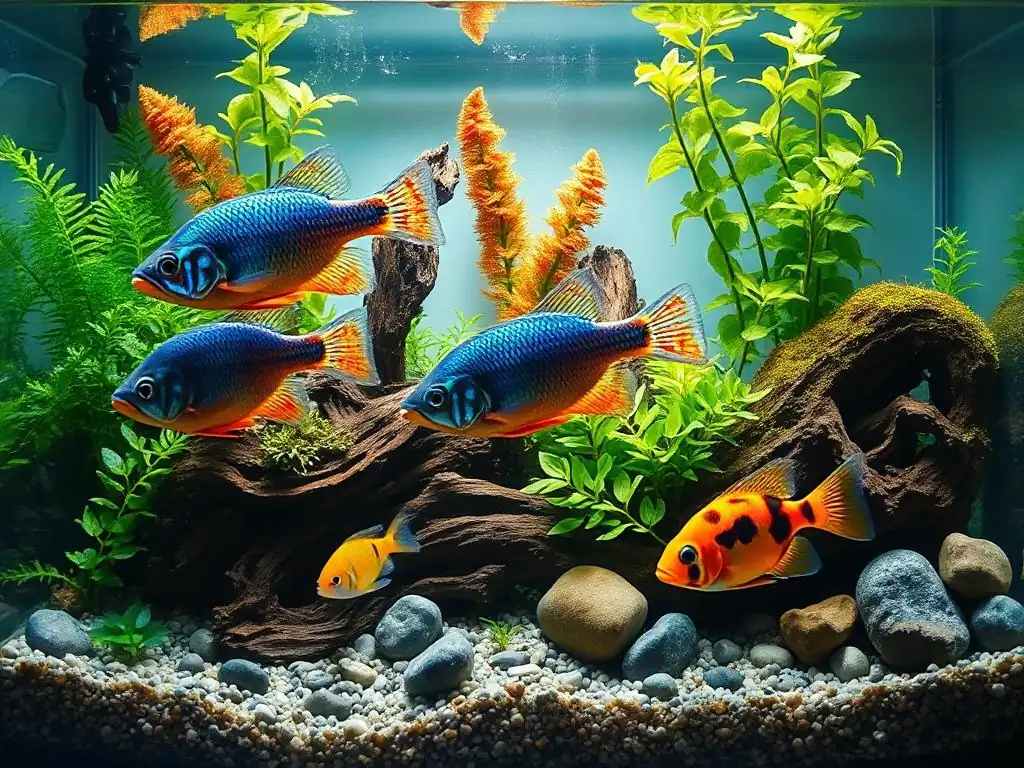
Dive into the fascinating world of Apistogrammas and unlock the secrets to creating a thriving community tank. Ever wondered which fish make the best companions for your Apistogrammas? Discover the key to a harmonious aquatic ecosystem in our comprehensive guide to Apistogramma tank compatible fish and learn how to build the perfect freshwater paradise. Let's explore!
- Understanding Apistogramma Behavior for Successful Community Tanks
- Selecting Suitable Tank Mates for Your Apistogramma Aquarium
- Fish to Avoid in an Apistogramma Community Tank
- Creating the Ideal Environment for an Apistogramma Community
- Introducing New Fish to Your Apistogramma Tank
- Troubleshooting Common Issues in Apistogramma Community Tanks
- Building a Thriving Apistogramma Tank: A Summary of Compatible Fish
-
Frequently Asked Questions
- What are Apistogrammas, and why is compatibility important?
- What types of fish are generally not compatible with Apistogrammas?
- What are some good examples of peaceful fish that can live with Apistogrammas?
- How important is tank size when considering Apistogramma tank mates?
- What signs should I look for to determine if my Apistogrammas are stressed by their tank mates?
- Final Reflection: Cultivating Harmony in the Apistogramma Aquarium
- Unlock the Secrets to a Thriving Apisto Community!
Understanding Apistogramma Behavior for Successful Community Tanks
Apistogramma Temperament: What to Expect in a Community Setting
Apistogramma, often referred to as "Apistos," are a diverse genus of dwarf cichlids originating from South America, renowned for their vibrant colors and intricate behaviors. While generally considered peaceful compared to their larger cichlid relatives, their temperament in a community setting is highly dependent on species, individual personality, and tank conditions.
Most Apistogramma species, such as the popular Apistogramma cacatuoides or Apistogramma agassizii, typically reach a size of 1.5 to 3 inches (4-8 cm) and exhibit territorial tendencies, especially during breeding periods or when defending preferred hiding spots. They are often shy and can become stressed if housed with overly boisterous or aggressive tank mates.
Their territorial nature means that while they are usually non-aggressive towards fish outside their immediate personal space, they can display strong defensive behaviors towards conspecifics or other dwarf cichlids that resemble them, particularly males competing for mates or prime breeding sites. For instance, a single male paired with two or three females in a larger setup, like a 20-gallon long tank (approximately 30x12x12 inches or 76x30x30 cm), often helps to diffuse potential aggression among the Apistogramma themselves.
Providing a highly structured environment with numerous caves, driftwood, and dense plant cover is crucial to create visual barriers and retreat options, which significantly reduces stress and potential conflict within the Apistogramma community tank.
Key Considerations for Apistogramma Tank Compatibility
Successful Apistogramma tank compatibility hinges on several critical factors, primarily tank size and environmental stability. Apistogramma species thrive in tanks of at least 10 gallons for a single pair, but a 20-gallon or larger aquarium is highly recommended for a community setup, allowing sufficient territory for the Apistogramma and ample space for Apistogramma tank compatible fish.
These dwarf cichlids prefer soft, acidic water conditions, typically with a pH range of 5.5-7.0 and a general hardness (GH) between 2-8 dKH, along with stable temperatures usually between 75-82°F (24-28°C). Any chosen Apistogramma tank compatible fish must also thrive within these specific water parameters to ensure the health and well-being of all inhabitants.
When selecting Apistogramma tank compatible fish, it is paramount to consider their behavior and the niche they occupy within the aquarium. Ideal tank mates should be peaceful, non-aggressive, and preferably occupy different levels of the water column to minimize direct competition for space and food resources. For example, surface-dwelling pencilfish or mid-water schooling tetras are excellent choices as they rarely interact directly with the bottom-dwelling Apistogramma.
Fast-moving, fin-nipping species like many barbs, or large, boisterous fish, are generally unsuitable as they can stress or injure the delicate Apistogramma. Similarly, other cichlid species, unless specifically known for extreme peacefulness and occupying a distinct niche, are best avoided to prevent territorial disputes and aggression.
Selecting Suitable Tank Mates for Your Apistogramma Aquarium
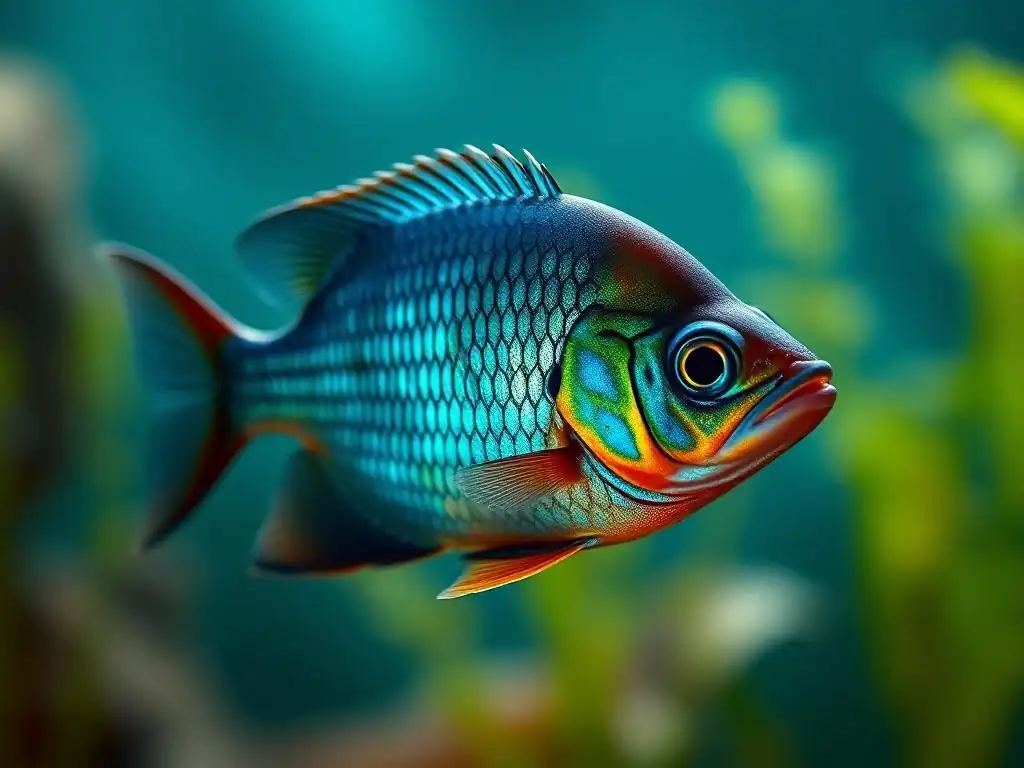
Top Peaceful Fish for Apistogramma Community Tanks
Small Tetras as Apistogramma Tank Mates: Neons, Cardinals, and Embers
Small, peaceful schooling tetras are among the most popular and successful choices for Apistogramma tank compatible fish, primarily due to their calm demeanor and preference for the upper and mid-water columns, which minimizes direct competition with the bottom-dwelling Apistogramma. Neon Tetras ( Paracheirodon innesi), Cardinal Tetras ( Paracheirodon axelrodi), and Ember Tetras ( Hyphessobrycon amandae) are excellent examples.
These species typically grow no larger than 1.5 inches (3.8 cm) and thrive in schools of six or more individuals, providing a sense of security and exhibiting natural schooling behaviors that can actually act as dither fish, making the Apistogramma feel safer and more outgoing.
The water parameters preferred by these tetras closely align with those of Apistogramma, namely soft, acidic water with temperatures ranging from 72-80°F (22-27°C). For instance, a school of 10-15 Cardinal Tetras in a 29-gallon Apistogramma community tank provides a stunning visual contrast while peacefully coexisting. Their small size and non-aggressive nature ensure they do not intimidate or nip at the Apistogramma's fins, making them ideal Apistogramma tank compatible fish that contribute to a vibrant and harmonious ecosystem.
Rasboras: A Great Choice for a Harmonious Apistogramma Tank
Rasboras, particularly species like Harlequin Rasboras ( Trigonostigma heteromorpha) and Chili Rasboras ( Boraras brigittae), are another highly recommended group of Apistogramma tank compatible fish. These small, schooling cyprinids are known for their peaceful temperament and ability to thrive in similar water conditions to Apistogramma. Harlequin Rasboras reach about 1.75 inches (4.5 cm) and prefer to swim in the mid-to-upper water column, forming tight schools that are both visually appealing and non-threatening to the dwarf cichlids below.
Chili Rasboras are even smaller, typically less than 0.75 inches (2 cm), making them an excellent choice for smaller Apistogramma setups, such as a 20-gallon tank housing a pair of Apistogramma borellii. These rasboras are active but not overly boisterous, and their small mouth size ensures they pose no threat to the Apistogramma's fry, should breeding occur. Their calm disposition and habit of occupying different tank levels make them perfect Apistogramma tank compatible fish, contributing to the overall tranquility and biodiversity of the community aquarium.
Corydoras Catfish: Peaceful Bottom Dwellers for Apistogramma Aquariums
Corydoras catfish, often simply called "Corys," are indispensable Apistogramma tank compatible fish, especially for occupying the very bottom stratum of the aquarium. These peaceful, armored catfish are known for their constant foraging activities, sifting through the substrate for food particles without disturbing other inhabitants. Species like the Panda Cory ( Corydoras panda), Pygmy Cory ( Corydoras pygmaeus), and Bronze Cory ( Corydoras aeneus) are excellent choices, typically growing between 1 to 2.5 inches (2.5-6.5 cm) depending on the species.
A group of 6-8 Corydoras in a 20-gallon or larger Apistogramma community tank can help keep the substrate clean while providing interesting behaviors. They are not territorial, do not compete with Apistogramma for caves or hiding spots, and tolerate similar water parameters (pH 6.0-7.5, GH 5-15 dKH, temperature 72-78°F or 22-26°C), making them ideal Apistogramma tank compatible fish. Their presence also ensures that any uneaten food at the bottom is consumed, contributing to better water quality and a healthier environment for all tank inhabitants.
Invertebrates that Can Coexist with Apistogramma
Snails: Safe Options for an Apistogramma Community
Snails are generally considered safe and beneficial Apistogramma tank compatible inhabitants, primarily serving as algae eaters and detritivores. Species like Nerite Snails ( Neritina natalensis), Mystery Snails ( Pomacea bridgesii), and Ramshorn Snails ( Planorbella spp.) are excellent choices. These snails are too large to be considered prey by most Apistogramma species, even adult males, and their slow, deliberate movements do not stress the fish.
Nerite snails are particularly effective at consuming various types of algae, including stubborn green spot algae, and they do not reproduce excessively in freshwater, preventing overpopulation. Mystery snails can grow quite large (up to 2 inches or 5 cm) and are active scavengers, while Ramshorn snails are smaller but reproduce readily, providing a natural cleanup crew. Their presence helps maintain a clean Apistogramma community tank without posing any threat to the fish.
Shrimp: Proceed with Caution When Adding Shrimp to an Apistogramma Tank
Adding shrimp to an Apistogramma community tank requires careful consideration, as Apistogramma, being cichlids, are opportunistic predators. While adult Apistogramma are generally not aggressive towards larger shrimp, smaller shrimp or juvenile shrimp are highly likely to be viewed as food. For example, a full-grown Amano Shrimp ( Caridina multidentata), which can reach 2 inches (5 cm), might coexist peacefully with a pair of Apistogramma cacatuoides in a well-planted tank.
However, smaller, brightly colored shrimp like Cherry Shrimp ( Neocaridina davidi) are almost certainly going to be preyed upon, especially if the Apistogramma are breeding or if the tank lacks sufficient hiding spots for the shrimp. If shrimp are desired, it's best to introduce large, adult Amano Shrimp into a heavily planted Apistogramma tank where the fish are well-fed. Even then, there's no absolute guarantee of survival for the shrimp, and constant monitoring is advised when considering these delicate invertebrates as Apistogramma tank compatible fish.
Fish to Avoid in an Apistogramma Community Tank
Aggressive Fish that Can Bully Apistogramma
When selecting Apistogramma tank compatible fish, it is crucial to avoid any species known for aggression or territoriality, as these can severely stress or injure the relatively timid Apistogramma. Larger, more boisterous cichlids such as Convict Cichlids ( Amatitlania nigrofasciata), Jack Dempseys ( Rocio octofasciata), or even certain types of African Cichlids are completely unsuitable due to their highly aggressive nature and vastly different water parameter requirements. Even some seemingly peaceful fish can become problematic if they are too active or large for the Apistogramma's comfort.
Other fish to steer clear of include certain Gourami species, particularly the larger and more territorial ones like the Three Spot Gourami ( Trichopodus trichopterus), which can become aggressive as they mature and harass smaller, less assertive fish like Apistogramma. Any fish that consistently chases or nips at tank mates will lead to chronic stress for the Apistogramma, suppressing their immune system and making them more susceptible to disease. Maintaining a peaceful environment is paramount for a thriving Apistogramma community tank.
Fin-Nippers: Protecting Apistogramma's Delicate Fins
Apistogramma species, especially males, often possess elongated, flowing fins that are beautiful but also highly vulnerable to fin-nipping. Introducing fish known for this behavior can lead to significant stress, injury, and susceptibility to bacterial infections for the Apistogramma. Common fin-nippers include many species of Barbs, such as Tiger Barbs ( Puntigrus tetrazona) and Rosy Barbs ( Pethia conchonius), which, despite their vibrant colors, are notorious for nipping at the fins of slower-moving or long-finned tank mates.
Similarly, some larger, more boisterous Tetras, like Serpae Tetras ( Hyphessobrycon eques), can also exhibit fin-nipping tendencies, particularly if not kept in sufficiently large schools. While these fish might appear appealing, their natural behaviors are incompatible with the delicate nature of Apistogramma. Prioritizing the safety and well-being of the Apistogramma means strictly avoiding any fish species with a reputation for fin-nipping to ensure their beautiful fins remain intact and they can thrive in their Apistogramma community tank.
Overly Active Fish: Minimizing Stress in the Apistogramma Tank
Overly active or fast-moving fish, even if not overtly aggressive, can create a constantly stressful environment for the more sedate and shy Apistogramma. Fish that dart erratically around the tank, such as certain Rainbowfish species or some larger Rasbora varieties, can make Apistogramma feel insecure and constantly on edge. While active, dither fish are beneficial, there's a fine line between providing comfort and inducing anxiety.
Constant high-speed movement can lead to Apistogramma spending more time hiding, refusing to feed openly, and potentially failing to display their natural behaviors and colors. For example, a school of Giant Danios ( Devario aequipinnatus) in an Apistogramma tank, while not directly aggressive, would likely create too much commotion for the comfort of the dwarf cichlids. The goal for an Apistogramma community tank is to select Apistogramma tank compatible fish that complement their calm and exploratory nature, rather than overwhelming it with hyperactivity.
Creating the Ideal Environment for an Apistogramma Community
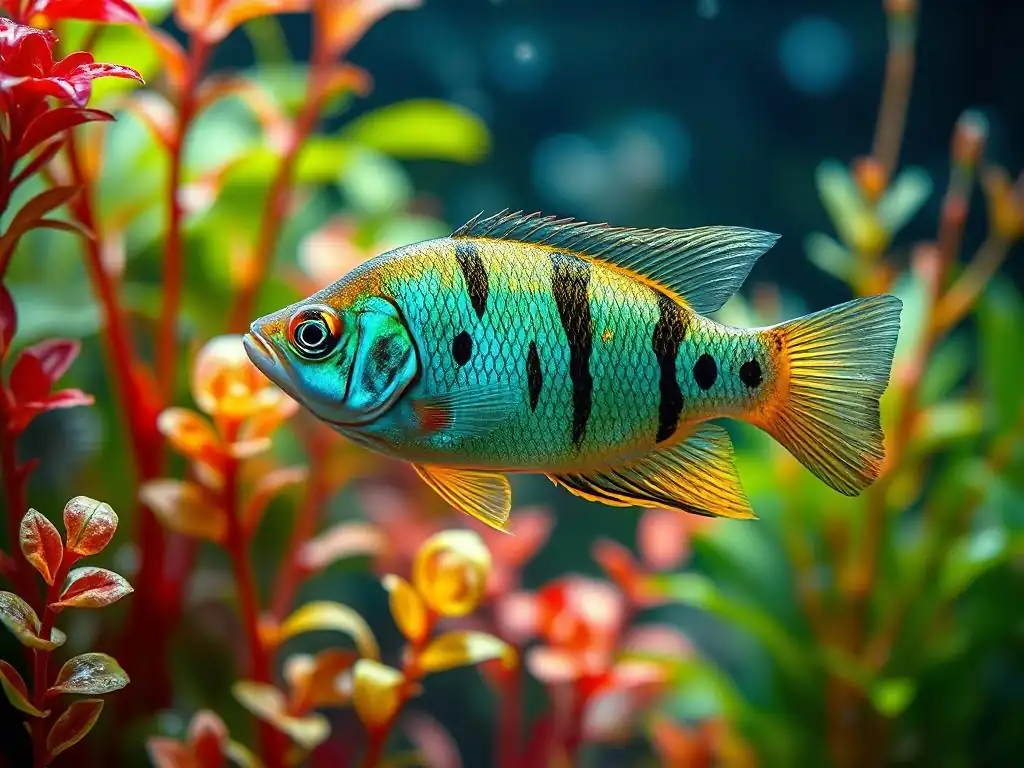
Tank Size and Aquascaping for a Balanced Apistogramma Aquarium
The foundation of a thriving Apistogramma community tank lies in appropriate tank size and thoughtful aquascaping. While a single pair of Apistogramma can be housed in a 10-gallon tank, a minimum of 20 gallons (approximately 24x12x16 inches or 60x30x40 cm) is recommended for a community setup to provide sufficient space for territories and Apistogramma tank compatible fish. For multiple Apistogramma pairs or larger groups of tank mates, a 29-gallon (30x12x18 inches or 76x30x45 cm) or 40-gallon breeder (36x18x16 inches or 91x45x40 cm) tank offers even more stability and comfort.
Aquascaping should focus on creating a complex environment with numerous hiding spots and visual barriers. This includes plenty of driftwood, rock caves (ensure they are non-calcareous), and dense live plant cover.
Plants like Java Fern ( Microsorum pteropus), Anubias ( Anubias barteri), and various Cryptocoryne species are excellent choices as they thrive in similar conditions and provide ample cover. Leaf litter, such as dried Indian almond leaves, not only adds to the natural aesthetic but also releases beneficial tannins that lower pH and provide additional hiding spots, mimicking their natural habitat and reducing stress for the Apistogramma and their compatible fish.
Water Parameters: Maintaining Optimal Conditions for Apistogramma and Tank Mates
Maintaining precise and stable water parameters is critical for the health and longevity of Apistogramma and their compatible fish. Apistogramma species generally originate from soft, acidic blackwater or clearwater environments. The ideal pH range is typically between 5.5 and 7.0, with general hardness (GH) between 2-8 dKH (35-140 ppm) and carbonate hardness (KH) below 4 dKH (70 ppm). Temperatures should be kept stable, preferably between 75-82°F (24-28°C), with minimal fluctuations.
Regular testing of water parameters using a reliable liquid test kit is essential. Weekly tests for ammonia, nitrite, nitrate, pH, GH, and KH will help identify any deviations quickly. For instance, if the pH starts to rise above 7.0, adding additional driftwood or Indian almond leaves can help naturally lower it.
Conversely, if the water is too soft, a small amount of crushed coral in the filter can slowly increase hardness, though this is rarely needed for Apistogramma. Consistency in these parameters is far more important than hitting exact numbers, as sudden swings are highly detrimental to sensitive fish like Apistogramma and their Apistogramma tank compatible fish.
Filtration and Water Changes for a Healthy Community Tank
Effective filtration and consistent water changes are the cornerstones of a healthy Apistogramma community tank. A high-quality filtration system, such as a sponge filter, hang-on-back (HOB) filter with a pre-filter sponge, or a canister filter, is crucial for maintaining excellent water quality. The filter should provide both mechanical filtration (to remove particulate matter) and biological filtration (to process ammonia and nitrite), but the flow should be gentle, as Apistogramma prefer calm water. For example, a 20-gallon tank might benefit from a HOB filter rated for 30-50 gallons with a baffled output to reduce flow.
Regular partial water changes are equally vital. A weekly water change of 20-30% is generally recommended for an established Apistogramma community tank. This practice removes accumulated nitrates, replaces essential trace minerals, and maintains water clarity. For example, in a 29-gallon tank, a 25% weekly water change would involve removing about 7 gallons of water and replacing it with dechlorinated, temperature-matched fresh water. Consistent water changes prevent the buildup of toxins and contribute significantly to the overall well-being and vibrant health of Apistogramma and their Apistogramma tank compatible fish.
Introducing New Fish to Your Apistogramma Tank
Quarantine Procedures for New Additions
Implementing a strict quarantine procedure is perhaps the most critical step when introducing any new Apistogramma tank compatible fish to an established Apistogramma community tank. A separate quarantine tank, ideally 10-20 gallons, should be set up with a heater, sponge filter, and basic hiding spots. All new fish should spend a minimum of two to four weeks in this tank before being moved to the main display. During this period, observe them closely for any signs of disease, parasites, or unusual behavior such as clamped fins, lethargy, or white spots.
Treating any detected illnesses in the quarantine tank prevents the spread of pathogens to the main Apistogramma community tank, which could devastate the entire population. For instance, if Ich (white spot disease) is observed, it can be treated effectively in the quarantine tank without exposing the established, potentially more sensitive Apistogramma. This proactive approach significantly reduces the risk of introducing diseases that could compromise the health and stability of your carefully curated Apistogramma community.
Gradual Acclimation to Minimize Stress
Once the quarantine period is successfully completed, the gradual acclimation of new Apistogramma tank compatible fish to the main tank is essential to minimize stress from changes in water parameters. The drip acclimation method is highly recommended for sensitive species. This involves slowly dripping water from the main display tank into the container holding the new fish over a period of 1-2 hours, allowing the fish to gradually adjust to the main tank's temperature, pH, and hardness.
For example, if moving a school of Cardinal Tetras from a quarantine tank with slightly different pH to a main Apistogramma community tank, drip acclimation at a rate of 1-2 drops per second will ensure a smooth transition. Avoid simply floating the bag and dumping the fish, as sudden shifts in water chemistry can cause severe osmotic shock, leading to illness or death. This careful acclimation process ensures the new Apistogramma tank compatible fish integrate smoothly and thrive in their new environment.
Monitoring Behavior After Introduction
After new Apistogramma tank compatible fish have been introduced to the main community tank, continuous monitoring of their behavior and that of the established Apistogramma is crucial for at least the first few days, and ideally for a week or more. Observe for any signs of aggression from the existing Apistogramma towards the newcomers, or vice versa. Watch for unusual hiding, lack of feeding, or physical signs of stress like faded colors or clamped fins in any of the fish.
For instance, if a newly introduced group of Corydoras catfish appears stressed or if the resident Apistogramma are unusually aggressive, it might indicate insufficient hiding spots or an overly small territory for the Apistogramma. If aggression persists, especially from the Apistogramma, consider rearranging the aquascape to break up territories or even temporarily removing the most aggressive Apistogramma to allow the new fish to settle. This proactive monitoring helps ensure a harmonious Apistogramma community tank where all inhabitants can thrive.
Troubleshooting Common Issues in Apistogramma Community Tanks
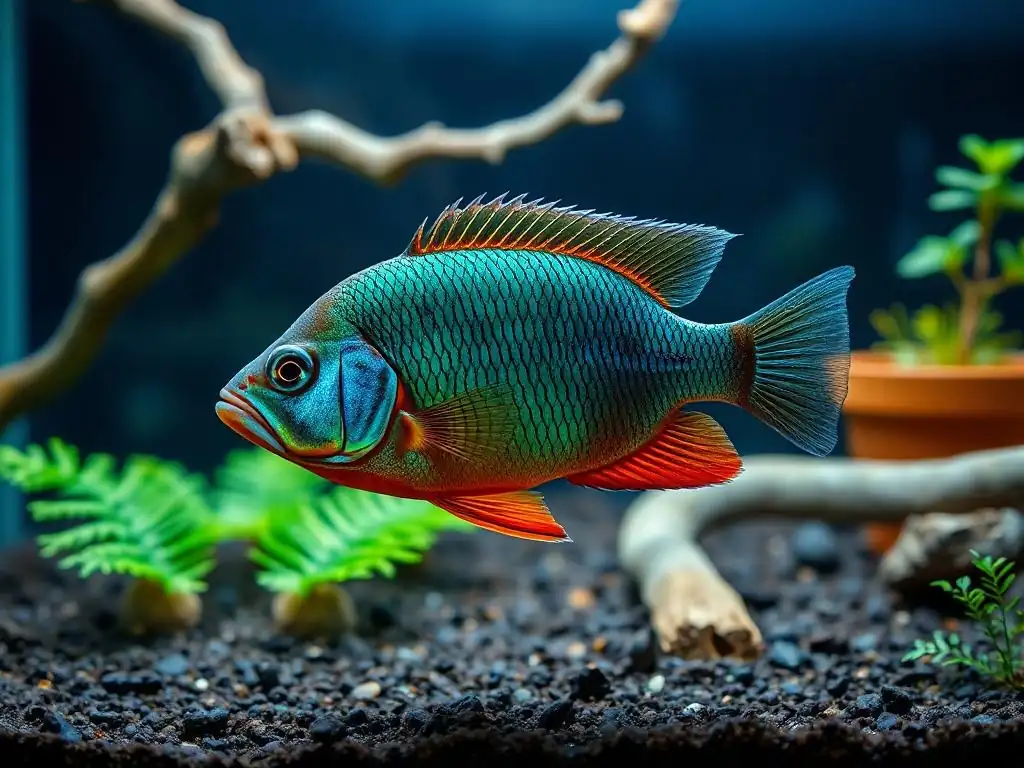
Identifying and Addressing Aggression
Aggression, though generally low in Apistogramma community tanks, can occasionally arise, particularly among Apistogramma themselves or if incompatible Apistogramma tank compatible fish are present. Signs of aggression include chasing, nipping, flaring fins, or noticeable territorial disputes over specific areas like caves or feeding spots. Often, a male Apistogramma may harass a female if she is not ready to breed or if there are insufficient hiding places for her to escape.
To address aggression, first, assess the tank's aquascape. Adding more caves, driftwood, and dense plant cover can help break up sightlines and establish clearer territories, reducing direct conflict. For example, if a male Apistogramma cacatuoides is constantly chasing a female, providing two or three additional small coconut shell caves might give her sufficient refuge. If aggression is from other Apistogramma tank compatible fish, reconsider their suitability; sometimes, removing the aggressor is the only solution to maintain peace in the Apistogramma community tank. Overcrowding can also lead to aggression, so ensure the tank is not overstocked.
Recognizing Signs of Stress in Apistogramma
Recognizing signs of stress in Apistogramma is vital for early intervention and preventing more serious health issues. Stressed Apistogramma may exhibit faded colors, clamped fins (fins held close to the body), rapid gill movement, erratic swimming, or excessive hiding. They might also refuse to eat or show a lack of interest in their surroundings. These symptoms often indicate poor water quality, unsuitable tank mates, or an inadequate environment.
For instance, if your Apistogramma agassizii suddenly loses its vibrant coloration and spends all its time tucked behind a filter, test your water parameters immediately for ammonia, nitrite, and nitrate spikes. If water quality is pristine, then consider if tank mates are causing harassment or if the tank lacks sufficient hiding spots. Addressing the root cause of stress promptly—whether it's improving water quality through a large water change, re-evaluating Apistogramma tank compatible fish, or enhancing the aquascape—is crucial for the Apistogramma's recovery and long-term health.
Preventing and Treating Diseases in a Community Setting
Preventing diseases in an Apistogramma community tank is far more effective than treating them, as many treatments can be harsh on sensitive fish like Apistogramma. The best prevention strategies include maintaining stable, pristine water parameters through regular water changes and effective filtration, providing a balanced and varied diet, and implementing strict quarantine procedures for all new Apistogramma tank compatible fish. Overfeeding, overcrowding, and sudden temperature or pH swings are common triggers for disease outbreaks.
If disease does occur, early detection is key. Common ailments include Ich (white spots), fin rot, and bacterial infections. For instance, if a few Apistogramma develop small white spots, raising the tank temperature to 82-84°F (28-29°C) for several days (if compatible with all tank mates) and adding aquarium salt (if appropriate for the specific fish) can often be an effective first step against Ich.
Always research the specific disease and the compatibility of any medication with all inhabitants, including Apistogramma and their Apistogramma tank compatible fish, before administering treatment. Some medications can be harmful to invertebrates or certain fish species.
Building a Thriving Apistogramma Tank: A Summary of Compatible Fish
Quick Guide to Apistogramma Tank Mate Selection
Building a thriving Apistogramma community tank hinges on selecting Apistogramma tank compatible fish that complement their peaceful yet territorial nature. Prioritize small, peaceful schooling fish that occupy the mid to upper water columns, such as Neon Tetras, Cardinal Tetras, Ember Tetras, Harlequin Rasboras, and Chili Rasboras. These species typically stay below 2 inches (5 cm) and thrive in groups of 6 or more, providing dither benefits without stressing the Apistogramma. For the bottom layer, peaceful Corydoras catfish like Panda or Pygmy Corys are excellent choices, as they are non-competitive and help keep the substrate clean.
Invertebrates like Nerite Snails are safe and beneficial for algae control. However, shrimp should be added with extreme caution, as smaller species like Cherry Shrimp are likely to become prey; only larger Amano Shrimp might coexist in a heavily planted Apistogramma tank. Crucially, avoid aggressive fish, fin-nippers, or overly active species that could intimidate, injure, or stress the Apistogramma. By focusing on fish that share similar water parameter requirements and occupy different ecological niches, you can ensure a harmonious and vibrant Apistogramma community tank.
Resources for Further Research on Apistogramma and Compatible Species
For aquarists seeking to deepen their understanding of Apistogramma and identify even more specific Apistogramma tank compatible fish, several resources offer valuable insights. Dedicated online forums and communities focused on dwarf cichlids, such as those found on reputable aquarium hobby websites, often feature experienced hobbyists sharing detailed care guides, breeding logs, and successful tank mate combinations. These platforms can provide real-world examples and species-specific advice that might not be available in general guides.
Additionally, specialized books and scientific journals on South American cichlids and freshwater fish offer in-depth information on Apistogramma species, their natural habitats, and specific care requirements. Consulting profiles of individual Apistogramma species (e.g., Apistogramma cacatuoides, Apistogramma borellii, Apistogramma macmasteri) on reputable aquatic databases can provide precise details on their adult size, temperament variations, and ideal water parameters, which are essential for selecting the most appropriate Apistogramma tank compatible fish for your unique setup.
Frequently Asked Questions
What are Apistogrammas, and why is compatibility important?
Apistogrammas are small, colorful South American cichlids. Compatibility is crucial because they can be easily stressed or bullied by unsuitable tank mates, impacting their health and breeding.
What types of fish are generally not compatible with Apistogrammas?
Generally, avoid aggressive or overly boisterous fish like large cichlids, fin-nippers (like tiger barbs), and very active schooling fish that might outcompete them for food. Large or aggressive fish can stress them out.
What are some good examples of peaceful fish that can live with Apistogrammas?
Good tank mates include small, peaceful tetras (like ember or cardinal tetras), bottom-dwelling catfish (like Corydoras), and small rasboras. These fish occupy different areas of the tank.
How important is tank size when considering Apistogramma tank mates?
Tank size is very important. A larger tank provides more space and hiding places, reducing the chances of aggression and allowing each species to establish its territory.
What signs should I look for to determine if my Apistogrammas are stressed by their tank mates?
Look for signs of stress like hiding excessively, loss of appetite, faded coloration, or increased aggression towards other fish. These are indicators of incompatibility.
Final Reflection: Cultivating Harmony in the Apistogramma Aquarium
The delicate balance of an Apistogramma community tank, as we've explored, is more than just a matter of selecting fish; it's about creating a thriving ecosystem. Understanding the nuances of temperament, water parameters, and spatial needs is paramount to success, and this knowledge is increasingly vital as the popularity of these captivating dwarf cichlids continues to grow. The choices we make in stocking our tanks directly impact the well-being of our fish and the overall beauty of our aquatic environments.
This journey into Apistogramma compatibility has highlighted the profound interconnectedness within an aquarium. It's a microcosm of the larger world, where understanding and respect for individual needs are essential for harmonious coexistence. The success of an Apistogramma community tank hinges on our ability to empathize with these creatures and create an environment where they can flourish. The best way to observe a fish is to become a fish.
- Jacques Cousteau. This quote reminds us that truly understanding our aquatic companions requires a deeper connection and a willingness to see the world from their perspective.
As you embark on, or continue, your Apistogramma keeping journey, remember that the principles of compatibility extend beyond the confines of the aquarium. Let the lessons learned about careful selection, mindful observation, and the creation of a balanced environment inspire you to cultivate harmony in all aspects of your life. Consider how you can create spaces, both physical and metaphorical, where diverse individuals can thrive together, fostering understanding and mutual respect.
Unlock the Secrets to a Thriving Apisto Community!
Thank you for diving into the world of Apistogramma community tanks! We hope you’ve gained valuable insights into creating a harmonious environment for these captivating fish. Now, let’s put that knowledge into action and build your dream aquarium.
Here’s how you can take the next step:
- Commit to Observation: Dedicate the first week to intense observation after introducing new tankmates. This will help you spot early signs of aggression or incompatibility before they escalate. This is your primary action.
- Explore Uncommon Options: Research peaceful dither fish beyond the usual suspects. Consider nano rasboras or less common tetras that occupy different tank levels to minimize competition.
- Share Your Success Story: Post photos and details of your Apistogramma community tank setup on aquarium forums. Helping other hobbyists is beneficial for all.
Ready to start planning your Apistogramma paradise, or will you opt for a single-species setup?