
Raising Dwarf Cichlid Fry: First Foods & Essential Care

Welcome to Aquarium Mastery!
Are you fascinated by the vibrant world of dwarf cichlids and dreaming of successfully raising their fry? You've come to the right place! This guide delves into the essential aspects of dwarf cichlid fry feeding, revealing the secrets to nourishing these tiny treasures from their very first days. Discover the ideal first foods, crucial care tips, and everything you need to know to ensure a healthy and thriving generation of these captivating freshwater fish. Intrigued? Let's dive in!
- Raising Apistogramma Fry: First Foods & Essential Care - Aquarium Mastery
- Introduction: Nurturing Your Tiny Treasures - Apistogramma Fry Care Essentials
- Understanding Apistogramma Fry Development: A Crucial First Step
- The Critical First Foods: Feeding Apistogramma Fry for Optimal Growth
- Maintaining Optimal Water Quality for Apistogramma Fry
- Creating a Safe and Stimulating Environment for Fry
- Monitoring Fry Growth and Development: Identifying Potential Issues
- Weaning Fry onto Larger Foods: Transitioning to a More Varied Diet
- Conclusion: Mastering the Art of Apistogramma Fry Feeding and Care
- Frequently Asked Questions
- Final Reflection: Nurturing New Life in Miniature
- Dive Deeper: Nurture Your Cichlid Fry to Thrive!
Raising Apistogramma Fry: First Foods & Essential Care - Aquarium Mastery
Introduction: Nurturing Your Tiny Treasures - Apistogramma Fry Care Essentials
Raising Apistogramma fry, the delightful offspring of dwarf cichlids, is one of the most rewarding experiences in the aquarium hobby. These miniature versions of their vibrant parents require meticulous care, especially during their initial stages of life. The journey from microscopic eggs to free-swimming fry is delicate, demanding precise attention to water quality, environmental stability, and, most critically, their diet.
The success of your Apistogramma breeding project hinges significantly on mastering the art of dwarf cichlid fry feeding. Unlike adult fish, fry have incredibly small mouths and undeveloped digestive systems, making the selection and presentation of their first foods paramount. Providing the right nutrition at the right time ensures robust growth, vibrant coloration, and a higher survival rate for your precious brood.
Understanding Apistogramma Fry Development: A Crucial First Step
Early Stages of Development: From Eggs to Free-Swimming Fry
The development of Apistogramma fry begins long before they become free-swimming. After fertilization, the eggs, typically numbering between 30 and 100 for species like Apistogramma cacatuoides or Apistogramma agassizii, are laid in a sheltered location, often the roof of a cave or on a broad leaf. The incubation period is relatively short, usually lasting between 3 to 5 days, depending on water temperature; warmer temperatures (e.g., 28°C) accelerate hatching compared to cooler ones (e.g., 25°C). During this phase, the fry are known as "wigglers," attaching themselves to surfaces and absorbing nutrients from their yolk sac.
The transition to free-swimming fry is a critical milestone, typically occurring around 5 to 7 days post-hatch. At this point, the yolk sac is fully absorbed, and the tiny fry, measuring barely 2-3 millimeters, begin to actively seek food. This is the precise moment when the aquarist must intervene with appropriate dwarf cichlid fry feeding. If suitable food is not available immediately, the fry will quickly starve, often within 24-48 hours of becoming free-swimming.
Recognizing Healthy Fry: Key Indicators of Vigor
Identifying healthy Apistogramma fry is essential for assessing the success of your care regimen. Healthy fry exhibit active and inquisitive swimming behaviors, often forming loose schools or congregating around the female parent if she is present. Their bodies should appear clear and translucent, with no visible deformities or signs of distress. A crucial indicator of successful dwarf cichlid fry feeding is a visibly rounded belly, signifying that they are consuming enough food.
Conversely, unhealthy fry may appear lethargic, hover near the bottom or surface without active movement, or exhibit shrunken bellies. Their bodies might be opaque or discolored, and they may show signs of stress like clamped fins. A high survival rate, often exceeding 70% in a dedicated breeding setup with optimal conditions, is a strong testament to proper care and effective dwarf cichlid fry feeding. Regular observation allows for early intervention if issues arise.
The Critical First Foods: Feeding Apistogramma Fry for Optimal Growth
Infusoria: The Go-To First Food for Newborn Cichlids
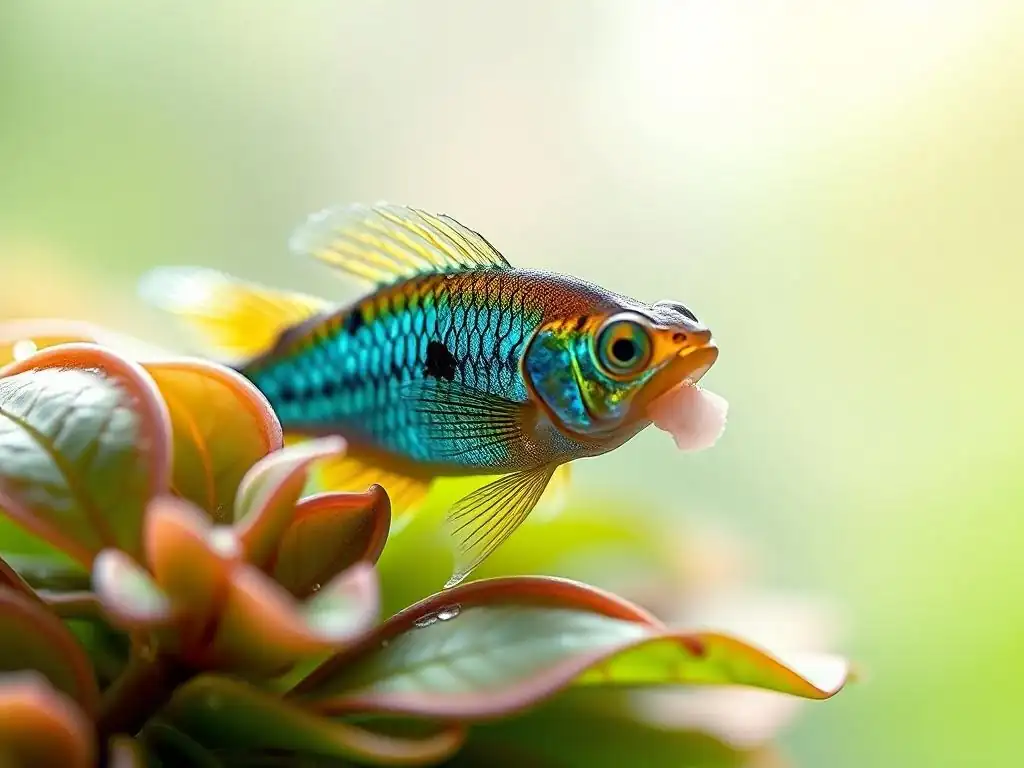
Infusoria, a collective term for microscopic organisms such as paramecium and rotifers, are indispensable as the initial food source for newly free-swimming Apistogramma fry. These organisms are incredibly small, typically ranging from 20 to 200 micrometers, making them perfectly sized for the tiny mouths of newborn dwarf cichlids. For the first 3 to 5 days after becoming free-swimming, infusoria are often the only food source small enough for the fry to consume, providing vital nutrients during their most vulnerable stage.
While established, mature aquariums may naturally harbor some infusoria, a dedicated fry tank often requires a cultured supply to meet the demands of a growing brood. Infusoria provide essential proteins and fats, ensuring the fry have the energy and building blocks for rapid initial development. Their slow movement in the water column makes them easily accessible to the fry, encouraging consistent dwarf cichlid fry feeding.
Culturing Infusoria: A Step-by-Step Guide for Beginners
- Container Selection: Use a clean, transparent container such as a glass jar or a 1-2 liter plastic bottle.
- Water Source: Fill the container with aged aquarium water or dechlorinated tap water. Avoid using freshly chlorinated water, as it can harm the developing culture.
- Food Source: Introduce a small amount of organic material to feed the infusoria. Common options include a few dried banana peels, a small piece of boiled lettuce, a pinch of rice grains, or a few drops of milk. Specialized liquid infusoria cultures are also available.
- Aeration (Optional): While not strictly necessary, a gentle airstone can speed up the culture's development by increasing oxygenation.
- Waiting Period: Place the container in a warm area (e.g., 20-25°C) with indirect light. The culture will typically bloom within 3 to 7 days, indicated by cloudy water and a visible film on the surface.
- Harvesting: To feed, either use an eyedropper to extract clear water from the top or middle of the culture, or set up a drip system by placing the culture container above the fry tank and allowing a slow drip to introduce the infusoria.
When and How to Introduce Infusoria
- Timing: Introduce infusoria immediately when Apistogramma fry become free-swimming and their yolk sacs have been fully absorbed. This typically occurs around day 5-7 post-hatch.
- Method: Use a clean eyedropper or pipette to gently introduce small quantities of the infusoria-rich water directly into the fry tank. Distribute it evenly to ensure all fry have access.
- Frequency: Feed infusoria 2 to 3 times daily. The goal is to provide a constant supply of microscopic food without overfeeding to the point of fouling the water.
- Observation: Monitor the fry's bellies after feeding; they should appear slightly rounded, indicating successful consumption.
Microworms: A Nutritious Alternative for Growing Fry
Microworms ( Panagrellus redivivus) serve as an excellent transitional food for Apistogramma fry, typically introduced after the initial infusoria stage. These tiny nematodes are slightly larger than infusoria, measuring approximately 50-1000 micrometers, making them suitable for fry that have grown a few days older, usually starting around day 4-7. Microworms are highly nutritious, boasting a protein content of approximately 40-50% and a good fat profile, essential for the next phase of rapid growth.
Their ease of culture and ability to survive for several hours in the water column make them a convenient and effective option for dwarf cichlid fry feeding. Unlike baby brine shrimp, microworms slowly sink, allowing fry to feed at various levels within the tank. This makes them particularly beneficial for Apistogramma fry, which often hover near the bottom or in dense plant cover.
Culturing Microworms: Easy Setup and Maintenance
- Container: Use a shallow, wide plastic food container (e.g., 1-2 liters capacity) with a lid. Punch a few small holes in the lid for ventilation.
- Substrate: Prepare a thick paste using oatmeal or cornmeal and water. The consistency should be like thick oatmeal porridge. Spread a layer about 1-2 cm thick at the bottom of the container.
- Starter Culture: Introduce a small amount of existing microworm culture onto the center of the oatmeal paste.
- Maintenance: Keep the container at room temperature (e.g., 20-25°C) away from direct sunlight. The worms will begin to reproduce and crawl up the sides of the container within a few days. The culture can last for several weeks to months with proper care, occasionally requiring a fresh substrate.
- Harvesting: Use a clean cotton swab or a small brush to gently scrape the worms from the sides of the container.
Offering Microworms: Portion Control and Frequency
- Timing: Introduce microworms when Apistogramma fry are visibly larger than newborn stage, typically after 3-5 days of infusoria-only feeding, or when they reach about 3-4 mm in length.
- Method: Scrape a small amount of worms into a separate container with a tiny amount of tank water. Swirl gently to disperse, then add this mixture to the fry tank using an eyedropper.
- Frequency: Feed 2 to 3 times daily. It is crucial to offer small portions that can be consumed within 15-20 minutes.
- Avoid Overfeeding: Leftover microworms can decompose quickly, leading to water quality issues. Always err on the side of caution with dwarf cichlid fry feeding.
Baby Brine Shrimp (BBS): A Protein-Rich Boost for Rapid Growth
Baby Brine Shrimp ( Artemia nauplii or BBS) are an indispensable food source for growing Apistogramma fry, typically introduced when they are about one week old or have reached a size of 4-5 mm. These live, protein-packed organisms are a powerhouse of nutrition, containing up to 60% protein and essential fatty acids that are crucial for rapid growth and development. Their highly motile nature stimulates the fry's natural hunting instincts, encouraging active feeding.
The vibrant orange color of BBS also provides a clear visual indicator of successful dwarf cichlid fry feeding; their bellies will become distinctly orange after a good meal. While culturing BBS requires a dedicated setup, the nutritional benefits and the robust growth they promote make the effort worthwhile for serious Apistogramma breeders.
Hatching Baby Brine Shrimp: A Detailed Guide
- Hatcher Setup: Use a cone-shaped brine shrimp hatcher or an inverted plastic bottle with an air stone at the bottom. This design allows for constant aeration and easy collection.
- Salinity: Prepare a saltwater solution with a specific gravity of 1.020-1.025, which translates to approximately 2 tablespoons of non-iodized salt (aquarium salt or rock salt) per liter of dechlorinated water.
- Temperature: Maintain an optimal temperature range of 26-28°C (79-82°F) for efficient hatching. A heater can be used for consistency.
- Aeration: Provide constant, vigorous aeration from an air pump. This keeps the eggs suspended and ensures proper oxygenation, which is vital for hatching.
- Hatching Time: Brine shrimp eggs typically hatch within 24-36 hours under optimal conditions. High-quality eggs will yield a high hatch rate, often exceeding 80%.
- Separation: After hatching, turn off the air pump and wait 5-10 minutes. The empty eggshells will float to the surface, unhatched eggs will sink, and the orange nauplii will concentrate near the bottom. Siphon the nauplii using an airline tube.
Feeding BBS: Timing and Quantities
- Timing: Introduce BBS when Apistogramma fry are large enough to consume them, usually from day 7-10 onwards, or when they are approximately 4-5 mm in length. They can be fed concurrently with microworms for a varied diet.
- Method: Before feeding, thoroughly rinse the harvested BBS with fresh, dechlorinated water through a fine mesh net (e.g., coffee filter or specialized brine shrimp net) to remove any residual salt and eggshells. Then, gently introduce the rinsed nauplii into the fry tank.
- Frequency: Feed BBS 2 to 4 times daily. It is crucial to provide only as much as the fry can consume within 15-20 minutes to prevent uneaten BBS from dying and fouling the water.
- Quantity: Start with small amounts and gradually increase as the fry grow and their appetite increases. Observe their bellies to gauge adequate intake.
Prepared Fry Foods: Considerations and Recommendations
While live foods like infusoria, microworms, and baby brine shrimp are superior for initial dwarf cichlid fry feeding, prepared fry foods can serve as a convenient supplement or a temporary alternative. These foods, available in powdered or liquid forms, offer a degree of convenience, especially when live food cultures are not readily available or thriving. However, they often lack the same palatability, nutritional completeness, and stimulating effect as live foods for very young Apistogramma fry.
Prepared foods typically become more relevant as fry grow larger and transition to a more varied diet, acting as a bridge to flake or pellet foods. It's important to recognize that relying solely on prepared foods for the earliest stages of dwarf cichlid fry feeding may lead to slower growth rates and reduced vitality compared to a live food-rich diet.
Selecting High-Quality Fry Food: Ingredients to Look For
- High Protein Content: Look for foods with a high percentage of animal-based protein, such as fish meal, krill, spirulina, or shrimp meal. A protein content of 40% or higher is generally desirable for growing fry.
- Small Particle Size: The food must be micronized or extremely fine to be consumed by tiny Apistogramma mouths. Look for products specifically labeled for "fry" or "newborn fish."
- Vitamins and Minerals: Ensure the food is fortified with essential vitamins and minerals to support overall health and development.
- Avoid Excessive Fillers: Steer clear of products with a high proportion of indigestible fillers, which can contribute to water pollution and offer little nutritional value to delicate fry.
Feeding Prepared Foods: Supplementing Live Foods
- Method: Prepared foods should be introduced sparingly. For powders, sprinkle a tiny amount directly onto the water surface or pre-mix with a small amount of tank water before adding. Liquid foods can be added directly via drops.
- Frequency: If used, offer prepared foods once or twice daily, typically in between live food feedings. They should complement, not replace, the primary live food diet during the initial weeks.
- Observation: Always monitor the water quality closely when using prepared foods, as they can quickly foul the water if overfed. Uneaten food should be siphoned out promptly.
Maintaining Optimal Water Quality for Apistogramma Fry
Water Changes: Frequency and Volume for Fry Tanks
Maintaining pristine water quality is paramount for the survival and robust growth of Apistogramma fry, as they are exceptionally sensitive to fluctuations and pollutants. Small, frequent water changes are crucial for diluting waste products, replenishing essential minerals, and maintaining stable parameters. For a typical 10-gallon fry tank, performing a 10-20% water change daily or every other day is highly recommended.
These consistent water changes prevent the accumulation of harmful nitrates, phosphates, and other dissolved organic compounds that can stunt growth or lead to fatalities. Always ensure that the replacement water is dechlorinated, temperature-matched to the tank water (within 1-2°C), and has similar pH and hardness parameters. Using aged or pre-aerated water can further minimize stress on the delicate fry.
Filtration: Choosing the Right Filter for Delicate Fry
The choice of filtration system is critical in a fry tank to provide adequate biological filtration without creating strong currents or posing a risk to the tiny fry. Air-driven sponge filters are overwhelmingly the preferred choice for Apistogramma fry tanks. Their gentle flow ensures that fry are not swept around or sucked into the intake, while the large surface area of the sponge provides an excellent substrate for beneficial nitrifying bacteria.
Hang-on-back (HOB) filters or internal power filters are generally unsuitable for fry tanks due to their strong suction and potential to injure or kill fry. If a HOB filter must be used, its intake tube should be covered with a fine pre-filter sponge to prevent fry from being drawn in. A gentle air stone can also be used in conjunction with a sponge filter to ensure adequate oxygenation without creating excessive turbulence.
Avoiding Ammonia and Nitrite Spikes: Essential Water Parameters
Ammonia (NH3/NH4+) and nitrite (NO2-) are highly toxic to Apistogramma fry, even at very low concentrations (e.g., above 0.25 ppm). Maintaining these parameters at zero is absolutely essential for fry survival. A well-cycled tank, where beneficial bacteria convert these toxins into less harmful nitrate (NO3-), is the first line of defense. However, the high bioload from frequent dwarf cichlid fry feeding often necessitates additional measures.
Regular testing with a reliable liquid test kit is vital to monitor ammonia, nitrite, and nitrate levels. Frequent small water changes, as mentioned, are the primary method to keep these toxins in check. Avoiding overfeeding is also crucial, as uneaten food rapidly decomposes into ammonia. Maintaining a stable pH (typically between 6.0-7.0 for most Apistogramma species) and a consistent temperature (e.g., 26-28°C) further contributes to a healthy environment and reduces stress on the developing fry.
Creating a Safe and Stimulating Environment for Fry
Tank Setup: Substrate, Plants, and Hiding Places
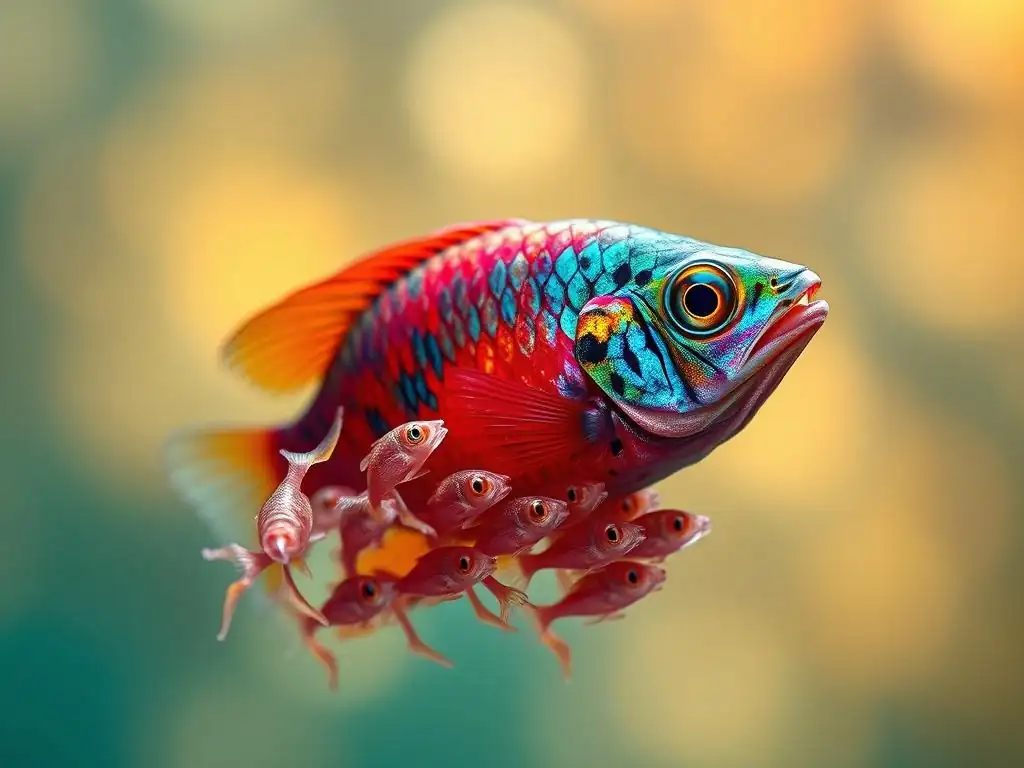
For Apistogramma fry, a minimalist tank setup is often preferred to facilitate cleaning and monitoring. A bare-bottom tank or one with a very thin layer of fine sand is ideal, as it prevents food from getting trapped and simplifies waste removal. Live plants, particularly dense, fine-leaved species like Java moss ( Taxiphyllum barbieri) or Anubias ( Anubias barteri var. nana), are highly beneficial. They provide natural hiding spots, grazing surfaces for microscopic organisms, and a sense of security for the delicate fry.
If the female parent is still in the tank, providing numerous small caves, overturned flower pots, or sections of PVC pipe offers crucial hiding places where she can guard her brood. These structures reduce stress for both the mother and the fry, allowing the fry to feel secure as they explore their environment. A cluttered environment, however, can make dwarf cichlid fry feeding more challenging.
Lighting: Providing a Natural Day-Night Cycle
A consistent and appropriate lighting schedule is important for the overall well-being and natural development of Apistogramma fry. Providing a natural day-night cycle, typically 10-12 hours of light followed by 12-14 hours of darkness, helps regulate their metabolism, activity levels, and feeding patterns. This mimics their natural environment and prevents undue stress.
Avoid overly bright or intense lighting, as this can be stressful for small fry, especially those originating from dimly lit, sheltered breeding sites. Moderate, diffused lighting is best. Direct sunlight should be avoided entirely, as it can lead to rapid temperature fluctuations and promote excessive algae growth, which can consume oxygen and foul the water, posing a risk to the fragile dwarf cichlid fry.
Preventing Predation: Protecting Fry from Adult Fish
The primary threat to Apistogramma fry survival, especially in a community tank, is predation from adult fish, including sometimes the male parent if he is not removed or if the female is not sufficiently protective. Even seemingly peaceful community fish can view tiny fry as a food source. Without adequate protection, survival rates can be extremely low, often less than 10%.
For optimal survival, a dedicated breeding tank is highly recommended, allowing the female to raise her brood without interference. If breeding in a community setup, providing extremely dense plant cover (e.g., large clumps of Java moss, floating plants like Water Sprite) and numerous small hiding spots can offer some protection. However, it's important to manage expectations, as even with extensive cover, survival rates will be significantly lower than in a dedicated fry tank, perhaps only 20-30% of a large brood.
Monitoring Fry Growth and Development: Identifying Potential Issues
Regular Observation: Checking for Health and Vigor
Consistent and meticulous observation is the cornerstone of successful Apistogramma fry rearing. Daily, close inspections are crucial for assessing their health, vigor, and overall development. Look for active swimming, clear and alert eyes, and, most importantly, visibly rounded bellies after dwarf cichlid fry feeding sessions. Regularly counting the fry (even if approximate) can help track survival rates and identify any significant losses.
Any deviation from normal behavior, such as listlessness, hovering at the surface or bottom, rapid gill movements, clamped fins, or a lack of interest in food, should be promptly investigated. Early detection of issues allows for timely intervention, whether it's adjusting water parameters, modifying the feeding regimen, or identifying potential diseases. Healthy fry are typically active, curious, and responsive to their environment.
Troubleshooting Common Problems: Internal Parasites
Despite best efforts, Apistogramma fry can sometimes encounter health issues. One common problem is internal parasites, such as Hexamita (which can cause "hole-in-the-head" disease in adults) or various nematodes like Capillaria. These parasites can manifest as white, stringy feces, emaciation despite consistent dwarf cichlid fry feeding, bloating, or a general decline in vitality. They are often introduced via contaminated live foods or water.
Prevention is key, as treating fry for internal parasites can be challenging and stressful, often with limited success. Ensure that live food cultures are kept clean and free of contaminants. Maintaining pristine water quality and a stable environment also strengthens the fry's immune system. If parasites are suspected, consult with an experienced aquarist or veterinarian for potential treatment options, though often the most humane approach for a heavily infested batch of fry is culling to prevent further spread.
Addressing Slow Growth: Adjusting Diet and Environment
If Apistogramma fry are exhibiting slow growth rates, it's a clear signal that something in their care regimen needs adjustment. The most common culprit is inadequate dwarf cichlid fry feeding—either not enough food, food that is not appropriately sized, or a lack of nutritional variety. Review the feeding schedule: are they being fed frequently enough (e.g., 3-4 times daily)? Is the food consistently available when they are actively seeking it? Are they receiving enough protein-rich options like baby brine shrimp?
Beyond diet, environmental factors play a significant role. Re-test all water parameters: ammonia, nitrite, nitrate, pH, and temperature. Even slight deviations or fluctuations can stress fry and inhibit growth. Ensure the tank is adequately filtered and that water changes are consistent. Sometimes, increasing the frequency of water changes or slightly raising the temperature (within the species' preferred range, e.g., to 28-29°C) can stimulate metabolism and growth, assuming all other parameters are optimal.
Weaning Fry onto Larger Foods: Transitioning to a More Varied Diet
Introducing Finely Ground Flake Food: A Gradual Transition
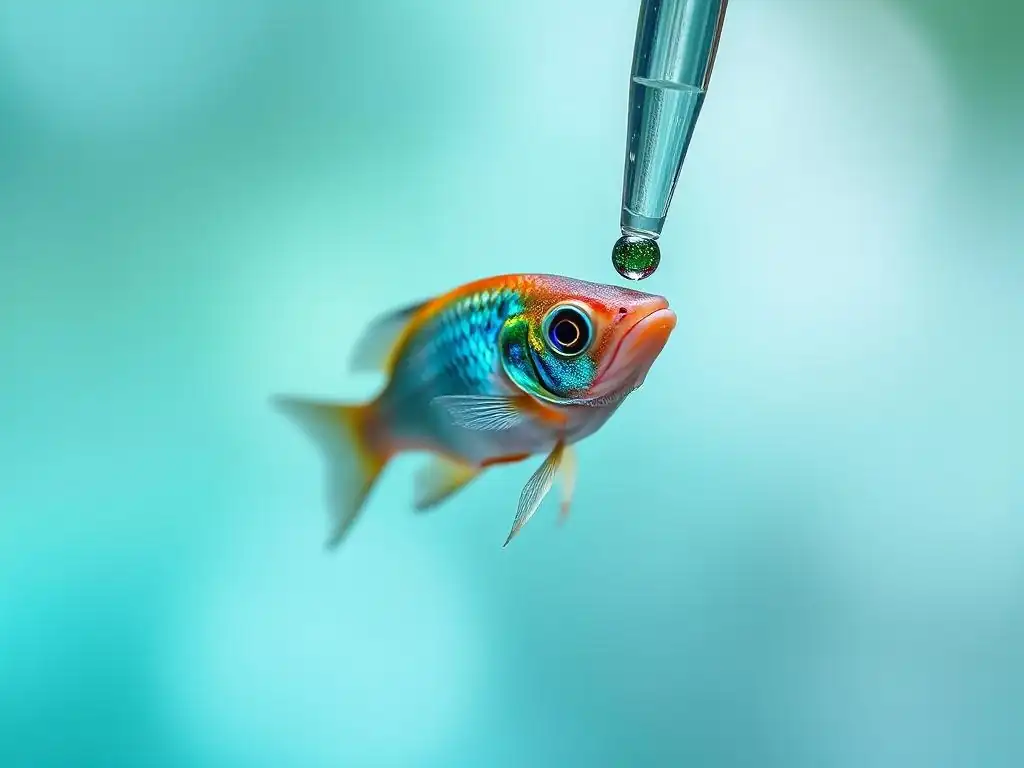
As Apistogramma fry mature, typically around 2-3 weeks of age and reaching a length of about 1 cm, they become capable of consuming larger food particles. This is the ideal time to begin the gradual transition from solely live foods to finely crushed flake foods. Begin by offering very small amounts of high-quality, finely ground flake food, mixed in with their usual live food. This allows the fry to associate the new food with their familiar and preferred live fare.
It is crucial to use a flake food specifically formulated for omnivorous or carnivorous fish, rich in protein and essential nutrients. Observe the fry closely during these new feedings to ensure they are actively consuming the flakes and not just ignoring them. This transition is a vital step in diversifying their dwarf cichlid fry feeding regimen and preparing them for a more varied adult diet.
Offering Small Live Foods: Daphnia and Moina
To further broaden their diet and continue promoting natural hunting behaviors, introduce larger live foods such as Daphnia ( Daphnia magna or Daphnia pulex) and Moina ( Moina macrocopa or Moina micrura) once the Apistogramma fry are approximately 3-4 weeks old. These crustaceans are slightly larger than baby brine shrimp and provide a different nutritional profile, including valuable fats and carbohydrates.
Daphnia and Moina can be cultured at home or purchased from reputable aquatic suppliers. Their jerky swimming motion makes them an irresistible target for growing fry. These foods help bridge the gap between microscopic live foods and larger, prepared foods, ensuring a smooth transition in their dwarf cichlid fry feeding journey. Always ensure that any live foods introduced are from clean, disease-free cultures.
Observing Feeding Behavior: Ensuring Adequate Intake
Throughout the weaning process, continuous observation of the Apistogramma fry's feeding behavior is paramount. When introducing new foods, ensure that the fry are actively consuming them and that their bellies remain rounded and full after feeding. If they appear hesitant or are not eating the new foods, it may be necessary to revert to smaller live foods for a few more days before attempting the transition again.
The goal is to gradually accustom them to a varied diet that includes both live and prepared foods, ensuring they receive all necessary nutrients for robust growth and long-term health. Patience and persistence are key to successfully transitioning your dwarf cichlid fry onto a wider range of foods, preparing them for a thriving life as adult Apistogramma.
Conclusion: Mastering the Art of Apistogramma Fry Feeding and Care
Successfully raising Apistogramma fry is a testament to an aquarist's dedication and attention to detail. The intricate dance of providing the right first foods, maintaining pristine water conditions, and creating a safe environment culminates in the vibrant growth of these miniature cichlids. Mastering dwarf cichlid fry feeding is not merely about providing sustenance; it's about understanding their developmental needs at each critical stage.
From the microscopic infusoria that sustain newly free-swimming fry to the protein-rich baby brine shrimp that fuel rapid growth, each food source plays a vital role. Coupled with diligent water changes, gentle filtration, and a keen eye for potential issues, the journey of raising Apistogramma fry is profoundly rewarding, deepening one's appreciation for the delicate balance of aquatic life.
Ensuring Long-Term Success: Continued Monitoring and Care
The successful weaning of Apistogramma fry onto larger foods is a significant milestone, but the commitment to their well-being continues. As they grow into juveniles, consistent monitoring of their growth, health, and behavior remains essential. Continue to perform regular water changes and maintain stable water parameters, gradually increasing the volume of water changed as the fish grow larger and produce more waste.
As they approach maturity, consideration for their eventual adult tank setup, including appropriate tank mates and territory, becomes important. The knowledge and experience gained in mastering the intricate process of dwarf cichlid fry feeding and overall care will serve as a valuable foundation for future breeding endeavors and for ensuring the long-term vitality of your Apistogramma collection.
Frequently Asked Questions
What are the best first foods for dwarf cichlid fry?
Newly hatched dwarf cichlid fry are tiny and require very small food. Ideal first foods include infusoria, microworms, and commercially available fry food powders. These provide the necessary nutrients for initial growth.
How often should I feed my dwarf cichlid fry?
Dwarf cichlid fry need frequent feedings due to their small size and rapid growth rate. Aim to feed them multiple times a day, ideally 3-5 times, with small portions to avoid overfeeding and water quality issues. Consistent feeding is crucial.
What water parameters are crucial for raising dwarf cichlid fry?
Maintaining excellent water quality is paramount. Ensure stable parameters with regular water changes of 10-20% every few days. Pay close attention to temperature, pH, and ammonia/nitrite levels, keeping them within the optimal range for the specific species.
How can I prevent common diseases in dwarf cichlid fry?
Preventing disease starts with clean water and proper feeding. Quarantine new additions, avoid overcrowding, and monitor for signs of illness. Use appropriate medications only when necessary, following instructions carefully.
When can I start feeding my dwarf cichlid fry larger foods?
As the fry grow, gradually introduce larger food items. Once they are large enough, usually after a week or two, you can start offering newly hatched brine shrimp or finely crushed flakes. Monitor their growth and adjust the food size accordingly.
Final Reflection: Nurturing New Life in Miniature
The delicate dance of raising dwarf cichlid fry, as we've explored, is more than just a technical exercise; it's a testament to the fragility and resilience of life itself. Understanding the nuances of their early feeding and care is crucial not only for successful breeding but also for appreciating the intricate ecosystems these tiny creatures represent. The principles of attentive observation and tailored care, so vital in the aquarium, resonate far beyond the glass walls.
This journey into the world of dwarf cichlid fry reminds us of the profound responsibility we have to nurture and protect the vulnerable, both within our homes and in the wider world. The dedication required to raise these tiny fish mirrors the dedication needed to foster growth and well-being in any environment. The care of one life is a microcosm of the care of all life.
This simple truth, often overlooked, underscores the importance of empathy and mindful action in all our endeavors.
As you consider the lessons learned about dwarf cichlid fry feeding and care, I invite you to reflect on how you can apply these principles of attentive nurturing to other aspects of your life. Can you cultivate a more supportive environment for growth, whether it's within your family, your community, or even within yourself? Embrace the challenge, and you'll discover the profound rewards of fostering life in all its forms.
Dive Deeper: Nurture Your Cichlid Fry to Thrive!
Thank you for exploring the crucial first steps in raising healthy dwarf cichlid fry. Now that you're equipped with the knowledge, it's time to put it into action and watch your tiny fish flourish. Here's how to continue your journey:
- Begin your fry feeding schedule today! Prepare your infusoria or baby brine shrimp culture and start offering tiny meals multiple times per day. Consistent feeding is the cornerstone of rapid growth.
- Share your fry-raising setup with the Aquarium Mastery community! Post photos and videos of your fry tank on social media using #AquariumMasteryFry to inspire others.
- Experiment with offering unexpected first foods! Try finely ground, high-quality flake food or even a small amount of microworm culture to diversify their diet and see which your fry prefer.
What innovative feeding strategy will you employ to give your cichlid fry the best possible start?