
The Ultimate ReefSafe Tank Mates Guide: Aquarium Mastery's Definitive List

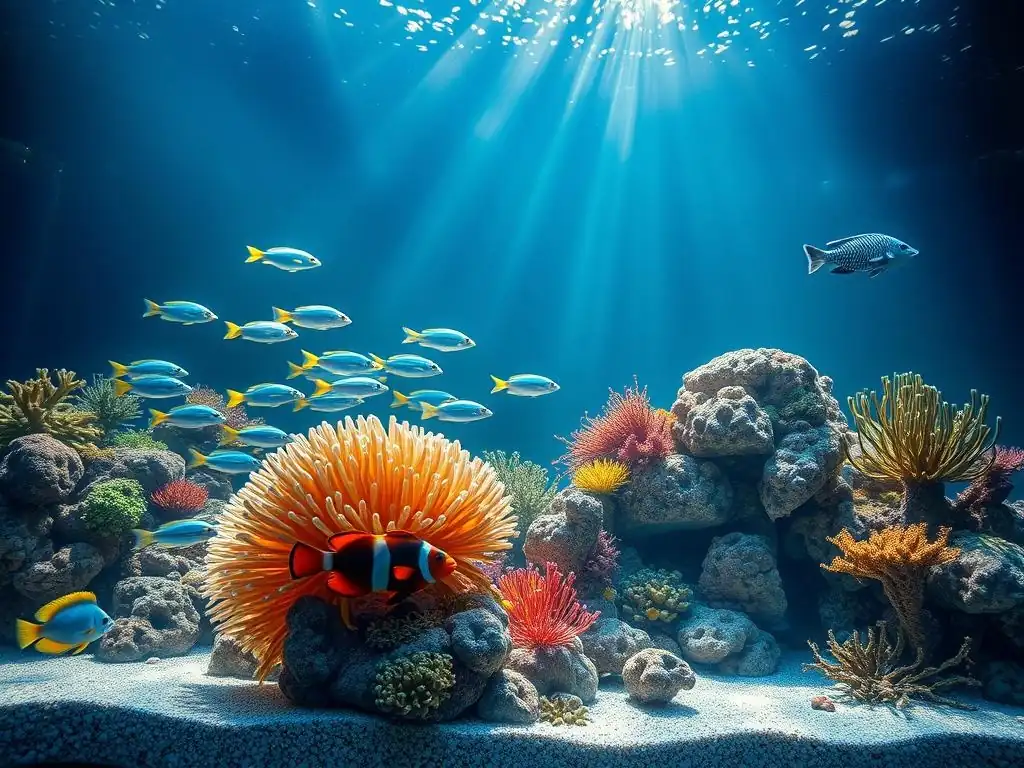
Welcome to Aquarium Mastery, where your underwater dreams become reality!
Dive into the fascinating world of reef aquariums and unlock the secrets to a thriving ecosystem. Ever wondered if your favorite fish can truly coexist peacefully in a reef environment? Our guide to reef safe fish pairings is here to answer that question and many more. Discover the perfect tank mates to create a vibrant and harmonious reef aquarium. Let's explore the depths together!
- Introduction to Reef-Safe Fish Pairings for a Thriving Aquarium
- Understanding Reef Compatibility: Key Considerations
- Top Reef-Safe Fish for Community Tanks
- Reef-Safe Invertebrates: Essential Clean-Up Crew Members
- Fish to Avoid in a Reef Tank: The "Do Not Add" List
- Creating a Compatibility Chart: Planning Your Reef Community
- Acclimation Strategies for New Reef Tank Mates
- Troubleshooting Compatibility Issues in Your Reef Tank
- Advanced Reef-Safe Fish Pairings: Beyond the Basics
- Maintaining a Healthy and Harmonious Reef Ecosystem
- Conclusion: Building Your Dream Reef Aquarium with Compatible Tank Mates.
-
Frequently Asked Questions
- What makes a fish "reef safe"?
- How important is it to choose reef safe fish pairings carefully?
- Where can I find a list of recommended "Reef safe fish pairings" for my aquarium?
- What factors should I consider besides reef safety when choosing fish pairings?
- What should I do if I observe aggression between fish in my reef tank?
- Final Reflection: Cultivating Harmony in the Reef
- Dive Deeper: Transform Your Reef Tank Today!
Introduction to Reef-Safe Fish Pairings for a Thriving Aquarium
Why Choosing Compatible Reef Tank Mates is Crucial
The success and longevity of a reef aquarium hinge significantly on the judicious selection of reef safe fish pairings. Incompatible reef tank mates can lead to a cascade of detrimental effects, ranging from constant stress and aggression among fish to direct predation on delicate corals and essential invertebrates. For instance, a single aggressive triggerfish can decimate a clean-up crew of snails and shrimp in a matter of hours, or a coral-nipping butterflyfish can stress and eventually kill a prized LPS coral colony, representing not just a loss of life but also a substantial financial investment.
Beyond the immediate threats, poor reef compatibility also compromises the overall stability and health of the entire ecosystem. Stressed fish are more susceptible to diseases like Marine Ich ( Cryptocaryon irritans) or Velvet ( Amyloodinium ocellatum), which can quickly spread through the entire reef community. Furthermore, constant aggression elevates cortisol levels in fish, weakening their immune systems and leading to chronic health issues. Ensuring harmonious reef safe fish pairings is paramount for fostering a vibrant, resilient, and aesthetically pleasing reef aquarium stocking.
Aquarium Mastery's Approach to Reef-Safe Compatibility
At Aquarium Mastery, our approach to recommending reef safe fish pairings is rooted in extensive research, hands-on experience, and a deep understanding of marine biology. We recognize that "reef-safe" is not a one-size-fits-all label; it often depends on factors such as tank size, existing reef community members, individual fish temperament, and even the specific types of corals and invertebrates present. Our recommendations are carefully curated to provide aquarists with reliable guidance, minimizing the risks associated with introducing new reef tank mates.
We emphasize a holistic perspective, considering not only whether a fish will eat corals but also its potential for aggression towards other fish, its adult size, and its specific environmental and dietary needs. For example, while many tangs are excellent reef safe fish pairings for algae control, their territorial nature requires careful consideration of tank volume and the order of introduction. Our aim is to empower aquarists to make informed decisions, ensuring their reef aquarium stocking choices contribute to a flourishing and sustainable reef environment.
Understanding Reef Compatibility: Key Considerations
Coral Compatibility: Hard vs. Soft Corals and Fish Behavior
When selecting reef safe fish pairings, understanding their potential interaction with corals is paramount. Hard corals, such as Small Polyp Stony (SPS) corals like Acropora and Large Polyp Stony (LPS) corals like Euphyllia, and soft corals like Zoanthids or Mushrooms, each have varying degrees of vulnerability. While many fish are generally considered reef safe fish pairings, some species might nip at specific coral types, particularly if underfed or if the coral polyps resemble their natural food source. For instance, certain angelfish, such as the Centropyge dwarf angels, are often "reef-safe with caution" because some individuals may develop a taste for LPS or soft coral polyps, despite being primarily omnivorous.
Fish behavior plays a crucial role in reef compatibility. Herbivorous reef tank mates like tangs and rabbitfish are highly beneficial for grazing nuisance algae that can otherwise smother corals. However, even these beneficial grazers need to be well-fed with marine-based foods; a hungry herbivore might occasionally nip at coral polyps if other food sources are scarce. Thorough research into the specific dietary habits and observed behaviors of potential reef safe fish pairings is essential to prevent unintended harm to your delicate coral collection.
Invertebrate Sensitivity: Avoiding Predatory Fish
The invertebrate clean-up crew and ornamental invertebrates are the backbone of a healthy reef community, performing vital roles from algae control to detritus consumption. However, many fish species, even those considered reef safe fish pairings with corals, can pose a significant threat to these vulnerable inhabitants. Predatory fish, such as most triggerfish, large wrasses, and puffers, have natural instincts to consume crustaceans and mollusks, making them entirely unsuitable reef tank mates for snails, crabs, shrimp, and other beneficial invertebrates.
Even smaller, seemingly innocuous fish can be opportunistic predators. For example, some hawkfish, while generally reef safe fish pairings with corals, might prey on small ornamental shrimp or crabs. It is crucial to research the specific predatory tendencies of any prospective reef aquarium stocking addition, especially concerning the clean-up crew. Ensuring the safety of your invertebrates is as important as protecting your corals for the overall balance and functionality of your reef ecosystem.
Water Parameter Stability and Stocking Levels
Maintaining stable water parameters is non-negotiable for the health and harmony of any reef community. Overstocking, even with reef safe fish pairings, is a primary culprit for unstable water quality. A high reef aquarium stocking density leads to an increased bioload, resulting in elevated nitrates and phosphates, and making it challenging to maintain consistent levels of alkalinity, calcium, and magnesium. For example, a 50-gallon reef tank might comfortably house 5-7 small fish, but exceeding this number can quickly lead to water quality issues and stress.
Stress from fluctuating water parameters directly impacts both fish and corals, making them more susceptible to disease and inhibiting coral growth. Aggression among reef tank mates can also escalate in overcrowded conditions due to limited space and resources. Conversely, proper reef safe fish pairings in a tank with appropriate stocking levels allow for robust biological filtration, consistent water chemistry through regular maintenance, and ample swimming and hiding space, all of which contribute to a resilient and thriving reef ecosystem.
Top Reef-Safe Fish for Community Tanks
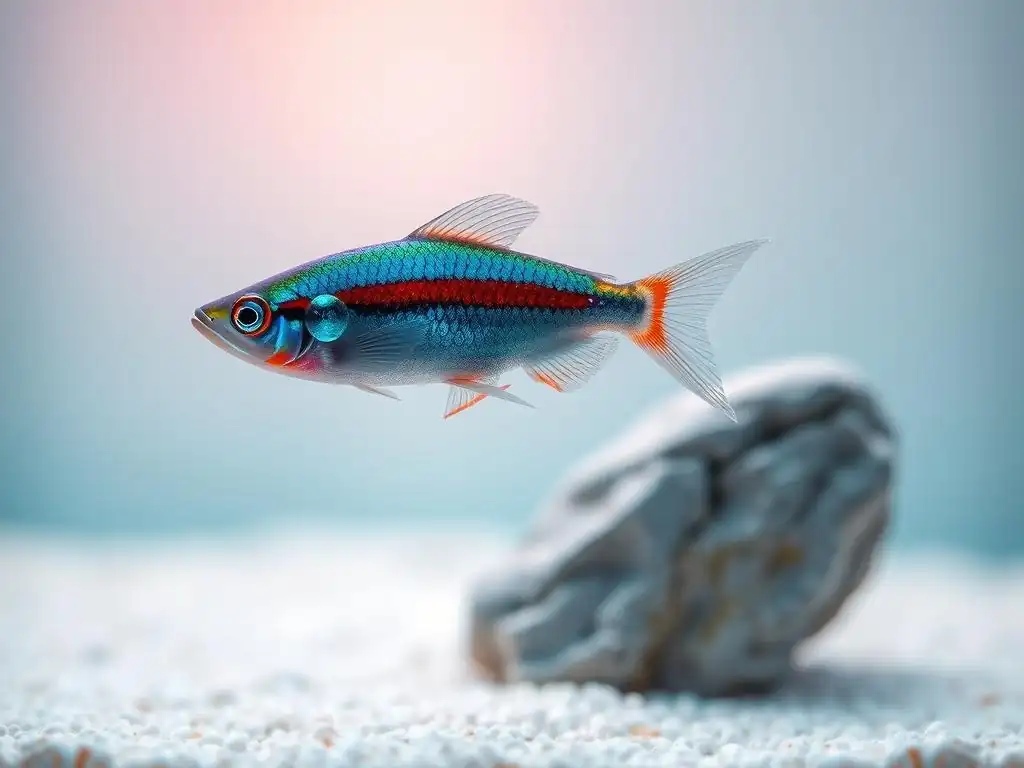
Peaceful Herbivores: Algae-Eating Options for Reef Tanks
Peaceful herbivorous reef safe fish pairings are indispensable members of a thriving reef community, playing a crucial role in controlling nuisance algae. By actively grazing on various forms of algae that grow on live rock, sand, and tank glass, these fish help maintain a clean and aesthetically pleasing environment, reducing the need for manual scraping and preventing algae from smothering delicate corals. Their continuous grazing mimics natural processes and contributes significantly to the overall health and balance of the reef ecosystem.
While generally excellent reef tank mates for corals, it is important to ensure these herbivores are adequately fed with high-quality marine algae and prepared foods. A well-fed herbivore is less likely to nip at corals out of hunger. Their presence also helps mitigate the growth of less desirable algae types, creating a more stable and less competitive environment for corals to flourish, making them essential reef aquarium stocking choices for any serious aquarist.
Tangs: Managing Aggression in a Reef Environment
Tangs, belonging to the Acanthuridae family, are among the most popular herbivorous reef safe fish pairings due to their vibrant colors and voracious appetite for algae. Species like the Yellow Tang ( Zebrasoma flavescens) or Blue Tang ( Paracanthurus hepatus) are highly effective at controlling green film algae and diatoms. However, while they are generally reef safe fish pairings with corals, their territorial nature, especially among conspecifics or similar body shapes, requires careful management. For example, a single Yellow Tang typically requires a minimum of 75 gallons to thrive without undue stress, and introducing multiple tangs often necessitates a larger tank (e.g., 180+ gallons for a mixed group) and simultaneous introduction to minimize aggression.
To successfully integrate tangs into a reef community, providing ample swimming space and intricate rockwork with numerous hiding spots is crucial. A diverse diet of dried seaweed (nori) supplemented with high-quality pellets and frozen foods ensures they are well-nourished and less prone to aggression stemming from hunger. Observing their behavior closely upon introduction and having a plan to separate overly aggressive individuals is key to maintaining peace among your reef tank mates.
Rabbitfish: Effective Algae Control with Caution
Rabbitfish ( Siganus species) are another excellent group of herbivorous reef safe fish pairings renowned for their efficiency in consuming large quantities of filamentous algae, including some nuisance species that other grazers might ignore. Their unique body shape and striking patterns, such as those of the Foxface Lo ( Siganus vulpinus), make them attractive additions to a reef community. They are largely reef safe fish pairings with corals, though some larger individuals or certain species may occasionally nip at soft corals or LPS if their primary food source is insufficient or if they are not adequately fed.
A notable characteristic of rabbitfish is their venomous dorsal spines, which, while not typically aggressive, can deliver a painful sting if handled carelessly. This characteristic underscores the importance of caution during tank maintenance. To ensure they remain excellent reef tank mates and do not develop undesirable coral-nipping habits, it is vital to provide a consistent and varied diet of marine-based vegetable matter, including nori, spirulina flakes, and high-quality herbivore pellets.
Peaceful Carnivores: Safe Choices for Reef Predators
Not all carnivorous reef safe fish pairings are a threat to your corals or invertebrates. Many smaller, peaceful carnivores primarily feed on zooplankton, tiny crustaceans, or prepared foods, making them ideal reef aquarium stocking choices that add diversity and unique behaviors to your reef community. These species often occupy different ecological niches within the tank compared to herbivores, contributing to a more balanced and complete ecosystem.
These reef safe fish pairings can include a wide array of species, from the iconic clownfish to various gobies and small wrasses, each bringing its own charm and utility. Their presence can enhance the visual appeal of the tank and provide fascinating interactions without posing a risk to the delicate coral structures or the vital clean-up crew. Careful selection ensures these beneficial predators contribute positively to the overall health and vibrancy of your reef ecosystem.
Clownfish: The Classic Reef Dweller and its Anemone Partners
Clownfish ( Amphiprion species) are arguably the most iconic and universally recognized reef safe fish pairings for a community tank. These charming fish are completely reef safe fish pairings with corals and most invertebrates, making them an excellent foundation for any reef aquarium stocking plan. They primarily feed on zooplankton and various prepared foods, showing no interest in coral polyps. Their famous symbiotic relationship with host anemones, such as the Bubble Tip Anemone ( Entacmaea quadricolor) or Magnificent Sea Anemone ( Heteractis magnifica), is a captivating natural phenomenon that adds an extraordinary dynamic to the reef community.
Common species like the Ocellaris Clownfish ( Amphiprion ocellaris) and Percula Clownfish ( Amphiprion percula) are known for their hardiness and relatively small adult size (typically 3-4 inches), making them suitable for tanks as small as 20-30 gallons. When paired, they form a strong bond and exhibit fascinating social behaviors. While the anemone itself requires specific lighting and water parameters, the clownfish are inherently peaceful reef tank mates that bring character and life to the aquarium.
Gobies: Sand-Sifting and Perch-Sitting Reef Allies
Gobies represent a diverse group of small, generally peaceful reef safe fish pairings that offer a range of beneficial behaviors in a reef community. Many species, such as the Diamond Watchman Goby ( Valenciennea puellaris) or Yellow Watchman Goby ( Cryptocentrus cinctus), are excellent sand-sifters. They continuously sift through the substrate, consuming detritus and aerating the sand bed, which prevents the buildup of anaerobic pockets and contributes to a healthier environment. These gobies often form symbiotic relationships with pistol shrimp, sharing a burrow and adding a fascinating element of interspecies cooperation.
Other gobies, like the Neon Goby ( Elacatinus oceanops), are cleaner fish, removing parasites from larger fish, while species like the Clown Goby ( Gobiodon okinawae) perch on corals, adding splashes of color. Most gobies are small, typically ranging from 1 to 4 inches, making them suitable reef aquarium stocking options for tanks as small as 10-20 gallons, depending on the species. Their generally docile nature and specific ecological roles make them invaluable reef tank mates that enhance the cleanliness and biodiversity of the aquarium.
Reef-Safe Wrasses: Adding Color and Pest Control
Wrasses are a vast and diverse family of fish, many of which are highly sought after as reef safe fish pairings due to their stunning coloration, active swimming patterns, and often beneficial pest-control capabilities. While some larger wrasses can be predatory, numerous smaller species are entirely compatible with corals and most invertebrates, making them excellent reef tank mates for a vibrant reef community.
These beneficial wrasses often patrol the rockwork, actively hunting for small nuisance invertebrates like flatworms, pyramid snails (which prey on clams), and parasitic copepods. Their constant movement and varied diets contribute both aesthetic appeal and practical utility to the reef ecosystem. Selecting the right wrasse species can provide continuous activity and natural pest management, making them a smart choice for any reef aquarium stocking plan.
Fairy Wrasses: Vibrant and Peaceful Reef Inhabitants
Fairy Wrasses ( Cirrhilabrus species) are among the most desirable reef safe fish pairings for their breathtaking iridescent colors and peaceful demeanor. These active, mid-water swimmers are universally considered reef safe fish pairings and pose no threat to corals or most invertebrates. They primarily feed on zooplankton, making them excellent additions to a reef community without any risk of coral nipping. Species such as the Lubbock's Fairy Wrasse ( Cirrhilabrus lubbocki) or the Scott's Fairy Wrasse ( Cirrhilabrus scottorum) are renowned for their brilliant hues and constant, graceful movement.
Fairy Wrasses typically grow to about 3-5 inches and are suitable for tanks as small as 30-50 gallons, provided they have ample swimming space and plenty of rockwork with crevices for hiding, especially when newly introduced or during nighttime. Their peaceful nature makes them ideal reef tank mates for a wide variety of other docile reef safe fish pairings, adding a dynamic splash of color and elegance to the reef aquarium stocking without any compatibility concerns.
Six-Line Wrasse: Controlling Flatworms and Pests
The Six-Line Wrasse ( Pseudocheilinus hexataenia) is a small, energetic, and highly beneficial reef safe fish pairing renowned for its natural ability to control common reef pests. This wrasse is particularly effective at preying on nuisance flatworms ( Convolutriloba retrogemma) and pyramid snails ( Pyramidella) that can infest and harm tridacnid clams. Its constant patrolling of the rockwork makes it an invaluable member of the reef community's natural pest control squad.
While generally considered reef safe fish pairings with corals and most invertebrates, the Six-Line Wrasse can sometimes exhibit territorial aggression towards smaller or more docile reef tank mates, particularly in tanks under 30 gallons. It typically grows to around 3 inches. To minimize potential issues, ensure the tank has plenty of live rock with hiding spots and introduce it carefully into an established reef community. Its utility in pest management often outweighs its occasional sassiness, making it a popular reef aquarium stocking choice for many aquarists.
Reef-Safe Invertebrates: Essential Clean-Up Crew Members
Snails: The Algae-Grazing Powerhouses
Snails are the unsung heroes of the reef community's clean-up crew, performing vital roles in maintaining a pristine reef ecosystem. These algae-grazing powerhouses tirelessly work to keep nuisance algae at bay, consuming films, diatoms, and even some hair algae from the live rock, sand bed, and aquarium glass. They are almost universally considered reef safe fish pairings and are essential for any reef aquarium stocking plan, contributing significantly to the overall health and aesthetics of the tank.
The diversity of snail species allows aquarists to select specific grazers for different types of algae and areas of the tank. A well-rounded snail population, comprising various species, can provide comprehensive algae control, reducing the need for manual scrubbing and helping to prevent algae outbreaks that can outcompete and smother corals. Their continuous grazing ensures a cleaner environment and promotes healthy coral growth.
Turbo Snails: Voracious Algae Eaters
Turbo Snails, such as Turbo fluctuosa or Turbo undulatus, are among the most effective and voracious algae eaters for a reef community. These relatively large snails are highly valued for their ability to consume significant amounts of diatoms, green film algae, and even some hair algae from all surfaces of the aquarium. Their persistent grazing makes them an indispensable part of the clean-up crew and a reliable reef safe fish pairing for maintaining a pristine environment.
While Turbo Snails are excellent reef tank mates for algae control, their size and robust movement can sometimes dislodge unsecured frag plugs or small, unstable rockwork. It is important to ensure all aquascaping elements are stable. They require a consistent supply of algae to thrive; in mature tanks with limited algae, supplemental feeding of dried seaweed or algae wafers may be necessary to prevent starvation, ensuring they continue their beneficial work within your reef aquarium stocking.
Nassarius Snails: Scavengers of Detritus
Nassarius Snails, particularly species like Nassarius vibex and Nassarius distortus, are essential reef safe fish pairings for maintaining a healthy sand bed in a reef community. Unlike many other snails that primarily graze on surfaces, Nassarius Snails are specialized scavengers that burrow into the sand, consuming detritus, uneaten food, and decaying organic matter. Their constant burrowing activity helps to aerate the sand bed, preventing the formation of harmful anaerobic pockets and contributing to the overall cleanliness of the substrate.
These snails are fascinating to observe, often emerging quickly from the sand when food is introduced into the tank, demonstrating their keen sense of smell. They are completely reef safe fish pairings with corals and other invertebrates and are highly recommended for any reef aquarium stocking plan that includes a sand bed. Their diligent work significantly reduces the organic load in the system, supporting stable water parameters and a healthier reef ecosystem.
Crabs: Detritus Removal and Algae Control
Crabs can be valuable additions to the reef community's clean-up crew, contributing to detritus removal and algae control. However, careful species selection is paramount, as some crabs are notoriously predatory and can pose a significant threat to other reef safe fish pairings, snails, or even corals. When chosen wisely, the right crab species can be highly beneficial reef tank mates, helping to maintain a clean and balanced reef ecosystem.
Their diverse feeding habits mean that different species can target different types of nuisance organisms. From scavenging uneaten food to controlling specific types of algae, beneficial crabs play a complementary role to snails and shrimp, ensuring a comprehensive clean-up effort within your reef aquarium stocking.
Hermit Crabs: Evaluating Reef-Safe Species
Hermit crabs are popular reef safe fish pairings for their scavenging abilities and effectiveness in controlling nuisance algae. Species like the Blue Leg Hermit Crab ( Clibanarius tricolor) and Red Leg Hermit Crab ( Paguristes cadenati) are widely considered beneficial reef tank mates. They actively consume detritus, uneaten food, and various types of algae, contributing significantly to the cleanliness of the reef community. It is crucial to provide a constant supply of empty shells of various sizes to accommodate their growth; without suitable new homes, they may prey on snails for their shells.
While many are reef safe fish pairings, caution is advised with larger or more aggressive hermit crab species, such as some of the larger hairy hermits. These can become opportunistic predators on smaller snails, other invertebrates, or even small, slow-moving fish if food is scarce. Thorough research into the specific species' adult size and temperament is essential to ensure they remain harmonious reef aquarium stocking members and do not become a nuisance.
Emerald Crabs: Effective Bubble Algae Control
Emerald Crabs ( Mithraculus sculptus) are highly sought-after reef safe fish pairings specifically for their remarkable ability to control bubble algae ( Valonia spp. ), a common and often stubborn nuisance algae in reef tanks. These small, green crabs actively graze on bubble algae, making them a natural and effective solution for outbreaks. They are generally considered reef tank mates with corals, showing no interest in coral polyps.
While primarily herbivorous, some individual Emerald Crabs, especially larger ones or those not adequately fed, might occasionally become opportunistic and nip at zoanthids, polyps, or very small snails. To minimize this risk, ensure they are well-fed with supplemental algae wafers or other prepared foods if bubble algae is scarce. Despite this minor caveat, their unparalleled effectiveness against bubble algae makes them a highly valued reef aquarium stocking choice for many aquarists dealing with this particular pest.
Shrimp: Colorful and Beneficial Reef Inhabitants
Shrimp are among the most captivating and beneficial reef safe fish pairings for any reef community. Their vibrant colors, unique behaviors, and diverse roles make them popular additions that enhance both the aesthetics and functionality of the aquarium. Most ornamental shrimp species are entirely reef safe fish pairings with corals and other invertebrates, contributing positively to the overall health and balance of the reef ecosystem.
From actively cleaning fish of parasites to consuming detritus and controlling specific pests, shrimp offer a range of advantages. Their presence adds a dynamic element to the tank, often creating fascinating interactions with fish and providing valuable services that support a thriving reef aquarium stocking.
Cleaner Shrimp: Parasite Removal and Reef Health
Cleaner Shrimp, such as the Skunk Cleaner Shrimp ( Lysmata amboinensis) and Blood Red Fire Shrimp ( Lysmata debelius), are highly beneficial reef safe fish pairings renowned for their symbiotic cleaning services. These shrimp actively remove external parasites, dead tissue, and mucus from fish, often setting up "cleaning stations" where fish willingly present themselves for a thorough inspection. This natural behavior contributes significantly to the overall health and well-being of the fish population in a reef community.
Beyond their cleaning duties, these shrimp are also scavengers, consuming uneaten food and detritus, further contributing to tank cleanliness. They are completely reef safe fish pairings with corals and other invertebrates, making them an excellent reef aquarium stocking choice for any reef ecosystem. Their vibrant colors and engaging behaviors make them a captivating addition, offering both aesthetic appeal and practical benefits to the reef tank mates.
Peppermint Shrimp: Aiptasia Control Specialists
Peppermint Shrimp ( Lysmata wurdemanni) are highly valued reef safe fish pairings specifically for their documented ability to consume Aiptasia anemones, a common and notoriously invasive pest in reef tanks. Aiptasia can rapidly multiply and sting corals, causing tissue recession and stress. Introducing a few Peppermint Shrimp can often provide an effective, natural, and chemical-free solution to Aiptasia outbreaks, making them indispensable reef tank mates for many aquarists.
While their primary diet is Aiptasia, it is important to note that if Aiptasia is scarce or the shrimp are not adequately fed, some individuals may occasionally nip at zoanthids or other soft corals. To mitigate this, ensure they have a consistent food source. Despite this minor caveat, their proven effectiveness against Aiptasia makes them a top reef aquarium stocking choice for targeted pest control within the reef community.
Fish to Avoid in a Reef Tank: The "Do Not Add" List
Large Predators: Risks to Corals and Invertebrates
Introducing large predatory fish into a reef community is a common mistake that can lead to devastating consequences for corals and invertebrates. Species such as Groupers ( Epinephelus spp. ), Lionfish ( Pterois spp. ), and large Anglerfish ( Antennarius spp.) are inherently designed to consume smaller fish and crustaceans as their primary diet. Even if they initially ignore your corals, they will quickly decimate your valuable clean-up crew of snails, crabs, and shrimp, and eventually prey on smaller reef safe fish pairings or ornamental invertebrates.
These fish not only pose a direct threat to the lives of other reef tank mates but also contribute significantly to the bioload, making water parameter stability challenging. Their presence creates an environment of constant stress for smaller, more docile reef safe fish pairings, leading to disease and overall decline in the reef ecosystem. For the health and safety of your investment, these large predators are unequivocally not reef aquarium stocking options for a dedicated reef tank.
Aggressive Species: Tank Bosses to Avoid
Certain fish species are notorious for their extreme aggression and territoriality, making them highly unsuitable reef safe fish pairings for a harmonious reef community. Large triggerfish, such as the Clown Triggerfish ( Balistoides conspicillum) or Undulated Triggerfish ( Balistapus undulatus), are prime examples; they will relentlessly bully, nip, and even kill other reef tank mates, often rearranging rockwork to their liking. Similarly, many larger damselfish species, while small, can be incredibly territorial and aggressive, constantly harassing even much larger fish.
This constant aggression creates a highly stressful environment for all other reef safe fish pairings, leading to chronic stress, weakened immune systems, and increased susceptibility to disease. It disrupts the natural balance of the reef ecosystem and prevents other fish from thriving. These aggressive species are best suited for Fish Only With Live Rock (FOWLR) tanks where their dominant nature can be managed, rather than being part of a delicate reef aquarium stocking.
Fish with a Taste for Coral: Coral-Nipping Culprits
A critical category of fish to avoid in a reef community are those with a documented tendency to nip at or consume coral polyps. While some may be labeled "reef-safe with caution," the risk to your valuable coral collection is often too high. Prominent examples include many butterflyfish species ( Chaetodon spp. ), particularly those not specifically identified as "reef-safe," and certain angelfish, especially larger ones like the Emperor Angelfish ( Pomacanthus imperator) or Queen Angelfish ( Holacanthus ciliaris). Even the Aiptasia-eating Filefish ( Acreichthys tomentosus), while beneficial for pest control, can sometimes turn to nipping zoanthids or other soft corals once its primary food source is depleted.
Constant coral nipping causes significant stress to the corals, inhibits their growth, and can lead to tissue recession and eventual death. Even if a fish doesn't consume an entire coral, the persistent irritation compromises its health. For the integrity of your reef ecosystem and the well-being of your corals, it is best to avoid these coral-nipping culprits when planning your reef safe fish pairings.
Creating a Compatibility Chart: Planning Your Reef Community
Assessing Fish Temperament and Size
A fundamental step in successful reef aquarium stocking is to thoroughly assess the adult size and natural temperament of every potential reef tank mate. A small, seemingly peaceful juvenile fish purchased from a local fish store might grow into a large, aggressive adult that is entirely unsuitable for your reef community. For instance, a juvenile Emperor Angelfish, though beautiful, can grow to over 15 inches and become an aggressive coral nipper. Relying solely on current size is a common pitfall in reef safe fish pairings.
Beyond size, understanding a fish's inherent temperament (e.g., peaceful, semi-aggressive, territorial, aggressive) is crucial. Some species, like certain tangs, are known for territorial disputes, while others, like most gobies, are inherently docile. Planning your reef safe fish pairings requires foresight into how each fish will interact with others as it matures, ensuring adequate space and minimizing potential conflicts within the reef ecosystem.
Matching Fish to Your Coral and Invertebrate Population
The success of your reef community hinges on meticulously matching your reef safe fish pairings to your existing or planned coral and invertebrate population. This means understanding the specific vulnerabilities of your corals (SPS, LPS, soft corals) and your clean-up crew (snails, crabs, shrimp) to potential predation or nipping. For example, if your tank is heavily invested in delicate SPS corals, you would strictly avoid any fish with even the slightest documented tendency to nip at polyps, regardless of its "reef-safe with caution" label.
Conversely, if your reef aquarium stocking includes a large population of nuisance algae, prioritizing powerful herbivorous reef tank mates like tangs or rabbitfish would be a strategic choice, provided they are compatible with your coral types. This careful alignment ensures that your reef safe fish pairings not only coexist peacefully but also contribute positively to the overall health and balance of your reef ecosystem without posing a threat to your precious invertebrates or corals.
Using Online Resources for Reef Compatibility Information
In the complex world of reef aquarium stocking, leveraging comprehensive online resources is indispensable for planning reef safe fish pairings. Reputable aquatic websites, specialized forums, and detailed species databases offer a wealth of information on the compatibility, dietary needs, and temperament of various reef tank mates. It is advisable to consult multiple trusted sources to cross-reference information, as individual experiences and classifications of "reef-safe" can sometimes vary.
When researching, pay close attention to user experiences and specific caveats, such as "reef-safe with caution" or notes about individual fish temperament variations. Forums can be particularly valuable for real-world insights from aquarists who have kept specific reef safe fish pairings in diverse reef community setups. Aquarium Mastery, for instance, provides detailed profiles and compatibility charts designed to equip you with the most accurate and practical information for your reef ecosystem.
Acclimation Strategies for New Reef Tank Mates
Quarantine Procedures: Preventing Disease Introduction
Implementing a dedicated quarantine tank (QT) procedure is arguably the most critical step in successfully introducing new reef safe fish pairings and preventing the devastating introduction of diseases into your established reef community. Diseases like Marine Ich ( Cryptocaryon irritans), Velvet ( Amyloodinium ocellatum), or Brooklynella can wipe out an entire tank in days. A quarantine period, typically 4-6 weeks, allows for close observation, disease treatment if necessary, and deworming, all without exposing your main display tank to potential pathogens.
Beyond disease prevention, quarantining also allows new reef tank mates to recover from the stress of shipping and adjust to aquarium life in a low-stress environment before being introduced to an established hierarchy. This period of isolation also allows you to ensure the fish is eating well and is healthy, increasing its chances of thriving in the reef ecosystem. Skipping quarantine is a significant gamble that can jeopardize your entire reef aquarium stocking.
Gradual Acclimation: Minimizing Stress
Once a reef safe fish pairing has successfully completed its quarantine period, gradual acclimation to the main display tank's water parameters is crucial to minimize stress and prevent osmotic shock. The drip acclimation method is highly recommended, involving slowly dripping water from the display tank into the container holding the new fish over a period of 30-60 minutes, or even longer for sensitive invertebrates. This gradual equalization of temperature, salinity, and pH reduces the physiological shock on the fish's system.
Upon introduction to the display tank, it is beneficial to dim or turn off the aquarium lights for several hours. This reduces visual stress on the new reef tank mates and allows them to quietly explore their new surroundings and find hiding spots without being immediately targeted by existing reef community members. A slow, methodical acclimation process significantly increases the chances of successful integration and long-term health for your reef aquarium stocking.
Observing New Additions: Monitoring for Aggression
After introducing new reef safe fish pairings to your main display tank, continuous and close observation is paramount for the first few days and weeks. Look for signs of stress in the new fish, such as clamped fins, rapid breathing, faded coloration, hiding excessively, or refusing to eat. Simultaneously, monitor existing reef tank mates for signs of aggression, including chasing, fin nipping, or preventing the new fish from accessing food or hiding spots.
Early detection of compatibility issues allows for prompt intervention. If aggression persists, strategies like rearranging rockwork to break up territories, using an acclimation box within the main tank, or even rehoming an overly aggressive fish may be necessary. Proactive monitoring ensures that all reef safe fish pairings can coexist peacefully, maintaining a harmonious and thriving reef community and preventing unnecessary stress or injury to your reef aquarium stocking.
Troubleshooting Compatibility Issues in Your Reef Tank
Identifying Signs of Stress and Aggression
Prompt identification of stress and aggression is vital for maintaining a harmonious reef community. For fish, common signs of stress include clamped fins, rapid gilling, faded or darkened coloration, constant hiding, erratic swimming, and a refusal to eat. Aggression manifests as chasing, nipping at fins or bodies, cornering, or preventing other reef safe fish pairings from accessing food or prime hiding spots. For corals, stress can appear as polyp retraction, tissue recession, or loss of color.
Observing these cues early allows for timely intervention. For instance, a normally active Yellow Tang suddenly hiding and showing faded colors could indicate bullying from a new addition. Recognizing these behavioral changes in your reef tank mates is the first step towards resolving compatibility issues and ensuring the overall health and stability of your reef ecosystem.
Rehoming Incompatible Fish
Despite careful planning of reef safe fish pairings, sometimes a fish simply proves incompatible with its reef community. When aggression persists and threatens the well-being of other reef tank mates, rehoming the incompatible fish is often the most humane and effective solution. Attempting to force an aggressive fish to coexist will lead to chronic stress, disease, injury, and potential death for other inhabitants, ultimately destabilizing the entire reef ecosystem.
Options for rehoming include returning the fish to a local fish store, selling it to another hobbyist, or donating it to an aquarium club or public aquarium. While a difficult decision, prioritizing the health and harmony of your reef aquarium stocking is paramount. Rehoming ensures that the aggressive fish can thrive in a more suitable environment, and your reef community can return to a state of peace.
Adjusting Tank Aquascaping to Reduce Territoriality
Strategic adjustment of your tank's aquascaping can be a highly effective method for mitigating territorial aggression among reef safe fish pairings. Providing ample hiding spots, caves, and visual barriers within the live rock structure helps to break up lines of sight and create distinct territories, reducing direct confrontations. For example, a larger, more aggressive fish might claim a specific area, but visual breaks prevent it from constantly seeing and harassing other reef tank mates.
When introducing new reef safe fish pairings, or if aggression becomes an issue, gently rearranging existing rockwork can disrupt established territories, forcing existing fish to re-evaluate their dominance hierarchy. This can sometimes make them less aggressive towards new additions as they are preoccupied with re-establishing their own space. A well-designed aquascape fosters a more secure and less stressful environment for all reef aquarium stocking inhabitants.
Advanced Reef-Safe Fish Pairings: Beyond the Basics
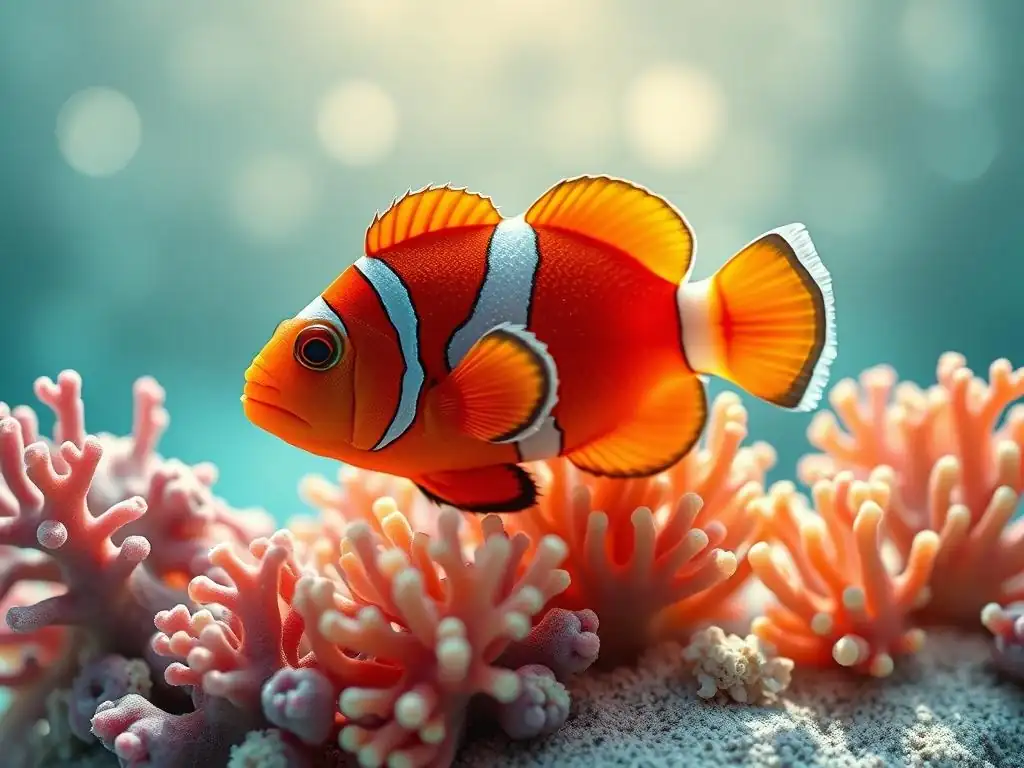
Anthias and Lyretail Wrasses: A Vibrant Mid-Water Combination
For aquarists seeking to add dynamic movement and intense coloration to the mid-water column of their reef community, pairing Anthias ( Pseudanthias species) with Lyretail Wrasses ( Paracheilinus species) offers an advanced, yet harmonious, reef safe fish pairing. Anthias are schooling fish known for their incredible vibrancy, but they require frequent, small feedings (3-5 times daily) due to their high metabolism and zooplankton-based diet. They are entirely reef safe fish pairings with corals and most invertebrates.
Lyretail Wrasses, similarly vibrant and peaceful, also thrive on a diet of small, meaty foods and occupy similar swimming spaces. Their active, darting movements complement the schooling behavior of Anthias, creating a breathtaking visual display. This reef aquarium stocking combination is ideal for mature, larger reef tanks (100+ gallons) that can support the high feeding demands and provide ample swimming space for these active reef tank mates, enhancing the overall liveliness of the reef ecosystem.
Mandarin Dragonets and Copepod Culturing: A Symbiotic Relationship
The Mandarin Dragonet ( Synchiropus splendidus) is one of the most strikingly beautiful and unique reef safe fish pairings, known for its intricate patterns and deliberate movements. It is completely reef safe fish pairings with corals and invertebrates, making it a dream reef tank mate for many. However, its specialized diet of live copepods makes it an advanced reef aquarium stocking choice. A Mandarin will typically starve in a tank without a thriving, established copepod population or consistent external copepod culturing.
To successfully keep a Mandarin Dragonet, a mature reef tank (ideally 6+ months old) with a large volume of live rock (e.g., 1 lb per gallon) to support a robust copepod population is essential. Many advanced aquarists also supplement by culturing copepods in a separate refugium or directly adding them to the display tank several times a week. This symbiotic relationship between the Mandarin and its food source highlights the depth of understanding required for these specialized reef safe fish pairings, rewarding the dedicated aquarist with an unparalleled display.
Considerations for Deep Water Reef Tank Stocking
Venturing into deep water reef aquarium stocking opens up a unique realm of reef safe fish pairings that thrive in lower light, cooler temperature, and often higher flow environments. These specialized reef community setups allow for species not typically seen in shallower reef tanks, such as certain rare basslets ( Liopropoma species) or less common species of Anthias that originate from deeper depths. These fish often exhibit unique coloration and behaviors adapted to their specific natural habitats.
However, maintaining a deep water reef ecosystem presents distinct challenges, including the need for precise temperature control, specialized lighting that penetrates deeper, and often more robust water flow. The selection of reef safe fish pairings must be meticulously tailored to these specific parameters, ensuring their long-term health and well-being. This advanced approach to reef tank mates offers a rewarding experience for experienced aquarists willing to invest in the specialized equipment and knowledge required.
Maintaining a Healthy and Harmonious Reef Ecosystem
Regular Water Changes and Parameter Monitoring
The cornerstone of a healthy and harmonious reef ecosystem, regardless of your reef safe fish pairings, is consistent and diligent water quality management. Regular water changes, typically 10-20% bi-weekly or monthly depending on tank size and reef aquarium stocking density, are crucial for replenishing essential elements and diluting accumulated nitrates and phosphates. Equally important is the routine monitoring of key water parameters, including salinity, alkalinity, calcium, magnesium, and nutrient levels (nitrates, phosphates).
Maintaining stable parameters prevents stress, disease outbreaks, and nuisance algae growth, all of which can exacerbate compatibility issues among reef tank mates and compromise coral health. Consistent water quality provides the stable foundation upon which all reef safe fish pairings and corals can thrive, ensuring the long-term success and vibrancy of your reef community.
Proper Feeding Strategies for a Diverse Community
A diverse reef community comprising various reef safe fish pairings (herbivores, carnivores, omnivores) necessitates a comprehensive and thoughtful feeding strategy. Providing a variety of high-quality foods is essential to meet the nutritional needs of all reef tank mates. This includes marine-based flakes, pellets, frozen foods like mysis shrimp and brine shrimp, and dried seaweed (nori) for herbivores. Ensuring all fish receive adequate nutrition minimizes aggression stemming from food competition and supports their immune systems.
Feeding small amounts multiple times a day, rather than one large feeding, is often beneficial. This mimics natural grazing behaviors for many reef safe fish pairings and reduces the amount of uneaten food decaying in the water column, which helps maintain pristine water quality. A well-fed reef aquarium stocking is a healthier and more harmonious one, allowing each inhabitant to thrive.
Observing and Adjusting Your Reef Tank's Ecosystem
Successful reef keeping is an ongoing journey of observation, learning, and adaptation. Regularly observing your reef community allows you to detect subtle changes in fish behavior, coral health, or water parameters before they escalate into major problems. This includes noting feeding habits, swimming patterns, coloration, and any signs of aggression or stress among your reef safe fish pairings.
Based on these observations, be prepared to make necessary adjustments to your reef aquarium stocking or maintenance routine. This might involve altering feeding schedules, adjusting water flow, or even considering rehoming a fish if compatibility issues persist. The ability to observe, interpret, and adjust is the hallmark of a skilled aquarist and is essential for cultivating a resilient, vibrant, and harmonious reef ecosystem where all reef tank mates can flourish.
Conclusion: Building Your Dream Reef Aquarium with Compatible Tank Mates.
Frequently Asked Questions
What makes a fish "reef safe"?
A reef safe fish is one that is unlikely to harm corals or invertebrates in a reef aquarium. They generally don't nip at corals, eat beneficial organisms, or disturb the substrate excessively.
How important is it to choose reef safe fish pairings carefully?
Choosing carefully is absolutely crucial for a healthy and thriving reef tank. Incompatible pairings can lead to stress, aggression, and even death amongst your fish and invertebrates.
Where can I find a list of recommended "Reef safe fish pairings" for my aquarium?
Aquarium Mastery's website provides a definitive list of reef safe fish pairings. This list offers guidance on compatible species and considerations for tank size and temperament.
What factors should I consider besides reef safety when choosing fish pairings?
Beyond reef compatibility, consider factors like size compatibility, temperament, and dietary needs. Ensure the fish you select have compatible water parameters and similar environmental requirements.
What should I do if I observe aggression between fish in my reef tank?
If you observe aggression, immediately assess the situation. You may need to rearrange the aquascape to provide more territory, or in some cases, remove the aggressor to a separate tank.
Final Reflection: Cultivating Harmony in the Reef
The delicate balance of a reef ecosystem, meticulously recreated within the confines of an aquarium, is a testament to our dedication to marine life. Understanding reef-safe fish pairings is no longer just a hobbyist pursuit, but a crucial step towards responsible aquarium keeping and a deeper appreciation for the interconnectedness of life within our oceans. This guide, we hope, serves as a foundation for creating thriving, harmonious reef environments that mirror the beauty and complexity of their natural counterparts.
The journey to mastering reef aquarium keeping is a continuous learning process, one that demands patience, observation, and a genuine respect for the creatures we house. My own experiences have shown me that the most rewarding aspect isn't just the visual spectacle, but the profound understanding gained from observing the intricate relationships between these animals. In the end, we will conserve only what we love; we will love only what we understand; and we will understand only what we are taught.
- Baba Dioum. This quote perfectly encapsulates the importance of education and responsible practices in preserving our planet's precious ecosystems, starting with the miniature reefs we create in our homes.
Now, armed with this knowledge of reef-safe fish pairings, we invite you to reflect on your own aquarium practices. Consider the impact of your choices on the well-being of your aquatic inhabitants and the overall health of your reef. Let this guide inspire you to not only create a visually stunning aquarium, but also to foster a thriving ecosystem where every creature plays a vital role. Embrace the challenge, continue to learn, and let your reef tank be a shining example of responsible aquarium keeping and a testament to the beauty and resilience of marine life.
Dive Deeper: Transform Your Reef Tank Today!
Thank you for exploring the world of reef-safe tank mates with Aquarium Mastery! We hope this guide has given you the knowledge to create a vibrant and harmonious underwater ecosystem. Now, let's put that knowledge into action!
Here are a few ways to continue your reef tank journey:
- Carefully select and introduce your first reef-safe tank mate based on the compatibility profiles discussed. Observe their interactions closely and adjust your approach as needed.
- Explore the Aquarium Mastery community forum to share your experiences, ask questions, and connect with other reef-keeping enthusiasts.
- Consider documenting your tank's progress with photos or videos and sharing them on social media using #AquariumMastery – inspire others with your reef-keeping success!
What fascinating new inhabitant are you most excited to welcome into your reef tank?