
Nutrient Export Champions: Harnessing Macroalgae for a Pristine Reef Aquarium

Welcome to Aquarium Mastery!
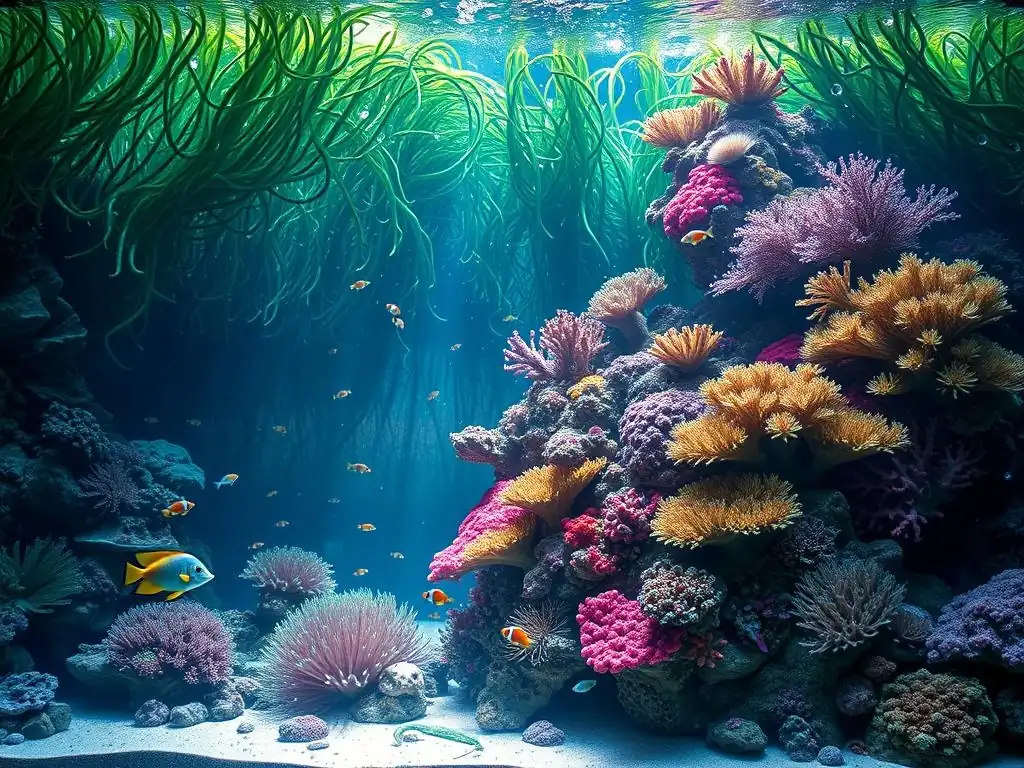
Ever wonder how to achieve that crystal-clear reef aquarium you've always dreamed of, naturally? Dive in and discover the secrets to Macroalgae reef aquarium nutrient export. Unlock the power of these underwater plants and learn how they can become your reef's best friend in maintaining a balanced and thriving ecosystem. Ready to explore? Let's get started!
- Understanding Nutrient Export in Reef Aquariums
-
Frequently Asked Questions
- What is nutrient export in a reef aquarium, and why is it important?
- How do macroalgae contribute to nutrient export in a reef tank?
- What types of macroalgae are best suited for a reef aquarium nutrient export system?
- How should I set up a macroalgae refugium for optimal nutrient export?
- How often should I harvest macroalgae to maintain effective nutrient export?
- Final Reflection: Cultivating Balance in Our Reefs
- Ignite Your Reef: Cultivate a Thriving Ecosystem Today!
Understanding Nutrient Export in Reef Aquariums
The Importance of Nutrient Control for Reef Health
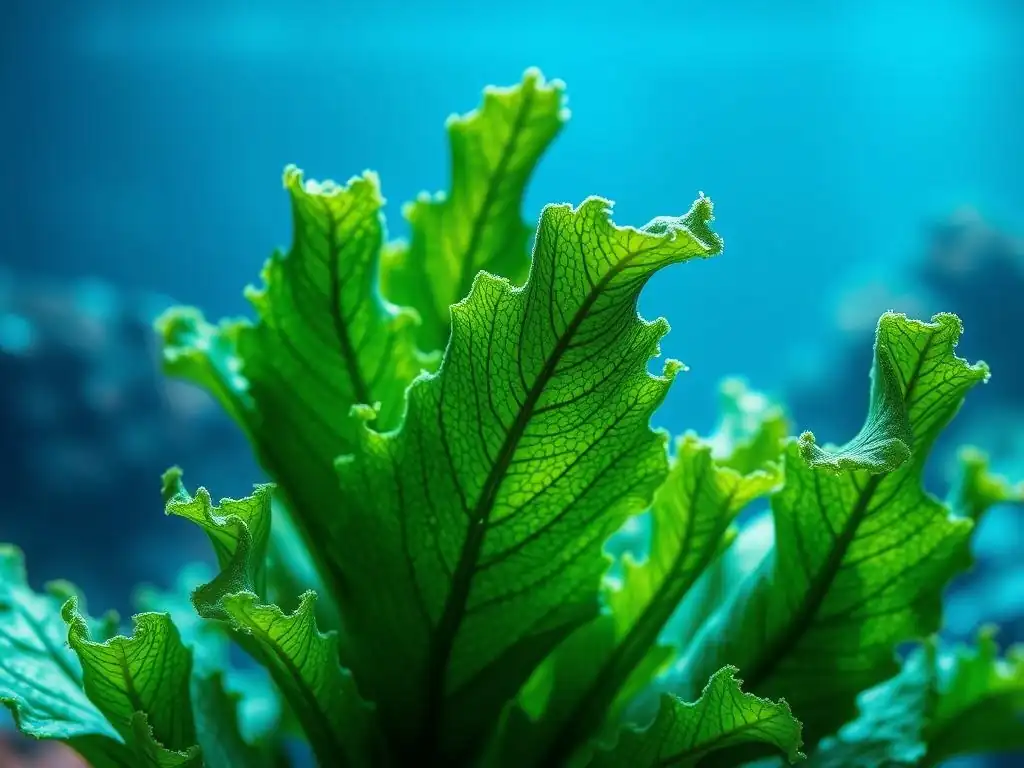
Maintaining precise nutrient control is paramount for the long-term health and vibrancy of any reef aquarium. Elevated levels of certain nutrients, primarily nitrates and phosphates, can lead to a cascade of detrimental effects, including unsightly nuisance algae blooms that outcompete corals for light and space. For instance, phosphates exceeding 0.05 ppm can significantly inhibit the calcification rates of stony corals, leading to slower growth and weakened skeletal structures, making them more susceptible to disease. Similarly, nitrate levels consistently above 10-20 ppm can stress sensitive corals, causing tissue recession, reduced polyp extension, and even bleaching in more extreme cases.
Effective nutrient management is not just about aesthetics; it directly impacts the physiological well-being of corals and other invertebrates. A stable, low-nutrient environment mimics the oligotrophic (nutrient-poor) conditions found on natural coral reefs, which is essential for the symbiotic relationship between corals and their zooxanthellae. When this balance is disrupted by excess nutrients, the zooxanthellae can become less efficient or even expelled, leading to coral bleaching. Therefore, implementing robust strategies for macroalgae reef aquarium nutrient export is a fundamental pillar of successful reef keeping, ensuring a pristine and thriving ecosystem.
What are Nutrients in a Reef Tank? (Nitrates, Phosphates, and More)
In the context of a reef aquarium, "nutrients" primarily refer to the dissolved inorganic compounds that fuel biological processes, both desirable and undesirable. The most commonly monitored nutrients are nitrates (NO3-) and phosphates (PO43-). Nitrates are the final product of the nitrogen cycle, originating from the breakdown of fish waste, uneaten food, and decaying organic matter through the processes of ammonification, nitrification, and denitrification. Phosphates, on the other hand, enter the system from various sources, including fish food, tap water (if not adequately filtered by RO/DI), decaying detritus, and even some aquarium additives.
While nitrates and phosphates are the main culprits for nuisance algae and coral stress, other organic compounds and trace elements can also accumulate and contribute to overall water quality degradation if not properly managed. These include various dissolved organic carbons (DOCs) and other metabolic byproducts.
The accumulation of these substances creates a fertile ground for unwanted algae growth and can inhibit the health and coloration of corals. Therefore, a comprehensive approach to macroalgae reef aquarium nutrient export targets not only nitrates and phosphates but also contributes to the overall reduction of organic waste, leading to clearer water and a more stable environment.
The Role of Macroalgae in Natural Reef Ecosystems
Macroalgae play a surprisingly significant and multifaceted role in natural coral reef ecosystems, far beyond just being a food source for herbivores. In many back-reef lagoons, shallow reef flats, and rubble zones, specific macroalgae species thrive, acting as natural biological filters. These areas often experience higher organic loads due to wave action depositing detritus, or proximity to land-based runoff.
The macroalgae in these zones efficiently absorb dissolved nutrients like nitrates and phosphates directly from the water column, effectively "locking" them into their biomass. This process helps to maintain the remarkably low nutrient levels characteristic of vibrant coral reefs, preventing the proliferation of nuisance microalgae that could otherwise smother corals.
This natural nutrient sequestration by macroalgae is a key inspiration for their use in captive reef systems. For instance, studies on the Great Barrier Reef have shown that areas with healthy populations of certain macroalgae species exhibit lower dissolved nutrient concentrations in the surrounding water.
By mimicking this natural phenomenon in a controlled environment, aquarists can leverage the power of macroalgae for effective macroalgae reef aquarium nutrient export. The goal is to cultivate a desirable population of macroalgae that outcompetes undesirable microalgae for available nutrients, thereby contributing to the overall stability and health of the enclosed reef environment, just as they do in the vast oceans.
Frequently Asked Questions
What is nutrient export in a reef aquarium, and why is it important?
Nutrient export refers to the process of removing excess nutrients, such as nitrates and phosphates, from the aquarium water. This is critical because high levels of these nutrients can fuel algae blooms and harm corals.
How do macroalgae contribute to nutrient export in a reef tank?
Macroalgae actively absorb nitrates and phosphates from the water as they grow. By harvesting the macroalgae, you permanently remove these nutrients from the system.
What types of macroalgae are best suited for a reef aquarium nutrient export system?
Popular choices include Chaetomorpha (Chaeto), Caulerpa (with careful management to prevent overgrowth), and Gracilaria. These species are known for their rapid growth and efficient nutrient uptake.
How should I set up a macroalgae refugium for optimal nutrient export?
A refugium is a separate tank or compartment designed to house the macroalgae. It should have adequate lighting and flow to support macroalgae growth and prevent detritus buildup.
How often should I harvest macroalgae to maintain effective nutrient export?
The harvesting frequency depends on the growth rate of the macroalgae and the nutrient levels in your tank. Regularly monitor your water parameters and harvest when the macroalgae becomes dense.
Final Reflection: Cultivating Balance in Our Reefs
The journey we've explored through the world of macroalgae and its pivotal role in nutrient export within reef aquariums culminates in a powerful realization: sustainable reef keeping is achievable through understanding and harnessing natural processes. We've seen how these vibrant plants, often overlooked, can be the key to unlocking a pristine and thriving ecosystem within our own homes. The principles of balance and careful management, so central to this approach, resonate far beyond the glass walls of an aquarium.
This exploration has deeply influenced my perspective on reef keeping, highlighting the interconnectedness of all elements within the ecosystem. It's not just about aesthetics; it's about fostering a healthy, self-sustaining environment. As the renowned oceanographer Sylvia Earle once said, No water, no life. No blue, no green.
This simple yet profound statement underscores the vital role of maintaining water quality, and macroalgae offer a natural and beautiful way to achieve just that.
Now, I invite you to reflect on your own relationship with your reef aquarium, or even your broader connection to the natural world. Consider how you can incorporate these principles of balance and sustainability into your practices. Embrace the power of macroalgae, not just as a tool for nutrient export, but as a symbol of your commitment to creating a thriving and responsible reef aquarium. Let's cultivate a future where our reefs, both in our homes and in the ocean, flourish with vibrant health and beauty.
Ignite Your Reef: Cultivate a Thriving Ecosystem Today!
Thank you for diving deep into the world of macroalgae and its incredible benefits for your reef aquarium! We hope you've gained valuable insights into creating a more balanced and pristine aquatic environment. Now, let's put that knowledge into action.
Here are a few ways you can start harnessing the power of macroalgae:
- Establish a refugium or dedicated macroalgae chamber in your aquarium setup to naturally reduce nutrient levels. This is the most direct way to benefit from what you just learned.
- Experiment with different macroalgae species like Chaetomorpha or Caulerpa to find the perfect fit for your tank and aesthetic preferences.
- Share your macroalgae journey with fellow reef keepers! Post pictures and updates on social media using #AquariumMastery and inspire others to explore natural filtration methods.
What's one small change you can make this week to introduce or optimize macroalgae in your reef tank?