
Lighting for Tanks with Plecos & Otos: Balancing Plant Needs & Catfish Comfort

Welcome to Aquarium Mastery!
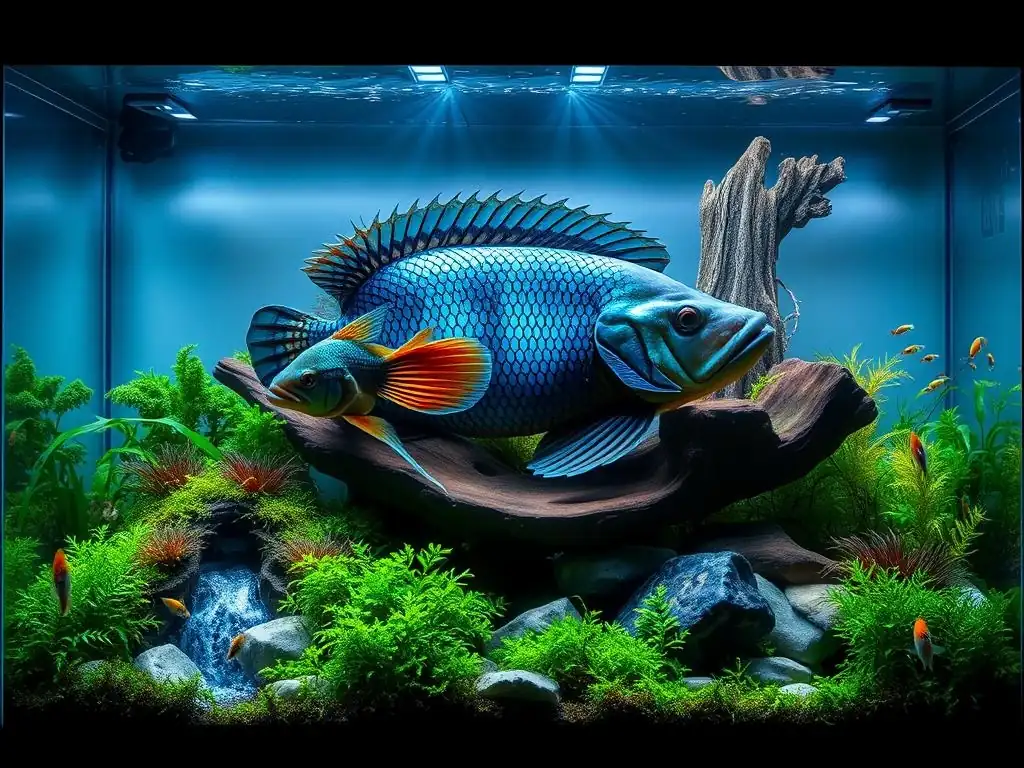
Ever wondered how to create the perfect underwater haven for your Plecos and Otos, where vibrant plants thrive and your shy catfish feel right at home? Dive into our guide on Pleco oto tank lighting and discover the secrets to balancing plant needs with your catfish's comfort, creating a stunning and healthy freshwater ecosystem. Ready to illuminate your aquarium knowledge? Let's get started!
- Lighting for South American Biotope Aquariums: Balancing Plant Needs & Catfish Comfort
- Understanding Lighting Needs in a South American Biotope Aquarium
- Selecting the Right Light Spectrum for Catfish, Plants, and Algae Control
- Light Intensity Considerations for Catfish Comfort
- Specific Lighting Recommendations for Different Tank Setups
- Managing Algae Growth with Proper Lighting
- Lighting Duration and Scheduling for a South American Biotope Tank
- Best Lighting Practices for a Thriving Catfish and Plant Community
- Troubleshooting Common Lighting Issues in Catfish Tanks
-
Frequently Asked Questions
- What type of lighting is best for a tank housing both Plecos and Otocinclus?
- How can I minimize stress caused by bright lights for my Plecos and Otos?
- How much light do aquatic plants typically need in a Pleco and Oto tank?
- What are some signs that the lighting is too intense for my Plecos and Otos?
- Can I use a timer to control the lighting schedule in my Pleco and Oto tank?
- Final Reflection: Illuminating Harmony
- Illuminate Your Aquarium's Potential: Spark Growth and Catfish Contentment!
Lighting for South American Biotope Aquariums: Balancing Plant Needs & Catfish Comfort
Understanding Lighting Needs in a South American Biotope Aquarium
The Importance of Lighting for a Healthy Aquarium Ecosystem
Lighting is a fundamental component of a thriving aquarium ecosystem, serving as the primary energy source for photosynthesis in aquatic plants. This process is crucial for producing oxygen, which is vital for fish respiration and the health of beneficial bacteria that facilitate the nitrogen cycle. Adequate light also supports the growth of healthy biofilm, a primary food source for many herbivorous fish, including Otocinclus catfish.
Beyond photosynthesis, lighting influences the overall biological rhythms of the aquarium inhabitants. It dictates the day-night cycle, which is essential for fish behavior, feeding patterns, and reproductive cycles. Inconsistent or inappropriate lighting can lead to stress in fish, potentially causing faded coloration, reduced activity, and increased susceptibility to diseases, underscoring its critical role in maintaining a balanced and vibrant aquatic environment.
How Catfish React to Different Light Intensities
Plecos, such as Bristlenose Plecos ( Ancistrus cirrhosus ) and Common Plecos ( Hypostomus plecostomus ), along with Otocinclus catfish ( Otocinclus affinis and related species), are predominantly crepuscular or nocturnal. Their natural habitats in South America often feature shaded riverbeds, dense vegetation, or tannin-stained waters that filter out harsh sunlight. Consequently, these fish are highly sensitive to bright, direct illumination.
Exposure to excessive light can induce significant stress in these catfish species. They may exhibit behaviors such as constant hiding, rapid breathing, or a reluctance to forage in open areas. Observations in home aquariums show that Otocinclus catfish, for instance, are far more active and graze more effectively on algae in dimmer conditions or heavily shaded zones, retreating immediately when intense light is introduced. This sensitivity highlights the need for careful consideration of Pleco oto tank lighting to ensure their comfort and well-being.
Considering Plant Requirements in a Catfish Tank
While catfish prefer subdued lighting, aquatic plants necessitate specific light intensities and spectrums for optimal growth. Low-light plant species, such as Anubias barteri, Java Fern ( Microsorum pteropus ), and various Cryptocoryne species (e.g., Cryptocoryne wendtii ), are excellent choices for tanks housing Plecos and Otos. These plants thrive under moderate illumination, aligning well with the catfish's preference for dimmer conditions.
Conversely, high-light demanding plants, which often include carpeting plants like Dwarf Hairgrass ( Eleocharis parvula ) or red-stemmed plants, require significantly more intense illumination. This can create a conflict with the comfort requirements of light-sensitive catfish. To balance these needs, aquarists often employ strategic plant placement, dense hardscaping to create shaded areas, or select lighting fixtures with dimming capabilities to ensure both plant vitality and catfish comfort in Pleco oto tank lighting setups.
Selecting the Right Light Spectrum for Catfish, Plants, and Algae Control
Full Spectrum Lighting: Mimicking Natural Sunlight
Full spectrum lighting is designed to emit light across the entire visible spectrum, typically from 400 nm (nanometers) to 700 nm, closely replicating natural sunlight. This broad spectral range is highly beneficial for aquatic plant growth, as it provides all the necessary wavelengths for efficient photosynthesis, leading to robust growth and vibrant coloration. It also enhances the natural hues of fish, making their patterns and colors more apparent.
While full spectrum light promotes healthy plant life, its intensity needs careful management in a Pleco and Oto tank. A color temperature around 6500 Kelvin (K) is often recommended, as it closely matches daylight and is optimal for plant photosynthesis without being overly blue or red, which can sometimes exacerbate algae issues. This balanced approach to Pleco oto tank lighting allows for both lush plant growth and a visually appealing environment for the fish.
LED Lighting for Plant Growth and Algae Control
LED (Light Emitting Diode) lighting has become the preferred choice for modern aquariums due to its energy efficiency, longevity (often exceeding 50,000 hours of use), and precise control capabilities. Many advanced LED fixtures allow aquarists to independently adjust individual color channels (red, green, blue, and white), enabling them to fine-tune the spectrum for specific plant growth requirements or aesthetic preferences.
For planted tanks housing catfish, the dimming functionality offered by many LED units is invaluable. High-quality fixtures, such as the Fluval Plant 3.0 or Chihiros WRGB II, provide programmable sunrise/sunset features and custom spectral settings. This allows aquarists to reduce light intensity during periods when catfish are most active, such as dawn and dusk, while still delivering adequate Photosynthetically Active Radiation (PAR) for plants during their peak growth phase, making them ideal for optimized Pleco oto tank lighting.
The Role of PAR (Photosynthetically Active Radiation) in Planted Tanks
PAR, or Photosynthetically Active Radiation, quantifies the amount of light within the spectral range (400-700 nm) that is available for photosynthesis. This metric is more accurate than lumens or watts for assessing light suitability for plants. For low-light plant species commonly found in Pleco and Oto tanks, a PAR value of 15-30 µmol/m²/s (micromoles per square meter per second) at the substrate level is generally sufficient for healthy growth.
Moderate light plants might require PAR values between 30-50 µmol/m²/s. However, very high PAR values, typically exceeding 60 µmol/m²/s, are usually reserved for high-tech setups with CO2 injection and can be highly stressful for light-sensitive catfish. Understanding PAR helps aquarists select appropriate lighting fixtures and position them at the correct height above the tank, ensuring plants receive adequate light without over-illuminating the environment for the comfort of Plecos and Otos.
Light Intensity Considerations for Catfish Comfort
Avoiding Excessive Brightness: Creating Shaded Areas
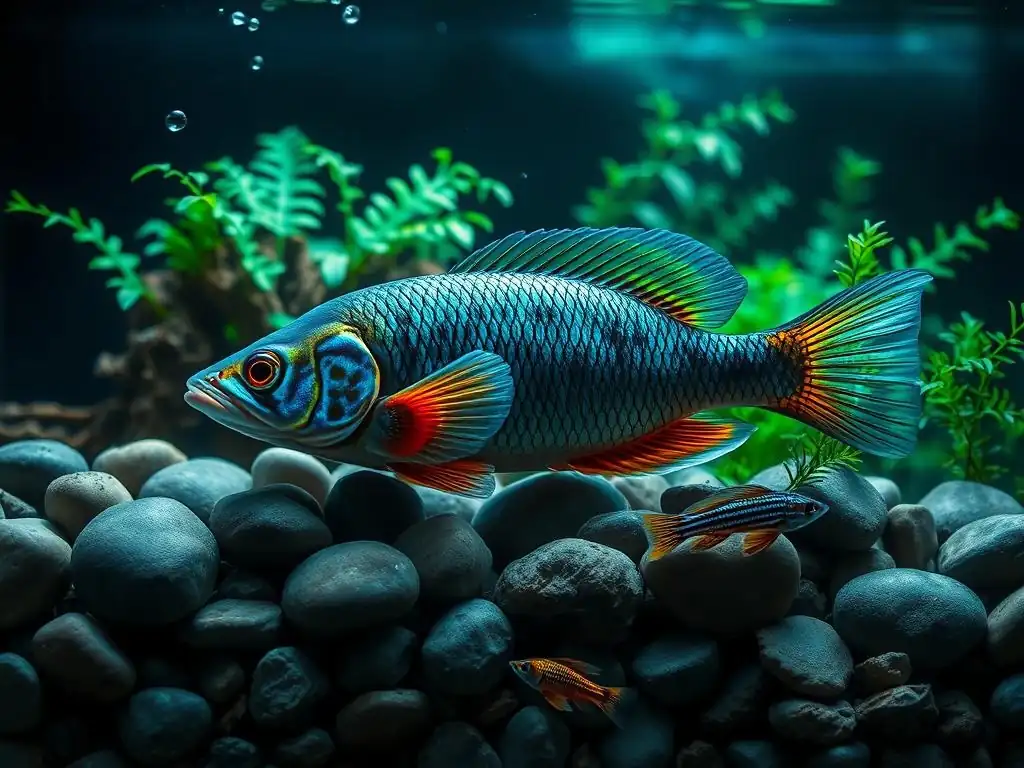
Excessive brightness is a primary stressor for Plecos and Otos, as these fish naturally inhabit shaded, often tannin-rich waters. In an aquarium, prolonged exposure to intense light can lead to chronic stress, causing them to hide constantly, become lethargic, or even develop health issues. Providing ample shaded areas within the tank is crucial for their well-being.
Strategic placement of driftwood, rock formations, and dense plant groupings (e.g., large Amazon Swords or bushy Java Ferns) creates essential retreats where these catfish can feel secure. Even in tanks designed for brighter light-loving plants, a large piece of Mopani wood or a ceramic cave positioned directly under the most intense light can offer a permanent dim zone, reducing stress and encouraging more natural behaviors for optimal Pleco oto tank lighting.
Using Floating Plants to Diffuse Light
Floating plants are an excellent natural solution for diffusing light and creating a more subdued environment that mimics the catfish's native habitat. Species like Amazon Frogbit ( Limnobium laevigatum ), Dwarf Water Lettuce ( Pistia stratiotes ), and Red Root Floaters ( Phyllanthus fluitans ) spread across the water surface, casting dappled shadows below. This softened light is significantly less jarring for light-sensitive species.
Beyond light diffusion, floating plants also play a beneficial role in nutrient absorption, helping to reduce excess nitrates and phosphates that can fuel algae growth. However, it is important to regularly thin out fast-growing floaters to prevent them from completely blocking light to submerged plants, which could stunt their growth. A balanced cover of floating plants ensures comfortable Pleco oto tank lighting while supporting other aquatic flora.
Adjusting Light Schedules for Optimal Catfish Health
A consistent light schedule, typically between 8 to 10 hours per day, is vital for maintaining healthy plant growth and stable fish behavior. However, for the specific needs of Plecos and Otos, considering a slightly shorter peak intensity period or utilizing dimming capabilities can be highly beneficial. For example, programming lights to be at a lower intensity during their most active hours (dawn and dusk) can encourage more natural foraging and exploration.
Some aquarists also implement a "siesta" period, where the lights are turned off for 2-3 hours in the middle of the day (e.g., 4 hours on, 2 hours off, 4 hours on). This break not only helps in controlling certain types of algae but also provides a period of reduced illumination that catfish can utilize for increased activity, without significantly disrupting the photosynthetic cycle of most aquatic plants.
Specific Lighting Recommendations for Different Tank Setups
Low-Tech Planted Tanks with Catfish
For low-tech planted aquariums, which typically do not utilize CO2 injection or extensive fertilization, a moderate light intensity is ideal. Lighting fixtures that provide a PAR value of 15-30 µmol/m²/s at the substrate level are sufficient for the growth of common low-light plants such as Anubias species, Java Fern, various Cryptocorynes, and different types of aquatic mosses. These conditions also align perfectly with the comfort preferences of Plecos and Otos.
Suitable lighting options for these setups include basic LED strip lights or fluorescent T5/T8 bulbs that offer a full spectrum output, ideally around 6500K. Brands like Nicrew ClassicLED or Finnex Planted+ 24/7 CC provide reliable and affordable solutions that deliver adequate light for plant growth without overwhelming light-sensitive catfish. This ensures a balanced environment where both plants and fish can thrive under appropriate Pleco oto tank lighting.
High-Tech Planted Tanks: CO2 Injection and Intense Lighting Considerations
High-tech planted tanks, characterized by CO2 injection, comprehensive fertilization, and often a nutrient-rich substrate, demand significantly more intense lighting. These setups typically require PAR values ranging from 50-80 µmol/m²/s or even higher to support demanding plant species. However, such high intensity can be highly stressful and detrimental to the well-being of Plecos and Otos.
In these advanced setups, it becomes crucial to implement strategies to mitigate the impact of intense illumination on catfish. This includes utilizing very tall hardscape elements, planting dense thickets of tall, broad-leafed plants (like large Amazon Swords or Vallisneria), and extensively using floating plants to create substantial shaded zones. Alternatively, programmable LED lights with precise dimming and spectral control allow aquarists to dial down the intensity, particularly the blue and white channels, during periods when catfish are most active, striking a necessary balance in Pleco oto tank lighting.
Bare-Bottom Tanks: Focusing on Catfish Needs
Bare-bottom tanks are often employed for specific purposes, such as breeding projects, quarantine, or simply to facilitate easier cleaning and maintenance. In these setups, where the presence of aquatic plants is minimal or non-existent, the primary consideration for lighting shifts entirely to the comfort and well-being of the fish, particularly light-sensitive species like Plecos and Otos.
For bare-bottom tanks housing these catfish, very dim and diffuse lighting is highly recommended. A small, low-wattage LED fixture positioned well above the tank, or even relying solely on indirect ambient room lighting, can be sufficient. The main objective is to avoid bright reflections off the tank's bottom, which can be disorienting and cause significant stress to these bottom-dwelling species, ensuring their comfort with minimal Pleco oto tank lighting.
Managing Algae Growth with Proper Lighting
The Link Between Lighting and Algae Blooms
Algae blooms are a common issue in aquariums and are frequently a direct consequence of an imbalance within the tank's ecosystem, with lighting being a major contributing factor. Excessive light intensity, an overly long photoperiod (e.g., more than 10 hours a day), or an inappropriate light spectrum can provide ideal conditions for rapid algae proliferation, especially when combined with elevated nutrient levels.
For instance, an abundance of red and blue light wavelengths, often found in plant-specific LED fixtures, can inadvertently promote the growth of certain stubborn algae types, such as red brush algae (BBA) or green hair algae, if not carefully managed. Many aquarists observe an explosion of green spot algae or diatoms within weeks of upgrading to a powerful new light fixture if light duration and intensity are not precisely controlled.
Using Light Spectrum to Control Unwanted Algae
While aquatic plants thrive under a broad spectrum of light, algae can often outcompete them for resources under suboptimal or imbalanced lighting conditions. Adjusting the light spectrum can be a subtle yet effective strategy to curb unwanted algae growth. For example, some aquarists find that slightly reducing the intensity of blue light can help in controlling outbreaks of blue-green algae (cyanobacteria), which are technically bacteria but behave like algae.
Maintaining a balanced light spectrum that primarily favors the growth of desirable aquatic plants, typically a full spectrum around 6500K with balanced red and blue peaks, encourages plants to outcompete algae for available nutrients. This approach, combined with appropriate light intensity and duration, is a crucial part of an effective Pleco oto tank lighting strategy for algae management.
Implementing Algae Eaters for a Balanced Ecosystem
Beyond managing lighting, incorporating natural algae eaters is an excellent strategy for maintaining a balanced and clean aquarium ecosystem. Otocinclus catfish themselves are superb consumers of diatoms and soft green algae. A small group of 5-6 Otocinclus in a 20-gallon tank can significantly reduce these common algae types. Other effective algae eaters include Amano shrimp ( Caridina multidentata ), known for their voracious appetite for various algae, and Nerite snails ( Neritina natalensis ), which excel at consuming green spot algae.
It is important to remember that these biological controls are part of a holistic solution and not a standalone fix for severe algae problems stemming from fundamental imbalances in lighting or nutrient levels. They thrive best in environments where light is managed correctly, ensuring that their food source (algae) is present but not overwhelming, thus contributing to a healthy and visually appealing tank with balanced Pleco oto tank lighting.
Lighting Duration and Scheduling for a South American Biotope Tank
Creating a Consistent Photoperiod
Establishing a consistent daily photoperiod is fundamental for the health and stability of both aquatic plants and fish. For most planted aquariums, a light cycle of 8 to 10 hours per day is widely recommended. This duration provides sufficient time for plants to photosynthesize effectively without promoting excessive algae growth. Inconsistent light schedules, characterized by irregular on/off times, can stress fish and disrupt the natural growth cycles of plants.
To ensure precise consistency, using a reliable digital timer for your aquarium lights is essential. These timers allow for exact scheduling, ensuring that the lights turn on and off at the same time every day. This predictability helps to establish stable circadian rhythms for species like Plecos and Otos, significantly reducing stress and encouraging more natural behaviors within the tank.
The Benefits of a Gradual Sunrise/Sunset Effect
Many modern LED light fixtures offer advanced features that simulate natural sunrise and sunset effects. This involves a gradual ramp-up of light intensity at dawn and a slow dimming at dusk, typically over a period of 30 to 60 minutes. This gentle transition is far less jarring for aquarium inhabitants compared to an abrupt on/off switch.
For light-sensitive species such as Plecos and Otos, a gradual sunrise/sunset significantly reduces stress. It allows them to slowly adjust to changing light levels, encouraging more natural activity patterns during these twilight hours, which are their most active periods in the wild. This advanced feature in Pleco oto tank lighting greatly enhances the comfort and well-being of these nocturnal and crepuscular fish.
Adjusting Lighting Schedules Seasonally
While not a strict requirement for the majority of home aquariums, some advanced aquarists choose to adjust their lighting schedules seasonally to mimic natural variations in day length. For example, they might slightly extend the photoperiod in summer (e.g., 9 hours) and reduce it in winter (e.g., 7-8 hours). This practice can subtly influence fish breeding behaviors and plant growth cycles, replicating more natural conditions.
However, for the average aquarist, maintaining a consistent 8-10 hour photoperiod year-round is generally sufficient and less complex to manage. This consistent approach ensures stable conditions for both plants and fish, providing a balanced environment without the need for frequent adjustments, particularly when balancing the specific needs of Plecos and Otos.
Best Lighting Practices for a Thriving Catfish and Plant Community
Regular Light Maintenance and Fixture Cleaning
Over time, dust, water spots, and mineral deposits can accumulate on light fixtures and their covers, significantly reducing the amount of light that penetrates the water. This can diminish light output by as much as 10-20% or even more, negatively impacting plant growth and the overall tank environment. Regularly wiping down the light fixture and its protective cover with a clean, damp cloth is essential to ensure maximum light penetration.
For tanks with glass or acrylic covers, it is crucial to clean both the top and bottom surfaces, as a thin film of algae or mineral residue can form on the underside, acting as a barrier to light. This simple, routine maintenance step is vital for ensuring consistent and effective Pleco oto tank lighting, directly contributing to the health of both plants and fish.
Monitoring Plant Health and Catfish Behavior
The most effective way to determine if your lighting setup is appropriate is through continuous observation of your aquarium's inhabitants. Healthy aquatic plants exhibit vibrant coloration, robust new growth, and minimal signs of algae accumulation. Conversely, stunted growth, yellowing or melting leaves, and excessive algae blooms are clear indicators of potential light imbalances or nutrient deficiencies.
For catfish, observe their activity patterns: are they actively foraging, exploring the tank, and resting comfortably in their shaded areas? Constant hiding, rapid gill movement, faded colors, or unusual swimming patterns (e.g., darting frantically) can be signs of stress, which is often light-related. Timely adjustments to light intensity, duration, or the addition of more shaded retreats might be necessary to alleviate stress in your Plecos and Otos.
Avoiding Light Stress in Sensitive Species
Many species of Plecos and Otos, particularly wild-caught specimens, can be highly sensitive to abrupt changes in light or consistently high illumination. This light stress can manifest as a weakened immune system, making them more susceptible to common aquarium diseases, faded coloration, reduced appetite, and a general decline in vitality.
When introducing new, sensitive fish to an aquarium, consider dimming the lights for the first few days or even a week to help them acclimate to their new surroundings. Gradually increase the light intensity to your desired level over time, always ensuring that ample hiding spots are available. This proactive approach to Pleco oto tank lighting minimizes stress and promotes a smoother transition for newly introduced species.
Troubleshooting Common Lighting Issues in Catfish Tanks
If persistent algae is plaguing your aquarium, a common culprit is often the lighting. First, assess your light duration; reducing the photoperiod to 6-8 hours for one to two weeks can significantly curb algae growth. Next, evaluate the light intensity; if plants are growing well but algae is also thriving, the light might be too strong for the available nutrient levels.
Consider implementing a "siesta" period, such as 4 hours on, 2 hours off, then 4 hours on, to disrupt algae's photosynthetic cycle. Alternatively, raising the light fixture further from the water surface or utilizing dimming functions on your LED unit can reduce intensity. Complement these light adjustments with increased water changes to reduce excess nutrients, which also fuels algae growth.
Dealing with Light Shock in Newly Introduced Plants or Fish
Newly introduced aquatic plants, especially those grown emersed or in lower light conditions, can experience "light shock" when placed into a brightly lit aquarium. This often results in the melting of older leaves as the plant attempts to adapt to the new, more intense light environment. Similarly, fish can appear highly stressed, hide excessively, or exhibit erratic swimming when moved from a dimly lit environment to a much brighter tank.
To mitigate light shock, initially reduce the light intensity or shorten the photoperiod for the first week after introducing new plants or fish. For plants, a gradual increase in light intensity over several weeks allows them to adapt more successfully. For fish, ensure that ample, immediate access to deep shade (e.g., caves, dense plant cover) is available to provide a refuge from the bright light. This careful acclimation is crucial for successful Pleco oto tank lighting.
Prolonged exposure to overly bright light can lead to chronic stress in Plecos and Otos, which, over time, can contribute to a range of health issues. These include increased susceptibility to common diseases like fin rot, secondary bacterial infections, and a general decline in their immune function and vitality. Their eyes are not adapted for constant high illumination, given their natural preference for dimly lit, shaded habitats.
The best prevention strategy is proactive tank design and thoughtful lighting management. Ensure your aquarium provides ample hiding spots such as driftwood, rock caves, and dense plant cover. Utilize diffuse lighting techniques, such as floating plants, to soften the overall illumination. Most importantly, maintain appropriate light intensity and duration that aligns with the comfort levels of these sensitive species, ensuring your Pleco oto tank lighting supports their long-term health and well-being.
Frequently Asked Questions
What type of lighting is best for a tank housing both Plecos and Otocinclus?
The best lighting is one that balances the needs of any live aquatic plants with the light sensitivity of your Plecos and Otos. Adjustable LED fixtures are ideal, allowing you to control the intensity and duration of light.
How can I minimize stress caused by bright lights for my Plecos and Otos?
Provide plenty of hiding places like caves, driftwood, and dense plant cover. Dimming the lights or using floating plants to diffuse the light can also reduce stress.
How much light do aquatic plants typically need in a Pleco and Oto tank?
Plant lighting needs vary. Generally, low-light plants like Java Fern and Anubias are best suited for Pleco/Oto tanks, as they require less intense lighting which is more comfortable for the fish.
What are some signs that the lighting is too intense for my Plecos and Otos?
Signs of stress include hiding excessively, refusing to come out to feed, or displaying erratic swimming behavior. You might also notice them losing color or becoming more susceptible to illness.
Can I use a timer to control the lighting schedule in my Pleco and Oto tank?
Yes, using a timer is highly recommended. A consistent lighting schedule of around 8-10 hours per day helps to prevent algae blooms and provides a stable environment for both your plants and your sensitive catfish.
Final Reflection: Illuminating Harmony
The delicate balance between thriving plant life and the well-being of our Plecos and Otos, explored throughout this article, is a microcosm of the larger ecosystems we strive to understand and protect. The choices we make in our aquariums, from the intensity of the light to the types of plants we cultivate, directly impact the lives of these fascinating creatures, mirroring the broader responsibility we have towards the natural world. This understanding is more crucial now than ever, as we grapple with the effects of environmental change and the importance of sustainable practices.
This exploration of "Pleco oto tank lighting" has highlighted the intricate dance between aesthetics and ethics. It reminds us that responsible aquascaping isn't just about creating a visually pleasing environment, but about fostering a healthy and balanced ecosystem for our aquatic companions. As the article has shown, finding the right lighting solution is key to achieving this harmony. The best aquarium lighting is that which provides the necessary light for plant growth while remaining within the comfort zone of the fish.
This quote encapsulates the core principle: thoughtful consideration for all inhabitants.
Now, I invite you to reflect on your own aquariums, and indeed, your own lives. Consider how you can create environments that nurture both beauty and well-being. Let the principles of balance and consideration, learned through the lens of "Pleco oto tank lighting," guide you in making choices that illuminate not just your tanks, but the world around you. Strive to be a conscious curator of life, fostering environments where all can thrive.
Illuminate Your Aquarium's Potential: Spark Growth and Catfish Contentment!
Thank you for diving into the world of aquarium lighting! We hope you found valuable insights on balancing plant growth with the comfort of your Plecos and Otos. Now, let's put that knowledge into action!
Here are some ways you can create the perfect lit habitat:
- Re-evaluate and adjust your lighting schedule this week. Observe your plants and catfish for any signs of stress or improvement after the adjustment.
- Explore the use of adjustable LED fixtures to fine-tune the light intensity and spectrum to meet the specific needs of your aquarium's inhabitants.
- Share your aquarium's 'before & after' lighting transformation on your favorite aquascaping forum and inspire other enthusiasts!
What small lighting tweak will you implement first to see the biggest impact in your tank?