
Beginner's Luck: Easiest Freshwater Shrimp Species to Keep and Breed

Welcome to Aquarium Mastery!
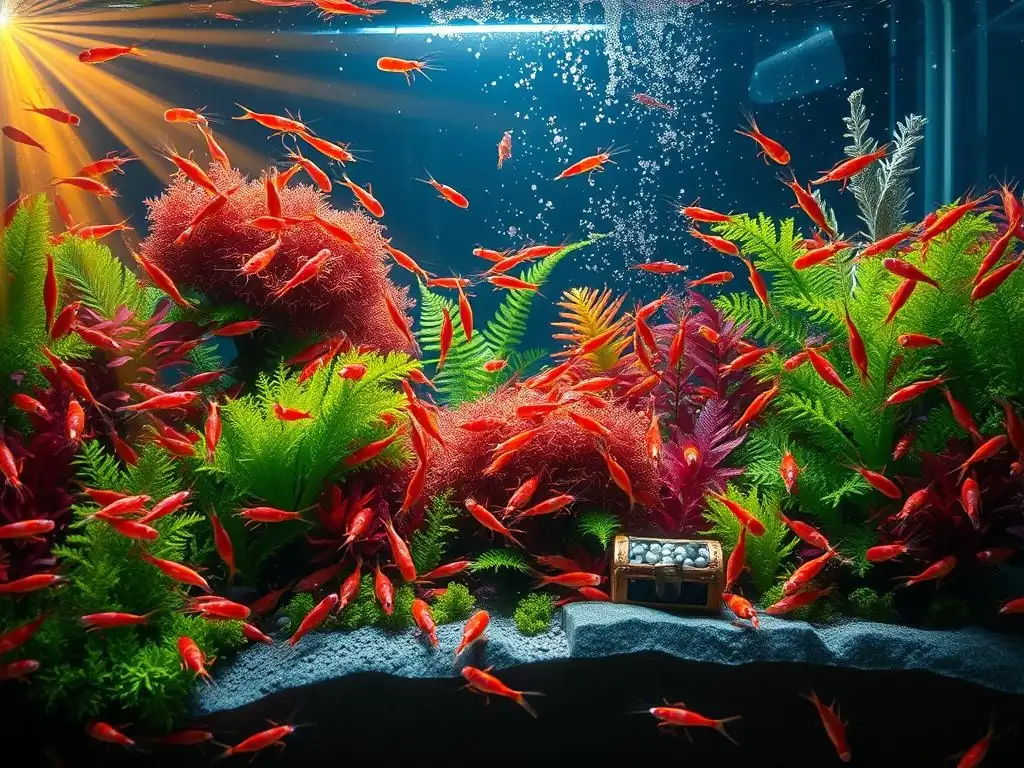
Ever dreamt of a thriving shrimp colony in your freshwater aquarium? Easy freshwater shrimp breeding might sound like an impossible feat, but it's more achievable than you think! Ready to unlock the secrets to effortless shrimp propagation and add a vibrant splash of color to your tank? Dive in and discover the easiest species to breed and the simple steps to ensure your success!
- Introduction: Diving into Easy Freshwater Shrimp Breeding
- Why Freshwater Shrimp Are Perfect for Beginners
-
Top 5 Easiest Freshwater Shrimp Species for Beginners
- 1. Red Cherry Shrimp (Neocaridina davidi): A Beginner's Dream
- 2. Amano Shrimp (Caridina multidentata): The Algae Eating Champion
- 3. Ghost Shrimp (Palaemonetes paludosus): A Budget-Friendly Option
- 4. Blue Dream Shrimp (Neocaridina davidi): A Colorful Choice for Newbies
- 5. Snowball Shrimp (Neocaridina davidi): A Peaceful and Hardy Shrimp
- Setting Up Your Shrimp Tank for Successful Breeding
- Feeding Your Freshwater Shrimp for Optimal Health and Breeding
- Troubleshooting Common Problems in Shrimp Tanks
- Ensuring Successful Easy Freshwater Shrimp Breeding
- Conclusion: Mastering Easy Freshwater Shrimp Breeding
-
Frequently Asked Questions
- How difficult is it to breed freshwater shrimp in a home aquarium?
- Which freshwater shrimp species are considered the easiest to breed for beginners?
- What are the key water parameters to consider for successful freshwater shrimp breeding?
- What type of food should I provide for my freshwater shrimp to encourage breeding?
- What should I do if I notice baby shrimp (shrimplets) in my aquarium?
- Final Reflection: The Tiny Wonders of Beginner's Luck
- Ignite Your Shrimp-Keeping Adventure!
Introduction: Diving into Easy Freshwater Shrimp Breeding
Embarking on the journey of keeping aquatic invertebrates can be an incredibly rewarding experience, and freshwater shrimp stand out as an excellent starting point for new aquarists. These miniature marvels bring a unique dynamic to any home aquarium, offering a fascinating glimpse into a micro-ecosystem. Their vibrant colors, diligent scavenging habits, and relatively simple care requirements make them an increasingly popular choice for both seasoned hobbyists and absolute beginners alike.
This guide is designed to illuminate the path to successful easy freshwater shrimp breeding, focusing on species that are particularly forgiving and prolific. We will delve into the specific needs of these charming creatures, from optimal water parameters to ideal tank setups, ensuring you have all the knowledge required to not only keep them thriving but also witness the joy of a self-sustaining shrimp colony. Prepare to discover why these invertebrates are truly a beginner's dream for aquatic enthusiasts.
Why Freshwater Shrimp Are Perfect for Beginners
Low Maintenance Requirements for Shrimp Keeping
One of the primary reasons for the appeal of easy freshwater shrimp breeding is their remarkably low maintenance requirements compared to many fish species. They have a very small bio-load, meaning they produce minimal waste, which translates to less frequent and smaller water changes.
For instance, a well-established 10-gallon tank with a healthy colony of Neocaridina shrimp might only require a 10-15% water change every 1-2 weeks, significantly less demanding than a tank with larger fish that might need weekly 25-30% changes. Their oxygen demands are also minimal, and simple sponge filters are often sufficient, providing both mechanical and biological filtration while being completely shrimplet-safe.
Furthermore, shrimp do not require complex feeding schedules. They primarily graze on biofilm and algae that naturally grow within the aquarium, acting as diligent clean-up crews. While supplemental feeding is beneficial, especially for a breeding colony, it's not a constant chore. A small pinch of specialized shrimp pellets or blanched vegetables a few times a week is often enough. This hands-off approach allows beginners to focus on maintaining stable water parameters rather than constant intervention, reducing the common pitfalls associated with overfeeding or poor water quality that can plague new aquarists.
Beginner-Friendly Temperament of Popular Shrimp Species
The docile nature of popular freshwater shrimp species also contributes significantly to making easy freshwater shrimp breeding a less stressful endeavor for new aquarists. Species like the Red Cherry Shrimp (Neocaridina davidi) are incredibly peaceful and pose no threat to other tank inhabitants, making them ideal for nano community tanks with very small, non-aggressive fish such as Endler's Livebearers or Boraras species. They spend their days grazing, molting, and occasionally interacting with each other, adding a calming presence to the aquarium without any aggressive displays or territorial disputes.
Moreover, many of the easiest species, particularly those from the Neocaridina genus, are quite adaptable to a range of water parameters, making them more forgiving of minor fluctuations common in beginner setups. While stability is always key, a Red Cherry Shrimp can typically tolerate a pH range of 6.5 to 8.0 and a GH (General Hardness) of 4-8 dGH, showing a wider tolerance than many delicate fish species. This resilience means that minor deviations from ideal parameters are less likely to cause immediate distress or fatalities, providing a valuable buffer for those still learning the ropes of aquarium chemistry.
The Joy of Watching Shrimp Breed in Your Aquarium
Witnessing the success of easy freshwater shrimp breeding offers immense satisfaction, transforming your aquarium into a vibrant, self-sustaining ecosystem. The process is a captivating display of nature's intricacies. Females, once successfully mated, become "berried," carrying dozens of tiny eggs under their tails, fanning them to ensure proper oxygenation. After approximately 25-30 days, depending on water temperature, miniature, fully formed shrimplets emerge, no larger than a grain of sand, immediately scurrying off to find food and shelter.
This continuous cycle of life adds a dynamic and endlessly fascinating element to your tank. Beyond the visual appeal, successfully breeding shrimp provides a tangible sense of accomplishment and a deeper understanding of aquatic biology. A healthy colony can grow from a handful of initial individuals to hundreds within a year, given optimal conditions, providing a steady supply of new generations. This not only reduces the need to purchase more shrimp but also opens up opportunities for selective breeding, allowing hobbyists to refine color strains and create truly unique populations within their own aquariums.
Top 5 Easiest Freshwater Shrimp Species for Beginners
1. Red Cherry Shrimp (Neocaridina davidi): A Beginner's Dream
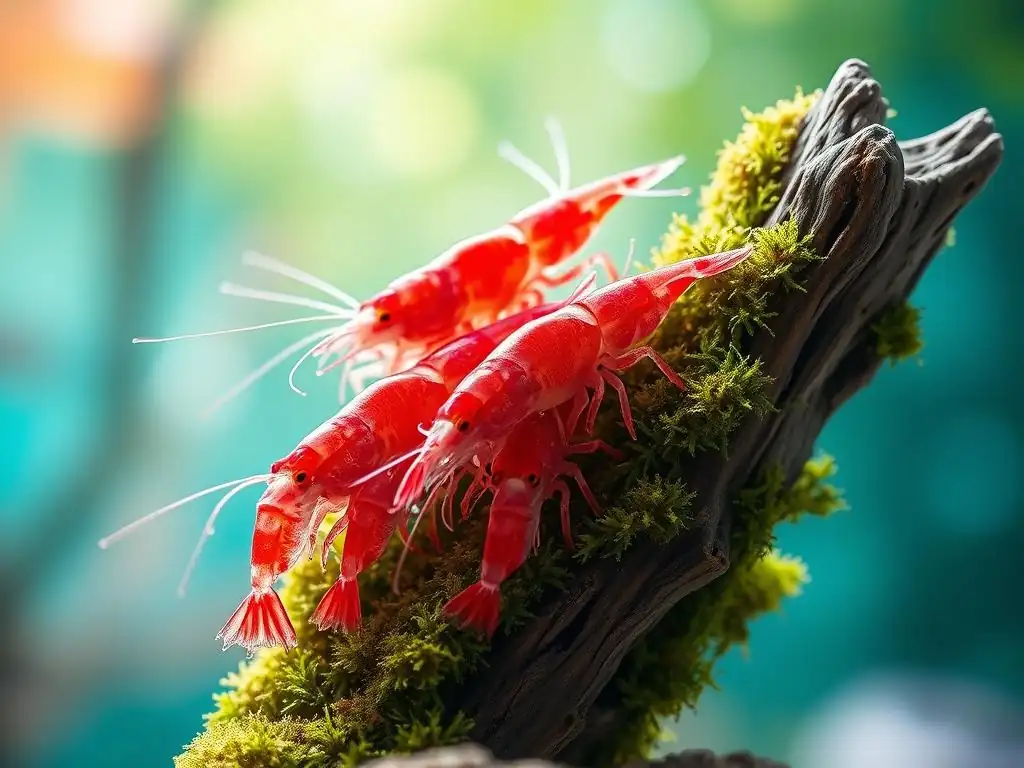
The Red Cherry Shrimp (RCS) is arguably the most popular and recommended freshwater shrimp for beginners due to its hardiness, adaptability, and prolific breeding habits. Originating from Taiwan, these vibrant crustaceans have been selectively bred to enhance their striking red coloration, making them a beautiful addition to any planted tank. Their small size, typically reaching about 1 inch (2.5 cm) in adulthood, means they can thrive in smaller aquariums, with a 5-gallon tank being sufficient for a starter colony of 10-15 individuals.
Their robust nature allows them to tolerate a broader range of water parameters compared to more sensitive Caridina species. They are active grazers, constantly sifting through substrate and plant leaves for biofilm and micro-algae, contributing to the tank's cleanliness. The ease with which they reproduce, often leading to a self-sustaining population within months, is a major draw for those interested in easy freshwater shrimp breeding. Observing the entire life cycle, from tiny eggs to fully grown adults, provides an incredibly rewarding experience for the new aquarist.
Red Cherry Shrimp Care Guide: Key Parameters
Maintaining stable water parameters is crucial for the health and breeding success of Red Cherry Shrimp, though they are quite forgiving. An ideal temperature range is between 68-78°F (20-25.5°C), with warmer temperatures encouraging faster growth and breeding, but potentially shortening their lifespan of typically 1-2 years. They prefer slightly alkaline to neutral water with a pH of 6.5-8.0. The General Hardness (GH) should be between 4-8 dGH, and Carbonate Hardness (KH) between 3-6 dKH, providing essential minerals for molting.
Regular monitoring with a liquid test kit is recommended, especially for beginners. While they can tolerate some fluctuations, drastic changes in water chemistry are detrimental. A drip acclimation method, slowly introducing new tank water over several hours, is highly recommended when adding new shrimp to prevent osmotic shock. Feeding should be minimal, primarily relying on biofilm and algae, supplemented with high-quality shrimp pellets containing spirulina or other plant-based ingredients a few times a week. Overfeeding can quickly foul the water, leading to health issues.
Breeding Red Cherry Shrimp: A Simple Process
Breeding Red Cherry Shrimp is remarkably straightforward, often occurring naturally without any special intervention once a healthy colony is established in stable conditions. Females are easily identifiable by their larger size, more intense coloration, and the presence of a "saddle" (unfertilized eggs visible behind the head) or "berries" (fertilized eggs carried under the tail). A healthy female can carry 20-50 eggs, hatching into miniature versions of the adults after approximately 3-4 weeks.
To maximize successful easy freshwater shrimp breeding, provide plenty of hiding spots like mosses (e.g., Java Moss, Christmas Moss) and finely leaved plants. These offer shelter for shrimplets and surfaces for biofilm growth, their primary food source in early life. A sponge filter is essential as it prevents tiny shrimplets from being sucked into the filter intake. Avoid housing them with aggressive fish that might prey on the adults or the vulnerable shrimplets, ensuring a safe environment for your burgeoning colony.
Red Cherry Shrimp Color Variations & Selective Breeding
While "Red Cherry Shrimp" specifically refers to the vivid red variety, Neocaridina davidi encompasses a wide spectrum of color variations, all stemming from the same hardy species. These include Yellow Cherry Shrimp, Blue Dream Shrimp, Black Rose Shrimp, Green Jade Shrimp, and Snowball Shrimp, among others. Each color morph shares the same easy care requirements and breeding habits, making them equally suitable for beginners interested in easy freshwater shrimp breeding.
Selective breeding is a fascinating aspect of keeping these shrimp. By isolating individuals with the most desirable coloration and breeding them together, hobbyists can enhance the vibrancy and consistency of a specific color strain over generations. For example, to maintain a colony of deep red "Sakura" or "Fire Red" shrimp, it's common practice to cull (remove) shrimp with poor coloration or clear patches, moving them to a separate tank or rehoming them. This focused breeding effort ensures the genetic purity and aesthetic quality of the desired strain.
2. Amano Shrimp (Caridina multidentata): The Algae Eating Champion
Amano Shrimp, scientifically known as Caridina multidentata (formerly Caridina japonica), are renowned for their incredible algae-eating prowess, making them an indispensable clean-up crew for any freshwater aquarium. Unlike the vibrant Neocaridina species, Amano Shrimp are more subtly colored, typically translucent grey to light brown with a dotted or dashed pattern along their sides. They grow larger than Neocaridinas, often reaching up to 2 inches (5 cm) in length, and are incredibly active foragers, constantly grazing on various types of algae, including stubborn black beard algae.
While they are incredibly hardy and peaceful, making them excellent tank mates for most community fish (excluding large, predatory species), their breeding process is notably different from Neocaridina shrimp. This difference is crucial for beginners interested in easy freshwater shrimp breeding, as Amano Shrimp require brackish water for their larval development, meaning they generally will not successfully reproduce in a standard freshwater aquarium setup. Despite this, their algae-eating benefits alone make them a top choice for aquarists.
Amano Shrimp Care: Focusing on Water Quality
Amano Shrimp are robust and adaptable, thriving in a wide range of freshwater parameters, making them suitable for most established community tanks. An ideal temperature range is 70-80°F (21-26.5°C), and they prefer neutral to slightly alkaline water with a pH of 6.5-7.5. A GH of 5-10 dGH and KH of 3-8 dKH are generally well-tolerated.
Like all shrimp, they are sensitive to copper and high levels of nitrates, so regular partial water changes are essential to maintain pristine water quality. A 20-gallon tank is a good minimum size for a small group of 5-10 Amano Shrimp, allowing ample space for foraging.
While their primary diet consists of algae and biofilm, supplemental feeding is beneficial, especially if your tank has limited algae. High-quality spirulina flakes, algae wafers, or blanched vegetables like zucchini or spinach can be offered a few times a week. It's important not to overfeed, as uneaten food can quickly degrade water quality. Providing plenty of hiding spots among plants, driftwood, or rocks will help them feel secure, especially after molting when they are most vulnerable.
Why Amano Shrimp Don't Breed in Freshwater (Larval Requirements)
Despite being hardy and easy to keep in freshwater, Amano Shrimp do not complete their breeding cycle in typical freshwater aquariums. This is because their larvae require brackish water to develop. After mating, the female carries thousands of tiny eggs (often 1,000-3,000) for about 4-6 weeks. Upon hatching, the larvae (zoea) are planktonic and extremely small, requiring a specific salinity range to survive and metamorphose into juvenile shrimp.
In nature, adult Amano Shrimp live in freshwater rivers and streams, but during breeding season, the berried females migrate downstream to estuaries where freshwater mixes with saltwater. The larvae then drift out to the ocean to develop, before migrating back into freshwater as juveniles. Replicating this complex life cycle in a home aquarium is challenging and typically requires a separate brackish setup for the larvae, making easy freshwater shrimp breeding of Amano Shrimp practically impossible for the casual hobbyist.
Amano Shrimp: Best Algae Eating Practices for Beginners
Amano Shrimp are unparalleled in their ability to control various types of algae, making them invaluable for maintaining a clean and clear aquarium. They are particularly effective against common nuisance algae such as green spot algae, green dust algae, and even the notoriously stubborn black beard algae (BBA) when present in moderate amounts. For optimal algae control, it's recommended to add Amano Shrimp to an established tank that has some existing algae growth, rather than a brand-new, sterile setup.
A good starting point for a moderately planted 20-gallon tank would be 3-5 Amano Shrimp. If algae is a significant problem, increasing the number to 1 per 2-3 gallons can be highly effective. To maximize their algae consumption, avoid overfeeding fish or other tank inhabitants, as readily available fish food can make them less inclined to graze on algae. Combining Amano Shrimp with other algae eaters like Nerite snails can create a powerful, natural algae control team, significantly reducing the need for chemical treatments.
3. Ghost Shrimp (Palaemonetes paludosus): A Budget-Friendly Option
Ghost Shrimp, scientifically known as Palaemonetes paludosus, are a popular and extremely budget-friendly option for beginners entering the world of freshwater shrimp. They are characterized by their translucent, almost invisible bodies, which gives them their common name. Often sold as feeder shrimp in pet stores, they are surprisingly hardy and active scavengers, making them excellent additions to community tanks as clean-up crew members. They typically grow to about 1.5 inches (3.8 cm) and have a lifespan of approximately 1 year.
Their low cost, often just a few cents to a dollar per shrimp, makes them an accessible choice for experimenting with shrimp keeping without a significant financial commitment. While their transparency might not offer the vibrant aesthetic appeal of a Red Cherry Shrimp, their constant foraging behavior is fascinating to observe. They are generally peaceful, though some individuals can be slightly more opportunistic and might occasionally bother very slow-moving or injured fish, especially if underfed.
Ghost Shrimp Care: Understanding Their Needs
Ghost Shrimp are quite adaptable and can thrive in a wide range of freshwater parameters, making their care relatively straightforward. They prefer temperatures between 65-80°F (18-26.5°C), with a pH range of 6.5-8.0, and a GH of 5-15 dGH. Like other shrimp, they are sensitive to sudden changes in water chemistry and copper-based medications. A minimum tank size of 5 gallons is suitable for a small group, though a larger tank is always better for stability and a more diverse environment.
As opportunistic omnivores, Ghost Shrimp will readily consume leftover fish food, detritus, and algae. While they are efficient scavengers, supplementing their diet with sinking pellets, algae wafers, or blanched vegetables will ensure they receive adequate nutrition and prevent them from becoming too bold or aggressive towards tank mates. Providing plenty of hiding spots, such as plants, driftwood, or rock caves, is crucial, especially during molting, as they are vulnerable when shedding their old exoskeleton.
Ghost Shrimp Breeding: Challenges and Possibilities
While Ghost Shrimp do breed in freshwater, their breeding success for hobbyists is often inconsistent compared to Neocaridina species, making easy freshwater shrimp breeding of Ghost Shrimp a bit more challenging. Females carry a clutch of 20-50 eggs for about 3 weeks. Upon hatching, the larvae are planktonic, similar to Amano shrimp larvae, but they can complete their development in freshwater. However, these larvae are extremely tiny and delicate, making them highly susceptible to predation by fish, even small ones, and easily sucked into filter intakes.
To successfully breed Ghost Shrimp, a dedicated breeding tank with a sponge filter and ample fine-leaved plants or mosses is essential. The larvae require microscopic food sources, such as infusoria or specialized liquid fry food, which can be difficult to culture or dose appropriately for beginners. While not as straightforward as Red Cherry Shrimp, with careful attention to larval feeding and protection, it is possible for a determined hobbyist to raise a few generations of Ghost Shrimp.
Identifying True Ghost Shrimp vs. Similar Species
The term "Ghost Shrimp" is often loosely applied in the pet trade, leading to confusion with other similar-looking, translucent shrimp species. The true Ghost Shrimp, Palaemonetes paludosus, is native to the southeastern United States and is generally peaceful and hardy. However, other species, particularly the Malaysian Prawn (Macrobrachium lanchesteri) or Glass Shrimp, are sometimes mislabeled and sold as Ghost Shrimp.
The key distinguishing feature of Palaemonetes paludosus is the absence of long claws (chelae) on their second pair of walking legs. Malaysian Prawns, in contrast, have noticeably longer and thinner second claws, which can be quite aggressive and predatory towards small fish and other shrimp. Before purchasing, it's advisable to carefully inspect the shrimp for these claw characteristics to ensure you are acquiring the true, peaceful Ghost Shrimp suitable for your community tank and for potential easy freshwater shrimp breeding attempts.
4. Blue Dream Shrimp (Neocaridina davidi): A Colorful Choice for Newbies
Blue Dream Shrimp are a stunning color morph of the same hardy Neocaridina davidi species as the Red Cherry Shrimp, making them an excellent choice for beginners seeking a vibrant and easy-to-care-for invertebrate. Their striking, opaque blue coloration ranges from a deep navy to a bright sky blue, providing a captivating contrast against green plants and light substrates. Like their red counterparts, they are small, reaching about 1 inch (2.5 cm) in size, and are highly active grazers, constantly adding movement and interest to the aquarium.
Their care requirements are identical to those of Red Cherry Shrimp, meaning they are remarkably adaptable to a range of stable freshwater parameters and are prolific breeders. This combination of stunning aesthetics and straightforward husbandry makes them a top contender for those interested in easy freshwater shrimp breeding, allowing new aquarists to enjoy both the beauty and the rewarding experience of breeding a colorful shrimp colony.
Blue Dream Shrimp Care: Maintaining Their Vibrant Color
Maintaining the vibrant blue coloration of Blue Dream Shrimp primarily relies on stable and appropriate water parameters, along with a high-quality diet. They thrive in temperatures between 68-78°F (20-25.5°C), with a pH of 6.5-8.0, and a GH of 4-8 dGH. Consistent parameters are more important than hitting exact numbers, as fluctuations can stress the shrimp and potentially dull their color. Using a dark substrate, such as black or dark brown gravel, can also help intensify their blue hue by providing a strong contrast.
Diet also plays a role; while they primarily graze on biofilm, supplementing with specialized shrimp foods rich in spirulina or astaxanthin can help enhance and maintain their color. Avoid overfeeding, as excess nutrients can lead to poor water quality, which negatively impacts shrimp health and color. Regular small water changes (10-15% weekly) using dechlorinated water with appropriate mineral content will ensure a healthy environment and promote optimal coloration.
Blue Dream Shrimp Breeding: Achieving Consistent Coloration
Breeding Blue Dream Shrimp is as simple and straightforward as breeding Red Cherry Shrimp, making it an ideal candidate for easy freshwater shrimp breeding. Given stable water parameters and a healthy male-to-female ratio (e.g., 2-3 females for every male), females will regularly become berried, carrying 20-50 eggs that hatch into miniature blue shrimplets after about 3-4 weeks. The key challenge lies in maintaining the consistency of their blue coloration across generations.
To achieve consistently vibrant blue offspring, selective breeding is recommended. This involves culling (removing) any shrimp that display undesirable traits, such as clear patches, dull coloration, or different hues (e.g., brown or red tints), and moving them to a separate "cull" tank or rehoming them. By breeding only the most intensely colored individuals, you can gradually improve the genetic purity and visual quality of your Blue Dream colony over time, ensuring that successive generations maintain their stunning blue hue.
The Genetics Behind Blue Dream Shrimp
The striking blue coloration of Blue Dream Shrimp is a result of selective breeding from wild-type Neocaridina davidi, which are typically brownish or greenish. The specific genetic pathways responsible for their blue pigment are complex but involve the expression of chromatophores (pigment-containing cells) in their exoskeleton. Unlike some other blue shrimp strains (e.g., Blue Rili, Blue Jelly), Blue Dream Shrimp are bred to have a solid, opaque blue body with minimal transparency.
This solid coloration indicates a high degree of selective breeding over many generations. When breeding Blue Dream Shrimp, it's possible to occasionally see "throwbacks" to earlier genetic traits, such as brownish or clear offspring, especially if the lineage isn't perfectly pure. This phenomenon underscores the importance of consistent selective breeding efforts to maintain the desired aesthetic. Understanding these genetic principles helps hobbyists appreciate the art and science behind developing and maintaining such beautiful and stable color forms through easy freshwater shrimp breeding.
5. Snowball Shrimp (Neocaridina davidi): A Peaceful and Hardy Shrimp
Snowball Shrimp, another captivating color morph of Neocaridina davidi, are celebrated for their pristine, opaque white coloration, which often resembles tiny snowballs moving gracefully through the aquarium. They are incredibly peaceful and hardy, sharing the same robust nature and adaptable care requirements as their Red Cherry and Blue Dream cousins. Growing to about 1 inch (2.5 cm) in length, they are an excellent choice for beginners looking for a unique and elegant shrimp species that is also very easy to keep and breed.
Their striking white color stands out beautifully against dark substrates and green plants, making them a visually appealing addition to any planted tank or nano aquarium. Their diligent scavenging habits contribute to tank cleanliness, and their prolific breeding ensures a thriving, self-sustaining colony with minimal effort. The combination of their aesthetic appeal, peaceful temperament, and ease of care makes them a highly recommended option for those embarking on easy freshwater shrimp breeding.
Snowball Shrimp Care: Ideal Tank Conditions
Snowball Shrimp thrive in similar conditions to other Neocaridina davidi varieties, making their care straightforward for beginners. An ideal temperature range is 68-78°F (20-25.5°C), and they prefer neutral to slightly alkaline water with a pH of 6.5-8.0. A General Hardness (GH) of 4-8 dGH and Carbonate Hardness (KH) of 3-6 dKH will provide the necessary minerals for healthy molting and overall well-being. Using a dark substrate can help highlight their brilliant white coloration, making them appear even more striking.
As with all shrimp, stability is key. Avoid sudden temperature swings or drastic changes in water chemistry. Regular small water changes (10-15% weekly) using dechlorinated water are essential to maintain low nitrate levels and replenish essential minerals. While they primarily graze on biofilm and algae, supplementing their diet with high-quality shrimp pellets or blanched vegetables a few times a week will ensure they receive all necessary nutrients, promoting optimal health and encouraging easy freshwater shrimp breeding.
Snowball Shrimp Breeding: Increasing Your Colony
Snowball Shrimp are prolific breeders, and given stable conditions and a healthy male-to-female ratio, they will readily reproduce in a home aquarium, making easy freshwater shrimp breeding a simple task. Females, once berried, will carry 20-40 eggs for approximately 3-4 weeks before releasing fully formed, miniature white shrimplets. These shrimplets are immediately self-sufficient, foraging for microscopic food and biofilm within the tank.
To maximize shrimplet survival and colony growth, provide ample hiding places such as Java Moss, Christmas Moss, or other dense, finely-leaved plants. These plants offer both shelter from potential predators (if kept with fish) and surfaces for biofilm growth, which is a crucial food source for young shrimp. Using a sponge filter is highly recommended, as it prevents tiny shrimplets from being sucked into the filter intake, ensuring a safe environment for your growing Snowball Shrimp population.
Snowball Shrimp vs. White Pearl Shrimp: Understanding the Differences
While both Snowball Shrimp and White Pearl Shrimp are white Neocaridina davidi varieties, there are subtle differences in their appearance and lineage. Snowball Shrimp (Neocaridina davidi "Snowball") are known for their opaque, solid white coloration, often described as resembling a snowball. Their eggs are also typically white or cream-colored, which is a distinguishing characteristic. They originated from a blue Neocaridina lineage.
White Pearl Shrimp (Neocaridina davidi "White Pearl"), on the other hand, tend to have a slightly more translucent white body, and their eggs are usually clear or yellowish, resembling tiny pearls, hence their name. They originated from a Red Cherry Shrimp lineage. While these distinctions are subtle and both are equally hardy and easy to care for, knowing the difference can be important for hobbyists interested in maintaining specific genetic lines or achieving particular aesthetic goals through easy freshwater shrimp breeding.
Setting Up Your Shrimp Tank for Successful Breeding
Choosing the Right Tank Size and Substrate
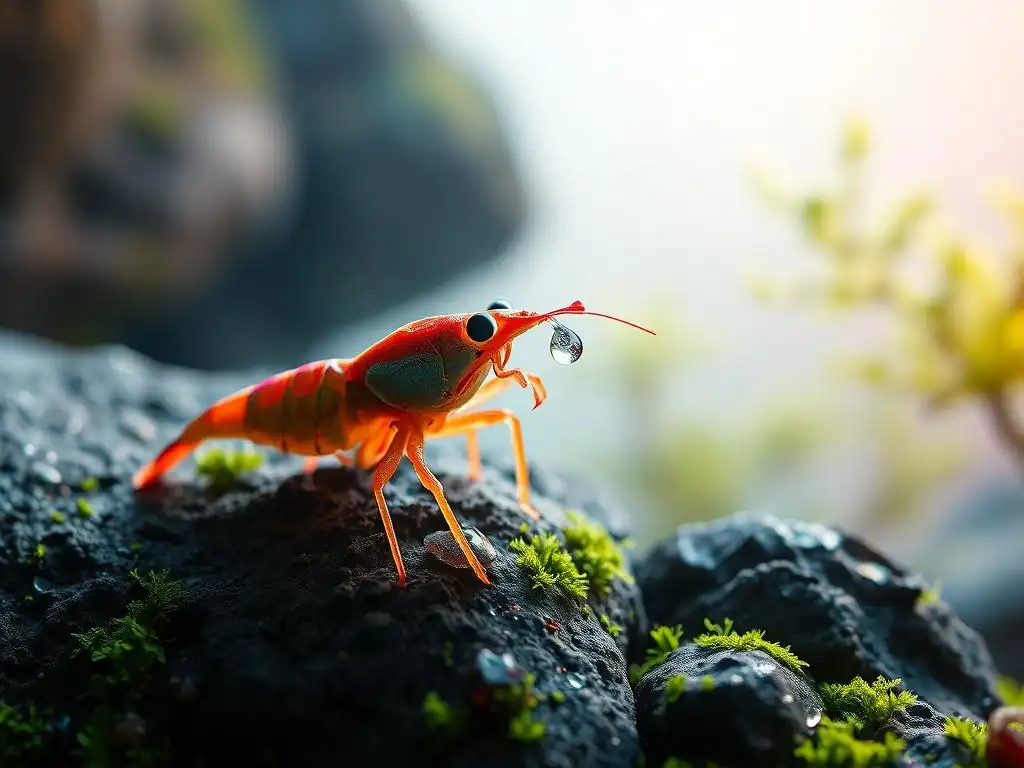
For successful easy freshwater shrimp breeding, selecting the appropriate tank size and substrate is fundamental. While a 5-gallon tank can house a small colony of Neocaridina shrimp, a 10-gallon or 20-gallon long tank is often recommended for beginners. Larger tanks offer greater water volume, which inherently provides more stability in water parameters, making it easier to manage fluctuations and maintain a healthy environment for a growing colony. A 10-gallon tank can comfortably support a thriving colony of 50-100 shrimp, while a 20-gallon long could house several hundred.
Regarding substrate, inert options are generally preferred to avoid altering water chemistry. Dark-colored substrates, such as black sand or fine gravel (e.g., ADA Amazonia, CaribSea Eco-Complete), are highly recommended as they make the vibrant colors of shrimp pop, enhancing their visual appeal. These substrates also provide a large surface area for beneficial bacteria and biofilm to grow, which serves as a natural food source for shrimp. Avoid substrates that leach minerals or drastically alter pH, unless specifically setting up for sensitive Caridina species that require specific soft, acidic conditions.
Essential Filtration and Water Parameters for Shrimp
Effective filtration is critical for maintaining pristine water quality, which is paramount for healthy shrimp and successful easy freshwater shrimp breeding. Sponge filters are the gold standard for shrimp tanks. They provide excellent biological and mechanical filtration, are inexpensive, easy to maintain, and, most importantly, are completely shrimplet-safe, preventing tiny, newly hatched shrimp from being sucked in. Hang-on-back (HOB) filters can be used if fitted with a pre-filter sponge over the intake to protect shrimplets. Canister filters are also an option for larger tanks, again with intake sponges.
Beyond filtration, maintaining stable water parameters is non-negotiable. For Neocaridina species (Red Cherry, Blue Dream, Snowball), aim for a temperature of 68-78°F (20-25.5°C), pH 6.5-8.0, GH 4-8 dGH, and KH 3-6 dKH. Regular testing with a reliable liquid test kit (e.g., API Freshwater Master Test Kit) is crucial. Perform small, consistent water changes (e.g., 10-15% weekly) using dechlorinated water that matches the tank's parameters as closely as possible. Drip acclimation for new shrimp is vital to prevent shock from parameter differences.
Live Plants for Shrimp: Providing Shelter and Food
Live plants are an invaluable addition to any shrimp tank, playing multiple roles in creating an optimal environment for breeding and growth. Firstly, they provide abundant hiding places and shelter, which is especially important for vulnerable shrimplets and molting adults. Dense plant coverage, such as that offered by Java Moss (Taxiphyllum barbieri), Christmas Moss (Vesicularia montagnei), or Guppy Grass (Najas guadalupensis), creates intricate networks where shrimplets can escape predation and forage safely.
Secondly, plants contribute significantly to water quality by absorbing nitrates and other waste products, helping to keep parameters stable. They also serve as a natural food source for shrimp. Biofilm, a layer of microorganisms and algae, readily grows on plant surfaces, providing a continuous grazing ground for shrimp. Floating plants like Frogbit (Limnobium laevigatum) or Dwarf Water Lettuce (Pistia stratiotes) can also provide shade and contribute to nutrient export, further enhancing the tank's ecosystem for easy freshwater shrimp breeding.
Important: Avoiding Copper and Harmful Chemicals
One of the most critical considerations for shrimp keepers, especially those focused on easy freshwater shrimp breeding, is the absolute avoidance of copper and other harmful chemicals. Shrimp, and indeed all invertebrates, are extremely sensitive to copper, even in minute concentrations that might be harmless to fish. Many fish medications, particularly those used to treat parasitic infections like ich (white spot disease), contain copper. Even some plant fertilizers can contain trace amounts of copper that can be lethal to shrimp.
Always read the labels of any aquarium products carefully before introducing them to a shrimp tank. If a product states it is "invert safe," it typically means it does not contain copper or other known shrimp toxins. If you need to treat fish for an illness, it is always best to remove the affected fish to a separate quarantine tank for treatment. Additionally, be mindful of household cleaners, air fresheners, and even bug sprays used near the aquarium, as airborne chemicals can settle on the water surface and prove fatal to your sensitive invertebrates.
Feeding Your Freshwater Shrimp for Optimal Health and Breeding
Best Shrimp Foods for Growth and Reproduction
While freshwater shrimp are excellent grazers of biofilm and algae, supplementing their diet with high-quality, specialized shrimp foods is crucial for promoting optimal health, vibrant coloration, and consistent easy freshwater shrimp breeding. Look for sinking pellets or wafers specifically formulated for dwarf shrimp. These foods are typically rich in plant-based ingredients like spirulina, moringa, and various vegetables, along with essential minerals (like calcium) vital for healthy molting and exoskeleton development.
Examples of reputable shrimp food brands include Hikari Shrimp Cuisine, Shirakura, GlasGarten, and Dennerle. These foods are designed to be palatable and provide a balanced nutritional profile. Feeding should be done sparingly; only offer an amount that your shrimp can consume within a few hours to prevent uneaten food from fouling the water. For a colony of 20-30 shrimp, a single small pellet every other day might suffice, depending on the amount of natural biofilm available.
Supplementing Their Diet with Natural Foods
Beyond commercial shrimp foods, supplementing your freshwater shrimp's diet with natural foods can provide additional nutrients and variety, encouraging robust growth and successful easy freshwater shrimp breeding. Blanched vegetables are an excellent option. Popular choices include zucchini slices, spinach leaves, cucumber, and broccoli florets. Simply blanch a small piece in boiling water for a few minutes until soft, let it cool completely, and then drop it into the tank. Remove any uneaten portions after 24-48 hours to prevent water quality issues.
Indian Almond Leaves (Catappa leaves) are another beneficial natural supplement. When added to the tank, they slowly release tannins, which have mild anti-bacterial and anti-fungal properties, creating a more natural and healthy environment for shrimp. As the leaves decompose, they also provide a rich source of biofilm and detritus for shrimp to graze upon. Other natural options include alder cones, which similarly release beneficial tannins and create grazing surfaces. These natural additions mimic the varied diet shrimp would encounter in their wild habitats.
Avoiding Overfeeding: Maintaining Water Quality
One of the most common mistakes beginners make, which can severely impact shrimp health and breeding success, is overfeeding. While it might seem counterintuitive to underfeed, shrimp have a very low bio-load and a constant supply of natural food (biofilm, algae, detritus) in a well-established tank. Overfeeding introduces excess nutrients into the water, leading to a rapid decline in water quality, ammonia and nitrite spikes, and an increase in nitrates.
Poor water quality directly stresses shrimp, making them susceptible to diseases, molting issues, and ultimately reducing their lifespan and ability to breed. To avoid overfeeding, observe your shrimp's eating habits. If food is still present after 2-3 hours, you are feeding too much. Start with a very small amount, such as a single small pellet for a colony of 20-30 shrimp, and adjust as needed. Feed every other day or even less frequently if your tank is heavily planted and has ample natural food sources. A clean and stable environment is paramount for easy freshwater shrimp breeding.
Troubleshooting Common Problems in Shrimp Tanks
Dealing with Algae Blooms
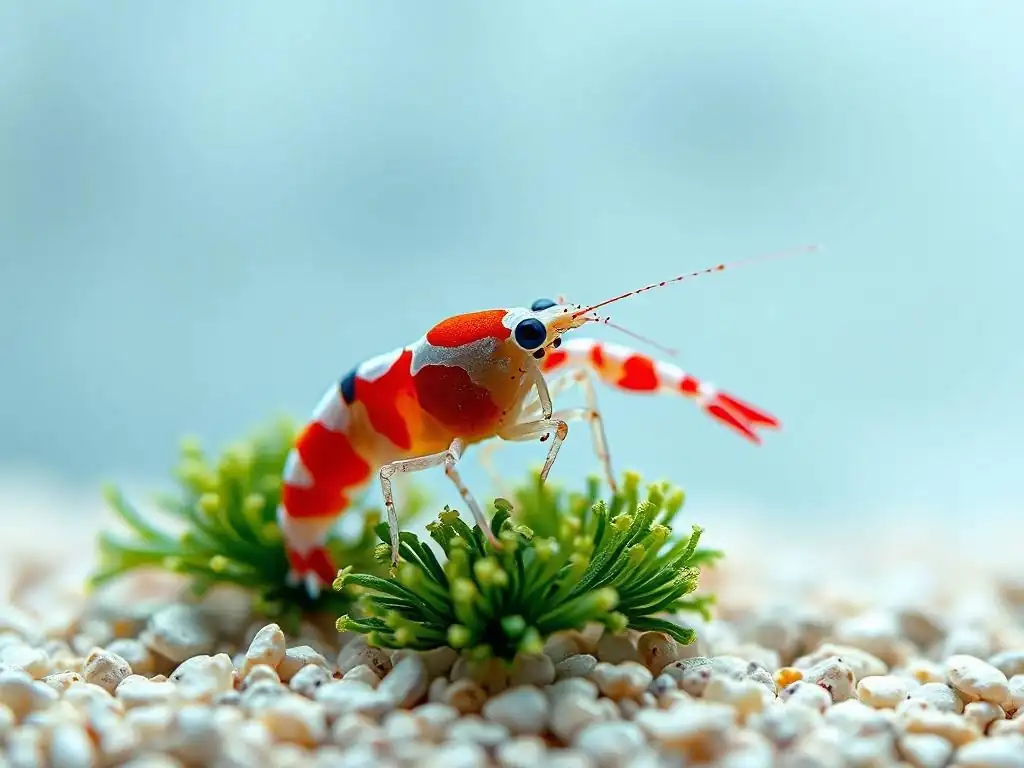
Algae blooms are a common issue in aquariums, including shrimp tanks, often indicating an imbalance in the tank's ecosystem. While some algae is beneficial as a food source for shrimp, excessive growth can be unsightly and, in severe cases, indicative of poor water quality. Common causes of algae blooms include excessive light (too long duration or too intense), overfeeding, and high nutrient levels (nitrates and phosphates) in the water.
To combat algae blooms, first identify the root cause. Reduce lighting duration to 8-10 hours per day. Ensure you are not overfeeding fish or shrimp. Perform small, consistent water changes (e.g., 10-15% weekly) to export excess nutrients. Adding more live plants can help absorb nitrates and outcompete algae for nutrients. Amano Shrimp are excellent algae eaters and can be a valuable addition to control various algae types, contributing to overall tank cleanliness and making the environment more conducive to easy freshwater shrimp breeding.
Preventing and Treating Shrimp Diseases
While freshwater shrimp are generally hardy, they can be susceptible to certain diseases, often triggered by poor water quality, stress, or the introduction of infected new inhabitants. Common issues include bacterial infections (e.g., cloudy bodies, lethargy), fungal infections (cotton-like growths), and parasitic infestations (e.g., green fungus, Vorticella). Prevention is always the best approach. Maintain stable, pristine water parameters, avoid overcrowding, and quarantine new shrimp or fish for at least 2-3 weeks before introducing them to your main tank.
If a disease is suspected, prompt action is crucial. Isolate affected shrimp if possible. Research invert-safe treatments, as many common fish medications contain copper or other harmful chemicals. Salt baths (using aquarium salt, not table salt) can sometimes help with external parasites or fungal issues, but must be done carefully. In cases of severe bacterial infections, specialized shrimp-safe antibiotics might be considered, but consulting with an experienced aquarist or veterinarian is highly recommended. A healthy environment reduces disease risk, supporting easy freshwater shrimp breeding.
Understanding Molting Issues in Shrimp
Molting is a natural and essential process for shrimp growth, where they shed their old exoskeleton to grow a new, larger one. Healthy molting is indicated by a clean, intact discarded shell (exuvia) left behind. However, molting issues, often referred to as "molt death" or "molting problems," are a common cause of shrimp fatalities for beginners. These issues typically manifest as a shrimp struggling to shed its old shell, getting stuck, or appearing lethargic and dying shortly after a partial molt.
The primary cause of molting issues is often improper water parameters, specifically insufficient calcium and magnesium (reflected in GH and KH levels) or drastic changes in water chemistry. If GH is too low, shrimp may not have enough minerals to form a new, strong exoskeleton. If GH is too high, the old shell might be too hard to shed.
Ensure stable GH (4-8 dGH for Neocaridina) and KH (3-6 dKH) levels. Supplementing with calcium-rich foods or a GH/KH booster can help. Stress from poor water quality or sudden parameter shifts also contributes, emphasizing the need for consistent, optimal conditions for easy freshwater shrimp breeding.
Ensuring Successful Easy Freshwater Shrimp Breeding
Maintaining Stable Water Parameters is Key
The single most critical factor for ensuring successful and consistent easy freshwater shrimp breeding is the unwavering maintenance of stable water parameters. Shrimp are highly sensitive to sudden changes in temperature, pH, GH, and KH. Even minor fluctuations can cause stress, leading to molting issues, reduced appetite, and a cessation of breeding activity. Imagine living in an environment where the air temperature or humidity constantly swings wildly – shrimp experience similar stress with unstable water.
To achieve this stability, avoid large, infrequent water changes. Instead, opt for smaller, more frequent changes (e.g., 10-15% weekly) using water that is as close as possible in temperature and mineral content to your tank water. Drip acclimation for new shrimp over several hours is also vital to minimize shock. Regularly test your water parameters with a reliable liquid test kit to catch any deviations early. A consistent, unchanging environment signals to shrimp that it is safe and stable enough to reproduce, leading to a thriving breeding colony.
Providing Hiding Places for Shrimplets
For successful easy freshwater shrimp breeding, particularly the survival of the delicate shrimplets, providing ample hiding places is absolutely essential. Newly hatched shrimplets are incredibly tiny, often no larger than a grain of sand, and are highly vulnerable to predation by even the smallest fish or even larger, hungry adult shrimp if food is scarce. Without adequate cover, their chances of survival are significantly reduced.
Dense, finely-leaved live plants are the best solution. Java Moss, Christmas Moss, Guppy Grass, and Anacharis create intricate networks and crevices where shrimplets can hide from potential threats. These plants also accumulate biofilm, which serves as a crucial primary food source for the shrimplets in their first few weeks of life. Additionally, small pieces of driftwood or shrimp caves can offer further shelter. A well-planted tank not only looks aesthetically pleasing but also acts as a vital nursery, dramatically increasing the survival rate of your shrimplets and boosting your easy freshwater shrimp breeding success.
Avoiding Predators: Choosing Compatible Tank Mates
While easy freshwater shrimp breeding is relatively straightforward, ensuring the survival of your shrimplets necessitates careful consideration of tank mates. Many common aquarium fish, even seemingly peaceful ones, will readily prey on tiny shrimplets. Any fish with a mouth large enough to consume a shrimplet will likely do so, viewing them as a convenient snack. This includes popular community fish like neon tetras, guppies, and even some mollies.
For optimal breeding success and shrimplet survival, a species-only shrimp tank is highly recommended. If you wish to keep tank mates, choose extremely small, peaceful, and non-predatory fish. Examples include Otocinclus catfish (which are algae eaters), small snails (Nerite, Ramshorn), or micro-rasboras like Boraras brigittae (Chili Rasboras) or Boraras maculatus (Dwarf Rasboras), though even these can occasionally pick off a shrimplet. Avoid any cichlids, larger tetras, barbs, or bettas. Creating a predator-free environment significantly increases the efficiency of easy freshwater shrimp breeding.
Conclusion: Mastering Easy Freshwater Shrimp Breeding
Embarking on the journey of keeping and breeding freshwater shrimp is a truly rewarding experience, offering both aesthetic beauty and the profound satisfaction of nurturing a thriving aquatic ecosystem. As we've explored, species like the Red Cherry, Blue Dream, and Snowball shrimp are exceptionally well-suited for beginners, thanks to their robust nature, peaceful temperament, and remarkably straightforward breeding habits. These "beginner's luck" species truly live up to their name, making easy freshwater shrimp breeding accessible to anyone willing to provide a stable and well-maintained environment.
By focusing on stable water parameters, providing ample plant cover, and carefully selecting compatible tank mates (or opting for a species-only tank), you can create an ideal habitat where these miniature marvels will not only survive but also flourish and reproduce prolifically. The continuous cycle of life, from berried females to tiny, foraging shrimplets, adds an endless source of fascination and accomplishment to your aquatic hobby. Mastering easy freshwater shrimp breeding is not just about growing a colony; it's about cultivating a deeper appreciation for the intricate balance of aquatic life right in your home aquarium.
Frequently Asked Questions
How difficult is it to breed freshwater shrimp in a home aquarium?
Breeding freshwater shrimp can be surprisingly easy, especially with the right species. Many beginner-friendly species readily reproduce in a well-maintained aquarium environment. Success largely depends on providing stable water parameters and a suitable food source.
Which freshwater shrimp species are considered the easiest to breed for beginners?
Several species are known for their ease of breeding, including Neocaridina shrimp, such as Cherry Shrimp and Red Rili Shrimp. These shrimp are relatively hardy and tolerate a wider range of water conditions, making them ideal for novice breeders.
What are the key water parameters to consider for successful freshwater shrimp breeding?
Maintaining stable water parameters is crucial. Important factors include a stable pH level (ideally between 6.5 and 8.0), a temperature range of 68-78°F (20-26°C), and low levels of ammonia and nitrites. Regular water changes are also essential.
What type of food should I provide for my freshwater shrimp to encourage breeding?
While shrimp will graze on algae and biofilm in the tank, supplementing their diet is beneficial. Offer a high-quality shrimp food specifically formulated for shrimp, as well as blanched vegetables like spinach or zucchini. Avoid overfeeding to prevent water quality issues.
What should I do if I notice baby shrimp (shrimplets) in my aquarium?
Congratulations! Ensure the shrimplets have access to fine foods like baby shrimp food or powdered spirulina. Maintain stable water parameters and avoid any sudden changes that could stress them. A sponge filter is recommended to prevent them from being sucked into the filter.
Final Reflection: The Tiny Wonders of Beginner's Luck
The journey into aquascaping and shrimp keeping, as we've explored, is often perceived as daunting, but the reality is far more accessible than many realize. The ease with which certain freshwater shrimp species can be kept and bred opens a gateway to a fascinating and rewarding hobby for anyone willing to learn. This accessibility is particularly relevant today, as more and more people seek engaging and mindful activities that connect them with nature, even within the confines of their homes.
The impact of these tiny creatures extends beyond mere aesthetics. The joy of witnessing a thriving shrimp colony, from the first berried female to the explosion of shrimplets, is a powerful reminder of the delicate balance of ecosystems and the beauty of life cycles. In the small matters, trust the mind, in the large ones, the heart.
– Sigmund Freud. This quote resonates deeply with the shrimp keeping experience; while the technical aspects require attention, the true reward lies in the emotional connection and the appreciation for the intricate world unfolding before your eyes.
Now, as you consider the possibilities that easy freshwater shrimp breeding offers, I encourage you to take the plunge. Don't be intimidated by the perceived complexity. Embrace the beginner's luck, learn from your experiences, and contribute to the growing community of aquarists who find joy and fulfillment in nurturing these miniature ecosystems. Your journey into the world of freshwater shrimp awaits, promising a captivating blend of science, art, and the simple pleasure of witnessing life thrive.
Ignite Your Shrimp-Keeping Adventure!
Thank you for exploring the fascinating world of freshwater shrimp with us! We hope you've gained the knowledge and confidence to embark on your own shrimp-keeping journey. Now, let's put that newfound expertise into action!
Here are some ways to dive deeper:
- Start your first shrimp tank! Choose one of the beginner-friendly species we discussed and experience the joy of watching these tiny creatures thrive.
- Share your beginner shrimp-keeping aspirations and questions with the Aquarium Mastery community forum. Let's learn and grow together!
- Research a unique, shrimp-safe aquatic plant to add to your future setup. Which one intrigues you the most and why?
What's the one piece of advice from this article that you plan to implement first in your own shrimp tank, and why?