
Caridina Shrimplet Care: Nurturing the Next Generation of Exquisite Beauties

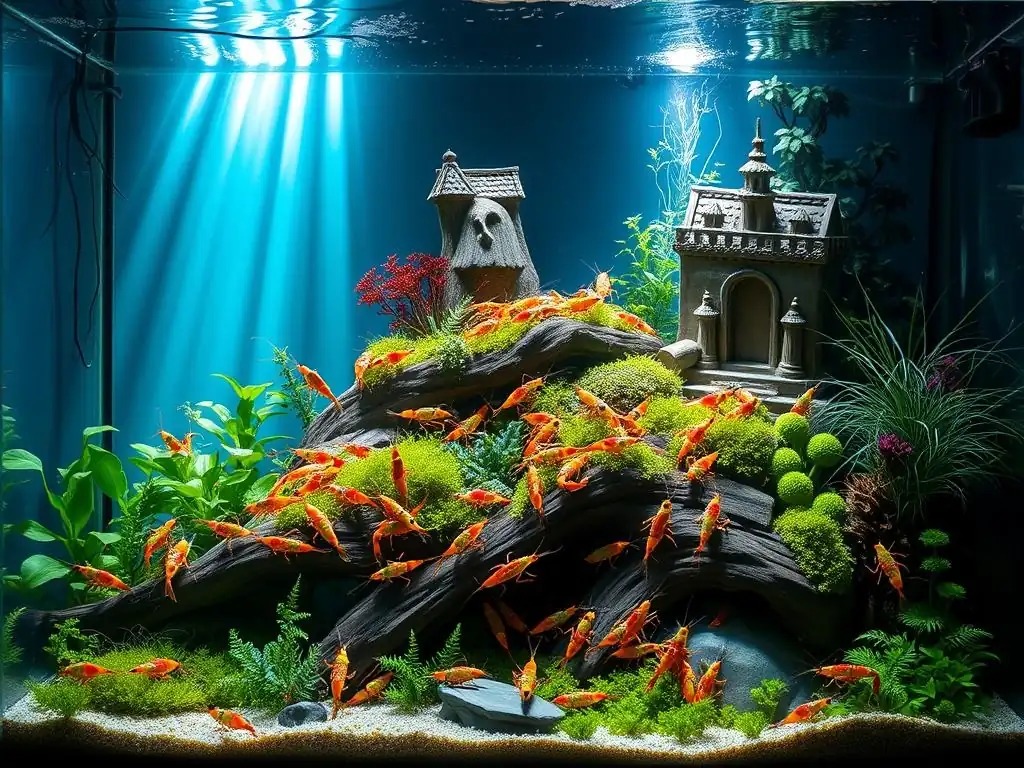
Welcome to Aquarium Mastery!
Ever wondered how to unlock the secrets to successfully raising Caridina shrimp? Dive in! This article reveals the crucial steps to Caridina shrimplet breeding care, transforming you from a curious enthusiast into a confident breeder. Prepare to nurture your own colony of exquisite beauties! Let's explore...
- Crystal Red Shrimp Shrimplet Care: Nurturing the Next Generation
- Understanding Crystal Red Shrimp Breeding and Shrimplet Needs
- Creating the Ideal Environment for Crystal Red Shrimplet Survival
- Crystal Red Shrimplet Feeding Strategies: Ensuring Proper Nutrition
- Protecting Shrimplets from Predators and Tank Mates
- Managing Water Changes and Tank Maintenance for Shrimplet Health
- Recognizing and Addressing Common Crystal Red Shrimplet Issues
- Promoting Growth and Color Development in Crystal Red Shrimplets
- From Shrimplet to Adult: Continuing Care for Growing Crystal Red Shrimp
- Troubleshooting Common Challenges in Crystal Red Shrimplet Rearing
-
Frequently Asked Questions
- How often should I feed Caridina shrimplets, and what type of food is best?
- What are the ideal water parameters for successful Caridina shrimp breeding and shrimplet survival?
- What kind of filtration is recommended for a Caridina shrimplet tank, and how can I prevent shrimplets from being sucked into the filter?
- How do I prevent common diseases or issues from affecting my Caridina shrimplets?
- What are some good hiding places for Caridina shrimplets to feel secure and thrive?
- Final Reflection: Cultivating Aquatic Life and Patience
- Ignite Your Passion: Cultivate a Thriving Shrimp Colony!
Crystal Red Shrimp Shrimplet Care: Nurturing the Next Generation
Understanding Crystal Red Shrimp Breeding and Shrimplet Needs
The Allure of Crystal Red Shrimp: Why Breed Them?
Crystal Red Shrimp (CRS), a stunning variant of Caridina cantonensis, captivate aquarists with their striking patterns of vibrant red and crisp white. Breeding these exquisite invertebrates offers immense satisfaction, transforming a tank into a dynamic ecosystem where new life constantly emerges. Hobbyists are drawn to the challenge and reward of nurturing these delicate creatures, often striving to produce higher grades with more intricate and opaque coloration, such as SSS-grade individuals, which command appreciation for their aesthetic perfection.
Beyond the visual appeal, successful Crystal Red shrimp breeding care signifies a perfectly balanced and thriving aquatic environment. It demonstrates an aquarist's mastery over water parameters, nutrition, and tank husbandry, contributing to the continued availability of healthy, captive-bred specimens within the hobby. The journey from tiny egg to adult shrimp is a fascinating process that deepens one's understanding of aquatic life cycles and the intricate needs of freshwater invertebrates.
Key Differences Between Crystal Red and Cherry Shrimp Breeding
While both Crystal Red Shrimp ( Caridina cantonensis) and Cherry Shrimp ( Neocaridina davidi) are popular freshwater dwarf shrimp, their breeding requirements and shrimplet resilience differ significantly. Crystal Red Shrimp are notably more demanding regarding water parameters, preferring soft, acidic water with a narrow range of GH (General Hardness) typically between 4-6 dGH and a KH (Carbonate Hardness) of 0-1 dKH. Their shrimplets are particularly sensitive to fluctuations.
In contrast, Cherry Shrimp are renowned for their hardiness, tolerating a much wider range of water conditions and often thriving in community tanks. Their shrimplets are more robust, with higher survival rates even in less-than-ideal conditions. The meticulous attention to water stability and purity required for Crystal Red shrimp breeding care makes it a more advanced endeavor compared to the relatively straightforward process of breeding Neocaridina species.
Critical Factors for Successful Crystal Red Shrimp Breeding
Successful Crystal Red shrimp breeding hinges on maintaining pristine and stable water parameters. A mature, fully cycled aquarium is paramount, providing a consistent environment free from ammonia and nitrite, and with low nitrates (ideally below 10 ppm). The optimal temperature range for breeding is typically 20-24°C (68-75°F), with precise control over GH, KH, and pH being non-negotiable for egg development and shrimplet survival.
Beyond water chemistry, a high-quality, varied diet is essential for adult shrimp to produce healthy eggs. Foods rich in protein and minerals support robust egg development. Furthermore, the tank environment must offer ample hiding spots, such as dense mosses and leaf litter, which promote the growth of biofilm – a crucial initial food source for newly hatched shrimplets. The absence of predators and avoidance of sudden environmental shifts are foundational to effective Caridina shrimp breeding care.
Creating the Ideal Environment for Crystal Red Shrimplet Survival
Water Parameter Perfection: Achieving Optimal Water Quality for Shrimplets
Achieving and maintaining optimal water quality is the single most critical factor for Crystal Red shrimplet survival. These tiny, delicate creatures are incredibly sensitive to even slight fluctuations in water parameters and are highly vulnerable to toxins like ammonia and nitrite. Stability is paramount; a consistent environment within the recommended ranges is far more beneficial than constantly chasing precise numbers through frequent, large adjustments.
For serious Caridina shrimp breeding care, the use of RO/DI (Reverse Osmosis/Deionized) water, remineralized with a product specifically designed for Caridina shrimp (such as SaltyShrimp GH+), is highly recommended. This allows for precise control over the mineral content, ensuring the exact GH and KH levels required for healthy molting and robust growth, while preventing the introduction of harmful impurities found in tap water.
Temperature: The Shrimplet Sweet Spot
The ideal temperature range for Crystal Red shrimplets is generally between 20-24°C (68-75°F). Within this range, their metabolic rate is optimized for healthy growth without undue stress. Temperatures significantly higher than 24°C can accelerate their life cycle, leading to a shorter lifespan and potentially increased susceptibility to disease, while temperatures below 20°C can slow growth and activity.
Maintaining temperature stability is as crucial as hitting the ideal range. Sudden temperature swings, even a few degrees, can cause stress, failed molts, or even death in delicate shrimplets. A reliable heater with an accurate thermostat is essential, and consistent monitoring with a high-quality thermometer helps ensure the "shrimplet sweet spot" is maintained around the clock.
pH Levels: Maintaining Stability for Delicate Shrimplets
Crystal Red shrimp, including their shrimplets, thrive in slightly acidic water, with an optimal pH range typically between 6.0 and 6.8. A stable pH is far more important than achieving an exact number within this range. Rapid or significant pH fluctuations are incredibly stressful and can be fatal to shrimplets, as their osmoregulation systems are still developing and highly vulnerable.
Active buffering substrates, such as ADA Amazonia, Fluval Stratum, or similar aquasoils, are highly effective in maintaining the desired low and stable pH for Caridina shrimp. These substrates naturally absorb carbonates, keeping KH low and creating the slightly acidic environment these shrimp prefer. Avoid chemical pH adjusters, as they often lead to temporary shifts rather than long-term stability, which is detrimental to successful Caridina shrimp breeding care.
GH and KH: Essential Minerals for Healthy Growth
General Hardness (GH) and Carbonate Hardness (KH) are two critical water parameters for Crystal Red shrimplets. An ideal GH range of 4-6 dGH provides the necessary calcium and magnesium for proper exoskeleton formation and successful molting, which is vital for their growth. Insufficient GH can lead to molting difficulties, often referred to as the "ring of death."
Conversely, Carbonate Hardness (KH) should be kept very low, ideally 0-1 dKH. High KH values buffer the pH, making it difficult to maintain the slightly acidic conditions preferred by Crystal Red shrimp. Using remineralized RO/DI water allows aquarists to precisely control these mineral levels, ensuring shrimplets have the exact balance of minerals needed for healthy development without the complications of high carbonate content.
Substrate Selection for Shrimplet Safety and Development
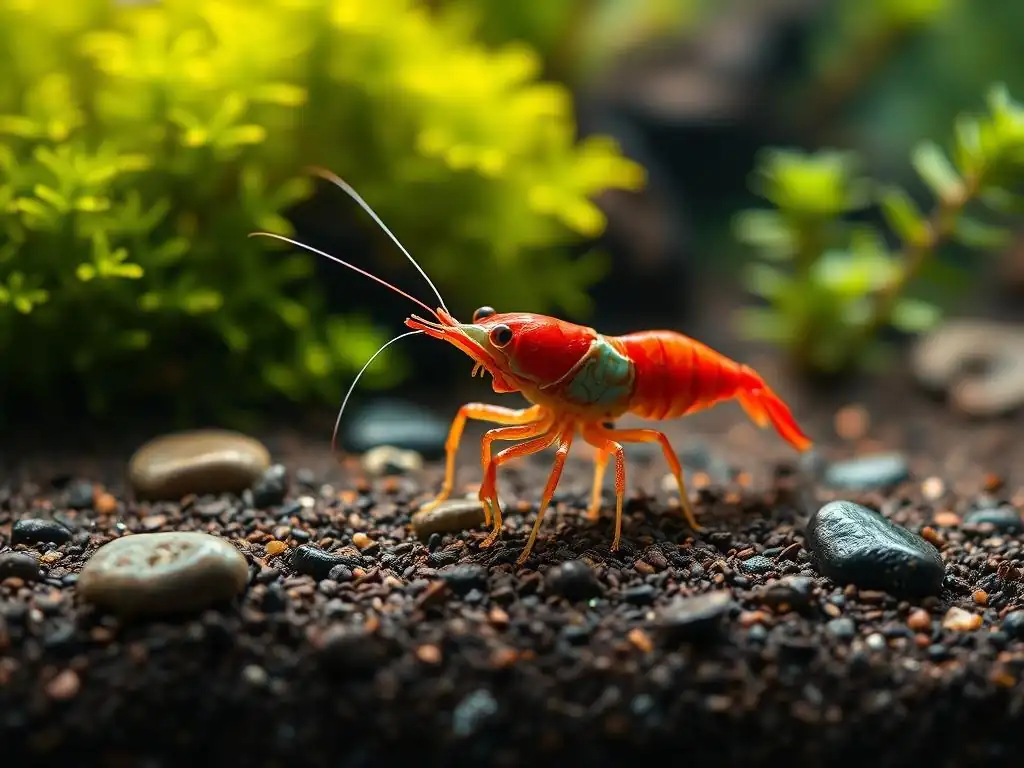
The choice of substrate plays a vital role in providing a safe and conducive environment for Crystal Red shrimplets. Active buffering substrates, such as ADA Amazonia, Brightwell Aquatics FlorinAxis, or similar aquasoils, are highly recommended. These substrates not only help maintain the desired low pH and KH but also offer a fine grain size that is safe for tiny shrimplets to crawl on without becoming trapped or injured.
Furthermore, these specialized substrates provide an expansive surface area for the growth of beneficial bacteria and biofilm, which are crucial initial food sources for newly hatched shrimplets. Their dark coloration also helps to highlight the vibrant red and white patterns of the shrimp, making them more visually appealing. Avoid inert, coarse gravels or sharp sands that offer no buffering capacity and can pose a physical hazard to delicate shrimplets.
The Importance of Biofilm and Microorganisms in the Shrimplet Tank
Biofilm, a slimy layer of microorganisms, algae, and detritus, is the primary and most critical food source for newly hatched Crystal Red shrimplets. These microscopic organisms are perfectly sized for the shrimplets' tiny mouths and provide constant, readily available nutrition during their most vulnerable stage. A mature tank, established for several months, will naturally develop a rich biofilm layer on all surfaces – substrate, plants, and decorations.
To further encourage biofilm growth, introducing natural elements like cholla wood, Indian almond leaves (Catappa leaves), or alder cones is highly beneficial. These items slowly decompose, providing surfaces for microbial colonization and releasing humic substances that are beneficial to shrimp. Ensuring a robust biofilm foundation significantly reduces the need for supplemental feeding in the first few days and is a cornerstone of successful Caridina shrimp breeding care.
Plant Life: Providing Shelter and Food Sources for Baby Crystal Red Shrimp
Aquatic plants serve a dual purpose in a Crystal Red shrimplet tank: they provide essential hiding spots from potential threats and offer additional surfaces for the growth of biofilm and micro-algae, which shrimplets constantly graze upon. Dense plant cover gives shrimplets a sense of security, reducing stress and encouraging natural behavior.
Beyond providing shelter and food, plants contribute to overall water quality by absorbing nitrates and other waste products, helping to maintain a stable and healthy environment. Their presence also creates a more naturalistic and aesthetically pleasing setup, mimicking the complex micro-habitats where shrimp thrive in the wild.
Best Plants for Shrimplet Hiding and Grazing
When selecting plants for a shrimplet tank, focus on dense, fine-leaved varieties that create intricate networks of hiding places. Java Moss ( Taxiphyllum barbieri), Christmas Moss ( Vesicularia montagnei), Guppy Grass ( Najas guadalupensis), and Subwassertang ( Lomariopsis lineata) are excellent choices. These mosses can be loosely placed or tied to driftwood and rocks, maximizing the surface area available for shrimplet exploration and grazing.
Other beneficial plants include Anubias and Bucephalandra species, whose broad leaves accumulate biofilm effectively. Floating plants like Frogbit or Dwarf Water Lettuce can also be utilized, provided they don't completely shade out the bottom, as their roots offer additional grazing surfaces. These plant choices are integral to providing a safe and food-rich environment for optimal Caridina shrimp breeding care.
Avoiding Plant-Related Issues in the Shrimplet Tank
While plants are beneficial, careful selection and preparation are crucial to avoid introducing issues into a delicate shrimplet tank. Avoid plants that require high light or CO2 injection, as these setups can lead to unstable parameters or aggressive algae blooms if not meticulously managed, which can stress shrimplets. Additionally, some fast-growing stem plants can shed leaves excessively, contributing to detritus buildup.
Always quarantine new plants for at least two weeks before introducing them to the shrimplet tank. Thoroughly rinse them to remove any residual pesticides, fertilizers, or hitchhikers like snails, hydra, or planaria, all of which can be detrimental or predatory to tiny Crystal Red shrimplets. Even a small amount of copper-based fertilizer residue can be lethal to shrimp.
Crystal Red Shrimplet Feeding Strategies: Ensuring Proper Nutrition
The First Foods: What Do Crystal Red Shrimplets Eat?
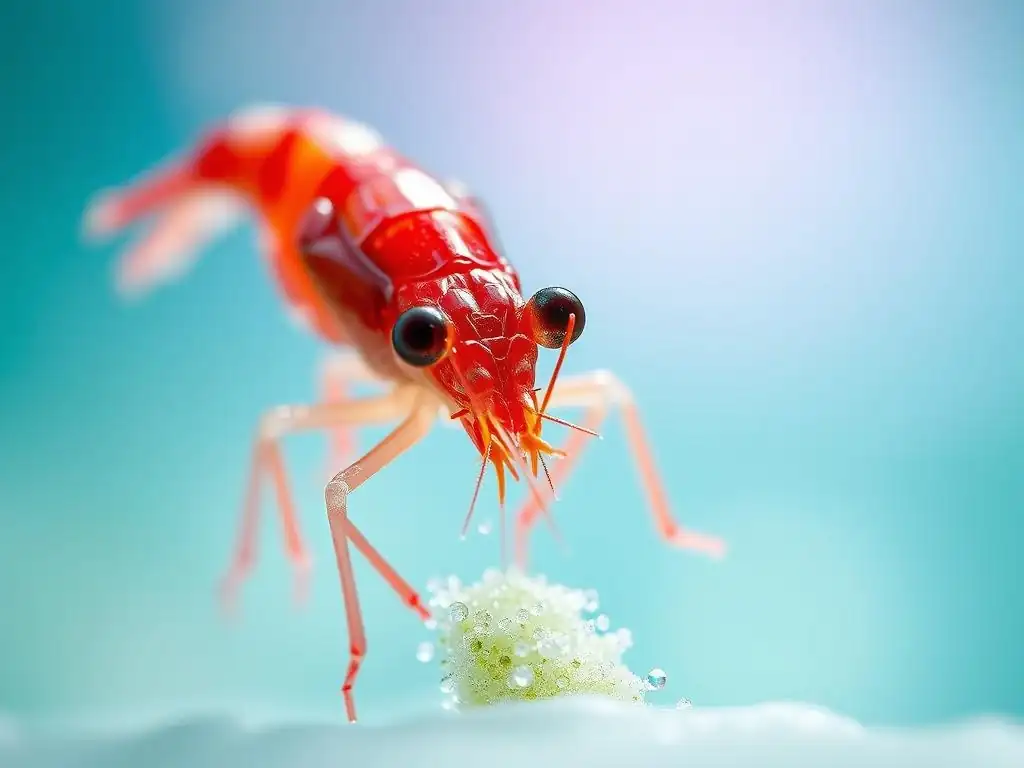
Upon hatching, Crystal Red shrimplets are incredibly tiny and their primary food source is the biofilm and microscopic organisms naturally present in a mature aquarium. They spend their initial days constantly grazing on these surfaces, consuming the microbial layers that accumulate on substrate, plants, and decorations. This makes a well-established, mature tank with a rich biofilm foundation absolutely crucial for their survival.
Once the initial biofilm is consumed or as the shrimplets grow slightly, supplemental feeding becomes necessary. Specialized powdered foods designed for baby shrimp, such as Bacter AE or various "shrimp dust" products, are ideal. These ultra-fine powders disperse widely throughout the water column, ensuring that every shrimplet, no matter how small or hidden, has access to nutrition.
Supplementing Their Diet: Introducing Specialized Shrimplet Food
As Crystal Red shrimplets grow, their nutritional demands increase, necessitating the introduction of more substantial, yet still finely powdered, foods. High-quality shrimp-specific foods rich in protein, minerals, and vitamins are essential for robust growth and vibrant coloration. Brands dedicated to shrimp husbandry often offer specialized shrimplet formulations that provide a balanced diet.
These supplemental foods should be introduced very sparingly at first, ensuring they are consumed quickly to prevent water quality degradation. A diverse diet, incorporating both biofilm enhancers and specialized powdered foods, promotes faster growth rates and aids in the development of the intense red and white pigments characteristic of Crystal Red Shrimp, which is a key goal of Caridina shrimp breeding care.
Feeding Frequency and Amount: Preventing Overfeeding and Water Quality Issues
Overfeeding is one of the most common causes of shrimplet mortality, leading to rapid water quality degradation, ammonia spikes, and bacterial blooms. Crystal Red shrimplets should be fed extremely small amounts, typically once or twice daily, just enough for them to consume within an hour or two. It is always better to underfeed slightly than to overfeed.
Observe the shrimplets' behavior and the tank conditions closely. If uneaten food is visible after a short period, reduce the amount immediately. A clean-up crew of small, shrimp-safe snails (like Nerite snails or Malaysian Trumpet Snails) can help consume excess food, but the primary focus should be on precise feeding amounts to maintain pristine water quality, which is non-negotiable for delicate shrimplets.
DIY Shrimplet Food Options: Homemade Solutions for Tiny Appetites
For aquarists interested in homemade options, finely crushed spirulina flakes can provide a good source of plant-based protein and carotenoids. Blanched and finely chopped spinach or kale, mashed into a paste, can also be offered in minuscule amounts. These options can supplement a commercial diet, providing variety and additional nutrients.
However, caution must be exercised with DIY foods. Ensure all ingredients are organic and pesticide-free, as even trace amounts of chemicals can be lethal to shrimplets. Homemade foods also tend to spoil faster in the water, necessitating even stricter attention to feeding amounts and prompt removal of any uneaten portions to prevent water quality issues in the shrimplet tank.
Protecting Shrimplets from Predators and Tank Mates
Identifying Potential Threats: Fish, Invertebrates, and Other Shrimp
Crystal Red shrimplets are incredibly tiny and vulnerable, making almost any fish a potential predator, even species typically considered peaceful community fish like Endlers or small Tetras. Their minute size makes them an easy meal. Beyond fish, certain invertebrates can also pose a threat; for instance, Assassin Snails, while beneficial for pest snail control, will readily prey on shrimplets. Even larger, more aggressive shrimp species or overpopulation within the tank can stress and inadvertently harm shrimplets.
Moreover, microscopic predators like Planaria (flatworms) and Hydra (small, stinging polyps) are significant threats that often go unnoticed. Planaria can actively hunt and consume shrimplets, while Hydra can sting and paralyze them. Thoroughly inspecting new plants and decorations for these pests and quarantining them before introduction is crucial to prevent infestations in a shrimplet-focused tank.
Creating Shrimplet-Safe Zones: Utilizing Mesh and Sponges
To protect Crystal Red shrimplets from being sucked into filter intakes, it is imperative to use fine mesh pre-filters or, ideally, sponge filters. Sponge filters are particularly recommended as they provide a large surface area for beneficial bacteria and biofilm growth, which shrimplets can graze on, while being completely shrimplet-safe. Standard hang-on-back or canister filters can be adapted with sponge pre-filters to prevent accidental shrimplet removal.
Beyond filtration, creating physical hiding spots within the tank is vital. Dense patches of fine-leaved mosses (like Java Moss or Christmas Moss), cholla wood, or small ceramic caves provide excellent refuge where shrimplets can hide from potential threats and graze undisturbed. These safe zones significantly increase their survival rates in a mixed-species environment, though a dedicated tank is always preferable.
The Role of a Dedicated Shrimplet Tank: Is It Necessary?
For serious Crystal Red shrimp breeding care and maximizing shrimplet survival rates, a dedicated shrimplet or breeding tank is highly recommended, if not essential. This isolated environment allows the aquarist to precisely control all water parameters, maintain pristine water quality, and completely eliminate the threat of predation from fish or larger invertebrates.
A dedicated tank also minimizes competition for food, ensuring that every shrimplet has access to the essential nutrients needed for rapid growth. It facilitates easier observation of the shrimplets, allowing for prompt identification and resolution of any issues like illness or slow growth. While some shrimplets may survive in a carefully managed community tank, a dedicated setup dramatically increases the chances of raising a healthy, thriving generation.
Managing Water Changes and Tank Maintenance for Shrimplet Health
Gentle Water Changes: Minimizing Stress on Developing Shrimplets
Water changes are a necessary part of maintaining water quality, but for Crystal Red shrimplets, they must be performed with extreme caution and gentleness. Sudden shifts in temperature, pH, or mineral content from large, rapid water changes can induce osmotic shock, leading to stress, failed molts, or even death in delicate shrimplets. Small, frequent water changes, such as 10-15% weekly, are far preferable to larger, less frequent ones.
The most effective method for adding new water is the drip method. Using an airline tube with a control valve, slowly drip remineralized RO/DI water into the tank over several hours. This gradual introduction minimizes any parameter shock, allowing the shrimplets ample time to acclimate to the new water. This meticulous approach is a cornerstone of successful Caridina shrimp breeding care.
Siphon Techniques for Shrimplet Safety: Avoiding Accidental Removal
When performing maintenance that involves siphoning, such as removing detritus or excess food, extreme care must be taken to avoid accidentally sucking up tiny Crystal Red shrimplets. Use a small-diameter airline tube for spot cleaning, rather than a large gravel vacuum. Alternatively, place a fine mesh net or a piece of sponge over the end of the siphon tube to act as a barrier.
It's also advisable to only spot clean visible debris and avoid disturbing the substrate excessively, especially if it's an active buffering aquasoil. Aggressive siphoning can release trapped waste products, disrupt beneficial bacteria colonies, and inadvertently suck up shrimplets or their vital biofilm food source. Gentle, targeted cleaning is key to shrimplet safety.
Monitoring Water Parameters: Regular Testing and Adjustments
Consistent and regular monitoring of water parameters is absolutely critical for the health and survival of Crystal Red shrimplets. Daily or every-other-day testing for ammonia, nitrite, nitrate, pH, GH, and KH is highly recommended, particularly in the initial weeks after hatching and whenever new shrimp are introduced. This vigilance allows for early detection of any deviations from optimal ranges.
Keeping a detailed log of water parameters and any adjustments made can help identify trends and prevent potential issues before they become critical. Prompt, minor adjustments, such as a small drip water change to correct a slight parameter drift, are far less stressful for shrimplets than reactive, large-scale interventions. Consistent monitoring is the backbone of effective Caridina shrimp breeding care.
Recognizing and Addressing Common Crystal Red Shrimplet Issues
Identifying Signs of Illness or Stress in Shrimplets
Recognizing signs of illness or stress in tiny Crystal Red shrimplets can be challenging due to their size, but it's crucial for early intervention. Healthy shrimplets are typically active, constantly grazing on surfaces, and exhibiting a clear, vibrant coloration. Signs of distress include lethargy, erratic or frantic swimming, unusual clinging to the tank glass or plants, dull or faded coloration, and a noticeable refusal to eat.
These symptoms often indicate underlying issues such as poor water quality (e.g., ammonia or nitrite spikes, sudden pH swings), insufficient nutrition, or the presence of predators or toxins. Prompt identification of these signs allows for immediate investigation of water parameters and environmental conditions, which is essential for successful Caridina shrimp breeding care.
Dealing with Molting Problems in Young Crystal Red Shrimp
Molting is a vital process for the growth of Crystal Red shrimplets, allowing them to shed their old, restrictive exoskeletons. Molting problems, often characterized by the "ring of death" where the shrimp cannot fully escape its old shell, are a common cause of mortality. These issues are frequently linked to incorrect water parameters, particularly insufficient GH (lack of calcium and magnesium), rapid changes in water parameters, or poor diet.
To prevent molting problems, maintain stable GH levels within the optimal range of 4-6 dGH, ensuring adequate minerals for shell formation. Avoid sudden water parameter shifts, especially after water changes, as these can trigger failed molts. Providing a diet rich in high-quality minerals, either through specialized shrimp food or mineral supplements, also supports healthy molting.
Preventing and Treating Common Shrimplet Diseases
Preventing diseases in Crystal Red shrimplets is paramount, as many common aquarium medications are highly toxic to shrimp. Common ailments include bacterial infections (often secondary to poor water quality), fungal infections, and parasitic infestations like Planaria or Hydra. The best prevention strategies involve maintaining pristine water quality, avoiding overfeeding, and strictly quarantining all new plants and tank decorations to prevent introducing pathogens.
Should a disease or parasite outbreak occur, extreme caution is necessary. Natural remedies, such as Indian almond leaves, can offer mild antibacterial and antifungal properties. For more severe issues, only use shrimp-safe medications, if available, and always at the lowest effective dosage. Often, addressing the root cause, such as improving water parameters or removing a specific pest, is the most effective "treatment" for successful Caridina shrimp breeding care.
Promoting Growth and Color Development in Crystal Red Shrimplets
Optimizing Water Parameters for Vibrant Colors
Maintaining optimal and stable water parameters is foundational for promoting vibrant coloration in Crystal Red shrimplets. Consistent GH (4-6 dGH), KH (0-1 dKH), and pH (6.0-6.8) within the recommended ranges reduce stress, allowing the shrimplets to allocate their energy towards growth and pigment development rather than constantly battling environmental challenges. Stress-free shrimp are inherently more colorful.
Furthermore, ensuring adequate trace minerals, particularly those provided by high-quality remineralizers like SaltyShrimp GH+, supports not only overall health and proper molting but also the synthesis and expression of the red and white pigments. A stable, mineral-rich environment allows the shrimplets' genetic potential for stunning coloration to fully manifest as they mature.
Selecting Foods That Enhance Coloration
A diet rich in natural carotenoids is crucial for enhancing the intensity and vibrancy of the red coloration in Crystal Red shrimplets. Look for specialized shrimp foods that list ingredients like astaxanthin, spirulina, paprika, or other natural pigments. These ingredients directly contribute to the red and orange hues in shrimp.
Supplementing their diet with natural foods known to boost color, such as blanched organic spinach or finely crushed dried mulberry leaves, can also be beneficial. Providing a varied diet that includes both plant-based and protein-rich options ensures a comprehensive nutritional intake, which is vital for both robust health and the development of the striking patterns characteristic of high-grade Crystal Red Shrimp, reflecting excellent Caridina shrimp breeding care.
The Impact of Lighting on Shrimplet Color and Health
While lighting doesn't directly influence the physiological development of Crystal Red shrimplet coloration, its indirect effects on the tank environment are significant. Appropriate lighting promotes healthy plant growth, which in turn supports biofilm development – a critical food source for shrimplets. A well-lit planted tank also encourages shrimplets to graze actively, ensuring they receive consistent nutrition.
However, excessively bright or prolonged lighting can stress shrimplets and promote undesirable algae blooms (e.g., green water), which can deplete oxygen and obscure visibility. A moderate light cycle, typically 8-10 hours per day, is sufficient for most shrimplet tanks. The quality of light can also make the shrimp's colors appear more vibrant to the human eye, enhancing the visual appeal of your meticulously cared-for Caridina shrimp breeding care efforts.
From Shrimplet to Adult: Continuing Care for Growing Crystal Red Shrimp
Gradually Introducing Adult Food Options
As Crystal Red shrimplets grow from their microscopic beginnings into juvenile and then sub-adult sizes, their dietary needs evolve. They will gradually transition from relying solely on biofilm and powdered foods to being able to consume larger, more substantial food items designed for adult shrimp. Begin introducing finely crushed flakes or small pellets specifically formulated for shrimp once they are visibly larger, typically around 1-2 months old.
Continue to offer a varied diet, incorporating high-quality commercial shrimp pellets alongside natural foods such as blanched organic spinach, zucchini slices, or dried Indian almond leaves. This ensures a balanced nutritional intake that supports continued growth, vibrant coloration, and overall health as they approach maturity, usually around 3-5 months of age.
Monitoring Growth Rates and Adjusting Feeding Accordingly
Consistent monitoring of growth rates is an important aspect of ongoing Crystal Red shrimp care. Healthy shrimplets should exhibit steady, visible growth, molting regularly as they increase in size. If growth appears slow or stunted, it's a strong indicator that either their nutritional intake is insufficient or water parameters are not optimal.
Adjust feeding frequency and quantity as the shrimp grow. While tiny shrimplets graze almost constantly, larger juveniles and sub-adults will consume more food per meal, but less frequently. Always err on the side of underfeeding to prevent water quality issues. Observing how quickly food is consumed can guide adjustments, ensuring they receive adequate sustenance without fouling the tank.
Maintaining a Stable Environment for Long-Term Health and Breeding Success
The cornerstone of long-term health and continuous breeding success for Crystal Red shrimp, from shrimplet to adult, is unwavering environmental stability. Continue to maintain water parameters (pH, GH, KH, temperature) within their optimal ranges with minimal fluctuations. Regular, gentle water changes using the drip method remain crucial to keep nitrates low and replenish essential trace minerals.
Ensure the tank remains free of predators and that a healthy, mature biofilm continues to flourish on all surfaces. A stable, meticulously maintained environment minimizes stress, promotes consistent molting, and encourages adult shrimp to breed regularly, leading to a self-sustaining and thriving colony that reflects expert Caridina shrimp breeding care.
Troubleshooting Common Challenges in Crystal Red Shrimplet Rearing
Shrimplet Mortality: Potential Causes and Solutions
High shrimplet mortality is a disheartening but common challenge in Crystal Red shrimp breeding care. The primary causes often stem from unstable water parameters, particularly sudden shifts in pH, GH, or temperature, which can induce fatal osmotic shock. Ammonia and nitrite spikes from an uncycled tank or overfeeding are also highly lethal. Lack of adequate initial food (biofilm) or the presence of microscopic predators like Planaria or Hydra are other significant contributors.
Solutions involve rigorous adherence to stable water parameters using remineralized RO/DI water, ensuring the tank is fully cycled and mature before breeding, meticulously avoiding overfeeding, and carefully quarantining all new tank additions to prevent pests. Addressing these fundamental issues will significantly increase shrimplet survival rates.
Slow Growth in Shrimplets: Addressing Nutritional Deficiencies
Slow or stunted growth in Crystal Red shrimplets typically indicates either insufficient nutrition or sub-optimal water parameters that are stressing the shrimp. They may not be consuming enough food, or the food provided lacks the essential proteins, minerals, and vitamins required for proper development and molting. Inadequate biofilm in the initial stages can also severely hinder early growth.
To address this, review the feeding regimen: ensure high-quality, fine powdered foods are readily available and dispersed throughout the tank. Increase feeding frequency slightly if necessary, but always monitor for uneaten food to prevent water quality issues. Double-check GH and KH levels, as these minerals are critical for proper exoskeleton formation and overall development.
Green Water Outbreaks in the Shrimplet Tank: Control Strategies
Green water, caused by a dense bloom of suspended single-celled algae, is a common issue in aquariums and can occur in shrimplet tanks. While not directly toxic, it drastically reduces visibility, can deplete oxygen at night (stressing shrimplets), and indicates an imbalance of light and nutrients, often from overfeeding and high nitrates/phosphates.
Control strategies include reducing lighting duration (e.g., to 6-8 hours per day), performing small, frequent water changes to dilute excess nutrients, and critically, reducing feeding amounts to minimize nutrient input. Ensuring efficient mechanical filtration can also help remove some of the suspended algae. In severe cases, a complete blackout for 2-3 days can be effective, but ensure adequate aeration during this period. Avoid chemical algaecides, as they are often harmful to delicate shrimp.
Frequently Asked Questions
How often should I feed Caridina shrimplets, and what type of food is best?
You should feed Caridina shrimplets small amounts of specialized shrimplet food several times a day. Options include powdered foods, biofilm enhancers, and finely ground algae wafers.
What are the ideal water parameters for successful Caridina shrimp breeding and shrimplet survival?
Caridina shrimp require stable and specific water parameters. Generally, this includes a pH between 6.0 and 7.5, low KH and GH, and a temperature between 68-74°F (20-23°C).
What kind of filtration is recommended for a Caridina shrimplet tank, and how can I prevent shrimplets from being sucked into the filter?
Sponge filters are highly recommended for Caridina shrimplet tanks. Their gentle flow prevents harming the delicate shrimplets while still providing effective filtration.
How do I prevent common diseases or issues from affecting my Caridina shrimplets?
Maintaining excellent water quality through regular water changes is crucial. Also, quarantine any new additions to prevent the introduction of diseases into the tank.
What are some good hiding places for Caridina shrimplets to feel secure and thrive?
Caridina shrimplets benefit from plenty of hiding places. Good options include mosses like Java moss, Subwassertang, and other dense plant growth providing safe havens.
Final Reflection: Cultivating Aquatic Life and Patience
The journey of nurturing Caridina shrimplets extends far beyond the confines of our aquariums. It mirrors the broader human experience of fostering growth and patiently awaiting the unfolding of beauty. The detailed care routines and environmental considerations discussed throughout this article highlight not only the dedication required for successful Caridina shrimp breeding, but also the profound connection we can forge with the delicate ecosystems we create.
This intricate process has deeply influenced the aquascaping community, fostering a greater appreciation for the fragility and resilience of life within our tanks. It reminds us that true beauty often lies in the details, in the subtle changes and gradual transformations that occur over time. As the saying goes: The best things in life are worth waiting for.
This sentiment perfectly encapsulates the patience and dedication required to successfully breed and raise these exquisite creatures.
Now, as you embark on your own Caridina shrimp breeding journey, remember the lessons learned here. Embrace the challenges, celebrate the small victories, and find joy in the delicate dance of life unfolding before your eyes. Let the meticulous care you provide to these tiny creatures inspire you to cultivate patience, attention to detail, and a deep appreciation for the beauty that surrounds you, both within and beyond the glass walls of your aquarium.
Ignite Your Passion: Cultivate a Thriving Shrimp Colony!
Thank you for diving deep into the fascinating world of Caridina shrimplet care! We hope this guide has equipped you with the knowledge to nurture these delicate creatures and witness the joy of a flourishing shrimp colony. Now, let's turn that knowledge into action!
- Embark on Your Journey: Dedicate a separate, well-established nano tank solely for your shrimplets to maximize their survival rates and observe their captivating growth.
- Delve Deeper: Research optimal substrate and plant combinations to create a shrimplet paradise that mimics their natural habitat.
- Share Your Successes: Inspire fellow aquarists by documenting your shrimplet rearing journey on social media, using #AquariumMastery and #ShrimpletCare.
What's one small change you can make in your shrimplet tank setup this week to provide an even better environment for them?