
The Impressive Growth Rate of Leather Corals: What to Expect

Welcome to Aquarium Mastery!
Ever wondered just how quickly those fascinating Leather Corals grow in your reef tank? You're in the right place! Dive in and uncover the secrets behind the Leather Coral growth timeline, and discover what you can realistically expect as these captivating corals flourish in your care. Let's explore the factors influencing their growth and learn how to optimize their environment for stunning results. Curious to know more? Keep reading!
- Maximizing Soft Coral Growth: A Comprehensive Guide
- Understanding Soft Coral Growth: An Introduction for Reef Aquarists
- Soft Coral Growth Timeline: From Frag to Established Colony
- Specific Soft Coral Species Growth Rates: A Comparative Look
- Optimizing Soft Coral Growth: Key Factors for Success
- Troubleshooting Slow or Stunted Soft Coral Growth
- Managing Soft Coral Size and Propagation
- Conclusion: Achieving Thriving Soft Coral Growth in Your Reef Tank
-
Frequently Asked Questions
- How quickly can I expect my leather coral to grow in my aquarium?
- What are the key factors influencing leather coral growth in an aquarium?
- What can I do to accelerate the growth of my leather coral?
- Are there specific types of leather corals that grow faster than others?
- What are some signs that my leather coral is not growing properly, and what should I do?
- Final Reflection: Appreciating the Pace of Life in Reefs
- Unlock Your Reef's Potential: Nurture a Thriving Leather Coral!
Maximizing Soft Coral Growth: A Comprehensive Guide
Understanding Soft Coral Growth: An Introduction for Reef Aquarists
What are Soft Corals and Why is Their Growth Important?
Soft corals, unlike their stony counterparts, do not possess a rigid calcified skeleton. Instead, they are characterized by their flexible, often leathery texture, supported by microscopic calcareous spicules embedded within their tissues. This unique characteristic allows them to sway gracefully with water currents, adding dynamic movement and vibrant life to a reef aquarium. Popular choices like toadstool leather corals (Sarcophyton sp. ), Kenya tree corals (Capnella sp. ), and various types of Sinularia are highly prized for their relatively forgiving nature and often impressive growth rates, making them excellent choices for both novice and experienced aquarists.
Understanding the growth patterns and potential sizes of soft corals is paramount for successful long-term reef tank planning. Rapid growers can quickly outcompete slower-growing corals or even dominate an entire section of the aquarium if not managed properly. For instance, knowing the typical leather coral growth timeline helps aquarists anticipate how large a small frag might become, allowing for appropriate placement and future fragging strategies. This foresight ensures a balanced and aesthetically pleasing reef environment, preventing issues such as chemical warfare or physical shading that can detrimentally affect other inhabitants.
Factors Influencing Soft Coral Growth in Reef Tanks
The growth rate of soft corals in a captive reef environment is a complex interplay of several environmental parameters. Primary factors include water quality, light intensity and spectrum, water flow, and nutrient availability. Optimal levels of these elements are crucial for promoting healthy and accelerated growth, enabling soft corals to thrive and expand their colonies. Deviations from ideal conditions, even minor ones, can lead to stunted growth, tissue recession, or a general decline in health.
Each factor contributes uniquely to a soft coral's ability to photosynthesize, absorb nutrients, and build new tissue. For example, while many soft corals are less demanding than SPS corals regarding lighting, insufficient PAR (Photosynthetically Active Radiation) can significantly slow their growth, impacting their leather coral growth timeline. Similarly, inconsistent water parameters, such as fluctuating alkalinity or elevated nitrates, can stress the coral, diverting energy from growth to survival. A comprehensive understanding of these interconnected factors is essential for any aquarist aiming to cultivate robust and rapidly growing soft coral colonies.
Soft Coral Growth Timeline: From Frag to Established Colony
Stage 1: Initial Acclimation and Polyp Extension (Weeks 1-4)
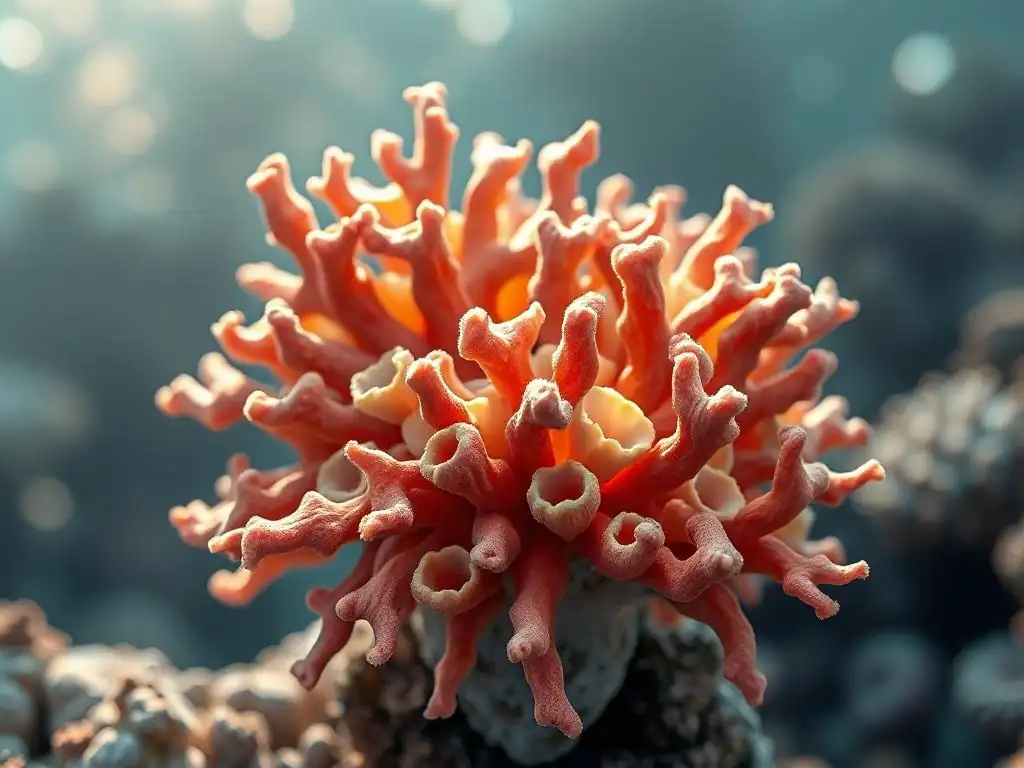
Upon introduction to a new aquarium, soft coral frags undergo an acclimation period. During this initial phase, the coral is adjusting to the new water parameters, lighting, and flow conditions. Stress from shipping and handling can cause the coral to retract its polyps, appear shrunken, or even shed a waxy layer as it adapts. This is a normal protective mechanism.
Visible growth during these first few weeks is typically minimal or non-existent, as the coral prioritizes recovery and stability. The primary indicator of successful acclimation is consistent and full polyp extension. For a healthy leather coral frag, polyps should begin to extend within 3 to 7 days, indicating it is comfortable in its new environment and its symbiotic zooxanthellae are beginning to photosynthesize effectively. Maintaining stable water parameters and avoiding further disturbances are crucial during this delicate stage of the leather coral growth timeline.
Stage 2: Early Growth and Encrusting (Months 1-3)
Once acclimated, soft coral frags begin to exhibit subtle signs of growth. For most soft corals, including many leather species, this involves encrusting their base onto the frag plug or surrounding rockwork. This process anchors the coral securely, providing a stable foundation for future expansion. The tissue at the base of the coral will visibly spread, creating a wider footprint.
During this period, the coral's overall size may not increase dramatically, but its biomass is steadily growing as it establishes itself. For example, a small toadstool leather coral frag, initially perhaps 2-3 cm in diameter, might expand its base by 1-2 cm during these three months, showing a more robust and attached appearance. This foundational growth is critical for supporting the subsequent, more rapid expansion phases and marks a significant step in the leather coral growth timeline.
Stage 3: Accelerated Growth and Branching (Months 3-6)
This stage often represents the most noticeable period of accelerated growth for many soft coral species. With a stable base and consistent optimal conditions, the coral can dedicate more energy to vertical and lateral expansion. For branching soft corals like Kenya Trees or finger leathers (Sinularia sp. ), new branches or lobes will begin to form and elongate rapidly. Toadstool leathers may start to develop a thicker stalk and a larger, more undulating cap.
A healthy soft coral, particularly a fast-growing species like a Sarcophyton leather, can significantly increase its size during these months. It's not uncommon for a well-fed and properly lit leather coral to double its initial size or add 3-5 cm in diameter or height within this 3-month window. This rapid increase in biomass often necessitates considering future placement and potential fragging, highlighting a crucial phase in the leather coral growth timeline where management becomes important.
Stage 4: Mature Colony Development and Potential Size (Months 6+)
Beyond six months, a soft coral colony typically reaches a mature stage, characterized by substantial size and a well-developed structure. At this point, the coral may continue to grow, albeit at a slightly slower rate compared to the accelerated growth phase, or it may focus on maintaining its large mass and potentially reproducing asexually by budding or dropping frags. Large colonies of toadstool leather corals can become impressive centerpieces in a reef tank, sometimes reaching diameters of 20-30 cm or more within 1 to 2 years under ideal conditions.
The potential size of a mature soft coral colony varies greatly by species and tank conditions. Some Xenia species can quickly form dense forests, while large Sarcophyton leathers can dominate significant portions of the rockwork. Aquarists must be prepared for the long-term commitment of managing these large colonies, which may involve regular fragging to control their size and prevent them from overshadowing or stinging neighboring corals. Understanding this long-term leather coral growth timeline is essential for maintaining a balanced and healthy reef ecosystem.
Specific Soft Coral Species Growth Rates: A Comparative Look
Kenya Tree Coral (Capnella sp.) Growth Expectations
Kenya Tree Corals (Capnella sp.) are renowned for their exceptionally fast growth rates, making them one of the most prolific soft corals in the hobby. Under optimal conditions, a small frag can rapidly develop into a substantial colony, often doubling in size every few months. This vigorous growth is characterized by the rapid development of new branches and an increase in overall height and width, creating a tree-like structure.
It is not uncommon for a Kenya Tree coral to grow from a small 5 cm frag to a large colony exceeding 15-20 cm in height and width within a single year. Their rapid proliferation means aquarists often need to frag them regularly to prevent overgrowth and maintain adequate space for other tank inhabitants. This species serves as a prime example of a soft coral with a very aggressive growth timeline.
Green Star Polyps (Pachyclavularia violacea) Growth Expectations
Green Star Polyps (GSP) are another exceptionally fast-growing soft coral, known for their ability to quickly encrust surfaces. Rather than growing vertically like tree corals, GSP spreads horizontally, forming vibrant green mats over rockwork, glass, or even equipment. Their growth is characterized by a creeping stolon from which individual polyps emerge.
In a well-established tank with favorable conditions, GSP can spread several centimeters per month, rapidly colonizing available real estate. This aggressive encrusting behavior means that without proper management, GSP can quickly smother slower-growing corals. Aquarists often dedicate isolated rocks for GSP colonies to contain their spread and prevent them from becoming a nuisance in the main display.
Xenia Coral (Xenia sp.) Growth Expectations
Xenia corals, particularly the pulsing varieties, are infamous for their explosive growth rates, often earning them the moniker "weed coral." They are characterized by their rhythmic pulsing motion and their ability to reproduce incredibly quickly through budding and sending out runners. This rapid propagation can lead to extensive colonies forming in a relatively short period.
Under ideal conditions, Xenia can spread and multiply at an astonishing pace, sometimes adding new stalks or small colonies daily. A small Xenia frag can quickly develop into a dense forest within months, potentially covering large sections of rockwork. While their pulsing motion is captivating, their aggressive growth necessitates careful placement and vigilant management to prevent them from overwhelming the entire aquarium.
Clove Polyps (Clavularia viridis) Growth Expectations
Clove Polyps (Clavularia viridis) are attractive soft corals that exhibit a moderate to fast growth rate, typically forming dense mats of individual polyps connected by a shared base. They are known for their vibrant colors and feathery polyps that extend from a creeping stolon. Their growth pattern is primarily encrusting, similar to GSP, but generally less aggressive.
A colony of Clove Polyps can spread approximately 1-2 cm per month across suitable surfaces, gradually expanding its footprint. While they can eventually cover significant areas, their growth is usually more manageable than that of Xenia or GSP. Regular monitoring and occasional trimming may be required to maintain their desired size and prevent them from encroaching on neighboring corals.
Optimizing Soft Coral Growth: Key Factors for Success
Water Chemistry and its Impact on Soft Coral Growth
Maintaining Stable Alkalinity, Calcium, and Magnesium Levels
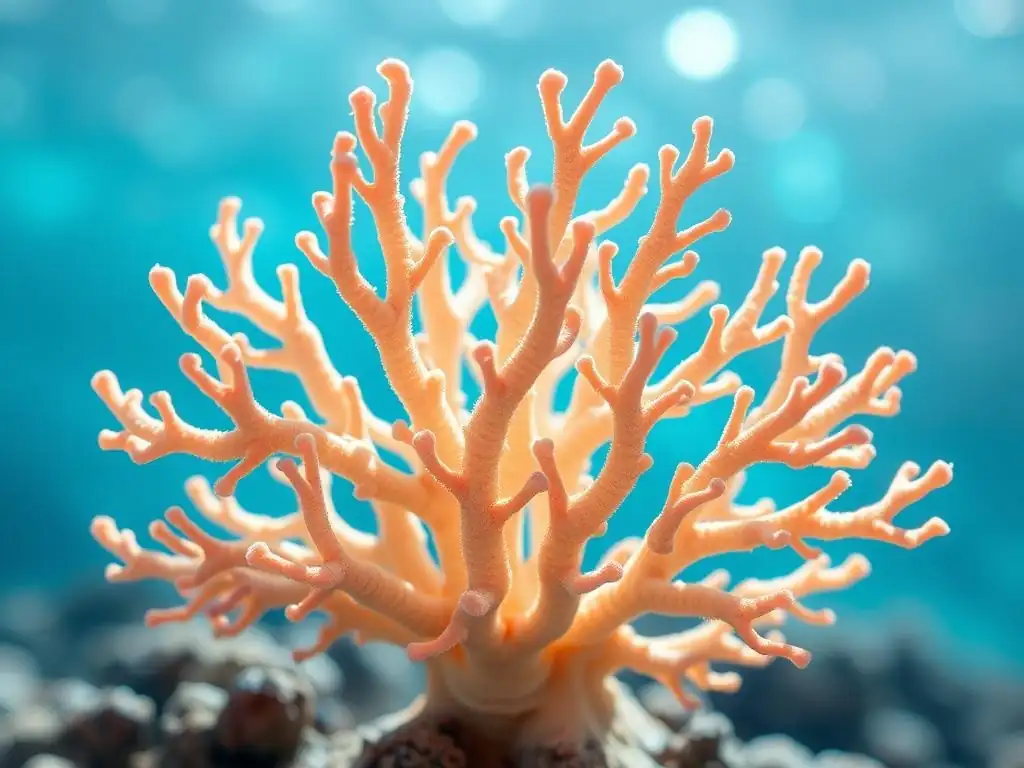
While soft corals do not build large, stony skeletons like LPS or SPS corals, they still require stable water chemistry for optimal health and growth. Many soft corals, including various species of leather corals, incorporate microscopic calcitic spicules into their tissues for structural support and defense. Therefore, maintaining consistent levels of alkalinity, calcium, and magnesium is crucial.
Recommended ranges typically include alkalinity between 7 and 11 dKH, calcium between 400 and 450 ppm, and magnesium between 1250 and 1350 ppm. Fluctuations outside these ranges can stress the coral, leading to reduced polyp extension, tissue recession, and a significant slowdown in the leather coral growth timeline.
The stability of these parameters is often more critical than hitting a precise number within the acceptable range. Sudden swings in alkalinity, for instance, can be particularly detrimental, causing osmotic stress and inhibiting metabolic processes. Regular testing with reliable test kits and consistent dosing, if necessary, are essential practices. For aquariums with a significant soft coral bioload, consistent water changes with a high-quality salt mix can effectively replenish these vital elements and maintain the necessary stability for robust soft coral development.
The Role of Trace Elements in Soft Coral Health and Growth
Beyond the major parameters, trace elements play a vital, albeit often subtle, role in the health and growth of soft corals. Elements such as iodine, strontium, potassium, and various vitamins are integral for numerous biological processes, including tissue development, enzymatic reactions, and the synthesis of pigments. For instance, iodine is believed to be important for shedding old tissue layers in some leather corals, a natural process that precedes new growth.
While regular water changes with a good quality salt mix often replenish these trace elements sufficiently in moderately stocked tanks, heavily populated soft coral aquariums may benefit from targeted supplementation. It is crucial to use high-quality supplements and adhere strictly to manufacturer's dosing guidelines, as overdosing can be more harmful than deficiency. Monitoring coral appearance, polyp extension, and overall vitality can help determine if trace element supplementation is beneficial for accelerating the leather coral growth timeline and enhancing coloration.
Lighting Requirements for Optimal Soft Coral Growth
PAR Levels and Light Spectrum for Different Soft Coral Species
Lighting is a fundamental factor influencing the growth of most soft corals, as they host symbiotic zooxanthellae algae within their tissues, which perform photosynthesis. While generally less demanding than stony corals, soft corals still require adequate light intensity, measured in PAR (Photosynthetically Active Radiation), and an appropriate light spectrum. An optimal PAR range for the majority of soft corals falls between 50 and 150 PAR. Some species, such as certain leather corals and mushroom corals, can thrive in lower light conditions, closer to 70-100 PAR, while others might prefer slightly higher intensities.
The light spectrum is equally important. A broad spectrum light source, often with a significant component of blue light (around 450-470 nm), is ideal for maximizing zooxanthellae efficiency and promoting vibrant coral coloration. Blue light penetrates deeper into the water column and is efficiently utilized by zooxanthellae. Providing the correct PAR levels and spectrum ensures that the coral's primary energy source is abundant, directly impacting its ability to grow and flourish.
Adjusting Lighting to Promote Healthy Growth and Coloration
Proper lighting management involves more than just selecting the right fixture; it also includes careful placement and gradual adjustments. When introducing new soft corals or upgrading lighting, it is crucial to acclimate the corals gradually to prevent light shock, which can cause tissue necrosis or bleaching. This can be achieved by placing corals in lower light areas initially or by slowly increasing light intensity over several weeks using dimmable fixtures.
Maintaining a consistent photoperiod, typically 8-10 hours per day, is also vital for mimicking natural reef conditions and establishing a stable environment for zooxanthellae. Overly long photoperiods can stress corals and promote nuisance algae growth, while insufficient light can lead to pale coloration and stunted growth. Regularly observing your soft corals' polyp extension and coloration can help fine-tune lighting parameters to optimize their growth and enhance their natural beauty.
Water Flow and its Influence on Soft Coral Development
Creating Moderate and Varied Water Movement
Water flow is a critical environmental factor that profoundly influences soft coral development and health. Moderate and varied water movement is essential for several reasons: it delivers vital nutrients, including dissolved organic matter and trace elements, directly to the coral's polyps; it facilitates the removal of metabolic waste products from the coral's surface; and it prevents the accumulation of detritus, which can smother tissues. For many soft corals, including the diverse species of leather corals, a gentle to moderate, turbulent flow is preferred, mimicking the natural surge of reef environments.
Too strong or direct a flow can cause soft corals to retract their polyps persistently, leading to stress and inhibiting feeding and photosynthesis. Conversely, insufficient flow can result in "dead spots" where detritus settles, leading to tissue necrosis and an increased risk of bacterial infections. The ideal flow pattern promotes a gentle swaying motion of the coral's polyps and body, ensuring constant exposure to fresh water and efficient waste removal without causing physical damage.
Avoiding Dead Spots and Ensuring Proper Circulation
To achieve optimal water flow, aquarists should utilize multiple powerheads or wavemakers strategically placed throughout the aquarium. Aim for a randomized or gyre-like flow pattern rather than a unidirectional stream, as this better simulates natural reef currents and ensures all areas of the coral colony receive adequate circulation. Avoiding dead spots, particularly behind rockwork or in shadowed areas, is paramount for preventing detritus accumulation and maintaining overall water quality.
For a large toadstool leather coral, for example, ensuring flow reaches all parts of its cap and stalk is important to prevent pockets of stagnant water where waste can build up. Regular observation of detritus accumulation on the coral and surrounding rockwork can indicate areas of insufficient flow that need adjustment. Proper circulation not only supports robust soft coral growth but also contributes significantly to the overall health and cleanliness of the entire reef ecosystem.
Feeding and Supplementation for Enhanced Soft Coral Growth
The Benefits of Amino Acid Supplementation
While most soft corals derive a significant portion of their energy from the photosynthesis of their symbiotic zooxanthellae, direct feeding and supplementation can significantly enhance their growth and vitality. Amino acids, the building blocks of proteins, are particularly beneficial. These compounds can be directly absorbed by coral tissues, providing immediate energy and materials for tissue repair and growth. Supplementing with amino acids can lead to noticeable improvements in polyp extension, tissue thickness, and overall coloration, accelerating the leather coral growth timeline.
Amino acid supplements are typically dosed directly into the water column, where they are taken up by the coral's polyps. Regular, small doses are generally more effective than infrequent, large doses, as they mimic the continuous availability of nutrients in a natural reef environment. This type of supplementation is especially valuable for soft corals that show signs of slow growth or dull coloration, providing them with the necessary resources to thrive.
The Role of Phytoplankton and Zooplankton in Soft Coral Nutrition
Many soft corals, including certain species of leather corals and mushroom corals, are facultative filter feeders, meaning they can actively capture and consume small particulate matter from the water column in addition to relying on photosynthesis. Phytoplankton (microscopic marine algae) and zooplankton (microscopic marine animals) serve as natural food sources, providing essential fatty acids, proteins, and carbohydrates that complement the energy derived from light.
Regularly feeding high-quality liquid phytoplankton and zooplankton suspensions can significantly boost soft coral growth and overall health. These foods are consumed directly by the coral's polyps or are assimilated by the symbiotic zooxanthellae, further enhancing their photosynthetic efficiency. It is advisable to turn off powerheads during feeding to allow the corals sufficient time to capture the food particles, then resume normal flow after about 15-30 minutes to circulate remaining nutrients and prevent water quality issues.
Troubleshooting Slow or Stunted Soft Coral Growth
Identifying Potential Causes of Slow Growth
Poor Water Quality and Parameter Swings
One of the most common culprits behind slow or stunted soft coral growth is poor water quality and inconsistent parameters. High levels of nitrates (exceeding 20 ppm) and phosphates (above 0.1 ppm) can inhibit coral growth, promote nuisance algae, and even lead to tissue necrosis in sensitive species. Furthermore, erratic swings in alkalinity, calcium, or magnesium, even within acceptable ranges, can stress soft corals and divert their energy from growth to maintaining homeostasis. For instance, a sudden drop in alkalinity from 9 dKH to 6 dKH can cause significant stress to a leather coral, halting its growth.
Ammonia and nitrite, while rare in established reef tanks, are acutely toxic to corals at even low concentrations and will immediately halt growth, leading to rapid tissue loss. Regular testing for these parameters is crucial, and any deviation from ideal ranges or stable levels should be addressed promptly. Consistent water parameter stability is the bedrock of healthy soft coral development and a predictable leather coral growth timeline.
Inadequate Lighting and Water Flow
Incorrect lighting and water flow are also frequent causes of inhibited soft coral growth. If the PAR levels are too low for a particular species, the symbiotic zooxanthellae will not be able to photosynthesize efficiently, leading to energy starvation and pale coloration. Conversely, excessive light can cause bleaching and tissue damage. For example, a leather coral placed under very intense SPS lighting might retract its polyps constantly or appear bleached, indicating light stress.
Similarly, improper water flow, whether too weak or too strong, can severely impact growth. Insufficient flow leads to detritus accumulation and nutrient deprivation, while excessive, direct flow can physically damage coral tissues or cause constant polyp retraction, preventing feeding and respiration. Observing your corals' polyp extension and the way they sway in the current can provide valuable clues about the adequacy of your lighting and flow conditions.
Algae Overgrowth and Competition
Nuisance algae overgrowth presents a significant threat to soft coral growth. Filamentous algae, diatoms, or cyanobacteria can directly compete with corals for light and nutrients. More aggressively, they can physically grow on and smother soft coral tissues, blocking light and causing irritation that leads to tissue recession and eventual death. A thick layer of hair algae growing on a leather coral's stalk, for example, can prevent it from expanding or even cause it to shrink.
Furthermore, competition from other corals, particularly aggressive stony corals (LPS or SPS) that employ stinging tentacles or chemical warfare, can also inhibit soft coral growth. Even within the soft coral group, some species like Green Star Polyps or Xenia can outcompete slower-growing varieties if allowed to spread unchecked. Regularly pruning nuisance algae, maintaining nutrient control, and ensuring adequate spacing between corals are vital for promoting healthy and uninterrupted soft coral growth.
Corrective Measures to Promote Healthy Soft Coral Growth
Regular Water Changes and Parameter Monitoring
The most fundamental corrective measure for promoting healthy soft coral growth is the consistent practice of regular water changes combined with diligent parameter monitoring. Performing weekly or bi-weekly water changes of 10-20% with a high-quality salt mix helps to replenish essential trace elements, reduce accumulated nitrates and phosphates, and maintain overall water purity. This consistent replenishment and dilution of pollutants create a more stable and favorable environment for soft corals.
Alongside water changes, regular testing of key parameters—alkalinity, calcium, magnesium, nitrate, and phosphate—is non-negotiable. Using reliable test kits and maintaining a log of readings allows aquarists to identify trends and address minor fluctuations before they become significant problems. For instance, if alkalinity is consistently dropping, it indicates a need for increased dosing or more frequent water changes, directly supporting the leather coral growth timeline.
Adjusting Lighting and Flow as Needed
If slow growth is attributed to lighting or flow issues, corrective measures involve careful adjustments. For lighting, if corals appear pale or stretched, gradually increase PAR levels by raising the light intensity or moving the coral to a higher position in the tank. If corals are retracting or bleaching, decrease light intensity or move them to a shadier spot. Any changes should be made incrementally over several days or weeks to allow the corals to adapt.
For water flow, observe the coral's polyps: if they are constantly retracted or being blasted, reduce flow or redirect powerheads. If detritus is accumulating on the coral or its base, increase flow or add additional powerheads to create more turbulent and varied currents. Repositioning existing powerheads to create intersecting streams or using wavemakers can significantly improve circulation, ensuring that the leather coral growth timeline is not hindered by suboptimal water movement.
Managing Soft Coral Size and Propagation
Fragging Soft Corals: A Method for Controlling Size and Sharing
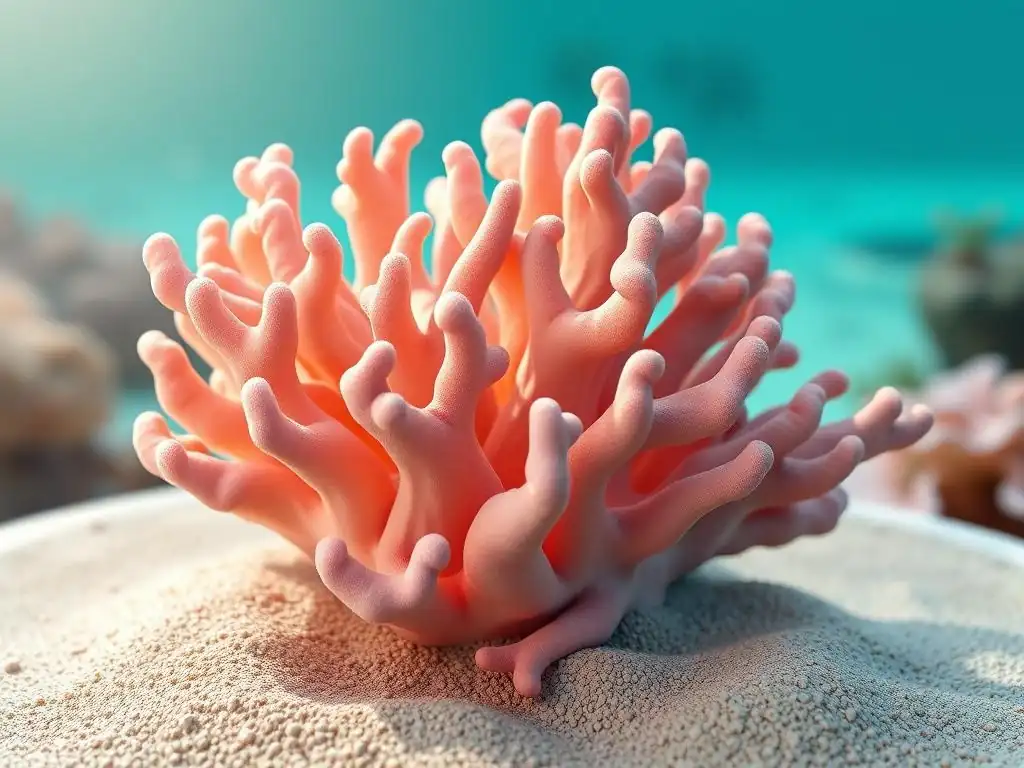
Given the often impressive growth rates of many soft coral species, fragging becomes an indispensable tool for reef aquarists. Fragging, the process of cutting a small piece from a larger colony to create a new, genetically identical individual, serves multiple purposes. Firstly, it is an effective method for controlling the size of rapidly growing colonies, preventing them from overgrowing and shading out other corals or dominating the aquarium landscape. This is especially important for species like large toadstool leather corals, which can become quite massive.
Secondly, fragging allows aquarists to propagate their favorite corals, creating new colonies for trade, sale, or sharing with other hobbyists. This sustainable practice reduces reliance on wild-collected corals and promotes the growth of the captive-bred coral population. Managing the leather coral growth timeline through regular fragging ensures a healthy, balanced, and diverse reef ecosystem within the confines of an aquarium.
Fragging Techniques for Different Soft Coral Species
The specific fragging technique varies slightly depending on the soft coral species, but the general principle involves making a clean cut with a sharp, sterile blade. For many soft corals like leather corals (Sarcophyton, Lobophytum, Sinularia), a simple cut through the stalk or a piece of the cap is sufficient. After cutting, the frag should be allowed to "heal" in a low-flow, shaded area for a few days to a week. During this time, it will typically form a protective layer over the cut surface.
Once healed, the frag can be attached to a frag plug or a small piece of live rock using a rubber band, super glue gel (cyanoacrylate), or a combination of both. For leather corals, rubber banding the frag to a plug until it attaches itself is a common and effective method. Ensuring proper sanitation (using clean tools, dipping the coral in an antiseptic solution like iodine) during the fragging process minimizes the risk of infection for both the mother colony and the frag, supporting a healthy leather coral growth timeline for the new individual.
Preventing Overgrowth and Maintaining a Balanced Reef Ecosystem
Proactive management is key to preventing soft coral overgrowth and maintaining a balanced, harmonious reef ecosystem. Strategic placement of corals from the outset is crucial; fast-growing species should be given ample space, away from slower-growing or more sensitive corals that could be smothered or chemically irritated. For example, placing a rapidly spreading Green Star Polyp colony on an isolated rock island can effectively contain its growth.
Regular monitoring of coral growth and timely intervention through fragging are also essential. If a leather coral is starting to overshadow its neighbors, a section can be fragged to reduce its size. This continuous management not only controls coral populations but also encourages new growth on the mother colony. By understanding the growth potential of each soft coral species and implementing these management strategies, aquarists can cultivate a thriving and diverse reef tank that remains aesthetically pleasing and ecologically balanced over time.
Conclusion: Achieving Thriving Soft Coral Growth in Your Reef Tank
Achieving thriving soft coral growth in your reef tank is a rewarding endeavor that transforms your aquarium into a vibrant, dynamic underwater landscape. It hinges on a foundational understanding of soft coral biology and a commitment to maintaining optimal environmental conditions. Key to this success are stable water parameters, including consistent alkalinity, calcium, and magnesium levels, alongside a diligent approach to managing nitrates and phosphates. These chemical foundations provide the necessary building blocks and a stress-free environment for sustained growth.
Equally vital are appropriate lighting and water flow. Providing the right PAR levels and spectrum ensures efficient photosynthesis by the coral's symbiotic algae, while moderate, turbulent water movement facilitates nutrient delivery and waste removal. Furthermore, targeted nutrition through amino acid, phytoplankton, and zooplankton supplementation can significantly enhance growth rates and coloration. By consistently addressing these factors and proactively managing growth through fragging, aquarists can cultivate robust, rapidly growing soft coral colonies. Understanding the nuances of the leather coral growth timeline and applying these comprehensive care principles will lead to a visually stunning and ecologically balanced reef aquarium.
Frequently Asked Questions
How quickly can I expect my leather coral to grow in my aquarium?
Leather coral growth rates vary, but most species show noticeable growth within 6-12 months under optimal conditions. Factors like water quality, lighting, and feeding play a crucial role.
What are the key factors influencing leather coral growth in an aquarium?
Several factors are vital, including stable water parameters (especially alkalinity, calcium, and magnesium), proper lighting (typically moderate to high intensity), and adequate water flow to remove waste.
What can I do to accelerate the growth of my leather coral?
Optimizing your aquarium environment is key. Ensure consistent water chemistry, provide appropriate lighting and water flow, and consider supplemental feeding designed for corals.
Are there specific types of leather corals that grow faster than others?
Yes, some leather coral species, like Sarcophyton and Sinularia, generally exhibit faster growth rates compared to others. Research specific species before purchasing.
What are some signs that my leather coral is not growing properly, and what should I do?
Signs include lack of polyp extension, tissue recession, or color fading. Address potential issues by testing water parameters, adjusting lighting, and ensuring proper water flow.
Okay, here's a final reflection designed to close your article, "The Impressive Growth Rate of Leather Corals: What to Expect," while targeting the keyword "Leather coral growth timeline" and fitting the structure you outlined:
Final Reflection: Appreciating the Pace of Life in Reefs
The information presented throughout this article highlights the fascinating, and sometimes surprising, leather coral growth timeline. Understanding this timeline is not just about predicting size; it's about appreciating the delicate balance within reef ecosystems and the patience required for successful reef keeping. The growth of these corals, while seemingly slow at times, represents a continuous process of adaptation and resilience, a testament to the power of life even in challenging environments.
This exploration of leather coral growth has undoubtedly deepened our understanding of these fascinating organisms. It reminds us that observing and nurturing life, whether in our homes or in the vast ocean, requires patience, dedication, and a deep respect for natural processes. The best time to plant a tree was 20 years ago. The second best time is now.
This ancient proverb resonates deeply when considering the long-term commitment of reef keeping and the gradual unfolding of a leather coral's growth.
Now, armed with a better understanding of the leather coral growth timeline, I encourage you to reflect on your own role in supporting healthy reef ecosystems. Whether you're a seasoned aquarist or simply an admirer of marine life, consider how you can contribute to their preservation. Perhaps it's through responsible sourcing, supporting conservation efforts, or simply spreading awareness. Let the impressive, yet deliberate, growth of leather corals inspire you to cultivate patience and dedication in your own endeavors, and to appreciate the beauty of slow, sustainable growth in all aspects of life.
Unlock Your Reef's Potential: Nurture a Thriving Leather Coral!
Thanks for exploring the fascinating growth of leather corals! We hope this article provided valuable insights into caring for these captivating reef inhabitants. Now, let's put that knowledge into action and take your reef tank to the next level.
Here are some actionable steps you can take right now:
- Carefully inspect your current leather coral (or plan for a new one!): Note its size, color, and polyp extension to track its growth progress after implementing the strategies discussed.
- Share your newfound leather coral wisdom! Post a photo of your leather coral on social media with the hashtag #AquariumMasteryLeather and tell us one thing you learned from this article.
- Experiment with a small, controlled iodine supplement increase (after thorough research, of course!) and meticulously document any changes in your leather coral's growth and coloration over the next month.
What specific questions do you have about optimizing your leather coral's environment to unlock its full growth potential?