
The Unique Behaviors of Freshwater Crabs: From Intricate Burrowing to Active Foraging

Welcome to Aquarium Mastery!
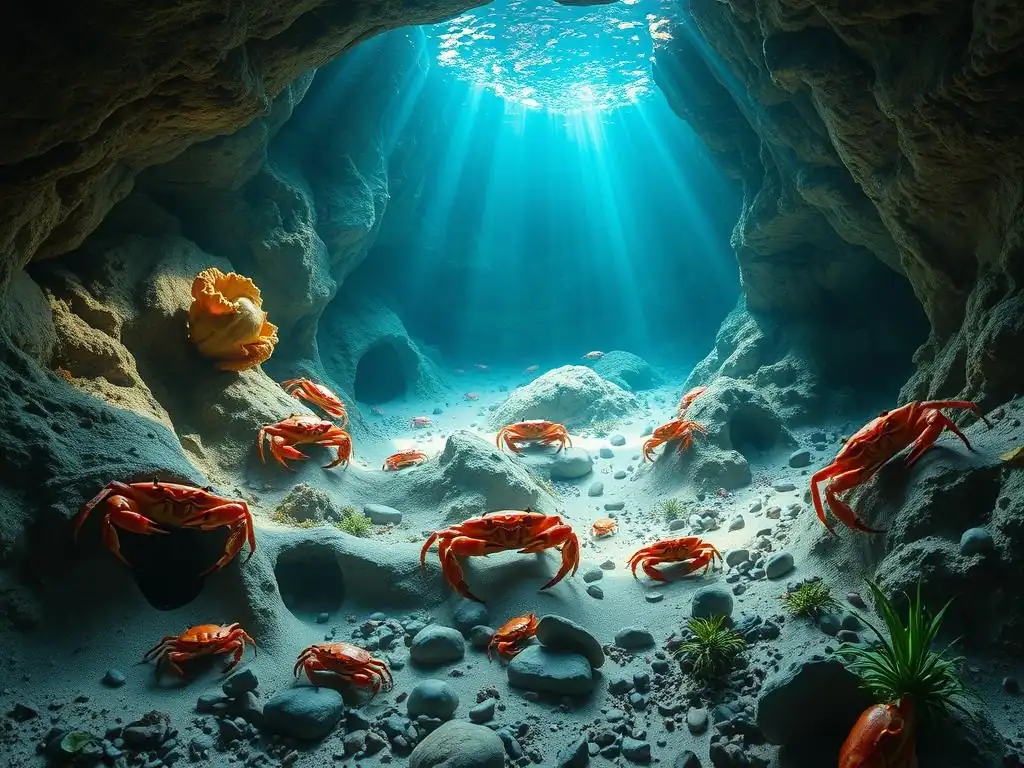
Ever wondered about the secret lives of those fascinating crustaceans you see scuttling around the bottom of freshwater tanks? Prepare to dive deep into the captivating world of freshwater crabs! We're kicking things off with an in-depth look at their unique behaviors, especially their intricate freshwater crab burrowing behaviors. What secrets do these tunnels hold, and what does it reveal about their survival strategies? Keep reading to uncover the fascinating world beneath the surface and become a true aquarium master!
- Understanding Freshwater Crab Behavior in the Aquarium
- Freshwater Crab Burrowing Behaviors: A Deep Dive
- Active Foraging Strategies of Freshwater Crabs
- Social Interactions and Territoriality Among Freshwater Crabs
- The Impact of Environmental Factors on Crab Behavior
- Common Behavioral Problems and Solutions
- Creating an Enriched Environment for Natural Crab Behaviors
- Observing and Documenting Freshwater Crab Behaviors
- Conclusion: Fostering a Healthy and Engaging Habitat for Freshwater Crabs
-
Frequently Asked Questions
- How do freshwater crabs typically exhibit burrowing behaviors?
- What are the primary reasons freshwater crabs engage in burrowing?
- Do all freshwater crab species exhibit burrowing behaviors to the same extent?
- What type of substrate is best suited for freshwater crabs that like to burrow?
- How can I encourage natural burrowing behaviors in my freshwater crab aquarium?
- Final Reflection: Unearthing the Secrets of the Deep
- Dive Deeper into the Crab Kingdom!
Understanding Freshwater Crab Behavior in the Aquarium
Introduction to Freshwater Crab Species and Their Unique Habits
Freshwater crabs, though less commonly kept than fish, offer a fascinating glimpse into invertebrate behavior within the home aquarium. Species such as the Vampire Crab ( Geosesarma spp.) and the Panther Crab ( Parathelphusa pantherina) are popular choices, each exhibiting distinct natural habits.
Vampire Crabs, for instance, are semi-aquatic and relatively small, typically reaching about 1 inch (2.5 cm) in carapace width, and are known for their vibrant colors and social, yet territorial, nature. Panther Crabs are larger, growing up to 3 inches (7.5 cm), and are primarily aquatic, preferring deep water with plenty of hiding spots. Understanding these fundamental species differences is crucial for providing an appropriate habitat that caters to their specific needs, from humidity levels to aquatic space.
These diverse species originate from various habitats across Asia, including rainforest floors, riverbanks, and freshwater streams. Their natural environments dictate their unique adaptations and behaviors. Vampire Crabs, native to Southeast Asia, thrive in humid, terrestrial environments close to water, where they forage among leaf litter and burrow into soft soil.
Panther Crabs, hailing from Sulawesi, Indonesia, are found in freshwater lakes and rivers, often hiding among rocks and submerged vegetation. Recognizing these inherent differences allows aquarists to replicate a more naturalistic setting, which in turn promotes healthy expression of their innate behaviors, including intricate freshwater crab burrowing behaviors and active foraging.
Importance of Understanding Crab Behaviors for Optimal Aquarium Care
For any aquarist, comprehending the natural behaviors of their inhabitants is paramount to successful long-term care and the overall well-being of the animals. For freshwater crabs, this knowledge helps in designing an environment that minimizes stress, prevents common health issues, and allows them to thrive. For example, knowing that many semi-aquatic crabs are prone to escaping requires a securely lidded tank, while understanding their need for specific substrate types directly impacts their ability to express natural freshwater crab burrowing behaviors.
Moreover, an informed approach to crab behavior aids in early detection of potential problems. Changes in activity levels, appetite, or social interactions can be subtle indicators of stress, illness, or inappropriate tank conditions. By observing their routines—such as their preferred hiding spots, foraging patterns, or the frequency and complexity of their burrowing—aquarists can proactively adjust tank parameters, diet, or aquascaping. This proactive approach not only ensures the crabs' physical health but also enriches their lives by providing an environment where their natural instincts can flourish.
Freshwater Crab Burrowing Behaviors: A Deep Dive
Why Do Freshwater Crabs Burrow? Exploring the Reasons
Freshwater crabs engage in burrowing for a multitude of essential reasons, making it one of their most significant natural behaviors. Primarily, burrowing serves as a vital defense mechanism against predators. A deep, secure burrow offers an immediate escape route and a safe sanctuary from perceived threats, whether from larger fish, birds, or even aggressive tank mates. This instinctual need for protection is evident even in captive environments, where crabs will meticulously construct hiding places if provided with the appropriate substrate.
Beyond defense, burrows are critical for several physiological and life cycle functions. During the vulnerable molting process, when a crab sheds its exoskeleton to grow, a burrow provides a secluded and secure space to recover. This period of vulnerability, lasting from hours to several days, is perilous without adequate shelter. Furthermore, burrows offer stable microclimates, helping semi-aquatic species regulate their body temperature and maintain essential humidity levels. Some species also use burrows for breeding, providing a safe nursery for eggs and young. The complex freshwater crab burrowing behaviors are thus fundamental to their survival, reproduction, and overall well-being.
The Role of Substrate in Freshwater Crab Burrowing Activity
Ideal Substrate Types for Encouraging Natural Burrowing
The choice of substrate is perhaps the most critical factor influencing freshwater crab burrowing behaviors. To facilitate natural and successful burrow construction, the substrate must be soft, fine-grained, and free of sharp edges that could injure the crabs' delicate appendages or exoskeletons. Ideal choices include fine aquarium sand, such as pool filter sand, which typically has a grain size of 0.45 to 0.85 mm, allowing for easy excavation and tunnel stability. Very fine gravel, with particles generally less than 3 mm, can also be suitable if it is smooth and well-rounded.
For semi-aquatic species like Vampire Crabs, a significant portion of their habitat should consist of a terrestrial substrate that retains moisture effectively. A mix of coco fiber and sand or specialized terrarium soil is often recommended for the land section. This provides the necessary consistency for them to dig stable burrows that do not collapse easily, allowing them to create intricate tunnels and chambers. Providing the correct substrate not only encourages burrowing but also mimics their natural environment, significantly reducing stress and promoting healthier, more active crabs.
Substrate Depth and its Impact on Crab Burrowing
The depth of the substrate directly correlates with the complexity and stability of the burrows a freshwater crab can construct, profoundly impacting their burrowing activity. For most semi-aquatic freshwater crab species that exhibit significant burrowing behaviors, a substrate depth of at least 4 to 6 inches (approximately 10 to 15 cm) is often recommended in the terrestrial or shallow water sections of their habitat. This depth allows them to dig tunnels that are long enough to provide a sense of security and broad enough to turn around comfortably, creating multi-chambered systems for various purposes like molting, hiding, or resting.
Insufficient substrate depth can lead to several problems. Crabs may become stressed if they cannot dig adequate burrows, leading to attempts to escape or increased aggression due to lack of secure hiding spots.
Shallow substrate also compromises the stability of any attempted burrow, causing frequent collapses and frustrating the crab's natural instincts. For fully aquatic species that burrow, such as some types of crayfish or larger aquatic crabs, even greater depths, sometimes up to 8 inches (20 cm) or more, may be beneficial to support their larger size and more extensive burrowing habits, ensuring they can fully submerge themselves for protection or during molting.
How to Observe and Interpret Freshwater Crab Burrowing Behaviors
Observing freshwater crab burrowing behaviors provides valuable insights into their well-being and environmental satisfaction. Aquarists should look for specific signs of activity, such as newly excavated piles of substrate, visible tunnel entrances, or changes in the landscape of their habitat. Many species are more active during the night or twilight hours, so using a dim red light or observing during low-light periods can yield more insights without disturbing them. Noticing where and how often a crab burrows can indicate its comfort level and whether it feels secure.
Interpreting these behaviors requires understanding the context. For instance, a crab that has suddenly become reclusive and is spending an unusual amount of time deep within a burrow might be preparing to molt, a critical and vulnerable period. Conversely, frantic, unproductive digging might signal stress, an attempt to escape, or dissatisfaction with the available substrate. A healthy, content crab will exhibit consistent, purposeful burrowing, creating stable and frequently used shelters. Documenting these observations over time, perhaps in a simple journal, can help identify patterns and ensure the tank environment continues to meet their evolving needs.
Active Foraging Strategies of Freshwater Crabs
Natural Diet and Foraging Habits in the Wild
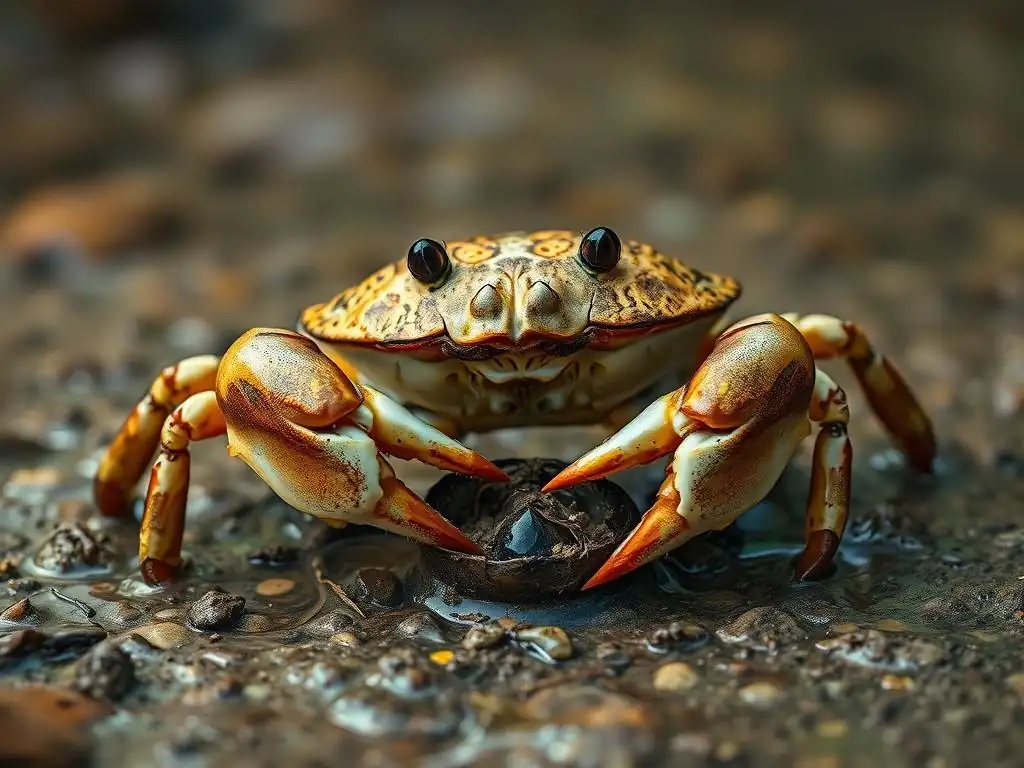
In their natural habitats, freshwater crabs are primarily omnivores or detritivores, playing a crucial role in their ecosystems as scavengers and opportunistic predators. Their diet is incredibly varied, encompassing decaying plant matter, fallen leaves, algae, biofilm, and small invertebrates such as insect larvae, worms, and tiny crustaceans. Semi-aquatic species like Vampire Crabs spend significant time sifting through leaf litter on the forest floor, using their chelipeds (claws) to manipulate food items and their mouthparts to process them. Aquatic species, such as Panther Crabs, forage among submerged rocks and vegetation, scavenging for detritus and preying on slow-moving aquatic organisms.
Their foraging strategies are often adapted to their specific environment and species characteristics. Many freshwater crabs are nocturnal or crepuscular, emerging under the cover of darkness to search for food. They possess keen senses, including chemoreception, to locate food sources. Some species, particularly larger ones, may actively hunt, ambushing unsuspecting prey. Their natural foraging behaviors, which include digging through substrate, sifting particles, and exploring crevices, are fundamental to their physical and mental stimulation and should be encouraged in a captive setting.
Providing Suitable Food and Encouraging Foraging in the Aquarium
Optimal Food Types for Active Foraging
To replicate the diverse natural diet of freshwater crabs and encourage their active foraging behaviors in the aquarium, a varied and high-quality feeding regimen is essential. Staple foods should include sinking pellets or granules specifically formulated for crustaceans, such as shrimp pellets or crab cuisine, which provide balanced nutrition. These can be supplemented with a range of frozen foods, including bloodworms, brine shrimp, and daphnia, which are readily accepted and provide essential protein and fats.
Beyond processed and frozen options, fresh vegetables are a vital component of their diet. Blanched zucchini slices, spinach, kale, and small pieces of carrot offer necessary vitamins and fiber. For omnivorous species, occasional protein sources like small pieces of unsalted, cooked shrimp or fish can be offered. It is important to avoid overfeeding and to remove any uneaten food after a few hours to prevent water quality degradation. Offering a rotational diet that includes these various food types will ensure complete nutrition and stimulate their natural foraging instincts.
Techniques for Stimulating Natural Foraging Behaviors
To truly enrich the lives of freshwater crabs in captivity, it's beneficial to stimulate their natural foraging behaviors rather than simply dropping food in one spot. One effective technique is to scatter small amounts of food across the substrate or hide it among decor items like driftwood, rocks, or live plants. This encourages the crabs to actively search and explore their environment, mimicking their natural scavenging habits. For semi-aquatic species, placing some food items on the land portion of the tank can also promote exploration of both terrestrial and aquatic zones.
Another method involves offering food at different times of the day, particularly during their active periods (often dusk or night for many species), which aligns with their natural nocturnal foraging patterns. Incorporating leaf litter, such as Indian almond leaves, into the tank provides both a natural food source (as they break down) and encourages crabs to sift through them, a behavior common in their wild habitats. By varying feeding times, locations, and food presentation, aquarists can provide a more engaging and stimulating feeding experience, contributing significantly to the crabs' overall well-being.
The social structures of freshwater crabs in captivity can vary significantly depending on the species, making understanding these dynamics crucial for successful cohabitation. Some species, like the tiny Thai Micro Crabs ( Limnopilos naiyanetri), are highly communal and can be kept in groups without significant aggression, often exhibiting complex group behaviors. In contrast, many larger semi-aquatic species, such as the Panther Crab ( Parathelphusa pantherina), tend to be more solitary and highly territorial, especially males. Introducing multiple individuals of such species into a confined space without adequate resources can lead to severe conflict and injury.
Even within species that are considered "social," like Vampire Crabs ( Geosesarma spp. ), territoriality can emerge, particularly among males or when resources like prime hiding spots or food are scarce. Females may also exhibit aggression, especially during breeding periods or when protecting eggs.
Understanding these inherent social tendencies helps aquarists determine appropriate stocking levels and tank layouts. For instance, a group of Vampire Crabs might thrive in a well-decorated 10-gallon paludarium if ample hiding spots and separate land/water zones are provided, whereas a single Panther Crab might require a 20-gallon aquatic tank to itself to prevent stress from perceived competition.
Recognizing and Managing Aggression and Territorial Disputes
Recognizing the signs of aggression and territorial disputes early is vital for preventing harm to freshwater crabs in a communal setup. Common indicators of aggression include crabs raising their chelipeds (claws) in a threat display, chasing other crabs, or engaging in physical altercations that can result in lost limbs or even fatalities. Increased hiding by subordinate crabs or a noticeable decrease in foraging activity can also signal chronic stress from aggressive tank mates. Observing these behaviors closely, especially during feeding times or when a new hiding spot is introduced, can provide critical information.
Managing aggression often involves modifying the environment to reduce competition and provide escape routes. Increasing the tank size is often the most effective solution, as it provides more territory for each individual. Adding numerous hiding spots, such as caves, driftwood, rock formations, and dense plant cover, breaks lines of sight and allows weaker individuals to retreat.
Ensuring that food is distributed widely, rather than in a single pile, can also reduce competition during feeding. If aggression persists despite these measures, separating the most aggressive individuals or rehoming some crabs may be necessary to maintain peace and ensure the well-being of all inhabitants. Providing ample depth for freshwater crab burrowing behaviors can also offer a crucial means of escape and security from dominant individuals.
The Impact of Environmental Factors on Crab Behavior
Water Quality and its Influence on Freshwater Crab Activity
Water quality is a foundational element influencing the health and behavior of all aquatic and semi-aquatic organisms, and freshwater crabs are no exception. Poor water parameters can quickly lead to stress, illness, and abnormal behaviors.
For instance, elevated levels of ammonia and nitrite (even as low as 0.25 ppm) are highly toxic and can cause lethargy, loss of appetite, and a general decline in activity, including a reduction in natural freshwater crab burrowing behaviors. Nitrates, while less toxic, should ideally be kept below 20 ppm through regular water changes, as chronically high levels can also suppress activity and weaken the immune system.
Beyond nitrogenous waste, pH, general hardness (GH), and carbonate hardness (KH) are crucial. Most freshwater crabs thrive in slightly alkaline to neutral water with a pH between 7.0 and 8.0. A stable GH of 8-15 dGH (degrees of general hardness) and a KH of 5-10 dKH (degrees of carbonate hardness) are often recommended, as these minerals are essential for proper molting and exoskeleton formation.
Fluctuations outside these ranges or sudden changes can induce stress, leading to erratic behavior, reduced foraging, or an increased susceptibility to disease. Consistent monitoring and regular water changes (e.g., 25-30% weekly) are paramount to maintaining optimal water quality and promoting healthy, active crab behavior.
Lighting and Temperature Effects on Crab Burrowing and Foraging
Lighting and temperature are two critical environmental factors that significantly influence the behavior of freshwater crabs, including their burrowing and foraging activities. Most freshwater crab species, particularly semi-aquatic ones like Vampire Crabs, are naturally crepuscular or nocturnal, meaning they are most active during dawn, dusk, or night. Bright, constant lighting can stress these animals, causing them to retreat into hiding or significantly reduce their activity levels, including their natural freshwater crab burrowing behaviors and open foraging. Providing a consistent day-night cycle with a period of dim light or darkness encourages their natural activity patterns and helps them feel secure.
Temperature also plays a vital role. The ideal temperature range for most tropical freshwater crabs is typically between 72-78°F (22-26°C). Temperatures significantly outside this range can have detrimental effects. If the water or air temperature is too low, crabs may become sluggish, exhibit reduced metabolism, and show decreased foraging activity. Conversely, excessively high temperatures can lead to increased stress, accelerated metabolism, and potentially oxygen deprivation, causing frantic behavior or lethargy. Maintaining a stable temperature within their preferred range is essential for their overall health, activity levels, and the consistent expression of their natural behaviors.
Common Behavioral Problems and Solutions
Identifying Signs of Stress or Illness in Freshwater Crabs
Identifying signs of stress or illness in freshwater crabs is crucial for prompt intervention and ensuring their well-being. A common indicator of distress is a significant change in their normal activity levels. This might manifest as extreme lethargy, where the crab remains motionless for extended periods, even when food is present, or conversely, frantic, unceasing attempts to escape the tank. Refusal to eat or a marked decrease in foraging activity, even when preferred foods are offered, is another strong warning sign.
Physical symptoms can also accompany behavioral changes. These include abnormal posture, such as legs held tightly against the body, or unusual discoloration of the exoskeleton. Missing limbs can occur from aggression or failed molts, but if multiple limbs are lost outside of a recent molt, it suggests severe stress or a systemic issue. Additionally, abnormal freshwater crab burrowing behaviors, such as constantly digging without creating a stable burrow, or a complete cessation of burrowing when previously active, can signal underlying problems related to water quality, substrate, or general health.
Addressing Abnormal Burrowing or Foraging Patterns
Abnormal burrowing or foraging patterns in freshwater crabs often point to specific environmental or health issues that need to be addressed promptly. If a crab exhibits excessive, frantic burrowing without establishing a stable den, it could indicate stress from a perceived threat, unsuitable substrate (too coarse, too shallow, or unstable), or poor water quality.
The solution involves checking all water parameters, ensuring the substrate is of the correct type and depth (e.g., at least 4-6 inches of fine sand or coco fiber), and providing ample hiding spots to reduce stress. If a crab suddenly stops burrowing entirely, it might be ill, stressed, or the substrate is simply inadequate; a thorough check of water parameters and substrate conditions is warranted.
Similarly, a significant decrease or complete cessation of foraging and eating can be a critical sign of illness, stress, or an unsuitable diet. First, ensure that water parameters are pristine and within the species' optimal range. Offer a variety of preferred foods to tempt the crab, sometimes trying different textures or types.
If the crab is new to the tank, it might just be adjusting; however, prolonged lack of appetite requires closer inspection for signs of disease or injury. Increasing tank enrichment, providing more secure hiding spots, and reducing competition from tank mates can also encourage a return to natural foraging behaviors. Observing these abnormal patterns early allows for targeted interventions to restore the crab's health and natural routine.
Creating an Enriched Environment for Natural Crab Behaviors
Decor and Aquascaping to Promote Natural Activities
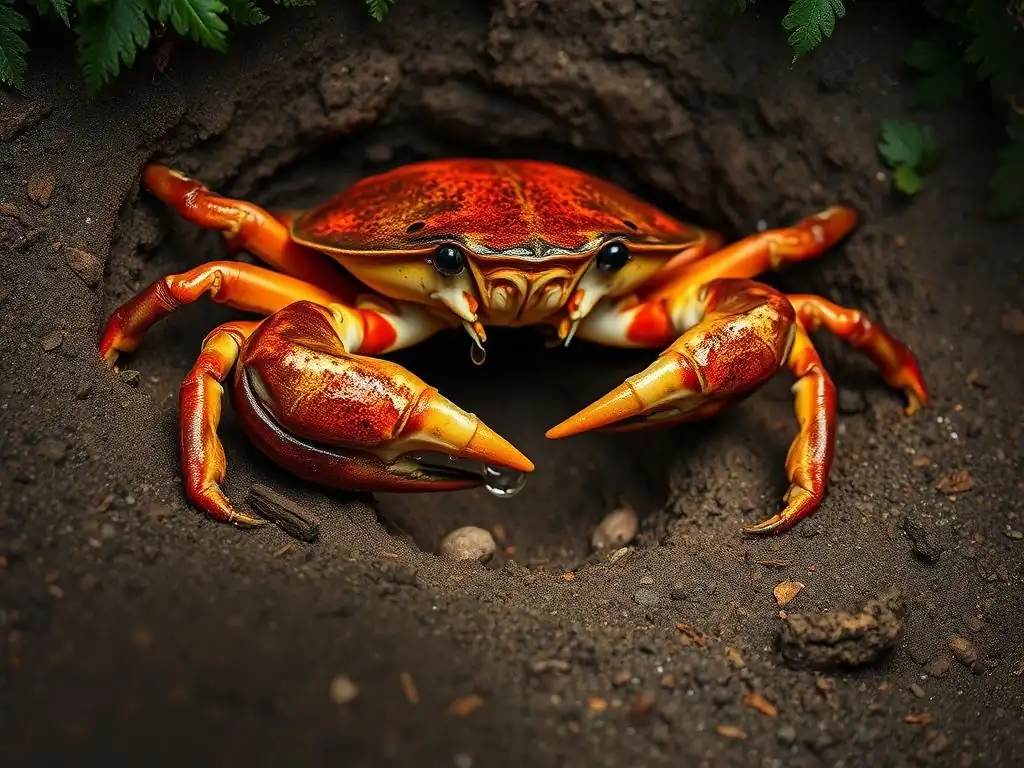
Creating an enriched environment through thoughtful decor and aquascaping is fundamental to promoting natural activities in freshwater crabs. For semi-aquatic species, a paludarium setup that incorporates both significant land and water sections is ideal. The land area should feature various textures and elevations, including pieces of driftwood, smooth rocks, and leaf litter (such as Indian almond leaves), which crabs can explore, climb, and forage among. These elements provide visual breaks and create micro-habitats that mimic their natural terrestrial environments.
In the aquatic section, or for fully aquatic species, dense planting, rock formations, and strategically placed driftwood offer a network of hiding spots and exploration opportunities. Live plants not only contribute to water quality but also provide surface area for biofilm and a sense of security. The goal is to create a complex landscape that encourages exploration, provides multiple escape routes, and offers diverse foraging grounds. This intricate setup not only benefits the crabs' physical health by promoting exercise but also stimulates their minds, reducing boredom and stress.
Promoting Freshwater Crab Burrowing Behaviors Through Tank Design
Tank design plays a pivotal role in promoting natural freshwater crab burrowing behaviors, which are essential for their well-being, especially for molting and security. The most critical aspect is providing a substantial depth of appropriate substrate. For most burrowing species, a minimum of 4 to 6 inches (10-15 cm) of fine, compactable substrate like sand or coco fiber (for land sections) is necessary. This depth allows crabs to dig stable, multi-chambered burrows without fear of collapse, which is crucial for their sense of security.
Beyond depth, incorporating structural elements into the aquascape can further encourage and stabilize burrows. Placing flat rocks, pieces of driftwood, or even ceramic caves on the substrate before adding the full depth of sand can create natural "roofs" or starting points for burrows, making it easier for crabs to initiate their digging. Sloping the substrate to create varied depths also offers choices for burrow location and complexity. By designing the tank with these considerations, aquarists can create a landscape that actively invites and supports the expression of intricate freshwater crab burrowing behaviors, ensuring a healthy and stress-free environment.
Observing and Documenting Freshwater Crab Behaviors
The Value of Observing Crab Behavior for Understanding Their Needs
Systematic observation of freshwater crab behavior is an invaluable tool for any dedicated aquarist, offering profound insights into their specific needs and overall well-being. By regularly monitoring their activity patterns, social interactions, and environmental responses, you can quickly identify subtle changes that might signal stress, illness, or an inadequate habitat. For instance, a crab consistently attempting to escape might indicate poor water quality or a lack of suitable terrestrial space, while a sudden increase in aggression could point to overcrowding or insufficient hiding spots.
Furthermore, consistent observation helps in refining your care routines. Noticing peak foraging times allows for more efficient feeding schedules, reducing waste and encouraging natural behaviors. Documenting freshwater crab burrowing behaviors—such as frequency, depth, and location—provides clues about their molting cycles, preferred secure spots, or even potential substrate issues. This detailed understanding moves beyond basic husbandry, allowing aquarists to create a truly tailored and enriching environment that promotes the crabs' natural instincts and ensures their long-term health and vitality.
Tips for Recording and Analyzing Crab Behavior in the Aquarium
To effectively record and analyze freshwater crab behavior, a systematic approach is highly beneficial. Start by keeping a dedicated journal or logbook. In it, note specific observations such as feeding times and quantities, activity levels throughout the day (e.g., active, hiding, exploring), interactions with tank mates (aggressive, peaceful), and molting dates. Crucially, detail any freshwater crab burrowing behaviors: when did they start a new burrow? How deep did it appear to be? Did it collapse? These specific entries help build a comprehensive picture over time.
For nocturnal or crepuscular species, observing during low-light conditions or using a dim red light (which is generally invisible to crabs) can provide undisturbed insights. Consider setting up a time-lapse camera if you want to capture prolonged behaviors like extensive burrowing or nighttime foraging. Regularly review your notes to identify patterns, correlations, and deviations from normal behavior.
For example, if you notice a pattern of increased burrowing activity every few weeks, it might correlate with a pre-molt phase. Analyzing these records allows you to make informed adjustments to tank conditions, diet, or social dynamics, optimizing the environment for your freshwater crabs.
Conclusion: Fostering a Healthy and Engaging Habitat for Freshwater Crabs
Fostering a healthy and engaging habitat for freshwater crabs transcends mere survival; it involves a deep understanding and appreciation of their unique behaviors. By actively catering to their fundamental needs, from providing the ideal substrate for intricate freshwater crab burrowing behaviors to offering a diverse diet that encourages active foraging, aquarists can unlock the full spectrum of these fascinating invertebrates' natural instincts. A well-designed environment, rich in hiding spots and varied terrains, not only mitigates stress but also stimulates their minds, promoting robust health and vibrant activity.
The commitment to observing and interpreting their subtle cues, whether it's a change in their burrowing patterns or a shift in their social dynamics, empowers aquarists to proactively address potential issues and continually refine their care. Ultimately, creating an enriched environment that truly mimics their natural habitats allows freshwater crabs to thrive, offering aquarists the profound satisfaction of witnessing these captivating creatures exhibit their full range of natural wonders.
Frequently Asked Questions
How do freshwater crabs typically exhibit burrowing behaviors?
Freshwater crabs are known for their intricate burrowing habits. They create burrows for protection, molting, and sometimes breeding purposes. The complexity varies by species.
What are the primary reasons freshwater crabs engage in burrowing?
Burrowing primarily offers protection from predators and a safe haven during molting. It also helps regulate body temperature and humidity, especially in drier environments.
Do all freshwater crab species exhibit burrowing behaviors to the same extent?
No, the degree of burrowing varies significantly. Some species are obligate burrowers, spending most of their time underground, while others only burrow occasionally, preferring surface exploration and foraging.
What type of substrate is best suited for freshwater crabs that like to burrow?
A mix of sand and soil is generally ideal, allowing for easy digging and structural integrity. Ensure the substrate is deep enough to accommodate the crab's burrowing depth.
How can I encourage natural burrowing behaviors in my freshwater crab aquarium?
Provide a deep substrate layer of suitable material, along with rocks and decorations that can serve as burrow entrances or supports. Maintain proper water parameters and humidity levels to mimic their natural environment.
Final Reflection: Unearthing the Secrets of the Deep
The exploration of freshwater crab burrowing behaviors, as detailed in this article, isn't just an academic exercise; it's a vital step in understanding the fragile ecosystems these creatures inhabit. As freshwater habitats face increasing pressure from pollution and habitat destruction, comprehending the intricate lives of these crabs becomes crucial for effective conservation efforts. Their burrowing, far from being a simple act, is a keystone process shaping the very landscape they call home.
The impact of these tiny engineers on their environment is profound, and understanding their burrowing behaviors offers a window into the health and resilience of entire freshwater ecosystems. It reminds us that even the smallest creatures play a significant role in the grand tapestry of life. In every walk with nature, one receives far more than he seeks.
- John Muir. This quote encapsulates the spirit of discovery that drives us to uncover the hidden wonders of the natural world, and the importance of preserving them.
Now, as you reflect on the intricate world of freshwater crabs and their burrowing behaviors, consider the broader implications for our planet. How can we, as individuals and as a society, contribute to the protection of these vital ecosystems? Let us all strive to be more mindful of our impact on freshwater environments, ensuring that future generations can continue to marvel at the unique and essential role of these fascinating creatures.
Dive Deeper into the Crab Kingdom!
Thanks for exploring the fascinating world of freshwater crabs with us! We hope you've gained a newfound appreciation for these unique creatures and their intriguing behaviors. Ready to take your crab enthusiasm to the next level?
Here's how:
- Transform your knowledge into action: Start designing a crab-friendly habitat in your aquarium to encourage their natural behaviors like burrowing and foraging.
- Document and share: Upload a short video of your crab to Youtube, highlighting how you are implementing what you learned in the article, then share it on social media using #AquariumMasteryCrabs.
- Explore the depths: Look into less-common crab species with specific needs, and share what you learn on aquariummastery.com's forum.
What unique behavioral adaptation will you prioritize when designing your freshwater crab's habitat?