
Crayfish and Live Plants: A Recipe for Destruction or Potential Harmony?

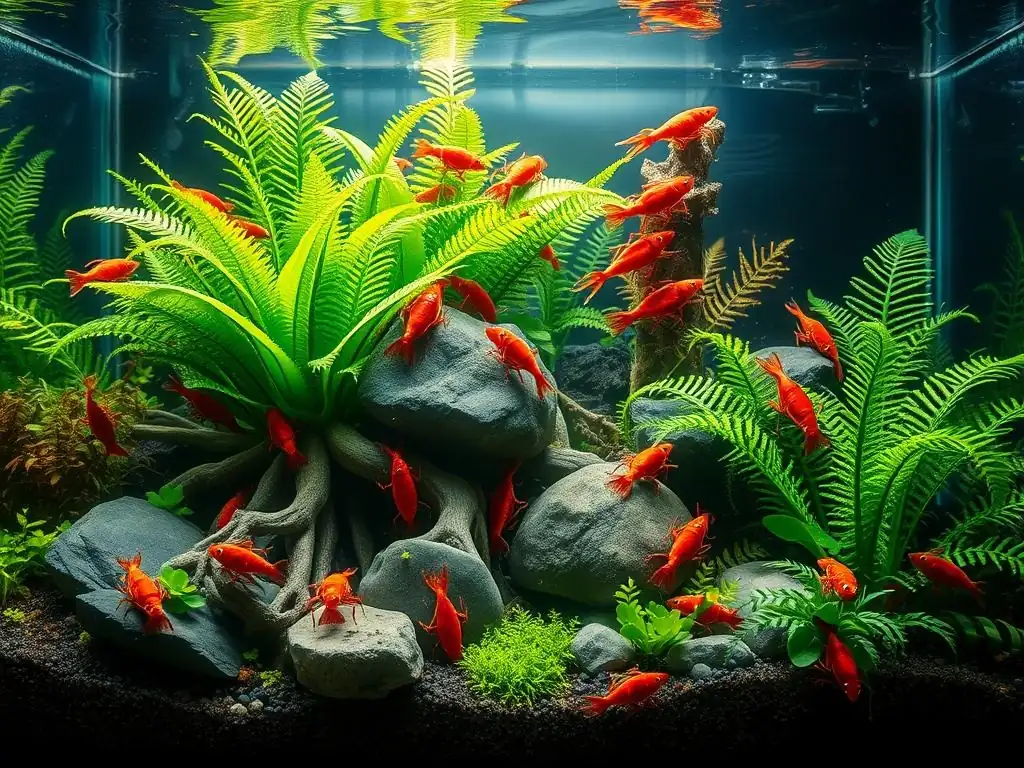
Welcome to Aquarium Mastery!
Ever wondered if you could really have thriving live plants in a crayfish tank? It's a question that plagues many aquarists. Dive into our guide to discover the secrets to achieving that elusive Crayfish Tank Live Plant Harmony, exploring which plants have a fighting chance and how to create a balanced ecosystem. Intrigued? Let's explore the delicate balance together!
- Understanding the Crayfish and Live Plant Compatibility Challenge
- Crayfish Species and Their Plant-Eating Tendencies: A Spectrum of Destruction
- Choosing the Right Plants for a Crayfish Aquarium: Selecting Hardy Survivors
- Creating a Crayfish-Proof Planted Tank: Design and Implementation Strategies
- Optimizing Water Parameters for Both Crayfish and Live Plants: A Balancing Act
- Observing and Adapting: Monitoring the Crayfish-Plant Dynamic
- Alternative Solutions: Plant Substitutes and Creative Aquascaping
- Success Stories: Achieving Crayfish Tank Live Plant Harmony
- Conclusion: Finding the Right Balance for Your Crayfish and Live Plant Aquarium
-
Frequently Asked Questions
- Can crayfish and live plants actually coexist in a tank?
- What types of live plants are most likely to survive in a crayfish tank?
- How can I protect live plants from being uprooted or eaten by crayfish?
- What water parameters are ideal for both crayfish and live plants?
- What are the potential benefits of having live plants in a crayfish tank?
- Final Reflection: Cultivating Harmony in the Aquatic Realm
- Cultivate Your Aquatic Ecosystem: Dive Deeper Now!
Understanding the Crayfish and Live Plant Compatibility Challenge
The Natural Instincts of Crayfish: Why Plants Are Often at Risk
Crayfish are fascinating freshwater invertebrates, but their natural behaviors often conflict with the delicate nature of live aquarium plants. These omnivorous scavengers possess powerful claws (chelipeds) and an innate drive to explore and forage, which frequently involves digging into the substrate. This digging behavior, a core part of their natural instinct to find food or create burrows, can easily uproot plants, exposing their root systems and causing significant stress or even death to the flora.
Beyond digging, many crayfish species will actively consume plant matter. While some may primarily target decaying leaves, others, especially larger species, will readily tear and eat healthy, live plant tissue. Their strong mouthparts are perfectly adapted for shredding fibrous material, making even seemingly robust plants vulnerable. This combination of digging, tearing, and consumption poses a significant challenge for aquarists aiming for crayfish tank live plant harmony.
Exploring the Allure of Live Plants in a Crayfish Tank: Aesthetics and Benefits
Despite the challenges, the allure of incorporating live plants into a crayfish tank is undeniable. Aesthetically, live plants transform an aquarium into a vibrant, naturalistic environment, mimicking the crayfish's native habitat. Their varying textures, colors, and forms create a visually engaging landscape that is far more appealing than a barren tank, enhancing the overall beauty and natural feel of the aquascape.
Beyond aesthetics, live plants offer numerous functional benefits crucial for a healthy aquatic ecosystem. They act as natural filters, absorbing harmful nitrates and other waste products produced by the crayfish, thereby improving water quality. Plants also oxygenate the water through photosynthesis, contributing to a more stable environment. Furthermore, they provide essential hiding spots and security for crayfish, especially during vulnerable periods like molting, reducing stress and promoting a sense of well-being, which is vital for achieving crayfish tank live plant harmony.
Crayfish Species and Their Plant-Eating Tendencies: A Spectrum of Destruction
Dwarf Crayfish: A Potentially Plant-Friendlier Option
When considering crayfish tank live plant harmony, dwarf crayfish species stand out as the most promising candidates. Species such as the Mexican Dwarf Crayfish ( Cambarellus patzcuarensis), typically growing to only about 1.5 to 2 inches (3.8-5 cm), are significantly less destructive than their larger relatives. Their small size means their digging capabilities are minimal, rarely uprooting well-established plants.
Moreover, dwarf crayfish are primarily detritivores and scavengers, preferring to feed on biofilm, algae, and sinking pellets rather than actively grazing on healthy plant leaves. While an occasional nibble on a soft, new sprout might occur, their impact on a densely planted tank is generally negligible. This makes them an excellent choice for aquarists who prioritize maintaining a lush, planted environment alongside their invertebrate inhabitants.
Large Crayfish Species: The Primary Culprits for Plant Damage
Conversely, larger crayfish species are notorious for their destructive tendencies towards live plants. The Red Swamp Crayfish ( Procambarus clarkii), for example, which can grow up to 6-8 inches (15-20 cm) in length, is a highly active and opportunistic feeder. These larger species possess powerful claws capable of tearing through tough plant stems and leaves, and their robust digging habits can quickly decimate an aquascape by uprooting even deeply planted specimens.
A single adult Procambarus clarkii can, in a matter of days, transform a beautifully planted tank into a barren landscape by systematically uprooting and consuming a significant portion of the vegetation. Their aggressive foraging behavior and sheer physical strength make them incompatible with most live plant species, making crayfish tank live plant harmony extremely challenging, if not impossible, with these particular varieties.
Identifying Crayfish Species Known for Minimal Plant Interaction
Beyond the dwarf crayfish, identifying species with minimal plant interaction is key to a successful planted crayfish tank. While no crayfish can be guaranteed to ignore plants entirely, some exhibit a far lower propensity for destruction. Generally, smaller, more docile species that are primarily detritivores or scavengers rather than active grazers are better choices.
It's important to research specific species profiles thoroughly before purchase. Even within dwarf varieties, individual personalities can vary, but the overall trend remains: the smaller the crayfish, the less likely it is to cause significant damage to your plants. Focusing on these less disruptive species is the first crucial step towards achieving lasting crayfish tank live plant harmony.
Choosing the Right Plants for a Crayfish Aquarium: Selecting Hardy Survivors
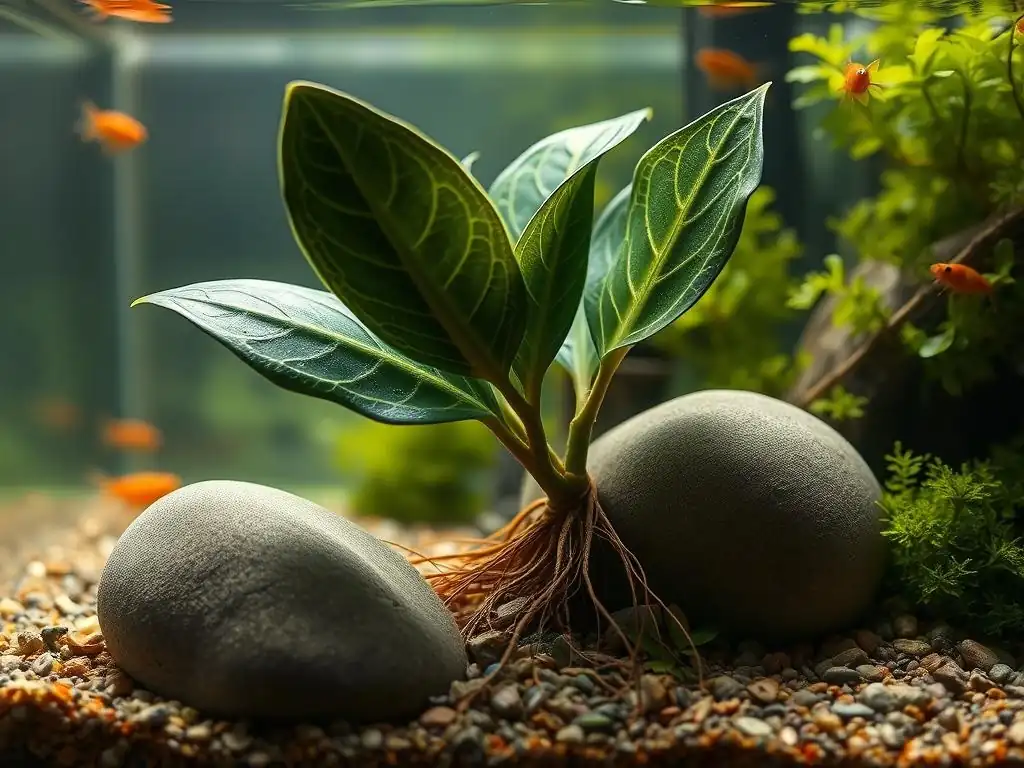
Plant Species with Tough Leaves and Robust Root Systems
When selecting plants for a crayfish aquarium, the primary consideration should be their resilience. Plants with tough, leathery leaves are far less appealing and difficult for crayfish to tear or consume. Examples include many Anubias species, which have thick, durable foliage that can withstand considerable attention from curious claws.
Equally important are plants with robust root systems or those that do not rely on fragile roots in the substrate. Plants that can be attached to hardscape, such as driftwood or rocks, minimize the risk of being uprooted by digging crayfish. Their strong anchoring mechanisms ensure they remain firmly in place, even with active inhabitants, significantly contributing to crayfish tank live plant harmony.
Floating Plants: A Safe Haven from Crayfish Grazing
Floating plants offer an excellent solution for aquarists seeking to add live vegetation without the risk of direct crayfish damage. Since these plants float on the water's surface, they are typically out of reach for most crayfish, preventing them from being uprooted or consumed. They also provide valuable benefits such as natural shade for the tank inhabitants and absorption of excess nutrients from the water column.
Popular and effective floating plant options include Dwarf Water Lettuce ( Pistia stratiotes), Amazon Frogbit ( Limnobium laevigatum), and Red Root Floater ( Phyllanthus fluitans). While some exceptionally agile crayfish might attempt to climb to the surface, large mats of these plants generally remain undisturbed, offering a relatively safe and beneficial addition to the tank's ecosystem.
Recommended Plant Species: Anubias, Java Fern, and Water Sprite
Three plant species consistently prove to be excellent choices for tanks aiming for crayfish tank live plant harmony: Anubias, Java Fern ( Microsorum pteropus), and Water Sprite ( Ceratopteris thalictroides). Anubias varieties, like Anubias barteri 'Nana', are renowned for their extremely tough, leathery leaves and rhizomatous growth, allowing them to be tied or glued to hardscape, preventing uprooting. They are slow-growing but incredibly durable.
Java Fern shares similar characteristics, with hardy leaves and the ability to attach to rocks or wood, making it impervious to digging. It's also low-light tolerant and generally unpalatable to crayfish. Water Sprite, while having more delicate leaves, is a fast grower that can be rooted or floated. Its rapid growth often outpaces any minor damage, and when floated, it provides a safe, dense cover. These three represent a strong foundation for a planted crayfish tank.
Creating a Crayfish-Proof Planted Tank: Design and Implementation Strategies
Providing Ample Crayfish Food: Reducing Plant Consumption
One of the most effective strategies for preventing crayfish from damaging live plants is to ensure they are consistently and adequately fed. A well-fed crayfish is far less likely to view live plants as a primary food source. Offer a varied diet consisting of high-quality sinking pellets or wafers specifically designed for crustaceans, supplemented with blanched vegetables like zucchini, spinach, or carrots a few times a week.
Feed your crayfish 2-3 times a week, ensuring the food reaches the bottom of the tank where they can easily access it. For instance, a single adult dwarf crayfish might consume one small sinking pellet every other day, while a larger species would require more. Regular feeding significantly reduces their foraging instincts directed at your plants, thereby promoting crayfish tank live plant harmony.
Hardscaping for Plant Protection: Rocks, Wood, and Barriers
Strategic use of hardscaping elements like rocks and driftwood is crucial for protecting plants in a crayfish tank. Heavy, stable rocks can be placed around the base of rooted plants to prevent crayfish from digging them up. Large pieces of driftwood offer excellent attachment points for rhizome plants like Anubias and Java Fern, keeping them securely out of the substrate.
Furthermore, hardscaping can be arranged to create natural barriers or territories for the crayfish, diverting their attention from planted areas. Creating caves, tunnels, and secure hiding spots with rocks and wood gives the crayfish plenty to explore and occupy themselves with, reducing their tendency to disturb the plants. For example, a heavy flat rock placed over the roots of a vulnerable plant can offer significant protection.
Utilizing Plant Cages and Guards: Physical Protection Strategies
For particularly valuable or delicate plants, or for those in tanks with more destructive crayfish species, physical protection strategies like plant cages or guards can be employed. These are essentially barriers made from plastic mesh or perforated plastic that encase the plant, preventing the crayfish from reaching its leaves or roots.
While not always the most aesthetically pleasing option, DIY plant cages constructed from readily available aquarium-safe mesh can be highly effective. These guards allow the plant to grow and receive light while remaining completely inaccessible to the crayfish. This method is particularly useful for establishing new or slow-growing plants, giving them time to root securely before being fully exposed to the crayfish's environment, aiding in achieving crayfish tank live plant harmony.
Optimizing Water Parameters for Both Crayfish and Live Plants: A Balancing Act
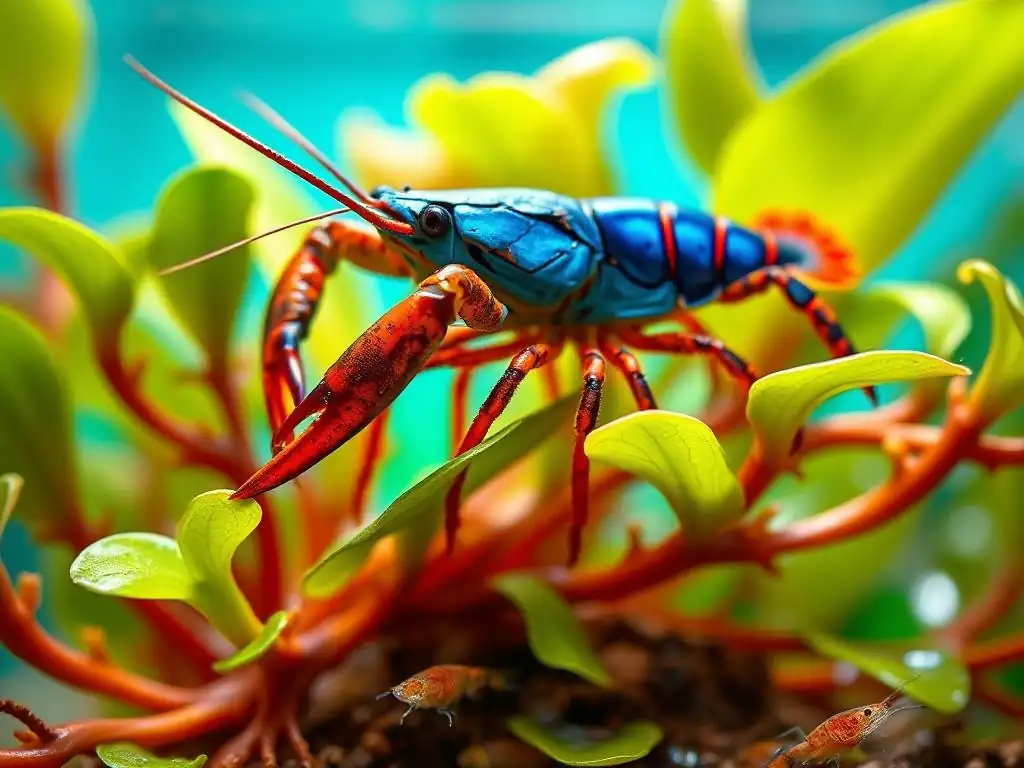
Maintaining Ideal Water Chemistry for Plant Growth and Crayfish Health
Achieving crayfish tank live plant harmony requires a delicate balance of water chemistry that supports both inhabitants. Stable water parameters are paramount; sudden fluctuations in pH, temperature, or hardness can stress both plants and crayfish, making the former more susceptible to damage and the latter more prone to destructive behavior. Plants require specific nutrients like nitrates, phosphates, and potassium, which should be present in appropriate concentrations without becoming toxic to crayfish.
For instance, a nitrate level between 5-20 ppm is generally beneficial for plant growth and safe for most crayfish. Maintaining this balance often involves regular testing and careful dosing of plant fertilizers, ensuring they are safe for invertebrates. A well-buffered system helps prevent drastic pH swings, providing a consistent environment that allows both plants to thrive and crayfish to remain healthy and less stressed.
The Importance of Proper Filtration and Water Changes
Effective filtration is a cornerstone of any healthy aquarium, and it is especially critical in a tank housing both crayfish and live plants. A robust filtration system (mechanical, biological, and chemical) is essential for removing waste products from the crayfish, uneaten food, and any decaying plant matter. Crayfish can produce a significant bioload, and efficient filtration prevents the buildup of ammonia and nitrites, which are toxic to both plants and invertebrates.
Regular water changes are equally vital. Performing weekly water changes of 25-30% helps replenish essential trace minerals consumed by plants and removes accumulated nitrates and other dissolved solids. Clean, stable water reduces stress on the crayfish, promoting healthy molting, and provides optimal conditions for plant growth, thereby enhancing the likelihood of crayfish tank live plant harmony.
Recommended Water Parameters: pH, Temperature, and Hardness
For many common freshwater crayfish species and the hardy plants recommended for their tanks, specific water parameters are ideal. A pH range of 6.5 to 7.5 is generally suitable, providing a slightly acidic to neutral environment that accommodates both. Temperatures between 68-78°F (20-25.5°C) are typically well-tolerated by both crayfish and most common aquarium plants.
Water hardness, measured as General Hardness (GH) and Carbonate Hardness (KH), is also important. Many crayfish species prefer moderately hard water (GH 8-15 dGH, KH 5-10 dKH) as the minerals are crucial for healthy molting and carapace formation. Fortunately, many robust plant species, such as Anubias and Java Fern, also thrive in these conditions, making it easier to maintain a balanced environment conducive to crayfish tank live plant harmony.
Observing and Adapting: Monitoring the Crayfish-Plant Dynamic
Identifying Signs of Plant Damage and Adjusting Strategies
Continuous observation is key to maintaining crayfish tank live plant harmony. Aquarists must regularly inspect their plants for signs of damage. These signs can include torn or chewed leaves, stems that appear to have been snipped, or plants that have been uprooted from the substrate. Early detection allows for prompt intervention before widespread destruction occurs.
If specific plants are consistently targeted, it's an indication that the current strategy needs adjustment. This might involve increasing the frequency or amount of food provided to the crayfish, relocating the plant to a less accessible area, or even replacing it with a hardier species. For example, if a plant is repeatedly uprooted, adding more heavy rocks around its base or utilizing a plant guard could be the solution.
Introducing New Plants Gradually: Assessing Crayfish Behavior
When adding new plants to a crayfish tank, it's advisable to do so gradually, introducing one or two plants at a time rather than a large batch. This allows the aquarist to observe the crayfish's reaction to the new additions without risking an entire aquascape. Some crayfish might ignore a new plant, while others might immediately show interest.
By introducing plants incrementally, you can assess which species are most vulnerable to your specific crayfish's behavior. If a newly introduced plant is quickly attacked or uprooted, it's a clear signal that it's not suitable for that particular tank setup. This method helps refine your plant selection and design strategies over time, leading to more successful crayfish tank live plant harmony.
Creating a Sustainable Ecosystem: Long-Term Management
Achieving crayfish tank live plant harmony is not a one-time setup but an ongoing process of management and adaptation. A truly sustainable ecosystem requires continuous attention to the dynamic interaction between the crayfish and the plants. This includes regular maintenance tasks such as consistent feeding, monitoring water parameters, and performing routine water changes.
Furthermore, aquarists should be prepared to make adjustments as the crayfish grows or its behavior changes. This might involve repositioning hardscape, replacing plants that prove too delicate, or even adjusting the crayfish's diet if plant damage persists. Long-term success hinges on flexibility and a commitment to providing an environment where both plants and crayfish can coexist and thrive.
Alternative Solutions: Plant Substitutes and Creative Aquascaping
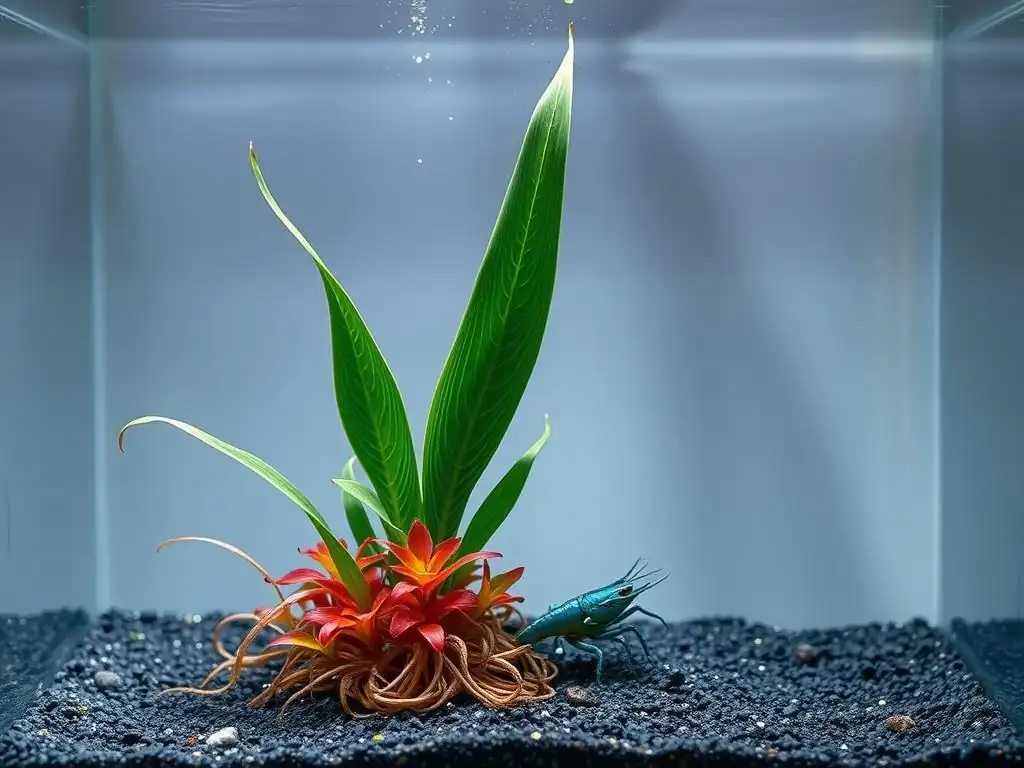
Exploring Artificial Plants: Realistic and Durable Options
For aquarists who find it challenging to maintain live plants with their crayfish, or for those housing particularly destructive species, high-quality artificial plants offer a viable and durable alternative. Modern artificial plants are often crafted with impressive realism, mimicking the appearance and texture of natural flora without any of the maintenance requirements or the risk of being consumed or uprooted.
The benefits of artificial plants are numerous: they require no specific lighting or nutrient conditions, they are impervious to crayfish attacks, and they are easy to clean. While they do not offer the biological filtration or oxygenation benefits of live plants, they provide the desired aesthetic appeal and hiding spots, ensuring the crayfish still has a visually stimulating and secure environment.
Aquascaping with Rocks and Wood: Creating a Naturalistic Environment
Even without an abundance of live plants, it is entirely possible to create a beautiful and naturalistic environment for crayfish by focusing on hardscaping elements. Rocks and driftwood can be arranged creatively to form intricate landscapes that provide ample hiding spots, climbing structures, and visual interest. These elements mimic the natural rocky crevices and submerged branches found in many crayfish habitats.
Using various sizes and shapes of rocks and wood allows for the creation of multi-layered environments, including caves, ledges, and tunnels. These structures are not only aesthetically pleasing but also highly functional for crayfish, offering security, exploration opportunities, and ideal places for molting. This approach can achieve a naturalistic appeal even when crayfish tank live plant harmony proves elusive.
Aquascaping Ideas: Caves, Tunnels, and Elevated Platforms
Creative aquascaping with hardscape can transform a crayfish tank into an engaging habitat. Building caves and tunnels using stacked rocks or hollowed-out driftwood provides essential security and privacy for crayfish, especially during their vulnerable molting periods. These dark, enclosed spaces are crucial for reducing stress and preventing injury from tank mates.
Elevated platforms, such as flat, sturdy rocks or pieces of wood raised on pillars, can add vertical dimension to the tank. While not directly for plants, these can be used to create distinct zones or simply add visual interest. In some cases, small, potted, extremely hardy plants might be placed on such elevated platforms, potentially keeping them out of the crayfish's direct reach, offering a novel approach to achieving a degree of crayfish tank live plant harmony.
Success Stories: Achieving Crayfish Tank Live Plant Harmony
Case Studies: Planted Crayfish Tanks with Specific Setups
Numerous aquarists have successfully achieved crayfish tank live plant harmony through careful planning and diligent maintenance. Consider a 20-gallon long aquarium housing a single Mexican Dwarf Crayfish ( Cambarellus patzcuarensis). The tank is densely planted with Anubias nana attached to driftwood, Java Fern rhizomes tied to lava rock, and a thick mat of Dwarf Water Lettuce floating on the surface. The substrate is fine sand, making digging less appealing.
This setup has been maintained for over 18 months with minimal plant damage. The crayfish is fed high-quality sinking pellets every other day, supplemented with blanched zucchini once a week. Weekly 25% water changes keep parameters stable at pH 7.0 and GH 10. The abundant hardscape provides ample hiding spots, diverting the crayfish's attention from the robust plants, showcasing a thriving example of crayfish tank live plant harmony.
Tips and Tricks from Experienced Aquarists
Experienced aquarists offer valuable insights for achieving crayfish tank live plant harmony. A common piece of advice is to "always overfeed your crayfish a little if you want plants to survive – a full crayfish is a happy crayfish, not a hungry one." This strategy emphasizes meeting their nutritional needs to reduce their incentive to graze on plants.
Another crucial tip is to "choose mature, established plants over young, tender ones." Older plants possess stronger root systems and tougher leaves, making them more resilient to crayfish attention. Additionally, "provide plenty of alternative climbing structures and hiding spots" such as rocks and driftwood. These elements offer enrichment and diversion, drawing the crayfish's focus away from the vegetation and towards more appropriate exploration.
Conclusion: Finding the Right Balance for Your Crayfish and Live Plant Aquarium
Recap of Key Considerations for Planted Crayfish Tanks
Achieving crayfish tank live plant harmony is a challenging yet rewarding endeavor that hinges on several key considerations. Foremost among these is species selection, with smaller, less destructive dwarf crayfish being the most compatible. Plant choice is equally vital, favoring hardy species with tough leaves and robust root systems, or those that can be floated or attached to hardscape. Proper and consistent feeding of the crayfish is paramount to reduce their inclination to consume plants.
Furthermore, strategic hardscaping, utilizing rocks and wood to create barriers and hiding spots, plays a crucial role in protecting plants and enriching the crayfish's environment. Maintaining stable and appropriate water parameters through diligent filtration and regular water changes ensures the health of both plants and invertebrates. Finally, continuous observation and a willingness to adapt strategies are essential for long-term success.
Encouraging Responsible Aquascaping and Animal Husbandry
Ultimately, the journey towards crayfish tank live plant harmony is a testament to responsible aquascaping and animal husbandry. It requires patience, research, and a commitment to understanding the specific needs and behaviors of your aquatic inhabitants. By carefully planning your tank, selecting appropriate species, and providing a stimulating yet safe environment, you can create a beautiful and thriving ecosystem.
While challenges may arise, the satisfaction of witnessing a balanced aquarium where both crayfish and live plants flourish is immensely rewarding. This detailed approach ensures that the aquarium is not only aesthetically pleasing but also a functional and enriching habitat, promoting the well-being of the crayfish and the longevity of the planted aquascape.
Frequently Asked Questions
Can crayfish and live plants actually coexist in a tank?
Yes, it's possible, but requires careful planning and plant selection. Certain hardier plant species are more likely to survive a crayfish's foraging habits.
What types of live plants are most likely to survive in a crayfish tank?
Plants with tough leaves and strong root systems are your best bet. Examples include Anubias, Java Fern, and Amazon Swords, all known for their resilience.
How can I protect live plants from being uprooted or eaten by crayfish?
Use plant protectors or create barriers around the base of the plants. Also, provide the crayfish with plenty of other food sources to reduce their interest in the plants.
What water parameters are ideal for both crayfish and live plants?
Generally, a pH between 6.5 and 7.5, and a temperature between 70-78°F (stable water parameters) are suitable. Regular water changes are crucial for maintaining healthy conditions.
What are the potential benefits of having live plants in a crayfish tank?
Live plants can improve water quality by absorbing nitrates, provide hiding places for crayfish, and enhance the aesthetic appeal of the aquarium.
Final Reflection: Cultivating Harmony in the Aquatic Realm
The exploration of crayfish and live plant compatibility reveals a microcosm of the broader challenges we face in creating sustainable ecosystems. What began as a simple question of aquarium aesthetics has unveiled a complex interplay of behavior, environment, and careful planning, demonstrating that even seemingly incompatible elements can coexist with mindful intervention. This delicate balance, achieved through research and understanding, mirrors our own responsibility to foster harmony in the larger world around us.
The journey into the world of crayfish and live plants has profoundly impacted my understanding of the interconnectedness of life within even the smallest of environments. It's a reminder that every action, every choice, has a ripple effect. The best time to plant a tree was 20 years ago. The second best time is now.
This ancient proverb resonates deeply, urging us to actively cultivate environments, both aquatic and terrestrial, where life can flourish.
Now, consider your own role in fostering harmony. Whether you're an aquarist, a gardener, or simply a citizen of the world, I invite you to reflect on the principles of balance and understanding we've explored. How can you apply these lessons to create more sustainable, thriving environments in your own life and community? Embrace the challenge, experiment with intention, and cultivate a future where even the most unlikely pairings can find a way to coexist and thrive.
Cultivate Your Aquatic Ecosystem: Dive Deeper Now!
Thank you for exploring the world of crayfish and live plants! We hope you’ve found valuable insights into creating a balanced aquarium. Now, it's time to put that knowledge into action and elevate your aquarium experience.
Here’s how you can get started:
- Implement a strategic planting plan for your aquarium. Select hardier species and use protective measures like plant guards to safeguard your flora from hungry crayfish.
- Share your experiences! Join our forum at Aquarium Mastery to discuss your successes (and failures!) with keeping crayfish and live plants together. Your knowledge can help others succeed!
- Experiment with crayfish-friendly decorations. Introduce more rockwork and hiding places to provide a sense of security and reduce the crayfish's need to "redecorate" by uprooting plants.
What innovative plant protection methods will you try in your crayfish tank?