
The Ultimate Mbuna Diet Guide: What Herbivorous Cichlids Really Crave

Welcome to Aquarium Mastery!
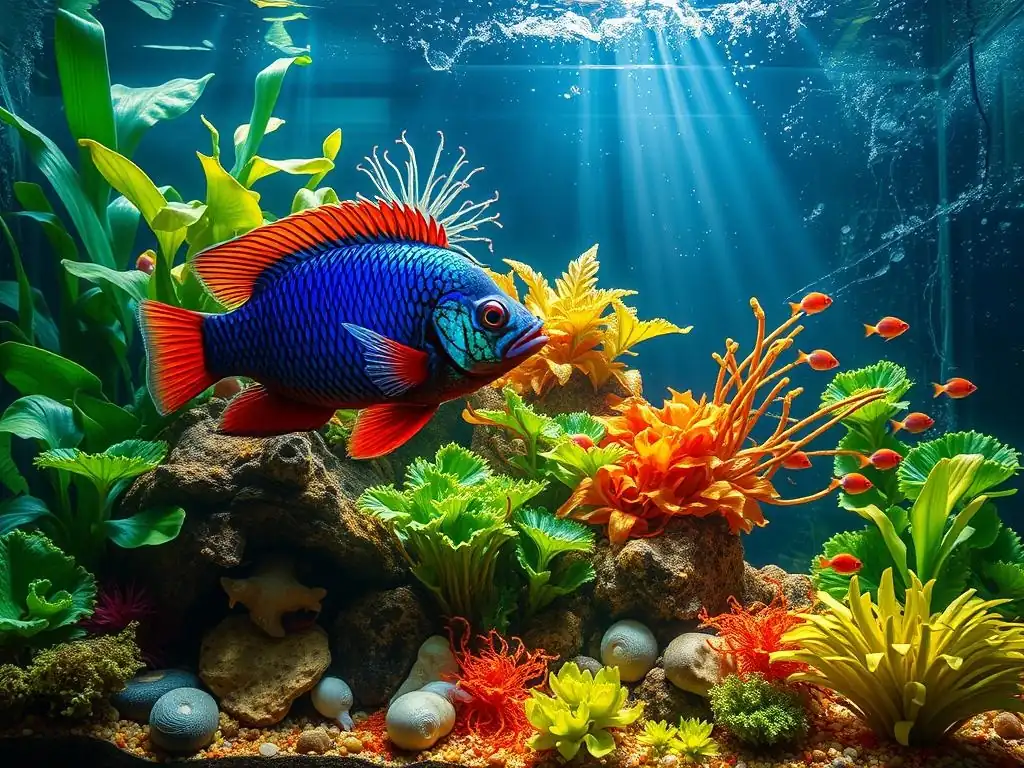
Ever wondered if you're really feeding your Mbuna cichlids the right diet? Dive into our comprehensive Mbuna Herbivore Diet Guide and unlock the secrets to vibrant colors and thriving health for your underwater companions. This isn't just about flakes and pellets – discover the nuances of their herbivorous needs and create a feeding schedule that will transform your aquarium. Ready to become an Mbuna feeding expert? Let's get started!
- Understanding the Dietary Needs of Mbuna Cichlids
- Key Components of a Healthy Mbuna Herbivore Diet
- Creating a Balanced Mbuna Feeding Schedule
- Foods to Absolutely Avoid Feeding Mbuna Cichlids
- Practical Tips for Feeding Your Mbuna
- DIY Mbuna Food Options: Recipes and Considerations
- Frequently Asked Questions About Mbuna Herbivore Diets
- Conclusion: Mastering the Mbuna Herbivore Diet for Thriving Cichlids
- Frequently Asked Questions
- Final Reflection: Cultivating Vibrant Mbuna Through Informed Feeding
- Unleash the Vibrant Colors of Your Mbuna!
Understanding the Dietary Needs of Mbuna Cichlids
Why a Herbivorous Diet is Crucial for Mbuna Health
Mbuna cichlids, originating from the rocky shores of Lake Malawi in East Africa, are primarily herbivores by nature. Their natural diet consists predominantly of "aufwuchs," a German term referring to the periphyton layer of algae and microscopic organisms that grow on rocks.
This unique feeding strategy has shaped their digestive systems, which are characterized by a long, coiled intestinal tract, sometimes measuring 5 to 6 times their body length. This extended digestive system is specifically adapted to efficiently process fibrous plant matter and extract nutrients from low-density food sources, making a high-fiber, plant-based Mbuna herbivore diet guide essential for their physiological well-being.
Deviating from this specialized herbivorous diet can have severe health repercussions for Mbuna. Their digestive enzymes and gut flora are optimized for breaking down complex carbohydrates and plant proteins, not animal fats or high concentrations of animal protein. When fed an inappropriate diet, their digestive system struggles, leading to poor nutrient absorption, inflammation, and a weakened immune response. A proper Mbuna herbivore diet guide emphasizes foods that mirror their natural intake, ensuring their internal systems function optimally and they remain vibrant and healthy in the aquarium environment.
The Impact of Incorrect Diet on Mbuna Cichlids
Feeding Mbuna cichlids a diet rich in animal protein or fats, such as bloodworms, beef heart, or flakes designed for omnivores, is a primary cause of several severe health issues. The most notorious and often fatal condition is "Malawi bloat." This condition, while not fully understood, is strongly linked to dietary indiscretion, where indigestible proteins and fats accumulate in the gut, leading to bacterial proliferation, gas buildup, and severe internal inflammation. Symptoms include loss of appetite, swelling of the abdomen, white stringy feces, and rapid deterioration, with fatality rates often exceeding 70% in affected fish if not addressed promptly.
Beyond Malawi bloat, an incorrect diet can lead to chronic health problems that diminish the quality of life and shorten the lifespan of Mbuna. High-fat diets can cause fatty liver disease, impairing organ function and overall metabolism.
Nutritional deficiencies, resulting from a lack of essential plant-based nutrients, can lead to stunted growth, faded coloration, and a compromised immune system, making the fish susceptible to common aquarium diseases like Ich or bacterial infections. Therefore, understanding and implementing a strict Mbuna herbivore diet guide is paramount for preventing these serious health complications and ensuring the longevity and vitality of these fascinating cichlids.
Key Components of a Healthy Mbuna Herbivore Diet
Plant-Based Foods: The Foundation of Mbuna Nutrition
For Mbuna cichlids, plant-based foods form the absolute cornerstone of their nutrition, replicating the fibrous and nutrient-dense aufwuchs they consume in Lake Malawi. The high fiber content found in plant matter is crucial for maintaining proper gut motility, preventing constipation, and ensuring efficient digestion within their elongated intestinal tracts. Without sufficient fiber, their digestive systems can become sluggish, increasing the risk of bacterial imbalances and conditions like bloat. An effective Mbuna herbivore diet guide will always prioritize these plant-derived nutrients over any other food source.
Moreover, plant-based foods provide a rich spectrum of vitamins, minerals, and carotenoids essential for Mbuna's vibrant coloration, robust immune system, and overall vitality. For instance, carotenoids, often found in green and orange vegetables, are vital for enhancing the natural blues, yellows, and oranges characteristic of many Mbuna species. Offering a variety of plant-based options not only fulfills their nutritional requirements but also provides mental stimulation, mimicking their natural foraging behaviors in the wild as they graze on surfaces.
Algae: A Natural and Essential Food Source for Mbuna
Algae, particularly blue-green algae like spirulina, are perhaps the most vital component of a natural Mbuna herbivore diet guide. In their native habitat, Mbuna spend a significant portion of their day scraping and consuming the algal growth (aufwuchs) off rocks. This aufwuchs is not just algae; it's a complex biofilm containing diatoms, cyanobacteria, and a host of microscopic invertebrates, providing a comprehensive nutritional profile. Replicating this primary food source is critical for their digestive health and overall well-being.
While tank-grown algae can provide some supplemental grazing, it's often insufficient to meet their full nutritional needs. Therefore, high-quality commercial foods with a significant percentage of spirulina or other algae are indispensable. Spirulina, for example, is a superfood packed with plant-based protein (up to 60-70%), essential amino acids, B vitamins, iron, and potent antioxidants. Including algae-rich foods ensures that Mbuna receive the specific nutrients they are physiologically designed to process, promoting strong immune systems and vibrant coloration.
Leafy Greens: Supplementing with Vegetables for Mbuna
Supplementing the Mbuna herbivore diet guide with fresh, blanched leafy greens and certain vegetables is an excellent way to provide additional fiber, vitamins, and minerals. Suitable options include blanched zucchini slices, cucumber slices, spinach, romaine lettuce, and shelled peas. Blanching involves briefly boiling the vegetables (typically for 30-60 seconds) to soften them, making them more digestible and ensuring they sink in the aquarium. These vegetables offer a diverse range of nutrients that complement commercial foods and provide beneficial roughage.
When offering fresh vegetables, it's crucial to remove any uneaten portions within a few hours (typically 4-6 hours) to prevent them from decomposing and fouling the water, which can lead to dangerous ammonia and nitrite spikes. While vegetables are beneficial, they should be offered as a supplement, perhaps 2-3 times per week, rather than as a primary food source. They contribute to a well-rounded diet, providing natural sources of vitamins A and C, along with various trace elements, further supporting the robust health of your Mbuna cichlids.
Spirulina and Chlorella: Nutritional Powerhouses for Herbivorous Cichlids
Spirulina and Chlorella are two types of microalgae that are exceptionally nutrient-dense and highly beneficial for a Mbuna herbivore diet guide. Spirulina, a blue-green algae, is renowned for its remarkably high protein content (often exceeding 50% of its dry weight), which, despite being high, is plant-based and easily digestible for Mbuna. It's also rich in essential amino acids, B vitamins (B1, B2, B3, B6, B9), iron, magnesium, and powerful antioxidants like phycocyanin, which contributes to its blue-green color.
Chlorella, a green algae, provides a similar nutritional profile, including chlorophyll, which is believed to aid in detoxification and digestion. Both algae are known to boost the immune system, enhance natural coloration, and promote healthy digestion due to their fiber content and beneficial enzymes. Many high-quality commercial Mbuna foods feature spirulina and chlorella prominently in their ingredient lists, often making up 20% to 40% of the total composition, underscoring their importance as foundational elements in a well-formulated Mbuna herbivore diet guide.
High-Quality Mbuna Specific Pellets and Flakes
Analyzing the Ingredient List: What to Look For
Choosing high-quality Mbuna-specific pellets and flakes is paramount for a successful Mbuna herbivore diet guide. The first and most critical step is to scrutinize the ingredient list. The primary ingredients should always be plant-based. Look for terms like "spirulina," "algae meal," "wheat germ," "spinach," "peas," or other vegetable derivatives listed as the first few ingredients. Ideally, a significant portion, often 30% to 50% or more, should be dedicated to spirulina or other beneficial algae.
Avoid foods where fish meal, shrimp meal, or other animal proteins are listed as the first ingredients, especially if they constitute a large percentage. While some minimal animal protein might be present in a comprehensive aufwuchs, it should not be the dominant component in commercial foods for Mbuna. Furthermore, check for a balanced vitamin and mineral profile, ensuring the food provides all necessary micronutrients to support long-term health and vibrant coloration in your cichlids.
Avoiding Fillers and Harmful Additives in Mbuna Food
Just as important as identifying beneficial ingredients is recognizing and avoiding harmful fillers and additives in commercial Mbuna foods. Cheap fillers like cornmeal, soy meal (unless fermented or processed specifically for fish), or excessive amounts of wheat flour primarily serve to bulk up the food without offering significant nutritional value. These can be difficult for Mbuna to digest and may contribute to digestive upset or poor nutrient absorption. A good Mbuna herbivore diet guide emphasizes nutrient density over volume.
Furthermore, be wary of artificial colors and preservatives. While some color enhancers are natural (like astaxanthin from algae), synthetic dyes offer no nutritional benefit and can sometimes be detrimental. Look for natural preservatives like Vitamin E or C. Foods with a strong, unnatural odor or overly vibrant, artificial colors are often indicative of lower quality. Prioritizing natural, easily digestible ingredients ensures that your Mbuna receive the cleanest and most beneficial nutrition, minimizing the risk of diet-related health issues.
Creating a Balanced Mbuna Feeding Schedule
How Often to Feed Mbuna Cichlids
Establishing a consistent and appropriate feeding schedule is crucial for the health of Mbuna cichlids, complementing a comprehensive Mbuna herbivore diet guide. Generally, it is recommended to feed adult Mbuna small amounts two to three times per day. This frequency mimics their natural grazing behavior in Lake Malawi, where they constantly pick at aufwuchs throughout the day. Overfeeding in a single large meal can overwhelm their digestive system and lead to rapid water quality degradation, especially in densely stocked Mbuna tanks.
For juvenile Mbuna, more frequent, even smaller feedings, perhaps three to four times a day, can support their rapid growth and development. However, the key principle remains the same: provide only what they can consume entirely within 30 to 60 seconds. This short feeding window ensures that no excess food remains to decompose and pollute the water. Consistent timing also helps establish a routine, which can reduce stress and allow you to observe their feeding behavior closely for any signs of illness or changes in appetite.
Portion Control: Preventing Overfeeding in Mbuna Tanks
Portion control is arguably the most critical aspect of a successful Mbuna herbivore diet guide, as overfeeding is a leading cause of health issues and poor water quality. The general rule of thumb is to feed only an amount that the fish can completely consume within 30 to 60 seconds. For a typical Mbuna tank with 10-15 adult fish, this might translate to a pinch of flakes or a small spoonful of pellets, depending on the specific food's density. It's often better to underfeed slightly than to overfeed.
Excess food that settles on the substrate or gets trapped in decor will quickly decompose, releasing ammonia, nitrite, and nitrate into the water. This rapid increase in nitrogenous compounds stresses the fish, compromises their immune systems, and can lead to algae blooms and cloudy water. Regular monitoring of uneaten food and adjusting portion sizes accordingly is vital. If you consistently find food remaining after a minute, reduce the amount provided in subsequent feedings.
Varying the Diet: Keeping Mbuna Interested and Healthy
While a strict Mbuna herbivore diet guide is essential, variety within that framework is equally important to ensure a full spectrum of nutrients and to keep the fish stimulated. Relying solely on one type of pellet, even if high-quality, might lead to deficiencies over time or simply boredom for the fish. A varied diet can include a rotation of different high-quality spirulina flakes, spirulina-based pellets, and blanched fresh vegetables.
For instance, you might offer spirulina flakes in the morning, a different brand of spirulina pellets in the evening, and blanched zucchini or spinach 2-3 times per week. Some aquarists also incorporate specially formulated Mbuna wafer foods that are designed to be grazed upon. This diversity not only provides a broader range of vitamins, minerals, and trace elements but also mimics the varied natural foraging of aufwuchs, which itself is a complex mix of different algal species and microorganisms. A varied diet keeps your Mbuna engaged, healthy, and less prone to specific nutrient deficiencies.
Foods to Absolutely Avoid Feeding Mbuna Cichlids
The Dangers of High-Protein Foods for Mbuna
One of the most critical aspects of any Mbuna herbivore diet guide is understanding what not to feed these specialized cichlids. High-protein foods derived from animal sources, such as bloodworms, tubifex worms, beef heart, or flakes/pellets designed for carnivorous or omnivorous fish, are extremely dangerous for Mbuna. Their digestive systems are not equipped to efficiently process large amounts of animal protein and fat. When consumed, these foods can put immense strain on their kidneys and liver, and most critically, lead to severe gastrointestinal issues.
The primary danger is the onset of Malawi bloat, a condition often triggered by undigested animal proteins fermenting in their long intestinal tracts, leading to bacterial overgrowth and fatal internal blockages. Even seemingly harmless "treats" like occasional frozen bloodworms should be strictly avoided. The physiological makeup of Mbuna demands that their diet remains low in animal protein and high in plant matter to maintain optimal digestive health and prevent life-threatening conditions.
Avoiding Fatty Foods: Protecting Mbuna Liver Health
In addition to high protein, foods rich in animal fats pose a significant threat to Mbuna cichlids. Their digestive systems lack the necessary enzymes and metabolic pathways to efficiently break down and utilize these types of fats. Consequently, excessive fat intake can lead to a condition known as fatty liver disease (hepatic lipidosis), where fat accumulates in the liver cells, impairing its function. A compromised liver can lead to a cascade of health problems, including reduced detoxification capacity, poor nutrient metabolism, and a weakened immune system.
Foods like beef heart, certain types of seafood, or even some generic fish foods that are high in fat content should be completely excluded from a Mbuna herbivore diet guide. While some minimal amounts of beneficial plant-based fats are present in quality spirulina and vegetable matter, the saturated and animal-derived fats found in many common fish foods are detrimental. Protecting their liver health through a lean, plant-based diet is fundamental to the long-term well-being and longevity of your Mbuna.
Malawi bloat is the most dreaded and often fatal diet-related illness in Mbuna cichlids, and preventing it is a cornerstone of proper Mbuna care and any effective Mbuna herbivore diet guide. This condition is not a single disease but rather a complex syndrome often triggered by an inappropriate diet that disrupts the delicate balance of their gut flora and the function of their digestive tract. The primary culprits are high-protein, high-fat foods, but even overfeeding appropriate foods can contribute by overwhelming the system.
Symptoms of bloat include severe abdominal distension, loss of appetite, rapid breathing, reclusive behavior, and the expulsion of white, stringy feces. The underlying mechanism involves the proliferation of harmful bacteria in the gut, leading to gas production and inflammation, which can cause internal organ damage and even rupture. Strict adherence to a plant-based, high-fiber Mbuna herbivore diet, coupled with meticulous portion control and avoidance of all forbidden foods, is the most effective preventative measure against this devastating condition.
Practical Tips for Feeding Your Mbuna
Pre-Soaking Pellets: Improving Digestibility for Mbuna
Pre-soaking dry pellets before feeding them to your Mbuna cichlids is a simple yet highly beneficial practice that significantly improves their digestibility. Dry pellets expand considerably when they absorb water, and if this expansion happens inside the fish's stomach, it can lead to discomfort, bloating, and even contribute to conditions like Malawi bloat. By pre-soaking, you allow the pellets to fully expand and soften before ingestion.
To pre-soak, simply place the desired portion of pellets in a small cup with a few drops of tank water or dechlorinated tap water for about 5-10 minutes. The pellets will visibly swell and soften. This process makes the food easier for the Mbuna to digest, reduces the risk of internal blockages, and ensures they absorb nutrients more efficiently. It's a small step that can make a big difference in the long-term health and well-being of your fish, aligning perfectly with a thoughtful Mbuna herbivore diet guide.
Using Feeding Clips for Vegetables: Minimizing Mess
When incorporating blanched leafy greens or sliced vegetables into your Mbuna herbivore diet guide, using a feeding clip is an excellent way to minimize mess and ensure the food remains accessible to your fish. Vegetables, once blanched, can still float or drift around the tank, making them difficult for the Mbuna to graze on and potentially scattering pieces throughout the aquarium. A feeding clip, typically with a suction cup, allows you to securely attach the vegetable to the aquarium glass.
This method ensures the vegetable stays in one place, allowing the Mbuna to comfortably graze on it as they would naturally on aufwuchs-covered rocks. It also makes it easier to monitor how much is being consumed and to remove any uneaten portions promptly, preventing them from decomposing and fouling the water. Feeding clips are inexpensive and highly effective tools for delivering fresh plant matter in a clean and efficient manner, making them a valuable addition to your feeding routine.
Observing Feeding Behavior: Identifying Potential Issues
Observing your Mbuna's feeding behavior is a critical aspect of their ongoing care and an integral part of any comprehensive Mbuna herbivore diet guide. Healthy Mbuna are typically voracious eaters, approaching food eagerly and displaying active foraging behavior. Any significant deviation from this norm can be an early indicator of health issues, often diet-related. Watch for fish that refuse to eat, spit out food, appear lethargic during feeding times, or hide.
Changes in feeding behavior can signal the onset of bloat, internal parasites, or other illnesses. For example, a fish that normally eats vigorously but suddenly becomes disinterested or passes white, stringy feces might be experiencing early stages of bloat. Regular observation during feeding allows for prompt intervention, potentially saving the fish's life. It also helps you fine-tune portion sizes and ensure that all fish in the tank are getting enough to eat without overfeeding the others.
DIY Mbuna Food Options: Recipes and Considerations
Creating Homemade Vegetable-Based Mbuna Food
For dedicated aquarists, creating homemade vegetable-based Mbuna food can be an excellent way to ensure complete control over ingredients and provide a fresh, highly nutritious supplement to a commercial Mbuna herbivore diet guide. A basic recipe might involve blanching a mix of suitable vegetables like spinach, zucchini, peas (shelled), and spirulina powder. The key is to blend these ingredients into a paste and then form them into a consistency that can be easily consumed by your fish.
A common approach involves blending the blanched vegetables with a small amount of agar-agar or unflavored gelatin as a binder, along with high-quality spirulina powder. The mixture can then be spread thinly on a baking sheet and frozen, then broken into pieces, or pressed into small molds before freezing. This allows for convenient portioning.
Always ensure that all ingredients are fresh, free from pesticides, and appropriate for Mbuna. While homemade food can be highly beneficial, it should be used as a supplement to a high-quality commercial Mbuna food, not as a complete replacement, to ensure all micronutrient requirements are consistently met.
Frequently Asked Questions About Mbuna Herbivore Diets
The Link Between Diet and Water Quality in Mbuna Tanks
The diet provided to your Mbuna cichlids has a profound and direct impact on the water quality of their aquarium. A proper Mbuna herbivore diet guide, emphasizing plant-based foods and strict portion control, is crucial for maintaining pristine water parameters. When Mbuna are fed inappropriate foods (e.g., high protein/fat) or are overfed, they produce more waste, and the food itself decomposes rapidly if uneaten. This leads to an increase in ammonia, nitrites, and nitrates – toxic compounds that stress fish and can lead to severe health issues or even death.
Conversely, a well-managed herbivorous diet results in less waste product from the fish and less uneaten food. The fibrous plant matter in their diet is processed more efficiently, leading to firmer, less polluting waste. This reduces the bioload on the filtration system and helps keep the water clearer and more stable. Maintaining excellent water quality through responsible feeding practices is not just about aesthetics; it's fundamental to preventing disease and ensuring the long-term health and vitality of your Mbuna cichlids.
Regular Water Changes: Minimizing Waste from Food
Even with the most meticulously followed Mbuna herbivore diet guide and perfect portion control, waste products from fish metabolism and food will accumulate in the aquarium water over time. This makes regular water changes an indispensable practice for maintaining a healthy Mbuna environment. Water changes dilute accumulated nitrates, phosphates, and other dissolved organic compounds that can lead to algae growth, foul odors, and stress for your fish.
For a typical Mbuna setup, a weekly water change of 25% to 50% is often recommended, depending on stocking density and filtration efficiency. During a water change, it's also an excellent opportunity to siphon any uneaten food or detritus from the substrate, further reducing the organic load. Consistent water changes, combined with a proper Mbuna herbivore diet, create a stable and healthy aquatic environment, minimizing the negative impacts of food waste and ensuring optimal conditions for your cichlids.
Choosing the Right Filtration for a Mbuna Herbivore Tank
The type and capacity of filtration are critical for a Mbuna cichlid tank, especially considering their active metabolism and the waste generated even with a proper Mbuna herbivore diet. A robust filtration system is essential for efficiently processing ammonia and nitrites into less harmful nitrates (biological filtration), removing particulate matter (mechanical filtration), and absorbing dissolved organic compounds (chemical filtration). For Mbuna tanks, often densely stocked, canister filters or large hang-on-back (HOB) filters are highly recommended.
Canister filters, with their large media capacities, excel at all three types of filtration. They provide ample space for biological media (like ceramic rings or bio-balls) to house beneficial bacteria, mechanical media (sponges, filter floss) to trap debris, and chemical media (activated carbon, Purigen) to remove odors and discoloration. Over-filtering is generally beneficial for Mbuna tanks. Aim for a filter that can process the tank's volume at least 5-10 times per hour. Proper filtration, coupled with a strict Mbuna herbivore diet guide, creates a stable and clean environment, significantly contributing to the health and longevity of your cichlids.
Conclusion: Mastering the Mbuna Herbivore Diet for Thriving Cichlids
Frequently Asked Questions
What is an Mbuna and why is its diet so important?
Mbuna are a group of herbivorous cichlids from Lake Malawi known for their vibrant colors and active behavior. Their diet is crucial because they are prone to bloat if fed incorrectly, leading to serious health issues.
What are the best ingredients for a Mbuna herbivore diet?
The ideal Mbuna diet consists of plant-based foods like spirulina, algae wafers, blanched vegetables (zucchini, spinach), and specialized herbivore cichlid pellets. Avoid animal protein, which can cause digestive problems.
How often should I feed my Mbuna?
Feed your Mbuna small portions two to three times a day. They are constant grazers, so overfeeding can quickly lead to water quality issues and obesity.
What foods should I absolutely avoid feeding my Mbuna?
Avoid feeding Mbuna foods high in animal protein, such as bloodworms, beef heart, or tubifex worms. These can cause severe digestive problems and bloat, which can be fatal.
How can I ensure my Mbuna are getting a balanced diet?
Offer a variety of high-quality plant-based foods and supplement with vitamins and minerals. Regularly monitor your fish for signs of bloating or malnutrition, and adjust their diet accordingly to maintain a healthy balance.
Final Reflection: Cultivating Vibrant Mbuna Through Informed Feeding
The journey through crafting the ultimate Mbuna herbivore diet guide underscores the crucial link between informed feeding and the flourishing health of these vibrant cichlids. Understanding their specific dietary needs isn't just about keeping them alive; it's about unlocking their full potential, showcasing their brilliant colors, and fostering a thriving aquatic ecosystem within our own homes.
This exploration has highlighted how deeply intertwined the Mbuna's well-being is with the delicate balance of their natural diet. Recognizing this connection has profoundly shifted my perspective on aquarium keeping, moving beyond mere maintenance to a deeper appreciation of the responsibility we hold as stewards of these creatures. The greatness of a nation and its moral progress can be judged by the way its animals are treated.
- Mahatma Gandhi. This quote, while broad, resonates deeply with the ethos of responsible Mbuna keeping; their care reflects our own capacity for empathy and understanding.
Now, armed with this knowledge, I invite you to reflect on your own approach to Mbuna care. Are you truly providing them with the nourishment they crave? Consider the long-term impact of your choices and strive to create an environment where these magnificent fish can truly thrive. Let's commit to becoming more informed and compassionate aquarists, ensuring a vibrant future for our Mbuna and a richer experience for ourselves.
Unleash the Vibrant Colors of Your Mbuna!
Thanks for diving deep into the world of Mbuna diets! We hope this guide has equipped you with the knowledge to keep your cichlids healthy and thriving. Now, let's put that knowledge into action!
Here's how you can take the next step:
- Start assessing your current Mbuna's diet. Is it primarily plant-based? Note any necessary adjustments based on what you've learned.
- Explore less common, naturally sourced food options like spirulina flakes or dried seaweed sheets for a nutritional boost.
- Share this guide with fellow cichlid enthusiasts to spread the knowledge and help improve the lives of Mbuna everywhere!
What unique feeding strategy have you found most successful in keeping your Mbuna vibrant and healthy?