
Orange Sunkist & Pumpkin Neocaridina: Brightening Your Tank with Citrus Shades

Welcome to Aquarium Mastery!
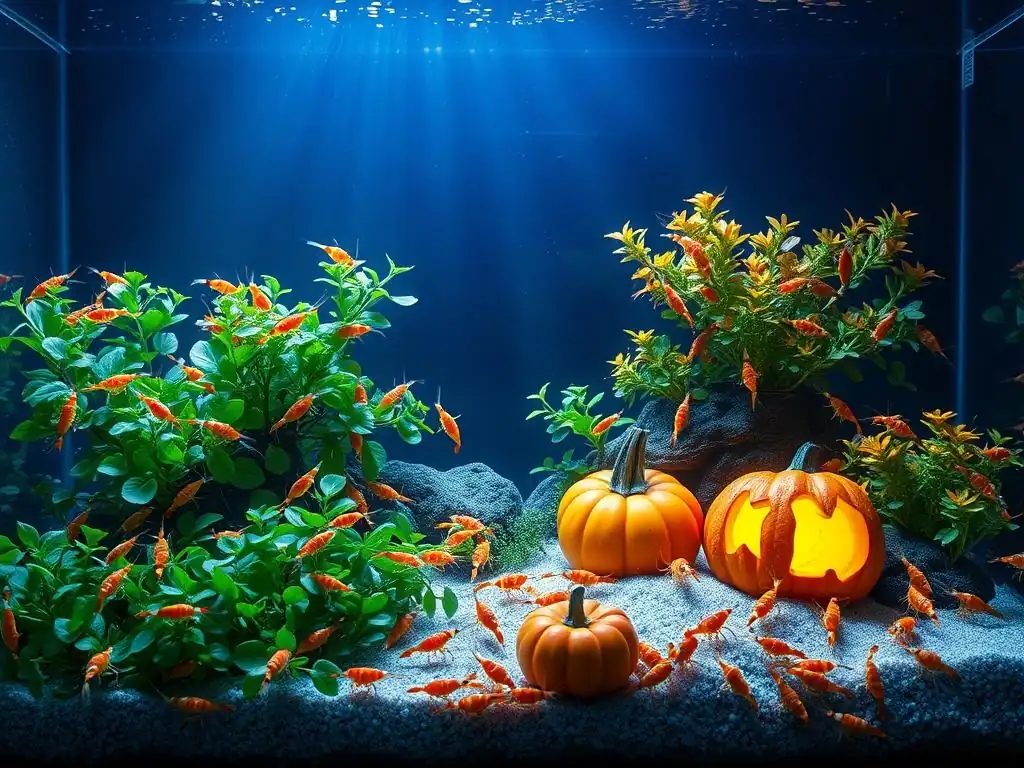
Ever wondered how to add a splash of sunshine to your underwater world? Dive in and discover the secrets to vibrant, thriving colonies with our comprehensive guide to Neocaridina orange shrimp care. From selecting the perfect tank mates to maintaining optimal water parameters, we'll unlock the secrets to keeping these little citrus gems happy and healthy. Get ready to brighten your aquarium and learn everything you need to know to successfully raise these captivating creatures. Let the adventure begin!
- Tangerine Tiger & Pumpkin Shrimp: Vibrant Additions to Your Aquarium
- Understanding Neocaridina Shrimp Varieties
- Optimal Neocaridina Shrimp Care: A Detailed Guide
- Breeding Neocaridina: Maximizing Color and Health
- Common Issues and Troubleshooting for Shrimp Keepers
- Enhancing Color in Neocaridina Shrimp: Tips and Tricks
- Where to Buy Healthy Neocaridina Shrimp
- Conclusion: Mastering Neocaridina Shrimp Care for a Vibrant Aquarium
-
Frequently Asked Questions
- What are the ideal water parameters for Neocaridina orange shrimp?
- How often should I feed my Orange Sunkist and Pumpkin Neocaridina shrimp?
- What tank size is recommended for a colony of Neocaridina orange shrimp?
- What are some good tank mates for Neocaridina orange shrimp?
- How can I encourage breeding in my Orange Sunkist and Pumpkin Neocaridina shrimp?
- Final Reflection: Embracing the Vibrant Spectrum of Life
- Ignite Your Aquarium: Dive into Vibrant Colors Now!
Tangerine Tiger & Pumpkin Shrimp: Vibrant Additions to Your Aquarium
Understanding Neocaridina Shrimp Varieties
Distinguishing Tangerine Tiger from Pumpkin Shrimp
While both Tangerine Tiger and Pumpkin Shrimp contribute vibrant orange hues to an aquarium, they often represent distinct lines within the Neocaridina davidi species, or in the case of some "Tangerine Tiger" variants, can even be a different species entirely (Caridina cantonensis). True Pumpkin Shrimp, also widely known as "Orange Sunkist Neocaridina," are selectively bred Neocaridina davidi known for their solid, opaque orange coloration that covers their entire body. Their color is typically a uniform, rich pumpkin-orange, making them highly sought after for their bright, consistent appearance, and they are a prime example of successful Neocaridina orange shrimp care.
Tangerine Tiger Shrimp, on the other hand, can sometimes refer to a specific Neocaridina davidi variant that exhibits a slightly less opaque orange with subtle banding or stripes, resembling a tiger's pattern, or a more translucent orange. However, the term "Tangerine Tiger" is more commonly associated with a specific Caridina species (Caridina mariae) which displays distinct dark stripes over a translucent orange or brownish body.
When discussing Neocaridina orange shrimp care, it's crucial to clarify which type of "Tangerine Tiger" is being referred to, as Caridina species often have different water parameter requirements compared to the hardier Neocaridina davidi. For the purpose of this guide, we will focus on the Neocaridina davidi varieties of orange shrimp.
Genetic Factors Influencing Neocaridina Shrimp Coloration
The vibrant coloration seen in Neocaridina shrimp, including the striking orange of Pumpkin and Sunkist varieties, is primarily determined by genetic factors. Through generations of selective breeding, aquarists have isolated and intensified specific color mutations. This process involves carefully selecting shrimp with the most desirable color traits – such as a deep, uniform orange – and breeding them together, while culling individuals that exhibit less intense coloration or undesired patterns. This meticulous genetic management is essential for maintaining a stable and vibrant color line in a colony, directly impacting the quality of Neocaridina orange shrimp care.
However, even within a carefully bred line, genetic drift can occur, leading to "wild type" offspring (often brownish or translucent) if less desirable genes are present or if different color morphs are inadvertently bred together. For example, breeding a red Neocaridina with a yellow Neocaridina might result in orange offspring in the first generation, but subsequent generations could revert to less predictable or even "wild type" colors.
To preserve the brilliant orange, breeders focus on maintaining a pure genetic line, ensuring that the offspring consistently inherit the genes responsible for the desired vibrant orange pigment, which is a key aspect of advanced Neocaridina orange shrimp care.
Identifying High-Quality Shrimp for Breeding
Identifying high-quality Neocaridina shrimp is paramount for successful breeding programs and for ensuring a healthy, vibrant colony. Healthy shrimp are active, constantly grazing on surfaces, and exhibit a full, opaque coloration consistent with their type – for orange varieties, this means a deep, uniform orange without transparent patches (unless that is the desired trait for a specific translucent orange type).
Look for shrimp with intact antennae and legs, clear exoskeletons free of blemishes or fungal growths, and no signs of lethargy or unusual swimming patterns. Females, typically larger than males (around 1 to 1.5 inches for adults), should display a visible "saddle" (unfertilized eggs in the ovaries) behind their head, indicating their readiness to breed.
For optimal breeding outcomes, it is also beneficial to acquire shrimp from a reputable source that can provide information about their breeding practices and water parameters. This helps ensure genetic diversity within your initial stock, preventing issues related to inbreeding depression such as reduced fertility or smaller, weaker offspring.
A good starting colony typically consists of 10-20 individuals to establish a healthy gene pool. Observing the shrimp in the seller's tank for active movement and bright colors for at least 15-20 minutes can provide a good indication of their overall health and vitality, which are foundational to excellent Neocaridina orange shrimp care.
Optimal Neocaridina Shrimp Care: A Detailed Guide
Setting Up the Ideal Shrimp Tank Environment
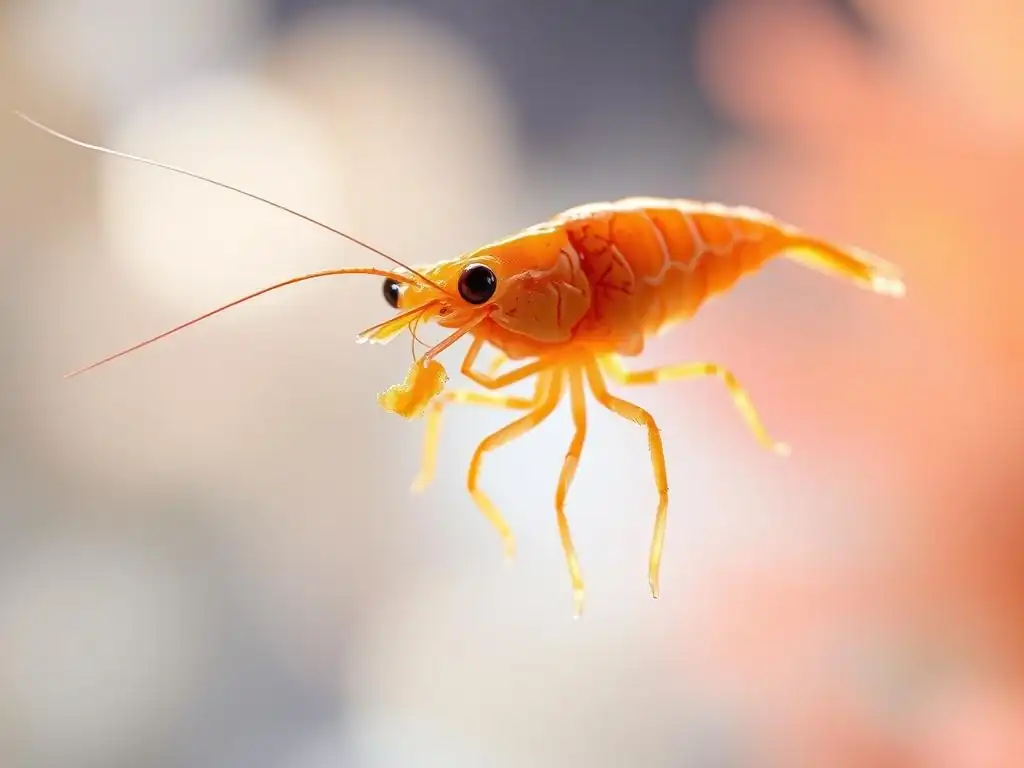
Establishing the correct environment is the cornerstone of successful Neocaridina orange shrimp care, directly influencing their health, growth, and breeding success. A well-cycled aquarium is non-negotiable; the nitrogen cycle must be fully established, meaning ammonia and nitrite levels are consistently at 0 parts per million (ppm), and nitrates are kept below 20 ppm. This stability prevents toxic spikes that are highly detrimental to sensitive invertebrates like shrimp. Beyond chemical stability, the physical setup must cater to their natural behaviors, providing ample surfaces for grazing and safe havens for molting and shrimplet survival.
The overall environment should be calm and consistent, minimizing stress factors. This includes avoiding rapid changes in water parameters, providing a steady temperature, and ensuring a gentle filtration system that won't harm tiny shrimplets. A mature tank, which has been running for several months and has a rich biofilm layer, is often preferred for introducing shrimp, as biofilm serves as a primary food source for both adults and newly hatched shrimplets. Optimal Neocaridina orange shrimp care begins long before the shrimp are even introduced to their new home.
Tank Size Recommendations for Neocaridina Colonies
While Neocaridina shrimp are small, a stable environment is crucial, making tank size an important consideration for Neocaridina orange shrimp care. A 5-gallon (approximately 19 liters) aquarium can adequately house a small starter colony of 10-15 Neocaridina shrimp. This size offers enough water volume to maintain relatively stable parameters, provided regular maintenance is performed. However, for a thriving, self-sustaining colony that will grow in numbers, a 10-gallon (approximately 38 liters) tank is generally recommended as a minimum.
A 10-gallon tank provides greater water volume, which inherently offers more stability against parameter fluctuations and allows for a larger population of shrimp, potentially up to 50-100 adults with proper filtration and feeding. Larger tanks (20 gallons or more) offer even greater stability and space, making them ideal for serious breeders or those looking to house a very large colony. The increased surface area in larger tanks also supports more biofilm growth, a natural food source for shrimp, contributing significantly to their overall well-being and ease of Neocaridina orange shrimp care.
Essential Substrate and Decoration for Shrimp
The choice of substrate and decorations plays a dual role in Neocaridina orange shrimp care: providing an optimal habitat and enhancing the visual appeal of the orange coloration. An inert substrate, such as fine gravel or sand, is ideal for Neocaridina davidi as it does not alter water parameters. Many aquarists prefer dark-colored substrates, like black sand or dark gravel, because they create a stark contrast that makes the vibrant orange of Pumpkin or Sunkist shrimp truly pop, making their colors appear even more intense. Avoid sharp-edged substrates that could potentially injure delicate shrimp.
Decorations are vital for providing hiding spots, grazing surfaces, and areas for biofilm development. Live plants, especially those with fine leaves like Java moss (Taxiphyllum barbieri), Christmas moss (Vesicularia montagnei), or Anubias species, are excellent choices. Mosses provide intricate structures where shrimplets can hide from potential predators and where biofilm and micro-organisms thrive, offering a continuous food source. Cholla wood and Indian almond leaves (Terminalia catappa) are also highly beneficial; they release tannins that have mild anti-bacterial and anti-fungal properties, create a natural look, and are excellent surfaces for biofilm colonization, all contributing to effective Neocaridina orange shrimp care.
Water Parameters for Thriving Neocaridina Shrimp
Maintaining precise and stable water parameters is arguably the most critical aspect of Neocaridina orange shrimp care. These freshwater invertebrates thrive within specific ranges: a temperature of 68-78°F (20-25.5°C), though stable temperatures around 72-74°F (22-23°C) are often preferred for breeding. The pH should be maintained between 6.5 and 7.5, with slight alkalinity being generally well-tolerated. Importantly, the General Hardness (GH), which measures calcium and magnesium, should be 4-8 dGH, and Carbonate Hardness (KH), which buffers pH, should be 2-6 dKH. Total Dissolved Solids (TDS) are typically kept between 150-250 ppm.
Beyond these specific parameters, it is absolutely essential that ammonia and nitrite levels are 0 ppm, and nitrates are kept below 20 ppm through regular water changes and effective filtration. Any presence of ammonia or nitrite can be lethal to shrimp. Additionally, heavy metals, particularly copper, are highly toxic to all invertebrates, so it's crucial to use a high-quality dechlorinator that neutralizes both chlorine and chloramines and binds heavy metals when performing water changes. Consistency in these parameters, rather than fluctuating values, is key to preventing stress, molting issues, and disease in your Neocaridina orange shrimp.
Maintaining Pristine Water Quality for Shrimp Health
Maintaining pristine water quality is a continuous effort and a non-negotiable part of effective Neocaridina orange shrimp care. Shrimp are highly sensitive to pollutants and sudden changes in their environment. Poor water quality can lead to stress, molting problems, disease outbreaks, and even mass mortalities within a colony. Regular monitoring and proactive measures are essential to ensure the longevity and vitality of your orange Neocaridina shrimp.
A stable and healthy aquatic environment is built upon consistent maintenance routines and a thorough understanding of the nitrogen cycle. This includes not only physical filtration to remove particulate matter but also robust biological filtration to process harmful nitrogenous compounds. Overlooking any aspect of water quality maintenance can quickly turn a thriving colony into a struggling one, emphasizing the delicate balance required for successful Neocaridina orange shrimp care.
Regular Water Changes and Filtration for Neocaridina
Regular water changes are fundamental to maintaining pristine water quality for Neocaridina shrimp. A typical schedule involves replacing 10-20% of the tank's water volume every one to two weeks, depending on stocking density and feeding habits.
It is crucial to perform these changes slowly using a drip acclimation method for the new water, especially if your tap water parameters differ significantly from your tank water, to prevent shocking the shrimp with sudden shifts in temperature, pH, or mineral content. Always use a dechlorinator to treat tap water before adding it to the tank, as chlorine and chloramines are toxic to shrimp.
For filtration, sponge filters are overwhelmingly recommended for Neocaridina orange shrimp care. Their gentle suction mechanism prevents tiny shrimplets from being sucked into the filter media, a common problem with hang-on-back or canister filters that have powerful intakes. Sponge filters also provide excellent biological filtration, offering a large surface area for beneficial bacteria to colonize, which are responsible for converting toxic ammonia and nitrite into less harmful nitrate. Some aquarists may also use small internal filters with pre-filter sponges over the intake for added mechanical filtration, ensuring the water remains clear and safe.
Monitoring and Adjusting Water Chemistry
Consistent monitoring of water chemistry is a proactive measure in Neocaridina orange shrimp care that helps detect potential issues before they become critical. Regular testing for ammonia, nitrite, and nitrate levels using a reliable liquid test kit should be a weekly routine. Ammonia and nitrite should always be undetectable (0 ppm), while nitrate should be kept below 20 ppm. Beyond the nitrogen cycle, monitoring pH, GH (General Hardness), and KH (Carbonate Hardness) is equally important, as these parameters directly impact shrimp health and molting success.
Should adjustments be necessary, they must be made gradually to avoid stressing the shrimp. If GH is too low, mineral supplements specifically designed for shrimp (e.g., SaltyShrimp GH+) can be used to remineralize reverse osmosis (RO) or distilled water, or to boost minerals in soft tap water. If pH is a concern, ensuring stable KH through mineral additions can help buffer it, though drastic pH changes should be avoided. Never use chemicals that promise rapid parameter shifts, as these can be highly detrimental to shrimp; slow, consistent adjustments are always preferred in Neocaridina orange shrimp care.
Avoiding Common Water Quality Issues with Shrimp
Several common pitfalls can lead to devastating water quality issues for Neocaridina shrimp. Overfeeding is a primary culprit, as uneaten food decomposes rapidly, leading to spikes in ammonia and nitrite, and fostering the growth of harmful bacteria. To avoid this, feed sparingly, only what the shrimp can consume within 2-4 hours, and remove any uneaten food promptly. Overcrowding also contributes significantly to poor water quality by increasing the bioload beyond the filter's capacity and leading to rapid nitrate accumulation, making it harder to maintain optimal conditions for Neocaridina orange shrimp care.
Another critical issue is the presence of heavy metals, particularly copper, which is highly toxic to shrimp even in minute concentrations. Be cautious with tap water, ensuring your dechlorinator neutralizes heavy metals. Avoid medications that contain copper, as these can wipe out an entire shrimp colony. Sudden, drastic changes in water parameters during water changes or due to equipment malfunction can also induce severe stress or "osmotic shock," leading to molting problems or death. Consistency and gradual adjustments are paramount for preventing these common water quality issues and ensuring successful Neocaridina orange shrimp care.
Feeding Your Neocaridina Shrimp for Vibrant Color
Proper nutrition is vital not only for the general health and growth of Neocaridina shrimp but also plays a significant role in enhancing their vibrant orange coloration. While genetics primarily determine the base color, a diet rich in specific nutrients can intensify and deepen the hues, making your Pumpkin or Sunkist shrimp truly stand out. A balanced diet ensures strong exoskeletons for successful molting, robust immune systems, and active breeding.
Shrimp are primarily grazers, constantly foraging for biofilm, algae, and detritus. Therefore, their feeding regimen should complement their natural grazing habits, providing a variety of essential nutrients without polluting the water. Overfeeding is a common mistake that can quickly lead to water quality issues, so moderation and careful observation are key aspects of Neocaridina orange shrimp care.
Best Foods for Shrimp: A Nutritional Guide
The best diet for Neocaridina shrimp is varied and includes a mix of plant-based matter, protein, and essential minerals. High-quality specialized shrimp pellets and wafers, often containing spirulina, chlorella, or other algae, form an excellent staple. These foods are formulated to provide balanced nutrition and often include ingredients that enhance color. Blanched vegetables like spinach, zucchini, and kale can be offered occasionally as a treat; ensure they are organic and free of pesticides. Cholla wood and Indian almond leaves are not only decorative but also provide beneficial tannins and surfaces for biofilm growth, which is a constant food source.
For protein, small amounts of high-quality protein-rich foods, such as specialized shrimp protein pellets or even small pieces of bloodworms (very sparingly), can be offered once or twice a week, particularly for breeding females and growing juveniles. Aim for foods with a protein content generally around 20-30% for optimal growth without causing molting issues. The natural biofilm that grows on all surfaces in a mature aquarium is also a critical part of their diet, providing a continuous supply of micro-organisms and detritus, which is fundamental to comprehensive Neocaridina orange shrimp care.
Supplementing Diet for Optimal Growth and Color Enhancement
To truly optimize growth and enhance the vibrant orange coloration of your Neocaridina shrimp, dietary supplementation can be beneficial. Carotenoids, particularly astaxanthin and beta-carotene, are pigments that shrimp absorb from their diet and deposit into their exoskeletons, directly influencing the intensity of their red and orange hues. Foods rich in these carotenoids include spirulina, certain types of algae, and specialized color-enhancing shrimp foods that list astaxanthin as an ingredient. Feeding these regularly, but in moderation, can lead to noticeably brighter and more opaque orange shrimp.
Beyond color, essential minerals are crucial for healthy molting and overall vitality. Calcium and magnesium are particularly important for the formation of a strong exoskeleton. If your water has naturally low GH, or if you are using RO/distilled water, supplementing with mineral additives like SaltyShrimp GH+ can ensure your shrimp have access to the necessary minerals. Cholla wood and Indian almond leaves, while not direct food sources, release humic substances and tannins that can improve water quality and provide a beneficial environment for shrimp, indirectly supporting their health and growth as part of effective Neocaridina orange shrimp care.
Avoiding Overfeeding in Your Shrimp Tank
Overfeeding is one of the most common and detrimental mistakes in Neocaridina orange shrimp care. While it might seem harmless, excess food quickly decomposes, leading to a rapid decline in water quality. This decomposition releases ammonia and nitrites, which are highly toxic to shrimp, and also contributes to a surge in nitrates, all of which can lead to stress, disease, and even death. A tell-tale sign of overfeeding is visible uneaten food remaining in the tank for more than a few hours.
Beyond chemical imbalances, overfeeding can also lead to an explosion of undesirable organisms like planaria (flatworms) and hydra, which can prey on shrimplets. To avoid these issues, feed very sparingly; offer only what your shrimp can consume within 2-4 hours. It's often better to underfeed slightly than to overfeed. Remember that shrimp are constant grazers, finding much of their sustenance from biofilm and micro-algae naturally present in a mature tank. Removing any uneaten food after a few hours is a critical step in preventing water quality degradation and maintaining optimal conditions for your Neocaridina orange shrimp.
Breeding Neocaridina: Maximizing Color and Health
Creating a Breeding-Friendly Environment for Shrimp
Creating a breeding-friendly environment for Neocaridina shrimp largely overlaps with providing optimal care, but with a few specific emphases to maximize reproductive success. Stability is paramount: consistent water parameters (temperature, pH, GH, KH) and pristine water quality reduce stress, which can inhibit breeding. A slightly elevated temperature, around 75-78°F (24-25.5°C), can often encourage more frequent breeding activity compared to cooler temperatures. The tank should be well-established and mature, ideally running for several months, to ensure a robust biofilm layer, which is the primary food source for newly hatched shrimplets.
Abundant hiding spots and surfaces for grazing are also crucial. Dense plantings of mosses like Java moss or Christmas moss, along with cholla wood and various rocks, provide ideal cover for berried females and safe havens for vulnerable shrimplets immediately after hatching. A dedicated shrimp-only tank is highly recommended for maximizing breeding success, as the presence of fish, even small ones, can lead to predation on shrimplets. This dedicated approach ensures that every aspect of the environment is tailored for the successful reproduction and growth of your Neocaridina orange shrimp.
Identifying Male and Female Neocaridina Shrimp
Distinguishing between male and female Neocaridina shrimp is relatively straightforward once they reach maturity, typically around 2-3 months of age, and is essential for targeted breeding in Neocaridina orange shrimp care. Females are generally larger and more robust than males, often reaching a length of 1 to 1.5 inches, compared to males who typically stay around 0.8 to 1.2 inches. The most distinct feature of a mature female is her "saddle," a yellowish or greenish patch visible behind her head and back. This saddle consists of unfertilized eggs in her ovaries, indicating she is ready to be fertilized.
Another key identifier for females is their underbelly. Females have a more curved, rounded underbelly (often referred to as a "skirt") that provides space for carrying eggs. Males, in contrast, have a slimmer, more streamlined body and a straight underbelly. Males are also typically more active, often seen "zooming" around the tank, especially when a female has recently molted and released pheromones, signaling her readiness to breed. Observing these physical differences and behavioral patterns allows aquarists to identify and select breeding pairs for specific genetic traits, such as intensifying the orange coloration.
Understanding the Neocaridina Breeding Process
The breeding process in Neocaridina shrimp is fascinating and relatively rapid once optimal conditions are met. It begins when a mature female, having developed a visible "saddle" of unfertilized eggs, undergoes a molt. Immediately after molting, she releases pheromones into the water, signaling her readiness to breed. This triggers a frantic "shrimp zoomies" behavior among males, who become highly active, swimming rapidly around the tank in search of the receptive female.
Once a male finds and fertilizes the female, she will transfer the now-fertilized eggs from her ovaries to her swimmerets (pleopods) located on her underside. At this point, she becomes "berried," carrying a clutch of 20-50 tiny eggs, depending on her size and age. The female diligently fans these eggs with her swimmerets to ensure proper oxygenation and to keep them clean. The incubation period typically lasts about 25-30 days, after which miniature, fully formed shrimplets hatch and immediately begin grazing on biofilm and micro-organisms in the tank, requiring specific attention in their Neocaridina orange shrimp care.
Caring for Baby Shrimp (Shrimplets)
Caring for baby shrimp, or shrimplets, is crucial for increasing colony survival rates and ensuring the next generation thrives. Unlike some other aquatic creatures, Neocaridina shrimplets hatch as miniature versions of the adults, immediately capable of fending for themselves, albeit on a much smaller scale. They are incredibly tiny, often only 1-2 millimeters in length, making them vulnerable to predation and sensitive to water quality fluctuations.
The primary focus for shrimplet care revolves around providing ample, appropriate food sources and maintaining exceptionally stable and pristine water conditions. Their minuscule size means they require microscopic food particles and a completely safe environment free from strong currents or predatory tank mates. Successful Neocaridina orange shrimp care for shrimplets directly contributes to the growth and vibrancy of your future colony.
Providing Adequate Food and Shelter for Shrimplets
Providing adequate food and shelter is paramount for the survival and growth of newly hatched Neocaridina shrimplets. Their primary food source in a mature aquarium is biofilm and the microscopic organisms that inhabit it, which naturally grow on plants, substrate, and decorations. To supplement this, especially in newer tanks or tanks with high shrimplet density, finely powdered shrimp food or spirulina powder can be offered. These specialized foods break down into particles small enough for the shrimplets to consume. It is crucial to feed very small amounts to avoid polluting the water.
For shelter, dense patches of mosses, such as Java moss or Christmas moss, are invaluable. Their intricate structures provide countless hiding spots where shrimplets can escape from larger tank mates (if any) and safely graze. Cholla wood and Indian almond leaves also serve as excellent surfaces for biofilm growth, further contributing to the shrimplets' diet and offering additional cover. The more natural grazing surfaces and safe havens available, the higher the survival rate of the delicate shrimplets, making these elements vital for comprehensive Neocaridina orange shrimp care.
Maintaining Water Quality for Shrimplet Survival
Maintaining impeccable water quality is perhaps the single most critical factor for shrimplet survival. Baby shrimp are far more sensitive to fluctuations in water parameters and the presence of pollutants than adult shrimp. Ammonia and nitrite must remain at 0 ppm, and nitrates should be kept as low as possible, ideally below 10 ppm. Even slight increases in these compounds can be lethal to young shrimplets.
Water changes for tanks with shrimplets should be conducted with extreme caution. Small, frequent water changes (e.g., 5-10% twice a week) using a drip acclimation method for the new water are preferable to larger, less frequent changes. This minimizes any sudden shifts in temperature, pH, GH, or KH that could shock the delicate shrimplets. Additionally, ensuring a very gentle filtration system, such as a sponge filter, is essential to prevent shrimplets from being sucked into the filter intake. Consistent, stable water quality is the backbone of successful Neocaridina orange shrimp care for the youngest members of your colony.
Common Issues and Troubleshooting for Shrimp Keepers
Identifying and Treating Common Shrimp Diseases
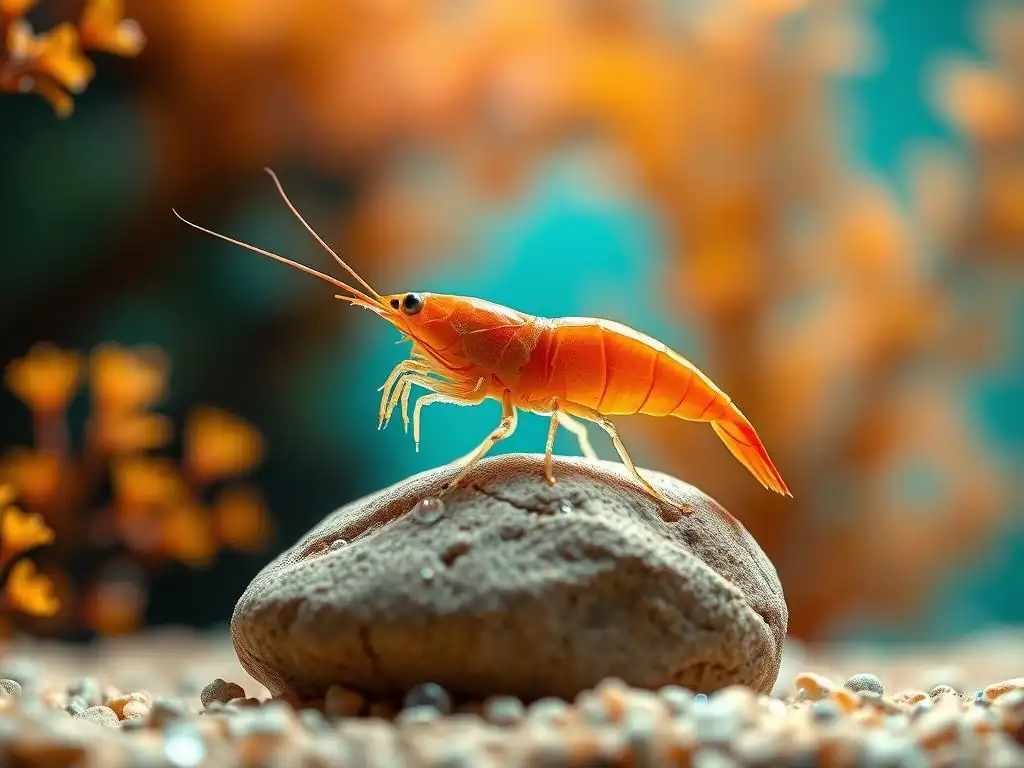
While Neocaridina shrimp are generally hardy, they can be susceptible to certain diseases, often exacerbated by poor water quality or stress. Identifying these issues early is key to successful Neocaridina orange shrimp care and treatment. Common ailments include bacterial infections, which can manifest as a milky or cloudy appearance within the shrimp's body, often leading to lethargy and death.
Fungal infections might appear as cotton-like growths on the shrimp's body or gills. Parasitic worms like Planaria (flatworms) or Hydra can also infest the tank; while not directly parasitic on shrimp, they can compete for food or, in the case of Hydra, sting and consume shrimplets.
Treatment varies depending on the specific issue. For bacterial infections, improving water quality is always the first step, and in some severe cases, specific antibiotics designed for invertebrates (avoiding copper-based medications) might be considered, though often risky. Fungal infections sometimes respond to mild salt baths (ensure proper dosage and duration, as shrimp are sensitive to salt).
For Planaria and Hydra, reducing overfeeding is crucial, and specific medications like Fenbendazole (Panacur) or No Planaria can be effective, but always research their safety for shrimp before use. Always quarantine new shrimp to prevent introducing diseases to your main tank, a vital preventative measure in Neocaridina orange shrimp care.
Preventing Predation in Your Shrimp Tank
Preventing predation is a crucial consideration, especially if your goal is to breed Neocaridina shrimp or maintain a large, thriving colony. While adult Neocaridina shrimp are relatively small (1-1.5 inches), they are highly vulnerable to predation by many common aquarium fish. Even seemingly peaceful fish like guppies, mollies, and smaller tetras can and often will prey on shrimplets, significantly reducing their survival rate. Larger, more aggressive fish like cichlids, angelfish, or even some larger community fish will readily consume adult shrimp.
The most effective way to prevent predation is to house Neocaridina shrimp in a species-only tank, or at least a tank with only other peaceful invertebrates like snails (e.g., Nerite snails, Mystery snails). If you desire tank mates, very small, non-aggressive fish like Otocinclus catfish, Dwarf Rasboras, or very specific micro-fish might be considered, but even then, shrimplet survival is rarely 100%. Providing dense plant cover, especially mosses, offers vital hiding spots for shrimplets that might deter some opportunistic predators. For serious Neocaridina orange shrimp care and breeding, a dedicated shrimp tank is the safest and most successful approach.
Addressing Molting Problems in Neocaridina Shrimp
Molting, the process by which shrimp shed their old exoskeleton to grow, is a critical and vulnerable stage in a Neocaridina's life cycle. Molting problems are a common cause of death and often indicate underlying issues in water parameters or diet. The most visible sign of a molting problem is the "white ring of death," where a white band appears around the shrimp's body, indicating it is unable to successfully shed its old shell. Other signs include lethargy, difficulty moving, or remaining stuck in their old exoskeleton.
The primary causes of molting issues are often inadequate mineral levels (specifically calcium and magnesium, reflected in GH) in the water, rapid fluctuations in water parameters, or stress. To address this, ensure your GH is consistently within the optimal range of 4-8 dGH. If using RO or distilled water, remineralize it with a product like SaltyShrimp GH+ to provide the necessary minerals.
Providing mineral-rich foods and ensuring a stable environment free from sudden changes in temperature or pH can significantly reduce molting issues. A healthy, well-fed shrimp in stable water conditions typically molts successfully, leaving behind a perfect, transparent exoskeleton that resembles a ghost shrimp, which is a good sign of effective Neocaridina orange shrimp care.
Enhancing Color in Neocaridina Shrimp: Tips and Tricks
While genetics play the most significant role in the base coloration of Neocaridina shrimp, several environmental and dietary factors can significantly enhance the vibrancy and intensity of their orange hues. Optimizing these elements is a gratifying aspect of Neocaridina orange shrimp care, allowing aquarists to bring out the very best in their Pumpkin or Sunkist colonies. These tips focus on making the orange appear deeper, more opaque, and visually striking.
Diet Optimization for Brighter Hues
Dietary optimization is one of the most effective ways to enhance the orange coloration of Neocaridina shrimp. The key lies in providing foods rich in carotenoids, which are natural pigments that shrimp absorb and deposit into their exoskeletons. Astaxanthin and beta-carotene are particularly effective carotenoids for intensifying red and orange colors. Foods like spirulina, chlorella, and specialized color-enhancing shrimp pellets often contain high levels of these pigments. Some aquarists also report success with small amounts of blanched organic vegetables rich in beta-carotene, such as carrots or red bell peppers, offered sparingly.
Consistently feeding these carotenoid-rich foods, rather than just occasionally, will yield the best results. However, moderation is crucial to prevent overfeeding and subsequent water quality issues. While diet cannot change a genetically dull shrimp into a vibrant one, it can significantly deepen and enrich the existing orange coloration, making your Pumpkin or Sunkist shrimp appear much more vivid and opaque. This dietary focus is a cornerstone of advanced Neocaridina orange shrimp care for aesthetic enhancement.
Lighting Considerations for Shrimp Coloration
While lighting does not directly alter the physiological color of Neocaridina shrimp, it significantly impacts how we perceive their coloration in the aquarium. Bright, full-spectrum LED lighting can make the orange hues of Pumpkin or Sunkist shrimp appear more vivid and striking by allowing the full range of their natural pigments to be seen. Under dim or poorly spectrum-balanced lighting, even the most intensely colored shrimp might appear dull or washed out.
However, it's important to balance lighting intensity with the needs of the shrimp and any plants. Overly harsh lighting can sometimes stress shrimp, potentially leading them to lighten their coloration as a stress response or to try and blend in. Moderate light levels (around 8-10 hours per day) that adequately support plant growth are usually sufficient for showcasing shrimp colors without causing undue stress. The goal is to provide enough illumination to make the orange pop while maintaining a comfortable environment for your Neocaridina orange shrimp.
Substrate and Background Influence on Perceived Color
The choice of substrate and background in your aquarium can dramatically influence how the orange coloration of your Neocaridina shrimp is perceived. Shrimp, being masters of camouflage, often adapt their coloration to blend in with their surroundings. When placed on a light-colored substrate (e.g., white sand or light gravel), orange shrimp may lighten their coloration to better match their environment, making their orange appear less intense and more translucent.
Conversely, using a dark substrate, such as black sand or dark gravel, creates a strong contrast that makes the orange of Pumpkin or Sunkist shrimp stand out dramatically. The dark background encourages the shrimp to display their deepest, most opaque orange coloration, as they attempt to darken to blend in with the substrate.
Similarly, a dark background (e.g., a black poster board placed behind the tank) will further enhance this effect, making your vibrant orange Neocaridina shrimp appear even more brilliant and eye-catching within the aquascape, which is a simple yet effective tip for Neocaridina orange shrimp care focused on display.
Where to Buy Healthy Neocaridina Shrimp
Selecting Reputable Breeders and Online Retailers
When sourcing Neocaridina shrimp, particularly specific color morphs like orange Sunkist or Pumpkin, choosing a reputable breeder or online retailer is paramount for the health and quality of your new colony. Look for sellers who have positive reviews and a strong reputation within the aquarium hobby community. Reputable breeders often specialize in specific shrimp lines and can provide detailed information about their water parameters, breeding practices, and the genetic background of their shrimp, which is invaluable for successful Neocaridina orange shrimp care.
Online retailers should offer a live arrival guarantee and utilize proper shipping methods, such as insulated boxes, heat or cold packs (depending on the weather), and adequate packing to minimize stress during transit. While local fish stores can be an option, carefully inspect the shrimp in their tanks for signs of health, activity, and vibrant coloration before purchasing. Ask about their source and how long the shrimp have been in their care. A good seller prioritizes the health of their stock and is transparent about their practices, ensuring you start your Neocaridina orange shrimp care journey with healthy individuals.
Quarantine Procedures for New Shrimp
Implementing a quarantine procedure for new shrimp is a non-negotiable step to protect your existing aquarium inhabitants from potential diseases, parasites, or unwanted pests. Even shrimp from reputable sources can carry pathogens that may not be apparent until they are stressed or introduced to a new environment. A dedicated quarantine tank, even a small 2-5 gallon setup with a sponge filter and some moss, is ideal for this purpose.
New shrimp should be quarantined for at least 2 to 4 weeks. During this period, observe them daily for any signs of illness, unusual behavior, or the presence of external parasites like scutariella or internal issues. Maintain excellent water quality in the quarantine tank, performing small, regular water changes. Do not introduce any tank water from the quarantine tank into your main display tank. This diligent quarantine process significantly reduces the risk of introducing problems to your established colony, safeguarding your investment in Neocaridina orange shrimp care.
Acclimating New Shrimp to Your Tank
Proper acclimation is crucial for the survival of new Neocaridina shrimp and minimizes the shock they experience when transitioning from their shipping water to your aquarium's water. Shrimp are highly sensitive to sudden changes in water parameters, including temperature, pH, GH, KH, and TDS. Rapid shifts can lead to osmotic shock, stress, molting problems, or even death. The drip acclimation method is by far the safest and most recommended approach.
To perform drip acclimation, float the sealed bag containing the shrimp in your tank for 15-20 minutes to equalize the temperature. Then, open the bag and secure it in a container (like a bucket) next to your tank. Use an airline tube to siphon water from your main tank into the shrimp's container, creating a slow drip (e.g., 1-2 drops per second).
Allow this process to continue for at least 1-2 hours, gradually mixing your tank water with the shipping water. Once the volume of water in the container has roughly quadrupled, gently net the shrimp and place them into your tank, discarding the old water. This slow, controlled process is fundamental for successful Neocaridina orange shrimp care of new arrivals.
Conclusion: Mastering Neocaridina Shrimp Care for a Vibrant Aquarium
Mastering Neocaridina shrimp care, particularly for the vibrant orange Sunkist and Pumpkin varieties, transforms an ordinary aquarium into a captivating underwater spectacle. These miniature crustaceans, with their brilliant hues, offer more than just aesthetic appeal; they are active, fascinating inhabitants that contribute to the ecosystem of a freshwater tank. Achieving a thriving colony hinges on a foundational understanding of their specific needs, from maintaining pristine water parameters and providing a stable, enriching environment to offering a specialized diet that enhances their natural coloration.
The journey of Neocaridina orange shrimp care is one of patience and attention to detail. By diligently monitoring water quality, offering a balanced diet rich in carotenoids, and providing ample hiding spots and grazing surfaces, aquarists can ensure the health, longevity, and prolific breeding of their shrimp. Understanding their molting process, recognizing signs of stress or illness, and implementing proper quarantine and acclimation procedures are all integral to preventing common pitfalls. Ultimately, the reward is a dynamic, self-sustaining colony of intensely colored orange Neocaridina shrimp, adding unparalleled vibrancy and life to your aquatic display.
Frequently Asked Questions
What are the ideal water parameters for Neocaridina orange shrimp?
Neocaridina orange shrimp thrive in stable, clean water. Aim for a temperature between 68-78°F, a pH of 6.5-8.0, and low ammonia and nitrite levels. Regular water changes are crucial for maintaining optimal conditions.
How often should I feed my Orange Sunkist and Pumpkin Neocaridina shrimp?
Feed your shrimp sparingly, about 2-3 times per week. Overfeeding can lead to poor water quality. They primarily eat algae and biofilm naturally occurring in the tank.
What tank size is recommended for a colony of Neocaridina orange shrimp?
A 5-gallon tank is a good starting point for a small colony (around 10 shrimp). A 10-gallon tank or larger is preferable for a larger group to provide ample space and stability.
What are some good tank mates for Neocaridina orange shrimp?
Avoid aggressive or large fish that may prey on the shrimp. Small, peaceful fish like Otocinclus catfish or Ember Tetras can be suitable tank mates. Proper hiding places are essential.
How can I encourage breeding in my Orange Sunkist and Pumpkin Neocaridina shrimp?
Maintaining stable water parameters, providing a varied diet, and ensuring a stress-free environment will encourage breeding. Java moss and other plants provide excellent hiding places for baby shrimp.
Final Reflection: Embracing the Vibrant Spectrum of Life
The journey into the world of Neocaridina orange shrimp care reveals more than just the technicalities of maintaining a thriving aquarium; it unveils the profound joy of curating a miniature ecosystem bursting with color and life. The popularity of these vibrant creatures speaks volumes about our innate desire to connect with nature, even within the confines of our homes, and to find beauty in the smallest of details.
This exploration into the citrus-hued world of Orange Sunkist and Pumpkin Neocaridina has underscored the importance of responsible pet ownership and the delicate balance required to foster a healthy aquatic environment. Witnessing these tiny shrimp flourish is a constant reminder of the interconnectedness of all living things and the responsibility we bear to protect them. In nature, nothing is perfect and everything is perfect. Trees can be contorted, bent in weird ways, and they're still beautiful.
- Alice Walker. This quote perfectly encapsulates the beauty found even in the subtle variations within our shrimp colonies, reminding us to appreciate the unique charm of each individual.
Now, as you embark on your own journey into the world of Neocaridina orange shrimp, remember that patience, observation, and a genuine love for these creatures are the keys to success. Let the vibrant colors of your tank serve as a daily reminder to embrace the beauty around you and to cultivate a sense of wonder in the everyday. Consider how you can further contribute to the responsible care and appreciation of these fascinating invertebrates, and let your aquarium become a testament to the power of mindful stewardship.
Ignite Your Aquarium: Dive into Vibrant Colors Now!
Thank you for exploring the world of colorful shrimp keeping with us! We hope this article has sparked your imagination and provided valuable insights into adding Orange Sunkist and Pumpkin Neocaridina to your aquarium. Now, it's time to bring that vision to life and create a breathtaking aquatic display.
Here's how you can take action:
- Boldly Begin: Start planning your dream shrimp tank today! Research compatible tank mates and ideal water parameters to create a thriving environment for your new orange and pumpkin shrimp.
- Share the Shrimp Love: Spread the joy of vibrant aquariums! Share this article with fellow aquarium enthusiasts who might be looking to add a splash of color to their tanks.
- Consider a surprise Mix 'n' Match: research and choose another shrimp color to mix with these into your aquarium!
Ready to make a splash? Which color variations do you plan on adding to your aquarium?