
Sulawesi Shrimp Secrets: Keeping Exotic Caridina Like Cardinals & Harlequins

Welcome to Aquarium Mastery!
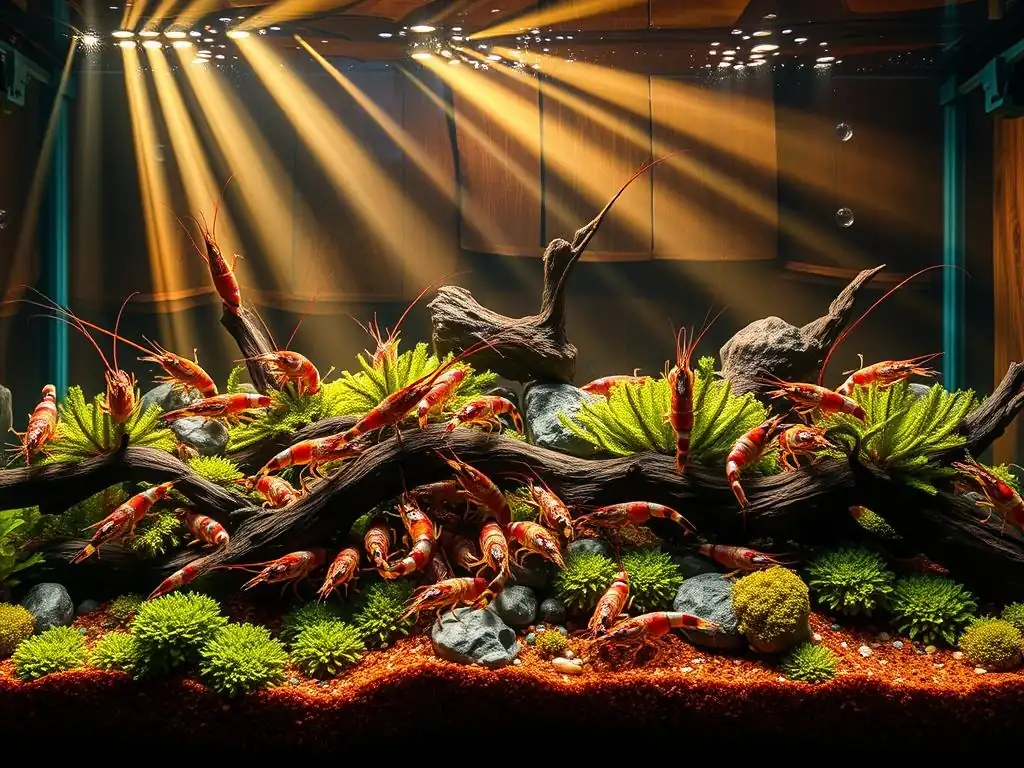
Ever wondered how to unlock the secrets to keeping those stunning Sulawesi shrimp thriving in your aquarium? From vibrant Cardinals to captivating Harlequins, these exotic Caridina species can be a rewarding addition to your underwater world. Dive in and discover essential Sulawesi shrimp care tips to create the perfect environment for these delicate gems. What are you waiting for? Let's explore the secrets to a flourishing Sulawesi shrimp tank!
- Introduction to Sulawesi Shrimp: A World of Exotic Caridina
- Sulawesi Shrimp Care Tips: Mastering the Art of Caridina Husbandry
-
Setting Up the Ideal Sulawesi Shrimp Tank: A Step-by-Step Guide
- Choosing the Right Aquarium Size for Caridina Shrimp
- Substrate Selection for Sulawesi Shrimp: Lava Rock, Aragonite, and Specialized Shrimp Substrates
- Recreating the Sulawesi Water Parameters: Achieving Optimal Conditions
- The Importance of Sulawesi Shrimp Tank Cycling: Establishing a Healthy Ecosystem
- Water Parameters for Sulawesi Shrimp: Achieving Stability
- Feeding Sulawesi Shrimp: Providing a Balanced Diet
- Sulawesi Shrimp Tank Mates: Choosing Compatible Species
- Breeding Sulawesi Shrimp: Encouraging Reproduction in Captivity
- Common Sulawesi Shrimp Problems & Solutions: Troubleshooting Guide
- Sulawesi Shrimp Species Profiles: Cardinals, Harlequins, and More
- Buying Sulawesi Shrimp: Selecting Healthy Specimens
- Advanced Sulawesi Shrimp Keeping: Taking Your Skills to the Next Level
- Conclusion: The Rewarding Journey of Keeping Sulawesi Shrimp
-
Frequently Asked Questions
- How difficult is it to care for Sulawesi shrimp compared to other shrimp species?
- What are the ideal water parameters for Sulawesi shrimp, specifically regarding temperature and pH?
- What type of substrate is recommended for a Sulawesi shrimp tank?
- What should I feed my Sulawesi shrimp, and how often?
- What are some common mistakes that new Sulawesi shrimp keepers make?
- Final Reflection: Unveiling the Jewels of Sulawesi
- Unleash Your Inner Shrimp Master!
Introduction to Sulawesi Shrimp: A World of Exotic Caridina
Discovering the Beauty of Sulawesi Shrimp for Your Aquarium
Sulawesi shrimp, a captivating group of Caridina species, originate exclusively from the ancient, biodiverse lakes of Sulawesi, Indonesia. These unique invertebrates are renowned for their striking colors and patterns, such as the vibrant red with white spots of the Cardinal shrimp ( Caridina dennerli) or the intricate black and white banding of the Harlequin shrimp ( Caridina woltereckae). Unlike their more common cousins like Neocaridina, Sulawesi shrimp demand highly specific environmental conditions that mimic their stable natural habitats, making them a fascinating challenge for dedicated aquarists.
Their exquisite appearance and often delicate nature make them a true centerpiece for any specialized aquarium. Successfully keeping these shrimp is a testament to an aquarist's skill in maintaining pristine and highly specific water parameters. Their presence can transform an aquarium into a living art piece, showcasing a unique slice of aquatic biodiversity not commonly seen in the average home setup, demanding precise Sulawesi shrimp care tips for their survival.
Why Sulawesi Shrimp are a Prized Possession for Aquarists
Sulawesi shrimp are highly prized in the aquarium hobby not only for their unparalleled beauty but also for the unique challenge they present. Their strict requirements for stable, high-pH, high-temperature water, rich in specific minerals, elevate them beyond typical beginner shrimp. Successfully cultivating a colony of these exotic creatures signifies a mastery of advanced aquatic husbandry and a deep understanding of water chemistry.
The satisfaction derived from seeing a thriving group of Cardinal or Harlequin shrimp, exhibiting their natural behaviors and even breeding, is immense. They offer a rewarding experience for those willing to invest the time and effort into their specialized needs, becoming a symbol of dedication within the aquarist community. Their peaceful demeanor and fascinating grazing habits further add to their allure, making them a truly rewarding long-term project for enthusiasts seeking to perfect their Sulawesi shrimp care tips.
Sulawesi Shrimp Care Tips: Mastering the Art of Caridina Husbandry
Understanding the Unique Needs of Sulawesi Shrimp Species
Sulawesi shrimp originate from ancient tectonic lakes in Indonesia, such as Lake Matano and Lake Towuti, which have remarkably stable and unique water chemistries. These lakes are characterized by high temperatures, high pH levels, and specific mineral compositions that have remained largely unchanged for millennia. Consequently, Sulawesi shrimp have evolved to thrive only within these narrow, consistent parameters, making them highly sensitive to fluctuations commonly encountered in home aquariums.
Unlike many other freshwater shrimp that can adapt to a broader range of conditions, Sulawesi shrimp require their captive environment to meticulously replicate their natural habitat. This means that general freshwater shrimp care advice often falls short; instead, success hinges on precise control over temperature, pH, and mineral content. Understanding these fundamental differences is the cornerstone of effective Sulawesi shrimp care tips, ensuring their long-term health and vitality.
Key Sulawesi Shrimp Care Parameters: A Checklist
Maintaining stable and precise water parameters is the most critical aspect of Sulawesi shrimp care. Even slight deviations can cause significant stress, leading to molting issues, disease, and mortality. Regular testing and consistent adjustments are non-negotiable for these sensitive invertebrates.
A comprehensive approach to their husbandry involves meticulous monitoring of several key parameters. Here is a checklist of essential water parameters for most popular Sulawesi shrimp species, like Cardinals, to ensure their well-being:
- Temperature: 78-85°F (25.5-29.5°C)
- pH: 7.8-8.5 (some species, like Cardinals, prefer 8.0-8.5)
- GH (General Hardness): 7-10 dGH (degrees of General Hardness)
- KH (Carbonate Hardness): 3-6 dKH (degrees of Carbonate Hardness)
- TDS (Total Dissolved Solids): 120-200 ppm (parts per million)
- Ammonia (NH3/NH4+): 0 ppm
- Nitrite (NO2-): 0 ppm
- Nitrate (NO3-): <10 ppm
Setting Up the Ideal Sulawesi Shrimp Tank: A Step-by-Step Guide
Choosing the Right Aquarium Size for Caridina Shrimp
When establishing a habitat for Sulawesi shrimp, selecting an appropriately sized aquarium is crucial for maintaining the stable conditions they require. While these shrimp are small, a tank of at least 10 to 20 gallons is generally recommended. Smaller tanks, such as 5-gallon nano tanks, are significantly harder to keep stable in terms of temperature and water chemistry, making them more challenging for beginners to maintain the precise environment needed for successful Sulawesi shrimp care tips.
A larger water volume offers greater buffering capacity against parameter swings, which is paramount for the delicate health of Sulawesi shrimp. For instance, a 20-gallon tank provides more thermal mass, making temperature fluctuations less dramatic, and dilutes waste products more effectively. This inherent stability is invaluable in preventing stress and promoting the long-term well-being of these sensitive Caridina species.
Substrate Selection for Sulawesi Shrimp: Lava Rock, Aragonite, and Specialized Shrimp Substrates
The choice of substrate plays a vital role in establishing and maintaining the specific water parameters required by Sulawesi shrimp. Inert substrates like lava rock are excellent as they provide ample surface area for beneficial bacteria and biofilm growth without altering water chemistry. Many aquarists opt for lava rock, often crushed or in small pieces, to create a natural, stable base that mimics their volcanic lake origins.
Alternatively, substrates that buffer pH and hardness, such as aragonite or crushed coral, can be used sparingly to help maintain the high pH and GH/KH levels that Sulawesi shrimp prefer. However, caution is advised as these can sometimes raise parameters too quickly or uncontrollably. Specialized shrimp substrates designed for Neocaridina or Caridina often lower pH, which is detrimental to Sulawesi shrimp; therefore, it's essential to select substrates specifically formulated or known to be inert or to help maintain high pH, a key component of effective Sulawesi shrimp care tips.
Recreating the Sulawesi Water Parameters: Achieving Optimal Conditions
Replicating the unique water parameters of Sulawesi's ancient lakes is perhaps the most critical aspect of successful Sulawesi shrimp care. This typically involves starting with Reverse Osmosis (RO) or deionized (DI) water, which is essentially pure water stripped of all minerals and contaminants. This clean slate allows the aquarist complete control over the water chemistry.
Once you have pure RO/DI water, specific mineral supplements designed for Sulawesi shrimp, such as SaltyShrimp Sulawesi Mineral 8.5, are added to remineralize the water to the exact GH, KH, and TDS levels found in their natural habitat. For example, Cardinal shrimp from Lake Matano thrive in water with a pH of 8.0-8.5 and a TDS range of 120-200 ppm. Consistent and precise remineralization is non-negotiable for their long-term health, as their bodies are highly adapted to these specific mineral profiles for osmoregulation and molting.
The Importance of Sulawesi Shrimp Tank Cycling: Establishing a Healthy Ecosystem
A fully cycled aquarium is absolutely paramount before introducing any Sulawesi shrimp. The nitrogen cycle, which converts toxic ammonia and nitrite into less harmful nitrate, must be thoroughly established. Ammonia and nitrite, even in minute concentrations, are highly lethal to these sensitive invertebrates and can cause immediate stress, illness, and death.
The cycling process typically takes 4 to 6 weeks, sometimes longer, and involves cultivating colonies of beneficial bacteria that colonize filter media and surfaces within the tank. During this period, parameters like ammonia and nitrite should consistently read 0 ppm, while nitrates will begin to accumulate. Rushing the cycling process is a common pitfall for new Sulawesi shrimp keepers and often leads to colony collapse, underscoring that patience and a thoroughly established biological filter are foundational Sulawesi shrimp care tips.
Water Parameters for Sulawesi Shrimp: Achieving Stability
Temperature: Finding the Perfect Range for Caridina Species
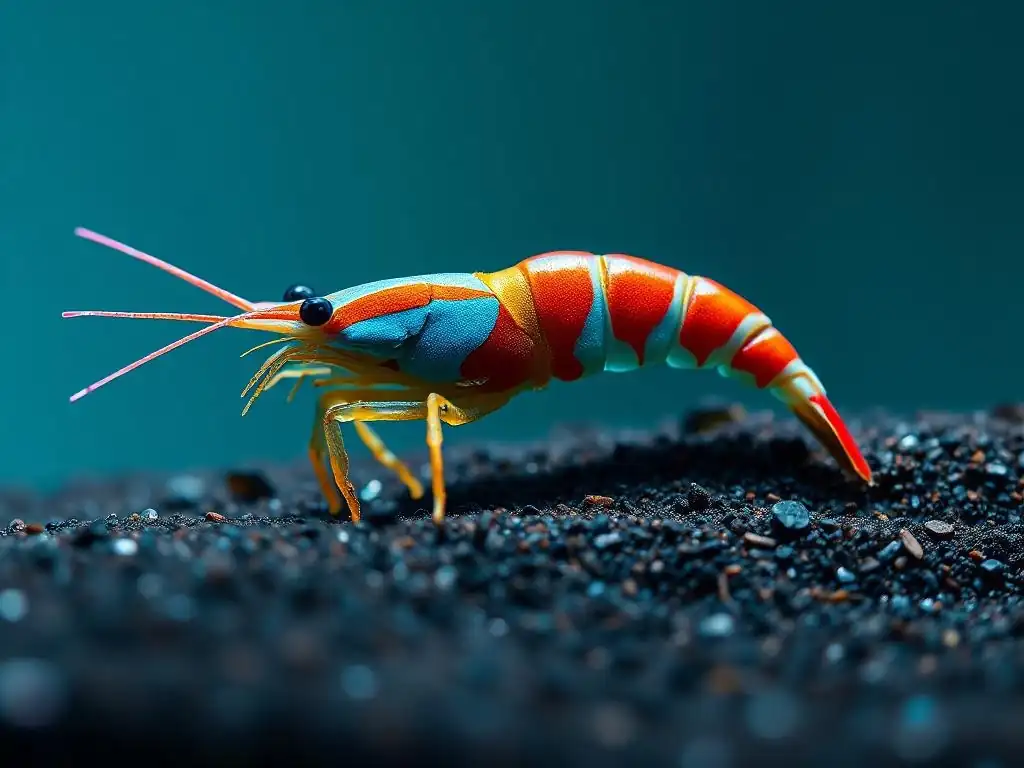
Sulawesi shrimp originate from tropical lakes with consistently high water temperatures, making stable warmth a crucial factor in their captive care. The ideal temperature range for most Sulawesi shrimp species, including the popular Cardinals, typically falls between 78-85°F (25.5-29.5°C). Maintaining this specific range is vital, as temperatures outside of it can lead to stress, reduced activity, and increased susceptibility to disease.
While maintaining the exact degree within this range is important, consistency is even more critical. Sudden or significant temperature fluctuations, even within the optimal range, can be highly detrimental, leading to molting problems and general malaise. Utilizing a reliable aquarium heater with a precise thermostat and monitoring with a digital thermometer are essential Sulawesi shrimp care tips to ensure thermal stability.
pH Levels: Maintaining the Ideal Acidity for Sulawesi Shrimp
The pH level is perhaps the most defining characteristic of Sulawesi shrimp's natural habitat and, consequently, their most critical water parameter in captivity. These shrimp thrive in highly alkaline conditions, with pH levels typically ranging from 7.8 to 8.5. For species like the Cardinal shrimp ( Caridina dennerli), a pH of 8.0-8.5 is often considered optimal, directly mimicking the conditions of Lake Matano.
Achieving and maintaining this high pH requires specific strategies, as most tap water sources or standard aquarium products tend to have lower pH. Using RO/DI water remineralized with specific Sulawesi mineral salts (e.g., SaltyShrimp Sulawesi Mineral 8.5) is the most reliable method. Avoid any products or substrates that are designed to lower pH, as these will be counterproductive to successful Sulawesi shrimp care tips.
GH and KH: Understanding Water Hardness for Caridina
General Hardness (GH) and Carbonate Hardness (KH) are two distinct but equally important parameters for Sulawesi shrimp health. GH measures the concentration of dissolved divalent metal ions, primarily calcium and magnesium, which are crucial for shell formation and osmoregulation. For many Sulawesi species, a GH of 7-10 dGH is ideal. KH, or alkalinity, measures the concentration of bicarbonate and carbonate ions, providing buffering capacity against pH swings. A KH of 3-6 dKH is often recommended.
Both GH and KH are vital for proper molting cycles; insufficient hardness can lead to incomplete molts or "white ring of death" syndrome, where the shrimp cannot shed its old exoskeleton. Using a specific Sulawesi mineral supplement with RO/DI water allows for precise control over these parameters. Regular testing with reliable liquid test kits is essential to ensure these critical hardness levels are consistently maintained, forming a core part of effective Sulawesi shrimp care tips.
TDS (Total Dissolved Solids): Monitoring Water Quality for Sulawesi Shrimp
Total Dissolved Solids (TDS) is a measurement of the combined concentration of all inorganic and organic substances dissolved in water. For Sulawesi shrimp, TDS serves as a crucial overall indicator of mineral content and water purity. While GH and KH measure specific types of hardness, TDS provides a broader picture of the dissolved substances, including the essential trace elements.
An ideal TDS range for most Sulawesi shrimp, such as Cardinal shrimp, is typically between 120-200 ppm. Starting with RO/DI water and adding a dedicated Sulawesi mineral supplement allows aquarists to accurately control the TDS to this specific range. Monitoring TDS with a handheld meter is a simple yet effective way to track changes in water chemistry between water changes, helping to ensure stability and signaling when adjustments are needed, making it an indispensable tool for diligent Sulawesi shrimp care tips.
Feeding Sulawesi Shrimp: Providing a Balanced Diet
Natural Food Sources for Sulawesi Shrimp: Mimicking Their Wild Diet
In their natural habitats, Sulawesi shrimp primarily graze on biofilm, algae, and detritus that accumulates on rocks and other surfaces. This natural diet is rich in microorganisms, minerals, and various organic compounds. To mimic this in the aquarium, it's crucial to allow for the natural growth of biofilm and beneficial algae on surfaces within the tank. A mature, well-established tank will naturally develop these food sources, providing constant grazing opportunities for the shrimp.
Introducing botanicals like Indian almond leaves or alder cones can further enhance the natural environment. These release beneficial tannins and, as they decompose, encourage the growth of biofilm that Sulawesi shrimp relish. Providing ample surface area through lava rock or specialized ceramics also maximizes the available grazing grounds, contributing significantly to their overall health and forming a key aspect of natural Sulawesi shrimp care tips.
Supplementing with Commercial Foods: Choosing the Right Options
While natural biofilm and algae are primary food sources, supplementing their diet with high-quality commercial foods specifically formulated for shrimp is beneficial. Look for foods that are low in copper (which can be toxic to invertebrates) and rich in plant-based ingredients, spirulina, and essential minerals. Brands that offer specialized diets for Caridina shrimp are often a good choice, as they typically contain the necessary nutrients for molting and overall vitality.
Feed sparingly, typically two to three times a week, offering only what the shrimp can consume within a few hours. Examples include small pellets, wafers, or powdered foods that can be scattered for wider distribution. Providing a varied diet ensures they receive a full spectrum of nutrients, supporting strong shell development and vibrant coloration, which are hallmarks of successful Sulawesi shrimp care tips.
Avoiding Overfeeding: Maintaining Water Quality and Preventing Issues
Overfeeding is one of the most common and detrimental mistakes in shrimp keeping, especially for sensitive Sulawesi species. Excess food quickly decomposes, leading to a rapid decline in water quality, including dangerous spikes in ammonia and nitrite, and an increase in nitrates. This not only stresses the shrimp but can also fuel explosive algae blooms and encourage the proliferation of unwanted pests like planaria.
To prevent overfeeding, offer only a tiny amount of food at a time – enough for the shrimp to consume within 2-4 hours. Any uneaten food should be carefully removed from the tank after this period to prevent decomposition. Adopting a "less is more" approach with feeding maintains pristine water parameters, which is paramount for the health and longevity of Sulawesi shrimp and a fundamental pillar of effective Sulawesi shrimp care tips.
Sulawesi Shrimp Tank Mates: Choosing Compatible Species
Fish that Can Coexist with Caridina Shrimp: Otocinclus Catfish, Pygmy Corydoras
Finding truly safe tank mates for delicate Sulawesi shrimp is challenging, as most fish species, even small ones, pose a predatory risk to shrimp fry or even stressed adults. However, a few select fish species are generally considered compatible due to their peaceful nature and grazing habits. Otocinclus catfish ( Otocinclus affinis or similar species) are excellent choices as they are primarily herbivorous grazers that focus on algae and biofilm, largely ignoring shrimp. They are also too small to pose a threat to adult shrimp.
Pygmy Corydoras ( Corydoras pygmaeus or Corydoras hastatus) are another viable option. These tiny schooling catfish are bottom dwellers and generally do not show interest in shrimp. They are very small, reaching only about an inch in length, and their mouths are too small to consume adult shrimp. While even these species might occasionally prey on newly hatched fry, the risk is significantly lower compared to other fish. For optimal Sulawesi shrimp care tips, a species-only tank is often the safest and most recommended approach.
Avoiding Predatory Tank Mates: Ensuring Sulawesi Shrimp Safety
To ensure the safety and well-being of Sulawesi shrimp, it is crucial to avoid almost all common aquarium fish as tank mates. Most species, even those labeled "peaceful," will view shrimp, especially fry, as a food source. Examples of fish to strictly avoid include virtually all tetras, guppies, mollies, bettas, larger rasboras, and any cichlids. Even small fish like Endler's Livebearers can be opportunistic predators of shrimp fry.
Furthermore, other invertebrates such as larger snails (e.g., Assassin snails, large Mystery snails) can inadvertently harm or outcompete shrimp for food. Crayfish and large crabs are definite no-gos, as they are highly predatory. The ultimate goal of Sulawesi shrimp care tips regarding tank mates is to minimize stress and predation, which often means dedicating the aquarium solely to these exquisite shrimp.
Breeding Sulawesi Shrimp: Encouraging Reproduction in Captivity
Understanding Sulawesi Shrimp Breeding Habits: Clutch Size, Incubation Period, and Parental Care
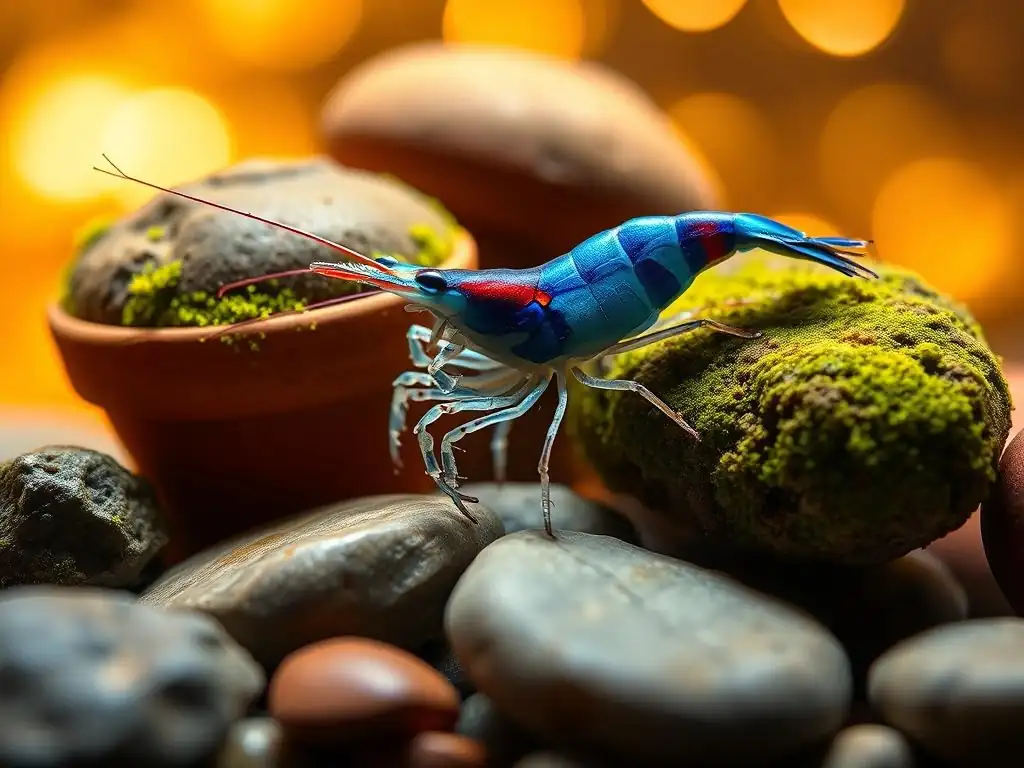
When kept in optimal and stable conditions, Sulawesi shrimp will readily breed in the home aquarium, offering a rewarding experience for the dedicated aquarist. Females, once gravid, carry a clutch of eggs tucked under their pleopods (swimmerets) on their underside. The clutch size typically ranges from 10 to 20 eggs, though this can vary by species and individual.
The incubation period for Sulawesi shrimp eggs is generally around 3 to 4 weeks, depending on water temperature. A unique characteristic of Sulawesi shrimp, unlike some other freshwater shrimp, is their direct development; the eggs hatch into miniature versions of the adult shrimp, bypassing a larval stage. The newly hatched fry are tiny but fully formed, requiring no specific parental care beyond the stable environment provided by the adult tank, which is a testament to successful Sulawesi shrimp care tips.
Creating Optimal Breeding Conditions: Stable Water Parameters, Hiding Places, and Diet
Successful breeding in Sulawesi shrimp hinges almost entirely on maintaining consistently optimal water parameters. Fluctuations in temperature, pH, GH, or KH can stress the shrimp, preventing them from breeding or causing berried females to drop their eggs prematurely. A stable environment, achieved through precise remineralization of RO/DI water and regular monitoring, is the single most important factor.
Beyond water chemistry, providing ample hiding places is crucial for berried females and newly hatched fry. Lava rock, porous ceramic decorations, and certain plants like Java moss or Subwassertang offer excellent cover, making the shrimp feel secure enough to breed. A diet rich in biofilm and supplemented with high-quality, protein-rich shrimp food also supports the reproductive health of the colony, forming a comprehensive approach to Sulawesi shrimp care tips for breeding.
Raising Sulawesi Shrimp Fry: A Delicate Process
While Sulawesi shrimp fry hatch as miniature versions of their parents, their initial survival is a delicate process that requires continued attention to detail. The fry are incredibly tiny and vulnerable, making them susceptible to being sucked into filters or swept away by strong currents. It's advisable to use sponge filters or filter guards to prevent accidental intake.
The primary challenge in raising fry is ensuring they have access to sufficient food sources. In a mature tank, they will graze on established biofilm and microscopic organisms. Supplementing with powdered shrimp food or specialized fry food can be beneficial, but extreme caution must be taken to avoid overfeeding, which can rapidly foul the water. Maintaining pristine water quality with minimal disturbances is paramount for fry survival, underscoring the ongoing commitment required for advanced Sulawesi shrimp care tips.
Common Sulawesi Shrimp Problems & Solutions: Troubleshooting Guide
Identifying Common Diseases in Sulawesi Shrimp: Bacterial Infections, Fungal Infections, and Parasites
Sulawesi shrimp, despite their hardiness in their specific environment, can be susceptible to various diseases, often triggered by stress from unstable water parameters or poor water quality. Bacterial infections might manifest as lethargy, a milky appearance, white patches, or sudden, unexplained deaths. Fungal infections typically appear as cotton-like growths on the shrimp's body. Parasites, such as Vorticella or Scutariella japonica, can appear as small white spots or worms, particularly around the head or gills.
Prevention is the best cure: strict quarantine of new arrivals (for at least 2-4 weeks), maintaining impeccable water quality, and ensuring stable parameters are crucial. Treatment options for shrimp are limited, as many common medications contain copper or other substances toxic to invertebrates. If disease strikes, identifying the underlying cause (e.g., ammonia spike, temperature swing) and addressing it immediately, alongside large, clean water changes, is often the most effective and safest approach for Sulawesi shrimp care tips.
Dealing with Molting Issues: Inadequate Mineral Content, Stress, and Poor Water Quality
Molting issues are one of the most common and often fatal problems encountered by Sulawesi shrimp keepers. A failed molt, often characterized by the "white ring of death" (a white band appearing around the shrimp's body where the old and new shells separate), indicates the shrimp is unable to shed its old exoskeleton. Primary causes include inadequate mineral content (specifically GH and KH), rapid changes in water parameters, stress, or even insufficient iodine.
To address molting issues, first ensure your GH and KH levels are consistently within the optimal range (e.g., GH 7-10 dGH, KH 3-6 dKH) using a specific Sulawesi mineral supplement. Avoid sudden water changes or large parameter swings. Maintaining a stable environment, providing a diet rich in essential minerals, and reducing any sources of stress (e.g., aggressive tank mates, fluctuating temperatures) are crucial. Regular, small water changes with perfectly matched remineralized water can help prevent these issues, making them vital Sulawesi shrimp care tips.
Addressing Algae Blooms: Maintaining a Clean and Healthy Environment
While Sulawesi shrimp are excellent grazers of biofilm and certain types of algae, excessive algae blooms can indicate an imbalance in the aquarium and detract from the tank's aesthetic. Common types include green spot algae, hair algae, and brown diatom algae. Algae blooms are typically caused by an excess of nutrients (nitrates, phosphates) in the water, too much light, or an imbalance in the light spectrum.
To combat algae blooms, first identify the root cause. Reduce the duration of your tank lighting (e.g., to 6-8 hours per day). Perform regular water changes to reduce nitrate and phosphate levels. Ensure your filtration system is adequate and well-maintained. Introducing a few compatible algae-eating snails, such as Nerite snails (if your water parameters align), can also help control growth. Maintaining a clean substrate and avoiding overfeeding are also fundamental Sulawesi shrimp care tips for preventing and managing algae.
Sulawesi Shrimp Species Profiles: Cardinals, Harlequins, and More
Cardinal Shrimp (Caridina dennerli): A Detailed Profile
The Cardinal shrimp ( Caridina dennerli) is arguably the most iconic and sought-after Sulawesi shrimp species, renowned for its dazzling appearance. Native exclusively to Lake Matano in Sulawesi, these shrimp boast a brilliant, deep red body adorned with numerous striking white or light blue spots. They typically reach a size of about 1 inch (2.5 cm) and are known for their active grazing behavior, constantly sifting through the substrate and surfaces.
Their specific care requirements reflect their natural habitat: they thrive in high temperatures (80-85°F or 26.5-29.5°C) and highly alkaline water with a pH of 8.0-8.5. Their water must also be rich in specific minerals, often achieved using specialized Sulawesi mineral salts. While challenging, successfully keeping and breeding Cardinal shrimp is a peak achievement in the hobby, embodying the dedication required for advanced Sulawesi shrimp care tips.
Harlequin Shrimp (Caridina woltereckae): Care and Characteristics
The Harlequin shrimp ( Caridina woltereckae) is another highly prized Sulawesi species, celebrated for its unique and intricate black and white banding pattern reminiscent of a harlequin's costume. Originating from Lake Towuti, a different lake system than the Cardinal shrimp, they are slightly smaller, typically growing to about 0.8 inches (2 cm). They are generally shyer than Cardinals and benefit from ample hiding places within the aquarium.
Their water parameter preferences are similar to other Sulawesi shrimp but can tolerate a slightly lower pH range, often thriving between 7.5-8.0, with temperatures around 78-82°F (25.5-27.8°C). Like all Sulawesi species, consistent water chemistry and the use of specific mineral supplements are paramount for their health and vibrant coloration. Providing a mature tank with plenty of biofilm and hiding spots is crucial for their well-being, making diligent Sulawesi shrimp care tips essential for these delicate beauties.
Other Popular Sulawesi Shrimp Species: White Orchid Shrimp, Yellow Cheek Shrimp, Red Line Shrimp
Beyond the Cardinals and Harlequins, the lakes of Sulawesi are home to a fascinating array of other Caridina species, each with its own unique charm. The White Orchid shrimp ( Caridina glaubrechti) captivates with its pearlescent white body and often delicate blue or purple hues. The Yellow Cheek shrimp ( Caridina spinata) is recognized by its dark body contrasted with bright yellow markings on its "cheeks" and sometimes legs. The Red Line shrimp ( Caridina striata) features a striking red stripe running down its back against a dark body.
While their appearances vary significantly, the fundamental principles of Sulawesi shrimp care tips remain consistent across these diverse species. All require highly stable, specific water parameters (high pH, high temperature, specific mineral content) that meticulously replicate their natural lake environments. Providing a mature tank, a consistent diet, and avoiding fluctuations are universal keys to success, regardless of the specific Sulawesi variety you choose to keep.
Buying Sulawesi Shrimp: Selecting Healthy Specimens
Finding Reputable Sulawesi Shrimp Breeders and Suppliers
Sourcing healthy Sulawesi shrimp is a critical first step in ensuring their long-term success in your aquarium. Due to their specific needs and delicate nature, it is highly recommended to purchase these shrimp from reputable breeders or specialized online retailers who have a proven track record of successfully keeping and breeding Sulawesi species. Avoid general pet stores or large chain stores, as they often lack the expertise or proper conditions to house these sensitive invertebrates.
A reputable supplier will be knowledgeable about the shrimp's specific water parameters, feeding regimen, and breeding habits. They should be able to provide details on the water conditions their shrimp are kept in, which will help you match your tank's parameters for a smoother transition. Inquiring about their practices and observing the health of their existing stock will significantly increase your chances of acquiring robust specimens, laying a strong foundation for future Sulawesi shrimp care tips.
Observing Shrimp Behavior Before Purchasing: Active Swimming, Good Coloration, and Complete Antennae
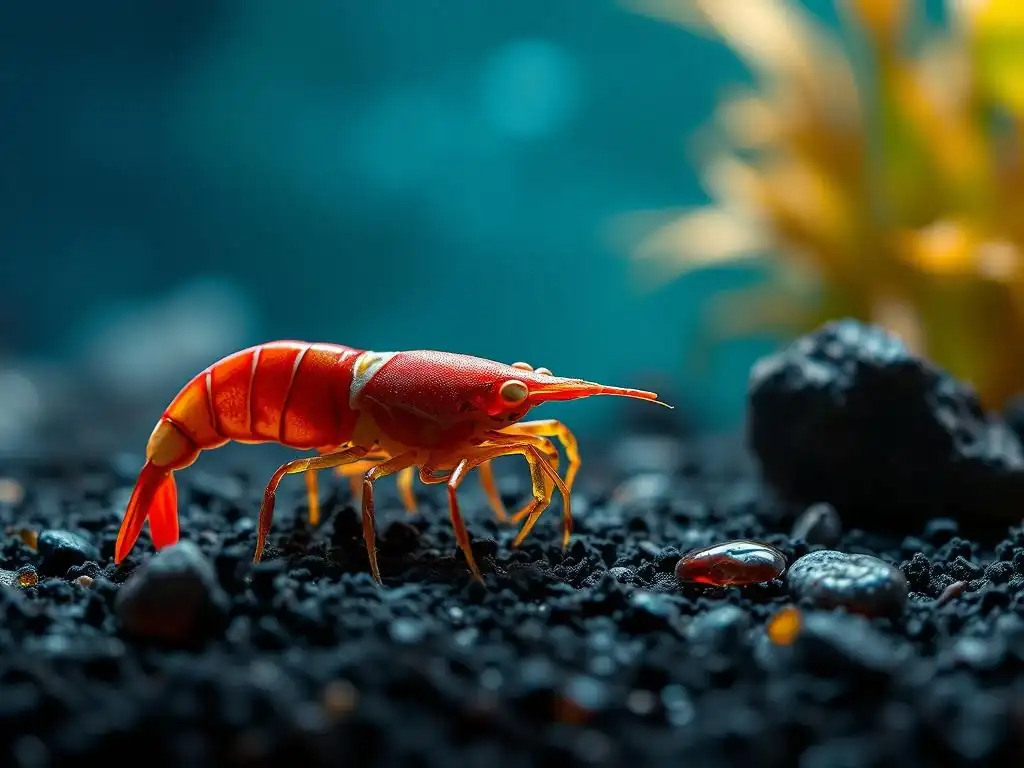
When selecting Sulawesi shrimp, whether in person or by scrutinizing vendor photos/videos, careful observation of their behavior and physical condition is paramount. Healthy Sulawesi shrimp should be active and constantly grazing on surfaces, displaying curious and agile movements. Their coloration should be vibrant and true to their species (e.g., deep red for Cardinals, clear patterns for Harlequins), without any faded or dull patches, which can indicate stress or illness.
Additionally, examine their physical integrity: ensure all antennae are complete and intact, as damaged antennae can be a sign of poor handling or aggression. Look for any visible injuries, fungal growths, or parasitic spots. Shrimp that are lethargic, hiding excessively, or exhibiting unusual swimming patterns should be avoided. A thorough visual inspection is a crucial initial step in successful Sulawesi shrimp care tips.
Acclimating New Sulawesi Shrimp to Your Tank: A Gradual Process
Acclimating new Sulawesi shrimp to your aquarium is a highly critical step that demands patience and precision. These shrimp are extremely sensitive to sudden changes in water parameters, and a rapid shift can lead to severe shock and death. The drip acclimation method is universally recommended as the safest approach.
Begin by floating the sealed bag in your tank for about 15-20 minutes to equalize temperature. Then, carefully transfer the shrimp and their original water into a separate container. Using airline tubing with a knot or valve, set up a slow drip from your main aquarium into the container, allowing your tank water to slowly mix with the shrimp's original water.
Aim for a drip rate of about 1-2 drops per second, continuing for at least 1-2 hours, or even longer for particularly sensitive species or large parameter differences. Once the volume of water in the container has roughly quadrupled, net the shrimp and gently release them into your tank, discarding the old water. This gradual process minimizes stress and greatly increases survival rates, making it an indispensable part of comprehensive Sulawesi shrimp care tips.
Advanced Sulawesi Shrimp Keeping: Taking Your Skills to the Next Level
Propagating Sulawesi Shrimp Plants: Java Moss, Subwassertang, and Anubias
For advanced Sulawesi shrimp keepers, integrating and propagating specific plants that thrive in their unique water parameters can significantly enhance the aquarium ecosystem. Plants like Java moss ( Taxiphyllum barbieri) and Subwassertang ( Lomariopsis lineata) are excellent choices. They tolerate the high pH and temperature, provide extensive surface area for biofilm growth (a primary food source for shrimp), and offer crucial hiding places for both adults and fry. These plants can be easily propagated by simply dividing larger clumps and attaching them to rocks or driftwood.
Anubias species ( Anubias barteri, Anubias nana, etc.) are also highly suitable. They are hardy, slow-growing, and tolerate a wide range of water parameters, including the high pH of Sulawesi tanks. Their broad leaves offer additional grazing surfaces and shade. Propagating Anubias involves dividing the rhizome, ensuring each section has at least a few leaves and roots. These plants contribute to water quality by absorbing nitrates and create a more natural, stable environment, refining overall Sulawesi shrimp care tips.
Exploring Rare and Unique Sulawesi Shrimp Varieties: Blue Leg Poso Shrimp, Galaxy Shrimp
Once an aquarist has mastered the husbandry of common Sulawesi species like Cardinals and Harlequins, the next level involves exploring the rarer and more unique varieties available. The Blue Leg Poso shrimp ( Caridina caerulea) is an exquisite example, known for its striking blue legs and often a dark, almost black body, originating from Lake Poso. Another highly sought-after variety is the Galaxy shrimp ( Caridina sp. "Galaxy"), which features a mesmerizing pattern of white dots and lines on a dark background, reminiscent of a starry night.
While these rarer varieties often come with a higher price tag and can be more challenging to source, their fundamental care requirements remain consistent with other Sulawesi shrimp: pristine, stable water parameters (high pH, high temperature, specific mineral content) are paramount. Successfully keeping and breeding these unique species is a testament to an aquarist's dedication and skill, pushing the boundaries of what's possible with advanced Sulawesi shrimp care tips.
Conclusion: The Rewarding Journey of Keeping Sulawesi Shrimp
Mastering Sulawesi Shrimp Care: A Summary of Key Points
The journey of keeping Sulawesi shrimp is undoubtedly a challenging yet profoundly rewarding endeavor. Success hinges on a deep understanding and meticulous application of specific husbandry principles that diverge significantly from general freshwater shrimp care. The core tenets involve maintaining unwavering stability in water parameters, particularly high pH (7.8-8.5), consistent warm temperatures (78-85°F), and precise mineral content (GH 7-10 dGH, KH 3-6 dKH, TDS 120-200 ppm), often achieved by remineralizing RO/DI water with specialized salts.
Beyond water chemistry, providing a mature tank with established biofilm, a balanced diet, and carefully chosen (or no) tank mates are crucial. The patience required for proper tank cycling, gradual acclimation, and diligent monitoring of water quality cannot be overstated. By adhering to these critical Sulawesi shrimp care tips, aquarists can create a thriving habitat for these extraordinary invertebrates, witnessing their unique beauty and fascinating behaviors flourish.
The Rewarding Journey of Keeping Sulawesi Shrimp: A Summary of Key Points
Embarking on the journey of keeping Sulawesi shrimp is a commitment to advanced aquarism, offering unparalleled satisfaction to those who master their intricate needs. The vibrant colors of Cardinal shrimp, the intricate patterns of Harlequins, and the subtle beauty of other Sulawesi species transform an aquarium into a living, dynamic display of nature's artistry. The challenges associated with their care, while significant, are precisely what make their successful cultivation so gratifying.
Witnessing a thriving colony, observing their constant grazing, and especially seeing new fry emerge from berried females, provides immense personal reward. It signifies not just the successful application of Sulawesi shrimp care tips, but a deep connection with these delicate creatures and a contribution to their continued presence in the hobby. For the dedicated aquarist, the journey with Sulawesi shrimp is a testament to skill, patience, and passion, culminating in a truly unique and enriching aquatic experience.
Frequently Asked Questions
How difficult is it to care for Sulawesi shrimp compared to other shrimp species?
Sulawesi shrimp are generally considered more challenging than Neocaridina (Cherry shrimp) or Caridina cantonensis (Crystal shrimp). They require very specific water parameters and are sensitive to changes.
What are the ideal water parameters for Sulawesi shrimp, specifically regarding temperature and pH?
Sulawesi shrimp thrive in warm water, typically between 80-84°F (27-29°C), and a high pH of 7.5-8.5. Maintaining these parameters is crucial for their survival.
What type of substrate is recommended for a Sulawesi shrimp tank?
An inert substrate like lava rock or crushed coral is generally recommended. These substrates help maintain the necessary high pH and provide surfaces for biofilm growth, a food source.
What should I feed my Sulawesi shrimp, and how often?
Sulawesi shrimp are primarily biofilm grazers. Supplement their diet with high-quality shrimp food, algae wafers, and blanched vegetables. Feed sparingly, 2-3 times per week, to avoid overfeeding.
What are some common mistakes that new Sulawesi shrimp keepers make?
Common mistakes include using inappropriate water, insufficient acclimation, and introducing medications or chemicals that are toxic to shrimp. Thorough research is essential before acquiring these delicate creatures.
Final Reflection: Unveiling the Jewels of Sulawesi
The intricate world of Sulawesi shrimp, once a niche fascination, is now experiencing a surge in popularity, demanding a deeper understanding of their delicate needs. This growing interest underscores the importance of responsible aquascaping and informed care, ensuring the survival and thriving of these captivating creatures in our home aquariums. The secrets revealed in this article are not merely guidelines, but a crucial foundation for preserving these miniature ecosystems.
The allure of these vibrant shrimp extends beyond their aesthetic appeal; they represent a microcosm of the fragile biodiversity found in the ancient lakes of Sulawesi. My own journey into keeping these shrimp has instilled a profound respect for the interconnectedness of life and the responsibility we bear as custodians of these unique species. In the end, we will conserve only what we love; we will love only what we understand; and we will understand only what we are taught.
- Baba Dioum. This quote resonates deeply, highlighting the vital role education plays in safeguarding these aquatic treasures.
Now, as you embark on your own journey with Sulawesi shrimp, I urge you to embrace the spirit of continuous learning and mindful observation. Let the knowledge shared here be a springboard, not a limit. Observe your shrimp, adapt your methods, and share your discoveries with the community. By doing so, you not only enrich your own aquascaping experience but also contribute to the long-term preservation of these extraordinary jewels of Sulawesi.
Unleash Your Inner Shrimp Master!
Thanks for diving into the fascinating world of Sulawesi shrimp! We hope you've gained valuable insights into keeping these exotic beauties thriving in your aquarium. Now, it's time to put that knowledge into action and elevate your shrimp-keeping game.
Here's how you can take the next steps:
- Boldly create a Sulawesi-specific setup following the water parameter guidelines outlined, and start cycling your tank!
- Share your newfound knowledge! Post a photo of your Sulawesi shrimp tank vision board on social media using #AquariumMasterySulawesi and inspire others.
- Research less-common Sulawesi shrimp species like the Blue Leg Poso or Yellow Cheek – what unique care requirements do they have, and could you handle the challenge?
Ready to take the plunge and bring the vibrant colors of Sulawesi shrimp into your home aquarium?