
Identifying Potential Shrimp Predators in Your Community Aquarium

Welcome to Aquarium Mastery!
Ever wondered if that seemingly peaceful fish in your community tank is secretly eyeing your beloved shrimp as a tasty snack? Unravel the mysteries of potential shrimp predators in your aquarium and discover how to create a harmonious ecosystem where your shrimp can thrive. Dive in to learn how to identify the culprits and build a predator-safe haven for your delicate invertebrates!
- Understanding the Threat to Your Shrimp: Predators in the Aquarium
- Common Freshwater Fish That Prey on Shrimp
- Invertebrate Predators: Beyond Fish in Your Shrimp Tank
- Observing Fish Behavior: Identifying Potential Shrimp Predators
- Creating a Shrimp-Safe Community Aquarium: Predator Mitigation Strategies
- Introducing New Fish: Quarantine and Observation for Shrimp Safety
- What to Do If You Discover a Shrimp Predator
- Long-Term Shrimp Tank Management: Maintaining a Balanced Ecosystem
-
Frequently Asked Questions
- What types of fish are generally considered potential shrimp predators in a community aquarium?
- How can I minimize the risk of predation on my shrimp in a community tank?
- What size shrimp are most vulnerable to predation in an aquarium?
- How does the size of the aquarium affect the likelihood of shrimp predation?
- Besides fish, are there any other common aquarium inhabitants that might prey on shrimp?
- Final Reflection: Protecting the Delicate Ecosystem
- Ignite Your Aquarium & Safeguard Your Shrimp!
Understanding the Threat to Your Shrimp: Predators in the Aquarium
Why Shrimp are Vulnerable in Community Tanks
Freshwater shrimp, particularly popular species like Neocaridina (e.g., Cherry Shrimp) and Caridina (e.g., Crystal Red Shrimp), are inherently vulnerable in many community aquarium setups. Their small size, often ranging from under an inch to about two inches, makes them an easy target for larger tank inhabitants. Furthermore, their relatively slow movement compared to many fish species means they cannot always escape quickly from a pursuing predator, especially when they are foraging or molting.
A significant factor contributing to their vulnerability is the molting process. During a molt, a shrimp sheds its exoskeleton to grow, leaving its new, soft shell exposed and unprotected for several hours, sometimes even a full day. In this soft-shelled state, shrimp are virtually defenseless and become prime targets for any opportunistic fish that might otherwise ignore them. This critical period often leads to the disappearance of shrimp in a community tank, even if the fish aren't typically considered aggressive shrimp predators.
The Importance of Identifying Potential Shrimp Predators Early
Early identification of potential shrimp predators in your aquarium community tank is paramount to the survival and flourishing of your shrimp colony. Without prompt action, a single predatory fish can decimate a newly introduced group of shrimp or significantly reduce an established population within a matter of days or weeks. This not only represents a financial loss for the aquarist but also undermines the ecological balance and aesthetic appeal of a planned shrimp-centric display.
Proactive identification allows aquarists to make informed decisions about tank mates before any harm occurs. By understanding which species pose a threat, hobbyists can prevent the stress and potential demise of their shrimp, ensuring a more peaceful and productive environment. This foresight is crucial for maintaining a healthy and thriving shrimp population, as constant predation leads to stress, reduced breeding rates, and ultimately, a failing shrimp colony.
Common Freshwater Fish That Prey on Shrimp
Identifying Fish Known to Eat Shrimp in Aquariums
Many freshwater fish, even those commonly labeled as "community fish," can become opportunistic or dedicated shrimp predators in an aquarium setting. The key factor is often the size difference between the fish and the shrimp, particularly shrimplets or juvenile shrimp. While some larger, peaceful fish might ignore adult shrimp, their predatory instincts can kick in when presented with smaller, more vulnerable prey. It is vital for aquarists to research the specific dietary needs and natural behaviors of any fish they consider introducing into a shrimp community tank.
Certain fish species are notorious for preying on shrimp, regardless of their peaceful reputation towards other fish. These species often have a natural diet that includes small invertebrates or are simply opportunistic feeders. Recognizing these specific threats is the first step in creating a truly shrimp-safe environment, preventing the common frustration of disappearing shrimp and fostering a thriving shrimp predators aquarium community tank.
Betta (Betta splendens) - A Shrimp Predator Profile
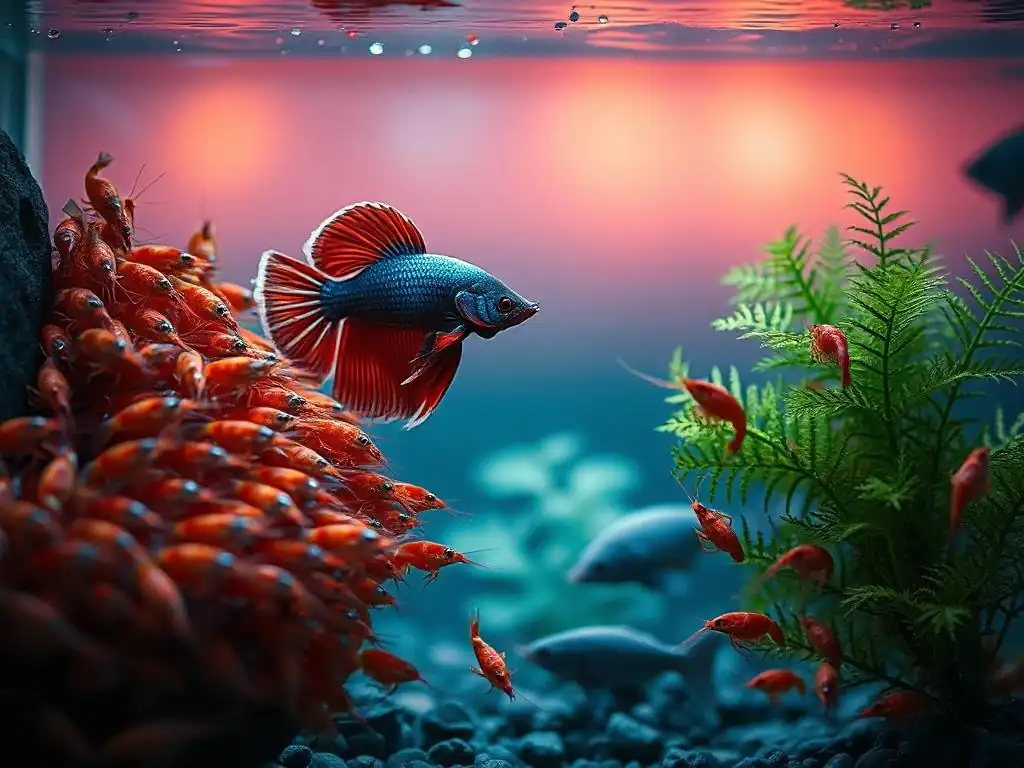
Betta fish, or Siamese Fighting Fish, are widely recognized for their striking beauty and often solitary nature. While they are peaceful towards most larger fish, Bettas are carnivorous and naturally inclined to hunt small invertebrates. In a community aquarium, a Betta will almost certainly view shrimp, especially smaller Neocaridina or Caridina species, as a food source. Observations from numerous aquarists indicate that even a seemingly docile Betta can actively stalk and consume multiple shrimp in a short period, particularly targeting vulnerable shrimplets or molting adults.
Their predatory success stems from their patience and keen eyesight. A Betta might initially ignore adult shrimp, but given time, it is highly likely to attempt to catch them. Juvenile shrimp, being much smaller and less agile, are almost guaranteed to be preyed upon. Therefore, despite their popularity, Bettas are generally not recommended as tank mates for shrimp in a community tank where the goal is to maintain a thriving shrimp population.
Cherry Barb (Puntius titteya) - A Shrimp Predator Profile
Cherry Barbs are popular, active, and generally peaceful schooling fish known for their vibrant red coloration. While they are often recommended for community tanks due to their docile nature towards other fish, their energetic foraging behavior and natural inclination towards small invertebrates make them potential shrimp predators. Adult Cherry Barbs, typically reaching about two inches in length, may not actively hunt adult shrimp, but they will readily consume shrimplets or any shrimp that appears weak or has recently molted.
Their schooling nature can amplify the threat; a group of Cherry Barbs might collectively harass and stress shrimp, leading to increased vulnerability. Many aquarists report that while their adult shrimp might survive alongside Cherry Barbs, the population of shrimplets never seems to grow, indicating consistent predation. This makes Cherry Barbs a significant concern for anyone aiming to establish a self-sustaining shrimp colony in their shrimp predators aquarium community tank.
Dwarf Gourami (Trichogaster lalius) - A Shrimp Predator Profile
Dwarf Gouramis are colorful, labyrinth fish known for their relatively peaceful demeanor and engaging personalities. However, like Bettas, they are opportunistic carnivores whose natural diet includes small insects and invertebrates. While they are not typically aggressive towards other fish, their slow, deliberate movements and tendency to investigate every corner of the tank make them effective shrimp predators. They possess a keen eye for small, vulnerable prey, and shrimp, especially shrimplets, fit this description perfectly.
Numerous accounts detail Dwarf Gouramis slowly approaching and consuming shrimplets, and occasionally even adult shrimp, particularly during or after a molt. Their ability to maneuver through dense plant growth allows them to reach hiding shrimp, making escape difficult for the crustaceans. Consequently, despite their attractiveness and generally calm disposition, Dwarf Gouramis pose a tangible threat to shrimp populations in a community aquarium.
Juvenile Fish and Shrimp: A Potential Danger
It is a common misconception that if a fish is small, it is safe to house with shrimp. However, many fish species that are considered harmless or even beneficial as adults can be significant shrimp predators when they are juveniles. A young fish, perhaps only an inch long, will readily prey on shrimplets that are only a few millimeters in size. As these fish grow, their predatory instincts may become more pronounced, and their increased size allows them to target larger juvenile shrimp or even adult specimens.
For instance, many species of Tetras (e.g., Neon Tetras, Black Skirt Tetras), while generally peaceful, can and will consume shrimplets. Even species like Endler's Livebearers, often recommended as shrimp-safe, have been observed to nip at and consume very small shrimplets, especially if their diet is not adequately supplemented. Therefore, when considering tank mates for a shrimp predators aquarium community tank, it is crucial to research the fish's adult size and typical diet, but also to be aware of their behavior during their juvenile stages when they are more likely to view tiny shrimp as a readily available food source.
Invertebrate Predators: Beyond Fish in Your Shrimp Tank
Predatory Snails: Assassin Snails and Shrimp Populations
While the primary focus of shrimp predation often falls on fish, certain invertebrates can also pose a threat to your shrimp colony. The Assassin Snail ( Anentome helena) is a notable example. These snails are highly valued by aquarists for their ability to control pest snail populations, as their main diet consists of other snails. However, their predatory nature means they are not exclusively limited to snails.
While adult, healthy shrimp are generally too agile and large for an Assassin Snail to prey upon successfully, very young shrimplets, newly hatched shrimp, or shrimp that are weak, sick, or in the vulnerable process of molting can become targets. There have been documented cases of Assassin Snails consuming shrimplets, particularly if food sources are scarce or if the shrimplets are too slow to escape. Therefore, while beneficial for snail control, their presence introduces a minor but real risk to the most vulnerable members of your shrimp population in a community tank.
Large Crustaceans: Crayfish and Other Shrimp Tank Inhabitants
Beyond snails, other larger crustaceans are definitive shrimp predators and should almost never be housed with shrimp in a community aquarium. Crayfish, in particular, are highly opportunistic and possess powerful claws capable of catching and consuming shrimp of all sizes. Species like the Blue Crayfish ( Procambarus alleni), Marbled Crayfish ( Procambarus fallax f. virginalis), or any dwarf crayfish ( Cambarellus species) are almost guaranteed to prey on shrimp, especially during the night or when shrimp are molting and immobile.
Similarly, freshwater crabs, such as Vampire Crabs ( Geosesarma dennerle) or Panther Crabs ( Parathelphusa pantherina), are also highly predatory towards shrimp. These crabs are adept hunters and will actively stalk and capture shrimp, making them entirely unsuitable tank mates for a thriving shrimp colony. The general rule for a shrimp predators aquarium community tank is to avoid any larger, clawed crustaceans if shrimp survival is a priority.
Observing Fish Behavior: Identifying Potential Shrimp Predators
Signs Your Fish Are Hunting Shrimp
Observing the specific behaviors of your fish is one of the most effective ways to identify potential shrimp predators in your community tank. The most obvious sign is direct aggression: a fish darting quickly towards a shrimp, attempting to nip at it, or actively chasing it across the tank. This behavior is distinct from casual foraging or exploring; it is focused and persistent, indicating an intent to capture. You might also notice fish hovering near shrimp, slowly stalking them, or attempting to corner them against plants or decorations.
Another tell-tale sign is the unexplained disappearance of shrimp, particularly shrimplets. If your shrimp population is visibly declining without any obvious cause like poor water quality or disease, it is highly probable that one or more fish are preying on them. This is especially true if you rarely see shrimplets, even if adult shrimp are present and breeding. Any fish that consistently shows an intense interest in shrimp, even if not immediately successful in catching them, should be considered a significant threat to your shrimp predators aquarium community tank.
Interpreting Body Language: Is Your Fish a Threat to Shrimp?
Beyond direct attacks, a fish's body language can offer crucial clues about its predatory intent towards shrimp. A fish that is actively hunting will often exhibit a very focused posture, with its eyes locked onto a shrimp. Its movements might become more deliberate and stealthy, or conversely, very sudden and aggressive bursts of speed. Flared fins, especially the dorsal and caudal fins, can sometimes indicate heightened arousal or aggression, even if not directed at another fish.
Compare this predatory behavior with normal foraging. A fish simply grazing on algae or picking at detritus will typically move in a more relaxed, exploratory manner, without the intense focus on a specific shrimp. Any fish that repeatedly positions itself near shrimp with an alert, "ready-to-strike" stance, or shows excessive curiosity towards them, should be monitored closely. Learning to interpret these subtle cues is essential for maintaining a safe shrimp predators aquarium community tank and ensuring the well-being of your invertebrate inhabitants.
Creating a Shrimp-Safe Community Aquarium: Predator Mitigation Strategies
Selecting Compatible Tank Mates for Shrimp
The most crucial step in creating a shrimp-safe community aquarium is the careful selection of compatible tank mates. Prioritize fish species that are known to be genuinely peaceful, have small mouths, and do not have a natural diet that includes invertebrates.
Excellent choices often include small, docile schooling fish like Otocinclus catfish, which are primarily algae eaters and only grow to about two inches. Similarly, tiny Rasboras such as Boraras brigittae (Chili Rasboras) or Boraras maculatus (Dwarf Rasboras) are ideal, as their adult size of less than an inch makes them physically incapable of consuming adult shrimp, though they might occasionally eye shrimplets.
Other suitable options include small Corydoras species (e.g., Pygmy Corydoras, Corydoras pygmaeus), which are bottom dwellers that primarily sift through substrate for food, posing minimal threat to shrimp. While no fish is 100% shrimp-safe, these species represent the lowest risk. Thorough research into the adult size, temperament, and dietary needs of any prospective fish is essential to avoid introducing a shrimp predators aquarium community tank scenario.
Providing Ample Hiding Places for Shrimp Safety
Even with carefully selected tank mates, providing ample hiding places is a critical mitigation strategy for shrimp safety. Hiding spots offer shrimp a sense of security, reduce stress, and most importantly, provide essential refuge during their vulnerable molting process. When a shrimp molts, it is soft and defenseless, making it an easy target for even the most peaceful fish. Accessible hiding spots allow shrimp to retreat immediately after shedding their old exoskeleton, giving their new shell time to harden in safety.
These refuges also break up sightlines within the aquarium, making it more difficult for potential shrimp predators to spot and stalk their prey. A well-designed tank with numerous hiding options significantly increases the survival rate of both adult shrimp and delicate shrimplets, fostering a thriving population in your shrimp predators aquarium community tank.
Planted Tanks: Natural Shrimp Refuges
Densely planted aquariums are arguably the best natural refuges for shrimp. Plants like Java Moss ( Taxiphyllum barbieri), Christmas Moss ( Vesicularia montagnei), and various other mosses create intricate, tangled structures where shrimp, especially shrimplets, can hide effectively. The dense foliage of stem plants such as Rotala species ( Rotala rotundifolia, Rotala indica) or Ludwigia species ( Ludwigia repens, Ludwigia arcuata) also provides excellent cover, allowing shrimp to move about unseen by potential threats.
Broad-leaved plants like Anubias species ( Anubias barteri, Anubias nana) or Bucephalandra offer surfaces for biofilm growth, which shrimp graze upon, while also providing shade and hiding spots underneath their leaves. A heavily planted tank not only offers physical protection but also contributes to a stable ecosystem by improving water quality and providing a constant food source (biofilm and micro-organisms), which further reduces stress on the shrimp.
Decorations and Substrates for Shrimp Security
Beyond live plants, various decorations and substrates can significantly enhance shrimp security. Cholla wood, with its porous and tubular structure, provides excellent small tunnels and crevices where shrimp can hide and graze on biofilm. Driftwood pieces with natural holes and intricate branches serve a similar purpose, offering numerous nooks and crannies for shrimp to retreat into when feeling threatened. Ceramic shrimp tubes or "shrimp caves" are specifically designed for this purpose, providing dark, enclosed spaces that shrimp instinctively seek out.
Rock formations, carefully stacked to create small caves and overhangs, also offer effective hiding spots. When it comes to substrate, a fine gravel or sand can provide additional security, as shrimplets can burrow or hide among the grains. Combining these elements with dense planting ensures that shrimp have multiple layers of protection, making it challenging for any potential shrimp predators in your aquarium community tank to locate them.
Monitoring Your Aquarium: Preventing Predation
Consistent and attentive monitoring of your aquarium is an ongoing and crucial strategy for preventing predation on your shrimp. Daily observation allows you to quickly spot any changes in fish behavior, such as increased aggression or persistent interest in the shrimp. Regularly observe the interactions between your fish and shrimp, paying close attention during feeding times when fish might be more energetic and potentially opportunistic. This vigilance can help you identify a problem before it escalates and results in significant shrimp losses.
Furthermore, keeping a rough count of your shrimp population, especially the juveniles, can alert you to a problem even if you don't directly witness predation. A noticeable decline in shrimp numbers without other obvious causes is a strong indicator of predation. Prompt action, such as isolating or removing the suspected predatory fish, is essential to mitigate further losses and maintain a thriving shrimp predators aquarium community tank.
Introducing New Fish: Quarantine and Observation for Shrimp Safety
The Quarantine Period: Assessing Potential Threats
A dedicated quarantine period for all new fish before introducing them to your shrimp community tank is an indispensable step for both disease prevention and assessing potential predatory behavior. During quarantine, which should ideally last a minimum of 2-4 weeks, you can closely observe the new fish's temperament in isolation. Pay attention to how it reacts to its environment, its feeding habits, and any signs of aggression, even if directed at its own reflection or inanimate objects.
This controlled environment allows you to gauge whether the fish exhibits any aggressive tendencies that might translate into predatory behavior towards your shrimp. If a fish shows excessive darting, nipping, or an overly curious nature towards small items in the quarantine tank, it might be an unsuitable candidate for a shrimp predators aquarium community tank. This period also ensures the fish is healthy, preventing the introduction of diseases that could stress your existing inhabitants, including your shrimp, making them more vulnerable.
Gradual Introduction: Minimizing Stress and Predatory Behavior
Once a new fish has successfully completed its quarantine period, its introduction to the main shrimp tank should be gradual and carefully managed to minimize stress for both the new arrival and the existing shrimp. Introducing new fish when the aquarium lights are off or dimmed can help reduce initial stress and allow them to acclimate to their new surroundings without immediately feeling exposed or threatened. This also prevents them from immediately spotting and potentially targeting shrimp.
Before introducing the new fish, ensure that the existing tank inhabitants, especially any potential shrimp predators, are well-fed. A satiated fish is less likely to exhibit immediate hunger-driven predatory behavior. After introduction, maintain close observation for the first few days and weeks. Any signs of chasing, nipping, or undue interest in the shrimp should prompt immediate consideration of removing the new fish. This cautious approach is vital for maintaining a peaceful and safe shrimp predators aquarium community tank.
What to Do If You Discover a Shrimp Predator
Removing the Offending Fish
If, despite all precautions, you discover a fish actively preying on your shrimp, prompt removal of the offending fish is crucial to prevent further losses. The most common method for removal is using a fish net, though this can sometimes be challenging in a heavily planted or decorated tank. It can be helpful to attempt removal during feeding time when the fish is distracted by food, making it easier to net. For particularly elusive fish, specialized traps or even temporary barriers can be employed to isolate and catch the perpetrator.
Once caught, the fish should be immediately placed in a separate tank, such as a quarantine tank, or a temporary holding container. Leaving a known predator in the tank, even for a short period, risks the continued decimation of your shrimp population. Swift action is the most effective way to safeguard your remaining shrimp in a shrimp predators aquarium community tank.
Rehoming Unsuitable Tank Mates
After removing a fish that has proven to be a shrimp predator, the next step is to find a suitable long-term solution for its placement. Rehoming the unsuitable tank mate is often the most humane and practical option. This can involve returning the fish to the pet store (if their policy allows returns for incompatible behavior), selling it to another aquarist who does not keep shrimp, or finding a local fish club or aquatic society that might have members interested in adopting it.
It is important to acknowledge that not all fish are suitable for every community tank setup. Forcing an incompatible fish to remain with vulnerable shrimp will only lead to stress for both the fish and the shrimp, and ultimately, the demise of the shrimp. Rehoming ensures that the fish can thrive in an environment suited to its nature, while also protecting your valuable shrimp colony and maintaining the desired balance in your shrimp predators aquarium community tank.
Long-Term Shrimp Tank Management: Maintaining a Balanced Ecosystem
Regular Observation and Population Control
Maintaining a balanced ecosystem in a shrimp predators aquarium community tank requires ongoing vigilance and proactive management. Regular observation, ideally daily, is essential to monitor the health of your shrimp colony and the behavior of their fish tank mates. This continuous monitoring allows you to identify any new or emerging predatory behaviors, especially as fish grow larger or as new dynamics develop within the community. A thriving shrimp population will naturally reproduce, and while this is desirable, it also means there will always be vulnerable shrimplets present.
By keeping a close eye on the numbers, you can detect any unexplained declines early. If certain fish are consistently reducing the shrimplet population, you might need to reconsider their long-term suitability. Conversely, a healthy, stress-free shrimp colony will multiply, potentially leading to overpopulation if not managed, which can also impact water quality. Regular observation helps you maintain the delicate balance, ensuring that your shrimp are not only surviving but thriving.
Ensuring Shrimp Health and Breeding Success in Community Tanks
The ultimate goal of managing a shrimp predators aquarium community tank is to ensure the long-term health and breeding success of your shrimp. Effective predator management directly contributes to this by reducing stress on the shrimp. When shrimp feel secure and are not constantly under threat, they are more likely to breed successfully and more frequently. A less stressful environment also leads to healthier shrimp, with stronger immune systems and better coloration.
By providing ample hiding places, selecting truly compatible tank mates, and consistently monitoring interactions, aquarists can create an environment where shrimp can exhibit their natural behaviors, including foraging, molting, and breeding, without undue fear. A well-managed shrimp community tank, free from significant predatory threats, transforms into a vibrant and self-sustaining ecosystem, offering continuous enjoyment and a sense of accomplishment for the dedicated aquarist.
Frequently Asked Questions
What types of fish are generally considered potential shrimp predators in a community aquarium?
Many fish species, even seemingly peaceful ones, can prey on shrimp. Common culprits include larger tetras, certain barbs, and some gourami species that might see smaller shrimp as a food source.
How can I minimize the risk of predation on my shrimp in a community tank?
Careful planning is crucial. Choose shrimp-safe fish species known for their peaceful temperament. Providing ample hiding places like dense plants and caves will also significantly reduce predation.
What size shrimp are most vulnerable to predation in an aquarium?
Smaller shrimp, especially baby shrimp (shrimplets), are the most vulnerable. Larger, adult shrimp are less likely to be targeted, but can still be at risk from larger or more aggressive fish.
How does the size of the aquarium affect the likelihood of shrimp predation?
A larger aquarium offers more space and hiding spots, making it easier for shrimp to avoid predators. A smaller tank concentrates both predator and prey, increasing the chances of shrimp being eaten.
Besides fish, are there any other common aquarium inhabitants that might prey on shrimp?
Yes, certain invertebrates can also pose a threat. Some large snails and aggressive crayfish may prey on shrimp, especially if the shrimp are weak or molting.
Final Reflection: Protecting the Delicate Ecosystem
The information presented throughout this article highlights the crucial importance of responsible aquarium planning when introducing shrimp into a community tank. Understanding the potential threats lurking within seemingly peaceful tankmates is not just about preserving your shrimp population; it's about fostering a balanced and thriving aquatic ecosystem. The knowledge shared here empowers aquarists to make informed decisions, ultimately contributing to the well-being of all inhabitants.
This exploration of shrimp predators has profoundly influenced my understanding of the delicate balance within a community aquarium. It's a constant reminder that even the smallest creatures play a vital role, and their survival depends on our informed choices. The fate of many aquarium inhabitants rests on the shoulders of the aquarist. Understanding their needs and potential threats is not just a hobby, but a responsibility.
This understanding extends beyond the glass walls of our tanks, mirroring the interconnectedness of ecosystems in the wider world.
Now, armed with this knowledge, I urge you to reflect on your own aquarium practices. Consider the potential impact of each new addition to your community. Are you truly creating a safe haven for your shrimp, or are you unknowingly introducing a predator into their midst? Let this article serve as a catalyst for mindful aquarium keeping, ensuring a vibrant and harmonious environment for all your aquatic companions.
Ignite Your Aquarium & Safeguard Your Shrimp!
Thanks for diving deep into the world of shrimp and predator identification! We hope you’ve gained valuable insights into protecting your miniature aquatic ecosystem. Now, let's put that knowledge into action!
Here are a few things you can do right now:
- Immediately re-evaluate your tank's current inhabitants based on what you've learned about potential shrimp predators. Note any risky pairings!
- Share this article with fellow aquarium enthusiasts to spread awareness about responsible fish and shrimp pairings.
- Consider setting up a separate "shrimp haven" tank to guarantee the safety and breeding success of your delicate shrimp.
Ready to redesign your aquarium for optimal shrimp safety?