
The Fascinating World of Mouthbrooding: How African Cichlids Care for Their Young

Welcome to Aquarium Mastery!
Ever wondered how some fish parents go above and beyond? Dive into the fascinating world of African cichlid mouthbrooding care and discover the incredible dedication of these fish. Prepare to be amazed as we unravel the secrets of this unique parenting strategy and equip you with the knowledge to successfully raise these captivating creatures. Ready to witness nature's marvel? Let's explore!
- Understanding African Cichlid Mouthbrooding Behavior
- The Mouthbrooding Process: A Step-by-Step Guide
- Providing Optimal Care for Mouthbrooding African Cichlids
- Identifying Mouthbrooding Cichlids: Signs and Symptoms
- Releasing the Fry: When and How to Release Baby Cichlids
- Mouthbrooding in Different African Cichlid Species
- Potential Problems and Solutions in African Cichlid Mouthbrooding
- Advanced Mouthbrooding Techniques for Aquarium Breeders
-
Frequently Asked Questions
- How does mouthbrooding work in African cichlids?
- What are the benefits of mouthbrooding for African cichlid fry?
- How long do African cichlids typically hold their eggs/fry in their mouths?
- What are the key considerations for the mother’s care during mouthbrooding?
- What should I feed African cichlid fry once they are released from their mother's mouth?
- Final Reflection: The Enduring Wonder of Parental Care
- Dive Deeper into the Cichlid Universe!
Understanding African Cichlid Mouthbrooding Behavior
What is Mouthbrooding in African Cichlids?
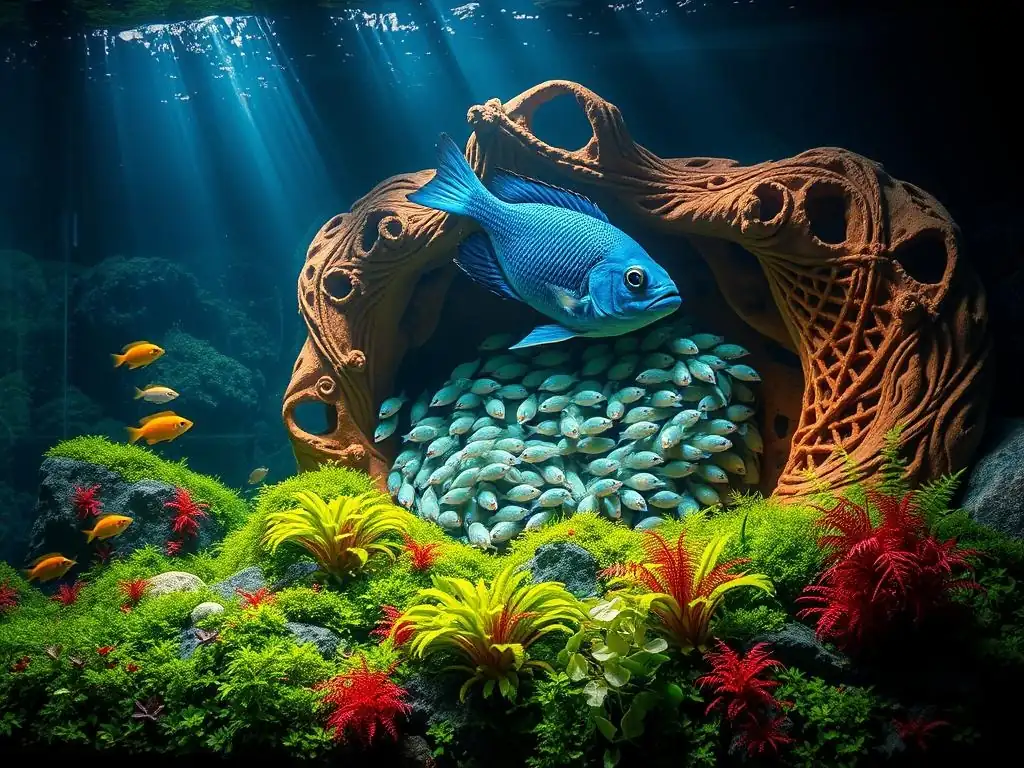
Mouthbrooding is a remarkable reproductive strategy observed in many fish species, but it is particularly prevalent and well-developed among African cichlids, especially those originating from the Great Rift Valley lakes of Malawi, Tanganyika, and Victoria. At its core, mouthbrooding involves the parent – most commonly the female – collecting and incubating the fertilized eggs, and sometimes even the newly hatched fry, within her buccal cavity, or mouth. This process offers unparalleled protection for the vulnerable early life stages of the fish.
Once eggs are laid and fertilized, the female swiftly gathers them into her mouth, where they remain for an extended period, often several weeks. During this time, the parent actively "tumbles" the eggs, gently rolling them around to ensure constant aeration and prevent fungal growth. This diligent African cichlid mouthbrooding care is essential for the successful development of the embryos into free-swimming fry, which are then released when they are self-sufficient.
Why Do African Cichlids Mouthbrood? (Evolutionary Advantages)
The primary evolutionary advantage of mouthbrooding is significantly enhanced offspring survival rates. In the often-predator-rich environments of the African Rift Lakes, unprotected eggs laid on substrate would be highly susceptible to consumption by other fish or invertebrates. Mouthbrooding provides a mobile, secure incubator, shielding the delicate eggs and fry from the vast majority of external threats. Studies suggest that in controlled environments, survival rates for mouthbrooded fry can exceed 90%, a stark contrast to the much lower rates often seen in external egg layers.
Beyond predator evasion, mouthbrooding also offers protection from environmental fluctuations. The parent's mouth provides a stable microenvironment, buffering the eggs and fry from rapid changes in water temperature, pH, or oxygen levels that could prove fatal. This adaptability has allowed African cichlids to thrive in diverse and sometimes challenging aquatic habitats, making mouthbrooding a cornerstone of their reproductive success and a fascinating aspect of African cichlid mouthbrooding care.
Types of Mouthbrooding: Maternal vs. Paternal
The most common form of mouthbrooding observed in African cichlids is maternal mouthbrooding, where the female alone assumes the responsibility of incubating the eggs and protecting the fry. This is characteristic of popular aquarium species such as Metriaclima estherae (Red Zebra Cichlid), Labidochromis caeruleus (Electric Yellow Cichlid), and all Aulonocara species (Peacock Cichlids). During this period, the female typically ceases feeding, relying entirely on her stored energy reserves, which can lead to noticeable weight loss.
While less common in the African cichlids typically found in hobby aquariums, paternal mouthbrooding does occur in some species, notably certain Sarotherodon and Tilapia species. In these instances, the male takes on the role of incubation. Biparental mouthbrooding, where both parents share the duties, is extremely rare among African cichlids, though it is seen in other fish families. Understanding these distinctions is crucial for providing appropriate African cichlid mouthbrooding care tailored to the specific species.
The Mouthbrooding Process: A Step-by-Step Guide
Spawning and Fertilization in Mouthbrooding Cichlids
The mouthbrooding process begins with an often elaborate courtship ritual. Males, typically vibrant in color, establish territories and engage in displays to attract females, involving fin flaring, shimmying, and aggressive posturing towards rivals. Once a female accepts a male, they begin the spawning act, usually on a flat rock or a depression in the substrate. The female lays a small batch of eggs, which the male immediately fertilizes.
A unique aspect of many African cichlid spawning rituals, particularly in Mbuna species like Maylandia zebra, involves the male's anal fin. Many males possess bright "egg spots" on this fin. The female, after laying eggs, may peck at these spots, mistaking them for her own eggs. As she attempts to pick them up, the male releases sperm, ensuring the eggs are fertilized within her mouth as she scoops them up. This efficient mechanism ensures high fertilization rates and is a key component of successful African cichlid mouthbrooding care.
Egg Collection and Incubation in the Mouth
Immediately after fertilization, the female diligently collects the eggs into her buccal cavity. This process is remarkably swift, often completed within seconds of the eggs being laid, demonstrating an instinctive urgency to protect her future offspring. The number of eggs collected varies significantly depending on the species and the size of the female; a small Pseudotropheus demasoni female might hold 10-15 eggs, while a large Nimbochromis livingstonii could carry 80 or more.
Once inside the mouth, the eggs are continuously tumbled by the parent's gentle "chewing" or mouth movements. This constant movement is vital for several reasons: it ensures a steady supply of oxygen to the developing embryos, prevents eggs from sticking together, and crucially, inhibits the growth of fungus, which can quickly destroy an entire clutch. The buccal cavity provides a stable, protected environment, insulating the delicate eggs from external pathogens and physical damage throughout the incubation period.
The Role of the Female (or Male) in Mouthbrooding
The holding parent, almost exclusively the female in common African cichlid species, undertakes a significant physiological burden during the mouthbrooding period. She typically ceases feeding entirely, relying on stored energy reserves. This fasting period can last for several weeks, often resulting in a noticeable loss of body mass, sometimes up to 15-20% of her pre-spawning weight, particularly in smaller species or those with prolonged incubation times.
Beyond fasting, the holding parent is constantly vigilant, protecting her precious cargo from potential threats. She will often become reclusive, seeking out secluded areas of the tank or hiding among rockwork to minimize stress and potential aggression from tank mates. Her continuous, subtle mouth movements are critical for aerating the eggs and fry, ensuring their healthy development. Providing a calm, secure environment is paramount for effective African cichlid mouthbrooding care, as stress can cause the female to prematurely spit out or even swallow her clutch.
Duration of Mouthbrooding: How Long Do Cichlids Hold Eggs?
The duration of the mouthbrooding period varies considerably depending on the specific African cichlid species and the ambient water temperature. For most popular aquarium species, such as Mbuna and Peacock cichlids, the incubation period typically ranges from 18 to 30 days. For instance, Aulonocara species often hold their fry for about 21-25 days when water temperatures are maintained around 78-80°F (25.5-26.7°C), while some Mbuna might release their fry slightly earlier, perhaps around 18-22 days.
Water temperature plays a significant role in dictating the speed of embryonic development. Higher temperatures, within the species' safe range (typically 78-82°F or 25.5-27.8°C), generally accelerate the metabolic processes of the developing fry, leading to a shorter holding period. Conversely, cooler temperatures can prolong the incubation time, potentially increasing the stress on the holding parent. The parent will only release the fry when they are fully free-swimming, have completely absorbed their yolk sacs, and are capable of independent foraging, appearing as miniature versions of the adult fish.
Providing Optimal Care for Mouthbrooding African Cichlids
Water Quality Requirements for Mouthbrooding Cichlids
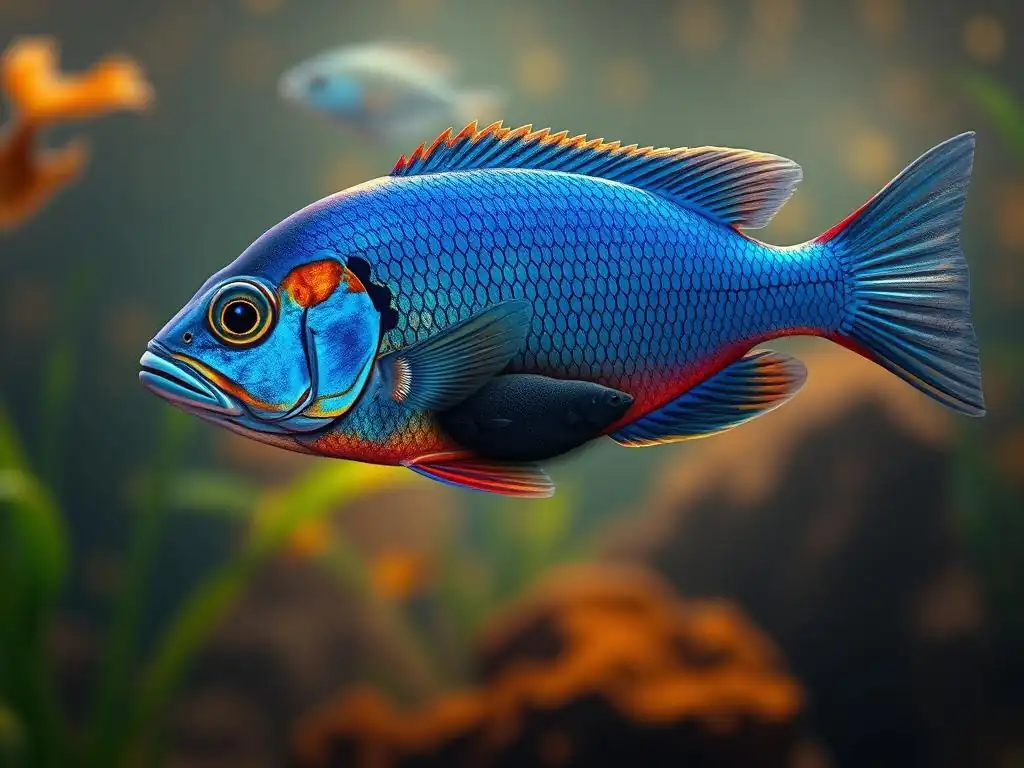
Maintaining pristine and stable water quality is the cornerstone of successful African cichlid mouthbrooding care. African Rift Lake cichlids originate from environments characterized by hard, alkaline water, and these conditions must be replicated in the aquarium. Ideal parameters include a pH range of 7.8-8.6, a general hardness (GH) between 10-20 dGH, and a carbonate hardness (KH) of 10-18 dKH. Consistency in these parameters is more crucial than hitting exact numbers, as sudden fluctuations can be highly stressful to a holding fish.
Beyond hardness and pH, impeccable nitrogenous waste management is non-negotiable. Ammonia and nitrite levels must be undetectable (0 ppm), and nitrates should be kept below 20 ppm. Regular partial water changes, typically 25-30% weekly, are essential to dilute nitrates and replenish beneficial minerals. Substandard water quality can severely stress a holding female, leading to premature release of eggs, swallowing of the clutch, or even health complications for the parent, compromising the entire mouthbrooding process.
Creating a Stress-Free Environment for Holding Females [or Males]
A critical aspect of African cichlid mouthbrooding care is minimizing stress for the holding parent. In a community tank, other cichlids, particularly aggressive males or dominant females, can harass a holding female, causing her to swallow or prematurely spit out her precious clutch. To prevent this, it is highly recommended to move the holding female to a separate, dedicated "nursery" or "grow-out" tank. A 10-20 gallon tank is often sufficient for this purpose, providing a safe, quiet space.
This isolation tank should be well-filtered with a gentle flow (a sponge filter is ideal), heated to maintain stable temperatures (78-80°F or 25.5-26.7°C), and furnished with ample hiding spots such as small caves, PVC pipes, or rockwork. These hiding places allow the female to feel secure and reduce her anxiety. During the holding period, minimize disturbances such as sudden movements outside the tank, bright lights, or excessive tank maintenance, as a calm environment significantly increases the chances of a successful release of healthy fry.
Feeding Mouthbrooding Cichlids: What and How to Feed
One of the most notable physiological changes in a mouthbrooding African cichlid is her almost complete cessation of feeding. The holding parent, especially the female, will typically not consume any food for the entire incubation period, which can last for several weeks. Attempting to force-feed or constantly offering food can be counterproductive, increasing stress and potentially leading to the premature loss of the clutch. This fasting period is a natural and expected part of the mouthbrooding process.
Therefore, optimal African cichlid mouthbrooding care begins before spawning. It is crucial to condition breeding pairs with a high-quality, nutrient-rich diet to ensure the female has sufficient energy reserves to sustain herself through the fasting period. This conditioning diet should include a mix of spirulina flakes, high-quality cichlid pellets, and occasional frozen treats like mysis shrimp or brine shrimp. Once the fry are released, the female will be very hungry and should be offered small, frequent meals of her regular diet to help her regain lost weight and recover her condition.
Identifying Mouthbrooding Cichlids: Signs and Symptoms
Recognizing a Holding Female [or Male]: Physical Changes
Identifying a mouthbrooding African cichlid, particularly a female, is crucial for providing proper care. The most definitive physical sign is a noticeably distended or swollen buccal cavity, the area under her jaw and throat. This bulge can range from a subtle fullness to a very prominent, almost "pregnant" appearance, as it is filled with eggs and later, developing fry. This swelling is distinct from general bloating, which typically affects the entire abdominal region.
Other physical cues can include slightly reduced or labored gill movements. With the buccal cavity occupied by eggs, the space for gill respiration can be somewhat restricted, leading to a more deliberate and less rapid gill action. Additionally, some holding females may exhibit a slight fading or dulling of their vibrant coloration, particularly if they are stressed or channeling significant energy towards the development of their clutch. Observing a combination of these signs provides strong evidence of mouthbrooding.
Behavioral Changes in Mouthbrooding Cichlids
Beyond physical alterations, mouthbrooding African cichlids display distinct behavioral changes that aid in their identification. A primary indicator is a significant loss of appetite; the holding fish will typically ignore food, even highly palatable treats. If she does approach food, she may "chew" it and then spit it out, as her mouth is already full. This complete cessation of feeding is a reliable sign.
Another common behavioral change is increased reclusiveness and shyness. A holding female will actively seek out quiet, secluded spots within the aquarium, often hiding among rockwork, caves, or dense plant cover. She will avoid interactions with other tank mates, retreating quickly if approached. While generally reclusive, if threatened or cornered, she may exhibit defensive postures, such as flaring her fins or making quick, evasive movements to protect her precious cargo. These behavioral shifts are key for effective African cichlid mouthbrooding care.
Common Mistakes to Avoid When Identifying Mouthbrooders
When attempting to identify a mouthbrooding African cichlid, several common mistakes can lead to misdiagnosis or unnecessary stress for the fish. One frequent error is confusing a truly holding fish with one that is merely bloated due to digestive issues or illness. While both conditions involve swelling, bloating typically affects the entire abdomen, whereas mouthbrooding swelling is confined specifically to the throat and lower jaw region. Careful observation of the exact location of the distention is vital.
Another mistake is prematurely isolating a fish based on a single, ambiguous sign. Moving a non-holding fish to a separate tank can cause undue stress and potential health problems. It is always best to observe multiple signs – physical and behavioral – over several days before taking action. Furthermore, do not confuse a holding female's reclusiveness with general aggression or territoriality; her retreat is driven by a need to protect, not to dominate. Patience and meticulous observation are paramount for accurate identification and successful African cichlid mouthbrooding care.
Releasing the Fry: When and How to Release Baby Cichlids
Determining the Right Time to Release Fry
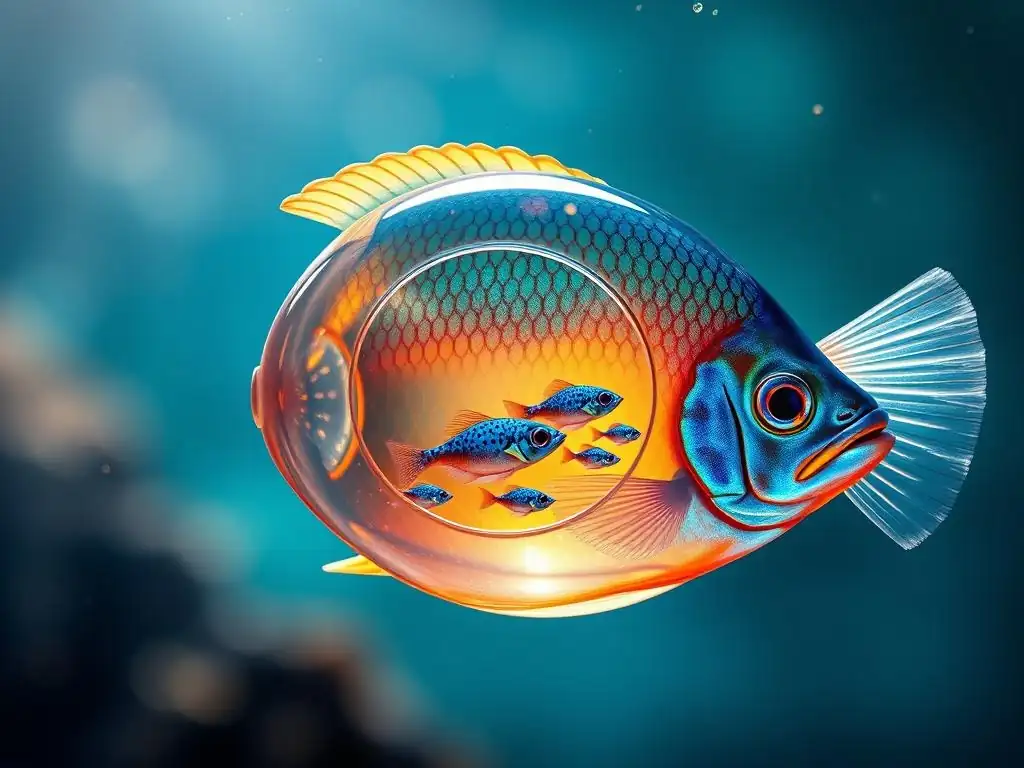
Knowing the optimal time to release fry from the mother's mouth is crucial for their survival and the mother's well-being. The ideal moment is when the fry are fully free-swimming, have completely absorbed their yolk sacs, and appear as miniature, independent versions of the adult fish. They will often be visible swimming around inside the mother's mouth when she yawns or opens her mouth slightly. For most common African cichlid species, this typically occurs between 18 to 30 days post-spawning, depending on species and water temperature.
The mother herself will often provide subtle cues that she is ready to release her fry. She may begin to "spit" out a few fry occasionally, testing the environment, or she might exhibit signs of discomfort, such as frequent, wide "yawns" or holding her mouth open for longer periods. These behaviors indicate that the fry are developed enough for release and the mother is nearing the end of her arduous holding period.
Methods for Releasing Fry from the Mother [or Father]
There are several methods for releasing fry, each with its own advantages, contributing to comprehensive African cichlid mouthbrooding care:
- Natural Release: This is the simplest and least stressful method for the parent. If the holding parent is in a dedicated breeding tank devoid of predators, she will naturally release the fry when they are ready. This allows the mother to teach the fry initial foraging behaviors and provides a safe environment for the delicate newborns.
- Relocation: A common technique involves moving the holding parent to a separate, peaceful "fry tank" (e.g., 10-20 gallons) a few days before the anticipated release. Once the fry are released, the parent can be returned to the main tank, leaving the fry in their dedicated nursery. This protects the fry from predation by adult fish in the main tank.
- "Stripping" or "Tumbling": For breeders aiming to maximize fry survival or if the parent is highly stressed, manual stripping or artificial incubation can be employed. Stripping involves gently catching the parent and carefully opening her mouth to release the fry. This technique requires practice and extreme care to avoid injuring the parent or the fry. Alternatively, the eggs can be transferred to an egg tumbler, which uses gentle water flow to simulate the mother's tumbling action, providing aeration and preventing fungus.
Caring for Newly Released Cichlid Fry: First Foods and Tank Setup
Once released, newly independent African cichlid fry require specialized care to ensure their high survival rates. A dedicated fry tank is essential; a 10-20 gallon tank is usually sufficient for the first few weeks, equipped with a mature, gentle filter (a sponge filter is ideal), a heater to maintain stable temperatures (78-80°F or 25.5-26.7°C), and either a bare bottom or fine substrate for easy cleaning.
Newly released fry are tiny and have specific dietary needs. Excellent first foods include freshly hatched brine shrimp nauplii, which are highly nutritious and appropriately sized. Alternatively, finely crushed high-quality spirulina flakes or specialized commercial fry foods can be used.
Fry should be fed small amounts several times a day (4-6 times) to ensure a constant supply of food, as their metabolic rates are high. Pristine water quality is paramount; daily or every-other-day small water changes (10-20%) are crucial, using a small siphon to remove uneaten food and waste, thereby preventing toxic ammonia and nitrite spikes. This diligent post-release African cichlid mouthbrooding care is critical for healthy growth and development.
Mouthbrooding in Different African Cichlid Species
Mbuna Mouthbrooding: Specific Examples and Care Tips
Mbuna cichlids, originating from the rocky shores of Lake Malawi, are among the most popular African cichlids for aquarium keepers and are prolific mouthbrooders. Species like Maylandia zebra (Zebra Cichlid), Labidochromis caeruleus (Electric Yellow Cichlid), and Pseudotropheus demasoni (Demasoni Cichlid) are excellent examples. Their mouthbrooding behavior is often intense, with females showing strong protective instincts.
When breeding Mbuna, it's crucial to manage their inherent aggression. A common strategy is to maintain a ratio of one male to three or four females in a large tank (75 gallons or more) with abundant rockwork and caves to provide hiding spots and break up lines of sight. This diffuses aggression and reduces stress on the females, which is vital for successful African cichlid mouthbrooding care. Mbuna fry are relatively hardy and grow quickly on a diet of crushed spirulina flakes and newly hatched brine shrimp, necessitating frequent water changes to accommodate their rapid metabolism.
Peacock Cichlid Mouthbrooding: Breeding Considerations
Peacock cichlids ( Aulonocara species) are another highly sought-after group of African cichlids from Lake Malawi, known for their stunning coloration and distinct mouthbrooding behavior. Examples include Aulonocara stuartgranti (Ngara Flametail), Aulonocara jacobfreibergi (Eureka Red), and Aulonocara baenschi (Benga Yellow). Generally, Peacocks are less aggressive than Mbuna, making them somewhat easier to breed in a community setting, though a dedicated breeding tank is always ideal for optimal African cichlid mouthbrooding care.
A 55-gallon tank can be sufficient for a small breeding group of Peacocks (one male, two to three females), provided it offers both open swimming areas and plenty of caves for the females to retreat to during incubation. Conditioning the breeding pair with high-quality, protein-rich foods such as frozen mysis shrimp, brine shrimp, and premium cichlid pellets is crucial for robust spawning and healthy fry. Peacock cichlid fry are slightly larger than Mbuna fry and can readily accept similar first foods, thriving with consistent water changes and frequent small feedings.
Haplochromis Mouthbrooding: Unique Behavioral Aspects
The broader group of Haplochromis cichlids, encompassing a diverse array of species from the African Great Lakes (though many true Haplochromis are now reclassified), also exhibit mouthbrooding. Popular aquarium examples include Nimbochromis livingstonii (Livingstoni Cichlid), Copadichromis borleyi (Kadango Red Fin), and Protomelas taeniolatus (Red Empress). These are generally larger species than Mbuna or Peacocks, and their mouthbrooding process is similar, though scaled up due to their size.
Some Haplochromis species display unique spawning behaviors. For instance, the Nimbochromis livingstonii is known for its peculiar "playing dead" behavior, lying on its side to ambush smaller fish, a trait that can extend to its spawning environment. Their mouthbrooding females can hold a significantly larger number of fry due to their greater buccal capacity.
Due to their adult size, breeding groups of these larger Haplochromis often require tanks of 75 gallons or more. Their fry are also larger at release and grow quickly, benefiting from frequent feedings of high-protein foods like finely chopped bloodworms or larger brine shrimp, emphasizing the need for comprehensive African cichlid mouthbrooding care.
Potential Problems and Solutions in African Cichlid Mouthbrooding
Egg Fungus and Prevention
Egg fungus is a common and frustrating problem that can lead to the loss of an entire clutch in mouthbrooding cichlids. It typically appears as white, fuzzy patches on the eggs. The primary cause is often unfertilized eggs, which quickly succumb to fungal growth. However, poor water quality, insufficient aeration (if the female isn't effectively tumbling the eggs), or physical injury to the eggs can also contribute to fungal outbreaks. If left unchecked, fungus can rapidly spread from affected eggs to healthy ones, destroying the entire clutch.
Prevention is key for effective African cichlid mouthbrooding care. Ensuring optimal water quality with zero ammonia and nitrite, and low nitrates, is paramount. If artificially incubating eggs in an egg tumbler, maintaining constant, gentle water flow is critical to provide aeration and prevent fungal spores from settling. Some breeders opt for prophylactic measures like adding a small amount of methylene blue to the water in the tumbler, although this is a debated practice. Ultimately, healthy, well-conditioned breeding parents produce more viable, robust eggs, which are inherently more resistant to fungal infections.
False Mouthbrooding: Causes and Solutions
"False mouthbrooding" refers to situations where a female appears to be holding eggs, but her mouth is either empty, or she quickly spits out the eggs or fry shortly after spawning. This can be a disheartening experience for breeders but is often a result of specific underlying issues. Common causes include:
- Stress: Aggressive tank mates, unsuitable water parameters, or sudden environmental changes can cause a female to prematurely abandon her clutch.
- Inexperience: Young or first-time mothers may not complete the full mouthbrooding process successfully, perhaps due to nervousness or simply lacking the instinct to hold for the full term.
- Lack of Fertilization: If the eggs were not properly fertilized, the female may instinctively spit them out within a few days, as non-viable eggs quickly succumb to fungus.
- Insufficient Energy Reserves: A female that was not adequately conditioned with nutritious food prior to spawning may lack the energy to sustain the fasting period required for full incubation.
Solutions for false mouthbrooding revolve around providing an optimal environment and ensuring the female's health. Offer a peaceful environment, ensure stable and appropriate water parameters, and condition breeding pairs adequately with high-quality, protein-rich foods. If stress from tank mates is suspected, consider isolating the female to a dedicated breeding tank. Patience is also important; sometimes, it takes a few spawning attempts for a female to become a consistent and successful mouthbrooder, improving with each experience.
Fry Mortality: Addressing Common Issues
Despite successful mouthbrooding, fry mortality can still be a significant challenge. Several factors commonly contribute to the loss of newly released African cichlid fry:
- Poor Water Quality: The most prevalent cause. Fry are extremely sensitive to ammonia, nitrite, and high nitrate levels. Accumulation of uneaten food and waste in the fry tank quickly degrades water quality, leading to toxic conditions.
- Lack of Food or Inappropriate Food: Fry are tiny and have small mouths, requiring very specific sizes of food. Starvation is common if the food provided is too large for them to consume or if feeding is infrequent.
- Predation: If fry are released into a community tank, they will almost certainly be eaten by adult fish, including their own parents once the protective instinct subsides.
- Disease: Weakened or stressed fry are highly susceptible to bacterial infections, parasitic infestations, or fungal issues, which can spread rapidly in a crowded or unsanitary fry tank.
To address these issues and maximize fry survival, meticulous African cichlid mouthbrooding care post-release is essential. Maintain pristine water in the fry tank with daily 10-20% water changes, using a small siphon to remove uneaten food and detritus. Provide appropriate first foods, such as freshly hatched brine shrimp nauplii or finely crushed high-quality flakes, multiple times a day (4-6 times). Always ensure the fry are in a dedicated, predator-free nursery tank. Observe fry closely for any signs of disease or distress and address promptly, as early intervention can save an entire batch.
Advanced Mouthbrooding Techniques for Aquarium Breeders
Artificial Incubation: A Detailed Guide
Artificial incubation is an advanced African cichlid mouthbrooding care technique employed by serious breeders to significantly increase fry survival rates and allow the female to recover faster for subsequent spawns. This method bypasses the natural holding period in the mother's mouth. The process typically involves:
- Stripping the Female: After 10-14 days of the female holding, she is gently caught. Carefully, her mouth is pried open with a clean finger or a blunt tool, and she is gently shaken over a container of tank water to release the eggs. This must be done with extreme care to avoid injuring the female or damaging the delicate eggs.
- Egg Tumbler Setup: The released eggs are immediately transferred into an egg tumbler. An egg tumbler is a specialized device that uses gentle airflow from an air pump to create a constant, rolling motion for the eggs, mimicking the mother's natural tumbling. This provides essential aeration and prevents fungal growth. The tumbler should be placed in a separate tank with stable, pristine water matching the main tank's parameters (e.g., 78-80°F, pH 8.0-8.5).
- Fungus Prevention and Monitoring: Some breeders add a few drops of methylene blue or a mild anti-fungal treatment to the tumbler water as a prophylactic measure, though this is optional. Daily inspection is crucial to remove any unfertilized (opaque white) or fungused eggs, preventing the spread of infection to healthy eggs.
Artificial incubation can yield remarkably high survival rates, often exceeding 90% from viable eggs, making it a valuable tool for maximizing production.
Maximizing Fry Survival Rates
Beyond artificial incubation, several practices contribute to maximizing the survival rates of African cichlid fry, forming a comprehensive approach to African cichlid mouthbrooding care:
- Dedicated Fry Tank: A separate, well-established 10-20 gallon tank is paramount for fry. It should have gentle, mature filtration (a sponge filter is ideal) and no sharp decorations that could injure the delicate fry.
- Frequent Small Feedings: Fry have high metabolic rates and small stomachs. They require frequent, small meals (4-6 times a day) of appropriately sized, highly nutritious food. Freshly hatched brine shrimp nauplii are considered a gold standard, supplemented with high-quality, finely crushed spirulina flakes or specialized commercial fry foods. Avoid overfeeding, which can foul the water, but ensure constant availability.
- Pristine Water Quality: This is non-negotiable. Daily 10-20% water changes are crucial to remove uneaten food and waste, preventing ammonia and nitrite spikes that are toxic to fry. A small siphon should be used to carefully clean the bottom of the tank.
- Gradual Growth Management: As fry grow, they will need larger foods and eventually larger grow-out tanks to prevent stunting and ensure adequate space for development. Consistent water changes and proper nutrition are vital throughout their growth stages.
Selective Breeding for Desirable Traits in Mouthbrooding Cichlids
Selective breeding is an advanced technique for dedicated aquarists and commercial breeders aiming to enhance specific desirable traits within their African cichlid lines. This meticulous process involves propagating individuals that exhibit superior qualities such as:
- Intensified Coloration: Breeding for brighter, more vibrant hues.
- Enhanced Finnage: Developing longer, more flowing fins.
- Improved Body Shape: Refining the overall physique to meet specific aesthetic standards.
- Temperament: In some cases, selecting for calmer or less aggressive individuals, though this is more challenging.
The process involves identifying the best examples of the species that clearly display the desired traits. These selected individuals are then paired in a dedicated breeding tank to ensure controlled parentage. As the fry grow, a crucial step is "culling," where any fry that do not exhibit the desired traits or show undesirable characteristics (e.g., deformities, poor coloration) are removed from the breeding program.
This ensures that only the strongest and most desirable genetics are passed on to subsequent generations. Repeatedly breeding individuals from the same desirable line, known as line breeding, helps to solidify these traits over several generations. This long-term commitment requires extensive knowledge of cichlid genetics, meticulous record-keeping, and significant patience, but it is a highly rewarding aspect of advanced African cichlid mouthbrooding care for those dedicated to improving their stock.
Frequently Asked Questions
How does mouthbrooding work in African cichlids?
Mouthbrooding is a form of parental care where the female cichlid holds the fertilized eggs and fry in her mouth for a period of time. This provides protection from predators and ensures a higher survival rate for the young. It's a fascinating adaptation!
What are the benefits of mouthbrooding for African cichlid fry?
The primary benefit is protection. By holding the fry in her mouth, the mother shields them from predators and keeps them in a safe and stable environment. This significantly increases their chances of survival.
How long do African cichlids typically hold their eggs/fry in their mouths?
The duration varies depending on the species, but generally, female African cichlids hold their eggs/fry for approximately 2-4 weeks. This period allows the fry to develop sufficiently before being released.
What are the key considerations for the mother’s care during mouthbrooding?
During mouthbrooding, it's crucial to provide the female with stress-free environment and high-quality food after she releases the fry. While mouthbrooding, she typically doesn't eat, so she needs to regain her strength.
What should I feed African cichlid fry once they are released from their mother's mouth?
Newly released fry can be fed finely crushed flakes, baby brine shrimp, or commercially available fry food. Ensure the food is small enough for them to ingest easily.
Final Reflection: The Enduring Wonder of Parental Care
The intricate dance of African cichlid mouthbrooding care is more than just a biological quirk; it's a testament to the power of parental investment and the enduring drive for survival, a story that resonates deeply even in our increasingly complex world. Understanding these behaviors offers a glimpse into the evolutionary forces that shape life, reminding us that dedication and sacrifice are fundamental to the continuation of any species, including our own.
This fascinating display of maternal (and sometimes paternal) devotion continues to captivate aquarists and scientists alike, influencing our understanding of animal behavior and the delicate balance of ecosystems. Witnessing a mother cichlid protect her fry, even at her own expense, evokes a profound sense of respect and underscores the universal importance of nurturing the next generation. The best inheritance a parent can give his children is a few minutes of his time each day.
- O. A. Battista. This quote perfectly encapsulates the essence of mouthbrooding: a complete dedication of time and energy to ensure the survival of offspring.
As we conclude this exploration into the world of African cichlid mouthbrooding care, let us carry forward a renewed appreciation for the dedication and ingenuity found in the natural world. Consider how the principles of nurturing, protection, and sacrifice, so vividly displayed by these remarkable fish, can inspire us to be more mindful and compassionate in our own interactions, fostering a more caring and sustainable future for all.
Dive Deeper into the Cichlid Universe!
Thank you for exploring the remarkable world of African cichlids and their unique mouthbrooding behavior! We hope you've gained a new appreciation for these dedicated parents. Now, let's take your fascination a step further:
- Start planning your own cichlid tank! Research compatible species and tank setups to bring the beauty of mouthbrooding to your home aquarium.
- Share this article with fellow aquarium enthusiasts and spark a discussion about the wonders of parental care in the animal kingdom.
- Challenge yourself: Can you identify which cichlid species would be best suited for a biotope aquarium focused on mouthbrooding behavior?