
Choosing Fish & Plants for Your Biotope: A Guide to Authentic Natural Pairings

Welcome to Aquarium Mastery!
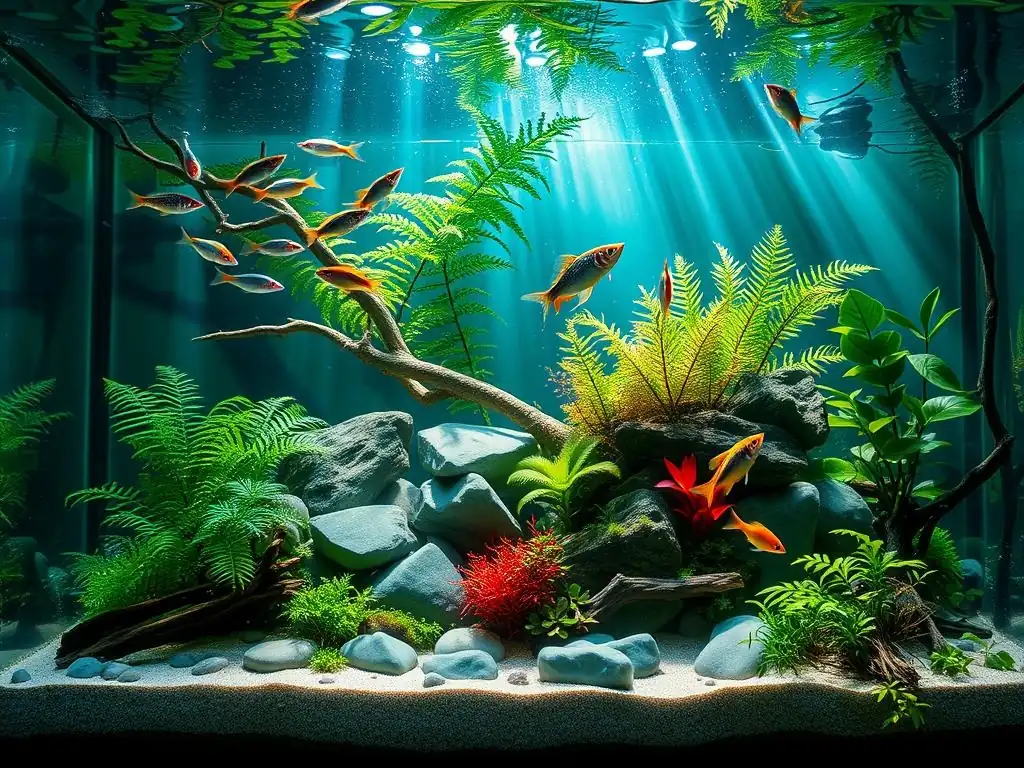
Ever wondered how to create a truly authentic underwater world? Dive in and discover the art of biotope aquarium fish plant pairing! We'll unlock the secrets to crafting a perfectly balanced ecosystem that mirrors nature's own designs. Curious to learn which fish thrive with which plants in a specific region? Read on and let's bring your biotope dreams to life!
- Understanding Biotope Aquariums: Recreating Natural Ecosystems
- Selecting the Right Fish for Your Biotope Aquarium
- Choosing Complementary Plants for a Thriving Biotope
- Biotope Aquarium Examples: Fish and Plant Pairings by Region
- Recreating Natural Water Parameters for Your Biotope
- Maintaining a Healthy Biotope Aquarium: Long-Term Success
- Troubleshooting Common Biotope Aquarium Problems
- Advanced Biotope Aquascaping Techniques
- Conclusion: The Rewarding Experience of a Biotope Aquarium
-
Frequently Asked Questions
- What is a biotope aquarium, and why is fish and plant pairing important?
- How do I research appropriate fish and plant pairings for a specific biotope?
- What are some common mistakes to avoid when selecting fish and plants for a biotope aquarium?
- Where can I find information on the specific water chemistry requirements for my chosen biotope aquarium?
- How important is substrate selection when recreating a biotope aquarium?
- Final Reflection: Embracing Authentic Aquatic Harmony
- Dive Deeper: Design Your Dream Biotope Aquarium Today!
Understanding Biotope Aquariums: Recreating Natural Ecosystems
What is a Biotope Aquarium and Why Choose One?
A biotope aquarium is a specialized aquatic setup designed to accurately replicate a specific natural habitat found in the wild, including its typical water chemistry, substrate, decor, and most importantly, its indigenous fish and plant species. Unlike a general community tank, the goal is not merely to house aquatic life, but to create a living, breathing microcosm of a particular ecosystem, such as a stretch of the Amazon River, a Southeast Asian peat swamp, or a rocky African Rift Lake shore.
Choosing a biotope aquarium offers a unique opportunity to observe fish and plants exhibiting their natural behaviors in an environment that closely mirrors their native conditions.
Hobbyists opt for biotope aquariums for several compelling reasons. Beyond the aesthetic appeal of a naturally harmonious display, these setups promote exceptional fish health and longevity by providing precise environmental parameters that reduce stress and encourage breeding. Furthermore, a biotope tank serves as an invaluable educational tool, allowing aquarists to learn about specific ecosystems, the interdependence of species, and even contribute to conservation efforts by maintaining and propagating threatened regional flora and fauna. The careful selection of biotope aquarium fish plant pairing is central to achieving this authentic and beneficial environment.
The Importance of Accurate Biotope Representation
Accurate biotope representation is paramount to the success and integrity of a biotope aquarium. This goes beyond simply choosing fish and plants from the same continent; it involves meticulously researching the exact geographical location and its specific environmental conditions. For instance, an Amazonian biotope can vary significantly from a clearwater tributary to a blackwater flood plain, each demanding different water parameters, substrate types, and specific biotope aquarium fish plant pairing choices. Mismatched conditions can lead to stressed fish, stunted plant growth, or even fish diseases, undermining the very purpose of a biotope tank.
The fidelity to natural conditions ensures that the inhabitants thrive, exhibiting their full range of natural behaviors, from schooling patterns to breeding rituals. This attention to detail includes replicating water chemistry like pH, general hardness (GH), and carbonate hardness (KH), as well as temperature. Furthermore, the selection of hardscape materials such as driftwood, rocks, and leaf litter must also align with the chosen biotope to provide appropriate hiding spots, foraging areas, and even influence water chemistry naturally, completing the immersive and authentic experience for both the aquarist and the aquatic life.
Benefits of Biotope Aquariums for Fish and Plant Health
Biotope aquariums offer significant advantages for the health and well-being of both fish and plants by providing an environment precisely tailored to their evolutionary needs. When fish are housed in water with the correct pH, hardness, and temperature, their immune systems are stronger, their coloration is more vibrant, and their stress levels are dramatically reduced. For example, discus fish ( Symphysodon spp.) from the Amazon thrive in soft, acidic water (pH 5.5-6.5) and warmer temperatures (28-30°C), conditions that are rarely found in a typical community tank but are standard in a well-executed Amazonian biotope.
Similarly, plants flourish when their specific light, nutrient, and substrate requirements are met within their native biotope context. Plants like Cryptocoryne species, common in Southeast Asian blackwater environments, prefer softer, slightly acidic water and often moderate lighting, whereas many Anubias species from West Africa are highly adaptable but prefer to be attached to hardscape rather than planted in the substrate. By replicating these conditions, the biotope aquarium fish plant pairing ensures that plants grow robustly, contributing to natural filtration and oxygenation, creating a self-sustaining and visually stunning ecosystem.
Selecting the Right Fish for Your Biotope Aquarium
Researching Native Fish Species for Your Chosen Biotope
Thorough research into native fish species is the foundational step for any successful biotope aquarium. It's not enough to know that a fish comes from "South America"; you need to pinpoint the specific river, lake, or even a particular section of a water body to ensure absolute authenticity. For example, while many tetras are from the Amazon basin, a cardinal tetra ( Paracheirodon axelrodi) is typically found in blackwater tributaries like the Rio Negro, preferring soft, acidic water, whereas a rummy-nose tetra ( Hemigrammus rhodostomus) might inhabit clearwater rivers with slightly different parameters.
Reliable sources for this research include scientific journals, ichthyology databases, detailed field guides, and specialized biotope aquarium forums where experienced hobbyists share their findings. Pay close attention to the specific water parameters (pH, GH, KH, temperature), typical diet, and social behaviors of the fish in their natural habitat. This meticulous approach ensures that the chosen biotope aquarium fish plant pairing accurately reflects a real-world ecosystem, promoting the health and natural behaviors of your aquatic inhabitants.
Compatibility Considerations: Fish Temperament and Size
Beyond native origin, understanding the compatibility of fish species is crucial for a harmonious biotope aquarium. Even if two species hail from the exact same stretch of river, their temperaments and adult sizes might make them incompatible in a confined aquarium environment.
For instance, while both angelfish ( Pterophyllum scalare) and cardinal tetras originate from parts of the Amazon, adult angelfish can sometimes view smaller tetras as a food source, leading to stress or predation. It's essential to research not just what species coexist, but how they interact in their natural setting, considering their predatory instincts, territoriality, and schooling behaviors.
Always consider the maximum adult size of any fish you intend to introduce, as a seemingly small juvenile can quickly outgrow a tank or become a threat to smaller tankmates. Aggression levels, especially during breeding, also need careful consideration. For example, many African cichlids are highly territorial, and while they thrive in a rocky Tanganyikan biotope, selecting too many males or incompatible species can lead to constant aggression and stress. A balanced biotope aquarium fish plant pairing involves selecting species that can coexist peacefully, ensuring a thriving and stable environment for all inhabitants.
Sustainable Sourcing of Biotope-Appropriate Fish
Sustainable sourcing is an ethical and increasingly important consideration for any aquarium hobbyist, especially when focusing on biotope aquariums. The choice between wild-caught and captive-bred fish has significant implications for wild populations and ecosystem health. While some specific biotope fish are only available as wild-caught, it's vital to ensure they come from reputable suppliers who adhere to sustainable collection practices, minimizing ecological impact and supporting local communities. In many cases, captive-bred alternatives are available and should be prioritized to reduce pressure on wild stocks.
For example, many popular Amazonian species like cardinal tetras are now extensively captive-bred, making them a more sustainable choice than wild-caught specimens. When considering more obscure or specialized biotope aquarium fish plant pairing options, inquire about the breeder's practices or the collector's permits. Supporting businesses committed to sustainability helps protect natural aquatic habitats and ensures the long-term viability of the hobby itself. This responsible approach aligns perfectly with the conservation ethos inherent in biotope aquariums.
Stocking Levels: Avoiding Overcrowding in Your Biotope Tank
Maintaining appropriate stocking levels is critical for the long-term health and stability of any biotope aquarium, preventing overcrowding which can lead to severe stress, compromised water quality, and increased susceptibility to disease. While a general rule of thumb like "one inch of fish per gallon" exists, it is vastly oversimplified and rarely applies to complex biotope setups. Instead, stocking levels must be determined by considering several factors: the adult size of the fish, their territorial needs, their activity levels, and the efficiency of your filtration system.
For example, a group of 20 cardinal tetras (each growing to about 4 cm) might seem like a lot for a 100-liter tank, but their small size and schooling nature make them suitable. In contrast, a pair of Julidochromis transcriptus (African cichlids, reaching 10-12 cm) would require a similar volume due to their territorial behavior and need for extensive rockwork. Overstocking rapidly depletes oxygen, increases nitrate levels, and elevates stress, making fish more vulnerable to common ailments like Ich. Always err on the side of understocking, allowing ample space for fish to exhibit natural behaviors and ensuring the stability of your carefully crafted biotope aquarium fish plant pairing.
Choosing Complementary Plants for a Thriving Biotope
Identifying Native Plant Species for Your Biotope
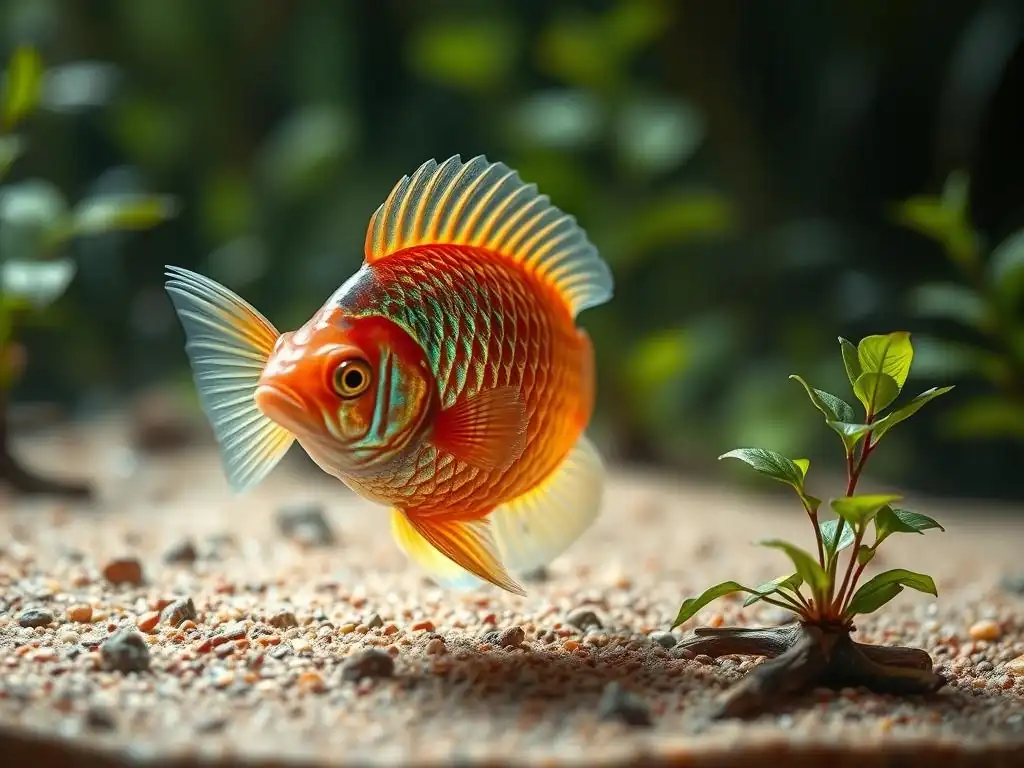
Just as with fish, identifying native plant species is a cornerstone of creating an authentic biotope aquarium. Plants play a crucial role not only in aesthetics but also in maintaining water quality, providing shelter, and serving as a food source for certain fish species. Research should focus on plants naturally found in the specific geographical region and type of water body you are replicating. For instance, a South American blackwater biotope would typically feature plants like Echinodorus species (Amazon Swords) or floating plants like Limnobium laevigatum, while a clearwater stream might host Cabomba or Myriophyllum.
Conversely, trying to grow plants like Anubias barteri (native to West Africa) in an Amazonian setup, while possible, detracts from the biotope's authenticity. Utilize botanical databases, scientific papers, and reputable aquascaping resources that specialize in regional flora. Understanding the natural biotope aquarium fish plant pairing ensures that your aquatic ecosystem not only looks correct but also functions correctly, providing the specific environmental cues that both your fish and plants need to thrive.
Plant Growth Requirements: Light, Substrate, and Nutrients
Successful plant growth in a biotope aquarium hinges on meeting their specific requirements for light, substrate, and nutrients, which often vary significantly between species and their native habitats. For example, many plants from shaded jungle streams, like Cryptocoryne species from Southeast Asia or Anubias from West Africa, are adapted to low to moderate light conditions (PAR values typically below 50 µmol/m²/s) and can struggle under intense illumination. Conversely, stem plants from open, sunny floodplains often demand high light levels (PAR 80+ µmol/m²/s) to prevent leggy growth and maintain vibrant coloration.
Substrate choice is equally critical: some plants are heavy root feeders and require a nutrient-rich substrate (e.g., Echinodorus species), while others, like Java Fern ( Microsorum pteropus) or Bucephalandra, are epiphytes that attach to hardscape and absorb nutrients primarily from the water column. Understanding these needs allows you to tailor your setup with appropriate lighting systems, nutrient-rich soil or inert sand, and targeted fertilization (liquid or root tabs) to ensure your biotope aquarium fish plant pairing thrives and contributes to a balanced, healthy ecosystem.
Aquascaping with Biotope-Specific Plants for a Natural Look
Aquascaping in a biotope aquarium is about more than just aesthetics; it's about recreating the natural arrangement and growth patterns of plants to provide functional benefits for the fish and a truly authentic visual experience. Instead of simply placing plants wherever they fit, observe how they grow in their native environment: do they form dense thickets along riverbanks, emerge from rocky crevices, or float freely on the surface?
For instance, a South American biotope might feature large, rooted Echinodorus species as background plants, with fine-leaved stem plants like Cabomba filling midground spaces and floating plants like Pistia stratiotes providing shade.
Consider the interplay between plants and hardscape. Anubias and Bolbitis species, common in African and Asian biotopes, are often found attached to driftwood or rocks, mimicking their epiphytic growth in nature. Create natural hiding spots and visual barriers using dense plant groupings, which reduce stress for fish and encourage natural behaviors. The goal is to make the biotope aquarium fish plant pairing appear as if it was transplanted directly from the wild, fostering a sense of natural harmony and ecological balance within the confines of your tank.
Plant Propagation and Maintenance in a Biotope Aquarium
Maintaining plants in a biotope aquarium involves regular care to ensure their continued health and to prevent them from overgrowing or decaying, which can negatively impact water quality. Pruning is essential for many plant species, especially fast-growing stem plants like Myriophyllum or Rotala. Regular trimming encourages bushier growth, prevents shading of lower leaves, and removes any dead or decaying foliage that could release unwanted nutrients into the water column, potentially leading to algae issues.
Propagation is another key aspect, allowing you to expand your plant collection or replace older plants. Many plants can be propagated through cuttings, division of rhizomes (e.g., Anubias, Java Fern), or by separating runners (e.g., Vallisneria, Sagittaria). Beyond trimming, consistent nutrient dosing, either through liquid fertilizers or root tabs, is often necessary to replenish macro and micronutrients that plants consume. For high-tech setups, CO2 injection might be incorporated to boost plant growth. Regular maintenance of your biotope aquarium fish plant pairing ensures a vibrant, balanced, and healthy aquatic ecosystem for years to come.
Biotope Aquarium Examples: Fish and Plant Pairings by Region
South American Biotope: Cardinal Tetra and Amazon Sword
Replicating the Amazon River Biotope
Replicating a South American biotope, particularly one inspired by the Amazon River, often focuses on the iconic biotope aquarium fish plant pairing of the Cardinal Tetra ( Paracheirodon axelrodi) and the Amazon Sword ( Echinodorus amazonicus). These species are endemic to the vast Amazon basin, particularly the blackwater tributaries like the Rio Negro, where water is soft (GH 0-4 dGH), acidic (pH 5.5-6.5), and warm (26-29°C). The substrate typically consists of fine, dark sand, abundant leaf litter from fallen trees, and numerous pieces of driftwood, which contribute tannins that stain the water a tea-like color, mimicking the natural environment.
Complementary fish for this setup might include a school of Discus ( Symphysodon spp. ), which also thrive in these conditions, or smaller schooling fish like Rummy-Nose Tetras ( Hemigrammus rhodostomus). Alongside Amazon Swords, other suitable plants include Cabomba caroliniana, Myriophyllum aquaticum, and various floating plants like Pistia stratiotes (Water Lettuce) or Phyllanthus fluitans (Red Root Floater), which provide shade and consume excess nutrients. This careful selection creates a stunning and functional ecosystem that truly represents the lush, biodiverse waters of the Amazon.
Asian Biotope: Harlequin Rasbora and Cryptocoryne wendtii
Setting up a Southeast Asian Blackwater Biotope
A Southeast Asian blackwater biotope, often inspired by the peat swamps and slow-moving streams of Malaysia or Sumatra, provides a serene and captivating environment. A quintessential biotope aquarium fish plant pairing for this region features the Harlequin Rasbora ( Trigonostigma heteromorpha) alongside Cryptocoryne wendtii. These areas are characterized by soft, acidic water (pH 6.0-7.0), often stained with tannins from decaying leaves and wood, with temperatures typically ranging from 24-27°C. The substrate usually consists of fine, dark sand or nutrient-poor gravel, overlaid with a generous layer of leaf litter (e.g., Indian almond leaves).
Other suitable fish for this biotope include various species of wild Bettas ( Betta spp. ), Dwarf Gouramis ( Trichogaster lalius), or even small loaches like Kuhli Loaches ( Pangio kuhlii).
Beyond Cryptocoryne wendtii, other plants that thrive in these conditions and are native to the region include Microsorum pteropus (Java Fern), Bucephalandra species, and Anubias nana (though Anubias is African, it's often used for similar growth habits in low-light Asian setups, though strict adherence would avoid it). The combination of dark substrate, tannin-stained water, and lush, low-light plants creates a truly authentic and peaceful representation of these unique Asian aquatic habitats.
African Biotope: Julidochromis transcriptus and Anubias barteri
Creating a Tanganyikan Rock Dweller Biotope
For an African biotope, especially one inspired by the rocky shores of Lake Tanganyika, a classic biotope aquarium fish plant pairing involves the Julidochromis transcriptus and Anubias barteri. Lake Tanganyika is renowned for its hard, alkaline water (pH 7.8-9.0), stable temperatures (24-27°C), and vast underwater rock formations. The substrate is typically fine sand, and the aquascape is dominated by extensive rockwork, mimicking the natural crevices and caves where these cichlids reside. Plants are sparse in these high-pH, high-mineral waters, making Anubias barteri one of the few suitable choices, often found clinging to rocks or driftwood.
Other appropriate fish for a Tanganyikan rock dweller biotope include Neolamprologus brichardi (Fairy Cichlid), Lamprologus ocellatus (Shell Dweller), or various Cyprichromis species, all adapted to the lake's unique conditions and social structures. The focus here is less on dense planting and more on creating intricate rock formations that provide territories and hiding spots for the cichlids. This biotope emphasizes the geological characteristics and the specialized fish species that have evolved to thrive in this ancient, vast African lake, resulting in a dynamic and fascinating display.
North American Biotope: American Flagfish and Vallisneria americana
Building a Florida Everglades Biotope
A North American biotope, such as one replicating the Florida Everglades, offers a unique opportunity to explore native species often overlooked in the hobby. A representative biotope aquarium fish plant pairing would be the American Flagfish ( Jordanella floridae) with Vallisneria americana. The Everglades are characterized by slow-moving, often clear to slightly tannic waters, with variable pH (6.5-7.5), moderate hardness, and temperate temperatures (20-24°C, though they can tolerate warmer). The substrate is typically fine sand or detritus-rich mud, and the landscape features submerged grasses and emergent vegetation.
Other suitable fish species for this biotope include the Eastern Mosquitofish ( Gambusia holbrooki), Least Killifish ( Heterandria formosa), or various sunfish species (if tank size permits). Alongside Vallisneria americana (Corkscrew Vallisneria), other native plants that thrive in these conditions include Nymphaea lotus (Dwarf Lily), Sagittaria subulata, and various emergent marsh plants like Ludwigia repens. This biotope emphasizes the lush, grassy, and often somewhat wild aesthetic of North American wetlands, showcasing the beauty and ecological importance of local aquatic life.
Recreating Natural Water Parameters for Your Biotope
Understanding the Importance of pH, GH, and KH
Understanding pH, GH (General Hardness), and KH (Carbonate Hardness) is fundamental to recreating the precise water parameters required for a successful biotope aquarium. pH measures the acidity or alkalinity of the water, on a scale of 0 to 14, with 7 being neutral. Fish and plants are highly sensitive to pH fluctuations, and maintaining their native range is crucial for their physiological processes, including osmoregulation and nutrient uptake. For example, many Amazonian fish require acidic water (pH 5.5-6.5), while African Rift Lake cichlids thrive in alkaline conditions (pH 7.8-9.0).
GH refers to the concentration of dissolved mineral salts, primarily calcium and magnesium ions, which contributes to the "hardness" of the water. KH, or carbonate hardness, specifically measures the concentration of bicarbonates and carbonates, acting as a buffer against rapid pH swings. Both GH and KH are vital for fish health, influencing their osmotic balance and overall well-being. Matching these parameters to the chosen biotope's natural conditions is critical for the long-term health and stability of your biotope aquarium fish plant pairing.
Achieving Accurate Water Chemistry for Your Chosen Biotope
Achieving accurate water chemistry for your chosen biotope often requires more than just tap water, as municipal water supplies rarely match specific natural habitats. For soft, acidic biotopes (e.g., Amazonian, Southeast Asian blackwater), hobbyists commonly use Reverse Osmosis (RO) water, which is nearly pure H2O, and then remineralize it with specific salts to achieve the target GH and KH, while peat or driftwood can naturally lower the pH. This method offers precise control over water parameters, ensuring the ideal conditions for your biotope aquarium fish plant pairing.
Conversely, for hard, alkaline biotopes (e.g., African Rift Lakes), tap water may be suitable if it's naturally hard, or specific buffering salts can be added to increase KH and maintain a high pH. Regular testing with reliable liquid test kits for pH, GH, and KH is essential to monitor these parameters and make necessary adjustments. Consistency is key; sudden drastic changes in water chemistry can be highly stressful to aquatic life, so any adjustments should be made gradually over several days.
Using Natural Substrates and Wood to Influence Water Parameters
Beyond chemical additives, natural substrates and wood can significantly influence water parameters in a biotope aquarium, helping to achieve and maintain the desired chemistry. For soft, acidic biotopes, fine inert sands (like silica sand) are ideal as a base, combined with materials that release tannins and humic acids.
Peat, whether layered under the substrate or placed in a filter bag, is highly effective at lowering pH and GH, mimicking the conditions of blackwater rivers. Similarly, various types of driftwood (e.g., Malaysian, Manzanita, Cholla wood) leach tannins, gradually reducing pH and imparting a natural tea-stained appearance to the water, which is characteristic of many Amazonian and Southeast Asian habitats.
Conversely, for hard, alkaline biotopes like those from African Rift Lakes, substrates containing calcium carbonate, such as crushed coral or aragonite sand, can help buffer the water and raise both pH and GH. Rocks like limestone or Texas Holey Rock also contribute to water hardness and alkalinity. Understanding the chemical properties of your chosen hardscape and substrate materials is vital to naturally influence and stabilize the water parameters, creating a more authentic and stable environment for your biotope aquarium fish plant pairing.
Maintaining a Healthy Biotope Aquarium: Long-Term Success
Regular Water Changes and Filtration
Regular water changes and effective filtration are cornerstones of maintaining a healthy biotope aquarium and ensuring long-term success. Even in a perfectly balanced biotope, organic waste from fish, decaying plant matter, and uneaten food will accumulate, leading to rising nitrate levels and a gradual shift in water parameters. Performing weekly or bi-weekly water changes, typically 20-30% of the tank volume, helps dilute these pollutants and replenish essential trace elements. Crucially, the replacement water must be pre-treated to match the biotope's specific pH, GH, and KH to avoid shocking the inhabitants.
Filtration systems, combining mechanical, biological, and sometimes chemical media, are equally vital. Mechanical filtration removes particulate matter, keeping the water clear. Biological filtration, provided by beneficial bacteria colonizing filter media, converts toxic ammonia and nitrite into less harmful nitrate. While chemical filtration (e.g., activated carbon) can be used, it should be applied judiciously in a biotope to avoid removing beneficial tannins or trace elements. A robust filtration system, coupled with consistent water changes, provides the stable, clean environment necessary for your biotope aquarium fish plant pairing to thrive.
Controlling Algae Growth in a Natural Biotope Setup
Controlling algae growth in a natural biotope setup is essential for both aesthetics and the overall health of the ecosystem. While a small amount of algae is natural and can even be beneficial as a food source for some biotope-appropriate invertebrates or fish, excessive blooms indicate an imbalance in the system. Common culprits for algae proliferation include too much light intensity or duration, excess nutrients (from overfeeding or insufficient water changes), or a lack of healthy plant growth to outcompete the algae.
Strategies for control involve addressing these imbalances: reducing photoperiods (e.g., 8-10 hours daily), ensuring proper nutrient levels for desired plants, and performing regular water changes to export excess nitrates and phosphates. Introducing biotope-appropriate algae eaters, such as Otocinclus catfish ( Otocinclus affinis) for South American biotopes or certain snail species, can also help. Manual removal of algae from glass and decor is always a necessary step. A well-balanced biotope aquarium fish plant pairing with healthy, thriving plants is often the best defense against persistent algae problems.
Monitoring Fish Health and Preventing Disease
Proactive monitoring of fish health is paramount for preventing and addressing diseases in a biotope aquarium, ensuring the well-being of your carefully selected inhabitants. Daily observation of your fish is key: look for changes in behavior (lethargy, erratic swimming, hiding more than usual), appearance (clamped fins, faded color, spots, lesions, frayed fins), or appetite. Early detection of symptoms allows for prompt intervention, which can prevent the spread of disease to other tank inhabitants.
Prevention is always better than cure. Quarantining all new fish for a period of 2-4 weeks in a separate tank before introducing them to the main biotope is highly recommended. This allows you to observe them for signs of illness and treat them if necessary, without risking your established biotope aquarium fish plant pairing. Maintaining stable, pristine water quality, providing a species-appropriate diet, and avoiding overstocking are fundamental preventative measures that significantly reduce stress and bolster fish immune systems, making them less susceptible to common ailments like Ich or fin rot.
Pruning and Propagating Plants for a Balanced Ecosystem
Regular pruning and propagation are crucial aspects of maintaining a balanced and healthy plant community within a biotope aquarium. As plants grow, they can become overgrown, shading out other plants or even blocking light for lower leaves, leading to decay. Pruning involves selectively trimming stem plants to encourage bushier growth, removing yellowing or decaying leaves, and cutting back runners from carpeting plants to maintain their desired spread. This not only keeps the aquascape aesthetically pleasing but also prevents the accumulation of dead organic matter, which can release nitrates and phosphates into the water.
Propagating plants by taking cuttings, dividing rhizomes (for plants like Anubias or Java Fern), or separating plantlets from runners allows you to replace older, less vigorous plants or expand your green cover. This process also helps in nutrient cycling, as actively growing plants consume nitrates and phosphates, contributing to water quality stability. A well-managed biotope aquarium fish plant pairing ensures that plants remain vibrant and healthy, contributing effectively to the ecosystem's filtration and oxygenation, and preventing issues like nutrient imbalances that can trigger algae blooms.
Troubleshooting Common Biotope Aquarium Problems
Identifying and Addressing Algae Blooms
Algae blooms are one of the most common and frustrating problems in any aquarium, including biotopes, and identifying their specific type and cause is the first step towards effective treatment. Green spot algae, for example, often indicates insufficient phosphate or CO2. Green hair algae usually points to excess light or nutrients. Brown diatom algae commonly appears in new tanks and often resolves on its own as beneficial bacteria establish. Black beard algae (BBA) is notoriously stubborn and often linked to fluctuating CO2 levels or nutrient imbalances.
Addressing algae blooms requires a systematic approach. Reduce the photoperiod to 6-8 hours daily, ensure consistent CO2 levels if injecting, and perform larger, more frequent water changes (e.g., 50% every other day for a week) to export excess nutrients. Manually remove as much algae as possible during water changes. Evaluate your feeding regimen to prevent overfeeding, which contributes to nutrient buildup. For specific types of algae, consider targeted nutrient adjustments (e.g., increasing nitrates or phosphates slightly if they are zero). A healthy, dense biotope aquarium fish plant pairing that outcompetes algae for nutrients is the best long-term solution.
Dealing with Fish Diseases and Parasites
Despite best efforts, fish diseases and parasites can occasionally emerge in a biotope aquarium, and prompt, accurate diagnosis is crucial for successful treatment. Common issues include Ich (white spots), fin rot (frayed fins), velvet (dust-like coating), and various bacterial or fungal infections. Symptoms can range from lethargy and loss of appetite to visible lesions or erratic swimming. Immediately isolate any affected fish to a separate quarantine tank to prevent the spread of the disease to the rest of your biotope aquarium fish plant pairing.
Once isolated, identify the specific disease if possible. Many common ailments can be treated with over-the-counter aquarium medications, but always follow dosage instructions precisely. For Ich, increasing the water temperature slightly (if suitable for your fish species) and adding aquarium salt can be effective. For bacterial infections, broad-spectrum antibiotics may be necessary. Simultaneously, address any underlying water quality issues or stressors in the main tank, such as overcrowding, incorrect parameters, or poor diet, as these often weaken fish immune systems and make them susceptible to illness.
Resolving Plant Deficiency Issues
Plant deficiency issues manifest as visible symptoms on leaves and stems, indicating a lack of specific macronutrients (Nitrogen, Phosphorus, Potassium) or micronutrients (Iron, Manganese, etc.). For instance, yellowing of older leaves often points to a nitrogen deficiency, while stunted new growth or dark, almost black leaves can signal a lack of phosphorus. Pale new leaves with dark veins typically indicate an iron deficiency, and holes in leaves might suggest potassium deficiency. Understanding these symptoms is key to resolving the issue.
To address deficiencies, first ensure adequate lighting and CO2 (if applicable), as these are fundamental for plant growth and nutrient uptake. Then, systematically supplement the missing nutrients. Root tabs can provide long-term nutrient release for heavy root feeders, while liquid fertilizers offer a way to dose both macro and micronutrients directly into the water column. Monitor your biotope aquarium fish plant pairing closely after making adjustments and use liquid test kits for specific nutrients if you suspect a significant imbalance. Consistent and balanced fertilization, along with proper water changes, will help your plants thrive.
Advanced Biotope Aquascaping Techniques
Creating Realistic Rock Formations and Hardscape
Creating realistic rock formations and hardscape is an advanced biotope aquascaping technique that significantly enhances the authenticity and functionality of the aquarium. Instead of simply stacking rocks, the goal is to mimic geological processes and natural structures. For African Rift Lake biotopes, use inert rocks like lava rock or slate to build towering, intricate structures with numerous caves and crevices, providing territories and hiding spots for cichlids. For South American riverbeds, smooth, rounded river stones and large pieces of driftwood can simulate natural debris accumulation.
Consider the rule of thirds and golden ratio for aesthetic placement, but prioritize natural flow and scale. Use aquarium-safe silicone to secure unstable rock structures, preventing collapses that could harm fish or damage the tank. Ensure that the chosen hardscape materials are chemically inert or, if they alter water parameters (e.g., limestone raising pH), that this effect aligns with your biotope's requirements. Thoughtful biotope aquarium fish plant pairing with hardscape creates a dynamic, visually engaging, and highly functional aquatic environment.
Simulating Natural Light Conditions
Simulating natural light conditions goes beyond simply setting a timer for your aquarium lights; it involves mimicking the intensity, spectrum, and even daily variations found in a specific biotope. Many advanced hobbyists use programmable LED lighting systems that can replicate dawn-to-dusk cycles, gradually increasing and decreasing intensity throughout the day. Some systems can even simulate cloud cover or moonlight phases, adding a layer of realism and providing natural cues for fish behavior, such as breeding or nocturnal activity.
Consider the light requirements of your chosen biotope aquarium fish plant pairing. Plants from heavily shaded jungle streams (e.g., many Cryptocoryne species) thrive under lower light intensities, while plants from open, sunny floodplains require higher PAR values. Over-lighting can lead to excessive algae growth, especially in low-nutrient biotopes. Researching the typical light penetration and spectrum of your chosen biotope's natural waters will guide your lighting choices, enhancing both the authenticity and the health of your aquatic ecosystem.
Incorporating Leaf Litter and Other Organic Materials
Incorporating leaf litter and other organic materials is an advanced yet highly effective technique for enhancing the authenticity and ecological balance of many biotope aquariums, particularly blackwater setups. Dried leaves, such as Indian almond leaves ( Terminalia catappa), oak leaves, or alder cones, gradually break down, releasing beneficial tannins and humic acids into the water. These compounds naturally lower pH and GH, create a characteristic tea-stained appearance, and provide antibacterial and antifungal properties, mimicking the conditions of natural blackwater rivers and streams.
Beyond their chemical influence, leaf litter provides a natural food source for detritivores (like snails and shrimp) and a rich foraging ground for many fish species. It also creates natural hiding spots and visual barriers, reducing stress for shy fish. Regularly replenishing the leaf litter as it decomposes maintains these beneficial effects. This biotope aquarium fish plant pairing with organic materials contributes to a truly naturalistic environment, fostering a complex microbial community that benefits the entire ecosystem.
Conclusion: The Rewarding Experience of a Biotope Aquarium
Creating a Sustainable and Beautiful Aquatic Ecosystem
Creating a biotope aquarium is a deeply rewarding experience that transcends simply keeping fish and plants; it is about meticulously crafting a sustainable and beautiful aquatic ecosystem that mirrors a specific natural habitat. This journey demands detailed research, patience, and a commitment to understanding the intricate relationships between fish, plants, and their environment. The effort invested in selecting the perfect biotope aquarium fish plant pairing, replicating precise water parameters, and designing a naturalistic aquascape culminates in a living work of art that offers unparalleled insights into the natural world.
Beyond the aesthetic appeal, a well-maintained biotope aquarium promotes exceptional fish health, encourages natural behaviors, and can even contribute to the conservation of unique aquatic species. It serves as an educational tool, deepening the aquarist's appreciation for biodiversity and ecological balance. The challenges of recreating a slice of nature are far outweighed by the immense satisfaction of observing a thriving, authentic ecosystem flourish within your home, a testament to the beauty and complexity of our planet's aquatic environments.
Frequently Asked Questions
What is a biotope aquarium, and why is fish and plant pairing important?
A biotope aquarium aims to replicate a specific natural habitat. Accurate fish and plant pairing is crucial for authenticity and the well-being of the inhabitants. It creates a more natural and stable environment.
How do I research appropriate fish and plant pairings for a specific biotope?
Start by identifying a specific geographic location and aquatic environment. Use resources like AquariumMastery.com, scientific journals, and field reports to research the native flora and fauna. Cross-reference species to ensure compatibility.
What are some common mistakes to avoid when selecting fish and plants for a biotope aquarium?
Avoid mixing species from different continents or drastically different environments. Ensure the plants can tolerate the water parameters required by the chosen fish. Overcrowding is also a frequent error.
Where can I find information on the specific water chemistry requirements for my chosen biotope aquarium?
AquariumMastery.com offers detailed guides on water chemistry. Research the specific region you are replicating to understand its natural pH, hardness, and other parameters. Accurate water chemistry is paramount.
How important is substrate selection when recreating a biotope aquarium?
Substrate selection is very important because it influences water chemistry and plant growth. Research the natural substrate composition of your chosen biotope. Use materials that mimic the natural environment as closely as possible.
Final Reflection: Embracing Authentic Aquatic Harmony
The journey of creating a biotope aquarium, as we've explored, is far more than just assembling fish and plants. It's about recreating a miniature ecosystem, a snapshot of a specific natural environment. This pursuit of authenticity resonates deeply today, as we become increasingly aware of the interconnectedness of life and the importance of preserving biodiversity, even within our own homes.
This dedication to mimicking nature's designs has profoundly influenced how we perceive aquariums. It moves beyond mere decoration and transforms them into living, breathing representations of the natural world, fostering a deeper appreciation for the delicate balance of ecosystems. In nature, nothing exists alone.
- Rachel Carson. This quote perfectly encapsulates the biotope philosophy, reminding us that every element, from the smallest plant to the most vibrant fish, plays a crucial role in the overall health and beauty of the environment.
Now, as you embark on your own biotope journey, remember that the true reward lies not just in the aesthetic beauty of your creation, but in the understanding and respect it fosters for the natural world. Take the knowledge you've gained, research diligently, and choose your fish and plants with intention. Let your biotope aquarium be a testament to the power of observation, the beauty of biodiversity, and your commitment to preserving the wonders of our planet, one carefully chosen pairing at a time.
Dive Deeper: Design Your Dream Biotope Aquarium Today!
Thanks for exploring the fascinating world of biotope aquariums with us! We hope you're now inspired to create a miniature ecosystem reflecting nature's artistry. Ready to transform your aquarium into a vibrant, natural masterpiece?
Here are a few actionable steps you can take:
- Start planning your biotope by researching the specific region that inspires you. Identify the fish and plant species that naturally coexist.
- Share your biotope aquarium ideas and inspiration with the Aquarium Mastery community! Tell us which region captivated you the most.
- Try creating a mood board of your planned biotope aquarium. Visualizing your setup can spark creativity and ensure a cohesive design!
Which captivating corner of the aquatic world will you bring to life first?