
Troubleshooting Common Problems in Your Mbuna & Peacock Aquarium

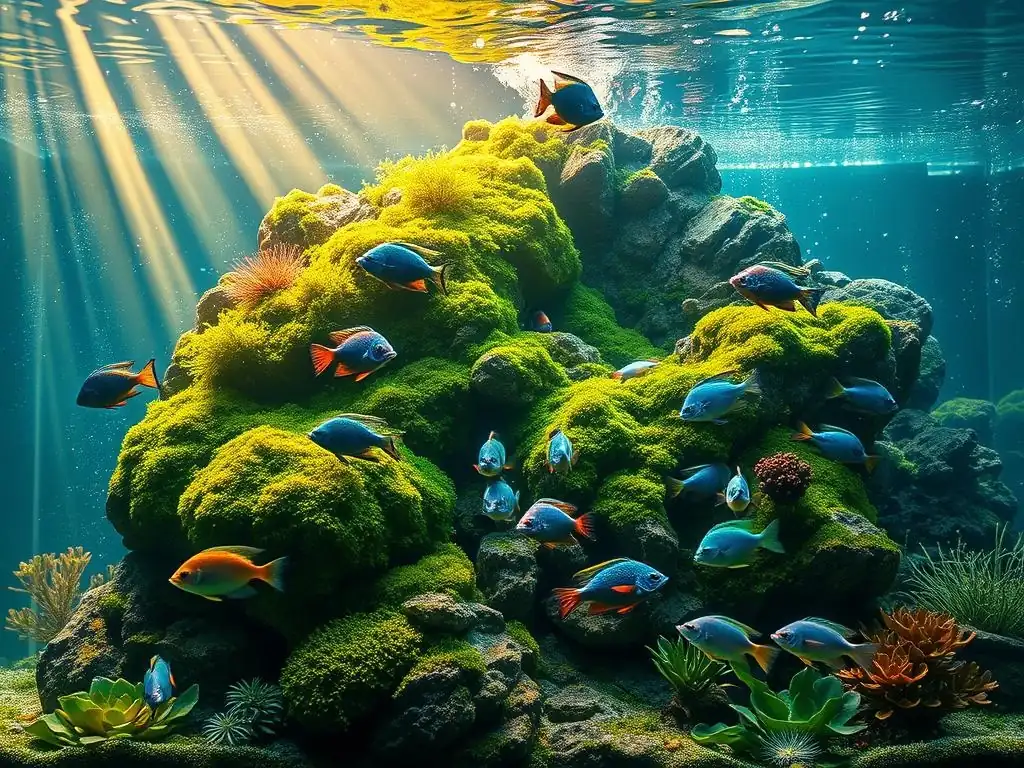
Welcome to Aquarium Mastery, your go-to resource for all things aquarium!
Ever stared into your Mbuna and Peacock aquarium, wondering why things aren't quite right? You're not alone. This guide tackles those frustrating Mbuna aquarium water problems head-on, offering practical solutions and expert insights to keep your colorful cichlids thriving. Ready to unlock the secrets to a crystal-clear, healthy Mbuna tank? Let's dive in!
- Understanding Common Mbuna & Peacock Aquarium Issues
- Water Quality Issues in Mbuna Aquariums: Causes & Solutions
- Mbuna & Peacock Cichlid Health Problems: Diagnosis & Treatment
- Aggression Issues in Mbuna & Peacock Cichlid Aquariums
- Cloudy Water in Mbuna Tanks: Causes and Solutions
- Equipment Malfunctions: Troubleshooting Aquarium Equipment
- Preventing Future Problems in Your Mbuna & Peacock Aquarium
-
Frequently Asked Questions
- How often should I be performing water changes in my Mbuna aquarium?
- What are some common signs of poor water quality in my Mbuna tank?
- Why is my Mbuna aquarium water turning green?
- What should I do if I detect ammonia or nitrite in my Mbuna aquarium water?
- My Mbuna are displaying lethargy and clamped fins. Could this be related to water quality?
- Final Reflection: Navigating the Depths of Mbuna & Peacock Harmony
- Unlock Your Mbuna & Peacock Aquarium's Full Potential!
Understanding Common Mbuna & Peacock Aquarium Issues
Keeping Mbuna and Peacock cichlids, with their vibrant colors and dynamic behaviors, can be incredibly rewarding. However, these fish, originating from the stable and unique environment of Lake Malawi, have specific requirements that, if not met, can lead to a range of common Mbuna aquarium water problems and health issues. Unlike many community fish, African cichlids are particularly sensitive to fluctuations in water chemistry and can exhibit aggressive tendencies, making their care a specialized endeavor. Proactive identification of these challenges is paramount to ensuring a thriving and stable Mbuna cichlid environment.
The unique needs of Mbuna and Peacock cichlids, such as their preference for hard, alkaline water and their territorial nature, mean that typical freshwater aquarium setups often fall short. Understanding their specific environmental demands, from precise water parameters to appropriate tank mates and aquascaping, is the foundation for preventing the most frequent Mbuna cichlid problems. Without this foundational knowledge, aquarists often find themselves battling recurring issues like poor water quality, disease outbreaks, and aggressive interactions that can decimate a tank population.
Identifying Potential Problems in Your African Cichlid Tank
Identifying potential problems in your African cichlid tank often begins with observing the tank's overall environment and the functionality of its equipment. Pay close attention to water clarity; cloudy or discolored water can be an early indicator of significant Mbuna aquarium water problems, such as bacterial blooms, excessive organic waste, or an inefficient filtration system. Similarly, an unusual or persistent foul odor emanating from the tank, rather than a fresh, earthy smell, frequently signals decaying organic matter or an imbalance in the nitrogen cycle, which can quickly lead to toxic conditions for your Mbuna cichlids.
Beyond the water itself, a thorough check of your aquarium equipment is essential. Ensure that your heater is maintaining a consistent temperature, ideally within the 78-82°F (25.5-27.8°C) range, as temperature fluctuations can stress fish and trigger Mbuna cichlid health problems. Verify that your filtration system is operating at optimal flow, as reduced flow can indicate clogging or malfunction, leading to a rapid accumulation of ammonia and nitrites. Even subtle changes, like a decrease in aeration from an air stone, can impact oxygen levels, further contributing to potential Mbuna aquarium water problems.
Common Signs of Distress in Mbuna & Peacock Cichlids
Observing your Mbuna and Peacock cichlids for changes in behavior is often the earliest warning sign of distress or illness. Healthy cichlids are typically active, curious, and display vibrant coloration. Lethargy, characterized by fish spending excessive time hiding, resting on the substrate, or showing little interest in food, is a strong indicator of stress or an underlying Mbuna cichlid health problem.
Rapid breathing, where the fish's gills move noticeably faster than usual, often suggests poor water quality, such as low oxygen levels or elevated ammonia. Additionally, "flashing," where fish rub their bodies against tank decorations or the substrate, can signal external parasites like Ich.
Physical symptoms are also critical to monitor. Clamped fins, where the fins are held close to the body rather than spread open, are a common stress response. Faded or dull coloration can indicate general stress, illness, or poor water parameters, diminishing the natural vibrancy of these African cichlids.
Visible white spots resembling salt grains on the body and fins are a hallmark of Ich, while cotton-like growths suggest fungal infections. Perhaps most concerning is abdominal swelling, particularly in Mbuna, which can be a sign of Malawi Bloat, a severe and often fatal Mbuna cichlid health problem that requires immediate attention.
Water Quality Issues in Mbuna Aquariums: Causes & Solutions
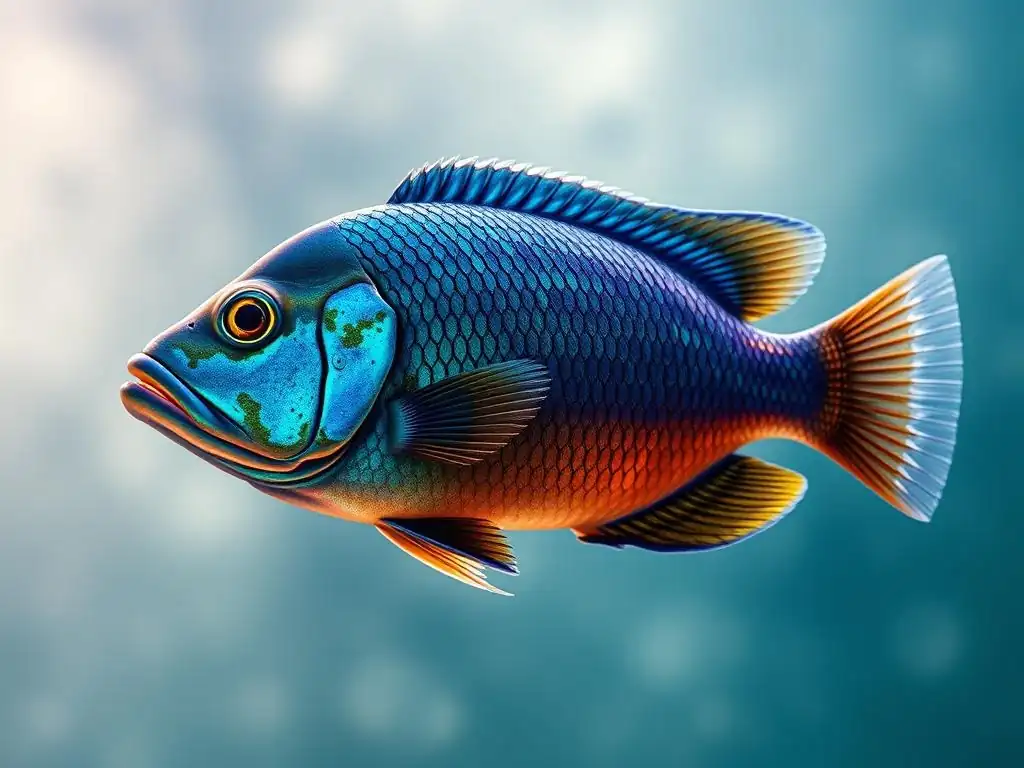
Water quality is arguably the single most critical factor in maintaining a healthy Mbuna and Peacock cichlid aquarium. These fish originate from Lake Malawi, a vast body of water known for its incredibly stable and pristine parameters. Replicating this stability in a closed aquarium system is challenging, but essential. Poor water quality, characterized by fluctuating pH, high levels of nitrogenous waste, or inappropriate hardness, is the root cause of a significant majority of Mbuna aquarium water problems, leading to stress, disease, and premature death.
Understanding and diligently managing the nitrogen cycle is the cornerstone of preventing common Mbuna aquarium water problems. Regular testing for ammonia, nitrite, and nitrate, coupled with consistent water changes, forms the backbone of water quality management. Without these proactive measures, toxins can rapidly accumulate, overwhelming a fish's immune system and making them highly susceptible to various Mbuna cichlid health problems, including internal infections and parasitic infestations. Therefore, mastering water quality is the most impactful step an aquarist can take for their African cichlids.
High Ammonia and Nitrite Levels: Causes and Solutions in African Cichlid Tanks
High ammonia and nitrite levels are acutely toxic to fish and represent some of the most dangerous Mbuna aquarium water problems. These compounds are typically prevalent in newly set up tanks that have not fully cycled, or in established tanks experiencing a sudden increase in bioload, overfeeding, or a disruption to their beneficial bacteria colonies. Even small concentrations, such as 0.25 ppm ammonia, can cause severe gill damage and stress, making fish vulnerable to secondary infections. Addressing these spikes immediately is critical to the survival of your African cichlids.
Another common cause for sudden ammonia or nitrite spikes in an established Mbuna tank is the death of a fish that goes unnoticed, or a significant overfeeding event where large amounts of uneaten food decompose. Medications can also sometimes harm beneficial bacteria, leading to a temporary crash in the nitrogen cycle. Recognizing the signs of ammonia or nitrite poisoning—such as gasping at the surface, rapid gill movement, lethargy, or red streaking on fins—and understanding their origin is vital for prompt and effective intervention to mitigate these severe Mbuna aquarium water problems.
Understanding the Nitrogen Cycle in a Mbuna Aquarium
The nitrogen cycle is the biological process that converts harmful waste products into less toxic substances, and it is the bedrock of a healthy Mbuna aquarium. It begins when fish waste, uneaten food, and decaying plant matter break down, releasing highly toxic ammonia (NH3/NH4+). Specialized nitrifying bacteria, primarily Nitrosomonas species, then convert this ammonia into nitrite (NO2-), which is also highly toxic to fish. Finally, another group of nitrifying bacteria, mainly Nitrobacter species, transform nitrite into much less harmful nitrate (NO3-).
In a properly cycled Mbuna aquarium, these beneficial bacteria colonies reside predominantly in the filter media and on the substrate, effectively processing waste continuously. A fully mature nitrogen cycle ensures that ammonia and nitrite levels remain at an undetectable 0 ppm, which is crucial for the well-being of Mbuna cichlids. Any disruption to this cycle, such as inadequate filtration, overstocking, or the use of certain medications, can lead to dangerous spikes in these compounds, causing acute Mbuna aquarium water problems and severe stress to the fish.
How to Test for Ammonia and Nitrite in Your Cichlid Tank
Accurate testing for ammonia and nitrite is non-negotiable for maintaining a healthy Mbuna aquarium. Liquid reagent test kits, such as the API Freshwater Master Test Kit, are highly recommended over test strips due to their superior accuracy and reliability. These kits typically involve adding drops of various reagents to water samples from your tank and comparing the resulting color to a chart to determine the concentration. For a healthy, cycled Mbuna tank, both ammonia and nitrite levels should consistently read 0 ppm.
When performing these tests, it is important to follow the manufacturer's instructions precisely, including shaking reagents thoroughly and allowing the specified reaction time. For instance, the ammonia test often requires a five-minute waiting period for accurate results. Any detectable level of ammonia or nitrite, even as low as 0.25 ppm, indicates a serious Mbuna aquarium water problem that requires immediate attention, as these compounds are highly toxic to cichlids and can lead to irreversible damage or death if left unaddressed.
Effective Methods for Reducing Ammonia and Nitrite Spikes
When faced with ammonia or nitrite spikes, immediate and decisive action is required to protect your Mbuna cichlids. The most effective first step is performing a large water change, typically 50-75% of the tank volume, to dilute the toxins. For example, if your ammonia reads 1.0 ppm, a 50% water change will immediately reduce it to approximately 0.5 ppm, providing crucial relief to stressed fish. Ensure that the replacement water is dechlorinated and temperature-matched to avoid further shocking the fish.
Beyond immediate dilution, several long-term strategies can help prevent recurring Mbuna aquarium water problems related to ammonia and nitrite. Reduce feeding significantly, or stop feeding entirely for a few days, to minimize waste production. Ensure your filtration system is adequately sized for your bioload and is functioning optimally; adding supplemental beneficial bacteria products (e.g., Seachem Stability, Tetra SafeStart) can help re-establish bacterial colonies. Regularly clean mechanical filter media (rinsing in old tank water) and avoid overstocking your Mbuna aquarium to prevent future dangerous spikes.
Nitrate Buildup: Managing Nitrate Levels in Mbuna Tanks
Nitrate buildup is a common, though often underestimated, Mbuna aquarium water problem. While less acutely toxic than ammonia and nitrite, consistently high nitrate levels (generally above 20-40 ppm for cichlids) can have chronic detrimental effects on fish health. These include suppressed immune systems, stunted growth, increased susceptibility to diseases like Malawi Bloat, and reduced lifespan. Because nitrates are the end product of the nitrogen cycle, they accumulate over time and must be actively managed.
The insidious nature of high nitrates means that symptoms may not be immediately obvious, making it a subtle but significant Mbuna aquarium water problem. Fish may appear lethargic, their colors may fade, and they might exhibit a general lack of vigor, all signs of chronic stress from prolonged exposure to elevated nitrate levels. For breeding Mbuna, high nitrates can also inhibit spawning and reduce fry viability. Therefore, routine monitoring and proactive management of nitrates are crucial for the long-term well-being of your African cichlids.
The Impact of High Nitrates on Mbuna and Peacock Cichlids
High nitrate levels, even if ammonia and nitrite are at zero, can significantly impair the health of Mbuna and Peacock cichlids over time. Chronic exposure to nitrates above 20-40 ppm can lead to a condition known as "old tank syndrome," characterized by general malaise, listlessness, and a noticeable dulling of coloration. This prolonged stress weakens the fish's immune system, making them highly susceptible to common Mbuna cichlid health problems such as bacterial infections, fin rot, and parasitic infestations that a healthy fish could easily ward off.
Furthermore, elevated nitrates can directly affect the physiological processes of Mbuna cichlids. They can interfere with oxygen uptake, leading to labored breathing, and contribute to internal organ damage over extended periods. For juvenile fish, high nitrates can stunt growth, preventing them from reaching their full size and potential. In severe cases, particularly if nitrate levels exceed 80-100 ppm consistently, they can even lead to fish mortality, underscoring the critical need to manage this pervasive Mbuna aquarium water problem.
Water Change Strategies for Nitrate Control in Cichlid Aquariums
Regular, scheduled water changes are the most effective and fundamental method for controlling nitrate buildup in Mbuna aquariums. The frequency and volume of water changes depend on the tank's bioload, feeding habits, and nitrate readings. For a moderately stocked Mbuna tank, a 25-30% water change weekly is often sufficient to keep nitrates below 20 ppm. However, heavily stocked tanks or those with larger fish may require 40-50% weekly water changes to maintain optimal parameters and prevent Mbuna aquarium water problems.
When performing water changes, it is crucial to use a gravel vacuum to remove detritus and uneaten food from the substrate, as this decaying organic matter is a primary source of nitrates. Always ensure that the replacement water is dechlorinated and temperature-matched to the aquarium water to prevent shocking the fish. Consistency is key; skipping water changes, even for a week, can lead to a rapid accumulation of nitrates, putting unnecessary stress on your Mbuna and increasing their susceptibility to Mbuna cichlid health problems.
Biological Filtration Techniques to Lower Nitrates
While water changes are paramount, certain biological filtration techniques can also contribute to lowering nitrates in a Mbuna aquarium. The primary method involves providing ample surface area for anaerobic bacteria, which have the unique ability to convert nitrates into harmless nitrogen gas. This is typically achieved by incorporating highly porous biological filter media, such as ceramic rings, bio-balls, or specialized media like Seachem Matrix, into your filtration system. These media offer deep, oxygen-poor zones where the denitrification process can occur.
Another approach, though less common in Mbuna tanks due to their destructive nature towards plants, involves the strategic use of live plants. Certain hardy, fast-growing plants like Anubias or Java Fern can absorb nitrates as a nutrient, thereby removing them from the water column. However, the effectiveness of plants in a typical Mbuna setup is often limited, as these cichlids are notorious for uprooting and consuming vegetation. Therefore, for most Mbuna aquariums, optimizing anaerobic biological filtration and diligent water changes remain the most reliable defenses against chronic Mbuna aquarium water problems from nitrate buildup.
pH Instability: Maintaining Optimal pH for Mbuna & Peacock Cichlids
Maintaining a stable pH is crucial for Mbuna and Peacock cichlids, as they originate from Lake Malawi, which has a naturally high and consistent pH. Fluctuations in pH, or maintaining a pH outside their ideal range, can cause significant stress and lead to various Mbuna aquarium water problems. These fish thrive in hard, alkaline water, and deviations from these parameters can disrupt their physiological functions, making them more susceptible to disease and reducing their overall lifespan.
pH instability is often a result of inadequate buffering capacity in the aquarium water. Without sufficient carbonate hardness (KH), the pH can "crash" or fluctuate wildly due to the natural acidification processes occurring in the tank, such as the breakdown of organic waste. Preventing these swings is just as important as achieving the correct pH value itself, as rapid changes are far more detrimental to Mbuna cichlids than a slightly suboptimal but stable pH.
Understanding the Ideal pH Range for African Cichlids
Mbuna and Peacock cichlids require very specific water parameters to thrive, mirroring their natural habitat in Lake Malawi. The ideal pH range for these African cichlids is between 7.8 and 8.6, with a General Hardness (GH) of 10-20 dGH (179-358 ppm) and, critically, a Carbonate Hardness (KH) of 10-18 dKH (179-322 ppm). The high KH is particularly important as it provides the buffering capacity needed to maintain a stable pH in the tank, directly preventing common Mbuna aquarium water problems related to acidity.
These specific parameters are not merely preferences; they are essential for the cichlids' physiological well-being. A pH outside this range can interfere with their ability to absorb essential minerals, disrupt their osmoregulation (the process of balancing salts and water in their bodies), and severely stress their immune systems. For instance, maintaining a pH of 7.0, common for many community tanks, will cause chronic stress and health issues for Mbuna over time, highlighting the importance of tailoring water chemistry to prevent Mbuna cichlid health problems.
Buffering Your Aquarium Water to Stabilize pH
To effectively buffer your Mbuna aquarium water and stabilize pH within the optimal range, several methods can be employed. Specialized cichlid salts (e.g., Seachem Cichlid Lake Salt) or buffers (e.g., Seachem Malawi/Victoria Buffer) are highly effective, as they provide the necessary carbonate and mineral salts to raise and maintain both KH and pH. These products are typically dosed with water changes or as needed to sustain desired levels, helping to prevent Mbuna aquarium water problems.
Another common strategy is to use pH-raising substrates or decorations that naturally release carbonates into the water. Crushed coral, aragonite sand, or limestone rocks are excellent choices that provide a gradual and continuous buffering effect, helping to maintain high pH and hardness. When making adjustments, always do so gradually over several days to avoid rapid pH swings that can shock your fish. For example, if your tap water is soft and acidic, introduce buffering agents slowly over a week to bring the pH up from 7.0 to 8.0, rather than in a single large dose.
The Dangers of Sudden pH Changes in Cichlid Tanks
Sudden and drastic changes in pH, often referred to as "pH shock," are extremely dangerous for Mbuna and Peacock cichlids and represent one of the most immediate Mbuna aquarium water problems. These rapid shifts can severely damage the fish's delicate gill tissues, disrupt their osmoregulation, and lead to profound physiological stress. Even a sudden change of 0.5 pH units can be detrimental, and larger shifts can be fatal, as the fish struggle to adapt to the new chemical environment.
Symptoms of pH shock include erratic swimming, darting around the tank, gasping at the surface, loss of color, and excessive slime coat production. In severe cases, fish may lie on the bottom, exhibit convulsions, or even die within hours. This often occurs when large water changes are performed with water that has a significantly different pH from the tank, or when strong buffering agents are added too quickly. Therefore, maintaining consistent water parameters and making any necessary adjustments very slowly are paramount to preventing this devastating Mbuna aquarium water problem.
Mbuna & Peacock Cichlid Health Problems: Diagnosis & Treatment
Despite their robust nature, Mbuna and Peacock cichlids are susceptible to a range of health problems, many of which are directly linked to poor water quality, inadequate diet, or stress from aggression. Early diagnosis and prompt treatment are critical for successful recovery, as many Mbuna cichlid health problems can progress rapidly if left unaddressed. Understanding the common ailments that affect these fish, along with their symptoms and appropriate treatments, empowers aquarists to act decisively.
Prevention is always better than cure when it comes to Mbuna cichlid health problems. Maintaining pristine water parameters, providing a species-appropriate diet, and managing aggression within the tank significantly reduce the likelihood of disease outbreaks. Additionally, a strict quarantine protocol for all new fish, typically involving a separate tank for 2-4 weeks, is highly recommended to prevent the introduction of pathogens into your established Mbuna aquarium.
Ich (White Spot Disease) in Mbuna Aquariums: Identification and Treatment
Ich, caused by the parasitic protozoan Ichthyophthirius multifiliis, is one of the most common and recognizable Mbuna cichlid health problems. It manifests as small, white, salt-like spots primarily on the fins and body of infected fish. While highly treatable, Ich can be lethal if left untreated, especially in stressed or immunocompromised fish. The parasite's life cycle involves a free-swimming stage that infects fish, a cyst stage that falls off the fish, and a reproductive stage that releases new infective parasites, making it crucial to treat the entire tank.
Stress, often induced by fluctuating water temperatures, poor water quality (a common Mbuna aquarium water problem), or the introduction of new, unquarantined fish, is a primary trigger for Ich outbreaks. The visible white spots are actually cysts embedded in the fish's skin, making them resistant to medication during this stage. Effective treatment targets the free-swimming stage of the parasite, requiring a multi-pronged approach and diligent adherence to medication instructions to eradicate the infestation from your Mbuna aquarium.
Recognizing the Symptoms of Ich in African Cichlids
The most definitive symptom of Ich in African cichlids is the appearance of small, distinct white spots resembling grains of salt, typically found on the fins, body, and sometimes the gills. These spots are the visible cysts of the Ich parasite. Alongside these physical signs, infected Mbuna and Peacock cichlids will often exhibit behavioral changes. These include flashing (rubbing their bodies against tank decorations or the substrate) in an attempt to dislodge the parasites, rapid breathing due to gill irritation, lethargy, and a loss of appetite.
As the infection progresses, the number of white spots can increase dramatically, covering large areas of the fish's body. Fish may become increasingly listless, hide more frequently, and their fins may appear clamped. Severe gill infestations can lead to suffocation. Recognizing these symptoms early is critical, as prompt intervention significantly increases the chances of successful treatment and prevents the rapid spread of this common Mbuna cichlid health problem throughout the entire aquarium.
Effective Medications and Treatments for Ich
Effective treatment for Ich in Mbuna aquariums typically involves a combination of environmental adjustments and medication. Gradually raising the water temperature to 82-86°F (28-30°C) over 24-48 hours can accelerate the parasite's life cycle, making it more vulnerable to medication. However, ensure your Mbuna can tolerate these higher temperatures and increase aeration, as warmer water holds less oxygen. Concurrently, use Ich-specific medications containing active ingredients such as malachite green, formalin, or a combination of both (e.g., API Super Ick Cure, Seachem Paraguard). Always remove activated carbon from your filter during treatment, as it will absorb the medication.
Follow the medication's instructions precisely, as treatment often needs to continue for 7-10 days, even if visible spots disappear, to ensure all life stages of the parasite are eradicated. Performing daily gravel vacuums to remove cysts that fall off the fish can also aid in treatment. In addition to chemical treatments, some aquarists find success with adding aquarium salt (1 tablespoon per 5 gallons) to help relieve stress and promote slime coat production, though this should be used cautiously with certain medications and monitored closely for any adverse reactions in your Mbuna cichlids.
Preventing Ich Outbreaks in Your Aquarium
Preventing Ich outbreaks in your Mbuna aquarium is largely about minimizing stress and preventing the introduction of the parasite. One of the most effective preventative measures is to rigorously quarantine all new fish for at least 2-4 weeks in a separate tank before introducing them to your main display. This allows any latent Ich or other diseases to manifest and be treated without risking the health of your established population.
Maintaining stable and pristine water parameters is also crucial, as fluctuating temperatures or poor water quality (common Mbuna aquarium water problems) are significant stressors that can trigger an Ich outbreak. Ensure your heater is reliable, perform regular water changes, and avoid overstocking your tank. A balanced diet and providing adequate hiding spots to reduce aggression can further boost your fish's immune system, making them less susceptible to common Mbuna cichlid health problems like Ich.
Malawi Bloat: Understanding and Treating Bloat in Mbuna Cichlids
Malawi Bloat is a devastating and often fatal Mbuna cichlid health problem, specifically prevalent in African cichlids from Lake Malawi. It is an internal disease, often linked to diet and poor water quality, characterized by severe abdominal swelling and a range of other distressing symptoms. Unlike general bloating, Malawi Bloat is typically caused by an internal bacterial infection and inflammation of the digestive tract, often triggered by feeding inappropriate, high-protein foods that their herbivorous digestive systems cannot properly process.
This serious Mbuna cichlid health problem can progress rapidly, making early identification and intervention critical. Once symptoms become advanced, the prognosis is often poor, with survival rates dropping significantly. Understanding the dietary needs of Mbuna and maintaining optimal water conditions are the most effective preventative measures against this notorious and widespread ailment in African cichlid keeping.
Identifying the Symptoms of Malawi Bloat
Identifying the symptoms of Malawi Bloat early is crucial for any chance of successful treatment. The most obvious sign is a noticeable swelling of the abdomen, making the fish appear bloated. This swelling can range from mild distention to severe, balloon-like expansion. Other key symptoms include a loss of appetite, with affected fish refusing to eat even their favorite foods. White, stringy feces are also a strong indicator, suggesting an internal digestive issue.
As the disease progresses, affected Mbuna may become lethargic, exhibit labored breathing, and their colors may fade. In advanced stages, fish may lose their balance, float uncontrollably, or develop rapid, shallow breathing. They may also show signs of external damage, such as frayed fins or cloudy eyes, due to secondary infections. Any combination of these symptoms, especially abdominal swelling and loss of appetite, should immediately raise concerns for Malawi Bloat, a serious Mbuna cichlid health problem.
Treatment Options for Bloat in African Cichlids
Treatment for Malawi Bloat in African cichlids requires immediate and aggressive intervention. The most commonly recommended medication is Metronidazole (e.g., Seachem MetroPlex), which is an antibiotic effective against internal protozoan and bacterial infections often associated with bloat. It can be administered by soaking food in the medication (preferred method if the fish is still eating) or by direct dosing into a hospital tank. Always follow the manufacturer's dosage instructions precisely.
In addition to medication, stopping all feeding immediately is crucial to give the fish's digestive system a chance to recover. Some aquarists also report success with adding Epsom salts (magnesium sulfate, not table salt) to the water at a concentration of 1-3 teaspoons per 10 gallons in a hospital tank, as it can act as a mild laxative and help reduce swelling.
If the fish begins to recover, reintroduce food very gradually, starting with blanched peas, which act as a natural laxative and are easily digestible. However, success rates for advanced cases of this Mbuna cichlid health problem remain low.
Preventing Bloat Through Proper Diet and Water Quality
Preventing Malawi Bloat is far more effective than treating it, and proper diet is the cornerstone of prevention for this serious Mbuna cichlid health problem. Mbuna cichlids are primarily herbivorous, meaning their diet should consist mainly of vegetable matter. Feed a high-quality, spirulina-based pellet or flake food specifically formulated for African cichlids. Avoid foods high in animal protein, such as bloodworms, beef heart, or general tropical fish flakes, as these can be difficult for Mbuna to digest and are common triggers for bloat.
Beyond diet, maintaining pristine water quality is equally important. Consistent water changes (e.g., 25-50% weekly) to keep nitrates below 20 ppm, along with stable pH and hardness, reduce overall stress on the fish. Overfeeding also contributes to bloat by increasing the organic load and leading to digestive issues; feed small amounts, only what your Mbuna can consume in 1-2 minutes, once or twice daily. By adhering to these practices, you significantly reduce the risk of this devastating Mbuna cichlid health problem.
Fin Rot: Addressing Fin Rot in Mbuna and Peacock Cichlids
Fin Rot is a common bacterial infection that affects the fins of fish, including Mbuna and Peacock cichlids. It is rarely a primary disease but rather a secondary infection that takes hold when a fish is stressed, injured, or living in poor water conditions. Therefore, identifying and addressing the underlying cause is as important as treating the infection itself. This Mbuna cichlid health problem can range from mild fraying to severe erosion, potentially leading to permanent fin damage or even systemic infection if left untreated.
The progression of Fin Rot can be slow or rapid, depending on the severity of the initial stressor and the virulence of the bacteria. While it primarily affects the fins, severe cases can lead to the infection spreading to the body, causing more serious Mbuna cichlid health problems. Recognizing the early signs and understanding the common triggers are essential for effective management and prevention.
Causes and Symptoms of Fin Rot in Cichlid Tanks
Fin Rot in cichlid tanks is predominantly caused by bacterial infections, often from opportunistic bacteria naturally present in the aquarium. These bacteria typically take hold when a fish's immune system is compromised or its fins are physically damaged. The most common triggers include poor water quality (especially high ammonia, nitrite, or nitrate levels – classic Mbuna aquarium water problems), overcrowding, aggression from tank mates leading to fin nipping, and general stress from an unsuitable environment.
The symptoms of Fin Rot are quite distinct: the edges of the fins appear ragged, frayed, or torn, as if they are melting away. The affected areas may become opaque, white, or reddish, indicating inflammation and tissue decay. In advanced cases, the infection can eat away significant portions of the fins, sometimes leaving only stumps, and in severe instances, the infection can spread to the body, leading to more systemic Mbuna cichlid health problems and potentially death if not promptly addressed.
Treating Fin Rot with Antibiotics and Improved Water Quality
Treating Fin Rot in Mbuna and Peacock cichlids requires a dual approach: improving water quality and, if necessary, administering medication. The immediate first step is to perform a significant water change (30-50%) and ensure all water parameters (ammonia, nitrite, nitrate, pH) are optimal. This removes stressors and reduces the bacterial load in the water, which is often the root cause of this Mbuna cichlid health problem. Regular, smaller water changes should continue throughout the treatment period.
For mild cases, pristine water quality alone, coupled with the addition of aquarium salt (1 tablespoon per 5-10 gallons, gradually added), might be sufficient. However, for more advanced or persistent cases, broad-spectrum antibacterial medications are often required. Products containing active ingredients like erythromycin, furan-2, or oxytetracycline (e.g., API Melafix, Seachem KanaPlex) can be effective. Always remove activated carbon from your filter during medication and follow the manufacturer's instructions for dosage and duration. Addressing underlying issues like aggression or overcrowding is also vital to prevent recurrence.
Preventing Fin Rot Through Proper Tank Maintenance
Preventing Fin Rot in Mbuna aquariums revolves around maintaining optimal tank conditions and minimizing stress. The most critical preventative measure is consistent and thorough tank maintenance, including regular water changes (e.g., 25-50% weekly) and gravel vacuuming to keep water parameters pristine and free of harmful nitrogenous compounds. Low levels of ammonia, nitrite, and nitrate significantly reduce the risk of bacterial infections, addressing common Mbuna aquarium water problems.
Additionally, providing an appropriate environment that minimizes aggression is essential, as fin nipping injuries can open the door for bacterial infections. This includes providing ample hiding spots and territories with rockwork, avoiding overstocking, and selecting compatible tank mates. A balanced, species-appropriate diet and avoiding sudden temperature fluctuations also bolster the fish's immune system, making them less susceptible to common Mbuna cichlid health problems like Fin Rot. Regular observation of your fish for any signs of fin damage allows for early intervention before the condition escalates.
Aggression Issues in Mbuna & Peacock Cichlid Aquariums
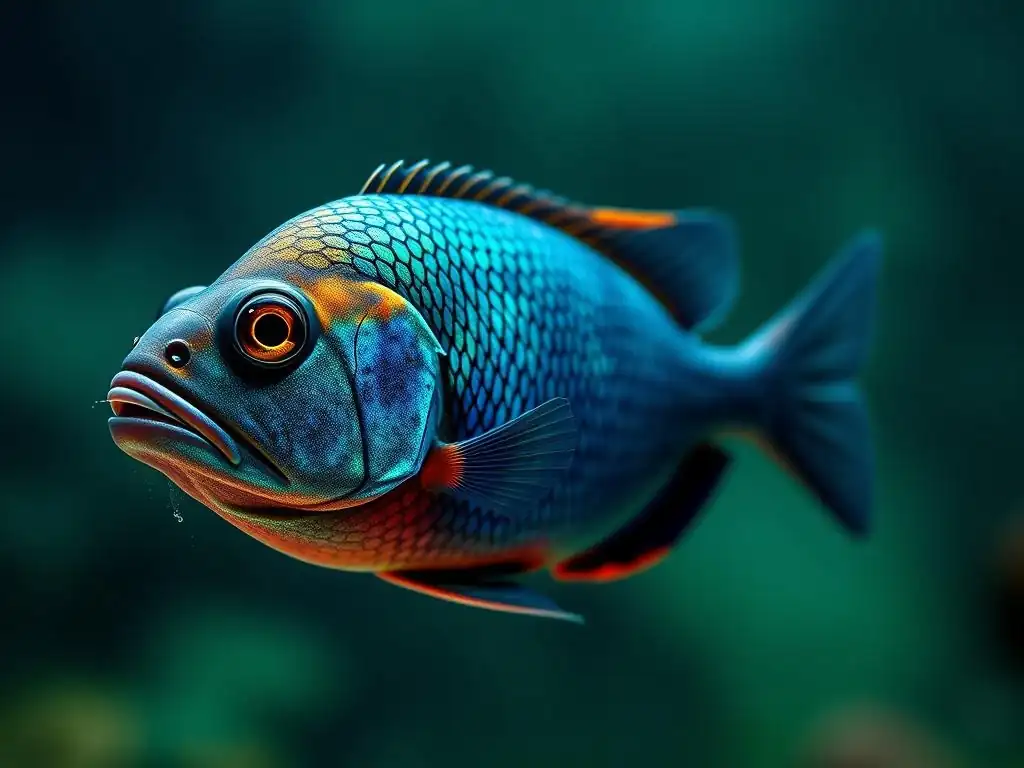
Aggression is an inherent characteristic of Mbuna and Peacock cichlids, stemming from their territorial nature in the rocky shallows of Lake Malawi. While it's a natural behavior, unmanaged aggression can lead to severe stress, injury, and even death for subdominant fish in an aquarium. Understanding the dynamics of cichlid aggression and implementing strategies to mitigate it is crucial for creating a harmonious and thriving Mbuna aquarium.
The level and type of aggression can vary significantly between species and even individual fish. Mbuna cichlids, in particular, are known for their intense territoriality and are often more aggressive than Peacock cichlids. Effective management involves careful species selection, appropriate tank stocking levels, and thoughtful aquascaping to provide adequate territories and hiding places, minimizing the impact of this challenging aspect of Mbuna cichlid keeping.
Understanding Aggression in African Cichlids
Aggression in African cichlids, particularly Mbuna, is deeply rooted in their natural behaviors in Lake Malawi. These fish are highly territorial, defending specific rocks and caves as breeding grounds and feeding areas. This innate drive to establish and defend territory translates directly into aggressive interactions in the confined space of an aquarium. Dominant males will fiercely guard their chosen spots, chasing away rivals and attempting to intimidate potential mates.
The primary forms of aggression include chasing, fin nipping, sparring (where two fish lock jaws), and outright physical attacks that can result in severe injury or death. Stress, often caused by inadequate tank size, insufficient hiding spots, or inappropriate tank mates, can exacerbate these natural aggressive tendencies, leading to chronic stress and Mbuna cichlid health problems for bullied individuals. Understanding these root causes is the first step in managing aggression in your Mbuna aquarium.
Overcrowding and Its Impact on Cichlid Aggression
Overcrowding is a double-edged sword in Mbuna and Peacock cichlid aquariums, paradoxically used both as a cause and a potential solution for aggression. While too few fish in a large tank can lead to a single dominant male relentlessly targeting a few individuals, truly overcrowded conditions can also severely escalate aggression. When there isn't enough space for each fish to establish a territory or escape, constant stress and fighting ensue, leading to widespread Mbuna cichlid health problems and fatalities.
The impact of overcrowding extends beyond direct aggression; it also exacerbates Mbuna aquarium water problems. A high bioload in a small volume of water leads to rapid accumulation of nitrates, requiring more frequent and larger water changes. This constant battle for space and the resulting poor water quality create a highly stressful environment that can trigger chronic disease and shorten the lifespan of even the most robust African cichlids.
Managing Tank Density to Reduce Aggression
Managing tank density is a critical strategy for reducing aggression in Mbuna aquariums. Counterintuitively, a moderately "overstocked" Mbuna tank is often recommended. This strategy, sometimes called "diluted aggression," aims to spread out aggressive behaviors among many fish, preventing a single individual from being relentlessly targeted. For instance, in a 75-gallon tank, aiming for 15-20 adult Mbuna can be more stable than keeping just 5-7. However, this approach necessitates robust filtration and more frequent water changes to manage the increased bioload and prevent Mbuna aquarium water problems.
The key is to stock enough fish so that no single fish can establish absolute dominance over the entire tank, but not so many that water quality becomes unmanageable or stress levels skyrocket due to lack of space. A general guideline is to allow approximately 1 inch of adult Mbuna per gallon for adult fish, but this can vary by species aggression and tank dimensions. Carefully selecting fish that mature to similar sizes and temperaments is also vital to prevent smaller or more docile species from being bullied.
Choosing Compatible Tank Mates for Mbuna and Peacock Cichlids
Choosing compatible tank mates is paramount for minimizing aggression in Mbuna and Peacock cichlid aquariums. The general rule is to stick to species from Lake Malawi that share similar water parameter requirements (hard, alkaline water) and possess comparable levels of aggression and adult size. Avoid mixing highly aggressive Mbuna species (e.g., Melanochromis auratus, Pseudotropheus demasoni) with very docile ones, as the latter will inevitably be stressed or killed.
Peacock cichlids (Aulonocara species) are generally less aggressive than Mbuna, and care must be taken when mixing them. If combining, choose milder Mbuna species (e.g., Labidochromis caeruleus 'Electric Yellow') and ensure the tank is large enough (minimum 75-90 gallons) to accommodate both. For Mbuna, maintaining a sex ratio of one male to three or four females per species can help disperse male aggression, as the male's attention is spread among multiple females rather than focusing on one. Avoiding multiple males of the same species unless the tank is exceptionally large is also advisable.
Establishing Territory and Hierarchy in the Aquarium
Establishing clear territories and allowing a natural hierarchy to form is crucial for managing aggression in Mbuna and Peacock cichlids. These fish thrive when they can claim and defend their own space, which reduces random aggression and stress. Without adequate structures, dominant fish will claim the entire tank, leading to constant harassment of subdominant individuals and contributing to significant Mbuna cichlid health problems due to chronic stress.
The strategic arrangement of rockwork plays the most significant role in creating these territories. By providing numerous visual breaks and hiding spots, you enable fish to escape aggressive encounters and establish their own perceived safe zones. This not only reduces physical confrontations but also allows for a more stable social structure to develop within your Mbuna aquarium.
Creating Rock Structures and Hiding Places
Creating elaborate rock structures and numerous hiding places is perhaps the most effective way to mitigate aggression in a Mbuna aquarium. Mbuna cichlids are rock-dwelling fish in their natural habitat, and replicating this environment with plenty of caves, crevices, and swim-throughs is essential. Use inert, non-sharp rocks such as lava rock, Texas holey rock, or slate to build structures that extend from the substrate to near the water surface, breaking up lines of sight.
These rock formations serve multiple purposes: they provide distinct territories for males to claim, offer escape routes and hiding spots for bullied or subdominant fish, and create breeding sites. Aim for more hiding places than you have fish, ensuring every fish has a sanctuary. The strategic placement of rocks can also help to compartmentalize the tank, preventing a single dominant fish from controlling the entire space and thus reducing overall aggression and stress, which in turn helps prevent Mbuna cichlid health problems.
Observing and Addressing Dominance Issues
Careful and consistent observation of your Mbuna and Peacock cichlids is vital for identifying and addressing dominance issues before they escalate into severe Mbuna cichlid health problems or fatalities. Spend time watching their interactions: look for constant chasing, fin nipping, fish with torn fins, or individuals that are perpetually hiding, refusing to eat, or showing faded coloration. These are clear signs that a fish is being severely bullied and its health is at risk.
If a particular fish is consistently being targeted or if one fish is overly aggressive, intervention may be necessary. Temporarily removing the aggressor to a separate tank for a few days can sometimes "reset" the hierarchy upon its return. Alternatively, rearranging the rockwork can disrupt established territories and force a new pecking order to form. In extreme cases, if a fish continues to be relentlessly aggressive or bullied despite these measures, rehoming the problematic individual may be the only way to restore peace and prevent further Mbuna aquarium water problems related to stress and injury.
Cloudy Water in Mbuna Tanks: Causes and Solutions
Cloudy water is a common visual Mbuna aquarium water problem that can be alarming for aquarists. While unsightly, it is almost always a symptom of an underlying imbalance within the tank's ecosystem rather than a problem in itself. Addressing the root cause is crucial, as persistent cloudy water often indicates conditions that are detrimental to the health of your Mbuna and Peacock cichlids.
The specific appearance of the cloudiness can sometimes offer clues to its origin: milky white cloudiness often points to a bacterial bloom, while greenish cloudiness typically indicates an algal bloom. Brownish cloudiness might suggest decaying organic matter or tannins. Understanding these distinctions helps in pinpointing the specific Mbuna aquarium water problem and applying the correct solution.
Bacterial Bloom: Addressing Cloudy Water in New Aquariums
A bacterial bloom is a common cause of cloudy, milky-white water, particularly prevalent in new Mbuna aquariums or recently disturbed established tanks (e.g., after a large water change, filter cleaning, or medication). This phenomenon occurs when there's a sudden proliferation of heterotrophic bacteria in the water column. These bacteria rapidly multiply in response to an abundance of dissolved organic compounds, often from fish waste or decaying food, before the nitrifying bacteria (responsible for the nitrogen cycle) have fully established or recovered.
Addressing a bacterial bloom primarily requires patience and consistency. The cloudiness usually resolves itself within a few days to a week as the beneficial nitrifying bacteria catch up and the ecosystem stabilizes. Avoid the temptation to perform large water changes, as this can prolong the bloom by removing bacteria and nutrients indiscriminately. Instead, ensure adequate filtration, reduce feeding to a minimum, and limit light exposure. Monitoring ammonia and nitrite levels is crucial during this period, as these Mbuna aquarium water problems can accompany a bloom, requiring small (10-20%) water changes if they spike.
Overfeeding: The Impact of Overfeeding on Water Clarity
Overfeeding is a pervasive habit among aquarists and a frequent cause of cloudy water, contributing significantly to various Mbuna aquarium water problems. When fish are fed more food than they can consume within a few minutes, the excess uneaten food sinks to the substrate and begins to decompose. This decaying organic matter releases a surge of nutrients into the water column, which then fuels rapid bacterial growth, leading to a cloudy or hazy appearance.
Beyond visual cloudiness, overfeeding directly contributes to higher levels of ammonia, nitrite, and nitrate, as the decomposition process is part of the nitrogen cycle. This puts immense strain on the biological filter and can lead to dangerous Mbuna aquarium water problems that stress fish and make them susceptible to disease. The solution is simple but requires discipline: feed your Mbuna small amounts, only what they can consume in 1-2 minutes, once or twice daily. Regularly vacuuming the substrate to remove any accumulated uneaten food and detritus is also essential for maintaining water clarity and quality.
Insufficient Filtration: Improving Filtration for Clearer Water
Insufficient filtration is a common culprit behind persistent cloudy water and a myriad of other Mbuna aquarium water problems. A filter that is undersized for the tank's volume and bioload, or one that is clogged with detritus, cannot effectively remove particulate matter, dissolved organic compounds, and waste products from the water. This leads to a build-up of suspended particles and nutrients, resulting in hazy or murky water that hinders visibility and impacts fish health.
To improve filtration for clearer water, first ensure your filter is adequately rated for your tank size. For Mbuna aquariums, it's often recommended to have a filter that can process the tank's volume 5-10 times per hour, given their high bioload. Regularly clean or replace mechanical filter media (sponges, filter floss) to physically remove suspended particles.
Rinse sponges in old tank water to preserve beneficial bacteria. Consider adding a polishing filter or upgrading to a larger capacity filter if your current setup is consistently struggling to maintain water clarity. Adequate biological filtration is also key to breaking down organic waste before it contributes to cloudiness.
Equipment Malfunctions: Troubleshooting Aquarium Equipment
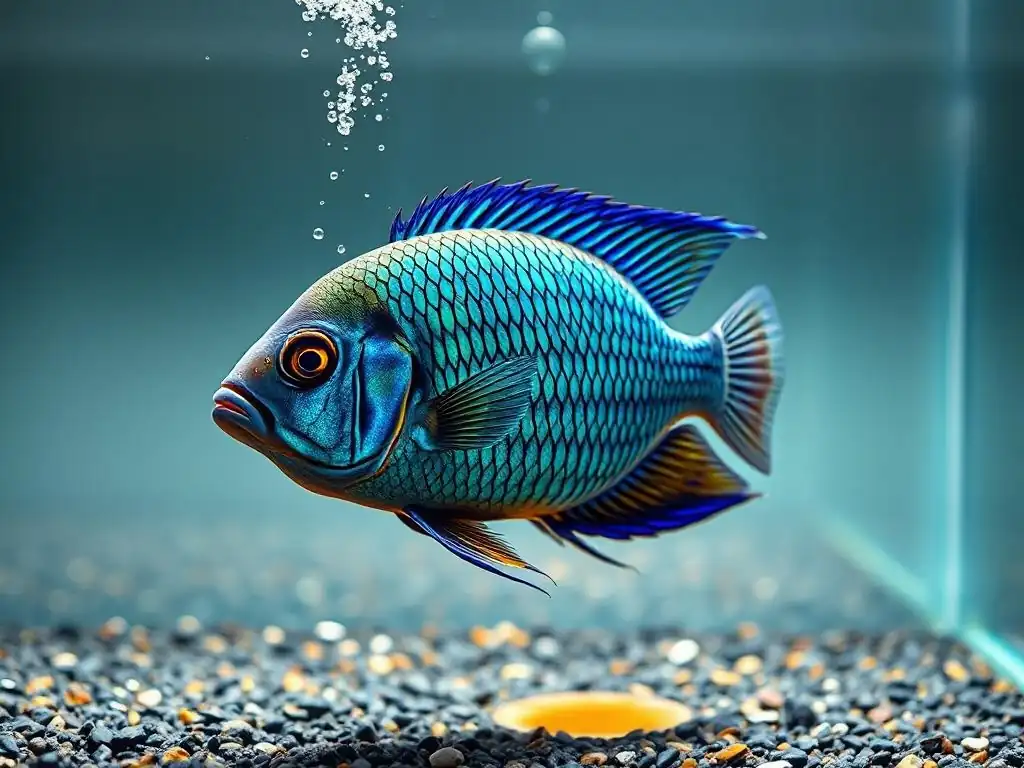
Even with meticulous water quality management and careful fish selection, equipment malfunctions can quickly lead to severe Mbuna aquarium water problems and endanger your fish. Heaters, filters, and air pumps are the lifeblood of an aquarium, maintaining stable temperatures, removing toxins, and providing essential oxygen. Failure of any of these critical components can have rapid and devastating consequences for your Mbuna and Peacock cichlids.
Regular inspection and preventative maintenance of all aquarium equipment are therefore as important as water testing. Knowing how to troubleshoot common issues and having backup plans for power outages can mean the difference between a minor inconvenience and a complete tank disaster, protecting your investment and the well-being of your African cichlids.
Heater Problems: Ensuring Proper Water Temperature
Heater problems are a critical concern for Mbuna aquariums, as these fish require a stable water temperature, typically between 78-82°F (25.5-27.8°C). A malfunctioning heater can either stick "on," leading to dangerously high temperatures that can cook your fish, or stick "off," causing a rapid drop in temperature that severely stresses fish and makes them highly susceptible to Mbuna cichlid health problems like Ich. Temperature fluctuations are particularly detrimental.
Troubleshooting involves first checking if the heater is properly plugged in and if its thermostat is set to the correct temperature. Use a separate, accurate thermometer to verify the actual water temperature, as built-in heater thermometers can be inaccurate. If the heater light is on but the water isn't heating, or if it's overheating, the heating element or thermostat may be faulty. Old or unreliable heaters should be replaced immediately. For added safety, consider using two smaller heaters in different parts of the tank instead of one large one, providing redundancy in case one fails.
Filter Issues: Maintaining Optimal Filtration Performance
Filter issues can quickly compromise water quality and lead to significant Mbuna aquarium water problems. A malfunctioning filter results in reduced water circulation, inadequate removal of particulate matter, and a breakdown in biological filtration, leading to a rapid accumulation of ammonia, nitrite, and nitrate. Common problems include reduced flow, complete stoppage, or unusual noises, all signaling that your filtration system is not performing optimally.
Troubleshooting filter issues typically involves a few key checks. First, inspect the intake tube for blockages from debris or algae. Next, check the impeller – the rotating part inside the filter motor – as it can become clogged with detritus, snail shells, or even fish scales, preventing it from spinning properly.
Ensure the filter is properly primed after any cleaning or power interruption. If the motor hums but no water flows, the impeller or motor might be damaged and require replacement. Regular cleaning of filter media (rinsing sponges in old tank water) is essential to prevent clogging and maintain peak performance, thus preventing filter-related Mbuna aquarium water problems.
Power Outages: Protecting Your Aquarium During Power Outages
Power outages, even brief ones, can pose a significant threat to Mbuna aquariums, as they render heaters, filters, and air pumps inoperable. Without these critical components, water temperature can drop rapidly in cold weather, oxygen levels can plummet, and toxic ammonia and nitrite can quickly accumulate due to the cessation of filtration and water movement. This can lead to severe stress, Mbuna cichlid health problems, and even mass mortalities within hours, especially in heavily stocked tanks.
To protect your aquarium during power outages, having a contingency plan is crucial. Invest in a battery-operated air pump and air stone to maintain vital oxygenation; these can run for several hours. For longer outages, a UPS (Uninterruptible Power Supply) designed for computers can provide temporary power to critical equipment like filters and heaters, offering a window of time for resolution.
During an outage, avoid feeding your fish to minimize waste production and reduce oxygen demand. In cold climates, insulating the tank with blankets can help retain heat. Being prepared for these events is essential for safeguarding your Mbuna aquarium.
Preventing Future Problems in Your Mbuna & Peacock Aquarium
Preventing future problems in your Mbuna and Peacock aquarium is far more effective and less stressful than reacting to crises. A proactive approach, built on consistent routines and careful observation, is the hallmark of successful African cichlid keeping. By addressing potential issues before they escalate, you can maintain a stable, healthy environment that allows your vibrant Mbuna to thrive, minimizing the occurrence of Mbuna aquarium water problems and health issues.
This preventative philosophy encompasses all aspects of aquarium care, from the seemingly mundane tasks of water testing and feeding to the critical practice of daily fish observation. Adopting these habits will not only save you time and money in the long run but also ensure the long-term well-being and beauty of your Mbuna and Peacock cichlids, turning potential Mbuna cichlid problems into manageable routines.
Regular Water Testing and Maintenance
Regular water testing and maintenance form the bedrock of preventative care for your Mbuna aquarium. Establishing a consistent schedule for testing key water parameters—ammonia, nitrite, nitrate, pH, GH, and KH—at least weekly, especially in new or recently disturbed tanks, allows you to detect subtle shifts that could indicate emerging Mbuna aquarium water problems before they become critical. Keeping a log of these readings helps identify trends and allows for proactive adjustments.
Coupled with testing, adhering to a strict schedule of water changes and gravel vacuuming is paramount. For most Mbuna tanks, a 25-50% water change weekly or bi-weekly, depending on bioload, is necessary to keep nitrates low and replenish essential minerals. Gravel vacuuming removes decaying organic matter from the substrate, a primary source of toxins. Regular cleaning of filter media (rinsing in old tank water) also ensures optimal filtration performance. These consistent maintenance practices are the most effective way to prevent the vast majority of Mbuna aquarium water problems.
Proper Feeding Practices
Proper feeding practices are fundamental to preventing numerous Mbuna aquarium water problems and Mbuna cichlid health problems, particularly Malawi Bloat. Mbuna cichlids are primarily herbivorous, and their diet should reflect this. Feed a high-quality, spirulina-based pellet or flake food specifically formulated for African cichlids, as these contain the necessary vegetable matter and lower protein content suitable for their digestive systems. Avoid overfeeding, which is a common mistake that leads to excess waste and poor water quality.
Instead of one large meal, feed small amounts that your fish can consume entirely within 1-2 minutes, once or twice daily. This minimizes uneaten food decaying in the tank, which contributes significantly to cloudy water and elevated nitrates. Occasional treats like blanched zucchini or spinach can supplement their diet and provide beneficial fiber. By adhering to a species-appropriate diet and controlled feeding, you significantly reduce the risk of digestive issues and the resulting Mbuna aquarium water problems.
Careful Observation of Your Fish
Careful and consistent observation of your Mbuna and Peacock cichlids is one of the simplest yet most powerful preventative measures an aquarist can take. Spending a few minutes each day watching your fish allows you to quickly spot any changes in behavior, appetite, coloration, or physical appearance that could signal the onset of Mbuna cichlid health problems or stress. Early detection often means the difference between a minor issue and a full-blown crisis.
Look for subtle cues: are all fish eating enthusiastically? Are any hiding excessively or showing signs of lethargy? Are fins clamped, or are there any unusual spots, growths, or frayed edges? Pay attention to their breathing rate and swimming patterns. Beyond the fish themselves, observe the tank environment: is the water clear? Is the filter flowing well? Are there any unusual odors? A keen eye and daily vigilance are invaluable tools for identifying and addressing emerging Mbuna aquarium water problems or health concerns before they escalate.
Frequently Asked Questions
How often should I be performing water changes in my Mbuna aquarium?
You should aim for weekly water changes of around 25-50% to maintain optimal water quality. This helps remove nitrates and other harmful substances.
What are some common signs of poor water quality in my Mbuna tank?
Signs include cloudy water, fish gasping at the surface, and elevated levels of ammonia, nitrite, or nitrate. Regular testing is crucial for prevention.
Why is my Mbuna aquarium water turning green?
Green water usually indicates an algae bloom, often caused by excess light or nutrients. Reduce light exposure and consider adding algae-eating fish.
What should I do if I detect ammonia or nitrite in my Mbuna aquarium water?
Immediately perform a large water change (50%) and test the water daily. Identify the source of the problem, such as overfeeding or a malfunctioning filter.
Yes, lethargy and clamped fins are often symptoms of poor water parameters, such as high ammonia or incorrect pH. Test the water and take corrective action immediately.
The challenges of maintaining a thriving Mbuna and Peacock aquarium, as we've explored, are not merely technical hurdles, but rather a testament to our commitment to creating a balanced ecosystem. Understanding and addressing common water problems is paramount not just for the survival of our fish, but for fostering an environment where they can truly flourish. The principles of water chemistry, filtration, and responsible stocking are more relevant than ever, as the popularity of these vibrant African cichlids continues to grow.
The delicate balance within a Mbuna and Peacock aquarium mirrors the complexities of any ecosystem, reminding us of the interconnectedness of life. My own journey in fishkeeping has taught me that patience and observation are as crucial as any scientific knowledge. It's about more than just following a set of rules; it's about developing a deep understanding of the needs of these fascinating creatures. In nature, nothing exists alone.
- Rachel Carson. This quote perfectly encapsulates the symbiotic relationship we strive to create within our aquariums, and the responsibility we bear to maintain it.
Now, armed with the knowledge shared in this article, I encourage you to reflect on your own aquarium practices. Are you truly providing the optimal environment for your Mbuna and Peacocks? Take the time to reassess your filtration, water change schedule, and stocking levels. By embracing a proactive and informed approach, you can transform your aquarium from a potential source of stress into a vibrant and thriving underwater paradise, enriching both your life and the lives of your aquatic companions.
Unlock Your Mbuna & Peacock Aquarium's Full Potential!
Thanks for diving into the world of Mbuna and Peacock aquariums with us! We hope this guide has equipped you with the knowledge to tackle common challenges and create a thriving underwater paradise. Ready to take the next step?
- Diagnose your aquarium now using our interactive troubleshooting checklist, developed by expert aquarists!
- Share your aquarium's stunning transformation photos with the Aquarium Mastery community on social media using #AquariumMasterySuccess.
- Research one unique species of Mbuna or Peacock cichlid you didn't know about before and learn about its specific needs.
What's the most unexpected challenge you've faced in your Mbuna or Peacock aquarium, and how did you overcome it?