
Beyond the Basics: Can You Upgrade and Customize Your AllInOne Aquarium Components?

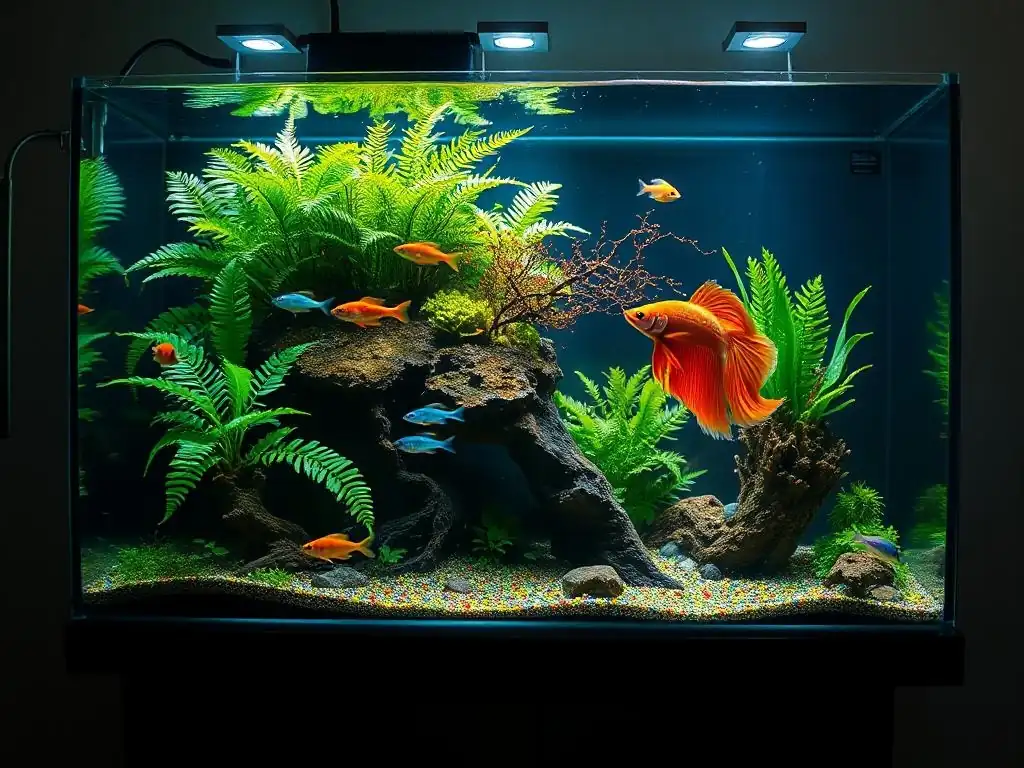
Welcome to Aquarium Mastery, where your underwater dreams become reality!
Ever wondered if you could take your All-In-One aquarium to the next level? Dive in and discover if component upgrades and customizations are truly possible, and how they can transform your aquatic world. Get ready to explore the possibilities... and unlock the full potential of your AIO setup!
- Understanding All-In-One (AIO) Aquarium Systems
- Exploring All-In-One Aquarium Component Upgrade Options
- All-In-One Aquarium Component Upgrades: Freshwater vs. Saltwater
- DIY All-In-One Aquarium Component Upgrades vs. Pre-Made Solutions
- Case Studies: Successful All-In-One Aquarium Upgrades
- Optimizing Your All-In-One Aquarium with Component Replacement
- Maximizing the Potential of Your All-In-One Aquarium: A Summary of Upgrade Strategies
-
Frequently Asked Questions
- What are "All-in-One" (AIO) aquariums, and what are their typical components?
- What "All-in-One aquarium component upgrades" are most commonly sought after by aquarists?
- Why might someone want to upgrade their All-in-One aquarium components?
- Are there any potential downsides to upgrading All-in-One aquarium components?
- Where can I find reliable information and guidance on selecting the right "All-in-One aquarium component upgrades"?
- Final Reflection: Embracing the Evolution of Aquatic Ecosystems
- Ignite Your Aquarium's Potential!
Understanding All-In-One (AIO) Aquarium Systems
All-In-One (AIO) aquarium systems have revolutionized the entry point into the aquatic hobby, offering a streamlined and often more aesthetically pleasing alternative to traditional setups. These systems are characterized by their integrated filtration, heating, and lighting components, typically housed within a rear chamber or sump built directly into the tank's design.
Popular models like the Fluval Flex series, ranging from 9 to 32 gallons, or the innovative Waterbox Cube series, commonly available in 10 to 20-gallon capacities, exemplify this design, providing a compact footprint ideal for homes and offices where space might be a premium. The inherent simplicity of an AIO system greatly reduces the initial complexity for new aquarists, making the process of setting up a thriving aquatic environment far less daunting than assembling disparate components.
What are All-In-One Aquariums and Their Benefits?
All-In-One aquariums are designed with convenience and integration at their core, consolidating essential life support systems into a single, cohesive unit. This design typically includes a built-in filtration compartment, often hidden behind a false wall, which houses mechanical, chemical, and biological media, alongside the water pump and sometimes a heater.
This clever concealment not only maintains a clean aesthetic, free from visible wires and equipment cluttering the main display, but also ensures optimal flow paths for water processing. For instance, many AIO setups boast a flow rate designed to turn over the tank's volume several times an hour, ensuring efficient waste removal and oxygenation, a crucial benefit for maintaining stable water parameters.
The primary appeal of AIO aquariums lies in their user-friendliness and compact nature. They eliminate the need for aquarists to research, purchase, and plumb together separate components like hang-on-back filters, external sumps, or clip-on lights, significantly lowering the barrier to entry for the hobby. This "plug-and-play" simplicity is particularly attractive to beginners or those with limited space, allowing them to focus more on aquascaping and livestock selection rather than complex equipment installation.
For example, a 15-gallon Fluval Flex comes with a pre-installed multi-stage filtration system and an integrated LED light, providing a ready-to-go environment that, with proper cycling, can house a small community of fish or a nano reef. These benefits often lead new hobbyists to seek out Allinone aquarium component upgrades as they become more experienced and desire to expand their aquatic endeavors.
The Limitations of Stock AIO Aquarium Components
While the convenience of AIO systems is undeniable, their stock components often come with inherent limitations that can hinder advanced aquarists or specific setups. The most common limitation revolves around the integrated lighting, which, in many entry-level AIOs, provides only basic illumination sufficient for low-light plants or resilient fish species.
For instance, a standard 10-gallon AIO might include a 7-watt LED fixture that struggles to support demanding coral species like SPS (Small Polyp Stony) corals, which require PAR (Photosynthetically Active Radiation) levels often exceeding 200 µmol/m²/s. Similarly, the stock pumps, while adequate for basic circulation, may not generate sufficient flow for robust nutrient export in saltwater tanks or strong current for certain freshwater species, leading to potential dead spots and detritus accumulation.
Another significant drawback lies in the filtration media and skimmer options provided with many AIO units. The filter media supplied is often basic sponges and activated carbon, which, while functional, may not offer the advanced biological filtration capacity or specialized chemical filtration needed for sensitive environments. For saltwater AIOs, the integrated protein skimmers, if present, are frequently undersized or inefficient, struggling to effectively remove dissolved organic compounds from the water column in tanks larger than 15-20 gallons.
This can result in elevated nitrates and phosphates, fostering nuisance algae growth and jeopardizing the health of delicate corals or invertebrates. These limitations are precisely why many hobbyists consider Allinone aquarium component upgrades to tailor their systems.
Why Consider Upgrading Your AIO Aquarium?
Considering Allinone aquarium component upgrades is a natural progression for many aquarists who start with these convenient systems. As hobbyists gain experience and their ambitions grow, they often find that the standard components, while perfectly adequate for a beginner setup, may not meet the demands of more specialized or advanced aquatic environments.
This desire for customization stems from a need to overcome the limitations of stock equipment, whether it's insufficient lighting for thriving plants or corals, inadequate flow for proper waste export, or basic filtration that struggles with higher bioloads. Upgrading allows for greater control over critical parameters, transforming a basic AIO into a high-performance system capable of supporting a wider array of aquatic life and achieving more complex aquascaping goals.
The decision to upgrade components is often driven by a desire to optimize the aquarium's health and aesthetic appeal. For example, if a hobbyist aims to cultivate vibrant, high-light demanding plants or delicate SPS corals, the factory-installed lighting will almost certainly fall short, necessitating an upgrade.
Similarly, an aquarist looking to keep a higher bioload or more sensitive fish species might find the stock filtration system insufficient for maintaining pristine water quality. Investing in Allinone aquarium component upgrades not only addresses these specific needs but also enhances the overall stability and longevity of the aquatic ecosystem, preventing common issues like algae outbreaks or fish stress due to poor water conditions.
- Improving Water Quality: Upgrading filtration media, adding a more powerful protein skimmer, or integrating specialized chemical media can drastically improve water clarity and reduce harmful nitrates and phosphates. For instance, replacing basic filter floss with high-quality filter socks can capture finer particulate matter, while adding specific media like GFO (Granular Ferric Oxide) can effectively bind phosphates, which are major contributors to algae growth. Better water quality directly translates to healthier fish and invertebrates.
- Enhancing Filtration Efficiency: Stock AIO filters often rely on basic mechanical and biological filtration. Upgrading the pump to one with a higher GPH (gallons per hour) rating can increase water turnover, ensuring more efficient removal of detritus and toxins. Incorporating advanced biological media, such as ceramic rings or bio-balls with a high surface area, within the existing filter chambers can significantly boost beneficial bacterial colonization, leading to more stable nitrogen cycle management.
- Optimizing Tank Aesthetics: Beyond functionality, upgrades can profoundly impact the visual appeal of an AIO aquarium. Replacing a dull stock light with a full-spectrum LED fixture can make fish colors pop and bring out the vibrancy of plants or corals. Furthermore, strategically adding powerheads or wave makers can create dynamic flow patterns that prevent detritus from settling on the substrate, keeping the aquascape cleaner and more visually appealing.
- Supporting a Wider Range of Aquatic Life: The most compelling reason for many is the ability to house more diverse and demanding species. With enhanced lighting, a hobbyist can transition from keeping low-light Anubias plants to high-light demanding carpeting plants or from hardy soft corals to intricate SPS corals. Improved filtration and circulation allow for a higher bioload or the keeping of sensitive fish that require pristine water conditions, expanding the possibilities far beyond what a basic AIO system can offer.
Exploring All-In-One Aquarium Component Upgrade Options
Once the decision to enhance an AIO system is made, a vast array of Allinone aquarium component upgrades becomes available, catering to every aspect of the aquatic environment. These upgrades range from fundamental improvements like replacing stock filtration media to more advanced modifications such as integrating sophisticated lighting systems or external dosing units.
The key to successful upgrades lies in identifying the specific needs of your aquarium and its inhabitants, whether it's boosting plant growth, maintaining delicate coral health, or simply achieving clearer water. Each upgrade option presents an opportunity to fine-tune the system, pushing its capabilities beyond its factory-set limitations and creating a more stable and thriving ecosystem.
The marketplace offers numerous reputable brands and specialized products designed to seamlessly integrate with popular AIO models, making the process of finding suitable Allinone aquarium component upgrades relatively straightforward. For instance, many companies produce drop-in media baskets or protein skimmers specifically sized for common AIO chambers.
This ease of finding compatible components, coupled with the significant performance improvements they offer, makes upgrading a highly appealing and cost-effective alternative to purchasing an entirely new, larger, or more advanced aquarium system. By carefully selecting and installing these enhancements, aquarists can transform their initial AIO investment into a truly bespoke and high-performing aquatic display.
Upgrading Your AIO Aquarium's Filtration System
The filtration system is the heart of any aquarium, responsible for maintaining water quality and removing harmful waste products. While stock AIO filtration is functional, it often lacks the capacity or specialization needed for long-term stability, especially in higher bioload situations or for sensitive species.
Upgrading this core component is one of the most impactful Allinone aquarium component upgrades an aquarist can undertake, directly influencing water clarity, nutrient levels, and overall ecosystem health. This typically involves improving mechanical filtration to capture more particulate matter, enhancing biological filtration for more efficient ammonia and nitrite conversion, and adding chemical filtration for specific impurity removal.
Many AIO systems come with basic filter sponges and a small amount of activated carbon. By replacing or supplementing these with higher-quality, more specialized media, aquarists can significantly elevate their system's performance.
For example, a common AIO like the Fluval Evo 13.5 (around 50 liters) might benefit immensely from replacing its standard foam with a custom-cut filter floss or a media basket designed to hold various filtration types. This strategic approach to upgrading filtration components ensures that the water column remains pristine, reducing the likelihood of algae outbreaks and stress on aquatic inhabitants, thereby extending the lifespan and vibrancy of the entire setup.
Replacing the Stock Filter Media: Seachem Matrix Bio Media
One of the most effective and straightforward Allinone aquarium component upgrades for filtration involves replacing the often-basic stock filter media with high-performance alternatives. Seachem Matrix Bio Media is a prime example, a highly porous biological filter media designed to provide a massive surface area for beneficial bacteria colonization.
Its unique structure, featuring internal pores approximately 10 micrometers in diameter, allows for both nitrifying (aerobic) and denitrifying (anaerobic) bacteria to thrive, facilitating the removal of both ammonia/nitrite and nitrates from the water column. Unlike traditional bio-balls or ceramic rings, which primarily support nitrification, Matrix's intricate pore system can help manage the entire nitrogen cycle, significantly reducing nitrate buildup in the tank.
For an average AIO system, such as a 20-gallon Waterbox Cube, approximately 250-500 ml of Seachem Matrix can provide biological filtration equivalent to many times its volume in plastic bio-media, due to its exceptional surface area of over 700 square meters per liter. This compact efficiency makes it ideal for the often-limited space within AIO filter chambers.
By simply rinsing the new media and placing it in a media bag within the designated filtration compartment, aquarists can achieve superior biological filtration, leading to more stable water parameters, clearer water, and a healthier environment for fish and corals. This upgrade is foundational for any serious AIO setup aiming for long-term stability and reduced maintenance.
Upgrading the Pump for Increased Flow: Sicce Syncra Silent Pump
The stock pump in many AIO aquariums often provides adequate flow for basic setups, but for planted tanks requiring strong circulation to deliver nutrients or reef tanks needing high turnover for coral health and waste export, an upgrade is essential. The Sicce Syncra Silent Pump series is a popular choice for Allinone aquarium component upgrades due to its reputation for quiet operation, energy efficiency, and reliable performance across various flow rates.
These pumps are designed for both submersible and in-line use, offering flexibility for integration into AIO rear sumps or external setups. For instance, replacing a standard 150 GPH (gallons per hour) stock pump in a 10-gallon AIO with a Sicce Syncra Silent 0.5 (rated at 185 GPH) can increase water turnover by over 20%, significantly improving filtration efficiency and preventing detritus buildup.
Beyond just increasing flow, a higher-quality pump like the Sicce Syncra Silent can also contribute to reduced noise and vibration, a common complaint with some stock AIO pumps. Their robust construction and advanced motor technology minimize mechanical hum, making the aquarium a more pleasant addition to a living space.
For a 30-gallon AIO, upgrading to a Sicce Syncra Silent 1.5 (rated at 350 GPH) could provide the necessary flow for a thriving reef environment, ensuring that nutrient-rich water reaches all corals and that waste is efficiently transported to the filtration chambers. This particular Allinone aquarium component upgrade offers a dual benefit of enhanced performance and improved user experience.
Adding a Protein Skimmer to an AIO Saltwater Tank: Reef Octopus Classic 110INT Protein Skimmer
For saltwater AIO aquariums, a protein skimmer is a critical piece of equipment for maintaining pristine water quality by removing dissolved organic compounds before they break down into nitrates and phosphates. While some larger AIOs include a skimmer, many smaller or entry-level models do not, making it a vital Allinone aquarium component upgrade.
The Reef Octopus Classic 110INT Protein Skimmer is a highly regarded internal skimmer known for its efficiency and compact footprint, making it suitable for the often-constrained rear chambers of AIO systems. This model typically features a high-quality Aquatrance pump and a cone-shaped body, which optimizes bubble contact time and enhances waste removal.
Integrating a protein skimmer like the Reef Octopus Classic 110INT into an AIO with a rear sump, such as a 25-gallon Innovative Marine Nuvo Fusion, can dramatically reduce the organic load and significantly lower nutrient levels. Skimmers work by creating a dense foam of air bubbles that attract and bind to organic waste; this foam then rises into a collection cup, removing the waste from the water column before it can degrade.
Regular emptying of the skimmer cup, which can accumulate a dark, foul-smelling liquid, visually demonstrates the volume of waste being exported. This proactive nutrient export is indispensable for preventing nuisance algae blooms and maintaining the stable parameters necessary for sensitive corals and fish in a saltwater environment.
Enhancing Lighting in Your AIO Aquarium
Lighting is paramount for the health and vibrancy of an aquarium, particularly for planted freshwater tanks and reef aquariums. Stock AIO lighting is often sufficient only for the most basic setups, leading to stunted plant growth or pale corals. Upgrading the lighting system is one of the most transformative Allinone aquarium component upgrades, allowing aquarists to cultivate a wider variety of plants, corals, and even enhance the coloration of their fish. Proper lighting provides the necessary spectrum and intensity for photosynthesis in plants and symbiotic algae (zooxanthellae) within corals, which are crucial for their survival and growth.
The advancements in LED technology have made high-quality, energy-efficient lighting more accessible than ever, offering customizable spectrums, intensity control, and integrated timers. This flexibility allows hobbyists to tailor their lighting to specific needs, such as promoting lush plant growth with red and blue spectrums or enhancing coral fluorescence with actinic blue light. By investing in a superior lighting fixture, an AIO aquarium can be transformed from a basic display into a vibrant, thriving ecosystem capable of supporting diverse and demanding aquatic life, making it a critical area for Allinone aquarium component upgrades.
Switching to LED Lighting for Better Growth and Color: AI Prime 16HD LED Reef Light
For reef aquarists looking to cultivate vibrant corals in their AIO systems, switching to a dedicated LED reef light is a non-negotiable Allinone aquarium component upgrade. The AI Prime 16HD LED Reef Light is a popular choice, renowned for its compact size, powerful output, and full spectrum control. This fixture allows users to independently adjust 7 different color channels (cool white, blue, royal blue, green, red, UV, and moonlight), providing precise control over the light spectrum and intensity.
This level of customization ensures that corals receive the exact light they need for optimal growth, coloration, and health. For example, a single AI Prime 16HD can adequately illuminate a 20x20 inch (approximately 50x50 cm) area, making it ideal for AIO tanks up to 30 gallons.
The "HD" (HyperDrive) technology in the AI Prime 16HD enables the light to intelligently divert power from unused color channels to the ones being used, maximizing the output of the desired spectrum. This means that if you dim the white channel, the power can be redirected to the blue channels, increasing their intensity for better coral fluorescence and growth.
Furthermore, the AI Prime 16HD offers built-in Wi-Fi, allowing for wireless control via a smartphone app, where users can create custom schedules, simulate sunrise/sunset, and even cloud cover. This advanced control and powerful output make it an indispensable Allinone aquarium component upgrade for serious reef keeping.
Adding Supplemental Lighting: Fluval Plant 3.0 LED for Planted Tanks
For freshwater planted AIO aquariums, especially those aiming for high-tech setups with CO2 injection, the stock lighting often falls short in providing the necessary intensity and spectrum for robust plant growth. Adding supplemental lighting, or replacing the primary light with a more powerful unit, is a key Allinone aquarium component upgrade. The Fluval Plant 3.0 LED is an excellent example of a fixture designed specifically for planted tanks, offering a full spectrum with individually controllable red, blue, green, and white LEDs.
This allows aquarists to fine-tune the light recipe to promote photosynthesis, enhance plant coloration, and prevent algae growth. For instance, its 25,000-hour lifespan and IP67 waterproof rating ensure durability and longevity.
The Fluval Plant 3.0 LED comes with a programmable 24-hour cycle that mimics natural sunrise, mid-day, and sunset conditions, which can significantly reduce stress on fish and encourage more natural behaviors. It also features a wide beam spread of 120 degrees, ensuring even light distribution across the entire tank, minimizing shadowed areas where plants might struggle.
For an AIO tank like a 15-gallon Fluval Flex, a 15-watt Fluval Plant 3.0 LED can provide ample light for a dense carpet of demanding plants like Dwarf Hairgrass or Rotala macrandra, transforming the aquascape into a vibrant underwater garden. This type of Allinone aquarium component upgrade is crucial for achieving professional-level planted tank aesthetics and health.
Controlling Lighting with a Timer or Controller: Smart Plug Integration
While some advanced LED lights come with built-in controllers, many stock AIO lights or even certain upgraded fixtures lack precise scheduling capabilities, relying on manual on/off or basic timers. Implementing a smart plug integration is a simple yet effective Allinone aquarium component upgrade that provides superior control over lighting cycles.
Smart plugs, such as those from TP-Link Kasa or Wyze, connect to your home Wi-Fi network and can be controlled via a smartphone app. This allows for the creation of custom schedules, including precise on/off times, countdown timers, and even random modes to simulate natural light variations while you are away.
For an aquarist managing multiple aquarium components, smart plugs offer unparalleled convenience and automation. For example, a smart plug can be programmed to turn on the main AIO light at 8:00 AM and turn it off at 6:00 PM, providing a consistent 10-hour photoperiod crucial for preventing algae and promoting healthy plant or coral growth.
Beyond lighting, smart plugs can also control other components like circulation pumps or even heaters, enabling remote monitoring and adjustment. The affordability and ease of setup of smart plugs make them an accessible and highly beneficial Allinone aquarium component upgrade for any hobbyist seeking greater control and automation over their system.
Improving Water Circulation in Your AIO Aquarium
Adequate water circulation is vital for the health of an aquarium, especially in reef tanks where corals rely on consistent flow to deliver nutrients and remove waste. In freshwater planted tanks, proper flow ensures that CO2 and fertilizers reach all plants evenly. Stock AIO pumps often provide sufficient flow through the filtration chambers but can leave "dead spots" in the main display area where detritus settles and oxygen levels might stagnate. Addressing this with Allinone aquarium component upgrades for circulation helps maintain a cleaner tank, promotes gas exchange, and supports the well-being of all aquatic inhabitants.
By adding supplemental pumps or wave makers, aquarists can create dynamic flow patterns that mimic natural aquatic environments, preventing the accumulation of waste and ensuring uniform water parameters throughout the tank. This is particularly important in larger AIOs or those with intricate aquascapes that might impede natural water movement. Improving circulation not only enhances the physical environment but also contributes to the overall biological health of the system by preventing localized nutrient buildup and fostering a more oxygenated water column.
Adding a Wave Maker for Better Flow Distribution: Jebao OW-25 Wave Maker
For saltwater AIO aquariums, creating chaotic, oscillating flow patterns is essential for coral health, mimicking the natural surge of ocean waves. A wave maker is an indispensable Allinone aquarium component upgrade for achieving this. The Jebao OW-25 Wave Maker is a popular and cost-effective option, known for its compact design, powerful output, and various flow modes.
It can move up to 2,600 GPH (gallons per hour) and features a magnetic mount for easy positioning anywhere on the tank glass, allowing aquarists to direct flow precisely where needed. Its controller offers multiple wave modes, including constant flow, pulse mode, and even a night mode that reduces output when the lights are off.
The benefits of a wave maker like the Jebao OW-25 extend beyond just flow. It helps to keep detritus suspended in the water column, allowing the main filtration system to capture it more effectively, thus preventing waste accumulation on the substrate or rockwork. For corals, especially LPS (Large Polyp Stony) and SPS corals, proper flow is crucial for nutrient uptake, waste removal, and preventing tissue necrosis from stagnant water.
In a 30-gallon AIO reef tank, strategically placing an OW-25 can ensure that all corals receive adequate flow, contributing significantly to their growth and vibrant coloration. This strategic Allinone aquarium component upgrade transforms the water dynamics of an AIO.
Using a Powerhead for Dead Spot Elimination: Hydor Koralia Nano Powerhead
Even with an upgraded main pump, AIO aquariums can develop "dead spots" – areas with minimal water movement where detritus and uneaten food can accumulate, leading to localized nutrient spikes and algae growth. A powerhead is a simple yet effective Allinone aquarium component upgrade to address this issue. The Hydor Koralia Nano Powerhead, with its compact size and modest flow rates (e.g., 240 GPH or 425 GPH models), is perfectly suited for smaller AIO systems. Its magnetic suction cup mount allows for flexible placement, enabling aquarists to direct a focused stream of water to areas of poor circulation.
By strategically positioning a Hydor Koralia Nano in a corner or behind dense aquascaping, an aquarist can ensure that water movement reaches every part of the tank, keeping the substrate cleaner and preventing anaerobic pockets. In freshwater planted tanks, this helps distribute CO2 and fertilizers more evenly to all plants. In reef tanks, it ensures that all rockwork and coral crevices are flushed, preventing detritus from settling and contributing to the overall cleanliness and health of the ecosystem. This small yet impactful Allinone aquarium component upgrade significantly improves the overall efficiency of the water column's dynamics.
Upgrading the Heater and Temperature Controller in Your AIO Aquarium
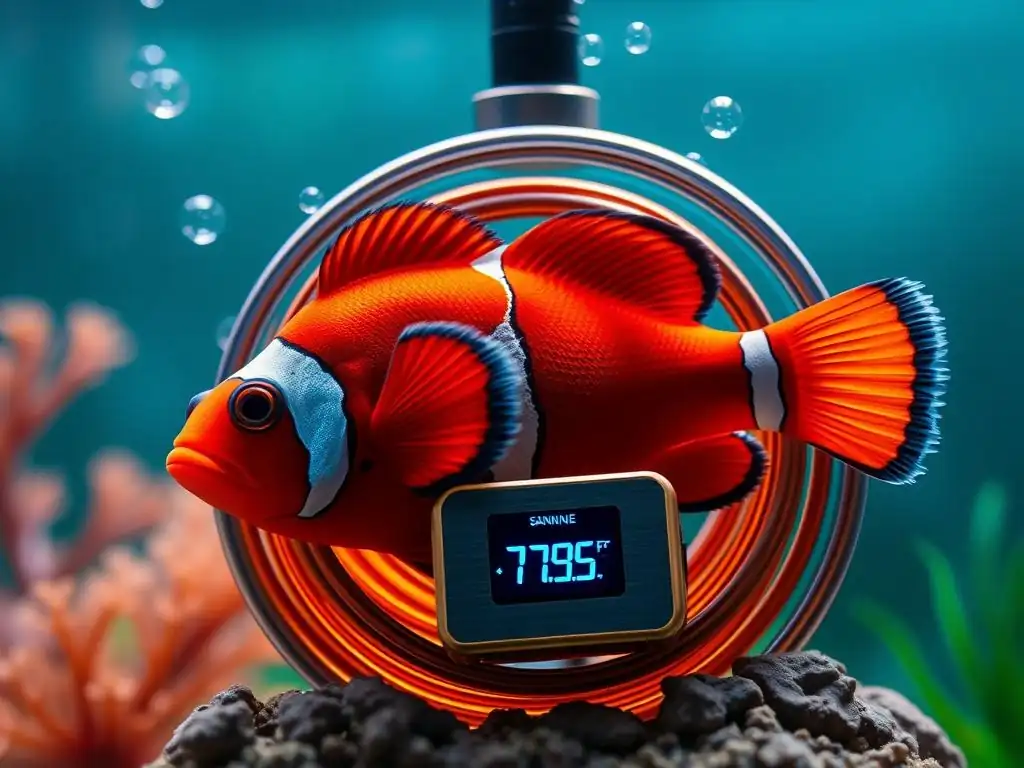
Maintaining a stable water temperature is critical for the health and survival of nearly all aquatic life. Fluctuations can cause stress, weaken immune systems, and even be fatal. While AIO systems typically include a heater, these stock units can sometimes be less precise or reliable than desired. Upgrading the heater and integrating a dedicated temperature controller is a crucial Allinone aquarium component upgrade for ensuring consistent and accurate temperature regulation, providing peace of mind and a safer environment for your aquatic inhabitants.
A dedicated temperature controller acts as a safeguard, preventing heater malfunctions from overheating or underheating the tank, which can be catastrophic. This two-pronged approach—a high-quality heater for efficient heating and a precise controller for accuracy and safety—transforms temperature management from a potential vulnerability into a robust and reliable system. This level of precision is particularly important for sensitive species like discus fish or delicate corals, which thrive within very narrow temperature ranges.
Replacing the Stock Heater with a More Precise Model: Aqueon Pro Adjustable Heater
The stock heaters found in many AIO aquariums, especially starter kits, can sometimes be prone to slight temperature fluctuations or lack the precision needed for sensitive aquatic environments. Replacing it with a more reliable and precise model like the Aqueon Pro Adjustable Heater is a highly recommended Allinone aquarium component upgrade. These heaters are known for their durable, shatter-resistant construction and precise temperature control, typically accurate to within +/- 1 degree Fahrenheit. They are available in various wattages (e.g., 50W for 10-gallon tanks, 150W for 30-gallon tanks), allowing for appropriate sizing based on tank volume and ambient room temperature.
The Aqueon Pro heaters feature an electronic thermostat that maintains consistent water temperature, preventing the stressful temperature swings that can weaken fish immune systems or cause coral bleaching. Their submersible design and visual temperature setting make them easy to integrate and monitor within the AIO's rear chamber.
For example, in a 20-gallon AIO housing sensitive freshwater shrimp or a nano reef, upgrading to a 100W Aqueon Pro heater ensures that the water remains at a steady 78°F (25.5°C), which is optimal for many tropical species. This robust Allinone aquarium component upgrade provides a foundation of thermal stability for the entire ecosystem.
Integrating a Temperature Controller for Stability: Inkbird ITC-308 Temperature Controller
While a precise heater is important, a dedicated temperature controller provides an additional layer of safety and accuracy, making it a vital Allinone aquarium component upgrade. The Inkbird ITC-308 Temperature Controller is a popular and affordable choice, acting as an external thermostat that monitors the tank's temperature independently from the heater's built-in thermostat.
It features two outlets: one for heating and one for cooling (e.g., a fan), allowing it to maintain a precise temperature range by turning equipment on or off as needed. Users can set a target temperature and a differential (e.g., +/- 0.5°F), ensuring the temperature never deviates significantly.
For instance, if the target temperature is 78°F (25.5°C) and the differential is 0.5°F, the Inkbird ITC-308 will turn the heater on when the temperature drops to 77.5°F and turn it off when it reaches 78.5°F. This prevents overheating in case of a heater malfunction, which is a common cause of catastrophic tank crashes. The controller's digital display provides real-time temperature readings, and its alarm function alerts the aquarist if the temperature falls outside a set safe range. This intelligent Allinone aquarium component upgrade provides peace of mind, knowing that your aquatic inhabitants are protected from dangerous temperature swings.
Substrate and Aquascaping Considerations for AIO Aquarium Upgrades
While often overlooked in discussions of Allinone aquarium component upgrades, the choice of substrate and the design of the aquascape play a crucial role in both the aesthetics and biological health of an AIO system. The substrate provides a home for beneficial bacteria and can influence water chemistry, while the aquascape offers hiding places for fish, attachment points for plants and corals, and defines the visual appeal of the tank. Thoughtful planning in these areas can enhance the functionality and beauty of your AIO, turning it into a truly captivating display.
Beyond initial setup, aquascaping and substrate choices can be revisited as part of an upgrade strategy to improve flow, create better habitats, or shift the tank's biotope. For example, replacing a coarse gravel with a finer sand can be beneficial for certain bottom-dwelling fish species, while rearranging live rock can improve water circulation through the rockwork. These considerations, though not "components" in the electrical sense, are fundamental Allinone aquarium component upgrades that impact the entire ecosystem.
Choosing the Right Substrate for Your Livestock: CaribSea Arag-Alive Fiji Pink Sand
The substrate is more than just decoration; it's a vital component of the aquarium ecosystem, especially in saltwater reef tanks where it contributes to buffering capacity and provides habitat for beneficial microorganisms. For saltwater AIO aquariums, choosing the right aragonite-based sand is a key Allinone aquarium component upgrade.
CaribSea Arag-Alive Fiji Pink Sand is a popular choice, known for its natural appearance and its ability to help maintain stable pH and alkalinity levels. This substrate is specifically engineered to contain live, naturally occurring marine bacteria, which aid in rapidly cycling the aquarium and establishing a healthy biological filter from day one.
Unlike inert sands, CaribSea Arag-Alive helps to buffer the aquarium's pH at around 8.2, which is crucial for marine life and coral calcification. Its grain size (typically 0.5-1.7mm) is ideal for various bottom-dwelling invertebrates like sand-sifting gobies and snails, preventing anaerobic pockets while being fine enough for aesthetic appeal.
For a 20-gallon AIO reef tank, approximately 15-20 pounds (6.8-9 kg) of Fiji Pink Sand would create a 1-2 inch (2.5-5 cm) deep sand bed, providing ample surface area for beneficial bacteria and a natural look. This specific Allinone aquarium component upgrade contributes directly to the chemical stability and biological robustness of a saltwater AIO.
Aquascaping for Optimal Flow and Aesthetics: Using Live Rock for Reef Aquariums
Aquascaping, the art of arranging rocks, wood, and other decor, is a critical aspect of setting up any aquarium, but it holds particular significance in AIO reef tanks where it directly impacts water flow and biological filtration. Using live rock is a fundamental Allinone aquarium component upgrade for reef aquariums. Live rock, typically porous calcium carbonate rock collected from the ocean (or aquaculture facilities), is teeming with beneficial bacteria and microfauna.
It provides immense surface area for biological filtration, acting as the primary filter in many reef systems by converting ammonia and nitrites into less harmful nitrates. For a 20-gallon AIO, approximately 1.5 to 2 pounds of live rock per gallon (30-40 lbs total) is a good starting point.
Beyond its filtration capabilities, the strategic placement of live rock during aquascaping directly influences water flow patterns, helping to eliminate dead spots and ensuring that all areas of the tank receive adequate circulation. Creating open structures with caves and arches not only provides hiding places for fish and invertebrates but also allows water to flow freely through the rockwork, preventing detritus accumulation.
A well-designed live rock aquascape also serves as the foundation for coral placement, providing stable surfaces for their attachment and growth. This thoughtful Allinone aquarium component upgrade transforms the internal environment, making it more biologically robust and visually appealing.
All-In-One Aquarium Component Upgrades: Freshwater vs. Saltwater
The specific Allinone aquarium component upgrades an aquarist considers are profoundly influenced by the type of aquatic environment they aim to create – freshwater or saltwater. While both setups benefit from enhanced filtration and lighting, the unique biological and chemical demands of each ecosystem necessitate different priorities and specialized equipment. Freshwater tanks, particularly planted ones, often focus on nutrient delivery for plants and specific filtration for fish, whereas saltwater reef tanks prioritize nutrient export, stable parameters for corals, and powerful lighting for photosynthetic organisms. Understanding these distinctions is crucial for making effective and beneficial upgrade decisions.
For instance, a freshwater planted AIO might heavily invest in CO2 injection systems and full-spectrum plant lights, while a saltwater AIO will likely prioritize a high-performance protein skimmer and specialized dosing pumps for calcium and alkalinity. The underlying principle of improving water quality and supporting life remains constant, but the methods and specific components used for Allinone aquarium component upgrades diverge significantly between these two distinct branches of the hobby. This section explores these differences, highlighting the most impactful upgrades for each environment.
Freshwater AIO Aquarium Upgrade Strategies
Freshwater AIO aquariums, whether housing community fish, specific species like discus, or lush planted environments, benefit from targeted Allinone aquarium component upgrades that enhance stability, water clarity, and the health of their inhabitants. The primary focus for freshwater setups often revolves around optimizing nutrient cycling, providing adequate lighting and CO2 for plants, and ensuring robust mechanical and biological filtration to handle bioloads without excessive chemical intervention. Upgrades here tend to be less about complex chemistry and more about biological efficiency and plant vitality.
Common upgrade paths for freshwater AIOs include enhancing the plant growth environment, ensuring crystal-clear water, and providing specialized filtration for sensitive fish. For example, while a standard AIO might support hardy fish and low-light plants, a series of strategic Allinone aquarium component upgrades can transform it into a vibrant, high-tech planted tank or a specialized biotope for delicate species, demonstrating the versatility and potential of these compact systems when properly modified.
Optimizing Plant Growth with CO2 Injection: Pressurized CO2 System
For freshwater AIO aquariums dedicated to thriving live plants, particularly those aiming for dense carpeting or fast-growing stem plants, optimizing plant growth with a CO2 injection system is arguably the most impactful Allinone aquarium component upgrade. Carbon dioxide is a crucial nutrient for photosynthesis, and in many aquariums, it is the limiting factor for plant growth.
A pressurized CO2 system typically consists of a CO2 cylinder (e.g., 5-10 lb for a 20-30 gallon tank, lasting several months), a regulator with a solenoid valve for precise control, a bubble counter to monitor injection rate, and a diffuser to dissolve the gas into the water. Brands like CO2Art or Fzone offer comprehensive kits suitable for various tank sizes.
Introducing supplemental CO2 can increase plant growth rates by 50-100% or more, leading to lush, vibrant foliage and significantly reducing algae issues by outcompeting it for nutrients. The solenoid valve, often integrated with a timer or smart plug, ensures that CO2 is only injected during the photoperiod, preventing dangerous CO2 spikes at night when plants respire. For example, maintaining a CO2 level of 25-30 ppm (parts per million) in a 20-gallon planted AIO can transform it from a struggling plant display to a vibrant, oxygen-rich ecosystem, demonstrating the profound effect of this Allinone aquarium component upgrade on botanical health.
Enhancing Filtration for Sensitive Fish Species: Adding a UV Sterilizer
For freshwater AIO aquariums housing sensitive fish species like Discus, fancy Guppies, or delicate dwarf cichlids, maintaining ultra-clear and pathogen-free water is paramount. While mechanical and biological filtration handle physical waste and nitrogenous compounds, a UV sterilizer offers an additional layer of protection, making it a valuable Allinone aquarium component upgrade. A UV sterilizer works by passing aquarium water through a chamber containing an ultraviolet light bulb. The UV-C radiation emitted by the bulb alters the DNA of free-floating algae, bacteria, viruses, and parasites, preventing them from reproducing and effectively sterilizing the water.
A compact UV sterilizer, such as a 5-watt model for tanks up to 20 gallons or a 9-watt unit for 30-50 gallon AIOs, can be plumbed in-line with the existing return pump or integrated into a custom filtration setup. While UV sterilizers do not remove beneficial bacteria attached to surfaces, they significantly reduce the number of disease-causing organisms in the water column, leading to fewer fish illnesses, reduced cloudiness, and overall healthier aquatic life.
For instance, in a 15-gallon AIO struggling with recurring ich outbreaks, adding a small UV sterilizer can break the parasite's life cycle in the water, providing a long-term solution to disease management and proving its worth as a critical Allinone aquarium component upgrade.
Saltwater AIO Aquarium Upgrade Strategies
Saltwater AIO aquariums, especially those housing corals, demand a more rigorous approach to water chemistry and nutrient management than their freshwater counterparts. The focus for Allinone aquarium component upgrades in these systems shifts towards maintaining stable alkalinity, calcium, and magnesium levels, efficient nutrient export, and potentially specialized lighting for demanding corals. The complexity of the marine environment means that minor fluctuations can have significant consequences, making precise control and robust equipment essential.
Typical saltwater AIO upgrade strategies involve enhancing the system's ability to provide essential elements for coral calcification, removing excess nutrients that fuel algae growth, and ensuring the water remains free of pollutants. From advanced dosing systems to dedicated refugiums, these Allinone aquarium component upgrades are designed to replicate the stable, pristine conditions found in natural coral reefs, allowing a diverse array of marine life to thrive within the confines of a compact AIO system.
Maintaining Proper Alkalinity and Calcium Levels: Two-Part Dosing Systems
For saltwater AIO aquariums containing stony corals (SPS and LPS), maintaining stable levels of alkalinity (KH), calcium, and magnesium is absolutely critical for their growth and health. As corals grow, they absorb these elements from the water to build their calcium carbonate skeletons, leading to depletion. Manual dosing can be inconsistent, making a two-part dosing system a highly recommended Allinone aquarium component upgrade.
These systems typically involve two separate solutions: one containing calcium and a mix of trace elements, and the other containing alkalinity (bicarbonate). Automated dosing pumps, such as those from Kamoer or Jebao, precisely deliver small, regular amounts of these solutions into the tank throughout the day.
For a 20-gallon AIO reef tank, corals can deplete alkalinity by 0.5-1.0 dKH per day and calcium by 10-20 ppm per day, depending on coral density. Automated dosing ensures these vital parameters remain within optimal ranges (e.g., alkalinity 7-9 dKH, calcium 400-450 ppm), preventing the stress and stunted growth associated with fluctuations. A two-part dosing system, often paired with a small reservoir for the solutions that can be placed next to or behind the AIO, removes the daily chore of manual additions and provides unparalleled stability, making it an indispensable Allinone aquarium component upgrade for any serious reef aquarist.
Controlling Nutrients to Prevent Algae Blooms: Using a Refugium
Controlling nitrates and phosphates is a constant battle in saltwater aquariums, as excess nutrients fuel nuisance algae blooms. While protein skimmers and chemical media help, integrating a refugium is an advanced and highly effective Allinone aquarium component upgrade for nutrient control in AIO systems. A refugium is a separate, often dimly lit, compartment within the AIO's rear sump (or an external unit) where macroalgae (like Chaetomorpha) and beneficial microfauna are cultivated. The macroalgae rapidly absorb nitrates and phosphates from the water as they grow, effectively exporting these nutrients when periodically harvested.
Many AIO aquariums, especially those with larger rear sumps like the Innovative Marine Nuvo Fusion series, have dedicated chambers that can be converted into refugiums. A small LED refugium light (e.g., a 10-watt full spectrum LED) is used to illuminate the macroalgae on an inverse photoperiod to the main display (i.e., on at night when the main lights are off), which helps to stabilize pH by counteracting the pH drop caused by the main display's respiration.
This continuous, natural nutrient export mechanism significantly reduces the need for frequent water changes and reliance on chemical filtration, providing a stable, low-nutrient environment crucial for coral health and preventing unsightly algae, making it a highly beneficial Allinone aquarium component upgrade.
DIY All-In-One Aquarium Component Upgrades vs. Pre-Made Solutions
When considering Allinone aquarium component upgrades, aquarists often face a choice between undertaking do-it-yourself (DIY) projects and purchasing pre-made, off-the-shelf solutions. Both approaches offer distinct advantages and disadvantages, primarily revolving around cost, customization, ease of installation, and potential risks. DIY upgrades, while potentially saving money and allowing for highly specific modifications, require a certain level of technical skill, research, and problem-solving. Pre-made solutions, conversely, offer convenience and reliability, often with manufacturer support, but may come at a higher price point and with less flexibility.
The decision between DIY and pre-made Allinone aquarium component upgrades ultimately depends on the individual aquarist's budget, technical aptitude, and the specific goals for their AIO system. For instance, a simple media basket upgrade might be a straightforward pre-made purchase, while integrating a complex external sump into an AIO could lean heavily into DIY territory. Understanding the nuances of each approach is crucial for selecting the most appropriate and successful path for enhancing an AIO aquarium.
The Advantages and Disadvantages of DIY Upgrades
DIY Allinone aquarium component upgrades offer unparalleled flexibility and potential cost savings, appealing to aquarists with a knack for hands-on projects and a desire for highly customized solutions. One significant advantage is the ability to source individual components, often at a lower price than integrated kits, and combine them in unique ways to perfectly fit specific tank dimensions or aesthetic preferences.
For example, building a custom acrylic media rack for a Fluval Flex's rear chamber might cost 20-30% less than a commercially available drop-in solution, while allowing for precise control over media placement and flow. Moreover, DIY projects foster a deeper understanding of the aquarium's mechanics, empowering hobbyists with valuable knowledge and problem-solving skills.
However, DIY Allinone aquarium component upgrades come with notable disadvantages and risks. They demand a significant investment of time for research, sourcing materials, and execution, and there's a steeper learning curve, especially for electrical or plumbing modifications. Mistakes can be costly, potentially leading to equipment damage, leaks, or even harm to livestock if not executed correctly.
For instance, improper wiring of a DIY LED light fixture could pose a fire hazard, or a poorly sealed plumbing connection could result in a devastating water leak. The lack of manufacturer warranty or technical support for self-assembled components also means that the responsibility for troubleshooting and repairs falls entirely on the aquarist.
When to Choose Pre-Made Upgrade Kits: Innovative Marine AIO Upgrade Bundles
For aquarists seeking convenience, reliability, and guaranteed compatibility, choosing pre-made Allinone aquarium component upgrades or complete upgrade kits is often the preferred route. These solutions are designed by manufacturers specifically for their AIO systems or for universal compatibility with common models, ensuring a seamless fit and optimal performance. Innovative Marine, a prominent AIO manufacturer, offers various "upgrade bundles" for their Nuvo Fusion tanks, which might include perfectly sized protein skimmers, media baskets, and even return pumps, all designed to integrate flawlessly into their rear sumps. This eliminates the guesswork and potential for errors associated with DIY projects.
The primary advantage of pre-made Allinone aquarium component upgrades is their "plug-and-play" nature. They typically come with clear instructions, manufacturer warranties, and dedicated customer support, providing peace of mind to the aquarist.
While the initial cost might be higher than sourcing individual DIY parts, the saved time, reduced risk of error, and assured performance often justify the investment, especially for busy individuals or those less confident in their DIY skills. For example, purchasing an Innovative Marine "Desktop AIO Upgrade Kit" for a 10-gallon tank ensures that the included skimmer and media tray are precisely engineered to fit the tank's internal dimensions and flow characteristics, providing an immediate and effective performance boost.
Important Considerations Before Undertaking DIY Upgrades
Before embarking on any DIY Allinone aquarium component upgrades, careful planning and consideration are paramount to ensure safety, functionality, and long-term success. First and foremost, thoroughly research the specific modification you intend to make, understanding the necessary materials, tools, and steps involved. This includes assessing the electrical load for any custom wiring, ensuring water-tight seals for plumbing, and verifying the chemical compatibility of all materials with aquarium water. For example, using non-aquarium-safe glues or plastics can leach toxins into the water, harming livestock.
Furthermore, consider the potential impact on your AIO system's warranty, as many manufacturers void warranties if unauthorized modifications are made to their products. Always prioritize safety, especially when dealing with electricity and water; unplug all equipment before working on the tank, and use GFCI (Ground Fault Circuit Interrupter) outlets for all aquarium electronics.
Finally, have a clear understanding of your skill level and be realistic about the complexity of the project. Sometimes, investing in a slightly more expensive pre-made solution for an Allinone aquarium component upgrade is a wiser choice than risking damage or failure with an overly ambitious DIY attempt.
Case Studies: Successful All-In-One Aquarium Upgrades
Real-world examples powerfully illustrate the transformative potential of well-planned Allinone aquarium component upgrades. These case studies demonstrate how targeted modifications can overcome specific challenges, enhance aesthetic appeal, and significantly improve the health and diversity of aquatic life within compact AIO systems. Each scenario highlights a common AIO model and the strategic upgrades undertaken to achieve a desired outcome, providing tangible insights for aquarists considering their own enhancement projects.
These examples are not just theoretical; they reflect actual successful modifications commonly documented within the aquarium hobby community. From converting a basic freshwater AIO into a thriving reef tank to optimizing plant growth or solving persistent algae issues, these Allinone aquarium component upgrades showcase the versatility and adaptability of AIO systems when combined with thoughtful planning and the right equipment. They serve as a testament to the fact that even a smaller, integrated system can achieve impressive results comparable to larger, more complex setups.
Case Study 1: Upgrading a Fluval Flex 15 for Reef Keeping
A common scenario involves an aquarist transitioning a freshwater-designed AIO, like the popular Fluval Flex 15 (approximately 57 liters), into a vibrant saltwater reef tank. The stock Fluval Flex 15 comes with integrated filtration and an adequate LED light for basic freshwater setups, but these components are insufficient for the demands of marine corals. The initial Allinone aquarium component upgrades focused on enhancing filtration and lighting. The stock biological media was replaced with 500 ml of Seachem Matrix and a custom-made media basket that also housed filter floss and activated carbon, significantly boosting biological and mechanical filtration.
For lighting, the stock LED was replaced with an AI Prime 16HD LED Reef Light, mounted on a flexible gooseneck arm, providing the full spectrum and intensity required for LPS corals like Duncanopsammia and Acan lords. A compact internal protein skimmer, specifically designed for small AIO sumps, was added to the rear chamber, effectively removing dissolved organics. Furthermore, a small 240 GPH Hydor Koralia Nano powerhead was strategically placed in the display area to create additional flow, ensuring detritus was kept suspended and corals received adequate water movement.
Within six months, this upgraded Fluval Flex 15 was thriving with colorful corals and healthy fish, maintaining stable parameters like 8.0 dKH alkalinity and 420 ppm calcium with weekly water changes. This demonstrated the immense potential of Allinone aquarium component upgrades to completely repurpose a tank.
Case Study 2: Enhancing Plant Growth in a Waterbox AIO
Another compelling case study involves an aquarist aiming for a high-tech planted freshwater setup in a Waterbox Cube 20 (approximately 75 liters), which, while aesthetically pleasing, has modest stock lighting for demanding plants. The primary goal of the Allinone aquarium component upgrades was to achieve lush, vibrant plant growth, including foreground carpeting plants and colorful stem plants. The stock LED light was replaced with a high-intensity Fluval Plant 3.0 LED, mounted directly above the tank, providing 32 watts of full-spectrum light with customizable channels to optimize photosynthetic active radiation (PAR).
To further fuel plant growth, a pressurized CO2 system with a 5 lb cylinder and a high-quality regulator was installed, injecting CO2 at a rate of approximately 2-3 bubbles per second during the 8-hour photoperiod, resulting in a consistent 25-30 ppm CO2 level. The stock pump was also upgraded to a slightly more powerful Sicce Syncra Silent 0.5 (185 GPH) to ensure better distribution of CO2 and nutrients throughout the dense plant scape.
Within four months, the tank featured a dense carpet of Monte Carlo and thriving Rotala species displaying intense red coloration, requiring weekly trimming to manage growth. This case perfectly illustrates how targeted Allinone aquarium component upgrades can transform a standard AIO into an award-worthy planted aquarium.
Case Study 3: Solving Algae Problems with Filtration Upgrades
A common challenge for AIO aquarists is persistent nuisance algae, often indicative of high nutrient levels. This case study focuses on a 32-gallon Innovative Marine Nuvo Fusion, which despite regular water changes, battled recurring hair algae and diatoms. The initial Allinone aquarium component upgrades targeted the filtration system to address the root cause of the nutrient imbalance. The stock filter media was entirely overhauled: the mechanical filtration was improved by using high-density filter floss in a dedicated media basket, changed every few days.
For chemical filtration, a media bag containing 250 ml of GFO (Granular Ferric Oxide) was added to a separate chamber in the rear sump to absorb phosphates, and another bag with high-quality activated carbon was used to remove dissolved organics. The return pump was also upgraded to a more powerful model, boosting water turnover through the filtration chambers by an estimated 20-25%.
Additionally, a small hang-on-back refugium was temporarily added to cultivate Chaetomorpha macroalgae, providing extra nutrient export. Within two months, the algae growth significantly receded, and water parameters stabilized with nitrates consistently below 5 ppm and phosphates below 0.03 ppm, demonstrating the efficacy of comprehensive Allinone aquarium component upgrades in combating persistent tank issues.
Optimizing Your All-In-One Aquarium with Component Replacement
Optimizing an AIO aquarium is an ongoing process that extends beyond initial Allinone aquarium component upgrades; it also involves vigilant routine maintenance and timely component replacement. Even the highest quality equipment has a finite lifespan, and recognizing the signs of wear or diminished performance is crucial for preventing potential issues that could jeopardize the entire ecosystem. Proactive replacement ensures that the foundational systems of your AIO continue to operate at peak efficiency, maintaining the stable environment essential for aquatic life.
This continuous optimization cycle, encompassing both strategic Allinone aquarium component upgrades and routine replacements, allows aquarists to adapt their AIO to evolving needs, address unforeseen challenges, and sustain a thriving, beautiful aquatic display for years to come. By understanding the typical lifespan of various components and knowing where to source reliable replacements, hobbyists can ensure their AIO remains a source of enjoyment rather than frustration.
Routine Maintenance and Component Lifespan
Routine maintenance is the cornerstone of a healthy and stable AIO aquarium, directly impacting the longevity and efficiency of its components. This includes regularly cleaning filter media, pumps, and heaters to prevent buildup of detritus and mineral deposits, which can reduce flow, increase energy consumption, and shorten lifespan.
For instance, cleaning a return pump impeller every 2-4 weeks can prevent it from seizing or becoming noisy, extending its operational life by several years. Similarly, replacing mechanical filter media like filter floss or sponges weekly or bi-weekly is essential to prevent trapped waste from breaking down and releasing nitrates back into the water.
Beyond cleaning, understanding the typical lifespan of various Allinone aquarium component upgrades is vital for proactive replacement. LED light fixtures, while durable, will gradually lose intensity over 3-5 years, potentially impacting plant or coral growth. Heater elements can degrade over 2-3 years, becoming less efficient or even failing entirely.
Pump impellers and shafts, despite regular cleaning, may wear out after 3-5 years of continuous operation, leading to reduced flow or increased noise. By adhering to a consistent maintenance schedule and replacing components before they fail, aquarists can prevent catastrophic equipment breakdowns and maintain optimal conditions, ensuring the long-term success of their AIO system.
Recognizing Signs that Your Components Need Replacing
Recognizing the subtle signs that your Allinone aquarium component upgrades or stock equipment are failing is crucial for proactive intervention and preventing larger issues. For instance, a return pump that suddenly becomes noticeably louder, vibrates excessively, or exhibits significantly reduced flow (even after cleaning) is likely nearing the end of its lifespan or has a worn impeller. A heater that struggles to maintain the set temperature, causes large temperature swings, or shows signs of cracking or discoloration in its glass tube (if applicable) needs immediate replacement.
Similarly, if your LED light fixture appears dimmer than usual, if certain color channels stop working, or if your plants or corals begin to show signs of stress (e.g., poor growth, pale coloration) despite stable water parameters, it could indicate that the light's output has degraded beyond optimal levels. For protein skimmers, a decrease in skimmate production, a change in skimmate consistency (e.g., very watery), or unusual bubbling patterns, even after thorough cleaning, can signal a worn pump or an inefficient air intake.
Paying close attention to these indicators allows aquarists to initiate Allinone aquarium component upgrades or replacements before a minor issue escalates into a major tank problem.
Where to Buy All-In-One Aquarium Upgrade Components: Trusted Retailers and Brands
When sourcing Allinone aquarium component upgrades, choosing trusted retailers and reputable brands is paramount to ensure quality, reliability, and proper support. Large online retailers specializing in aquarium supplies, such as Bulk Reef Supply (BRS) or MarineDepot, offer extensive selections of equipment, often with detailed product descriptions, customer reviews, and competitive pricing. These platforms carry a wide range of brands known for their performance and durability, including Ecotech Marine, AquaIllumination, Sicce, Jebao, Innovative Marine, and Tunze, among others. Their customer service and return policies are generally robust, providing peace of mind for significant purchases.
Local fish stores (LFS) also serve as valuable resources for Allinone aquarium component upgrades. While their selection might be smaller, LFS typically offer personalized advice, allow for immediate purchase, and provide a direct point of contact for troubleshooting. For specialized or custom AIO parts, online communities and forums often recommend niche vendors or custom fabricators who can create bespoke media baskets, sumps, or acrylic baffles designed to perfectly fit specific AIO models. Always verify seller reputation, read product reviews, and ensure compatibility with your existing AIO system before making a purchase to guarantee a successful upgrade.
Maximizing the Potential of Your All-In-One Aquarium: A Summary of Upgrade Strategies
The journey of owning an All-In-One aquarium often begins with its inherent simplicity, but its true potential is unlocked through strategic Allinone aquarium component upgrades. These modifications transform a basic, convenient starter kit into a sophisticated, high-performance aquatic ecosystem capable of supporting a diverse array of demanding freshwater plants, sensitive fish, or vibrant saltwater corals.
From enhancing filtration and circulation to optimizing lighting and maintaining precise water chemistry, each upgrade contributes to a more stable, healthy, and visually stunning aquatic display. The continuous pursuit of improvement, whether through replacing stock components or integrating advanced technologies, allows aquarists to push the boundaries of what's possible within the compact footprint of an AIO.
Ultimately, maximizing the potential of an AIO aquarium is about aligning its capabilities with your evolving hobbyist goals. It's a testament to the adaptability of these systems that they can grow with the aquarist's knowledge and ambition. By carefully selecting and implementing Allinone aquarium component upgrades, maintaining vigilance through routine care, and recognizing the signs of component wear, any AIO can become a showcase of aquatic beauty and biological stability, proving that great things indeed come in smaller packages.
Key Takeaways for Successful AIO Aquarium Component Upgrades
- Assess Your Needs: Before any Allinone aquarium component upgrades, clearly define your goals (e.g., high-tech planted tank, vibrant reef, sensitive fish species) as this will dictate which components require attention.
- Prioritize Core Systems: Filtration, lighting, and water movement are the foundational pillars. Upgrading these first often yields the most significant improvements in water quality and biological health.
- Research Compatibility: Ensure that any new component is compatible with your specific AIO model's dimensions, flow rates, and electrical requirements. Measure internal chambers carefully.
- Balance DIY and Pre-Made: Weigh the benefits of cost savings and customization (DIY) against convenience, reliability, and warranty (pre-made solutions). Choose based on your skill level and budget.
- Monitor and Maintain: Upgrades are not "set and forget." Regularly monitor performance, conduct routine maintenance, and be prepared to replace components as they age or show signs of wear.
- Start Small, Build Up: You don't need to do all Allinone aquarium component upgrades at once. Start with the most impactful changes and gradually add more as your budget and experience allow.
Resources for Further Learning and Support in AIO Aquarium Modification
For aquarists delving deeper into Allinone aquarium component upgrades and modifications, a wealth of resources exists within the vibrant online and local aquarium communities. Dedicated forums and online communities, such as Reef2Reef for saltwater enthusiasts or The Planted Tank for freshwater hobbyists, offer extensive discussions, user-shared case studies, and expert advice on specific AIO models and upgrade strategies. These platforms often host detailed build threads where aquarists document their modification processes step-by-step, providing invaluable visual and textual guidance.
YouTube channels specializing in aquarium content are another excellent resource, offering visual demonstrations of installation processes for various Allinone aquarium component upgrades, from plumbing a protein skimmer to setting up a CO2 system. Manufacturer websites and product manuals also provide crucial specifications and installation guides. Finally, engaging with local fish stores and aquarium clubs can provide hands-on advice, opportunities to see upgraded AIOs in person, and access to experienced hobbyists willing to share their knowledge and support your journey in maximizing your AIO's potential.
Frequently Asked Questions
What are "All-in-One" (AIO) aquariums, and what are their typical components?
AIO aquariums are self-contained systems that integrate essential equipment into the aquarium's design, typically including filtration, pumps, and sometimes lighting. The integrated filtration system is usually located in a rear compartment.
What "All-in-One aquarium component upgrades" are most commonly sought after by aquarists?
Common upgrades include replacing the stock pump with a more powerful and efficient model, upgrading the filtration media for improved water clarity and nutrient removal, and enhancing the lighting system for better plant growth or coral coloration.
Why might someone want to upgrade their All-in-One aquarium components?
Aquarists often upgrade to improve water quality, enhance the aesthetic appeal of the tank, or accommodate the needs of more demanding livestock, like sensitive corals or a larger fish population.
Are there any potential downsides to upgrading All-in-One aquarium components?
Yes, potential downsides include voiding the warranty, compatibility issues with existing equipment, and the risk of overpowering the system, leading to stress on the inhabitants.
Where can I find reliable information and guidance on selecting the right "All-in-One aquarium component upgrades"?
AquariumMastery.com offers detailed articles, species profiles, and troubleshooting guides to help you choose the appropriate upgrades for your specific aquarium needs and livestock. You can also seek advice from experienced aquarists.
Final Reflection: Embracing the Evolution of Aquatic Ecosystems
The journey of aquarium keeping, as we've explored, is far from static. The ability to enhance and customize all-in-one aquarium components isn't just about improving functionality; it's about fostering a deeper connection with the delicate ecosystems we create within our homes. This active participation in refining and adapting our aquariums reflects a growing understanding of the complex needs of aquatic life and our responsibility to provide optimal environments.
This pursuit of improvement has profoundly influenced the aquarium hobby, shifting it from a passive observation to an active engagement. It's a testament to our evolving understanding and respect for the underwater world, a journey I personally find incredibly rewarding. The best way to observe a fish is to become a fish.
- Jacques Cousteau. This quote encapsulates the spirit of continuous learning and adaptation that drives the desire to upgrade and customize, allowing us to better understand and cater to the needs of our aquatic companions.
As you consider the possibilities for your own all-in-one aquarium, I invite you to reflect on the impact of your choices. Embrace the opportunity to not only enhance the functionality of your system but also to deepen your understanding of the delicate balance within. Let curiosity guide your exploration, and let compassion inform your decisions. The future of aquarium keeping lies in our collective commitment to continuous improvement and a profound respect for the life we nurture.
Ignite Your Aquarium's Potential!
Thank you for diving deep into the world of All-In-One aquariums! We hope you've discovered innovative ways to personalize and optimize your setup. Now, let's turn those ideas into reality!
Here are some ways to take your aquarium to the next level:
- Commit to a component upgrade: Identify one area of your AIO – filtration, lighting, or water flow – and dedicate this month to researching and implementing a specific upgrade.
- Share your modifications! Document your custom AIO project on social media using #AquariumMasteryAIO and inspire others with your creativity.
- Explore a new aquascaping technique. Try incorporating a unique rock structure, or a different layout and post an image of the change.
Ready to transform your aquarium from standard to spectacular? What's the first component you're tackling and why?