
The Definitive Guide to LongTerm Care of African Rift Lake Cichlids

Welcome to Aquarium Mastery!
Ever wondered how to unlock the vibrant beauty and unique personalities of African Rift Lake Cichlids? Dive into "The Definitive Guide to LongTerm Care of African Rift Lake Cichlids" below and discover the secrets to creating a thriving ecosystem for these captivating freshwater fish. Prepare to be amazed by their colors, behaviors, and the rewarding experience of mastering their care! Ready to uncover the keys to their long-term wellbeing?
- Understanding African Rift Lake Cichlids: An Introduction
-
Frequently Asked Questions
- How are African Rift Lake Cichlids different from other freshwater fish?
- What size tank is recommended for keeping Rift Lake Cichlids?
- What are the key elements of Rift Lake Cichlid water chemistry?
- What should I feed my Rift Lake Cichlids?
- What are some common health problems that affect Rift Lake Cichlids and how can I prevent them?
- Final Reflection: Sustaining the Vibrant Legacy
- Dive Deeper: Transform Your Cichlid Keeping Today!
Understanding African Rift Lake Cichlids: An Introduction
What are African Rift Lake Cichlids? Origins and Characteristics
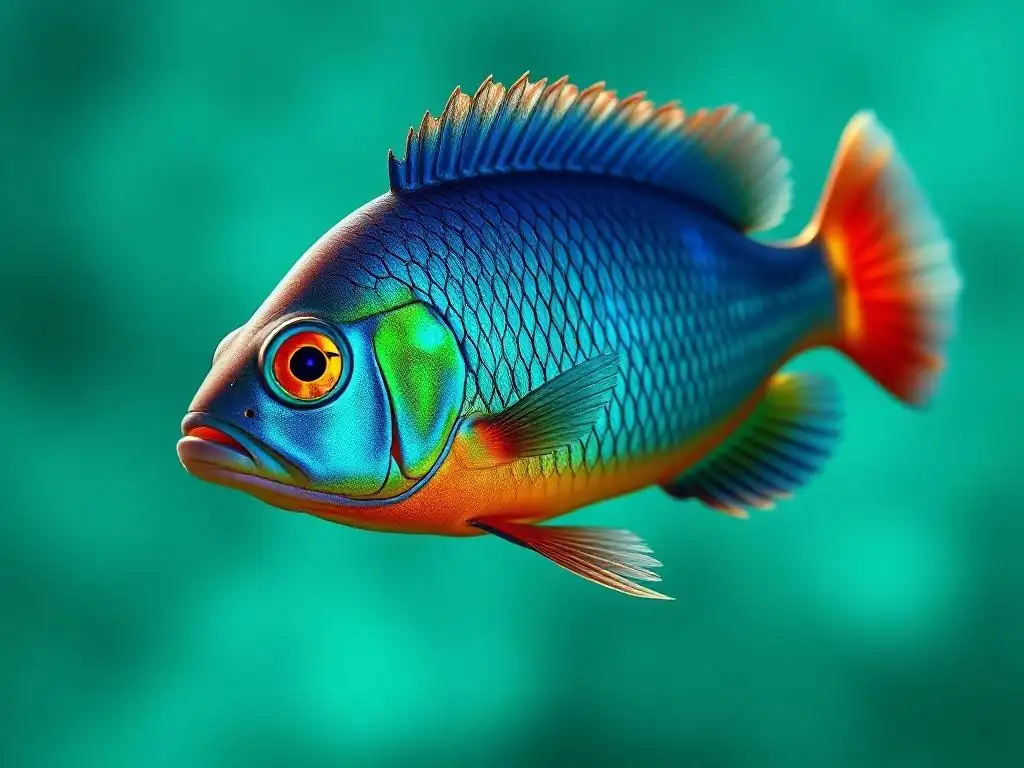
African Rift Lake cichlids are a diverse group of freshwater fish endemic to the Great Rift Valley lakes of East Africa, primarily Lake Malawi, Lake Tanganyika, and Lake Victoria. These ancient lakes, formed by tectonic plate movements over millions of years, have fostered an unparalleled level of biodiversity.
Lake Malawi alone is home to over 850 described cichlid species, with many more awaiting scientific classification, making it one of the most speciose lakes on Earth. This rapid speciation has resulted in an incredible array of forms, colors, and behaviors, making them highly sought after in the aquarium hobby for dedicated Rift lake cichlid care.
These remarkable fish exhibit a wide range of characteristics. Physically, they vary significantly in size, from dwarf species like Neolamprologus multifasciatus (Multies), which may only reach 1.5-2 inches, to large predators such as Boulengerochromis microlepis (Giant Tanganyika Cichlid) that can exceed 30 inches in length. Their vibrant coloration, especially among males, is a key feature, often used for display and territorial defense.
Behaviorally, African Rift Lake cichlids are known for their complex social structures, strong territorial instincts, and fascinating parental care, with many species being maternal mouthbrooders, where the female holds the eggs and fry in her mouth for protection. Proper Rift lake cichlid care necessitates understanding these unique traits.
Why Choose Rift Lake Cichlids for Your Aquarium? Benefits and Challenges
Choosing African Rift Lake cichlids for an aquarium offers a truly dynamic and visually stunning experience. Their unparalleled diversity in color, shape, and behavior means aquarists can create a vibrant, active display that is constantly engaging. Observing their intricate social hierarchies, territorial disputes, and the unique mouthbrooding process provides a rewarding insight into fish behavior. Furthermore, many species are relatively hardy once established in appropriate water conditions, making them a durable choice for aquarists who can commit to their specific environmental needs and provide diligent Rift lake cichlid care.
However, keeping these cichlids also presents specific challenges that require careful consideration. Their inherent aggression and territorial nature necessitate precise stocking strategies and aquascaping to prevent excessive conflict and stress. For instance, Mbuna cichlids from Lake Malawi are notorious for their aggression, requiring significant rockwork for territories and often benefit from a slightly overstocked tank to diffuse aggression among many targets.
Furthermore, their strict water parameter requirements—typically high pH (ranging from 7.8 to 8.6) and hard water (GH 10-20 dGH, KH 10-15 dKH)—mean that tap water in many regions will need buffering and conditioning. Neglecting these parameters can lead to compromised health, making diligent water quality management a cornerstone of successful Rift lake cichlid care.
Types of Rift Lake Cichlids: Mbuna, Haps, and Peacocks - A Quick Overview
African Rift Lake cichlids are broadly categorized into several groups based on their natural habitat, diet, and behavior, which directly influence their Rift lake cichlid care requirements. One of the most popular groups from Lake Malawi are the Mbuna, meaning "rock-dwelling" in the local Tonga language.
These cichlids, such as Labidochromis caeruleus (Yellow Lab) and Maylandia estherae (Red Zebra), are primarily herbivores or omnivores that graze on algae and biofilm from rocky surfaces. They are highly territorial and aggressive, often requiring a densely rock-scaped tank to provide ample hiding spots and defined territories for each fish, typically thriving in tanks of 55 gallons or larger for a community setup.
Another significant group from Lake Malawi are the Haplochromines, commonly referred to as "Haps." These cichlids generally inhabit the open water or sandy areas, growing larger than Mbuna and exhibiting more diverse diets, including piscivory (fish-eating) and insectivory. Examples include Nimbochromis livingstonii (Livingstoni) and Copadichromis borleyi (Kadango Red Fin).
Haps tend to be less aggressively territorial than Mbuna but can still be dominant, especially the larger predatory species. Their need for more swimming space often dictates larger aquariums, typically 75 gallons or more, and careful selection of tank mates to ensure compatibility, which is crucial for their long-term Rift lake cichlid care.
Finally, the Peacocks, belonging to the genus Aulonocara, are also from Lake Malawi and are highly prized for the males' brilliant, iridescent coloration. These cichlids are generally found in the sand-to-rock transition zones and are micro-predators, sifting through sand for small invertebrates. They are considered one of the most peaceful groups of Lake Malawi cichlids, making them suitable for mixed-species tanks with other docile Haps or even some less aggressive Mbuna.
Popular examples include Aulonocara stuartgranti (Ngara Flametail) and Aulonocara jacobfreibergi (Eureka Red). Their relatively calmer temperament and specific dietary needs—often requiring a diet rich in protein but low in plant matter—distinguish their Rift lake cichlid care from their more aggressive counterparts.
Frequently Asked Questions
How are African Rift Lake Cichlids different from other freshwater fish?
African Rift Lake Cichlids require specific water parameters to thrive, mimicking their natural habitat. These parameters typically include high pH and hardness, unlike many common freshwater fish. They also exhibit unique behaviors and dietary needs.
What size tank is recommended for keeping Rift Lake Cichlids?
A larger tank is generally better, especially for multiple cichlids. As a minimum, a 40-gallon breeder tank is often recommended for smaller species, while larger species and more diverse communities require 75 gallons or more.
What are the key elements of Rift Lake Cichlid water chemistry?
Maintaining the correct water chemistry is crucial. Key elements include a pH between 7.8 and 8.6, a high general hardness (GH), and a high carbonate hardness (KH). Regular testing and adjustments are necessary.
What should I feed my Rift Lake Cichlids?
The ideal diet depends on the specific species, but generally, a high-quality cichlid pellet or flake food should form the base. Supplement with vegetable matter (spirulina, blanched spinach) and occasional meaty treats (bloodworms, brine shrimp).
What are some common health problems that affect Rift Lake Cichlids and how can I prevent them?
Common issues include Malawi bloat, ich (white spot disease), and hole-in-the-head disease. Prevention involves maintaining excellent water quality, providing a balanced diet, and avoiding overcrowding in the aquarium.
Final Reflection: Sustaining the Vibrant Legacy
The journey through the definitive guide to Rift Lake Cichlid care underscores a crucial point: responsible aquarists are not just keepers, but custodians of a fragile ecosystem. The vibrant colors and complex behaviors we admire in these fish are a direct reflection of their unique and threatened environments. Understanding and replicating their natural habitat within our aquariums is paramount to ensuring their long-term health and well-being, and ultimately, contributing to their conservation.
This commitment extends beyond the technical aspects of water parameters and diet. It's about fostering a deeper appreciation for the intricate web of life within the African Rift Lakes and recognizing our role in preserving its biodiversity. As we learn to provide optimal care, we become ambassadors for these remarkable creatures, sharing knowledge and inspiring others to join in the effort. In the end, we will conserve only what we love; we will love only what we understand; and we will understand only what we are taught.
- Baba Dioum's words resonate deeply, highlighting the importance of education and understanding in conservation.
Now, as you close this guide, consider the impact you can have. Let the knowledge you've gained inspire you to create not just a thriving aquarium, but a microcosm of the Rift Lakes, a testament to the beauty and fragility of our natural world. Embrace the responsibility, share your passion, and become a champion for Rift Lake Cichlids, ensuring their vibrant legacy continues for generations to come.
Dive Deeper: Transform Your Cichlid Keeping Today!
Thank you for exploring the fascinating world of African Rift Lake Cichlids with us. We hope this guide has empowered you with the knowledge to create a thriving aquatic ecosystem for these vibrant fish. Now, let's put that knowledge into action!
Here's how you can take your cichlid keeping to the next level:
- Implement at least one water parameter adjustment discussed in the guide within the next week to observe its impact on your cichlids' behavior and coloration.
- Share your most striking cichlid photo on social media using #AquariumMasteryCichlids to connect with fellow enthusiasts and inspire others.
- Brainstorm a completely new, innovative aquascaping element for your cichlid tank – something beyond the usual rocks – and sketch out your design.
What's the one piece of advice from this guide you're most eager to implement in your aquarium this weekend, and why?