
Sexing Caridina Shrimp: Identifying Males and Females for Breeding Projects

Welcome to Aquarium Mastery!
Ever wondered how to tell your Caridina shrimp apart? Unlocking the secrets to successful breeding starts with understanding the subtle differences between males and females. Dive into our comprehensive Caridina shrimp sexing guide and discover the telltale signs that will help you identify your shrimp's gender, setting you on the path to a thriving and vibrant colony. Ready to become a Caridina breeding expert? Let's get started!
- Caridina Shrimp Sexing Guide: Identifying Males and Females for Breeding Projects
- Understanding Caridina Shrimp Sexual Dimorphism
- Visual Identification: Key Differences Between Male and Female Caridina Shrimp
- Caridina Shrimp Sexing: A Step-by-Step Guide
- Common Mistakes in Caridina Shrimp Sexing
- Advanced Caridina Shrimp Breeding: Sexing for Selective Breeding Programs
- Troubleshooting Caridina Shrimp Sexing Challenges
- Caridina Shrimp Gender Identification Throughout Their Life Cycle
- Tools and Resources for Accurate Caridina Shrimp Sexing
- Maintaining a Healthy Caridina Shrimp Colony: Post-Sexing Considerations
- Conclusion: Mastering Caridina Shrimp Sexing for Successful Breeding
-
Frequently Asked Questions
- How can I tell if my Caridina shrimp are male or female?
- What are the key physical differences between male and female Caridina shrimp?
- Why is it important to know the sex of Caridina shrimp for breeding?
- At what age can I start sexing Caridina shrimp?
- What are some common mistakes people make when trying to sex Caridina shrimp?
- Final Reflection: Unveiling the Secrets of Caridina
- Unveil the Secrets of Shrimp Sexing!
Caridina Shrimp Sexing Guide: Identifying Males and Females for Breeding Projects
Understanding Caridina Shrimp Sexual Dimorphism
What is Sexual Dimorphism in Caridina Shrimp?
Sexual dimorphism refers to the distinct differences in appearance between males and females of the same species. In the context of Caridina shrimp, these differences are primarily physical and develop as the shrimp mature, allowing for their identification. While often subtle, these variations are crucial for distinguishing genders and are a natural part of their reproductive biology, reflecting the varying roles males and females play in the breeding process.
These distinctions manifest in several key areas, including overall body size, shape of the abdomen, presence of specific reproductive organs, and even the length of certain appendages. Unlike some animal species with dramatic sexual dimorphism, Caridina shrimp require careful observation, as their differences are often understated, particularly in younger specimens. However, with practice and the right knowledge, mastering this aspect of Caridina shrimp care becomes a straightforward process.
Why Sexing Caridina Shrimp Matters for Breeding
Accurate Caridina shrimp sexing is paramount for any aquarist interested in controlled breeding, selective breeding programs, or simply managing colony population. Without the ability to reliably identify males and females, breeders cannot set specific male-to-female ratios, which are often optimized for successful fertilization rates and to prevent overbreeding or stress on the females. For instance, a common recommendation for breeding setups is a ratio of approximately 2-3 females per male to ensure efficient fertilization without overwhelming the male or leading to too much competition.
Furthermore, sexing allows for selective breeding, where specific traits (like color intensity, pattern, or hardiness) can be propagated by pairing desired individuals. Breeders can isolate high-grade females with high-grade males, enhancing genetic purity and improving the overall quality of successive generations. Without precise Caridina shrimp sexing, selective breeding becomes a game of chance, making it difficult to achieve consistent results or maintain specific genetic lines within a colony.
Visual Identification: Key Differences Between Male and Female Caridina Shrimp
Caridina Shrimp Saddle Identification: The Definitive Female Trait
The "saddle" is arguably the most definitive indicator of a mature female Caridina shrimp. This term refers to a yellowish, greenish, or brownish mass visible through the translucent carapace, located behind the shrimp's head and above its digestive tract. The saddle is, in fact, the shrimp's developing ovaries, filled with unfertilized eggs. Its presence unequivocally confirms the shrimp is a female.
The visibility of the saddle can vary depending on the shrimp's coloration and the lighting conditions. It is often most apparent on lighter-colored or translucent varieties of Caridina shrimp, such as Crystal Red Shrimp or certain Bee shrimp. While its size and color may fluctuate, a clearly discernible saddle signifies a female ready or nearing readiness to produce eggs, making it a primary focus in any Caridina shrimp sexing guide.
Body Shape and Size: Recognizing Female Caridina Shrimp
Beyond the saddle, the overall body shape and size are strong indicators when performing Caridina shrimp sexing. Females are generally larger and possess a more robust, rounded, and wider abdomen (pleon) compared to males. This wider "skirt" or "barrel" shape is specifically adapted to accommodate the eggs they will carry after fertilization, providing protection and space for the developing shrimplets.
In contrast, male Caridina shrimp tend to be noticeably smaller, slimmer, and more streamlined in their body profile. For example, a mature female Crystal Red Shrimp might reach 1.2 inches (3 cm) in length with a distinctly curved underside, whereas a male of the same species might only grow to 0.8-1 inch (2-2.5 cm) and maintain a straighter, less pronounced abdominal curve. This difference in body morphology becomes more pronounced as shrimp mature, making it a reliable characteristic for Caridina shrimp gender identification.
Antennae Length: A Subtle Difference in Caridina Shrimp Sexing
While not as definitive as the saddle or body shape, antennae length can sometimes offer a subtle clue during the Caridina shrimp sexing process. In many Caridina species, males tend to have relatively longer antennae compared to females, proportional to their body size. It is believed that these longer antennae assist males in detecting pheromones released by receptive females, helping them locate potential mates in the aquarium environment.
However, relying solely on antennae length for Caridina shrimp sexing can be misleading, as variations can occur within a species due to genetics or individual development. It is best used as a secondary, supporting observation, especially when other indicators are ambiguous or when comparing multiple shrimp of similar age and size side-by-side. For instance, if you observe a slender shrimp with unusually long antennae, it might lean towards being a male, but this observation should be cross-referenced with other more reliable traits.
Pleopods (Swimmerets): Examining Caridina Shrimp Appendages for Sexing
The pleopods, or swimmerets, are small, leg-like appendages located on the underside of the shrimp's abdomen. These appendages play a crucial role in respiration, propulsion, and, most importantly, in carrying and fanning eggs for females. Observing the pleopods, especially with some magnification, can provide another reliable method for Caridina shrimp sexing.
Female Caridina shrimp typically have larger, more developed, and paddle-like pleopods. These are designed to create a secure basket for the eggs and to constantly fan water over them, ensuring proper oxygenation and cleanliness. In contrast, male Caridina shrimp possess smaller, less developed, and often more hook-like pleopods. Their pleopods are primarily used for swimming and hold no function in egg-carrying, hence their less robust appearance. This difference becomes quite clear under magnification, offering a definitive characteristic for accurate Caridina shrimp gender identification.
Caridina Shrimp Sexing: A Step-by-Step Guide
Step 1: Observe the Abdomen Shape
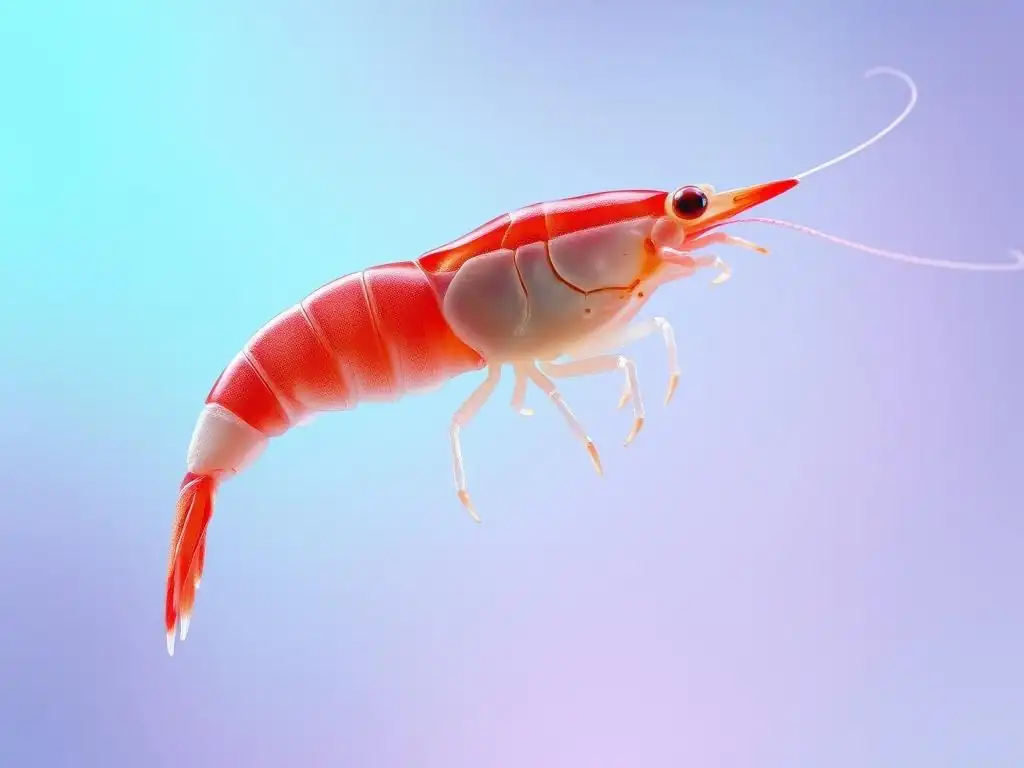
Begin your Caridina shrimp sexing process by observing the overall shape of the shrimp's abdomen from the side or, ideally, from above. Gently scoop a shrimp into a clear container, such as a small glass or specimen cup, to get a better view. Look for a pronounced curve or "skirt-like" flare on the underside of the abdomen, particularly towards the tail.
If the abdomen is noticeably wider and rounder, resembling a barrel or a large skirt, it is almost certainly a female. Males, conversely, will have a much straighter, narrower, and more streamlined abdomen, lacking this distinct curvature. This visual comparison is often the quickest initial method for distinguishing between male and female Caridina shrimp.
Step 2: Look for the Presence of a Saddle
Once you have assessed the abdomen shape, the next crucial step in your Caridina shrimp sexing guide is to look for the saddle. Position the shrimp in the clear container against a light source, such as a desk lamp or natural light from a window. Focus your attention on the area directly behind the shrimp's head, on its upper back (the carapace).
A visible yellowish, greenish, or brownish mass within the shrimp's body, just beneath the shell, confirms the presence of a saddle. This is the female's developing ovaries. If a saddle is clearly present, you can be 100% confident that the shrimp is a female, regardless of other characteristics. If no saddle is visible, it could be a male, an immature female, or a female about to molt.
Step 3: Compare Antennae Length
After examining the abdomen and saddle, you can proceed to compare antennae length, though this is a secondary indicator for Caridina shrimp sexing. Observe several shrimp of similar size simultaneously if possible, or keep mental notes of the antennae proportions. Males often exhibit antennae that appear disproportionately longer relative to their body size, sometimes extending nearly half their body length.
Females, in contrast, typically have shorter, more proportionate antennae. While not a standalone definitive trait, if a shrimp displays a notably slender body profile combined with unusually long antennae, it further supports the likelihood of it being a male. This step is more of a supportive observation rather than a primary diagnostic tool.
Step 4: Examine the Pleopods
For the most accurate Caridina shrimp sexing, especially when other indicators are subtle or ambiguous, examining the pleopods is essential. This often requires a magnifying glass, a jeweler's loupe (10x or 20x magnification is ideal), or a macro lens on a smartphone. Carefully observe the underside of the shrimp's abdomen.
Female pleopods will appear larger, broader, and more developed, often resembling small paddles or leaves, sometimes with fine hairs (setae) that help in holding eggs. Male pleopods, on the other hand, are typically smaller, thinner, and less prominent, sometimes appearing more pointed or hook-like. This detailed examination provides highly reliable confirmation of gender, particularly for challenging cases in your Caridina shrimp sexing guide.
Common Mistakes in Caridina Shrimp Sexing
Confusing Juvenile Shrimp with Males
One of the most common errors in Caridina shrimp sexing is mistaking immature females for males. Juvenile shrimp, regardless of sex, often exhibit a slender body shape and lack the developed abdominal curvature or visible saddle that characterizes mature females. Until they reach sexual maturity, typically around 3-4 months of age and approximately 0.6-0.8 inches (1.5-2 cm) in length, young females simply haven't developed their distinct female characteristics.
Attempting to accurately sex shrimp smaller or younger than this developmental stage can lead to a high rate of misidentification. It is always advisable to wait until your Caridina shrimp have grown sufficiently before attempting a definitive gender identification, as their sexual dimorphism becomes much more pronounced and reliable with maturity.
Misinterpreting Molting Signs
Another frequent mistake during Caridina shrimp sexing involves misinterpreting signs of an impending molt. A shrimp preparing to molt may appear slightly swollen or have a subtle gap between its carapace and body, which can sometimes be confused with the presence of a saddle or a berried state. Additionally, some shrimp might appear less active or their colors might seem muted just before a molt.
It's crucial to differentiate these temporary pre-molt signs from actual sexual characteristics. A true saddle is an internal organ visible through the shell, not a separation of the shell itself. Similarly, a female carrying eggs will have them visibly attached to her pleopods, not simply a swollen abdomen. Patience and careful observation over several days can help avoid this common misinterpretation in your Caridina shrimp sexing guide.
Overlooking Subtle Differences in Coloration
While not a primary method for Caridina shrimp sexing, some aquarists might mistakenly rely on subtle differences in coloration. In certain Caridina species, mature females, especially when berried or actively breeding, may display slightly richer, denser, or more vibrant colors compared to males of the same grade. This is often observed in high-grade Crystal Red or Taiwan Bee shrimp, where the female's white or red pigments might appear more opaque or intense.
However, this is a highly unreliable indicator and should never be used as a standalone method for Caridina shrimp gender identification. Coloration can be influenced by diet, water parameters, stress levels, and genetics, making it too variable for accurate sexing. Relying on color alone can lead to significant errors, as a vibrant male or a stressed female might defy these general observations.
Advanced Caridina Shrimp Breeding: Sexing for Selective Breeding Programs
Isolating Breeding Pairs Based on Sex
For serious aquarists engaged in selective breeding programs, precise Caridina shrimp sexing is not just helpful, but essential. The ability to accurately identify and then isolate specific males and females allows for controlled pairings, which is critical for enhancing desired genetic traits such as specific color patterns, shell thickness, or overall vitality. For example, a breeder might select a male with exceptional coloration and pair him with several females exhibiting similar high-grade traits in a dedicated breeding tank.
This level of control prevents random breeding within a large colony, which can dilute desired genetics over time. By establishing small, controlled breeding groups (e.g., 1 male with 2-3 females in a 5-10 gallon tank), breeders can track lineage more effectively, maximize the chances of producing offspring with superior characteristics, and maintain the purity of their Caridina shrimp lines.
Optimizing Breeding Conditions for Caridina Shrimp
Once males and females have been accurately identified and potentially isolated for breeding, optimizing their environmental conditions becomes the next critical step. Successful Caridina shrimp breeding relies heavily on stable and appropriate water parameters. For many popular Caridina species, this typically means maintaining a slightly acidic to neutral pH (e.g., 6.0-6.8), very soft water (e.g., GH 4-6 dGH, KH 0-1 dKH), and consistent temperatures around 70-75°F (21-24°C).
Beyond water chemistry, providing a high-quality diet rich in protein and essential minerals is vital, particularly for breeding females. A well-fed female is more likely to develop a healthy saddle and carry eggs to term. Regular feeding of specialized shrimp foods, along with biofilm and algae, ensures females are in peak condition for reproduction, directly impacting the success rate of any Caridina shrimp breeding project.
Troubleshooting Caridina Shrimp Sexing Challenges
Difficulty Sexing Certain Caridina Species: Tiger Shrimp Example
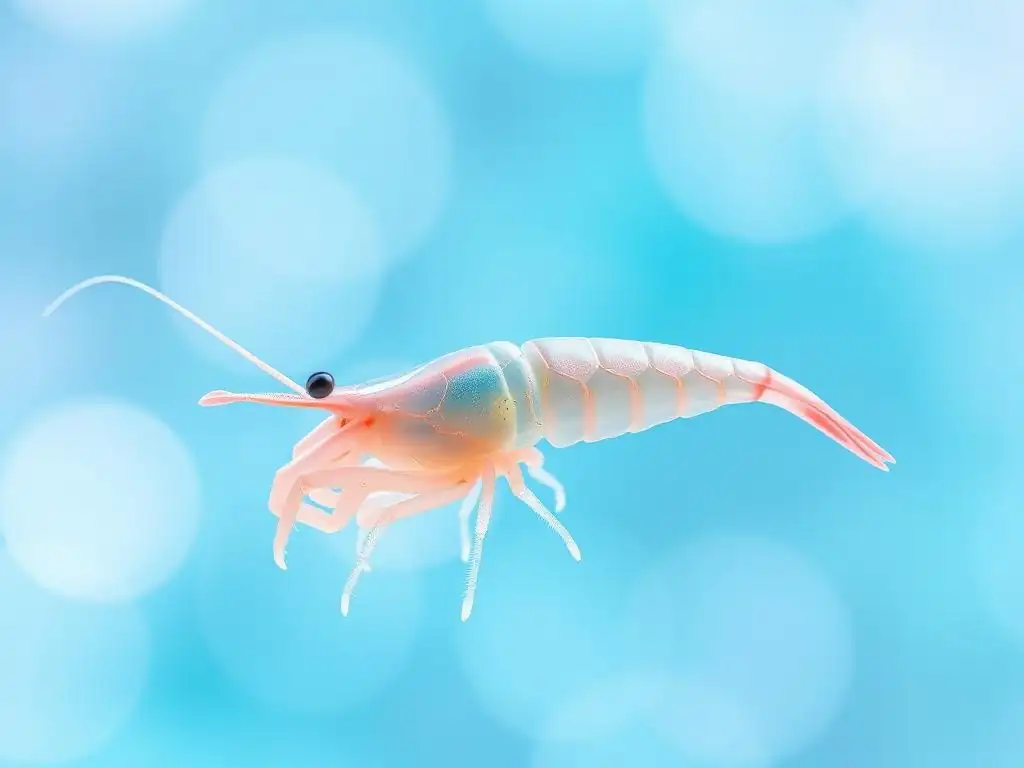
While the general principles of Caridina shrimp sexing apply broadly, some species or specific color morphs can present unique challenges. For instance, in species like the Tangerine Tiger Shrimp ( Caridina mariae) or other heavily pigmented Caridina, the opaque nature of their shells can make it extremely difficult to visually identify the saddle. The dark coloration effectively obscures the internal reproductive organs, rendering this primary sexing method less effective.
In such cases, aquarists must rely more heavily on other indicators, such as the subtle differences in body shape and the detailed examination of pleopods under strong magnification. Observing behavior during molting or breeding attempts can also provide clues. This highlights that while a Caridina shrimp sexing guide provides general rules, adaptation and keen observation are necessary for specific, challenging varieties.
Dealing with Stressed or Unhealthy Shrimp
Accurate Caridina shrimp sexing becomes significantly more challenging when dealing with stressed or unhealthy individuals. Shrimp under stress due to poor water quality, inadequate diet, or disease may exhibit muted colors, appear lethargic, or hide frequently, making visual inspection difficult. Their body shape might also become emaciated, obscuring the typical female "skirt" or making the saddle less visible.
Before attempting to sex shrimp that appear unwell, it is crucial to first address any underlying health issues or environmental problems. Ensure pristine water parameters (zero ammonia and nitrite, nitrate below 10 ppm), stable temperatures, and a consistent, high-quality diet. Once the shrimp are healthy and active, they will display their natural characteristics more clearly, greatly improving the accuracy of your Caridina shrimp gender identification efforts.
Caridina Shrimp Gender Identification Throughout Their Life Cycle
Sexing Juvenile Caridina Shrimp: Early Indicators
Identifying the gender of juvenile Caridina shrimp is notoriously difficult and often unreliable. Young shrimp, generally those under 0.6 inches (1.5 cm) or younger than 2-3 months old, typically have not yet developed the prominent sexual dimorphism seen in adults. Their bodies are more slender, and females have not yet developed a visible saddle or the characteristic broad, rounded abdomen.
While some highly experienced aquarists might claim to discern a very slight widening of the abdomen in larger juveniles, this is an inconsistent and often inaccurate method. For practical purposes, a definitive Caridina shrimp sexing guide recommends waiting until shrimp reach a more mature size and age before attempting to confidently determine their gender, as the key indicators become much more apparent.
Sexing Adult Caridina Shrimp: Clear Distinctions
Once Caridina shrimp reach full sexual maturity, typically between 4 to 6 months of age and around 0.8 to 1.2 inches (2-3 cm) in length, their gender distinctions become clear and unmistakable. At this stage, females will consistently display a visible saddle, a significantly broader and more rounded abdomen (the "skirt"), and well-developed, paddle-like pleopods. These traits are distinct and reliable.
Adult males, conversely, will maintain a more slender and streamlined body shape, lack a saddle, and possess smaller, less developed pleopods. This pronounced dimorphism in mature shrimp allows for confident and accurate Caridina shrimp sexing, which is essential for breeding projects, population management, and maintaining a balanced colony.
Tools and Resources for Accurate Caridina Shrimp Sexing
Magnifying Glasses and Visual Aids
For precise Caridina shrimp sexing, especially when dealing with smaller individuals or subtle differences, visual aids are invaluable. A simple magnifying glass (around 5x-10x magnification) can significantly enhance visibility, allowing you to clearly see the saddle, the shape of the pleopods, and the overall body curvature. For even finer details, a jeweler's loupe (10x to 20x magnification) or a macro lens attachment for a smartphone can provide exceptional clarity.
These tools allow aquarists to observe the minute anatomical differences that are often imperceptible to the naked eye. For instance, distinguishing the fine setae on a female's pleopods from a male's less developed appendages becomes much easier under magnification, greatly improving the accuracy of your Caridina shrimp gender identification.
Online Forums and Communities for Caridina Shrimp Identification
When in doubt about Caridina shrimp sexing, leveraging the collective experience of the online aquarist community can be incredibly helpful. Dedicated online forums, such as Shrimp Keepers Forum, or various Facebook groups focused on Caridina shrimp, host thousands of experienced hobbyists and breeders. These platforms often have sections where members can upload photos or short videos of their shrimp and ask for gender identification assistance.
Many experienced members are happy to offer their opinions and guidance, providing a valuable second set of eyes. This collaborative approach can be particularly useful for challenging species or when you are just starting out with your Caridina shrimp sexing guide, allowing you to learn from others' expertise and gain confidence in your own identification skills.
Maintaining a Healthy Caridina Shrimp Colony: Post-Sexing Considerations
Separating Sexes to Control Breeding
After successfully performing Caridina shrimp sexing, you gain the ability to control your colony's breeding dynamics. One common practice is to separate males and females into different tanks. This can be beneficial for several reasons: it prevents overpopulation in a single tank, allows for "resting" periods for females after carrying eggs, and is crucial for selective breeding where specific pairs are desired.
For example, if you wish to prevent rapid population growth, maintaining separate tanks for males and females (e.g., a 10-gallon tank can comfortably house 30-50 adult shrimp of a single sex) ensures that breeding only occurs when you intentionally introduce them. This proactive approach to population management is a key aspect of responsible Caridina shrimp keeping.
Providing Optimal Care for Breeding Females
Once females are identified, especially those with visible saddles or carrying eggs (berried females), providing optimal care is paramount for successful breeding and the health of the mother. Berried females benefit from a highly stable environment with consistent water parameters (e.g., stable pH, GH, and temperature). Fluctuations can cause stress, potentially leading to egg drops or reduced survival rates for the shrimplets.
Additionally, a slightly increased frequency of high-quality, protein-rich foods (e.g., specialized shrimp pellets, blanched spinach, or spirulina wafers) can support the female's energy demands during egg development and carrying. Ensuring a low-stress environment with plenty of hiding places further aids in the successful gestation and hatching of healthy Caridina shrimp offspring, making your Caridina shrimp sexing guide a foundational step in successful breeding.
Conclusion: Mastering Caridina Shrimp Sexing for Successful Breeding
Frequently Asked Questions
How can I tell if my Caridina shrimp are male or female?
The most reliable way is to look for the saddle located on the female's back, behind the head. This saddle contains the unfertilized eggs. Males lack this feature and are generally smaller in size.
What are the key physical differences between male and female Caridina shrimp?
Females are typically larger and more robust than males. They also possess a more curved underbelly to accommodate their eggs, while males tend to have a straighter body shape.
Why is it important to know the sex of Caridina shrimp for breeding?
Knowing the sex allows you to control breeding and prevent unwanted offspring, or to specifically select breeding pairs with desirable traits. It's vital for planning any breeding program.
At what age can I start sexing Caridina shrimp?
It's generally easier to sex Caridina shrimp when they reach adult size, around 2-3 months old. Younger shrimp may not yet exhibit the distinct sexual characteristics.
What are some common mistakes people make when trying to sex Caridina shrimp?
Confusing juvenile shrimp for males is a common error, as young females may not have a visible saddle yet. Also, relying solely on size can be misleading, as environmental factors can affect shrimp growth.
Final Reflection: Unveiling the Secrets of Caridina
The intricate world of Caridina shrimp breeding, as explored in this guide, is not just about understanding biological differences; it’s about unlocking the potential for biodiversity and responsible aquascaping. The ability to accurately sex these delicate creatures empowers hobbyists to contribute meaningfully to the preservation and propagation of these fascinating invertebrates, ensuring their continued presence in our aquariums and, potentially, in the wild.
This journey into Caridina shrimp sexing has underscored the importance of observation and meticulous attention to detail. It's a reminder that even the smallest creatures hold complex secrets, and that our dedication to understanding them can lead to profound insights and rewarding experiences. As the renowned naturalist John Muir once said, In every walk with nature, one receives far more than he seeks.
This holds true in the microcosm of our aquariums, where patience and knowledge unlock a deeper appreciation for the interconnectedness of life.
Now, armed with this Caridina shrimp sexing guide, we invite you to look closer, to observe with intention, and to contribute to the thriving community of Caridina enthusiasts. Embrace the challenge of breeding these captivating creatures, and remember that each successful pairing, each new generation, is a testament to your dedication and a step towards a richer, more vibrant aquatic world. Let your aquariums become living laboratories, where curiosity thrives and the secrets of Caridina are continuously unveiled.
Unveil the Secrets of Shrimp Sexing!
Thank you for diving into the world of Caridina shrimp! Now that you're equipped to identify the differences between male and female shrimp, let's put your newfound knowledge to work. It's time to take the next exciting step in your shrimp-keeping journey!
Here's what you can do:
- Start observing your shrimp colony! Spend some time closely examining your Caridina, applying the techniques you've learned to identify the males and females.
- Document your findings! Keep a shrimp journal or a spreadsheet to record your observations and track any changes over time. This is not only useful for your own understanding, but it can also provide valuable insights for other shrimp keepers!
- Share your expertise! Visit aquariummastery.com forum, and share your expertise, photos, and stories of sexing Caridina shrimp.
What exciting discoveries did you make about your shrimp today?