
Top 5 ReefSafe Crabs for a Thriving Saltwater Aquarium

Welcome to Aquarium Mastery!
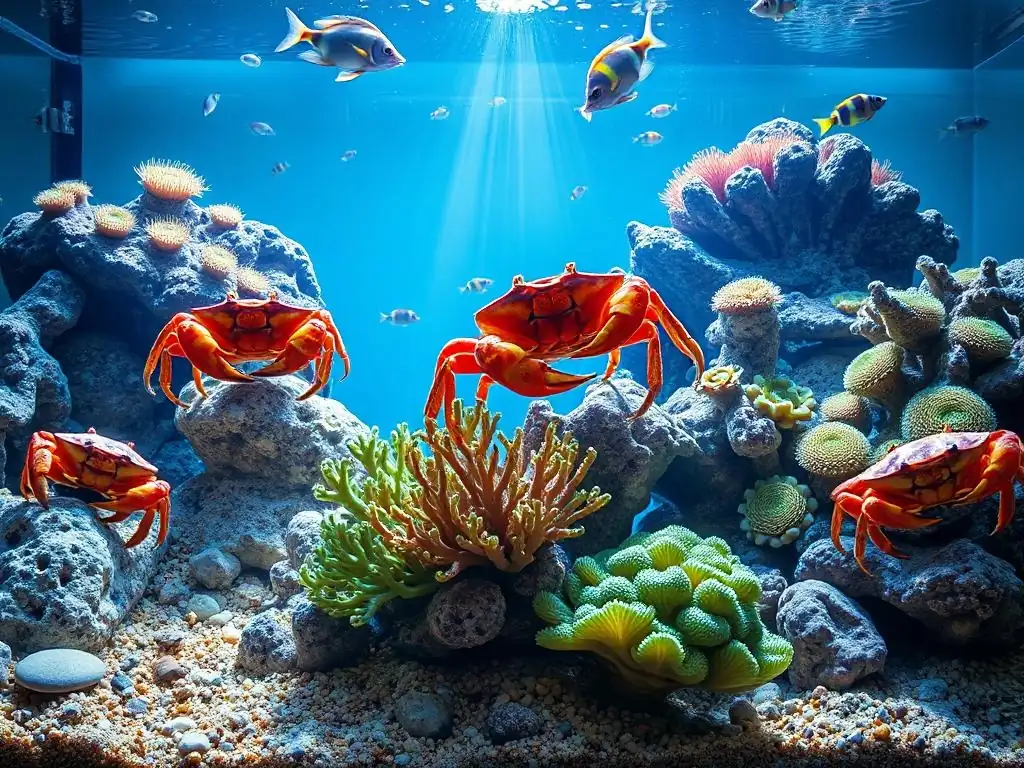
Intrigued by the idea of adding a captivating cleanup crew to your reef tank? You've come to the right place! Discover how to achieve a pristine reef environment with our comprehensive guide on Reef Safe Crab Care. Ready to meet the top 5 crabs that will thrive alongside your corals and fish? Dive in and unlock the secrets to a flourishing saltwater ecosystem!
- Introduction to Reef-Safe Crabs and Their Role in Saltwater Aquariums
- Understanding Reef Compatibility in Crabs: What Makes a Crab Reef-Safe?
-
Top 5 Reef-Safe Crab Species for Your Saltwater Aquarium
- 1. Emerald Crab (Mithrax sculptus): The Algae Eating Machine
- 2. Porcelain Crab (Petrolisthes spp. ): A Peaceful Filter Feeder
- 3. Arrow Crab (Stenorhynchus seticornis): A Unique Predator of Bristleworms
- 4. Pom Pom Crab (Lybia tessellata): The Anemone-Carrying Wonder
- 5. Scarlet Reef Hermit Crab (Paguristes cadenati): The Scavenging Specialist
- Setting Up Your Reef Tank for Crabs: Creating a Suitable Habitat
- Feeding Your Reef-Safe Crabs: Ensuring a Balanced Diet
- Potential Problems and Solutions in Reef-Safe Crab Care
- Conclusion: Enjoying a Healthy Reef Tank with Reef-Safe Crabs
-
Frequently Asked Questions
- What exactly does "reef safe" mean when referring to crabs in a saltwater aquarium?
- Are there any crabs that are definitely not reef safe?
- What are the primary benefits of having reef safe crabs in a saltwater aquarium?
- How do I ensure my chosen reef safe crab is actually behaving reef safe in my aquarium?
- What are some common signs that a reef safe crab is not actually reef safe in my specific aquarium?
- Final Reflection: Embracing Harmony in the Reef
- Ignite Your Reef: Start with One Simple Step!
Introduction to Reef-Safe Crabs and Their Role in Saltwater Aquariums
Why Choose Reef-Safe Crabs for Your Aquarium?
Incorporating reef-safe crabs into your saltwater aquarium offers numerous benefits, contributing significantly to the tank's overall health and aesthetic appeal. These fascinating invertebrates act as natural clean-up crews, diligently consuming nuisance algae, scavenging uneaten food, and breaking down detritus. Their constant activity helps maintain pristine water conditions, reducing the need for manual cleaning and creating a more stable environment for your fish and corals.
Beyond their practical functions, reef-safe crabs add dynamic interest to the aquarium. Their unique behaviors, from the filter-feeding of porcelain crabs to the anemone-wielding pom pom crabs, provide endless opportunities for observation. By selecting appropriate species, aquarists can enhance their reef ecosystem with efficient, natural waste removers that contribute to a balanced and thriving underwater world.
The Importance of a Clean-Up Crew in Reef Tanks
A robust clean-up crew (CUC) is an indispensable component of any successful reef aquarium, and crabs often play a vital role within this team. The CUC is responsible for managing organic waste, which includes leftover food, fish waste, and decaying plant matter, alongside various forms of algae. Without an effective CUC, these organic loads can quickly accumulate, leading to nutrient imbalances, unsightly algae blooms, and potentially harmful fluctuations in water parameters.
By actively consuming detritus and grazing on algae, reef-safe crabs and other CUC members help to complete the nitrogen cycle, keeping nitrates and phosphates in check. This biological control is crucial for preventing issues that can stress sensitive corals and fish. A well-stocked and diverse clean-up crew ensures a healthier, more stable environment, minimizing common problems and allowing the reef ecosystem to flourish.
Understanding Reef Compatibility in Crabs: What Makes a Crab Reef-Safe?
Identifying Problematic Crab Species: What to Avoid
Not all crabs are suitable for a reef aquarium, and some species can pose significant threats to corals, fish, and other invertebrates. Problematic crabs often exhibit predatory or highly opportunistic behaviors, growing to sizes that can easily overpower smaller tank inhabitants. Examples include the various "Gorilla Crabs" (often hitchhikers) or larger decorator crabs that may nip at soft corals or capture small, slow-moving fish.
These undesirable traits can lead to significant losses in a reef tank, particularly with expensive coral colonies or delicate fish species. It's crucial to research any crab thoroughly before introduction, as even crabs labeled as "reef-safe" can become problematic if they are underfed or if the tank environment is inadequate. Observing their natural diet and typical adult size is key to avoiding future issues.
Key Characteristics of Reef-Safe Crabs
Reef-safe crabs are distinguished by several key characteristics that make them beneficial additions to a marine aquarium. Primarily, they are typically small in size, reducing their potential to harm other tank inhabitants or disrupt rockwork. Their diets are predominantly herbivorous or detritivorous, meaning they feed on algae, detritus, and uneaten food, rather than live corals or fish.
Furthermore, these crabs generally exhibit a peaceful temperament, coexisting harmoniously with a wide range of fish, corals, and other invertebrates. Their behaviors often involve sifting through sand to aerate the substrate, grazing on nuisance algae from live rock, or scavenging for debris in crevices. These actions not only keep the tank clean but also provide natural enrichment for the aquarium environment.
Reef Safe Crab Care: Essential Considerations for Maintaining a Healthy Environment
Effective reef safe crab care hinges on providing a stable and appropriate environment that caters to their specific needs. Maintaining consistent water parameters is paramount; this includes stable salinity between 1.023 and 1.026, a temperature range of 72-78°F (22-26°C), and appropriate levels of alkalinity (8-12 dKH), calcium (400-450 ppm), and magnesium (1250-1350 ppm). These parameters are vital for their overall health and successful molting.
Beyond water quality, proper feeding and suitable habitat are crucial. While many reef-safe crabs will graze on naturally occurring algae and detritus, supplemental feeding may be necessary, especially in newer or very clean tanks. Providing ample hiding spots and a stable substrate also contributes significantly to their well-being, allowing them to feel secure and successfully complete their molting cycles. Ignoring these aspects can lead to stress, disease, and a reduced lifespan for your crabs.
Top 5 Reef-Safe Crab Species for Your Saltwater Aquarium
1. Emerald Crab (Mithrax sculptus): The Algae Eating Machine
Emerald Crab Care Guide: Tank Size, Diet, and Compatibility
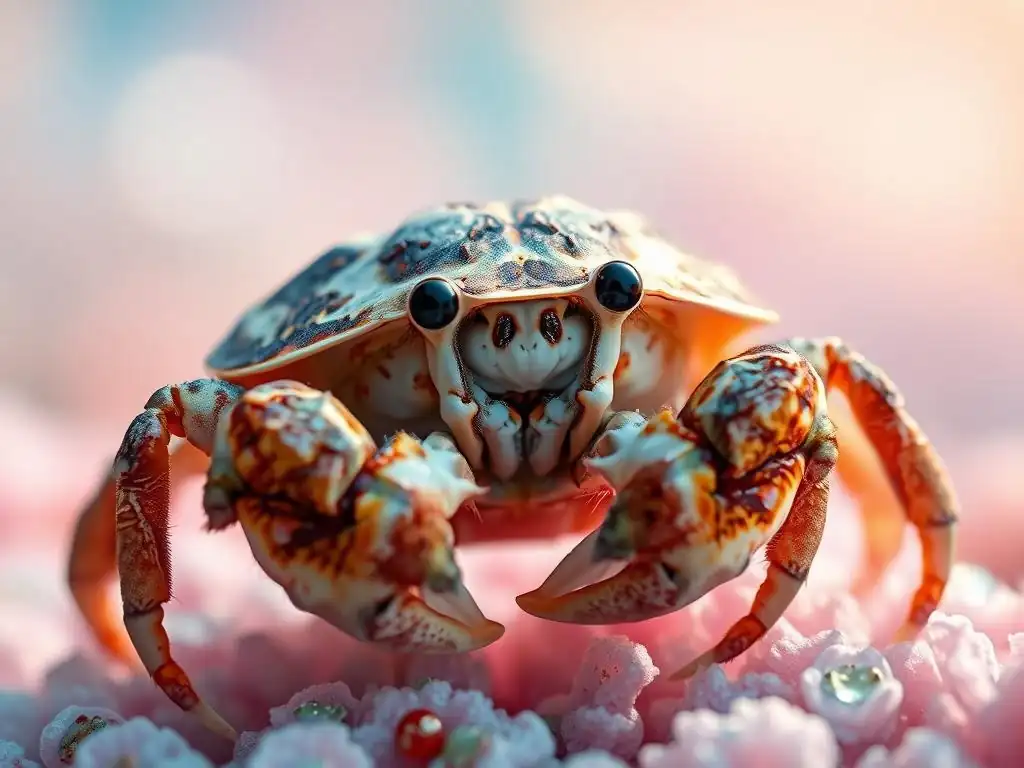
The Emerald Crab ( Mithrax sculptus) is a popular choice among aquarists for its effective algae control capabilities. These crabs typically require a minimum tank size of 10-20 gallons for a single specimen, though larger tanks are preferable for multiple individuals to prevent territorial disputes. Their primary diet consists of nuisance algae, particularly bubble algae (Valonia spp. ), hair algae, and various forms of detritus. While they are excellent grazers, they are omnivores and will readily accept supplemental foods like algae wafers, spirulina flakes, and small pieces of frozen meaty foods.
In terms of compatibility, Emerald Crabs are generally peaceful and safe with most fish and corals. However, larger or underfed specimens, which can reach up to 2 inches across, might occasionally nip at very small, slow-moving fish or soft corals, especially if natural food sources are scarce. It is advisable to monitor their behavior, particularly in nano reefs or tanks with delicate invertebrates.
Benefits of Emerald Crabs in Algae Control
Emerald Crabs are highly valued for their exceptional ability to control nuisance algae, making them a cornerstone of many reef tank clean-up crews. They are particularly effective against bubble algae, a common and often stubborn pest that many other clean-up crew members tend to ignore. Their constant grazing activity helps to keep live rock and tank surfaces clear of unsightly algae, preventing it from overgrowing corals and obstructing views.
The diligent work of one or two Emerald Crabs in a 50-gallon tank can significantly reduce the need for manual algae removal, saving aquarists time and effort. By consuming these unwanted growths, they help maintain a pristine aquascape and contribute to a healthier, more stable environment for all inhabitants. Their unique ability to tackle specific algae types makes them an invaluable asset for reef safe crab care.
2. Porcelain Crab (Petrolisthes spp. ): A Peaceful Filter Feeder
Porcelain Crab Care Guide: Water Parameters and Feeding Habits
Porcelain Crabs ( Petrolisthes spp.) are delicate and fascinating filter feeders that make completely reef-safe additions to a saltwater aquarium. They thrive in stable reef parameters, including consistent salinity, temperature, and alkalinity. Their unique feeding method involves using specialized feathery appendages to filter suspended food particles from the water column. These small crabs, typically under 2 inches in size, are often found nestled within the tentacles of large anemones, such as Stichodactyla haddoni, or securely positioned under live rock overhangs where they can catch passing food.
While they are efficient filter feeders, supplemental feeding is often beneficial, especially in very clean tanks. They will readily consume broadcast-fed phytoplankton, finely crushed flake food, or small zooplankton. Ensuring a steady supply of micro-particles in the water column will contribute to their long-term health and vitality.
Porcelain Crabs and Reef Tank Compatibility
Porcelain Crabs are among the most peaceful and truly reef-safe crab species available to aquarists. They pose absolutely no threat to corals, fish, or other invertebrates, making them an ideal choice even for sensitive nano reef systems. Their shy and cryptic nature means they spend most of their time in a secure location, patiently filtering the water.
Their unique symbiotic relationship with anemones, where they gain protection from predators while helping to keep the anemone clean, is a captivating behavior to observe. Even without an anemone host, they are a charming and beneficial addition, diligently contributing to water clarity by consuming suspended organic matter. Their non-aggressive nature and specialized feeding habits exemplify excellent reef safe crab care.
3. Arrow Crab (Stenorhynchus seticornis): A Unique Predator of Bristleworms
Arrow Crab Care Guide: Diet and Potential Aggression
The Arrow Crab ( Stenorhynchus seticornis) is a distinctive and often sought-after invertebrate for its elongated body and unique hunting style. These crabs require stable reef parameters and a minimum tank size of 20 gallons for a single specimen, though larger tanks are recommended to accommodate their potential leg span, which can reach 4-6 inches. Their primary diet consists of bristleworms, detritus, and other small opportunistic prey. They are ambush predators, often perching on live rock waiting for their next meal.
While generally considered reef-safe, Arrow Crabs can be opportunistic and may prey on very small, slow-moving fish or ornamental shrimp if underfed or if they grow to a significant size. It's crucial to monitor their behavior and ensure they receive adequate nutrition through supplemental feeding of frozen meaty foods like mysis shrimp or chopped seafood, especially if bristleworm populations are low.
Controlling Bristleworm Populations with Arrow Crabs
One of the most significant benefits of introducing an Arrow Crab into a reef aquarium is its effectiveness in controlling unwanted bristleworm populations. Bristleworms, while part of the natural clean-up crew, can sometimes proliferate to nuisance levels or even pose a threat to corals and other invertebrates if certain species are present. The Arrow Crab actively hunts and consumes these worms, providing a natural and efficient biological control method.
Aquarists often add one Arrow Crab per 50-75 gallons for effective bristleworm management. Their predatory behavior helps to keep the ecosystem balanced, reducing the need for manual removal of these sometimes irritating inhabitants. This targeted pest control makes them a valuable component of comprehensive reef safe crab care strategies.
4. Pom Pom Crab (Lybia tessellata): The Anemone-Carrying Wonder
Pom Pom Crab Care Guide: Tank Mates and Feeding Requirements
The Pom Pom Crab ( Lybia tessellata) is a captivating and tiny invertebrate, typically growing no larger than an inch. Due to their small size and delicate nature, they thrive in stable reef parameters and can be housed in tanks as small as 5-10 gallons. Their diet primarily consists of detritus and small food particles that they filter from the water or collect from the substrate. They are also known to consume planktonic foods.
When selecting tank mates, it is crucial to choose only peaceful species that will not prey on the Pom Pom Crab, as they are very shy and vulnerable. Supplemental feeding with finely crushed flakes, targeted feeding of small meaty foods like cyclops, or broadcast feeding of phytoplankton will help ensure their nutritional needs are met, especially in tanks with limited natural detritus.
Symbiotic Relationship with Anemones: How it Benefits the Crab
The Pom Pom Crab is renowned for its extraordinary symbiotic relationship with small, stinging anemones, typically Bunodeopsis spp. The crab actively carries these anemones in its claws, using them for both defense and to gather food. The anemones provide a protective shield against potential predators, as their stinging cells deter threats.
In return, the anemones benefit from being transported to new feeding grounds and capturing food particles disturbed by the crab's movements. This mutualistic relationship is a true marvel of the marine world, making the Pom Pom Crab a truly unique and enchanting addition to a reef aquarium. Their distinctive behavior and contribution to biodiversity highlight the fascinating aspects of reef safe crab care.
5. Scarlet Reef Hermit Crab (Paguristes cadenati): The Scavenging Specialist
Selecting Reef-Safe Hermit Crab Species
When choosing hermit crabs for a reef aquarium, it is paramount to select truly reef-safe species, as many hermit crabs can be predatory or destructive towards snails, corals, or other invertebrates. The Scarlet Reef Hermit Crab ( Paguristes cadenati) is widely considered one of the best choices due to its peaceful nature and diligent scavenging habits. Unlike some larger, more aggressive hermit crabs (e.g., certain Clibanarius or Dardanus species), Scarlet Reef Hermits primarily feed on detritus, various forms of algae, and uneaten food, making them excellent members of the clean-up crew.
They typically grow to a manageable size of about 1-2 inches, fitting well into most reef environments without posing a significant threat to other inhabitants. Their bright red coloration also adds a vibrant splash of color to the tank.
Hermit Crab Care Guide: Shell Availability and Tank Conditions
Proper reef safe crab care for Scarlet Reef Hermit Crabs involves providing a constant supply of empty shells of various sizes. As they grow, hermit crabs need to find larger shells to inhabit, and if suitable empty shells are not available (at least 2-3 shells per crab), they may attempt to forcibly evict snails from their shells, causing harm or death. It is crucial to have a diverse selection of clean, empty shells available in the tank.
These active scavengers thrive in stable reef parameters and benefit from plenty of live rock with crevices for grazing and hiding. They play a significant role in keeping the sand bed clean by constantly sifting through it for detritus. A good stocking density is typically 1-2 Scarlet Reef Hermits per 10 gallons of tank volume, ensuring they have enough foraging area without overcrowding.
Setting Up Your Reef Tank for Crabs: Creating a Suitable Habitat
Water Parameters for Optimal Reef-Safe Crab Health
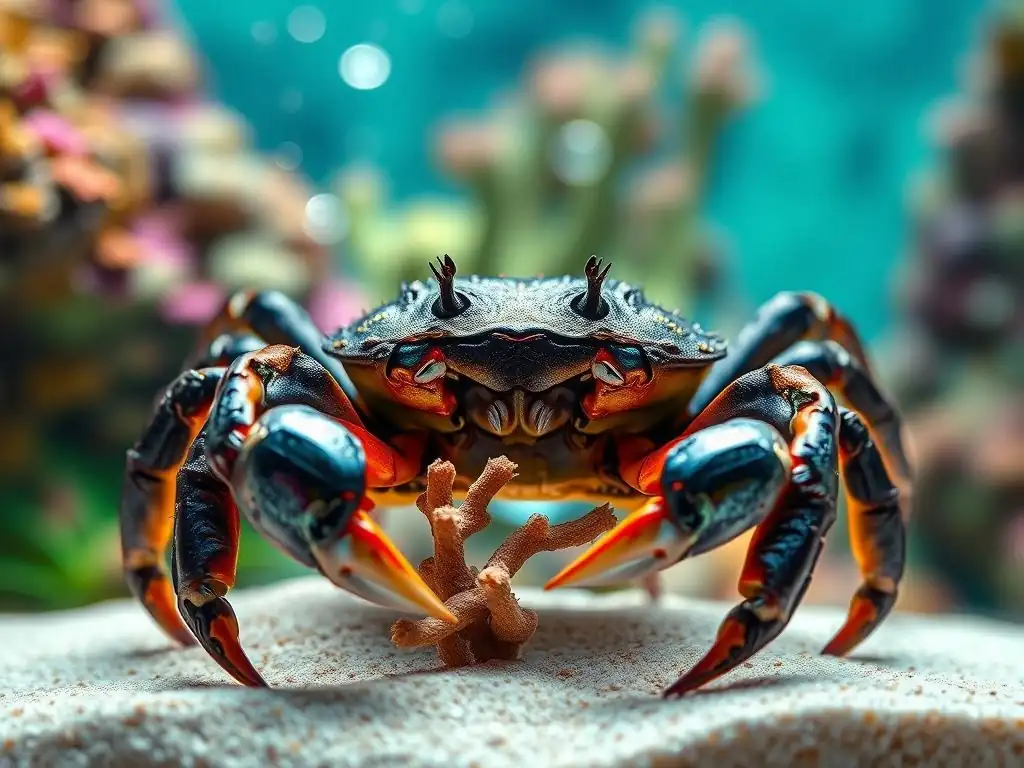
Maintaining precise and stable water parameters is fundamental for the health and longevity of reef-safe crabs. Optimal conditions include a salinity of 1.023-1.026, a stable temperature between 72-78°F (22-26°C), and a pH range of 8.1-8.4. Additionally, critical parameters for crustacean health, especially during molting, are alkalinity at 8-12 dKH, calcium at 400-450 ppm, and magnesium at 1250-1350 ppm.
Consistent water quality is more important than hitting exact numbers, as fluctuations can be highly stressful and lead to molting difficulties or increased susceptibility to disease. Regular testing of these parameters using reliable test kits is an essential part of effective reef safe crab care, ensuring a healthy environment for your crabs to thrive.
Providing Adequate Hiding Places and Substrate
A well-structured reef aquascape with ample hiding places is crucial for the well-being of all reef-safe crabs. Live rock formations with numerous crevices, caves, and overhangs provide secure retreats where crabs can hide from potential predators, especially during their vulnerable molting periods. Without adequate shelter, crabs can become stressed, leading to health issues or even death.
Additionally, a suitable substrate plays an important role. A sand bed, typically 0.5-2 inches deep for most common reef crabs, provides a foraging ground for detritus and a place for some species to burrow. A diverse and intricate aquascape not only benefits the crabs but also enhances the overall aesthetic and ecological balance of the reef tank, encouraging natural behaviors and contributing to a thriving ecosystem.
Avoiding Copper-Based Medications: Protecting Your Crabs
One of the most critical aspects of reef safe crab care is the absolute avoidance of copper-based medications in any tank containing invertebrates. Copper, commonly used to treat parasitic infections in fish such as marine Ich, is highly toxic and lethal to all crustaceans, including crabs, shrimp, and other invertebrates. Even trace amounts of copper can cause irreparable damage to their delicate systems.
If fish in a reef tank require treatment with copper or any other invertebrate-toxic medication, they must be removed and treated in a separate, dedicated quarantine tank. Never administer these medications directly to the main display tank. Residual copper can also leach from tank equipment or substrate, making it challenging to introduce invertebrates later. Always confirm the invertebrate safety of any product before use in a reef environment.
Feeding Your Reef-Safe Crabs: Ensuring a Balanced Diet
Supplementing Natural Algae Growth
While many reef-safe crabs are excellent grazers of natural algae and scavengers of detritus, relying solely on these sources may not always be sufficient, especially in newer, very clean, or heavily stocked tanks. Supplemental feeding is often necessary to ensure your crabs receive adequate nutrition and prevent them from becoming opportunistic predators due to hunger.
A varied diet supports their overall health, promotes successful molting, and helps to prevent behavioral issues such as aggression towards other tank inhabitants. By ensuring they are well-fed, aquarists can maximize the benefits these crabs bring to the ecosystem without risking their welfare or the well-being of other tank residents.
Offering a Variety of Foods: Algae Wafers and Frozen Mysis Shrimp
To ensure a balanced diet for your reef-safe crabs, offer a variety of supplemental foods. Algae wafers, spirulina flakes, and dried nori are excellent choices for herbivorous and omnivorous species, providing essential plant-based nutrients. For those with a more omnivorous or carnivorous leaning, small pieces of frozen mysis shrimp, brine shrimp, or finely chopped seafood (like clam or fish) can be offered.
Feed small amounts, perhaps 2-3 times a week, ensuring that the food is consumed quickly to prevent it from decaying and negatively impacting water quality. Observing your crabs during feeding will help you gauge appropriate portion sizes and ensure all individuals are getting enough to eat.
Avoiding Overfeeding: Maintaining Water Quality
While supplemental feeding is important for reef safe crab care, it is equally crucial to avoid overfeeding. Excess food that goes uneaten will rapidly decompose, leading to a significant increase in dissolved organic compounds, nitrates, and phosphates in the water column. This nutrient overload can fuel unsightly nuisance algae blooms, such as cyanobacteria or hair algae, and can also stress sensitive corals, potentially leading to tissue necrosis.
Overfeeding can also directly contribute to poor water quality, creating an unhealthy environment for all tank inhabitants. Always aim to feed only what your crabs and other clean-up crew members can consume within a few minutes. Maintaining pristine water conditions is a delicate balance, and responsible feeding practices are a cornerstone of a thriving reef aquarium.
Potential Problems and Solutions in Reef-Safe Crab Care
Crab Molting Issues: How to Help
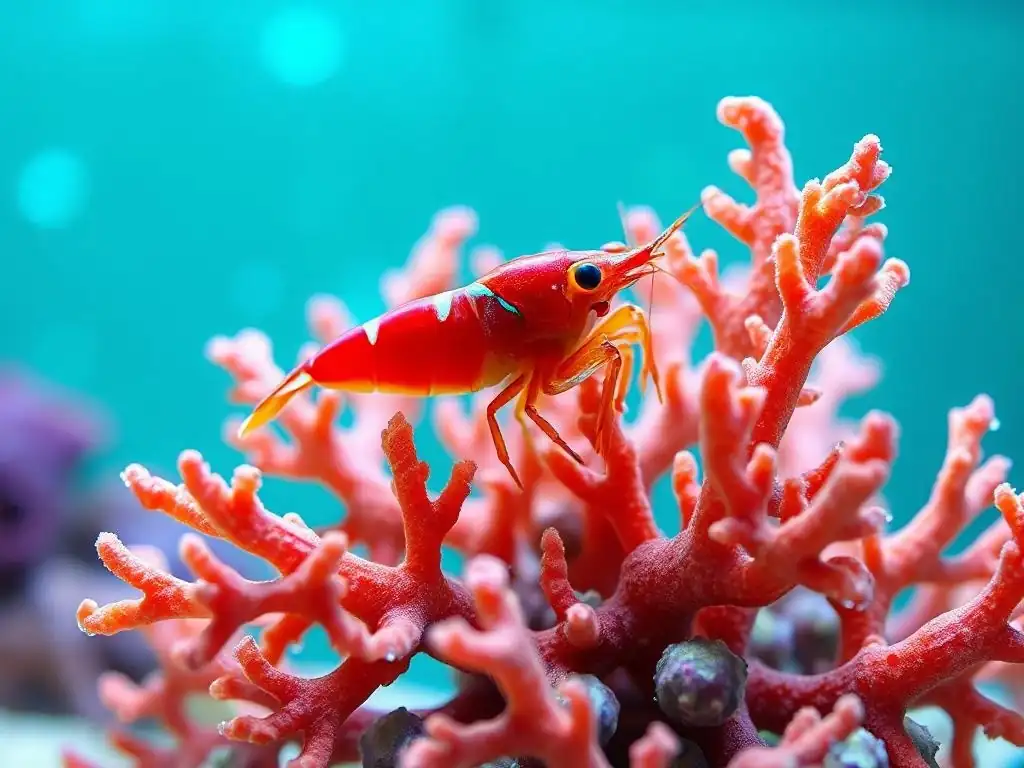
Molting is a natural and essential process for crabs to grow, as they shed their rigid exoskeleton. However, issues can arise, often indicated by a crab struggling to shed its old shell or appearing lethargic after a molt. Common causes include poor water quality, specifically unstable or insufficient levels of calcium, alkalinity, and magnesium, which are vital for forming a new exoskeleton. While iodine deficiency is sometimes cited, its role is often debated and supplementation should be done cautiously.
To help, ensure stable and optimal water parameters as outlined previously. Provide plenty of secure hiding spots where the crab can retreat during this vulnerable period. Do not remove a shed exoskeleton immediately, as the crab may re-ingest some of its nutrients. If a crab consistently struggles with molting, a thorough check of your water chemistry is the first course of action.
Aggression Towards Other Invertebrates: Observation and Intervention
Despite being labeled "reef-safe," some crabs can exhibit aggression towards other invertebrates, especially if underfed, overcrowded, or if they grow larger than anticipated. For instance, Emerald Crabs, while excellent algae eaters, have been known to occasionally nip at soft corals or prey on small snails if their primary food sources are scarce. This behavior is usually driven by hunger or territoriality.
Solutions involve close observation of your crabs' behavior. If aggression is persistent, ensure the crab is adequately fed with supplemental foods. Increasing the tank size or reducing the crab population can also alleviate overcrowding stress. If a particular crab continues to pose a threat to valuable tank inhabitants, the most effective solution is often its removal to a separate tank or rehoming. Proper stocking levels (e.g., one Emerald Crab per 30-50 gallons) can minimize territorial disputes.
Identifying and Treating Crab Diseases
Crab diseases are less commonly discussed than fish diseases, but they can occur, often as a result of poor water quality, stress, or injury. Signs of illness in crabs include lethargy, loss of appetite, discoloration of the exoskeleton (e.g., black spots or white patches), or the appearance of lesions. Bacterial or fungal infections can develop, often secondary to physical trauma or prolonged exposure to suboptimal conditions.
The best defense against crab diseases is maintaining excellent water quality and a stress-free environment, as proactive reef safe crab care is paramount. Avoid all medications not explicitly labeled as safe for invertebrates, as many common fish treatments are highly toxic to crustaceans. If a crab appears visibly ill, isolating it in a separate observation tank with pristine water conditions might be the only viable treatment option, as specific invertebrate medications are limited.
Conclusion: Enjoying a Healthy Reef Tank with Reef-Safe Crabs
The Benefits of Incorporating Reef-Safe Crabs into Your Aquarium Ecosystem
Incorporating reef-safe crabs into your saltwater aquarium offers a multitude of benefits, transforming your tank into a more vibrant, cleaner, and healthier ecosystem. These industrious invertebrates serve as natural algae controllers, diligently consuming nuisance growths like bubble algae and hair algae, which can otherwise overwhelm corals and detract from the tank's beauty. They are also exceptional scavengers, efficiently breaking down detritus and consuming uneaten food, thereby reducing organic waste loads and contributing to stable water parameters.
Beyond their crucial role in nutrient cycling, certain species, like the Arrow Crab, provide targeted pest control by preying on unwanted bristleworms. Their unique behaviors, from the filter-feeding of Porcelain Crabs to the anemone-carrying Pom Pom Crabs, add captivating interest and biodiversity to the aquascape. Ultimately, a thoughtfully selected clean-up crew, with reef-safe crabs as key members, significantly reduces manual maintenance, promotes a balanced environment for corals and fish, and enhances the overall enjoyment of reef keeping.
Further Resources on Reef-Safe Crab Care.
To ensure the long-term success and well-being of your reef-safe crabs, continued research and education are highly encouraged. Each species has unique requirements, and understanding these nuances is key to providing optimal reef safe crab care. Aquarists should consult reputable sources for detailed information on specific species, including their dietary needs, compatibility with other tank inhabitants, and preferred environmental conditions.
Proactive measures, such as regular water parameter testing, consistent and appropriate feeding, and thoughtful tank mate selection, are critical for preventing common issues and promoting a thriving environment. By continuously expanding your knowledge and applying best practices, you can enjoy the many benefits these fascinating invertebrates bring to your saltwater aquarium ecosystem for years to come.
Frequently Asked Questions
What exactly does "reef safe" mean when referring to crabs in a saltwater aquarium?
"Reef safe" indicates that a crab species is unlikely to damage coral, prey on beneficial organisms, or disrupt the delicate balance of a reef ecosystem. It means they are generally considered peaceful and helpful.
Are there any crabs that are definitely not reef safe?
Yes, absolutely! Many crabs, such as the Emerald Crab (often mistakenly thought to be reef safe), and the Arrow Crab can become problematic, especially as they mature and develop a taste for coral or small fish. Research is crucial before adding any crab!
What are the primary benefits of having reef safe crabs in a saltwater aquarium?
Reef safe crabs are primarily beneficial for algae control and detritus removal. They help keep the tank clean by consuming unwanted algae and leftover food, contributing to a healthier environment for corals and fish.
How do I ensure my chosen reef safe crab is actually behaving reef safe in my aquarium?
Careful observation is key. Monitor your corals and other inhabitants for any signs of stress or damage. Ensure the crab is adequately fed to prevent it from seeking alternative food sources, such as corals.
What are some common signs that a reef safe crab is not actually reef safe in my specific aquarium?
Look for signs of coral tissue damage, missing invertebrates (like snails or small shrimp), or aggressive behavior towards other tank inhabitants. A previously peaceful crab might turn aggressive if starved or stressed.
Final Reflection: Embracing Harmony in the Reef
The delicate balance of a reef aquarium hinges on understanding the intricate roles each inhabitant plays, and our exploration of reef-safe crab care underscores the importance of informed choices. The vibrant ecosystem we strive to create is not just a display of beauty, but a testament to our commitment to responsible aquascaping and the well-being of these fascinating creatures.
This journey into the world of reef-safe crabs has highlighted the profound impact our decisions have on the delicate balance of a closed ecosystem. Understanding their specific needs and behaviors is not just about keeping them alive, but about fostering a thriving and harmonious environment. In the end, we will conserve only what we love; we will love only what we understand; and we will understand only what we are taught.
- Baba Dioum. This quote resonates deeply, reminding us that knowledge is the key to responsible stewardship of our aquatic worlds.
As you consider adding these captivating crustaceans to your reef aquarium, remember that your choices shape their world. Take the time to research, observe, and understand their needs. Let this article be a starting point, not an end, in your journey to becoming a conscientious reef keeper. By embracing responsible practices, you contribute to the health and beauty of your aquarium and the preservation of the natural reefs they represent.
Ignite Your Reef: Start with One Simple Step!
Thanks for diving into the world of reef-safe crabs with us! We hope this guide has given you the confidence to introduce these fascinating creatures into your saltwater aquarium. Now, it's time to take action and create an even more vibrant and balanced reef ecosystem.
Here are a few ways to get started:
- Begin by choosing one species from our list that best suits your current tank setup and experience level. Remember, a successful addition starts with thoughtful planning and research!
- Share your favourite crab species and why they thrive in your tank in the comments section below! Help fellow reef keepers by passing on what you have learned.
- Explore other articles on Aquarium Mastery to discover more about creating a thriving and diverse reef environment.
What innovative aquascaping idea will you implement to make your reef tank the ideal habitat for these reef-safe crabs?