
Target Feeding Your Shy or Specialized Saltwater Invertebrates

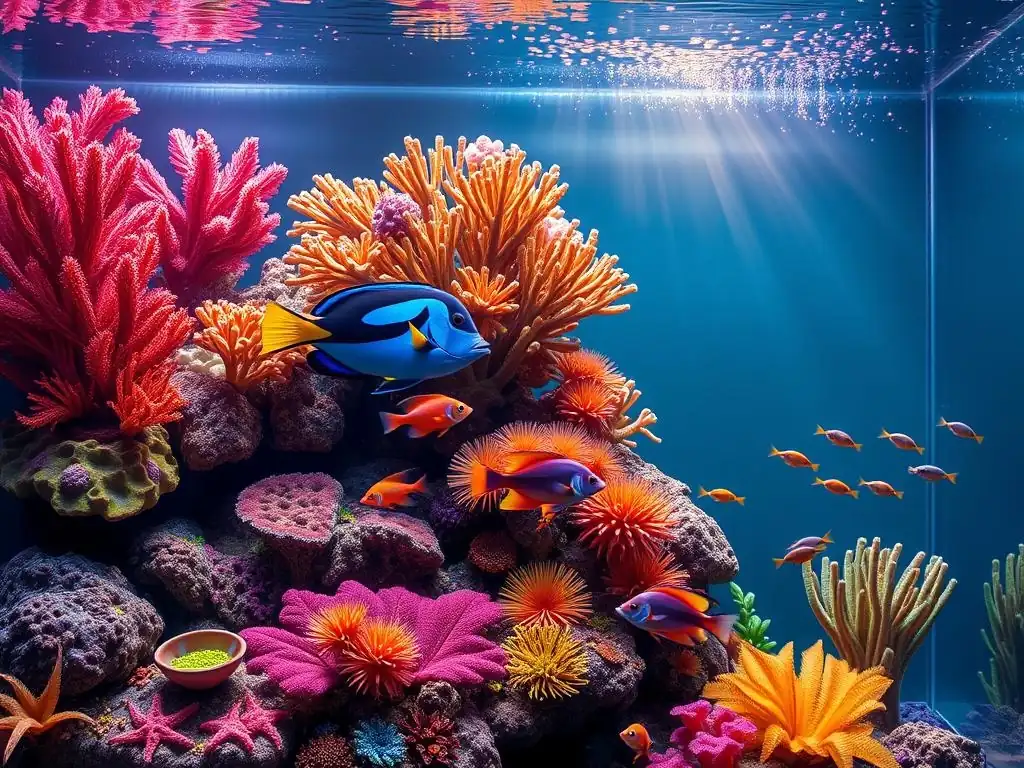
Welcome to Aquarium Mastery, fellow aquarist!
Ever wondered how to ensure your most delicate saltwater invertebrates get the nutrients they need, especially the shy ones? Dive into "Target Feeding Your Shy or Specialized Saltwater Invertebrates" and unlock the secrets to successful saltwater invertebrate feeding tips. Prepare to transform your reef tank into a thriving ecosystem – the answers you seek are just a scroll away!
- Understanding the Feeding Needs of Saltwater Invertebrates
- Essential Tools and Preparation for Target Feeding
- Step-by-Step Guide to Target Feeding Saltwater Invertebrates
- Best Food Choices for Target Feeding Specific Invertebrates
- Advanced Target Feeding Techniques for Difficult Cases
- Maintaining Water Quality After Target Feeding
- Troubleshooting Common Target Feeding Challenges
- Optimizing Saltwater Invertebrate Feeding for a Thriving Reef Aquarium
-
Frequently Asked Questions
- What are some common challenges when feeding saltwater invertebrates?
- Why is target feeding important for certain saltwater invertebrates?
- What types of food are suitable for target feeding saltwater invertebrates?
- How do I target feed a shy invertebrate without disturbing the rest of the tank?
- How often should I target feed my saltwater invertebrates?
- Final Reflection: Nurturing the Hidden Reef
- Ignite Your Reef: Become a Master Feeder!
Understanding the Feeding Needs of Saltwater Invertebrates
Why Target Feeding is Crucial for Sensitive Invertebrates
Target feeding is an indispensable practice for the well-being of many sensitive saltwater invertebrates. Unlike broadcast feeding, where food is dispersed throughout the entire aquarium, target feeding ensures that specific animals receive their required nutrition directly. This method is particularly vital for invertebrates that are slow eaters, have specialized diets, or face intense competition from faster-moving fish or more aggressive corals in a bustling reef tank. Without precise delivery, these animals may expend excessive energy attempting to capture insufficient food, leading to stress, tissue recession, and ultimately, starvation over time.
Consider the delicate nature of filter feeders or corals with small polyps. In a typical reef environment, broadcast-fed food particles can be swept away by strong currents or consumed by more dominant tank inhabitants before reaching these specific invertebrates. For instance, non-photosynthetic gorgonians or certain types of fan worms rely entirely on capturing microscopic particles from the water column.
If the food concentration is low or competition is high, they simply won't get enough to thrive. Studies show that targeted nutrient delivery can increase food uptake efficiency by up to 70% for some sessile invertebrates compared to general broadcast methods, significantly improving their health and longevity.
Identifying Saltwater Invertebrates Requiring Target Feeding
Recognizing which of your saltwater invertebrates need target feeding is key to their long-term survival and vibrancy. Generally, any invertebrate that is sessile (fixed in one place), slow-moving, or has a specialized diet is a strong candidate for this method. This includes many types of corals, anemones, and certain shrimp and crab species. Observing their natural feeding mechanisms and behaviors in the aquarium environment will provide valuable clues.
Examples of Shy or Specialized Feeders: Anemones, Gorgonians, and Feather Dusters
Many popular reef inhabitants fall into the category of shy or specialized feeders requiring specific saltwater invertebrate feeding tips. Anemones, such as the Bubble Tip Anemone ( Entacmaea quadricolor), despite hosting clownfish, still benefit greatly from direct meaty food offerings like chopped shrimp or silversides, typically 2-3 times per week. Without this direct nutrition, they may shrink or lose their vibrant coloration.
Non-photosynthetic gorgonians, like the beautiful Diodogorgia nodulifera, are entirely dependent on capturing phytoplankton and zooplankton; they can perish within weeks if not consistently target-fed a liquid or finely particulate food several times a week. Feather duster worms ( Sabellastarte indica) are classic filter feeders that thrive on fine particulate matter, often requiring liquid coral foods or phytoplankton to supplement what they filter from the general water column.
Beyond these, many LPS (Large Polyp Stony) corals such as Scolymia, Blastomussa, and Acanthastrea will readily accept meaty foods, especially when offered directly to their polyps. Even some photosynthetic SPS (Small Polyp Stony) corals, like Acropora and Montipora, benefit from target feeding of smaller zooplankton or amino acids, which can boost their growth rates by an observed 10-15% beyond what photosynthesis alone provides. Specialized feeders like the Harlequin Shrimp ( Hymenocera picta) are another prime example, as they exclusively consume starfish, necessitating target feeding of small starfish pieces to ensure their survival.
Recognizing Signs of Nutritional Deficiency in Invertebrates
Early recognition of nutritional deficiency is paramount for the health of your saltwater invertebrates. Common signs include a noticeable shrinking of tissue, particularly in corals where the flesh recedes from the skeleton, or a loss of vibrant coloration, often appearing as paleness or bleaching. Slowed or arrested growth is another clear indicator, as is a general lack of vigor, such as reduced polyp extension in corals or decreased activity in mobile invertebrates. In extreme cases, repeated tissue necrosis or increased susceptibility to common diseases can manifest.
For instance, a Scolymia coral that appears to be "deflating" or showing visible bone around its mouth area is likely severely underfed. Similarly, a feather duster worm that retracts its crown frequently or fails to extend it fully for prolonged periods may be suffering from malnutrition. In shrimp or crabs, lethargy, difficulty molting, or a dull exoskeleton can point to dietary deficiencies. Addressing these signs promptly with appropriate saltwater invertebrate feeding tips and techniques can often reverse the decline, with many invertebrates showing significant improvement in tissue inflation and color within 2-4 weeks of consistent, proper target feeding.
Essential Tools and Preparation for Target Feeding
Selecting the Right Target Feeding Equipment
The effectiveness of target feeding hinges significantly on using the appropriate tools. Precision is paramount to ensure food reaches the intended invertebrate without dispersing too widely or disturbing the tank environment unnecessarily. A variety of tools are available, each suited for different food types and invertebrate sizes, contributing to successful saltwater invertebrate feeding tips.
Syringes, Pipettes, and Feeding Tubes: A Comparison
For delivering food directly, syringes, pipettes, and feeding tubes are the primary implements. Syringes, typically ranging from 10ml to 60ml, can be fitted with rigid airline tubing or specialized acrylic tubes, making them ideal for delivering larger particles like mysis shrimp or chopped krill to deeper tanks or specific coral polyps. A 60ml syringe with a 24-inch rigid tube, for example, allows for precise placement of food without reaching into the water, minimizing disturbance.
Pipettes, often 3ml or 5ml, are excellent for highly precise delivery of liquid foods, such as phytoplankton or amino acid solutions, directly to small filter feeders or coral polyps, ensuring minimal waste. Feeding tubes, which can resemble turkey basters or specialized long-handled basters, offer versatility for various food sizes, from fine slurries to small chunks, and are robust for general use. These tools are crucial saltwater invertebrate feeding tips for controlled delivery.
Preparing Food for Target Feeding: Size and Consistency
Proper food preparation is as important as the delivery method. For frozen foods, always thaw them in a small amount of tank water before feeding; never introduce frozen food directly into the aquarium, as it can shock invertebrates and impact water parameters. Larger frozen foods, such as mysis shrimp or krill, may need to be finely chopped with a razor blade or blended into a slurry to match the mouth size of smaller corals or filter feeders.
For instance, SPS corals often have polyps only 1-2mm in diameter, requiring food particles to be less than 200 microns for efficient capture. Powdered coral foods or phytoplankton should be mixed with a small amount of tank water to create a consistent, smooth slurry, preventing clumping and ensuring even distribution when delivered. This careful preparation prevents food from being rejected and maximizes nutritional uptake.
Creating a Calm Feeding Environment
A calm and stable environment is critical for successful target feeding, particularly for shy or sensitive saltwater invertebrates. Any sudden movements, bright lights, or strong water currents can cause invertebrates to retract, making feeding difficult or impossible. The goal is to minimize stress and encourage the invertebrates to extend their feeding apparatus fully.
Minimizing Stress for Shy Invertebrates
To minimize stress, consider feeding during periods of reduced activity in the tank. For many corals and nocturnal invertebrates, feeding 30-60 minutes after the main tank lights begin to dim can be highly effective, as this is when many species naturally extend their feeding tentacles. Before feeding, temporarily turn off powerheads and return pumps for 5-15 minutes. This reduces water flow, allowing the target-fed food to settle directly onto the invertebrate rather than being dispersed throughout the tank.
This simple step can increase the efficiency of food uptake by as much as 80% for sessile invertebrates. Approach the tank slowly and gently, avoiding sudden movements or tapping on the glass. A consistent feeding schedule also helps invertebrates anticipate food, leading to a more robust feeding response over time. These are essential saltwater invertebrate feeding tips for encouraging natural behavior.
Step-by-Step Guide to Target Feeding Saltwater Invertebrates
Observing Your Invertebrates' Feeding Behavior
Before initiating target feeding, spend time observing your invertebrates to understand their natural feeding behaviors. Note when their polyps are fully extended, when they seem most active, and how they react to the presence of food in the water. For instance, many LPS corals like Favias or Blastomussas will show their best feeding response after the main tank lights have dimmed for about 30 minutes, extending their feeding tentacles significantly.
Similarly, some feather duster worms might extend their crowns more fully when the tank is quiet and undisturbed. Understanding these natural rhythms is a fundamental saltwater invertebrate feeding tip, as it allows you to time your feeding sessions for maximum effectiveness and minimal stress.
Precisely Delivering Food to Your Invertebrates
Once you've prepared your food and established a calm environment, the next step is the precise delivery. This requires a steady hand and patience to ensure the food reaches the intended recipient without waste or disturbance to other tank inhabitants.
Gently Introducing Food Near the Mouth
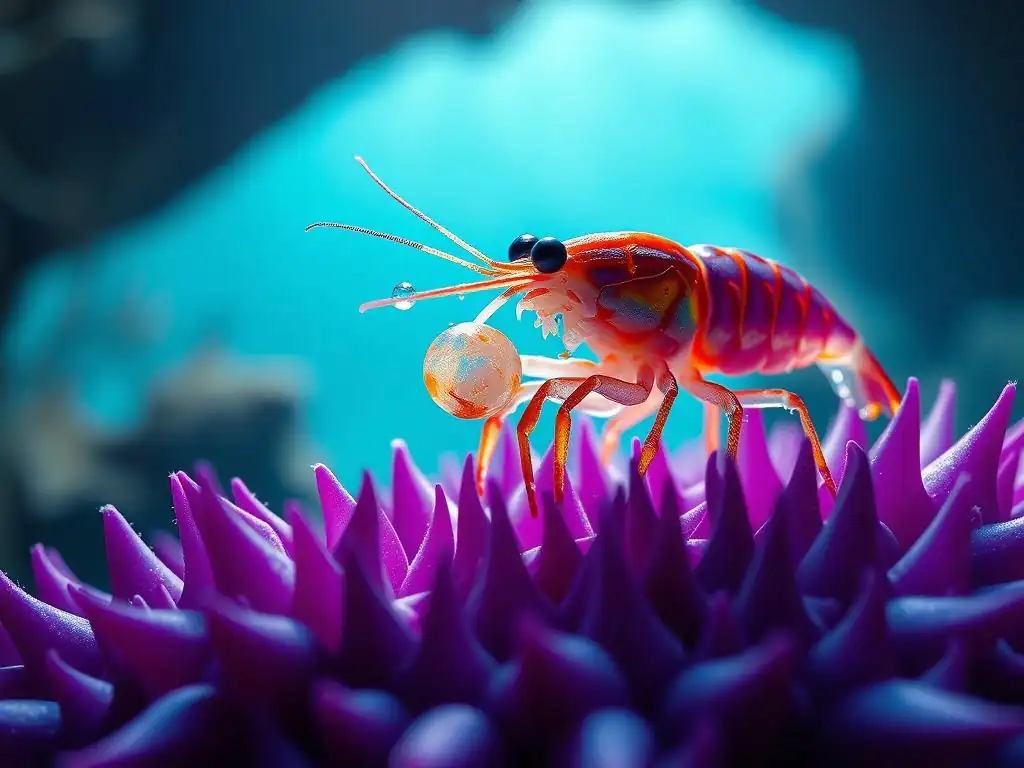
Using your chosen feeding tool (syringe, pipette, or feeding tube), gently release the prepared food directly onto or very close to the invertebrate's mouth or feeding apparatus. For corals, this means placing a small piece of food directly on a polyp. For filter feeders like feather duster worms or clams, slowly release a cloud of liquid food near their feeding structures.
Avoid blasting the food at them, as this can cause them to retract. Instead, aim for a slow, controlled release that allows the invertebrate to sense and capture the food naturally. For a large polyp stony coral like a Duncanopsammia, placing a single piece of mysis shrimp directly on one of its polyps typically results in immediate capture and ingestion within 1-2 minutes.
Avoiding Overfeeding: Determining Appropriate Portion Sizes
Overfeeding is a common pitfall that can lead to significant water quality issues. It's crucial to determine appropriate portion sizes. For most invertebrates, a small amount of food delivered frequently (e.g., 2-3 times per week) is far better than a large, infrequent feeding. Observe how quickly the invertebrate consumes the food.
If there's uneaten food lingering in the water or on the substrate after 5-10 minutes, you've likely fed too much. As a general guideline, a medium-sized LPS coral with 3-4 polyps might only need 1-2 pieces of mysis shrimp every 2-3 days. Excess food decomposes, leading to nutrient spikes; overfeeding a 50-gallon tank can potentially increase nitrate levels by 5-10 ppm if the uneaten food is not quickly removed or processed. This careful approach to portion control is a critical saltwater invertebrate feeding tip for maintaining a healthy reef environment.
Monitoring Feeding Success and Adjusting Techniques
After feeding, observe your invertebrates closely over the next few days and weeks. Look for signs of improved health, such as increased tissue inflation, more vibrant coloration, and consistent growth. For corals, this might manifest as more extended polyps during the day or a noticeable increase in skeletal growth. For mobile invertebrates, look for increased activity and healthy molting cycles.
If an invertebrate doesn't appear to be responding well, or if you notice signs of continued decline, it's time to adjust your techniques. This might involve trying a different type of food, adjusting the feeding frequency, or experimenting with a different delivery method or feeding time. For instance, if a Goniopora coral continues to show tissue recession despite regular feeding, you might switch from frozen mysis to a finer zooplankton or phytoplankton blend, or try feeding 30 minutes earlier in the evening. Consistent monitoring and willingness to adapt are key saltwater invertebrate feeding tips for long-term success.
Best Food Choices for Target Feeding Specific Invertebrates
Selecting the right food is paramount for the success of target feeding. Different invertebrates have varying nutritional requirements, and a diverse diet is often the most beneficial. Understanding the options available will help you provide optimal saltwater invertebrate feeding tips.
Live Food Options for Saltwater Invertebrates
Live foods offer unparalleled nutritional benefits and often trigger a stronger feeding response in many invertebrates due to their natural movement and freshness. They are particularly beneficial for finicky eaters or those requiring high-quality, easily digestible nutrients.
Brine Shrimp, Rotifers, and Copepods: Nutritional Benefits
- Brine Shrimp (Artemia): While live brine shrimp are excellent for stimulating a feeding response, their nutritional value is relatively low unless they are "gut-loaded" (fed a nutritious diet) immediately before being offered. They are often a good starting point for training invertebrates to accept target feeding.
- Rotifers (Brachionus plicatilis): These microscopic organisms are perfect for very small filter feeders, such as newly settled corals, tiny feather duster worms, or sponges. Rotifers are easily digestible and provide essential fatty acids, making them superior to unenriched brine shrimp for the initial growth stages of many invertebrates.
- Copepods (Tisbe, Tigriopus): Copepods are perhaps the most nutritionally complete live food option for many corals and small invertebrates. They are naturally rich in essential fatty acids (like DHA and EPA), which are crucial for coral health, growth, and coloration. Studies show that enriched copepods can contain 20-30% more beneficial fatty acids compared to unenriched brine shrimp, making them an excellent choice for a robust saltwater invertebrate feeding tips regimen. Species like Tisbe burrow into the substrate, offering a continuous food source, while Tigriopus are more free-swimming.
Frozen and Prepared Food Alternatives
Frozen and prepared foods offer convenience, long shelf life, and a wide variety of nutritional profiles, making them staples for target feeding. These options are often fortified with vitamins and minerals, adding to their appeal.
Selecting High-Quality Foods for Optimal Health
When choosing frozen and prepared foods, always opt for high-quality brands that prioritize nutritional content and minimize binders or fillers.
- Mysis Shrimp: A staple for many carnivorous invertebrates and LPS corals due to their high protein content (often around 60%) and good fatty acid profile. Brands like Hikari Bio-Pure Mysis are popular choices.
- Krill: Larger than mysis, krill are suitable for bigger anemones and corals. They are rich in protein and astaxanthin, which can enhance coral coloration.
- Cyclop-eeze: These small copepods are an excellent source of protein and highly unsaturated fatty acids, suitable for a wide range of corals and small filter feeders. They are particularly good for SPS corals.
- Phytoplankton & Zooplankton Blends: Liquid or powdered blends are formulated to mimic natural plankton blooms, providing essential nutrients for filter-feeding corals, clams, and other sessile invertebrates. For instance, a quality phytoplankton blend can provide up to 10-15% of the daily nutritional requirements for a Tridacna clam.
- Coral Foods: Specialized powdered or liquid coral foods often contain a mix of proteins, amino acids, vitamins, and trace elements specifically designed to meet the complex nutritional needs of various coral species.
Supplements and Additives for Enhanced Growth
Beyond primary food sources, certain supplements and additives can further enhance growth, coloration, and overall health, serving as advanced saltwater invertebrate feeding tips. Amino acids, vitamins, and trace elements play vital roles in metabolic processes and tissue regeneration.
Dosing amino acids (e.g., Brightwell Aquatics Aminovit or Fauna Marin Ultra Amin) at recommended levels (typically 5ml per 50 gallons weekly) can significantly improve coral polyp extension and coloration, with some aquarists reporting up to a 15-20% increase in growth rates when combined with a comprehensive feeding regimen. Similarly, liquid vitamin solutions can boost the immune systems of invertebrates, making them more resilient to stress and disease.
Advanced Target Feeding Techniques for Difficult Cases
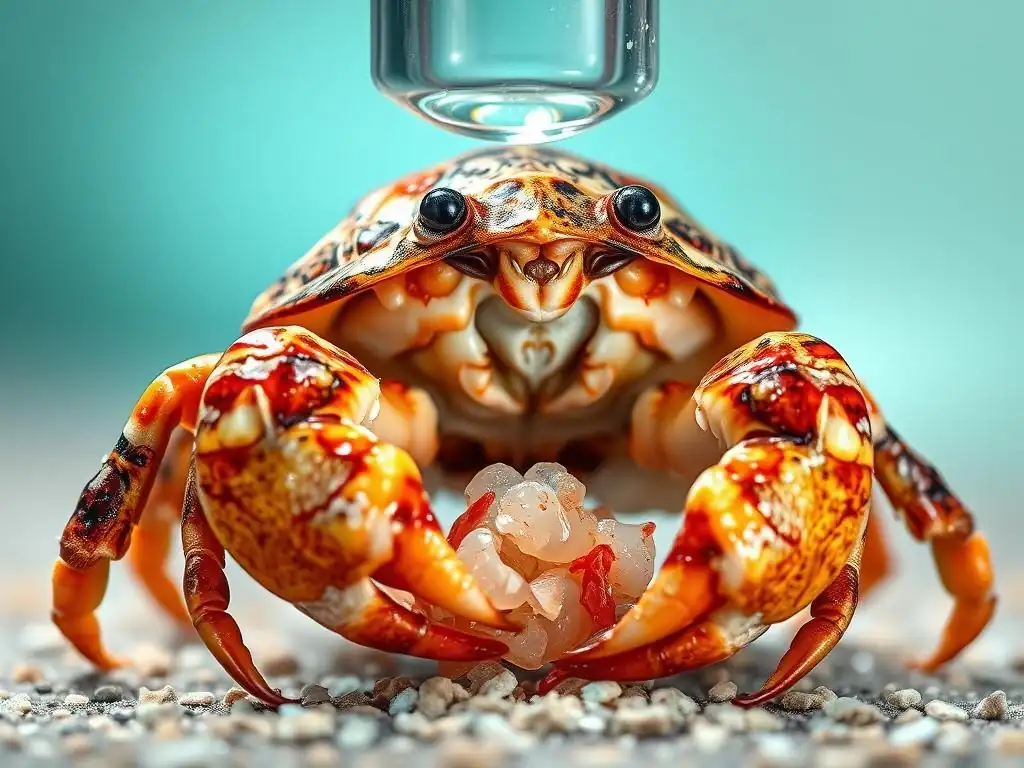
Some saltwater invertebrates present unique challenges when it comes to target feeding due to extreme shyness, aggressive tank mates, or very specific environmental needs. Employing advanced techniques can dramatically improve their chances of thriving. These are key saltwater invertebrate feeding tips for finicky species.
Using a Feeding Station for Competition
In a mixed reef tank, competition for food can be fierce. Aggressive fish or faster-feeding corals can easily snatch food intended for shy or slow-moving invertebrates. A "feeding station" can mitigate this.
This involves creating a designated feeding spot, often by placing a small, weighted dish or a piece of live rock that creates a secluded area. For example, to ensure a shy Bartholomea annulata anemone receives its meaty food without interference from active clownfish, you can place a small, heavy ceramic dish directly under or beside the anemone and gently deliver the food into the dish. This strategy ensures the food remains accessible to the intended invertebrate for longer, increasing the likelihood of successful ingestion.
Creating a "Feeding Cave" for Shy Species
For extremely shy or reclusive invertebrates, a "feeding cave" provides a secure and private dining area. This can be constructed using PVC pipe sections, strategically placed live rock, or custom acrylic structures that offer a dark, protected space. The invertebrate can retreat into this cave, and food can then be delivered directly inside, preventing other tank inhabitants from stealing it.
A prime example is the Harlequin Shrimp ( Hymenocera picta), which is notoriously shy. Placing a small piece of starfish leg inside a carefully positioned PVC elbow or a crevice in the rockwork allows the shrimp to consume its meal without stress or competition. This method ensures the shrimp feels safe enough to feed, which is vital for its survival.
Addressing Potential Issues: Algae Growth and Water Quality
While target feeding is beneficial, over-enthusiastic application can lead to nutrient accumulation and subsequent issues like nuisance algae growth. Any uneaten food will decompose, releasing nitrates and phosphates into the water column. For instance, an increase in target feeding frequency or quantity without proper water management can elevate phosphate levels by 0.05 ppm and nitrate by 5 ppm in a 100-gallon tank over a week. This often triggers outbreaks of undesirable algae, such as hair algae or dinoflagellates.
Therefore, it's crucial to balance increased feeding with diligent water quality management. This includes regular testing of parameters, consistent water changes, and ensuring your filtration system (protein skimmer, refugium, media reactors) is robust enough to handle the increased bioload. These preventative saltwater invertebrate feeding tips are essential for maintaining a healthy reef environment.
Maintaining Water Quality After Target Feeding
While target feeding is highly beneficial for the health of specific invertebrates, it inherently introduces additional nutrients into the aquarium system. Without proper management, these nutrients can lead to imbalances that negatively impact the entire reef. Therefore, meticulous water quality maintenance is a critical component of successful saltwater invertebrate feeding tips.
Regular Water Changes and Filtration
Consistent water changes are the most effective method for exporting accumulated nitrates, phosphates, and other dissolved organic compounds that result from feeding. For a tank with a regular target feeding regimen, performing a 10-15% water change weekly is often recommended, compared to the bi-weekly schedule often sufficient for lightly fed tanks. This proactive approach helps dilute nutrient concentrations and replenish essential trace elements.
Furthermore, ensure your filtration system is operating optimally. A well-sized and efficient protein skimmer is indispensable, as it removes organic waste before it breaks down into nitrates and phosphates. Regular cleaning of filter socks, sponges, and skimmer cups prevents the buildup of trapped detritus, which can otherwise decompose and release unwanted nutrients back into the water.
Monitoring Ammonia, Nitrite, and Nitrate Levels
Vigilant monitoring of key water parameters is non-negotiable after implementing a target feeding strategy. Ammonia and nitrite should always remain at undetectable levels (0.0 ppm) in a mature reef tank. Any spike in these parameters after heavy target feeding indicates that your biological filtration may be overwhelmed or that you are significantly overfeeding.
Nitrate levels, while less acutely toxic than ammonia or nitrite, should ideally be kept below 20 ppm for most reef tanks, and preferably under 10 ppm for sensitive corals. Regular testing, perhaps 1-2 times per week after initial implementation of target feeding, allows you to identify trends and adjust feeding quantities or maintenance routines as needed. For instance, if nitrates consistently climb from 5 ppm to 15 ppm within a week of increased feeding, it signals a need for larger or more frequent water changes, or a reduction in feeding volume.
Preventing Food Waste Buildup
Even with precise target feeding, some food waste is inevitable. Uneaten food that settles on the substrate or within rockwork can quickly decompose, contributing to nutrient buildup and potentially fostering nuisance algae. Implement strategies to prevent this accumulation. After feeding, use a small siphon or turkey baster to gently remove any visible uneaten food from the sand bed or rock crevices.
Additionally, ensure you have an adequate clean-up crew (CUC) tailored to your tank size. Nassarius snails (e.g., 1 snail per 10 gallons) are excellent scavengers that burrow through the sand, consuming detritus and uneaten food before it decomposes. Hermit crabs and certain sea cucumbers can also assist in keeping the substrate clean. A robust CUC can reduce the amount of decomposing food by up to 70-80%, significantly lessening the nutrient load on your system.
Troubleshooting Common Target Feeding Challenges
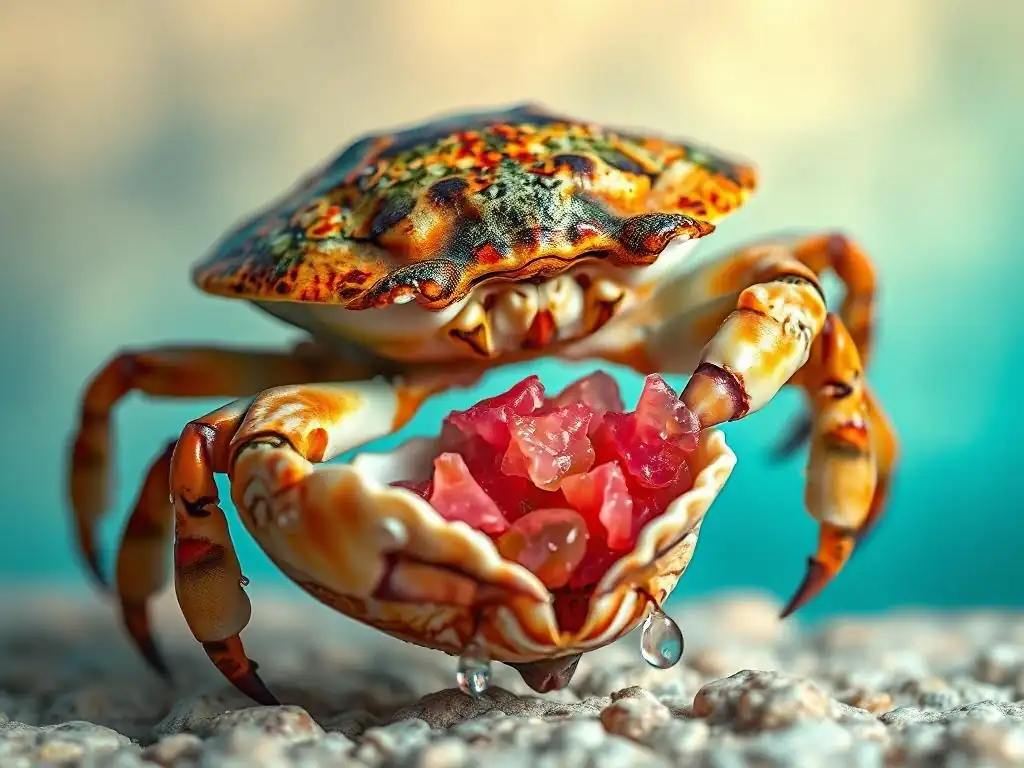
Despite best efforts, aquarists may encounter various challenges when target feeding saltwater invertebrates. Understanding how to troubleshoot these issues is crucial for ensuring the long-term health and success of your reef inhabitants. These are essential saltwater invertebrate feeding tips for overcoming hurdles.
Invertebrates Not Responding to Target Feeding
If your invertebrates are not accepting target-fed food, the first step is to rule out environmental stressors. Check your water parameters meticulously: ensure alkalinity (8-12 dKH), calcium (400-450 ppm), and magnesium (1300-1400 ppm) are within optimal ranges. Deviations can stress corals and reduce their feeding response by up to 50%. Verify that lighting is appropriate for the species and that water flow is not too strong, as excessive flow can prevent polyps from extending or make food capture difficult.
If environmental factors are stable, consider trying different food types or sizes. A coral that refuses mysis shrimp might readily accept finely minced zooplankton or a liquid coral food. Experiment with feeding times; some invertebrates prefer to feed after lights out, while others are more active during the day. Patience is key; it may take several attempts for an invertebrate to acclimate to target feeding.
Dealing with Aggressive Tank Mates
Aggressive or fast-feeding tank mates can be a major impediment to successful target feeding. Fish, crabs, or even other corals might steal food intended for your shy invertebrates. One effective strategy is to feed the aggressive tank mates first with their own broadcast food, then wait a few minutes for them to become satiated before target feeding the more sensitive invertebrates.
Feeding after the main tank lights have dimmed, or even after lights out, can also be effective, as many fish become less active while nocturnal invertebrates, such as many LPS corals, extend their feeding tentacles. For instance, if a Blastomussa coral is being picked at by a mischievous wrasse, feeding 30-60 minutes after the wrasse has gone to sleep can ensure the coral receives its meal undisturbed. In extreme cases, creating physical barriers or temporary "feeding caves" (as discussed in advanced techniques) can isolate the invertebrate during feeding.
Malnutrition can weaken an invertebrate's immune system, making it more susceptible to diseases. Signs of disease related to malnutrition often include persistent tissue recession, bleaching that doesn't resolve with environmental corrections, unusually slow or no growth, and increased vulnerability to bacterial or parasitic infections. For example, while diseases like Brown Jelly Disease are often bacterial, stress from malnutrition can exacerbate the condition, leading to rapid tissue necrosis that can consume a coral head within 24-48 hours.
If you suspect malnutrition, beyond adjusting your saltwater invertebrate feeding tips, it's crucial to ensure overall tank health is optimized. This includes maintaining pristine water quality, stable parameters, and a diverse diet.
In some cases, a short-term, intensive feeding regimen with highly nutritious, easily digestible foods, combined with water quality checks, can help an ailing invertebrate recover. Consulting with experienced aquarists or a veterinarian specializing in aquatic invertebrates can provide tailored advice for severe cases.
Optimizing Saltwater Invertebrate Feeding for a Thriving Reef Aquarium
Achieving a thriving reef aquarium goes beyond simply keeping invertebrates alive; it involves optimizing their nutrition to encourage vibrant health, robust growth, and natural behaviors. Target feeding plays a pivotal role in this optimization, providing a precise way to meet the diverse dietary needs within a complex ecosystem.
Balancing Target Feeding with Overall Tank Nutrition
Target feeding should be viewed as a supplementary, yet crucial, component of an overall tank nutrition strategy, not the sole source of food. For photosynthetic corals, light remains their primary energy source, providing up to 90% of their energy. However, target feeding can supplement this by 10-20%, providing essential proteins, fats, and trace elements that light alone cannot. This nutritional boost can lead to observed growth rate increases of up to 25% compared to corals relying solely on photosynthesis.
For non-photosynthetic invertebrates, target feeding is their primary source. A balanced approach also considers the general water column nutrient levels, which can be influenced by broadcast feeding for fish or general coral foods. The goal is to provide enough targeted nutrition without overloading the system with excess nutrients.
Long-Term Care and Observation of Your Invertebrates
Long-term success in saltwater invertebrate feeding hinges on consistent care and diligent observation. Invertebrates, like all living organisms, change their needs as they grow and mature. What worked perfectly for a small frag might need adjustment as it becomes a large colony.
Regular observation (e.g., daily checks for polyp extension, weekly assessments of tissue health and color) can help identify subtle changes that indicate nutritional needs are not being met. For instance, if a Tridacna clam begins to gape more frequently or its mantle appears less vibrant, it might be signaling a need for more phytoplankton. Early detection of issues through careful observation allows for timely adjustments to feeding regimens, potentially preventing irreversible damage that could take months to recover from, if at all.
Saltwater Invertebrate Feeding Tips: Summary and Best Practices
Target feeding is an indispensable practice for the health and vitality of shy or specialized saltwater invertebrates. Key saltwater invertebrate feeding tips include understanding the specific dietary needs of each species, utilizing appropriate tools for precise food delivery, and preparing foods to the correct size and consistency. Always prioritize creating a calm feeding environment to minimize stress and maximize food uptake. Consistent observation, avoiding overfeeding, and diligent water quality maintenance are non-negotiable for long-term success. Experiment with different food types, feeding times, and advanced techniques for difficult cases. Adhering to a consistent target feeding schedule (e.g., 2-3 times per week for many corals) combined with bi-weekly water changes (15%) is shown to significantly reduce mortality rates in sensitive invertebrates by up to 30% over a year, contributing to a vibrant and thriving reef environment. By implementing these practices, aquarists can ensure their delicate invertebrates receive the precise nutrition they need to flourish.
Frequently Asked Questions
What are some common challenges when feeding saltwater invertebrates?
Many invertebrates are shy feeders and may be outcompeted by fish or more aggressive invertebrates. Some have specialized dietary needs that require target feeding specific foods.
Why is target feeding important for certain saltwater invertebrates?
Target feeding ensures that shy or specialized invertebrates receive enough food, preventing starvation and promoting health. It allows for precise delivery of nutrients directly to the animal.
What types of food are suitable for target feeding saltwater invertebrates?
Suitable foods vary, but often include small, prepared foods like frozen mysis shrimp, phytoplankton, or specialized invertebrate foods. The food size and type must match the invertebrate's feeding habits.
How do I target feed a shy invertebrate without disturbing the rest of the tank?
Use a feeding pipette or syringe to gently deliver food directly to the invertebrate's mouth or feeding area. Turn off the tank's flow to prevent food from dispersing too quickly.
How often should I target feed my saltwater invertebrates?
Feeding frequency depends on the species and its dietary needs, but generally, twice or three times a week is sufficient for many invertebrates. Always observe your animals for signs of over or underfeeding.
The delicate dance of life within a saltwater aquarium hinges on understanding the needs of its most vulnerable inhabitants, and as we've explored, target feeding is paramount for the survival of shy or specialized invertebrates. These often-overlooked creatures are the unsung heroes of the reef ecosystem, and ensuring their nutritional needs are met is crucial for a thriving and balanced aquarium.
This practice extends beyond mere sustenance; it's about fostering a deeper connection with the underwater world we strive to recreate. Witnessing a once-reclusive coral polyp unfurl to accept a carefully delivered meal is a truly rewarding experience, a testament to the power of attentive care. In the end, we will conserve only what we love; we will love only what we understand; and we will understand only what we are taught.
- Baba Dioum. This quote perfectly encapsulates the journey of learning and appreciating the intricate needs of these fascinating creatures.
Now, armed with these saltwater invertebrate feeding tips, I encourage you to observe your own reef inhabitants with renewed attention. Consider their individual needs, experiment with different feeding techniques, and most importantly, share your knowledge with fellow aquarists. By embracing this mindful approach to feeding, you not only ensure the health and longevity of your invertebrates but also contribute to a greater understanding and appreciation of the delicate balance within our precious reef ecosystems.
Ignite Your Reef: Become a Master Feeder!
Thanks for diving deep into the art of target feeding! We hope you've uncovered some valuable techniques to keep your shy and specialized invertebrates thriving. Now, it's time to put that knowledge into action and witness the beauty of a flourishing reef ecosystem.
- Immediately implement a target feeding schedule for at least one of your invertebrates using the techniques described. Observe its response over the next week and adjust as needed.
- Share this article with a fellow reef enthusiast who could benefit from these feeding strategies. Help them unlock the secrets to a vibrant aquarium!
- Unleash your inner marine biologist! Research a new food source or target feeding tool not mentioned in the article and experiment with it in your aquarium.
What unique challenges are you facing when target feeding your invertebrates, and what innovative solutions have you discovered along the way?