
Zoanthid Chemical Warfare: Understanding Allelopathy in Your Tank

Welcome to Aquarium Mastery!
Ever wondered if your vibrant zoanthid colony is secretly engaging in a chemical battle for dominance in your reef tank? Dive in and uncover the secrets of allelopathy. This guide on "Zoanthid Chemical Warfare: Understanding Allelopathy in Your Tank" will equip you with the knowledge to identify, manage, and even harness these complex interactions, ensuring a thriving and peaceful ecosystem for all your corals. Ready to master the delicate balance within your reef? Let's explore!
- Understanding Allelopathy in Reef Tanks: A Chemical Arms Race
- Identifying Coral Allelopathy in Your Reef Tank
- The Chemical Culprits: Understanding Coral Toxins
- Coral Tank Allelopathy Control: Strategies for Mitigation
- Preventing Coral Allelopathy: Proactive Reef Keeping
- Advanced Techniques for Allelopathy Management
- Conclusion: Mastering Coral Allelopathy Control for a Thriving Reef
-
Frequently Asked Questions
- What exactly is allelopathy in the context of a Zoanthid tank?
- How can I tell if allelopathy is affecting my Zoanthid tank?
- What are some common Zoanthid allelopathic chemicals?
- What are some methods for controlling allelopathy in a Zoanthid tank?
- Can allelopathy be beneficial in any way to Zoanthids?
- Final Reflection: Navigating the Silent Battles of the Reef
- Ignite Your Reef Tank's Potential!
Understanding Allelopathy in Reef Tanks: A Chemical Arms Race
What is Allelopathy in Reef Aquariums? Defining Chemical Warfare
Allelopathy in reef aquariums refers to the biochemical interactions between organisms, where one organism produces and releases chemicals that influence the growth, survival, or reproduction of other organisms. In the context of corals, this is a form of chemical warfare, a natural defense and competitive strategy. Corals, especially soft corals like many Zoanthids and Leather corals, excrete secondary metabolites, often complex organic compounds, into the water column to deter competitors or predators.
These allelochemicals are a crucial aspect of the natural reef ecosystem, allowing corals to compete for limited resources such as space, light, and nutrients. In a closed reef tank environment, however, these compounds can accumulate to detrimental levels if not properly managed, posing a significant challenge to the health and vitality of a mixed-reef system. Understanding these chemical interactions is paramount for effective Zoanthid tank allelopathy control.
Coral Allelopathy: A Closer Look at Competition
Coral allelopathy is a sophisticated form of interspecies competition, often more subtle but equally impactful as direct physical aggression. Fast-growing, chemically potent soft corals, including many species of Zoanthids, can release compounds that inhibit the growth or even cause necrosis in neighboring corals. This chemical suppression allows the allelopathic coral to dominate available substrate and resources.
For instance, a rapidly expanding colony of a specific Palythoa or Zoanthus species might release allelochemicals that cause recession or bleaching in nearby SPS (Small Polyp Stony) corals such as Acropora or Montipora. This competitive advantage, while natural, necessitates proactive Zoanthid tank allelopathy control strategies to maintain a harmonious and thriving reef display where all inhabitants can flourish.
Identifying Coral Allelopathy in Your Reef Tank
Signs of Chemical Warfare: Recognizing the Symptoms in Corals
Recognizing the signs of chemical warfare in your reef tank can be challenging, as many symptoms overlap with other common issues like poor water quality or disease. However, specific indicators can point towards allelopathy. Affected corals may exhibit reduced polyp extension, tissue recession, paling or browning of color, or a general failure to thrive despite seemingly optimal water parameters.
Often, these symptoms appear in corals located downstream from a known allelopathic producer, or in direct proximity to an aggressive species. For example, an SPS coral placed near a large colony of Sarcophyton (Leather coral) or a dense mat of Zoanthids might begin to "slime" or show signs of tissue loss on the side facing the soft coral, even if there's no physical contact.
Which Corals are Most Vulnerable to Allelopathy?
While any coral can potentially be affected by allelopathy, some groups are notably more vulnerable than others. Generally, SPS corals, such as Acropora, Montipora, and Seriatopora, are among the most sensitive due to their delicate polyps and high energy demands for calcification. They are often the first to show signs of stress from allelochemicals.
LPS (Large Polyp Stony) corals, like Goniopora or Alveopora, can also be highly susceptible, sometimes exhibiting rapid tissue recession. Even hardy Zoanthids, while often the aggressors, can themselves be negatively impacted by the potent chemicals released by other soft corals or even some specific LPS corals, underscoring the complexity of Zoanthid tank allelopathy control.
Distinguishing Allelopathy from Other Reef Tank Problems
Differentiating allelopathy from other common reef tank ailments is crucial for effective diagnosis and treatment. Symptoms like tissue loss, bleaching, or poor polyp extension can also be caused by incorrect lighting, unstable water parameters (e.g., alkalinity swings, low calcium), pest infestations (e.g., Acropora eating flatworms, nudibranchs), or bacterial infections.
To distinguish allelopathy, observe the pattern of decline: if multiple corals in close proximity to a suspected aggressor are affected, or if symptoms appear despite stable and ideal water parameters and no visible pests, allelopathy becomes a stronger candidate. Consider relocating the affected coral or the suspected aggressor as a diagnostic step; if the coral recovers, chemical warfare was likely the cause, highlighting the importance of proactive Zoanthid tank allelopathy control measures.
The Chemical Culprits: Understanding Coral Toxins
Types of Toxins Released by Corals in Reef Tanks
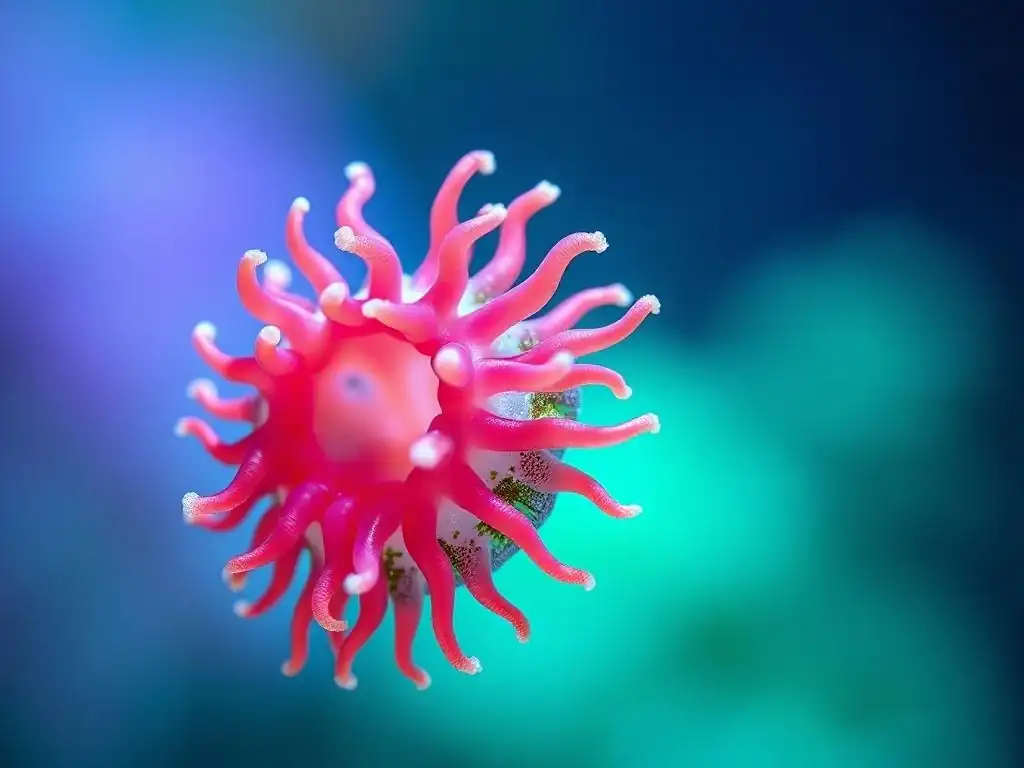
Corals release a diverse array of organic compounds, collectively known as secondary metabolites, which serve various ecological roles, including chemical defense. These compounds fall into broad categories such as terpenoids, alkaloids, and phenolic compounds. Terpenoids, particularly cembranoids, are commonly produced by soft corals like Sarcophyton and Sinularia, giving them their characteristic leathery texture and distinct smell.
A particularly potent group of toxins associated with some Zoanthid species, specifically Palythoa, is palytoxin. While palytoxin is primarily a defense mechanism against predation and a severe neurotoxin to humans, its presence underscores the chemical potency of these animals and their capacity for producing a wide range of biologically active compounds that can influence the tank environment, making Zoanthid tank allelopathy control a critical aspect of reef keeping.
How Coral Toxins Impact Other Coral Species
The allelochemicals released by corals can impact other coral species through various physiological mechanisms. These toxins can inhibit the calcification process in stony corals, leading to stunted growth or even tissue recession. Some compounds interfere with the normal functioning of cell membranes, causing cellular damage and necrosis.
Additionally, allelochemicals can disrupt the symbiotic relationship between corals and their zooxanthellae (algae), leading to coral bleaching or browning by affecting the photosynthetic efficiency of the algae. For instance, a soft coral's toxins might cause nearby SPS corals to retract their polyps persistently, reducing their ability to feed and photosynthesize, ultimately weakening them and making them more susceptible to other stressors.
Factors Influencing the Potency and Spread of Allelochemicals
Several factors influence the potency and spread of allelochemicals in a reef tank. Water flow is paramount: in areas of low flow, toxins can concentrate around the producer, creating a "dead zone" for sensitive corals. Conversely, very high, turbulent flow can rapidly disperse toxins throughout the tank, diluting them but potentially exposing more corals.
The overall bioload and density of corals in the tank also play a significant role. A tank densely packed with multiple allelopathic soft corals, including various Zoanthid species, will have a higher concentration of circulating toxins compared to a sparsely populated tank. Tank volume is another factor; smaller tanks have less water to dilute chemicals, making them more susceptible to rapid accumulation of allelochemicals and emphasizing the need for robust Zoanthid tank allelopathy control.
Coral Tank Allelopathy Control: Strategies for Mitigation
Activated Carbon: A Key Tool for Allelopathy Management
Activated carbon is perhaps the most widely used and effective tool for mitigating allelopathy in reef tanks. Its highly porous structure provides a vast surface area for adsorbing dissolved organic compounds, including the complex allelochemicals released by corals. Regular use of high-quality activated carbon can significantly reduce the concentration of these harmful substances in the water column.
For example, a typical 100-gallon reef tank might benefit from using approximately 100-200 grams (about 0.25-0.5 pounds) of activated carbon, placed in a media bag or reactor. This helps maintain water clarity and reduces yellowing caused by dissolved organics, but more importantly, it actively removes the allelochemicals that contribute to Zoanthid tank allelopathy control challenges.
Choosing the Right Activated Carbon for Reef Tanks
When selecting activated carbon for reef tanks, opt for high-grade, low-phosphate-leaching granular activated carbon (GAC). Coconut-based carbons are often preferred due to their high adsorption capacity and purity compared to coal-based carbons, which can sometimes leach undesirable phosphates into the water. Brands specifically marketed for aquarium use are generally safer.
It's crucial to rinse new carbon thoroughly with RODI water before use to remove any fine dust, which can irritate corals and fish. While a pound of high-quality carbon might cost slightly more, its effectiveness and safety for your reef inhabitants far outweigh the savings from cheaper, potentially problematic alternatives.
Proper Placement and Replacement Schedule for Carbon
For optimal effectiveness, activated carbon should be placed in an area of high water flow, such as a dedicated media reactor or a media bag in the sump, directly after the protein skimmer. This ensures maximum contact time between the water and the carbon granules, facilitating efficient adsorption of dissolved organic compounds.
Activated carbon has a finite lifespan for adsorption. Its effectiveness typically diminishes within 2 to 4 weeks, depending on the tank's bioload and the amount of organic waste produced. Replacing the carbon every 2-4 weeks is recommended. Leaving saturated carbon in the system can lead to the desorption of previously adsorbed compounds, potentially re-releasing toxins into the water.
Water Changes: Diluting Allelochemicals in Your Reef Aquarium
Regular water changes are a foundational practice in reef keeping and serve as a direct method for diluting accumulated allelochemicals. By removing a portion of the tank's water and replacing it with fresh, clean saltwater, you physically export dissolved toxins and replenish essential trace elements that corals consume.
This simple yet effective method is invaluable for Zoanthid tank allelopathy control. A consistent schedule of water changes helps prevent the buildup of harmful compounds to toxic concentrations, contributing significantly to a stable and healthy reef environment.
Frequency and Volume of Water Changes for Allelopathy Control
For general maintenance and effective allelopathy control, a common recommendation is to perform a 10-20% water change weekly or bi-weekly. For instance, in a 100-gallon reef tank, changing 10-20 gallons every 7-14 days provides a consistent dilution factor for allelochemicals and other pollutants.
In cases of severe allelopathy or when introducing a new, potentially aggressive coral, increasing the frequency or volume of water changes temporarily (e.g., 25% twice a week for a few weeks) can rapidly reduce the concentration of circulating toxins and help stressed corals recover.
Protein Skimmers: Removing Organic Compounds and Toxins
Protein skimmers are indispensable tools for removing dissolved organic compounds from reef aquarium water before they break down into nutrients or accumulate as toxins. They work by creating a large air-water interface within a contact chamber, causing organic molecules to adhere to air bubbles, which then rise into a collection cup.
By efficiently removing these organic precursors and direct toxins, a well-functioning protein skimmer plays a vital role in preventing the buildup of allelochemicals, thereby supporting overall water quality and Zoanthid tank allelopathy control.
Optimizing Skimmer Performance for Coral Tanks
To optimize protein skimmer performance for coral tanks, ensure the skimmer is appropriately sized for your tank's volume and bioload. An undersized skimmer will struggle to keep pace with organic production. Regular maintenance is also critical: clean the skimmer neck and collection cup daily or every few days to prevent buildup that reduces skimming efficiency.
Adjust the skimmer's water level and air intake to produce a consistent, dark, and thick skimmate. This indicates effective removal of dissolved organic waste, including the allelochemicals that can negatively impact sensitive corals. A properly tuned skimmer is a continuous line of defense against chemical warfare.
Macroalgae and Refugiums: Natural Allelopathy Control Methods
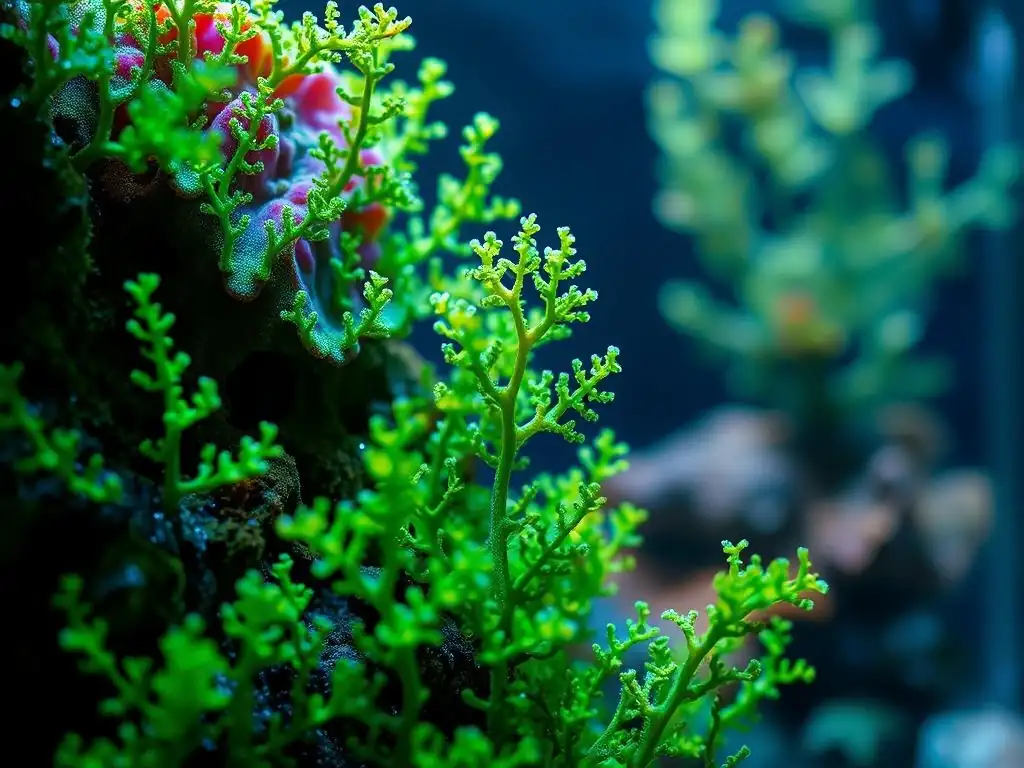
Macroalgae, grown in a dedicated refugium, offer a natural and sustainable method for allelopathy control. Species like Chaetomorpha (Chaeto) and Gracilaria are highly effective at absorbing nitrates, phosphates, and other dissolved organic compounds directly from the water column as they grow.
This biological filtration method not only helps maintain nutrient levels but also removes various organic pollutants, including some allelochemicals, through direct uptake into the macroalgae biomass. Regular harvesting of the macroalgae then physically exports these absorbed compounds from the system.
Selecting Appropriate Macroalgae Species
When selecting macroalgae for a refugium aimed at allelopathy control, fast-growing, nutrient-absorbing species are ideal. Chaetomorpha linum, commonly known as Chaeto, is a popular choice due to its rapid growth rate, ease of cultivation, and tangled structure that provides habitat for beneficial microfauna.
Other suitable species include Gracilaria and Caulerpa (though Caulerpa can sometimes go "sexual" and release nutrients back into the water if not regularly harvested). The goal is to establish a robust macroalgae bed that continuously processes water and removes unwanted organic compounds.
Maintaining a Healthy Refugium for Toxin Reduction
Maintaining a healthy refugium is key to its effectiveness in toxin reduction. Provide adequate lighting, typically on a reverse daylight cycle to stabilize pH, using a dedicated refugium light (e.g., a 6500K LED light for 10-12 hours). Ensure gentle, consistent water flow through the refugium to allow for maximum contact time with the macroalgae.
Regular harvesting of the macroalgae is essential. Once the macroalgae has grown to fill about 70-80% of the refugium space, remove approximately 20-30% of its biomass every 1-2 weeks. This continuous harvesting exports absorbed nutrients and allelochemicals from the system, preventing them from being released back into the water and maintaining the efficacy of your Zoanthid tank allelopathy control efforts.
Careful Coral Placement: Minimizing Chemical Contact
Strategic coral placement is a proactive and often overlooked strategy for minimizing allelopathic interactions. Understanding which corals are aggressive chemical producers and which are sensitive receivers allows you to arrange your aquascape to reduce direct chemical exposure.
This involves giving ample space to known aggressors and considering the prevailing water flow patterns within your tank to direct potential toxins away from vulnerable species. Thoughtful placement can significantly reduce the need for reactive Zoanthid tank allelopathy control measures.
Creating Safe Zones for Vulnerable Corals
To create safe zones for vulnerable corals, identify your tank's most sensitive inhabitants, typically SPS corals like Acropora or delicate LPS corals such as Goniopora. Then, position known allelopathic producers, including large colonies of Zoanthids, Leather corals, or certain mushroom corals, at a considerable distance.
For instance, a fast-growing Sinularia or a dense mat of Palythoa should ideally be placed several inches to a foot away from sensitive stony corals, depending on the tank size and flow. This physical separation, combined with good water movement, allows for dilution of released chemicals before they reach susceptible neighbors.
Considering Water Flow Patterns in Coral Placement
Understanding your tank's water flow patterns is critical for effective coral placement. Place chemically aggressive corals, such as many Zoanthid species, where their effluvium will be quickly carried away and ideally directed towards filtration components like the protein skimmer or activated carbon reactor.
Avoid placing sensitive corals directly downstream from strong allelopathic producers. Even with good overall flow, a direct current can concentrate toxins onto a specific coral, exacerbating the problem. Experiment with powerhead placement to create turbulent, multi-directional flow that helps disperse chemicals evenly throughout the water column, preventing localized buildup.
Preventing Coral Allelopathy: Proactive Reef Keeping
Quarantine New Corals: Preventing the Introduction of Excess Toxins
Quarantining new corals before introducing them to the main display tank is a crucial proactive measure. While primarily used to prevent the introduction of pests and diseases, a quarantine period of at least 3-4 weeks also allows new corals to acclimate and release any initial stress-induced allelochemicals in a separate system.
This prevents a sudden influx of unfamiliar or concentrated toxins into your established reef, which could trigger an allelopathic reaction among existing inhabitants. During quarantine, observe the coral for signs of stress or excessive sliming, and perform regular small water changes in the quarantine tank to dilute any released chemicals.
Maintaining Optimal Water Parameters: Reducing Stress and Enhancing Coral Health
Consistent and optimal water parameters are fundamental to preventing coral allelopathy. When corals are stressed by fluctuating salinity, temperature, alkalinity, calcium, or magnesium levels, they become more susceptible to the negative effects of allelochemicals and may even increase their own production of defensive compounds.
Regular testing and precise dosing or supplementation are key. For instance, maintaining alkalinity within a stable range, such as 7.5-8.5 dKH, and calcium between 400-450 ppm (parts per million) can significantly reduce coral stress. Healthy, unstressed corals are better equipped to resist the subtle chemical warfare from their neighbors, reducing the overall need for intensive Zoanthid tank allelopathy control.
Regular Observation: Early Detection of Allelopathic Effects
Daily, diligent observation of your reef tank is the simplest yet most powerful tool for early detection of allelopathic effects. Spend time each day closely inspecting your corals for subtle changes in appearance, such as reduced polyp extension, slight discoloration, or any unusual sliming.
If a coral that was previously thriving suddenly shows signs of stress without an obvious cause (like a pest or nutrient spike), consider its proximity to other corals, especially known allelopathic producers like certain Zoanthid species, as a potential factor. Early detection allows for prompt intervention, such as relocating corals or initiating increased chemical filtration, before the problem escalates.
Advanced Techniques for Allelopathy Management
Ozone: A Powerful but Risky Allelopathy Control Method
Ozone (O3) is a powerful oxidizing agent that can effectively break down complex organic compounds, including many allelochemicals, in reef tank water. It significantly improves water clarity by oxidizing dissolved organic matter, leading to a noticeable reduction in water yellowing. When used correctly, ozone can be a potent tool for advanced Zoanthid tank allelopathy control.
However, ozone must be used with extreme caution. It is highly reactive and can be toxic to tank inhabitants if overdosed or if residual ozone enters the display tank. Proper implementation requires an ORP (Oxidation-Reduction Potential) controller for precise dosing and a post-filter (typically activated carbon) to remove any unreacted ozone before the treated water returns to the main system.
Chemical Filtration: Using Resins to Remove Specific Toxins
Beyond activated carbon, specialized chemical filtration resins can offer more targeted removal of specific toxins and pollutants, including certain allelochemicals. These macroporous polymeric adsorbents are designed to selectively bind to a broader spectrum of dissolved organic compounds than activated carbon alone.
Examples include resins that specifically target phosphates, silicates, or general organic waste. They can be used in conjunction with activated carbon in media reactors for a comprehensive approach to water purification. While often more expensive, these resins can provide an extra layer of protection against persistent allelopathic issues, aiding in robust Zoanthid tank allelopathy control.
Future Research: New Approaches to Coral Allelopathy Management
The field of coral allelopathy is an active area of scientific research, with ongoing studies exploring new and more refined approaches to its management in closed systems. Researchers are investigating the precise chemical structures of various allelochemicals and their specific impacts on different coral species.
This deeper understanding may lead to the development of highly targeted adsorptive media designed to remove specific toxins, or even biological solutions that could neutralize these compounds. Advances in understanding coral genomics and chemical signaling pathways might eventually enable aquarists to predict or even manipulate allelopathic interactions, offering unprecedented levels of Zoanthid tank allelopathy control in future reef keeping.
Conclusion: Mastering Coral Allelopathy Control for a Thriving Reef
Frequently Asked Questions
What exactly is allelopathy in the context of a Zoanthid tank?
Allelopathy refers to the chemical competition between Zoanthids and other organisms in your aquarium. Zoanthids release toxins into the water to inhibit the growth or survival of nearby species, giving them a competitive advantage.
How can I tell if allelopathy is affecting my Zoanthid tank?
Signs of allelopathy can include sudden coral recession, unexplained death of other tank inhabitants, and poor growth rates in corals located close to Zoanthids. Observing any negative interactions between corals is key.
What are some common Zoanthid allelopathic chemicals?
While specific chemical compounds vary, Zoanthids are known to release palitoxins and other terpenoid-like compounds. These substances can be highly toxic even in small concentrations.
What are some methods for controlling allelopathy in a Zoanthid tank?
Implementing strategies like regular water changes, using activated carbon to absorb toxins, and employing a protein skimmer can significantly reduce the effects of allelopathy. Careful placement of corals to increase distance is also important.
Can allelopathy be beneficial in any way to Zoanthids?
While primarily a defensive mechanism, allelopathy allows Zoanthids to outcompete other corals for resources like light and space. This helps them thrive and expand within the aquarium environment by suppressing rivals.
The intricate dance of life within our reef tanks often masks a hidden struggle, a silent chemical warfare waged by corals like Zoanthids. Understanding Zoanthid tank allelopathy control is not just about maintaining a visually appealing aquarium; it's about acknowledging and respecting the complex ecological interactions at play within our miniature ecosystems. Ignoring these subtle chemical battles can lead to devastating consequences, underscoring the importance of informed and proactive reef keeping.
This exploration into Zoanthid allelopathy has highlighted the delicate balance we strive to maintain in our tanks. It's a reminder that our actions, from water changes to coral placement, have profound and often unseen effects on the health and stability of our reef. The constant evolution of our understanding of these chemical interactions necessitates continuous learning and adaptation. In nature, nothing exists alone.
- Rachel Carson. This quote perfectly encapsulates the interconnectedness of life in our reef tanks, where the well-being of one organism is inextricably linked to the health of the entire system.
Now, armed with a deeper understanding of Zoanthid tank allelopathy control, I invite you to reflect on your own reef keeping practices. Consider the placement of your corals, the flow within your tank, and the effectiveness of your filtration. Are you actively mitigating the potential for chemical warfare? Let this knowledge empower you to create a thriving and harmonious environment for all your reef inhabitants, fostering a vibrant ecosystem that reflects the beauty and complexity of the natural world.
Ignite Your Reef Tank's Potential!
Thank you for exploring the complex world of zoanthid allelopathy with us. Now that you're armed with this knowledge, let's put it into action and create a thriving, balanced reef ecosystem. Here’s how you can start:
- Immediately assess your tank's current zoanthid placement and consider relocating more aggressive species to minimize chemical interference with sensitive corals.
- Research less-known methods of chemical filtration like using specialized resins designed to target specific allelochemicals, to proactively combat the effects of zoanthid warfare.
- Share your experiences and insights on our forum to help other reef keepers navigate the challenges of allelopathy.
What unique strategies have you implemented to maintain peace and harmony in your reef tank?