
Montipora Marvels: Advanced Care for Plating, Encrusting & Branching Beauties

Welcome to Aquarium Mastery!
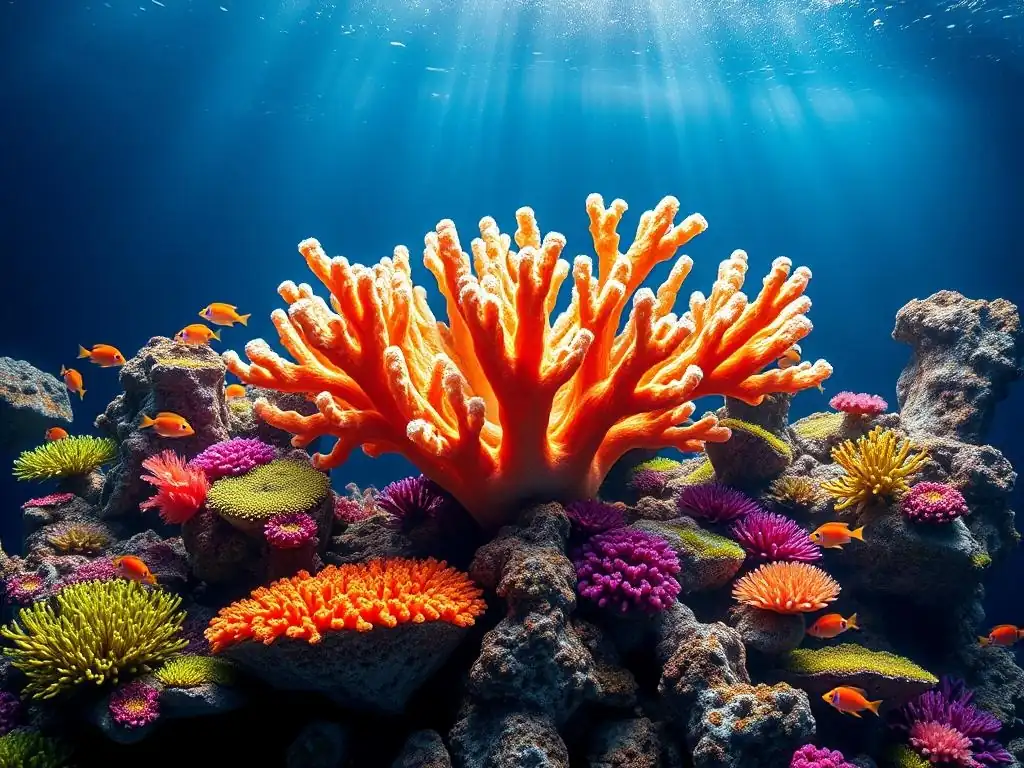
Ever been captivated by the vibrant colors and intricate forms of Montipora corals? These SPS beauties can truly transform your reef tank into an underwater masterpiece. Dive into our comprehensive Montipora Coral Care Guide and unlock the secrets to successfully keeping these plating, encrusting, and branching wonders thriving. Ready to elevate your reefing game and witness the full potential of your Montipora? Let's get started!
- Understanding Montipora Corals: An Introduction to Reef Keeping's Delight
-
Frequently Asked Questions
- What is Montipora coral, and why is it popular in reef aquariums?
- What are the ideal water parameters for keeping Montipora coral healthy?
- What type of lighting and water flow does Montipora coral need?
- How often should I feed Montipora coral, and what types of food are best?
- What are some common problems associated with Montipora coral care, and how can I prevent them?
- Final Reflection: Cultivating Coral Resilience
- Dive Deeper: Unleash Your Montipora's Full Potential!
Understanding Montipora Corals: An Introduction to Reef Keeping's Delight
What are Montipora Corals and Why are They Popular?
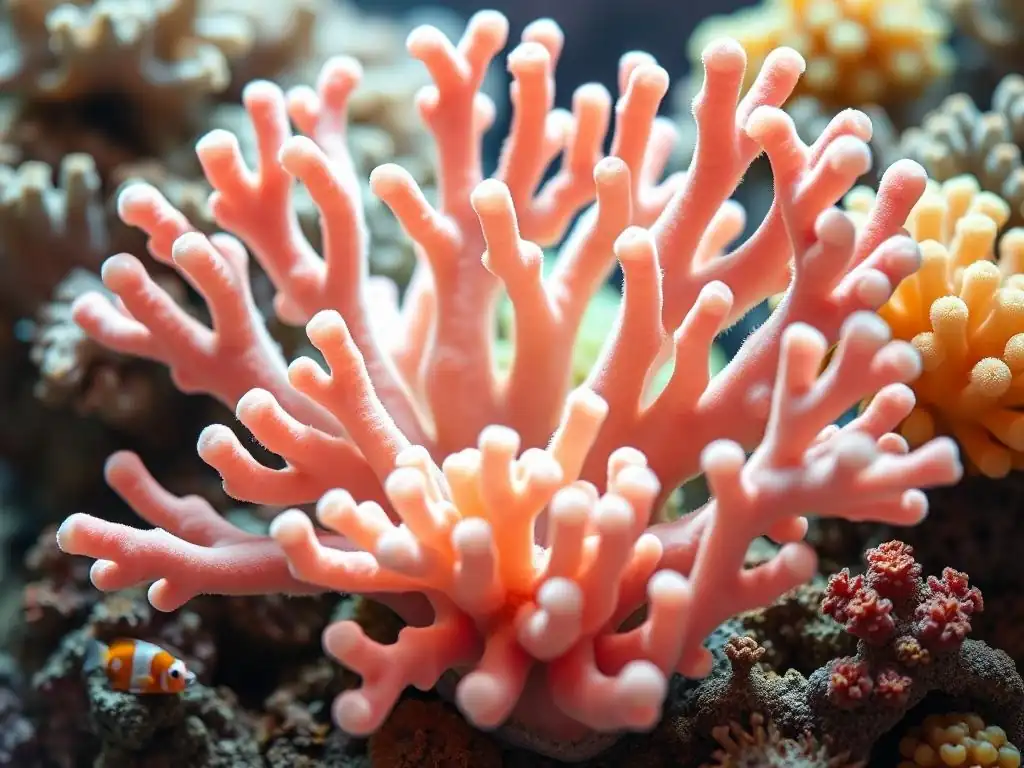
Montipora corals, often simply called "Montis," are a diverse genus of small polyp stony (SPS) corals highly prized in the reef aquarium hobby for their vibrant colors, fascinating growth forms, and relatively fast growth rates compared to some other SPS species. As a foundational component of many natural coral reefs, they play a crucial role in marine ecosystems, contributing significantly to reef structure.
Their popularity among aquarists stems from their beauty and the rewarding experience of seeing them thrive and color up under proper Montipora coral care. While still requiring stable conditions, they are often considered a step up from soft corals and LPS corals, yet generally more forgiving than their notoriously demanding Acropora cousins, making them an excellent choice for intermediate to advanced reef keepers looking to expand their SPS collection.
These corals are photosynthetic, relying primarily on zooxanthellae, symbiotic dinoflagellates residing within their tissues, to convert light into energy. However, they also possess the ability to capture microscopic food particles from the water column, supplementing their nutritional needs. Their adaptability to various light and flow conditions, combined with their striking aesthetics, makes them a cornerstone in many successful reef tanks. A comprehensive Montipora coral care guide emphasizes the importance of understanding their fundamental biology to ensure their long-term health and vibrant coloration, contributing to a thriving reef environment.
Different Types of Montipora: Plating, Encrusting, and Branching Varieties
Montipora corals exhibit a remarkable diversity in their growth forms, broadly categorized into plating, encrusting, and branching types, each presenting unique aesthetic and environmental considerations for the aquarist. Plating Montipora, such as the well-known Montipora capricornis (often called "Monti Cap"), grow outward in shelf-like or scroll-like structures, creating dramatic tiered landscapes. These forms are excellent for adding dimension to a reef tank but require careful placement to prevent shading other corals as they expand. Their rapid growth can quickly dominate a section of the aquarium if not managed through fragging.
Encrusting Montipora varieties, including species like Montipora danae or Montipora undata, grow as thin layers over rockwork or other substrates, conforming to the contours of their environment. These types are ideal for covering bare rock and adding color to less accessible areas of the reef. They tend to grow slower than plating forms but can still spread extensively.
Branching Montipora, exemplified by Montipora digitata or Montipora setosa, form intricate, finger-like branches that can range from delicate and wispy to robust and dense. These provide excellent habitat for small fish and invertebrates and add vertical interest to the aquascape. Each growth form dictates different considerations for water flow, light distribution, and overall Montipora coral care, making it essential to identify the specific type when planning your aquascape.
Montipora Coral Color Variations: From Bright Greens to Deep Reds
One of the most captivating aspects of Montipora corals is their incredible spectrum of colors, which can range from vivid greens and bright oranges to deep reds, purples, and even blues. These colors are primarily derived from the pigments produced by the coral itself, often influenced by the specific light spectrum and intensity they receive, as well as the stability of water parameters.
For instance, many green Montipora corals owe their coloration to Green Fluorescent Proteins (GFPs), which fluoresce under actinic (blue) lighting, creating a spectacular glow. Red and orange Montipora often contain chromoproteins that absorb blue light and reflect red or orange, contributing to their striking appearance.
Achieving and maintaining these vibrant hues is a key goal for any Montipora coral care guide. Environmental factors such as optimal alkalinity, calcium, magnesium, and trace element levels are critical for pigment production and overall coral health. Furthermore, the type and intensity of lighting play a paramount role; specific wavelengths can stimulate or suppress the production of certain pigments, allowing aquarists to "dial in" the lighting to enhance desired colors. Understanding how these factors interact is crucial for cultivating a truly colorful and thriving Montipora collection within your reef aquarium.
Frequently Asked Questions
What is Montipora coral, and why is it popular in reef aquariums?
Montipora is a type of SPS (Small Polyp Stony) coral known for its diverse forms, including plating, encrusting, and branching varieties. It's popular due to its vibrant colors and relatively fast growth rates, adding visual appeal to reef tanks.
What are the ideal water parameters for keeping Montipora coral healthy?
Maintaining stable water parameters is crucial. Aim for a temperature of 76-82°F (24-28°C), salinity of 1.024-1.026 specific gravity, and a pH of 8.1-8.4. Regular testing and adjustments are essential.
What type of lighting and water flow does Montipora coral need?
Montipora corals generally require moderate to high lighting, such as LED or metal halide systems, depending on the species. They also benefit from moderate to high water flow to deliver nutrients and remove waste.
How often should I feed Montipora coral, and what types of food are best?
While Montipora corals receive nutrients from photosynthesis, supplemental feeding can enhance their growth and coloration. Offer small amounts of phytoplankton or coral-specific foods 1-2 times per week. Avoid overfeeding your aquarium.
What are some common problems associated with Montipora coral care, and how can I prevent them?
Common issues include coral bleaching (due to high temperatures or excessive light), tissue necrosis (from poor water quality or pests), and algae overgrowth. Maintain stable water parameters, provide adequate flow, and quarantine new additions to prevent these problems.
Final Reflection: Cultivating Coral Resilience
The journey through the intricacies of Montipora coral care, as detailed in this guide, underscores the crucial connection between knowledge and responsible reef keeping. Understanding the specific needs of these plating, encrusting, and branching beauties is not merely about aesthetics; it's about actively participating in the preservation of delicate marine ecosystems. By applying these advanced techniques, we contribute to the vitality of our aquariums and, by extension, the health of coral reefs worldwide.
This exploration of Montipora care has highlighted the delicate balance required to nurture these organisms, a balance that mirrors the fragility of the natural world. My own experiences with these corals have instilled a profound respect for their resilience and a deeper understanding of the interconnectedness of life within a reef environment. In the end, we will conserve only what we love; we will love only what we understand; and we will understand only what we are taught.
- Baba Dioum. This quote resonates deeply, reminding us that education and understanding are the cornerstones of conservation.
Now, armed with this knowledge, I invite you to reflect on your own role in the future of coral reefs. Consider how you can apply these principles of responsible care, not only to your own aquariums but also to your everyday choices. Let us all strive to be stewards of the ocean, ensuring that these Montipora marvels, and the vibrant ecosystems they represent, continue to thrive for generations to come.
Dive Deeper: Unleash Your Montipora's Full Potential!
Thank you for exploring the captivating world of Montipora corals with us! We hope you've gained valuable insights into nurturing these stunning reef inhabitants. Now, let's turn that knowledge into action and truly elevate your aquarium's beauty.
Here are a few things you can do now:
- Implement at least one of the advanced care techniques discussed in the article, focusing on optimizing your lighting or flow specifically for your Montipora.
- Share your most breathtaking Montipora photo on social media, tagging Aquarium Mastery (@AquariumMastery) and using #MontiporaMarvels to inspire fellow reef keepers.
- Visit our community forum and share your experiences! Tell us about a challenge you've faced with Montipora care and let's brainstorm solutions together.
What specific changes will you make this week to boost the vibrancy and growth of your Montipora?