
Rescuing a Stressed Mushroom Coral: Signs and Solutions

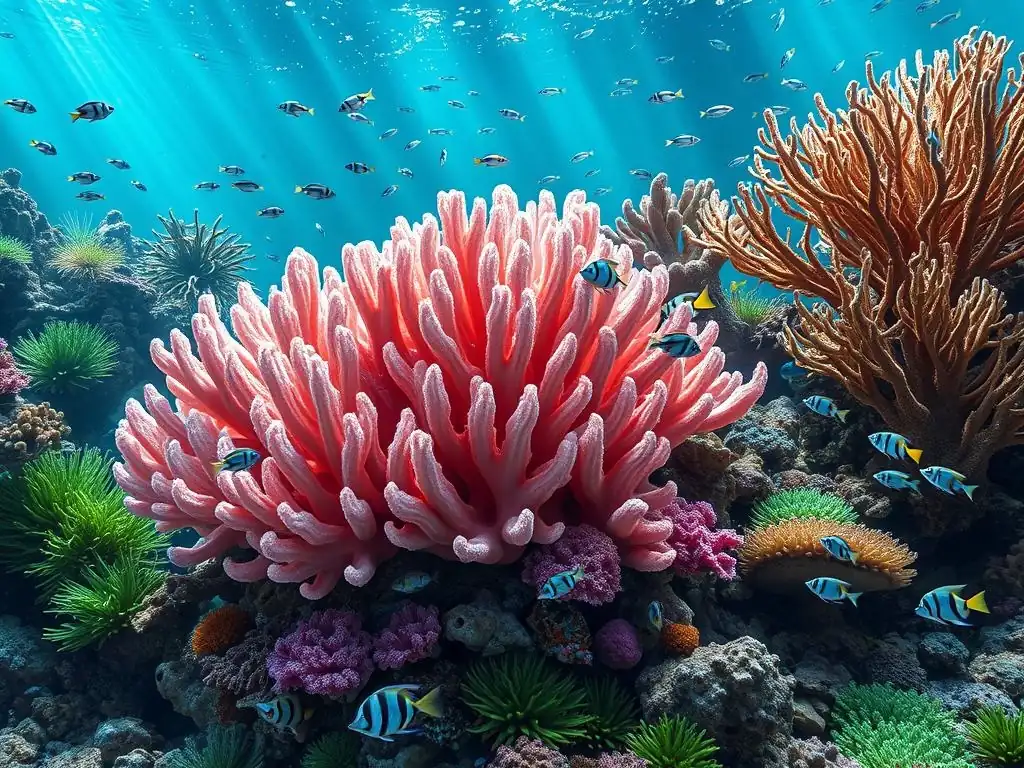
Welcome to Aquarium Mastery!
Is your mushroom coral looking a little less vibrant than usual? Don't worry, you're not alone! Many aquarists face the challenge of stressed mushroom coral recovery. Dive into our comprehensive guide, "Rescuing a Stressed Mushroom Coral: Signs and Solutions," where we unlock the secrets to identifying the signs of stress and provide actionable steps to bring your coral back to its full, beautiful glory. Intrigued to learn more? Let's get started!
- Acropora Coral Fading Color: Signs, Causes, and Treatment
- Understanding Acropora Coral Color Loss in Reef Aquariums
- Identifying Signs of Acropora Coral Color Loss
- Diagnosing the Root Cause of Acropora Coral Color Loss
- Solutions for Acropora Coral Color Loss Recovery
- Preventing Future Color Loss in Acropora Corals
- Conclusion: Ensuring a Thriving Reef Aquarium for Acropora Corals.
- Frequently Asked Questions
- Final Reflection: Nurturing Resilience in the Reef
- Revitalize Your Reef: Give Your Mushroom Coral a Second Chance!
Acropora Coral Fading Color: Signs, Causes, and Treatment
Understanding Acropora Coral Color Loss in Reef Aquariums
Introduction to Acropora Corals and Their Importance
Acropora corals, often considered the "kings" of the reef aquarium, are small polyp stony (SPS) corals renowned for their intricate branching structures and dazzling array of colors. Their vibrant hues, ranging from electric blues and purples to fiery reds and greens, are largely attributed to the symbiotic relationship they share with zooxanthellae, microscopic algae living within their tissues. These corals are not just aesthetically pleasing; they are vital indicators of a reef tank's overall health, thriving only when water parameters are meticulously maintained and environmental conditions are stable.
Maintaining the health and vibrant coloration of Acropora corals is a primary goal for many advanced aquarists. When an Acropora coral begins to lose its color, it's a significant warning sign that something in the aquarium environment is amiss. This fading, often termed "paling" or "bleaching," indicates stress and, if left unaddressed, can lead to tissue loss and eventual coral demise. Understanding the nuances of their care and quickly identifying early signs of distress are crucial for successful Acropora recovery and a flourishing reef ecosystem.
Factors Contributing to Acropora Coral Color Loss: A Comprehensive Overview
The loss of color in Acropora corals is a complex issue stemming from various environmental stressors that disrupt the delicate balance of their symbiotic relationship with zooxanthellae. When stressed, the coral may expel these algae, leading to a loss of the pigments they provide, a process commonly known as bleaching. This can be triggered by fluctuations in water chemistry, inadequate or excessive lighting, improper water flow, or the presence of pests and diseases.
For instance, sudden changes in salinity by even 0.002 specific gravity points or temperature swings exceeding 2°F (about 1.1°C) within a 24-hour period can initiate a stress response in sensitive Acropora species. Similarly, nutrient imbalances, such as elevated nitrates above 10 ppm or phosphates above 0.05 ppm, directly impede zooxanthellae function and coral calcification, leading to a gradual decline in color and overall Acropora health. Addressing these underlying factors is paramount for effective Acropora coral recovery and restoring their natural vibrancy.
Identifying Signs of Acropora Coral Color Loss
Visual Cues: Recognizing Unhealthy Acropora Coral
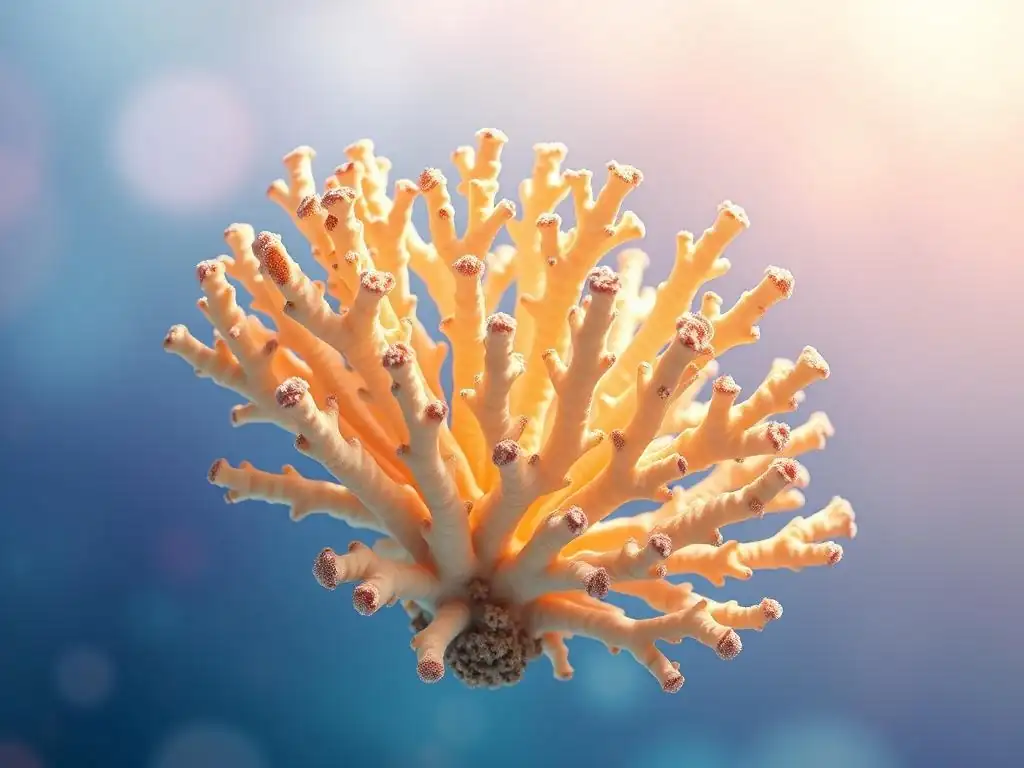
Observing your Acropora corals daily is essential for early detection of stress. Visual cues often provide the first indication that something is wrong, allowing aquarists to intervene before irreversible damage occurs. These cues can range from subtle changes in hue to more severe signs of tissue degradation.
Prompt identification of these visual symptoms is critical for successful Acropora recovery. Understanding the specific nature of the color change or tissue damage can often point towards the root cause, guiding the aquarist toward the most effective corrective actions.
Changes in Coloration: Pale, Brown, or Bleached Acropora Corals
One of the most apparent signs of stress in Acropora corals is a noticeable change in their vibrant coloration. A healthy Acropora typically displays intense, saturated colors. When stressed, these colors can begin to fade, becoming pale, muted, or even turning a uniform brown. Paling indicates a reduction in zooxanthellae density, often due to environmental stress, while a brown coloration can signify an overabundance of zooxanthellae trying to compensate for insufficient light or excessive nutrients.
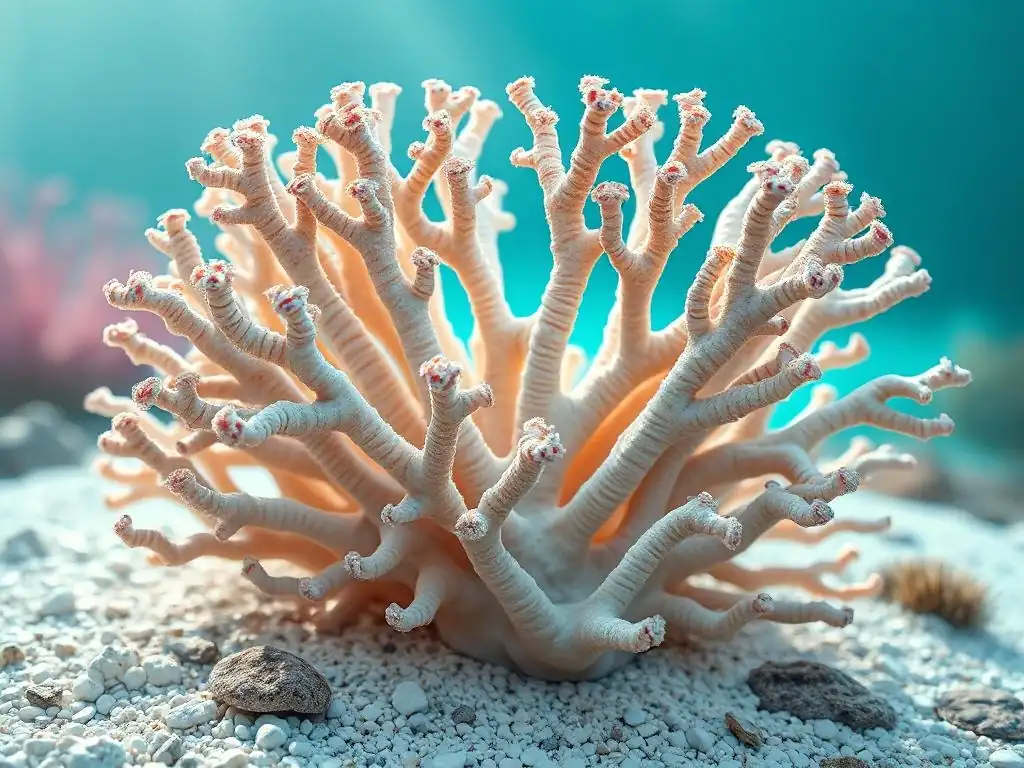
The most severe form of color loss is bleaching, where the coral turns stark white. This happens when the coral expels nearly all its zooxanthellae, revealing the white calcium carbonate skeleton underneath. Bleaching is a critical sign of severe stress, often triggered by extreme temperature fluctuations (e.g., a sudden increase of 5°F/2.8°C or more), drastic changes in light intensity, or prolonged exposure to poor water quality. Rapid intervention is required to prevent complete coral mortality.
Tissue Necrosis: Receding Tissue on the Coral
Tissue necrosis refers to the localized death of coral tissue, often appearing as patches of white skeleton where tissue once was. This recession typically starts from the base of the coral or along its branches and slowly progresses upwards or outwards. Unlike bleaching, which affects the entire coral's coloration, necrosis is characterized by the physical loss of tissue, exposing the underlying white skeleton.
This condition is often a sign of chronic stress, poor water quality, or bacterial infections. For example, if a coral is constantly exposed to low flow zones, detritus can accumulate, leading to localized tissue death. If the recession is slow, progressing by a few millimeters per day, it might indicate a bacterial infection or persistent irritation from detritus. Immediate action, such as increased flow, careful siphoning of detritus, or a targeted coral dip, may be necessary to halt the progression and promote Acropora recovery.
Rapid Tissue Loss (RTL): A Critical Warning Sign
Rapid Tissue Loss (RTL), sometimes referred to as Rapid Tissue Necrosis (RTN), is an extremely aggressive form of tissue loss where large sections of coral tissue slough off within hours or a few days. This condition is characterized by a rapid progression from healthy tissue to exposed skeleton, often leaving behind a stringy, decaying appearance. RTL is one of the most feared diseases in reef keeping dueence to its swift and devastating impact on Acropora corals.
The exact causes of RTL are not always clear but are often linked to extreme environmental shocks, such as sudden temperature crashes, severe water parameter swings (e.g., a pH drop from 8.2 to 7.8 in a few hours), or highly virulent bacterial infections. When RTL is observed, immediate action is crucial. This often involves fragging (cutting) off healthy portions of the coral well away from the affected area to save viable tissue, quarantining the affected frag, and treating with broad-spectrum coral dips if an infection is suspected.
Behavioral Indicators of Acropora Coral Stress
Beyond visual changes, Acropora corals exhibit behavioral shifts when stressed, providing additional clues to their declining health. These subtle indicators often precede more obvious visual signs, making early detection possible for observant aquarists.
Recognizing these behavioral changes can provide a crucial head start in diagnosing and addressing the underlying issues, significantly improving the chances of Acropora recovery.
Reduced Polyp Extension: A Key Indicator
Healthy Acropora corals typically exhibit good polyp extension, especially during the day or when feeding. The tiny polyps, which are responsible for capturing food and calcification, will be visibly extended from the coral's skeleton. When an Acropora coral is stressed, one of the first behavioral indicators is reduced or complete lack of polyp extension. The polyps may appear retracted, shrunken, or simply not emerge from the skeleton as they normally would.
This reduction in polyp extension signals that the coral is expending its energy on coping with stress rather than on normal physiological processes like feeding or growth. It can be a response to various stressors, including unfavorable water chemistry, insufficient or excessive lighting, or even irritation from pests. For example, if your Acropora usually shows full polyp extension for several hours after lights come on, but suddenly retracts them within an hour, it suggests immediate environmental discomfort.
Sliming: Excessive Mucus Production
Sliming, or excessive mucus production, is another common behavioral response of stressed Acropora corals. Corals naturally produce a thin layer of mucus for protection, to shed detritus, and to capture food particles. However, when under significant stress, they may produce an abnormally thick, cloudy, or stringy layer of mucus that can visibly coat their surface. This mucus can trap detritus and even facilitate bacterial growth, exacerbating the coral's condition.
This overproduction of mucus is an energy-intensive defensive mechanism, often triggered by physical irritation, significant water parameter swings, or the presence of harmful bacteria or parasites. For instance, if a coral is accidentally brushed by a fish or another coral, it might slime for a few hours. However, persistent sliming for days, especially accompanied by color loss, indicates a more severe underlying issue requiring investigation.
Stunted Growth: Lack of Growth in the Coral
Acropora corals are known for their relatively fast growth rates under optimal conditions, often adding several centimeters per year, depending on the species and tank maturity. A noticeable slowdown or complete cessation of growth is a clear long-term indicator of chronic stress and declining Acropora health. While not as immediate as color loss or sliming, stunted growth signifies that the coral is not thriving and its energy is being diverted away from calcification.
This lack of growth can be difficult to observe without regular measurements or photographic comparisons over several weeks or months. However, if other SPS corals in the same system are growing well, but a specific Acropora is not, it strongly suggests an issue specific to that coral or its immediate environment. Chronic nutrient deficiencies (e.g., low calcium, alkalinity, or magnesium), persistent low-level pollutants, or sub-optimal lighting can all contribute to stunted growth, preventing the coral from reaching its full potential.
Diagnosing the Root Cause of Acropora Coral Color Loss
Water Quality Issues Affecting Acropora Corals
Water quality is arguably the most critical factor for Acropora health and vibrant coloration. Even slight deviations from optimal parameters can induce significant stress, leading to color loss and ultimately, coral death. Regular and accurate testing is non-negotiable for maintaining these sensitive corals.
Addressing these water quality issues promptly is paramount for Acropora recovery. Consistent monitoring and proactive adjustments prevent many common causes of color fading.
Elevated Phosphate Levels: Testing and Solutions
Elevated phosphate levels are a common culprit behind fading Acropora coral coloration, often leading to a dull, brownish appearance. Phosphates, even at concentrations as low as 0.03 ppm, can inhibit calcification in stony corals like Acropora, directly impacting their ability to build and maintain their skeletal structure.
This inhibition reduces the coral's energy reserves, making it less resilient to other stressors and often resulting in the expulsion of zooxanthellae – the symbiotic algae responsible for the coral's vibrant colors. For instance, in a study conducted on Acropora millepora, prolonged exposure to phosphate levels above 0.1 ppm significantly reduced growth rates by up to 25% compared to control groups with levels below 0.03 ppm.
To address elevated phosphates, regular testing is paramount. High-quality phosphate test kits, such as those from Hanna Instruments (e.g., ULR Phosphate Checker) or Red Sea, provide accurate readings crucial for effective management.
If levels are high, solutions include using granular ferric oxide (GFO) media, which chemically binds phosphates, or employing biological methods like refugiums with macroalgae (e.g., Chaetomorpha) that absorb nutrients. For a 100-gallon reef tank with phosphate levels at 0.2 ppm, introducing 200-300 grams of GFO in a fluidized reactor can typically reduce levels to below 0.05 ppm within a few days to a week, requiring weekly monitoring and media replacement as needed.
Unstable Alkalinity Levels: Maintaining Optimal Conditions
Alkalinity, measured in dKH (degrees of carbonate hardness), is a measure of the water's buffering capacity and its ability to resist pH changes. More importantly for Acropora, it represents the concentration of carbonate and bicarbonate ions, which are essential building blocks for their calcium carbonate skeletons. Fluctuations in alkalinity, especially rapid swings (e.g., more than 0.5 dKH in 24 hours), are extremely detrimental to Acropora corals, leading to stress, tissue loss, and significant color fading. The ideal range for Acropora is typically 7.0-8.5 dKH, though stability within this range is far more critical than hitting a precise number.
Maintaining stable alkalinity requires consistent dosing of calcium and alkalinity supplements, often through a two-part solution, calcium reactor, or kalkwasser. Regular testing, ideally daily or every other day, is necessary to monitor consumption rates and adjust dosing accordingly. For example, if your 150-gallon system shows a drop of 0.8 dKH over 24 hours, you'll need to increase your alkalinity dosing by approximately 15-20% to compensate for coral uptake and maintain stability within the desired range, preventing the stress that leads to Acropora color loss.
Elevated Nitrate Levels: Keeping a Stable Environment
While some level of nitrate (NO3) is tolerable and even beneficial in a reef tank (often 5-10 ppm is considered a healthy range for SPS corals), excessively high nitrate levels (above 20 ppm) can negatively impact Acropora corals, leading to browning and reduced vitality. High nitrates can promote the growth of less desirable zooxanthellae strains, causing the coral to appear brown, or they can contribute to overall poor water quality, stressing the coral and leading to color loss.
Conversely, ultra-low nutrient systems (ULNS) with nitrates near 0 ppm can also cause issues like "pale-out" where corals lack sufficient nutrients for their zooxanthellae to thrive, leading to a washed-out appearance.
Achieving and maintaining optimal nitrate levels involves a combination of strategies. Regular water changes (e.g., 10-20% bi-weekly) are a fundamental method for diluting nitrates. Other effective methods include using a protein skimmer, cultivating macroalgae in a refugium, or employing biopellets or carbon dosing to promote bacterial consumption of nitrates. For a tank consistently showing 30 ppm nitrates, increasing water change frequency or implementing a carbon dosing regimen (starting with a low dose like 0.5 ml per 50 gallons daily) can gradually bring levels down to a more favorable range for Acropora recovery.
Lighting Problems and Acropora Coral Health
Light is the primary energy source for Acropora corals through photosynthesis by their zooxanthellae. However, both insufficient and excessive light, as well as an incorrect spectrum, can cause significant stress and lead to color loss. Balancing light intensity and spectrum is crucial for vibrant Acropora.
Optimizing lighting conditions is a fundamental step in preventing and reversing Acropora color loss, ensuring that these photosynthetic corals receive the energy they need without being overwhelmed.
Insufficient Light Intensity: Supplementing with Appropriate Lighting
Insufficient light intensity is a common cause of Acropora coral paling or browning. When corals don't receive enough light, their zooxanthellae cannot photosynthesize efficiently, leading to reduced energy production for the coral host. In response, the coral may increase the density of its zooxanthellae to compensate, often resulting in a brownish appearance, or it may expel some, leading to paleness as it tries to adapt to lower light conditions. Acropora corals generally thrive under high PAR (Photosynthetically Active Radiation) values, typically ranging from 250-450 PAR at the coral's surface, depending on the species and tank depth.
To address insufficient lighting, aquarists can consider upgrading their lighting system or adjusting the placement of the corals. If using LED fixtures, increasing the intensity or photoperiod gradually (e.g., by 5% every few days) can help. For T5 fluorescent systems, ensuring bulbs are replaced every 9-12 months is important, as light output degrades over time. Moving a fading Acropora from a shaded area to a higher, more exposed position in the tank, while monitoring for signs of stress, can also facilitate Acropora recovery by providing more light.
Excessive Light Intensity: Preventing Bleaching
While Acropora corals require high light, too much intensity can be equally, if not more, damaging, leading to severe bleaching. Excessive PAR (e.g., above 500-600 PAR directly on some species) can overwhelm the zooxanthellae's photosynthetic machinery, causing oxidative stress. In a protective response, the coral expels these overstressed algae, resulting in a stark white, bleached appearance. This is a critical state, as the coral loses its primary energy source and becomes highly vulnerable.
To prevent bleaching from excessive light, proper acclimation of new corals is vital. When introducing a new Acropora, place it in a lower light area of the tank initially and gradually move it to its desired, higher-light location over several weeks.
If existing corals are bleaching due to high light, immediately reduce light intensity (e.g., dim LEDs by 10-20% or raise the light fixture by a few inches) or move the affected coral to a shaded area. Using a PAR meter to measure light levels at various depths and positions in the tank can help ensure appropriate intensity for different coral species.
Incorrect Light Spectrum: Optimizing for Acropora Corals
Beyond intensity, the correct light spectrum is crucial for Acropora health and coloration. While white light is important, the blue spectrum (ranging from 400-500 nm) is particularly vital for zooxanthellae photosynthesis and for bringing out the vibrant fluorescent pigments in Acropora corals. A spectrum that is too yellow or green can lead to dull coloration, while a lack of sufficient blue light can hinder zooxanthellae efficiency, even if PAR levels are adequate.
Many modern LED fixtures allow for independent control of different color channels, enabling aquarists to fine-tune their spectrum. A common recommended spectrum for Acropora includes a strong emphasis on royal blue (around 450 nm) and blue (around 470 nm), supplemented with violet, UV, and a lesser amount of cool white. Experimenting with your fixture's settings to find a balance that promotes both coral health and aesthetic appeal is key. For example, a common successful ratio for LED light might involve a blue-to-white ratio of 3:1 or 4:1, ensuring strong blue peaks for optimal coral growth and coloration.
Flow and Placement Impacts on Acropora Corals
Water flow and proper placement are often overlooked but critically important factors for Acropora coral health. These elements ensure nutrient delivery, waste removal, and prevent detritus accumulation, all of which directly influence color and growth.
Optimizing flow and placement is essential for creating an environment where Acropora corals can thrive, preventing stress and promoting their natural vibrant coloration.
Insufficient Water Flow: Increasing Circulation
Insufficient water flow around Acropora corals can lead to several problems, including detritus accumulation on the coral's surface, reduced nutrient uptake, and inadequate gas exchange. When detritus settles on the coral, it can irritate the tissue, promote bacterial growth, and eventually lead to localized tissue necrosis and color loss. Furthermore, without adequate flow, the "boundary layer" of water directly around the coral becomes depleted of essential nutrients (like calcium and alkalinity) and saturated with metabolic waste products, hindering growth and overall vitality.
Acropora corals typically require strong, turbulent, and varied water flow to thrive. This can be achieved using multiple powerheads or wavemakers positioned to create chaotic, oscillating patterns rather than unidirectional laminar flow. For a 100-gallon tank with several large Acropora colonies, aiming for a total flow turnover of 20-40 times the tank volume per hour (e.g., 2000-4000 GPH from powerheads) is a good starting point. Adjusting the angle and intensity of existing powerheads or adding additional pumps can significantly improve conditions for Acropora recovery.
Excessive Water Flow: Finding a Suitable Location
While strong flow is essential, excessive or constant laminar (one-directional) flow can also be detrimental to Acropora corals, leading to stress, tissue damage, and even detachment from their frag plugs or bases. Constant, direct impingement of very high flow can cause physical abrasion of the delicate coral tissue, making it susceptible to infection and leading to localized tissue recession. Some Acropora species are more tolerant of high flow than others, but generally, a moderate to strong, turbulent flow that allows polyps to extend but not be constantly blasted is ideal.
Observing how the coral's polyps and overall structure react to the flow is key. If polyps are constantly retracted or the coral appears "blasted" and unable to extend, the flow might be too strong or too direct.
Solutions include repositioning the coral to a slightly lower flow area, adjusting the angle of powerheads, or using diffusers to break up direct streams. For instance, if a particularly sensitive Acropora microclados is bleaching and showing tissue recession at the tips due to direct flow, moving it just 4-6 inches away from the direct path of a 1500 GPH powerhead can often alleviate the stress and initiate Acropora recovery.
Competition with Other Corals: Ensuring Adequate Space
Competition for space and light is a common issue in mixed reef aquariums and can significantly impact Acropora coral health and coloration. When Acropora corals are placed too close to other corals, especially aggressive species like LPS (Large Polyp Stony) corals or certain soft corals, they can be subjected to chemical warfare (allelopathy) or physical stinging. LPS corals, for example, can extend their sweeper tentacles at night, stinging and damaging Acropora tissue within a 3-6 inch radius, leading to localized tissue necrosis and subsequent color loss.
Proper spacing is crucial during initial placement and as corals grow. Researching the growth patterns and aggression levels of different coral species before adding them to your tank can prevent future conflicts. When placing Acropora, ensure there is ample room for growth around them, considering their eventual size. If an Acropora is showing signs of stress or tissue damage on one side, check for nearby corals that might be irritating it. Often, simply moving the offending coral or the Acropora by a few inches can resolve the issue and allow for Acropora recovery.
Pest Infestations and Diseases Affecting Acropora Corals
Even with perfect water parameters and optimal lighting, Acropora corals can suffer from color loss due to insidious pests and diseases. These biological threats can rapidly decimate colonies if not identified and treated promptly.
Vigilance and a proactive approach to pest management are essential for maintaining Acropora health and preventing widespread issues in the reef aquarium.
Acropora Eating Flatworms (AEFW): Identification and Treatment
Acropora Eating Flatworms (AEFW), Amakusaplana acroporae, are one of the most notorious and destructive pests in the reef aquarium hobby, specifically targeting Acropora corals. These tiny, camouflage-expert flatworms (typically 3-5 mm long) are difficult to spot as their coloration often mimics that of the coral. They feed on the coral's tissue, leaving behind characteristic bite marks and, more noticeably, white, crescent-shaped egg masses on the coral's skeleton, usually in shaded areas or crevices. Infested corals often show signs of paling, tissue recession, and eventually complete death, with the coral's vibrant colors fading as tissue is consumed.
Identification often requires careful inspection, sometimes involving removing the coral and using a magnifying glass. Treatment typically involves a multi-pronged approach. Chemical dips, such as those containing Levamisole HCl (e.g., Flatworm Exit, often dosed at 1 ml per 2 gallons) or specific AEFW-targeting products, can effectively kill adult flatworms. However, these dips do not kill the eggs, necessitating repeat treatments every 5-7 days for several weeks to break the life cycle. Manual removal of eggs with a toothbrush and introducing natural predators like wrasses ( Halichoeres chrysus or Macropharyngodon bipartitus) can also aid in control.
Rapid Tissue Necrosis (RTN): Recognizing and Treating Coral Diseases
Rapid Tissue Necrosis (RTN) is a devastating and often swift-acting disease that causes large sections of Acropora coral tissue to slough off, exposing the white skeleton underneath, usually within hours or a few days. Unlike the slower progression of "brown jelly disease" or "slow tissue necrosis," RTN is characterized by its explosive speed. While the exact cause is often debated, it is believed to be triggered by severe environmental stress (e.g., sudden temperature spikes, pH crashes, or prolonged power outages) which then allows opportunistic bacteria to rapidly overwhelm the coral's defenses.
Recognizing RTN requires immediate action. The affected area often appears stringy or sloughing. To save the coral, the most common immediate intervention is to frag (cut) off all healthy portions of the coral well above the visible tissue loss line, using sterile tools.
Dip the healthy frag in a broad-spectrum coral dip (e.g., iodine-based or chlorhexidine-based, following manufacturer instructions) to cleanse any remaining bacteria, then place it in a separate quarantine tank or a very stable, low-stress area of the main display. Discard the diseased portion immediately. While there's no guaranteed cure once RTN takes hold, prompt fragging offers the best chance for Acropora recovery of viable pieces.
Solutions for Acropora Coral Color Loss Recovery
Immediate Actions for Reviving Affected Corals
When Acropora coral color loss is observed, swift action can significantly improve the chances of recovery. These immediate steps address acute stressors and provide a better environment for the coral to stabilize.
Implementing these immediate measures can halt the progression of stress and provide the necessary conditions for Acropora recovery to begin.
Performing a Water Change: Diluting Harmful Substances
One of the quickest and most effective immediate actions for a stressed Acropora coral, especially if water quality issues are suspected, is to perform a significant water change. A 20-30% water change using high-quality, freshly mixed saltwater can rapidly dilute pollutants, reduce nitrate and phosphate levels, and replenish essential trace elements. For instance, if your nitrates are at 25 ppm and phosphates at 0.1 ppm, a 25% water change can theoretically reduce them to 18.75 ppm and 0.075 ppm respectively, providing immediate relief from high nutrient stress.
Ensure the new saltwater is mixed to the correct salinity (e.g., 1.025-1.026 specific gravity) and temperature (e.g., 77-78°F / 25-26°C) as your display tank to avoid further shock. Using a reliable refractometer for salinity and a digital thermometer for temperature is crucial. While a water change provides immediate relief, it is a temporary solution if the underlying cause of the water quality issue (e.g., overfeeding, inadequate filtration) is not addressed for long-term Acropora recovery.
Adjusting Lighting and Flow: Providing Optimal Conditions
If the Acropora's stress is suspected to be related to lighting or flow, immediate adjustments are necessary. For corals showing signs of bleaching due to excessive light, either dim your lights by 10-20% (if using controllable LEDs) or move the affected coral to a more shaded, lower-light area of the tank. Conversely, if the coral is browning or paling due to insufficient light, gradually increase light intensity or move it to a brighter spot.
For flow, observe the coral's polyps. If they are constantly retracted and the coral appears "blasted," reduce direct flow by redirecting powerheads or moving the coral. If detritus is accumulating or polyps are not extending well, increase overall flow or reposition powerheads to create more turbulent, indirect flow around the coral. For example, if a Acropora tenuis is browning at the base due to detritus, adding a small nano powerhead (e.g., 200-300 GPH) pointed subtly towards its base can dislodge debris and improve local water movement.
Coral Dips: Treating for Potential Pests
If pests like Acropora Eating Flatworms (AEFW) or other external parasites are suspected, performing a coral dip can be an effective immediate measure. Coral dips are short-term baths in a solution designed to dislodge or kill external parasites. Common dip solutions include iodine-based products (e.g., Lugol's solution, dosed at 1-2 drops per gallon of tank water for 5-10 minutes), chlorhexidine-based dips, or specific commercial pest treatments.
To perform a dip:
- Prepare a separate container with tank water.
- Add the recommended amount of dipping solution.
- Gently place the affected Acropora coral into the dip for the specified duration (e.g., 5-10 minutes).
- Gently agitate the coral or use a small turkey baster to dislodge pests.
- Remove the coral and rinse it thoroughly in clean tank water.
- Return the coral to the display tank.
It's crucial to follow product instructions meticulously, as over-dipping or incorrect concentrations can further stress the coral. Dips are generally effective for external pests but less so for internal infections, and repeat treatments may be necessary for complete Acropora recovery from infestations.
Long-Term Strategies for Acropora Coral Health
While immediate actions address acute problems, long-term strategies are crucial for sustained Acropora health and preventing future color loss. These involve consistent maintenance practices and a proactive approach to tank management.
Implementing these strategies creates a stable and nutrient-rich environment, significantly enhancing the resilience and vibrant coloration of Acropora corals for sustained Acropora recovery and thriving.
Maintaining Stable Water Parameters: Consistent Monitoring and Adjustments
The cornerstone of long-term Acropora health is the unwavering stability of water parameters. Acropora corals are particularly sensitive to fluctuations in salinity, temperature, pH, alkalinity, calcium, and magnesium. Even minor, consistent swings can lead to chronic stress and color loss. For example, allowing alkalinity to swing by more than 0.5 dKH daily or temperature by more than 1°F (0.5°C) can put significant strain on the coral's metabolic processes, leading to reduced growth and fading.
To achieve this stability, regular and accurate testing is paramount. Develop a consistent testing schedule:
- Daily: Salinity, Temperature, pH (if automated).
- Every 1-2 days: Alkalinity.
- Every 2-3 days: Calcium, Magnesium.
- Weekly: Nitrates, Phosphates.
- Bi-weekly/Monthly: Trace elements (e.g., Boron, Iodine, Potassium).
Automated dosing systems for alkalinity, calcium, and magnesium can provide unparalleled stability by delivering precise amounts of supplements throughout the day. Using a reliable auto top-off (ATO) system with RODI water maintains stable salinity and prevents daily swings from evaporation.
Implementing a Regular Feeding Schedule: Providing Essential Nutrients
While Acropora corals derive most of their energy from photosynthesis, supplemental feeding can significantly enhance their health, growth, and vibrant coloration. Acropora are micro-feeders, consuming very small particulate matter and dissolved organic compounds. Providing these essential nutrients directly supports the coral's metabolism and its symbiotic zooxanthellae. Studies have shown that SPS corals receiving supplemental feeding can exhibit up to 15-20% faster growth rates and more vibrant colors compared to those relying solely on light.
A regular feeding schedule, typically 2-3 times per week, with a variety of appropriate foods, is beneficial. Suitable foods include:
- Finely powdered coral foods (e.g., Reef Roids, Polyp Lab's Reef-Roids).
- Liquid coral foods (e.g., Fauna Marin LPS Grow and SPS Grow).
- Phytoplankton and zooplankton (e.g., live rotifers or copepods).
Turn off powerheads during feeding to allow the coral to capture food particles effectively. Aim for small, frequent feedings rather than large, infrequent ones to prevent nutrient spikes in the water column. For example, for a 100-gallon tank, a pinch (about 1/4 teaspoon) of powdered coral food mixed with tank water, broadcast fed, can be sufficient.
Choosing Appropriate Supplements: Calcium and Magnesium
Calcium and magnesium are two of the most vital elements for Acropora corals, as they are the primary components of their aragonite skeletons. Calcium (Ca) is directly incorporated into the skeleton, while magnesium (Mg) plays a crucial role in regulating calcification and preventing calcium carbonate precipitation in the water column. Maintaining optimal levels (Calcium: 400-450 ppm; Magnesium: 1250-1350 ppm) is essential for robust growth and preventing skeletal weakening, which can indirectly lead to stress and color loss.
Regular testing of calcium and magnesium is necessary to determine the coral's consumption rate. Most aquarists replenish these elements using a balanced two-part dosing solution, a calcium reactor, or kalkwasser.
- Two-part solutions: Easy to use for smaller tanks or systems with moderate demand.
- Calcium reactor: Ideal for larger tanks with high coral loads, maintaining stable levels automatically by dissolving calcium media with CO2.
- Kalkwasser (limewater): A saturated solution of calcium hydroxide, which also helps maintain pH.
It's crucial to balance calcium, alkalinity, and magnesium, as they interact. For instance, if alkalinity is too high, it can cause calcium to precipitate out of solution, leading to lower available calcium. Always dose according to test results and maintain a balanced approach for optimal Acropora recovery and long-term health.
Advanced Techniques for Acropora Coral Rescue
For severely stressed or diseased Acropora corals, standard methods may not be enough. Advanced techniques can be employed to save healthy portions or provide intensive care.
These advanced methods are often a last resort but can be crucial for salvaging valuable colonies and ensuring the continuation of healthy Acropora fragments.
Coral Dips and Treatments: Addressing Specific Issues
Beyond general pest dips, more specific coral dips and treatments can be employed for Acropora corals suffering from identified bacterial infections or persistent external parasites. Various commercial products are available, often containing broad-spectrum antibacterial agents or stronger antiparasitics. For instance, a dip containing a mild antibiotic solution (e.g., Furan-2 or similar, used very sparingly and precisely according to instructions) might be considered for corals showing signs of bacterial infection or localized tissue necrosis not caused by pests.
It is critical to:
- Identify the specific problem: Is it RTN, a bacterial infection, or a pest?
- Research the treatment: Understand the active ingredients and their effects.
- Follow instructions precisely: Overdosing or prolonged exposure can be fatal.
- Use a separate container: Never dip corals directly in the display tank.
- Observe closely: Monitor the coral's reaction during and after the dip.
These treatments are stressful and should be used judiciously, typically after other, less invasive methods have failed. They are often a last resort for Acropora recovery when a specific ailment is clearly diagnosed.
Fragging and Propagation: Saving Healthy Tissue
When an Acropora coral is suffering from localized tissue necrosis (e.g., RTN or a spreading infection) that is not responding to other treatments, fragging (cutting) the healthy portions of the coral is often the best, if not only, way to save it. This involves carefully cutting off sections of the coral that appear completely healthy and unaffected by the disease or stress, well away from the compromised tissue. For example, if the base of a colony is rotting, you would cut 1-2 inches above the visible decay.
To frag:
- Use sharp, sterilized bone cutters or a Dremel with a cutting wheel.
- Make a clean cut through healthy tissue.
- Dip the new frag in an antiseptic dip (e.g., iodine solution) for a few minutes to disinfect the cut.
- Mount the frag on a frag plug or rock using cyanoacrylate gel (super glue).
- Place the new frag in a stable, lower-stress area of the tank or a dedicated quarantine tank to recover.
This technique sacrifices the main colony but allows for the propagation of healthy genetics, ensuring Acropora recovery of at least a portion of the original coral.
Quarantine: Isolating and Treating New Arrivals
One of the most effective preventative measures against introducing pests and diseases that cause Acropora color loss is implementing a strict quarantine protocol for all new coral arrivals. A dedicated quarantine tank (QT) allows you to observe new corals, perform prophylactic dips, and treat any potential issues before they are introduced to your main display tank. This prevents outbreaks of pests like AEFW or diseases that could devastate your established Acropora colonies.
A basic quarantine tank should include:
- A small tank (e.g., 10-20 gallons).
- A heater to maintain stable temperature.
- A small powerhead for circulation.
- A light source (even a simple LED for observation).
- No substrate, making cleaning easy.
New Acropora corals should ideally be quarantined for 4-6 weeks. During this period, perform multiple coral dips (e.g., once a week for the first three weeks to target AEFW eggs), observe for any signs of pests or disease, and ensure the coral is eating and showing good polyp extension before transferring it to the main display. This rigorous approach significantly reduces the risk of future Acropora health issues.
Preventing Future Color Loss in Acropora Corals
Proactive Water Quality Management
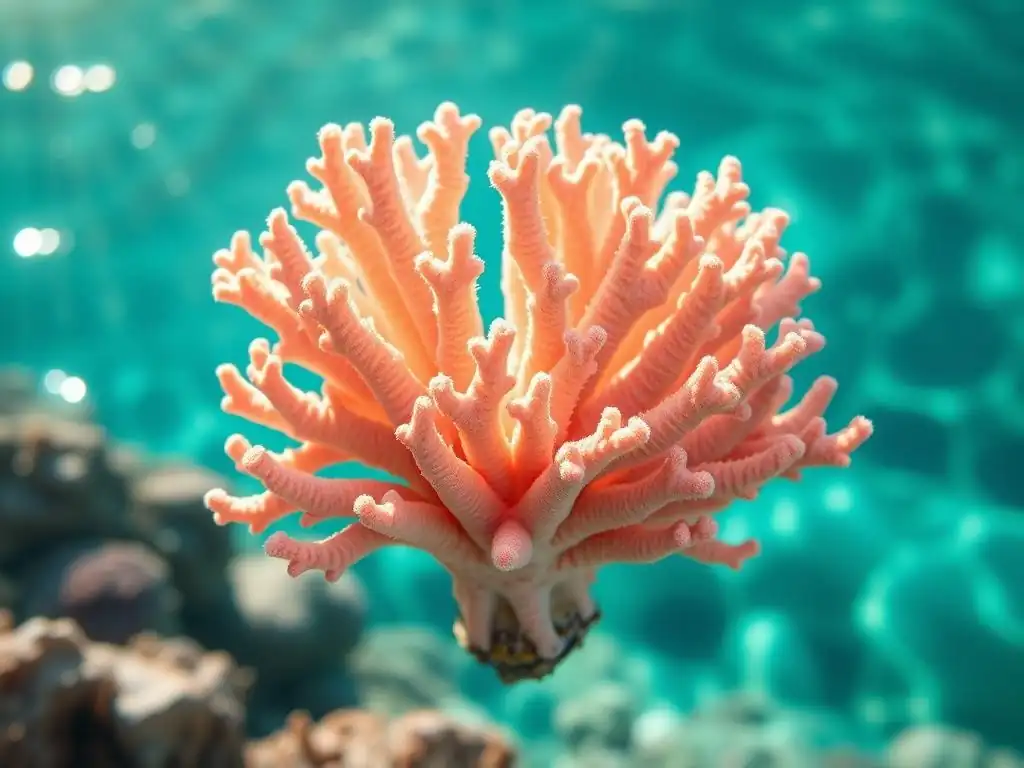
The most effective strategy for preventing future Acropora coral color loss is a proactive and consistent approach to water quality management. This goes beyond simply reacting to problems; it involves establishing a stable environment where parameters are consistently optimal, minimizing stress on the corals. Regular maintenance is key, including routine water changes (e.g., 10% weekly or 20% bi-weekly) to replenish trace elements and dilute accumulating nitrates and phosphates.
Furthermore, implementing robust filtration methods like a well-sized protein skimmer, a refugium with macroalgae, and granular ferric oxide (GFO) or biopellet reactors can help export nutrients before they become problematic. For example, a protein skimmer rated for 2-3 times your tank volume can remove significant amounts of organic waste, preventing it from breaking down into nitrates and phosphates. By maintaining stable parameters within the ideal ranges—salinity at 1.025-1.026, alkalinity 7.5-8.5 dKH, calcium 400-450 ppm, magnesium 1250-1350 ppm, nitrates below 10 ppm, and phosphates below 0.05 ppm—you create a resilient environment that helps prevent Acropora color loss.
Regular Observation and Early Intervention
Consistent, daily observation of your Acropora corals is a powerful preventative tool. Aquarists who regularly spend time observing their tank can spot subtle changes in coral appearance or behavior long before they become critical. This early detection allows for immediate, minor interventions rather than drastic, stressful rescues. For instance, noticing a slight paling on a coral's tip might prompt an alkalinity test, revealing a minor dip that can be corrected before it leads to widespread bleaching.
Maintaining a reef log to record water parameters, dosing amounts, and any observations about coral health can be incredibly beneficial. This historical data allows you to identify trends and correlate changes in coral appearance with specific environmental shifts. For example, if a coral consistently pales after a new batch of RO/DI water, it might indicate an issue with your water purification system. Early intervention, even for seemingly minor issues, significantly reduces the likelihood of severe Acropora color loss and ensures the long-term vitality of your corals.
Choosing Healthy Acropora Corals Initially
The health of your Acropora corals begins even before they enter your display tank. Selecting healthy, vibrant specimens from reputable sources is a critical first step in preventing future color loss and disease. A healthy Acropora frag or colony should exhibit:
- Vibrant, uniform coloration: No signs of paling, browning, or bleaching.
- Good polyp extension: Polyps should be visible and extended, not retracted.
- Clean base: The base of the frag or colony should be free of algae, detritus, or tissue recession.
- No visible pests: Inspect carefully for AEFW, nudibranchs, or other unwanted hitchhikers.
- Good skeleton integrity: No brittle or crumbling areas.
Avoid purchasing corals that appear stressed, are losing tissue, or are housed in tanks with visible signs of disease or pest infestations. While it might be tempting to "rescue" a struggling coral, introducing it to your established system can jeopardize your entire tank. Prioritizing healthy specimens, coupled with a robust quarantine protocol for all new arrivals, significantly reduces the risk of introducing problems that could lead to future Acropora color loss and ensures a thriving, resilient reef aquarium.
Conclusion: Ensuring a Thriving Reef Aquarium for Acropora Corals.
Frequently Asked Questions
How can I tell if my mushroom coral is stressed?
A stressed mushroom coral may exhibit reduced inflation, color fading, or tissue recession. These are often the first indicators that something is amiss within the aquarium environment.
What are the most common causes of stress in mushroom corals?
Common stressors include poor water quality, inadequate lighting, and aggressive tank mates. Rapid changes in salinity or temperature can also cause significant stress.
What water parameters are crucial for mushroom coral recovery?
Maintaining stable water parameters is vital. Pay close attention to alkalinity, calcium, and magnesium levels. Ensuring proper salinity and temperature is also essential.
How can I improve the lighting for my mushroom coral?
Mushroom corals generally prefer low to moderate lighting. Experiment with different light intensities and spectrums to find the optimal setting for your specific species.
What steps should I take to help my stressed mushroom coral recover?
First, address any underlying water quality issues. Then, consider moving the coral to a lower-flow area and providing supplemental feeding. Monitor closely for signs of improvement.
Final Reflection: Nurturing Resilience in the Reef
The delicate balance of our marine ecosystems is constantly under threat, and understanding the subtle signs of distress in creatures like mushroom corals is now more crucial than ever. The ability to identify and address the needs of a stressed mushroom coral is not just about saving a single organism, but about contributing to the overall health and resilience of our reefs. This knowledge empowers aquarists and enthusiasts to become active participants in conservation, fostering a deeper connection with the underwater world.
This journey into understanding mushroom coral stress has highlighted the interconnectedness of life and the importance of proactive care. Witnessing the recovery of a seemingly lost coral is a deeply rewarding experience, a testament to the power of knowledge and dedication. It reminds us that even small actions can have a significant impact on the environment. We are tied to the ocean. And when we go back to the sea, whether it is to sail or to watch it, we are going back from whence we came.
- John F. Kennedy. This quote resonates deeply, reminding us of our inherent connection to the ocean and our responsibility to protect it.
Now, armed with the knowledge of how to identify and address stress in mushroom corals, I urge you to become an advocate for their well-being. Reflect on the lessons learned and consider how you can apply them in your own aquariums or even in your daily lives. By understanding the delicate balance of these ecosystems and taking proactive steps to protect them, you can contribute to a brighter, healthier future for our oceans and the incredible creatures that call them home.
Revitalize Your Reef: Give Your Mushroom Coral a Second Chance!
Thank you for diving into the world of mushroom coral care! We hope you've gained valuable insights into recognizing and addressing stress in these fascinating invertebrates. Now, let's put that knowledge into action and help your coral thrive.
Here's how you can make a difference today:
- Prioritize Stability: Conduct a thorough water parameter test and immediately address any imbalances in salinity, pH, or nutrient levels. This is the single most impactful step you can take.
- Explore Natural Remedies: Research gentle, reef-safe additives that can promote coral health and recovery, such as amino acids or specific trace elements, and consider using them cautiously.
- Share Your Story: Join our vibrant community forum and share your experiences, challenges, and successes with rescuing mushroom corals. Your insights could inspire others!
What specific adjustments will you make to your tank parameters this week to create a more stable environment for your mushroom coral?