
Euphyllia Placement: Avoiding Warfare & Maximizing Display Appeal

Welcome to Aquarium Mastery!
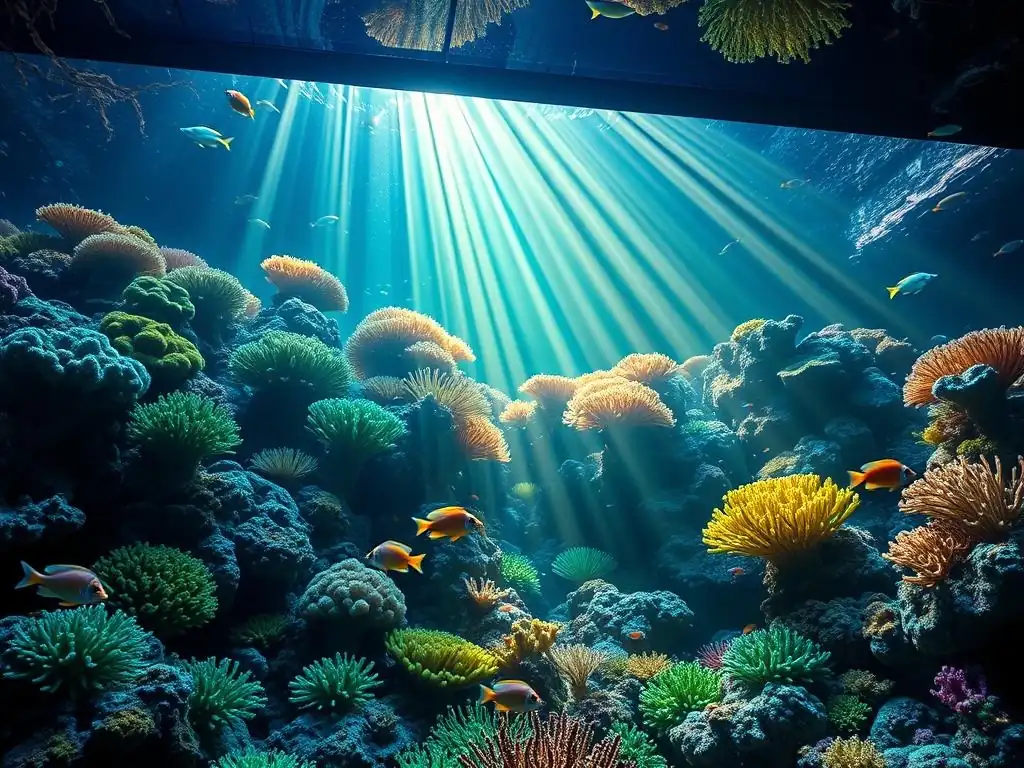
Ever wondered how to achieve a thriving reef tank while avoiding coral warfare? Dive into our Euphyllia coral placement guide and unlock the secrets to maximizing both the health and visual appeal of your LPS coral collection. Learn how to strategically position these stunning corals to prevent stinging battles and create a breathtaking underwater landscape. Ready to discover the key to harmonious coral coexistence? Let's get started!
- Understanding Euphyllia Corals and Their Needs
- Avoiding Coral Warfare: Euphyllia Aggression Explained
- Strategic Euphyllia Coral Placement for Optimal Growth
- Maximizing Display Appeal: Aquascaping with Euphyllia
- Specific Placement Strategies for Popular Euphyllia Species
- Troubleshooting Common Euphyllia Placement Problems
- Advanced Euphyllia Placement Techniques
- Conclusion: Achieving a Thriving and Beautiful Euphyllia Display
-
Frequently Asked Questions
- How close can I place different Euphyllia corals to each other?
- What type of water flow is best for Euphyllia placement?
- What lighting conditions are ideal for Euphyllia corals?
- What substrate is best suited for Euphyllia coral placement?
- How do I know if my Euphyllia coral is not happy with its placement?
- Final Reflection: Cultivating Harmony in the Reef
- Elevate Your Reef: Start Designing Your Dream Euphyllia Garden Today!
Understanding Euphyllia Corals and Their Needs
Introduction to Euphyllia: Torch, Hammer, and Frogspawn Corals
Euphyllia corals, renowned for their vibrant colors and captivating movement, are a staple in many reef aquariums. This genus of Large Polyp Stony (LPS) corals includes popular species such as the Torch coral ( Euphyllia glabrescens ), Hammer coral ( Euphyllia ancora ), and Frogspawn coral ( Euphyllia divisa ).
Each species boasts unique polyp shapes and colors, ranging from neon green and electric blue to various shades of gold and purple, making them highly sought after by aquarists. Their popularity stems not only from their aesthetic appeal but also from their relatively robust nature compared to some other coral types, provided their specific care requirements are met.
These corals are characterized by their large, fleshy polyps that extend from a hard, calcified skeleton. Unlike some SPS (Small Polyp Stony) corals, Euphyllia corals do not typically encrust surfaces but rather form distinct colonies, either branching or wall-like structures. Understanding the inherent characteristics of each Euphyllia species is the first step in mastering their care and ensuring successful Euphyllia coral placement within your reef ecosystem. This foundational knowledge will directly influence the health, growth, and long-term vitality of your prized specimens.
Importance of Proper Euphyllia Coral Placement in Reef Tanks
Proper Euphyllia coral placement is paramount for the long-term health and prosperity of these corals, as well as the overall harmony of your reef tank. Incorrect placement can lead to a host of problems, including tissue recession, stunted growth, and aggressive interactions with neighboring corals. These issues can rapidly escalate, potentially resulting in the loss of valuable corals and significant frustration for the aquarist. A well-thought-out Euphyllia coral placement guide ensures that each colony receives optimal light and flow, crucial factors for their photosynthetic needs and waste removal.
Beyond biological needs, strategic Euphyllia coral placement significantly enhances the aesthetic appeal of your aquarium. By considering the growth patterns, colors, and movement of different Euphyllia species, you can design a visually stunning aquascape that highlights their natural beauty. Effective placement also minimizes the risk of coral warfare, a common issue in mixed reef tanks where corals compete for space and resources. Adhering to best practices for Euphyllia coral placement helps prevent these costly conflicts, creating a stable and thriving environment for all inhabitants.
Euphyllia Coral Care Requirements: Light, Flow, and Water Parameters
Achieving optimal Euphyllia coral placement hinges on a thorough understanding of their fundamental care requirements, particularly concerning light, water flow, and stable water parameters. Euphyllia corals thrive under moderate lighting conditions, typically requiring a Photosynthetically Active Radiation (PAR) range of 75 to 150 µmol/m²/s. While some species, like certain Torch corals, might tolerate slightly higher PAR levels up to 200, excessive light can lead to bleaching and tissue damage. Therefore, placing them in the mid to lower sections of the tank is often ideal, depending on your lighting intensity.
Water flow is equally critical for Euphyllia corals. They prefer moderate, indirect, and turbulent flow that gently sways their polyps without causing them to retract constantly or exposing their skeletons. Insufficient flow can lead to detritus accumulation on the polyps, increasing the risk of infections like Brown Jelly Disease, while overly strong, laminar flow can cause tissue damage and stress.
Furthermore, maintaining stable water parameters is non-negotiable: salinity at 1.025-1.026 specific gravity, alkalinity between 8.0-9.5 dKH, calcium at 400-450 ppm, and magnesium at 1300-1400 ppm. Temperature should remain stable between 75-78°F (24-25.5°C), and nitrates below 10 ppm with phosphates under 0.05 ppm are essential for overall health and vibrant coloration.
Avoiding Coral Warfare: Euphyllia Aggression Explained
The Stinging Power of Euphyllia: Sweeper Tentacles and Allelopathy
Euphyllia corals are renowned for their striking beauty, but they also possess potent defensive mechanisms that make careful Euphyllia coral placement crucial. Their primary weapon against encroaching neighbors is their stinging sweeper tentacles. These specialized tentacles are equipped with cnidocytes, cells containing nematocysts – microscopic harpoons filled with venom.
When another coral or organism comes into contact with these sweepers, the nematocysts fire, injecting toxins that can cause tissue necrosis, bleaching, or even death in susceptible corals. Torch corals, in particular, are infamous for developing exceptionally long and aggressive sweeper tentacles, sometimes extending 12 inches (30 cm) or more, especially at night or when stressed.
Beyond physical stinging, Euphyllia corals engage in a more subtle form of chemical warfare known as allelopathy. This involves the release of biochemical compounds, or secondary metabolites, into the water column. These toxins can inhibit the growth, health, or even kill other corals in the vicinity, even without direct physical contact.
While the exact compounds and their specific effects vary, allelopathy can significantly stress sensitive corals like SPS (Small Polyp Stony) species, leading to reduced polyp extension, faded coloration, and eventual decline. Understanding both the physical and chemical aggression of Euphyllia is fundamental to developing an effective Euphyllia coral placement guide.
Identifying Euphyllia Sweeper Tentacles: What to Look For
Identifying Euphyllia sweeper tentacles is a critical skill for any aquarist aiming for peaceful coral coexistence through proper Euphyllia coral placement. Sweeper tentacles are typically longer and thinner than the coral's regular feeding tentacles, often appearing translucent or slightly different in color.
While the coral's regular tentacles are usually retracted during the day or extend only a few inches, sweeper tentacles can extend dramatically, particularly during the night or when the coral perceives a threat. For instance, a Torch coral's sweeper tentacles might stretch out over 10-12 inches (25-30 cm) or more, actively probing the surrounding water for potential rivals.
To accurately observe these aggressive appendages, it is advisable to inspect your tank after the main lights have gone out, using a dim red or blue flashlight. Under these conditions, Euphyllia corals often extend their sweepers to their maximum length, allowing you to gauge their potential reach. You might notice them slowly swaying, "sweeping" the area around the coral.
Any signs of tissue recession or irritation on nearby corals, even those seemingly out of reach of the main polyps, can be an indicator that a Euphyllia's sweeper tentacles are making contact or that chemical warfare is occurring. Consistent monitoring is key to preventing long-term damage and ensuring optimal Euphyllia coral placement.
Minimum Distance Between Euphyllia and Other Corals: Preventing Chemical Warfare
Establishing a minimum safe distance is perhaps the most crucial aspect of any effective Euphyllia coral placement guide to prevent both physical stinging and insidious chemical warfare. While a general rule of thumb for physical contact avoidance is to allow at least 6-12 inches (15-30 cm) of clearance from other corals, this distance often needs to be extended, especially for highly aggressive species like Torch corals or in tanks with very sensitive corals.
Torch corals, with their notoriously long sweeper tentacles, may require a clearance of up to 12-15 inches (30-38 cm) or more from other species to be truly safe.
However, preventing chemical warfare (allelopathy) requires even more consideration, as toxins can diffuse through the water column regardless of direct contact. While there's no precise "safe" distance for chemical interactions due to varying water flow patterns and coral sensitivities, increasing physical distance also helps dilute the concentration of released toxins.
For instance, placing a Euphyllia on a completely separate rock island, 18-24 inches (45-60 cm) away from an SPS garden, can significantly mitigate the risk of chemical stress. Regular carbon dosing and robust protein skimming can also help remove these harmful compounds, but physical separation remains the primary defense in a comprehensive Euphyllia coral placement guide.
Compatible Coral Tank Mates for Euphyllia: Choosing Peaceful Neighbors
When planning your Euphyllia coral placement, selecting compatible tank mates is essential to maintain a peaceful and thriving reef environment. Generally, other LPS (Large Polyp Stony) corals that are less aggressive or possess their own defensive mechanisms can sometimes coexist with Euphyllia, provided ample space is given. Examples include certain Favia, Blastomussa, and Acan corals, though caution is always advised. It is common to see these corals housed together successfully when separated by at least 6-8 inches (15-20 cm) of open rockwork, allowing for potential sweeper extension.
However, SPS (Small Polyp Stony) corals like Acropora and Montipora are typically highly susceptible to Euphyllia aggression, both physical and chemical. Their delicate polyps and slower recovery rates make them poor neighbors for Euphyllia, even with significant distance. Similarly, many soft corals, such as Zoanthids, Mushrooms, and Leather corals, can also be negatively impacted.
It's important to note that even within the Euphyllia genus, some species can show aggression towards each other (e.g., a Torch coral may sting a Hammer coral), necessitating careful Euphyllia coral placement even in Euphyllia-dominant displays. Observing individual coral behavior and growth patterns is paramount in this "Euphyllia coral placement guide."
Strategic Euphyllia Coral Placement for Optimal Growth
Light Requirements for Euphyllia: PAR and Placement Depth
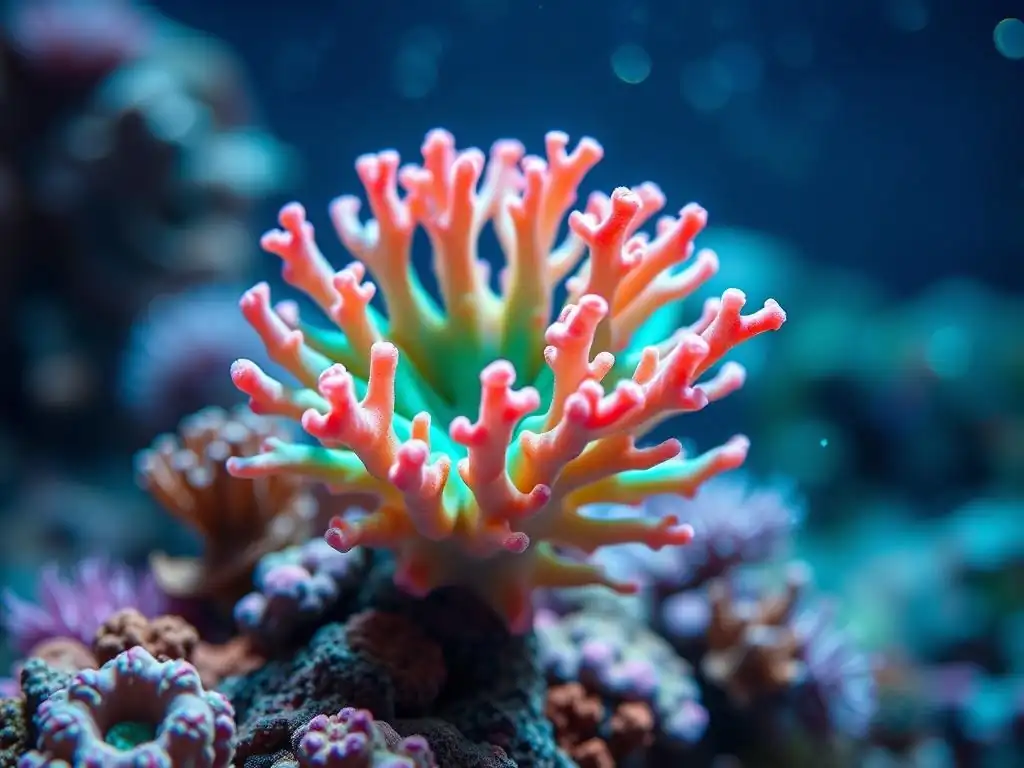
Optimizing light exposure is a cornerstone of successful Euphyllia coral placement, directly influencing their photosynthetic efficiency and vibrant coloration. Euphyllia corals are photosynthetic, meaning they rely on symbiotic zooxanthellae algae within their tissues to convert light energy into food. As previously mentioned, they thrive in moderate light, typically within a PAR (Photosynthetically Active Radiation) range of 75 to 150 µmol/m²/s.
Placing them too high in the tank under intense lighting (e.g., PAR over 200 µmol/m²/s) can lead to bleaching, where the coral expels its zooxanthellae, resulting in a loss of color and potentially starvation. Conversely, too little light (e.g., PAR below 50 µmol/m²/s) can cause the coral to lose color, become dull, and slowly starve due to insufficient energy production.
To achieve ideal PAR levels, Euphyllia corals are often best placed in the mid to lower sections of the aquarium. For instance, in a 24-inch deep tank equipped with modern, high-output LED fixtures, positioning a Euphyllia frag about 12-18 inches (30-45 cm) from the water surface might provide the optimal PAR. However, this is highly dependent on the specific light fixture, its intensity settings, and the tank's depth.
It's recommended to use a PAR meter if possible to accurately measure light levels at various depths. Without a PAR meter, a more conservative Euphyllia coral placement initially, followed by gradual upward adjustment based on the coral's response (polyp extension, color, and lack of bleaching), is a safe approach.
Water Flow for Euphyllia: Finding the Sweet Spot
Finding the "sweet spot" for water flow is another critical aspect of strategic Euphyllia coral placement, directly impacting their health, cleanliness, and polyp extension. Euphyllia corals require moderate, indirect, and turbulent flow. This type of flow ensures that detritus and waste particles are gently swept away from their polyps, preventing accumulation that can lead to tissue irritation, infections like Brown Jelly Disease, and algal growth. Furthermore, proper flow facilitates nutrient exchange, bringing essential elements to the coral and carrying away metabolic byproducts.
Conversely, overly strong or direct laminar flow (a constant, unidirectional stream) can be detrimental. It can cause the coral's polyps to constantly retract, appear "deflated," or even lead to tissue damage as the delicate polyps are battered against the skeleton. Imagine a flag constantly flapping violently in the wind; similarly, continuous harsh flow prevents the polyps from fully extending and feeding effectively.
The ideal flow allows the polyps to sway gently and rhythmically, indicating they are comfortable and receiving adequate water movement without being stressed. This can often be achieved by positioning powerheads to create indirect flow patterns, bouncing water off the back glass or rockwork, or using wavemakers set to random or oscillating modes. Observing your Euphyllia's polyp extension and overall "puffiness" is the best indicator of correct Euphyllia coral placement regarding flow.
Substrate vs. Rockwork Placement for Euphyllia: Pros and Cons
When considering Euphyllia coral placement, aquarists often weigh the benefits and drawbacks of placing them directly on the substrate versus securing them on rockwork. Each method has distinct implications for the coral's health, stability, and aesthetic integration into the aquascape. Placing Euphyllia on the sand bed, especially larger colonies or "wall" Hammers, can provide a stable base and often allows them to be positioned lower in the tank, which can be beneficial for light acclimation in tanks with intense overhead lighting.
This method also makes it easier to reposition them later if needed. However, substrate placement carries the risk of detritus accumulation around the coral's base, which can lead to bacterial infections or brown jelly disease if not regularly siphoned. Sand dwelling invertebrates, like certain snails, can also irritate the coral's polyps if they crawl over them.
Conversely, securing Euphyllia to rockwork elevates the coral, generally providing better water flow around its base and reducing the risk of detritus build-up. This method also allows for more creative aquascaping, enabling the coral to become a focal point higher up in the display, potentially closer to the ideal PAR range for smaller tanks or less intense lighting setups. The main disadvantage is the need for coral glue or epoxy to secure the frag plug or coral itself, which can be a semi-permanent decision.
Once attached, moving the coral without damaging it or the rockwork can be challenging. For new aquarists following a Euphyllia coral placement guide, starting on the substrate or a small, easily movable frag rack can be a good way to test placement before committing to a permanent spot on the rockwork.
Creating a Euphyllia "Garden": Grouping Different Types
Creating a dedicated Euphyllia "garden" can be an incredibly visually striking feature in a reef tank, showcasing the diversity of colors and textures within the genus. However, this advanced Euphyllia coral placement strategy requires meticulous planning and a deep understanding of their aggressive tendencies, even among different Euphyllia species. While it might seem counterintuitive given their stinging capabilities, it is possible to group various Torch, Hammer, and Frogspawn corals together successfully, provided strict separation is maintained. For instance, some aquarists dedicate a specific rock island or a distinct section of their aquascape solely to Euphyllia corals.
The key to a successful Euphyllia garden lies in maintaining adequate physical distance between individual colonies. Even within the Euphyllia genus, a Torch coral ( Euphyllia glabrescens ) can sting a Hammer coral ( Euphyllia ancora ) or a Frogspawn ( Euphyllia divisa ). Therefore, a minimum separation of 3-6 inches (7.5-15 cm) between the closest extended polyps of different Euphyllia colonies is often recommended.
This space helps mitigate the risk of direct physical contact from sweeper tentacles and also aids in diluting any allelopathic compounds released. Regular observation, especially at night when sweepers are most extended, is crucial to catch any potential conflicts early. While challenging, a well-executed Euphyllia coral placement guide for a garden can result in a truly breathtaking display of flowing polyps and vibrant colors.
Maximizing Display Appeal: Aquascaping with Euphyllia
Using Euphyllia as Focal Points in Your Reef Tank
Euphyllia corals, with their captivating movement and often vibrant coloration, are natural candidates for focal points in any reef tank aquascape. Their large, flowing polyps create dynamic visual interest that draws the eye and adds a sense of life to the display. To effectively use Euphyllia as focal points, strategic Euphyllia coral placement is key.
Consider placing a particularly striking specimen, such as a large 'Holy Grail' Torch or a multi-colored Hammer, in a prominent, unobstructed area of your tank, perhaps slightly elevated on a stable rock structure. This allows the coral to receive optimal light and flow while ensuring it is easily visible from common viewing angles.
When designing your aquascape, think about the rule of thirds or golden ratio principles to position your Euphyllia focal points. For example, placing a showpiece Euphyllia colony off-center can create a more balanced and dynamic composition than simply placing it directly in the middle.
Ensure there's enough clear space around the chosen focal point, not just for the Euphyllia's health and aggression management, but also to allow its beauty to be appreciated without visual clutter from other corals. This thoughtful Euphyllia coral placement guide emphasizes creating distinct zones within your tank, with Euphyllia serving as the star attractions that anchor the visual design.
Complementary Colors and Textures: Pairing Euphyllia with Other Corals
Maximizing the display appeal of your Euphyllia corals involves more than just their individual placement; it also includes thoughtfully pairing them with other corals that offer complementary colors and textures. Euphyllia corals typically feature flowing, soft-bodied polyps and often come in shades of green, gold, and various "torch" tips (e.g., yellow, blue, purple).
To create visual contrast and depth, consider placing them near corals with different forms or colors. For instance, a bright green Hammer coral could be placed near a deep red or purple Acan ( Micromussa lordhowensis ) colony, creating a striking color contrast while their distinct textures (flowing vs. chunky polyps) add visual interest.
Alternatively, pairing Euphyllia with more rigid SPS corals like a blue Acropora can highlight the Euphyllia's movement, though extreme caution with spacing is vital due to aggression. When following a Euphyllia coral placement guide for aesthetic purposes, think about the overall color palette of your tank. If you have predominantly green Euphyllia, introduce corals with orange, red, or blue hues elsewhere in the tank to create a vibrant and diverse display. The goal is to build a harmonious aquascape where each coral enhances the beauty of its neighbors, without compromising their health due to proximity.
Enhancing the Flow and Movement of Euphyllia for Visual Impact
The mesmerizing flow and movement of Euphyllia polyps are arguably their most captivating aesthetic quality. Strategic Euphyllia coral placement and careful management of water flow can significantly enhance this visual impact, making your reef tank truly dynamic. As established, Euphyllia prefer moderate, turbulent flow that causes their polyps to sway gently and rhythmically, rather than being violently pushed or remaining static. To achieve this, consider the placement of your powerheads or wavemakers in relation to your Euphyllia colonies.
Instead of directing strong, laminar flow directly at the corals, aim to create indirect, oscillating, or random flow patterns that wash over them. For example, positioning a powerhead to bounce water off the back wall or an opposing rock structure can create a more dispersed and naturalistic flow that encourages full polyp extension and graceful movement.
Some aquarists utilize gyre pumps or multiple smaller powerheads to create complex, multidirectional flow. The constant, gentle undulation of the Euphyllia polyps under optimal flow conditions not only signifies a healthy coral but also adds an unparalleled sense of life and fluidity to your aquascape, making the Euphyllia coral placement guide a visual masterpiece.
Euphyllia Coral Placement Ideas for Different Tank Sizes
The ideal Euphyllia coral placement varies significantly depending on the size of your aquarium, primarily due to space constraints and the need to manage their aggressive tendencies.
For nano tanks (10-30 gallons), space is at a premium, making Euphyllia coral placement particularly challenging. It is often advisable to limit yourself to one or, at most, two smaller Euphyllia frags. These should be placed centrally or on a dedicated small rock island to maximize the distance from any other corals. A single Hammer or Frogspawn frag might be a better choice than a Torch coral due to their generally shorter sweeper tentacles, allowing for a safer "Euphyllia coral placement guide" in limited volumes. Ensure ample clearance from the tank walls to prevent polyps from rubbing.
In mid-sized tanks (40-75 gallons), you have more flexibility. You can typically host a few Euphyllia colonies. Consider creating a distinct "Euphyllia zone" on one side of the tank, perhaps a dedicated rock structure where only Euphyllia corals are placed, maintaining the necessary 6-12 inches (15-30 cm) separation between them and other coral types. This allows for a small Euphyllia garden or a few larger showpiece colonies without overwhelming the aquascape or risking widespread coral warfare.
For large tanks (100+ gallons), the possibilities for Euphyllia coral placement expand considerably. These tanks offer ample room to create true Euphyllia gardens, with multiple species and varieties. You can dedicate entire sections of your aquascape to Euphyllia, allowing generous spacing (12-18 inches or 30-45 cm) between individual colonies and other coral groups. Large tanks also allow for bigger, more established Euphyllia colonies to become impressive focal points, placed higher or lower depending on your lighting and flow strategy. The increased water volume also helps dilute any allelopathic compounds released, further aiding in overall tank harmony.
Specific Placement Strategies for Popular Euphyllia Species
Torch Coral Placement: Maximizing Flow and Avoiding Shading
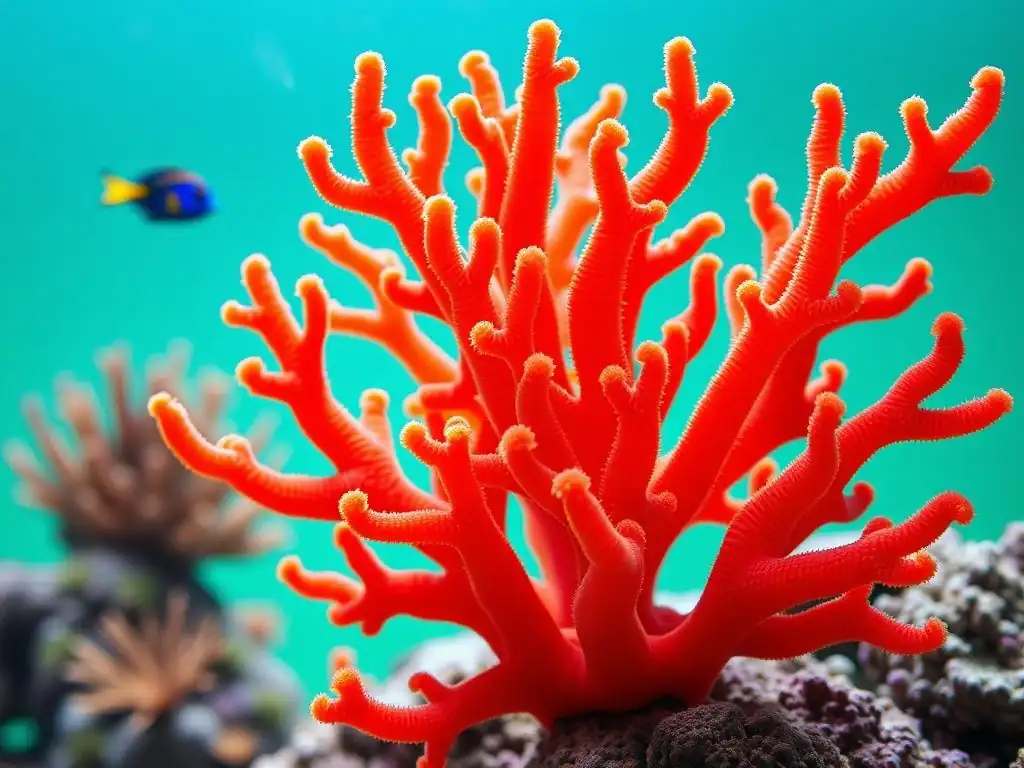
Torch corals ( Euphyllia glabrescens ) are arguably the most popular and visually striking Euphyllia species, but their placement requires particular attention due to their highly aggressive nature and long sweeper tentacles. When planning Torch coral placement, the primary consideration must be maximizing clearance from all other corals.
Their sweeper tentacles can extend up to 12 inches (30 cm) or even more in established colonies, especially during the night or when agitated. Therefore, a minimum of 12-15 inches (30-38 cm) of unobstructed space around a Torch coral is often recommended, making them ideal for corner placements, isolated rock islands, or as the lone LPS coral in a section of the tank.
Beyond aggression, optimal flow is crucial for Torch corals. They thrive in moderate, turbulent flow that gently sways their long polyps without causing them to retract. Direct, strong flow can damage their delicate tissue and prevent full extension. Position them where water movement ensures detritus is cleared from their base but avoids constant, forceful pushing.
Additionally, consider their growth pattern; as they grow, they can cast significant shadows. Place them where they will not shade other light-dependent corals as they expand, ensuring all inhabitants receive adequate PAR. Careful Torch coral placement is vital for both their health and the safety of their tank mates, making it a critical aspect of any Euphyllia coral placement guide.
Hammer Coral Placement: Branching vs. Wall Varieties
Hammer corals ( Euphyllia ancora ) come in two main growth forms: branching and wall (or plate) varieties, each requiring slightly different Euphyllia coral placement considerations. Branching Hammers grow new heads from existing branches, forming a bush-like colony over time. These are typically placed on rockwork, often secured with coral glue or epoxy, allowing them to expand outwards. Their sweeper tentacles are generally shorter than Torch corals, typically extending 6-8 inches (15-20 cm), but still necessitate ample space from other corals. They thrive in moderate flow that gently sways their polyps, similar to other Euphyllia species.
Wall Hammer corals, on the other hand, grow as a single large, solid piece of skeleton with polyps extending from its surface, often resembling a brain. These are best placed directly on the sand bed or on a large, flat piece of rock. Their solid base makes them very stable, and their growth pattern is more horizontal than vertical.
While their sweepers are usually shorter than branching types, they still require a buffer zone of at least 6-8 inches (15-20 cm) around their perimeter to avoid stinging neighbors. For both varieties, ensuring they receive moderate light (PAR 75-150) and indirect flow is paramount for their health and vibrant coloration, solidifying their role in a comprehensive Euphyllia coral placement guide.
Frogspawn Coral Placement: Creating a Dynamic Display
Frogspawn corals ( Euphyllia divisa ) are another highly popular Euphyllia species, known for their unique, bubbly polyps that resemble frog eggs, hence their name. Like their Torch and Hammer cousins, Frogspawn corals require careful Euphyllia coral placement to thrive and coexist peacefully in a mixed reef. While generally considered slightly less aggressive than Torch corals, their sweeper tentacles can still extend significantly, often 6-8 inches (15-20 cm), necessitating a similar buffer zone around them to prevent stinging other corals.
Frogspawn corals are excellent choices for creating a dynamic and full display due to their often multi-branched growth habit. As they grow, they can form large, impressive colonies that fill a significant volume of space with their flowing polyps. They prefer moderate, turbulent water flow that allows their polyps to fully inflate and sway gently, which enhances their visual appeal.
Placement in the mid-to-lower sections of the tank, receiving moderate PAR (75-150 µmol/m²/s), is typically ideal. When designing your aquascape, consider placing Frogspawn where their unique texture and movement can be fully appreciated, perhaps as a centerpiece or at the end of a rock island, ensuring adequate space for their expansion and sweeper activity. This thoughtful Euphyllia coral placement guide helps cultivate a vibrant and interactive reef environment.
Troubleshooting Common Euphyllia Placement Problems
Euphyllia Recession: Identifying and Addressing Poor Placement
Tissue recession in Euphyllia corals is a concerning symptom that often points to underlying stress, with poor Euphyllia coral placement being a frequent culprit. When a Euphyllia coral experiences recession, its fleshy polyps begin to shrink, pull back from the skeleton, and may expose parts of the stony structure.
This can manifest as a gradual decline in "puffiness," loss of vibrant color, or visible areas where the tissue appears to be dissolving or pulling away. Common causes directly related to placement include too much or too little light (leading to bleaching or starvation, respectively), inadequate or excessive water flow causing constant stress, or aggression from neighboring corals (either physical stinging or chemical warfare).
To address Euphyllia recession, a systematic review of its current Euphyllia coral placement is essential. First, assess light levels: if polyps are bleached or very pale, move the coral to a lower PAR area; if dull or shrunken, consider a slightly brighter spot. Second, evaluate water flow: ensure the polyps are swaying gently and not constantly retracted or battered. Adjust powerhead direction if needed.
Third, inspect for signs of aggression: look for white patches or burnt areas on the tissue, indicative of stings from nearby corals. If found, immediately relocate the Euphyllia or the offending neighbor to provide ample space. Finally, confirm all water parameters (alkalinity, calcium, magnesium, nitrates, phosphates) are stable and within optimal ranges, as fluctuations can compound placement stress. Prompt action is crucial for recovery.
Brown Jelly Disease (BJD) is a highly destructive and rapidly progressing infection that can devastate Euphyllia corals, and it is frequently triggered by stress stemming from improper Euphyllia coral placement or poor water quality. This bacterial infection manifests as a brown, slimy, jelly-like goo covering parts of the coral's tissue, often accompanied by rapid tissue necrosis.
The affected area quickly expands, consuming healthy tissue within hours if left unchecked. Stressors such as direct physical irritation from sand or other corals, insufficient water flow leading to detritus accumulation, or wildly fluctuating water parameters can weaken the coral's defenses, making it susceptible to BJD.
Preventing Brown Jelly Disease starts with optimal Euphyllia coral placement that minimizes stress. Ensure adequate spacing from aggressive neighbors, provide moderate and turbulent flow to keep the polyps clean, and maintain stable water parameters. If BJD is identified, immediate intervention is critical. The most effective treatment involves removing the affected coral from the main display and performing a coral dip, typically with an iodine-based solution (e.g., Lugol's iodine) or a commercial coral dip, following manufacturer instructions.
Physically siphoning off the brown jelly before dipping can also help. In severe cases, fragging the healthy portions of the coral away from the infected areas might be the only way to save parts of the colony. This aggressive approach, combined with a thorough review of the Euphyllia coral placement guide and water quality, is essential for combating BJD.
Algae Growth on Euphyllia: Maintaining Proper Water Parameters and Flow
Algae growth on Euphyllia corals, while not as immediately life-threatening as Brown Jelly Disease, is a common problem that indicates underlying issues related to water quality, flow, or Euphyllia coral placement. If you observe green or brown filamentous algae, or even dinoflagellates, beginning to colonize the coral's skeleton or even encroaching onto its polyps, it's a clear sign that conditions are not optimal. The primary causes are elevated nutrient levels (high nitrates and phosphates) in the water column and/or insufficient water flow around the coral, which allows detritus and uneaten food to settle and fuel algal growth.
To combat algae growth on Euphyllia, a multi-pronged approach is necessary, starting with a review of your Euphyllia coral placement. First, ensure the coral is receiving adequate, turbulent flow that gently sweeps away any settling particles. If the flow is too low, detritus will accumulate, providing a substrate for algae. Second, address nutrient levels: perform regular water changes, ensure your protein skimmer is operating efficiently, and consider adding phosphate-removing media (GFO) or nitrate-reducing bacteria.
Third, assess your feeding regimen to ensure you're not overfeeding your fish or corals. Finally, consider introducing a cleanup crew member, such as a Turbo snail or Emerald crab, that specifically targets nuisance algae, though they should be monitored to ensure they don't irritate the coral itself. Maintaining pristine water quality and optimal flow through careful Euphyllia coral placement are key to preventing and resolving algal issues.
Advanced Euphyllia Placement Techniques
Fragging and Propagation: Expanding Your Euphyllia Collection
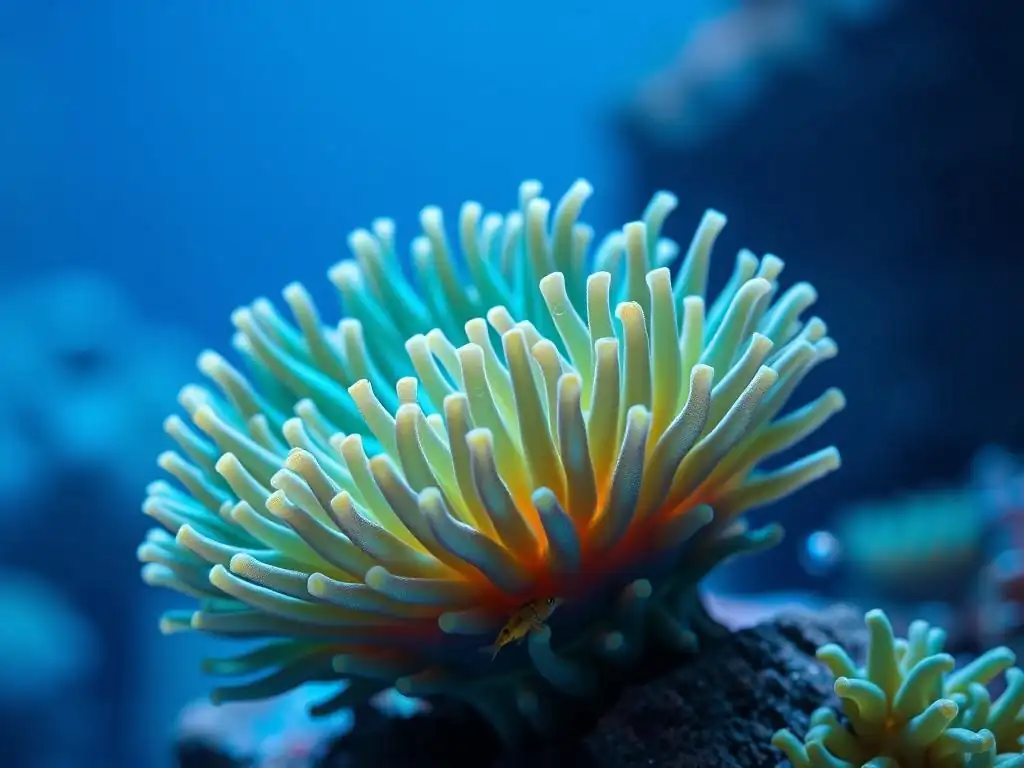
Fragging and propagation are advanced techniques that allow aquarists to expand their Euphyllia collection, manage colony size, or even save a coral from localized disease. Euphyllia corals are relatively easy to frag compared to many SPS species, as their skeleton is often less dense and has natural separation points. The process involves carefully cutting the stony skeleton between polyps or branches using specialized bone cutters or a Dremel tool with a diamond-coated blade.
This method allows you to create new, smaller colonies from a larger mother colony. For instance, a large branching Hammer coral can be divided into multiple small frags, each with one or more polyps, which can then be grown out into new colonies.
Once a frag is cut, it typically needs to be securely attached to a frag plug or a small piece of live rock using coral glue (cyanoacrylate gel) or marine epoxy. This secure attachment is crucial for the frag's stability and health during its initial healing and growth phase.
Proper Euphyllia coral placement for newly fragged pieces is often in a lower flow, lower light area of the tank to reduce stress during recovery, before gradually moving them to their permanent, optimal location. Fragging not only provides a sustainable way to acquire more corals but also allows for targeted removal of diseased or damaged sections, potentially saving the rest of the colony.
Using Coral Glue and Epoxy for Secure Placement
For permanent and secure Euphyllia coral placement on rockwork, aquarists commonly employ coral glue (cyanoacrylate gel) and marine epoxy. These adhesives provide a stable foundation, preventing corals from falling, being dislodged by strong currents, or being bumped by tank inhabitants, which can cause significant stress or damage. Coral glue, typically a thick gel, is excellent for attaching frag plugs to rockwork or for smaller, lighter frags directly onto a stable surface.
It dries quickly upon contact with water, forming a strong bond within minutes. To use, apply a generous bead of glue to the frag plug or coral base, then firmly press it onto the desired spot on the rockwork for 30-60 seconds until it holds.
For larger, heavier Euphyllia colonies or for creating a more robust, long-lasting bond, two-part marine epoxy is often preferred. This putty-like adhesive is mixed by hand until the two components are thoroughly combined, creating a pliable substance that hardens underwater. Epoxy allows you to mold a custom base for the coral, providing greater stability and filling irregular gaps between the coral and the rock.
While it takes longer to cure than glue (several hours to fully harden), it offers superior strength for substantial Euphyllia coral placement. Some aquarists combine both: using epoxy for structural support and a dab of glue for immediate tackiness. Always ensure your hands are clean and dry when working with these adhesives to avoid introducing contaminants into the tank.
Acclimation and Placement of New Euphyllia Frags
The successful acclimation and initial Euphyllia coral placement of new frags are critical steps that often determine their long-term health and survival in your reef tank. When bringing a new Euphyllia home, it's essential to acclimate it slowly to your aquarium's water parameters, particularly salinity and temperature. A common method is drip acclimation, where water from your display tank is slowly dripped into the container holding the new coral over 30-60 minutes, gradually adjusting it to your tank's specific gravity and temperature. This minimizes osmotic shock, which can severely stress the coral.
Before introducing the frag to your display tank, many aquarists recommend performing a coral dip using an iodine-based solution or a commercial coral dip. This helps to eliminate any unwanted pests, parasites, or harmful bacteria that may have hitched a ride on the new coral. After dipping and rinsing, the initial Euphyllia coral placement should be in a lower-light, lower-flow area of your tank.
This "quarantine" or "acclimation" spot allows the coral to recover from the stress of shipping and adjust to your tank's specific lighting and flow conditions without being overwhelmed. Over the course of several days to a week, or as the coral shows signs of full polyp extension and stability, it can then be gradually moved to its permanent, optimal Euphyllia coral placement location within your aquascape, following all the guidelines for light, flow, and aggression management. Patience and observation during this period are key.
Conclusion: Achieving a Thriving and Beautiful Euphyllia Display
Achieving a thriving and beautiful Euphyllia display is a rewarding endeavor that culminates from diligent application of strategic Euphyllia coral placement principles. The journey begins with understanding the inherent needs of these captivating LPS corals, from their moderate light and flow requirements to the critical importance of stable water parameters.
Mastering the art of avoiding coral warfare, by recognizing the potent threat of sweeper tentacles and allelopathy, is paramount for the peaceful coexistence of all reef inhabitants. This involves not only providing ample physical distance, often 6-12 inches (15-30 cm) or more for aggressive species like Torch corals, but also considering the subtle chemical interactions that demand careful spacing.
Strategic Euphyllia coral placement is foundational, ensuring each colony receives optimal PAR and turbulent, indirect flow that encourages full polyp extension and health. Whether you choose to place them on the substrate or securely on rockwork, or even embark on creating a dedicated Euphyllia garden, thoughtful planning is essential. Beyond survival, maximizing display appeal involves using Euphyllia as stunning focal points, complementing them with other corals for color and texture, and enhancing their natural movement.
By troubleshooting common issues like recession or algae growth through careful re-evaluation of placement and parameters, and by employing advanced techniques for fragging and acclimation, aquarists can cultivate a vibrant and dynamic Euphyllia ecosystem. Ultimately, a well-executed Euphyllia coral placement guide is the blueprint for a healthy, breathtaking, and enduring reef aquarium.
Frequently Asked Questions
How close can I place different Euphyllia corals to each other?
Euphyllia corals are known for their aggressive stinging tentacles. The general rule is to maintain a minimum of 6-8 inches between different species to prevent warfare. Consider water flow as well, which can carry stinging cells.
What type of water flow is best for Euphyllia placement?
Euphyllia corals prefer moderate, indirect water flow. Too much flow can damage their delicate tissues, while too little can lead to detritus buildup and poor health. Aim for gentle swaying of the tentacles.
What lighting conditions are ideal for Euphyllia corals?
Euphyllia corals thrive under moderate lighting. While some species can adapt to higher intensity, it's crucial to acclimate them slowly to avoid bleaching. Monitor their color as an indicator of lighting suitability.
What substrate is best suited for Euphyllia coral placement?
While Euphyllia corals can sometimes be placed directly on the substrate, it is generally recommended to mount them on a rock or a frag plug. This elevates them, improving water flow and visibility.
How do I know if my Euphyllia coral is not happy with its placement?
Signs of stress include receding tissue, lack of polyp extension, and changes in color (bleaching or browning). If you observe these, consider adjusting the lighting, flow, or overall placement of the coral.
Final Reflection: Cultivating Harmony in the Reef
The principles of strategic Euphyllia placement, as explored in this guide, extend far beyond the confines of a saltwater aquarium; they represent a microcosm of the delicate balance required for any thriving ecosystem. Understanding the nuances of coral aggression and environmental needs is not merely about aesthetic appeal, but about fostering a sustainable and harmonious environment. This understanding is increasingly crucial as we grapple with the larger challenges of preserving our planet's fragile ecosystems.
The art of aquascaping with Euphyllia, and indeed with any living organism, is a constant reminder of our responsibility as stewards of life. My own experience with reef keeping has taught me the profound interconnectedness of all living things, and the importance of mindful intervention. In the end, we will conserve only what we love; we will love only what we understand; and we will understand only what we are taught.
- Baba Dioum. This quote perfectly encapsulates the journey from novice aquarist to responsible reef keeper, a journey fueled by knowledge and respect.
Now, armed with the knowledge of Euphyllia placement, I urge you to reflect on the broader implications of creating balanced environments. Consider how you can apply these principles of mindful coexistence in your own life, whether it's in your garden, your community, or your approach to the natural world. Embrace the challenge of fostering harmony, and discover the beauty and resilience that emerges when we prioritize understanding and respect in all our interactions.
Elevate Your Reef: Start Designing Your Dream Euphyllia Garden Today!
Thanks for diving into the world of Euphyllia with us! We hope you've gained some valuable insights into creating a peaceful and visually stunning reef. Now it's time to put that knowledge into action and bring your reef dreams to life.
Here are a few things you can do right now:
- Boldly rearrange your Euphyllia! Assess current placement based on our tips to prevent aggression and maximize your tank's beauty.
- Explore new Euphyllia varieties! Research the unique characteristics of different types like Torch, Hammer, and Frogspawn to diversify your collection.
- Share your experiences! Post a photo of your Euphyllia arrangement on social media using #AquariumMasteryEuphyllia and inspire others.
What's one small change you can make this week to improve your Euphyllia display and ensure a harmonious reef environment?