
Algae in Shrimp Tanks: Friend or Foe? Management and Utilization Strategies

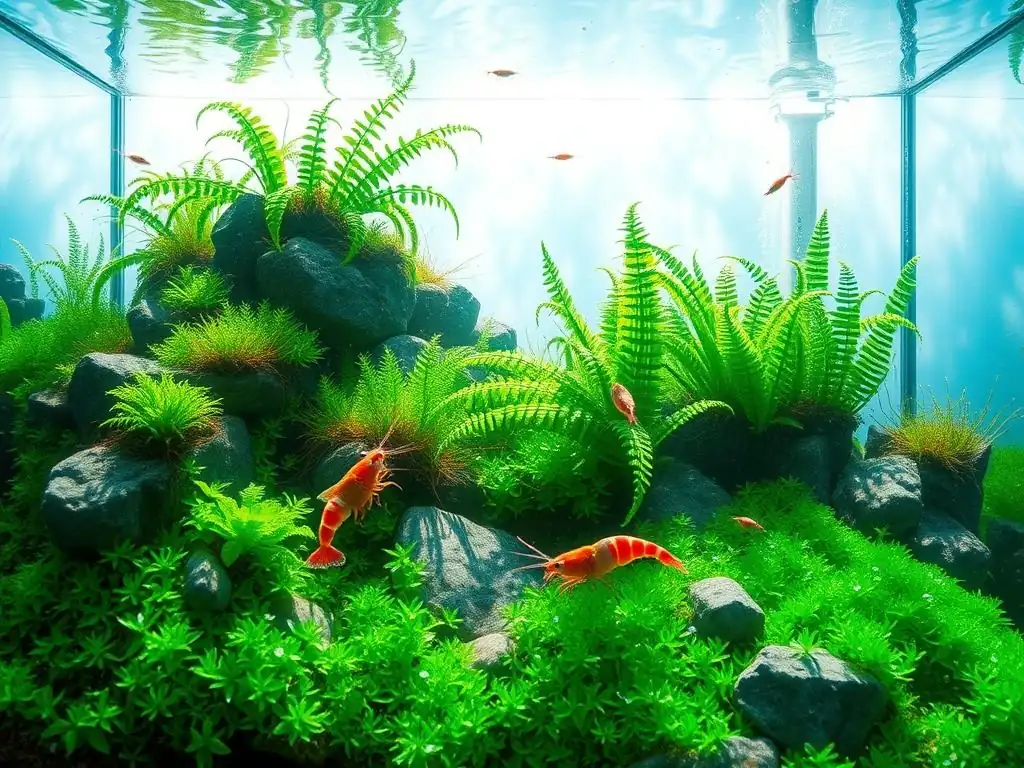
Welcome to Aquarium Mastery!
Ever wondered if that green fuzz in your shrimp tank is a problem or a potential snack bar? Dive into our comprehensive guide on shrimp tank algae control and discover the secrets to managing and even utilizing algae to create a thriving ecosystem for your tiny aquatic friends. Curious to learn more? Let's explore the fascinating world of algae and its role in your invertebrate haven!
- Understanding Algae in Shrimp Tanks: A Balanced Perspective
- Algae as a Food Source for Shrimp: Nutritional Value and Considerations
- Shrimp Tank Algae Control: Effective Management Strategies
- Preventing Algae Blooms: Proactive Measures
- Utilizing Algae for a Thriving Shrimp Ecosystem
- Troubleshooting Algae Issues: A Step-by-Step Guide
- Conclusion: Achieving a Balance Between Algae and a Healthy Shrimp Tank Environment
-
Frequently Asked Questions
- How can I tell if algae is beneficial or harmful in my shrimp tank?
- What are some natural methods for controlling algae growth in a shrimp tank?
- What water parameters are most important to monitor for algae control?
- Can I use algaecides in a shrimp tank?
- What should I do if I have a severe algae outbreak in my shrimp tank?
- Final Reflection: Embracing the Green in Our Miniature Worlds
- Uncover the Power of Algae!
Understanding Algae in Shrimp Tanks: A Balanced Perspective
The Dual Nature of Algae: Benefits and Drawbacks for Shrimp
Algae in a shrimp tank present a fascinating dichotomy, often being both a natural, beneficial component of the ecosystem and a potential nuisance. For many dwarf shrimp species, particularly Neocaridina and Caridina, algae serve as a primary and essential food source. These tiny crustaceans are constant grazers, sifting through surfaces to consume the microscopic algae and biofilm that naturally develop. This continuous grazing provides them with vital nutrients, enzymes, and roughage crucial for digestion and overall health, contributing to vibrant coloration and successful breeding.
However, the proliferation of certain algae types can quickly shift from beneficial to detrimental. Excessive algae growth can become an aesthetic issue, obscuring views and making the tank appear unkempt. More critically, dense algae blooms can outcompete desirable aquatic plants for essential nutrients like nitrates and phosphates, hindering plant growth and potentially leading to their decline. Furthermore, during periods of darkness, large masses of algae consume oxygen, which can dangerously deplete dissolved oxygen levels in the water, posing a significant threat to shrimp, especially in heavily stocked or smaller tanks.
Identifying Common Types of Algae Found in Shrimp Aquariums
Aquarists will encounter several common types of algae in their shrimp tanks, each with distinct appearances, causes, and control methods. Understanding these differences is the first step in effective shrimp tank algae control. While some are harmless or even beneficial, others signal underlying imbalances in the aquarium environment.
The ability to accurately identify these different forms of algae is paramount for implementing targeted and effective management strategies. Misidentification can lead to inappropriate treatments that may stress shrimp or fail to resolve the underlying issue. This section will detail the most frequently observed algae types and their characteristics.
Green Spot Algae: Causes and Control
Green spot algae manifest as small, hard, circular green dots, typically found adhering stubbornly to aquarium glass, slow-growing plant leaves (like Anubias or Java Fern), and tank decorations. They are particularly resilient and difficult to remove manually, often requiring a razor blade or a dedicated algae scraper for effective eradication from glass surfaces.
The primary culprits behind green spot algae outbreaks are usually high light intensity combined with low levels of phosphates. In a well-lit tank where plants might be absorbing available phosphates, or if the water source naturally lacks sufficient phosphates, these algae can thrive. Reducing light intensity or duration (e.g., from 10 hours to 6-8 hours daily) can help, as can ensuring adequate phosphate levels, although care must be taken not to induce other algae types by over-fertilizing.
Hair Algae: Managing Overgrowth
Hair algae, as their name suggests, appear as long, fine, green strands that can grow quite rapidly, forming unsightly tufts or mats that resemble tangled hair. They can attach to almost any surface, including plants, driftwood, and substrate, often waving gently in the current. This type of algae is particularly frustrating for aquarists due to its rapid growth and invasive nature.
An overabundance of nutrients, such as nitrates and phosphates, coupled with high light intensity or inconsistent CO2 levels (in planted tanks), are common triggers for hair algae blooms. Overfeeding shrimp, infrequent water changes, or insufficient plant mass to absorb excess nutrients can all contribute to its proliferation. Manual removal using a toothbrush or by twirling it around a stick can be effective for localized outbreaks, while addressing the underlying nutrient imbalance is crucial for long-term shrimp tank algae control.
Brown Algae (Diatoms): Causes and Handling
Brown algae, scientifically known as diatoms, typically appear as a brownish, dusty film that coats tank surfaces, including glass, substrate, plants, and decorations. They are especially common in newly established aquariums, often appearing within the first few weeks of setup and usually receding naturally as the tank matures. This "new tank syndrome" algae is a sign of an immature biological filter.
The primary cause of brown algae is the presence of silicates in the water, which are often found in tap water or leached from certain substrates. As the tank's beneficial bacteria colony establishes and consumes available silicates, diatoms generally diminish. While they are unsightly, they are generally harmless to shrimp and can even be a valuable food source. Manual wiping with a soft cloth or sponge is effective, and introducing algae-eating snails like Nerite snails can significantly aid in their removal.
Blue-Green Algae (Cyanobacteria): Identification and Risks
Blue-green algae, or cyanobacteria, are not true algae but rather photosynthetic bacteria. They form a slimy, dark green to black mat that spreads rapidly across the substrate, plants, and decorations, often emitting a distinct musty or earthy odor. Unlike true algae, they are easily peeled off surfaces in sheets.
Cyanobacteria outbreaks are typically indicative of poor water circulation, high organic waste, and often an imbalance in nutrient ratios, particularly very low nitrate levels relative to phosphates. They thrive in stagnant areas and can be problematic because some strains produce toxins harmful to aquatic life if consumed in large quantities. Effective shrimp tank algae control for cyanobacteria involves manual removal, increasing water circulation, performing large water changes, and potentially implementing a multi-day blackout period (e.g., 3-5 days without light) to starve them. Addressing the underlying nutrient imbalance is critical for preventing recurrence.
Algae as a Food Source for Shrimp: Nutritional Value and Considerations
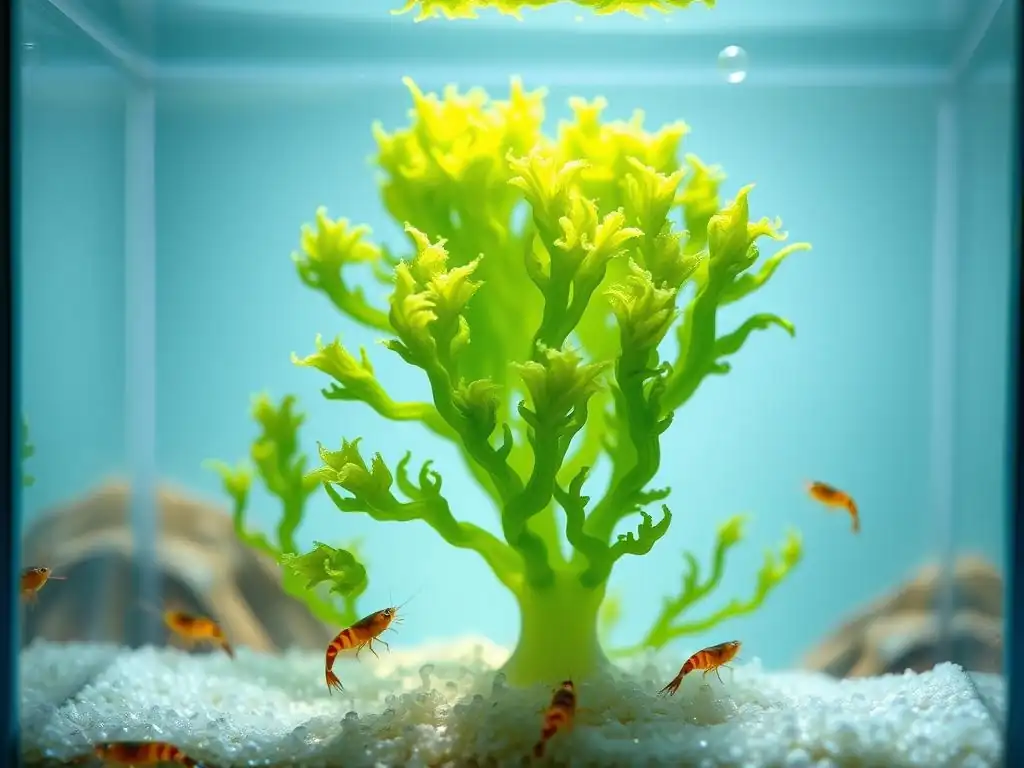
Which Algae Types are Beneficial for Shrimp Grazing?
For most freshwater dwarf shrimp, the presence of certain types of algae and the accompanying biofilm is not just beneficial but fundamental to their diet and well-being. Brown algae (diatoms) and various forms of green film algae are highly prized by shrimp. These soft, easily digestible growths provide a continuous source of nutrition, including essential proteins, fats, vitamins, and minerals that are often scarce in processed shrimp foods.
Shrimp spend the majority of their day meticulously grazing on these surfaces, using their specialized mouthparts to scrape off the microscopic layers. This natural foraging behavior mimics their wild diet and contributes significantly to their overall health, promoting stronger exoskeletons and more vibrant coloration.
However, not all algae are created equal in terms of their palatability or nutritional value for shrimp. While shrimp will attempt to graze on a variety of growths, tougher algae types like mature hair algae or string algae are generally too fibrous and difficult for them to consume effectively.
Similarly, blue-green algae (cyanobacteria) should be viewed with caution; while shrimp might graze on it, some strains can produce toxins, and it's generally best to remove it promptly rather than rely on shrimp for its control. The ideal algae for shrimp are the soft, thin films that naturally develop on hard surfaces and plant leaves, providing a constant, low-level food source.
Supplementing Shrimp Diet with Algae: A Natural Approach
While naturally occurring algae and biofilm form a cornerstone of a shrimp's diet, supplementing their nutrition with controlled sources of algae can further enhance their health and ensure a balanced intake. Many commercially available shrimp foods incorporate spirulina or other algae as primary ingredients, recognizing their nutritional benefits. These processed foods are designed to provide a comprehensive diet, but a more natural approach can also be integrated into shrimp tank algae control strategies.
One effective method involves introducing blanched vegetables like zucchini slices, spinach, or kale leaves into the tank. While not algae themselves, these vegetables quickly develop a biofilm layer that shrimp readily graze upon, providing a similar texture and foraging experience to natural algae. Dedicated algae wafers, often rich in spirulina, can also be offered periodically.
These supplements ensure that shrimp receive a consistent supply of plant-based nutrients, which is especially important in very clean tanks where natural algae growth might be minimal. This method not only provides food but also encourages natural grazing behaviors, contributing to a more active and healthy shrimp population.
Shrimp Tank Algae Control: Effective Management Strategies
Maintaining Optimal Water Parameters for Algae Control
Consistent and stable water parameters are foundational to effective shrimp tank algae control. Fluctuations in pH, GH (general hardness), KH (carbonate hardness), and temperature can stress both shrimp and aquatic plants. Stressed plants become weak and are less capable of outcompeting algae for available nutrients, creating an environment where algae can thrive. For instance, Neocaridina shrimp generally prefer a pH range of 6.5-7.5, GH 6-8, and KH 3-5, with temperatures between 68-78°F (20-25.5°C). Maintaining these ranges consistently promotes robust plant growth, which naturally suppresses algae.
Regular water testing is crucial to monitor these parameters and identify any deviations before they lead to algae outbreaks. Weekly testing for nitrates and phosphates, in addition to pH and hardness, allows aquarists to make timely adjustments. Keeping nitrate levels relatively low, typically between 5-15 ppm for planted shrimp tanks, helps to limit a key nutrient source for many algae types. A healthy, stable environment minimizes the need for aggressive algae removal, making it a proactive approach to shrimp tank algae control.
The Role of Lighting in Algae Growth: Adjusting Light Cycles
Lighting is one of the most significant factors influencing algae growth in an aquarium. Excessive light intensity or duration provides algae with ample energy for photosynthesis, leading to rapid proliferation. Many aquarists, especially those new to the hobby, tend to leave their aquarium lights on for too long, inadvertently fueling algae blooms.
To effectively manage algae, it is often necessary to reduce the light duration to a maximum of 6-8 hours per day for planted tanks, and even less (4-6 hours) for tanks with minimal live plants. Using an automated timer ensures consistency, preventing erratic light schedules that can also stress tank inhabitants. Additionally, adjusting the light intensity, if your fixture allows, can significantly curb algae growth. High-power lights suitable for demanding plant species might be overkill for a shrimp-focused tank with low-light plants, leading directly to algae problems. Proper light management is a cornerstone of effective shrimp tank algae control.
Controlling Nutrients: Balancing Fertilization
Algae require nutrients, primarily nitrates and phosphates, to grow. An overabundance of these nutrients in the water column, often resulting from overfeeding, decaying organic matter, or excessive fertilization, provides an ideal environment for algae blooms. While plants also require these nutrients, an imbalance can tip the scales in favor of algae.
For effective shrimp tank algae control, it's essential to strike a balance in nutrient levels. Regularly testing for nitrates and phosphates allows aquarists to monitor nutrient concentrations. In planted tanks, careful fertilization is key; ensure that plants are actively growing and absorbing nutrients, rather than allowing them to accumulate in the water.
For example, if nitrates consistently read above 20 ppm in a shrimp tank, it suggests either overfeeding, insufficient plant mass, or inadequate water changes. Reducing feeding, increasing the frequency or volume of water changes, and ensuring a healthy plant population are all critical steps in managing nutrient levels and preventing algae.
Biological Algae Control: Utilizing Algae Eaters
Biological control involves introducing organisms that naturally consume algae, offering a sustainable and chemical-free method of shrimp tank algae control. This approach leverages the natural feeding habits of certain snails and shrimp to keep algae populations in check without harming the primary inhabitants.
When selecting biological controls, it's crucial to choose species that are compatible with dwarf shrimp and will not compete for food or space. The goal is to create a harmonious ecosystem where different species contribute to the tank's cleanliness. This method not only helps manage algae but also adds interesting behaviors to observe within the aquarium.
Introducing Algae-Eating Snails: Nerite Snails and Other Options
Nerite snails (e.g., Zebra, Horned, or Olive Nerites) are among the most highly recommended algae eaters for shrimp tanks due to their voracious appetite for various algae types and their inability to reproduce in freshwater. They are particularly effective at consuming green spot algae, green film algae, and diatoms (brown algae) from glass, rocks, and plant leaves. A single Nerite snail can keep a 10-gallon tank remarkably clean, making them an excellent choice for targeted shrimp tank algae control without the risk of overpopulation.
Other snail species like Ramshorn snails or Bladder snails also consume algae and detritus, but they can reproduce prolifically, potentially leading to an overwhelming population if overfed. While they are safe for shrimp, their rapid breeding might be undesirable for some aquarists. Assassin snails can be introduced to control excessive populations of pest snails, but they do not directly consume algae themselves. For dedicated algae removal without the population explosion, Nerite snails remain a top choice.
The Role of Amano Shrimp in Algae Management
Amano shrimp (Caridina multidentata) are renowned in the aquarium hobby for their exceptional algae-eating capabilities. These larger, robust shrimp are highly effective at consuming a wide range of algae, including stubborn hair algae, thread algae, and even some types of brush algae that other grazers might ignore. Unlike dwarf shrimp, Amano shrimp are not primarily biofilm grazers; they actively seek out and consume larger strands of algae, making them invaluable for shrimp tank algae control.
A group of 3-5 Amano shrimp can significantly reduce algae growth in a 20-gallon aquarium, providing a natural and efficient cleaning crew. They are generally peaceful and compatible with dwarf shrimp, though their larger size means they should be introduced to a tank with established dwarf shrimp to minimize any potential stress during the initial introduction. Amano shrimp require stable water parameters similar to Neocaridina and Caridina species, making them a seamless addition to many freshwater shrimp setups.
Mechanical Algae Removal Techniques
Mechanical algae removal involves physically removing algae from tank surfaces. While it doesn't address the root cause of algae growth, it provides immediate aesthetic improvement and reduces the overall algae biomass, which can help in conjunction with other control methods. This technique is often the first line of defense for unsightly algae.
Regular mechanical removal prevents algae from becoming deeply entrenched and allows other control methods, such as biological cleaners or nutrient management, to be more effective. It is a necessary component of comprehensive shrimp tank algae control.
Safely Scraping Algae from Glass and Decorations
Manually scraping algae from aquarium glass is a straightforward and essential mechanical removal technique. Tools such as magnetic algae cleaners, razor blade scrapers, or even old credit cards can effectively remove green spot algae and film algae from glass surfaces. When using a razor blade, extreme caution is advised to avoid scratching the glass or injuring any shrimp that might be grazing nearby. For acrylic tanks, specialized plastic scrapers are necessary to prevent damage.
Decorations, rocks, and driftwood can be removed from the tank and scrubbed with a dedicated brush (e.g., a toothbrush) under running water to dislodge stubborn algae. It's important to avoid using soaps or detergents, which are toxic to shrimp. Always rinse thoroughly before returning items to the tank. Regular, perhaps weekly or bi-weekly, mechanical cleaning prevents algae from building up to unmanageable levels, making it a key part of shrimp tank algae control.
Regular Water Changes for Algae Reduction
Regular water changes are one of the most fundamental and effective practices for shrimp tank algae control. Performing consistent water changes removes excess nutrients (nitrates, phosphates) that fuel algae growth, as well as suspended algae spores. This dilutes the concentration of algae-promoting substances, making the environment less hospitable for blooms.
A typical recommendation for a shrimp tank is a 20-30% water change weekly or bi-weekly, depending on stocking levels and feeding habits. For example, in a 10-gallon tank with a moderate shrimp population, a 2-3 gallon water change weekly would be appropriate. Always ensure the new water is dechlorinated and temperature-matched to minimize stress on shrimp. Consistent water changes contribute significantly to overall water quality and stability, which in turn suppresses algae and promotes a healthier environment for shrimp.
Chemical Algae Control: Precautions and Alternatives
While chemical algaecides offer a seemingly quick fix for severe algae outbreaks, they should be approached with extreme caution, especially in shrimp tanks. Many chemical treatments contain ingredients that are highly toxic to invertebrates, including shrimp, even at low concentrations. The delicate nature of shrimp makes them particularly susceptible to adverse reactions, which can range from stress and lethargy to molting issues and even death.
Therefore, chemical algae control should generally be considered a last resort and only after all other biological, mechanical, and environmental management strategies have been exhausted. The risks often outweigh the benefits, especially when dealing with a thriving shrimp colony. Prioritizing the health of your shrimp should always take precedence over rapid algae eradication.
When to Consider Chemical Algae Treatments (and When to Avoid Them)
Chemical algae treatments should be avoided in shrimp tanks whenever possible due to the high risk of harming these sensitive invertebrates. The vast majority of algae problems can be resolved through diligent nutrient management, proper lighting, mechanical removal, and the introduction of biological controls. For instance, common green film or hair algae issues almost never warrant chemical intervention in a shrimp tank.
The only scenario where chemical treatment might be cautiously considered is a severe, persistent, and unmanageable outbreak of blue-green algae (cyanobacteria) that poses a direct threat to the tank's ecosystem and cannot be controlled by blackouts, increased circulation, or nutrient adjustments. Even in such rare cases, extreme caution is necessary, and specific shrimp-safe alternatives, if available, should be thoroughly researched. For most common algae types, the potential for shrimp mortality or long-term health issues from chemicals far outweighs the benefit of a clear tank.
Choosing Shrimp-Safe Algaecides: A Guide
The term "shrimp-safe algaecide" is often a misnomer, as very few products can genuinely make this claim without significant caveats. Most traditional algaecides contain copper, which is highly toxic to all invertebrates, including shrimp, even in trace amounts. Therefore, any product containing copper should be strictly avoided in a shrimp tank. Always check the ingredients list carefully before considering any chemical treatment.
Some aquarists have reported limited success with very diluted dosages of liquid carbon supplements (e.g., Seachem Flourish Excel) for controlling certain algae types like Black Beard Algae, as these products can inhibit algae growth by providing a carbon source that algae can't utilize as effectively as plants. However, even these products must be used with extreme caution and reduced dosages in shrimp tanks, as overdosing can lead to oxygen depletion or direct harm to shrimp. The safest approach for shrimp tank algae control remains focused on preventing algae through good husbandry rather than relying on chemical eradication.
Preventing Algae Blooms: Proactive Measures
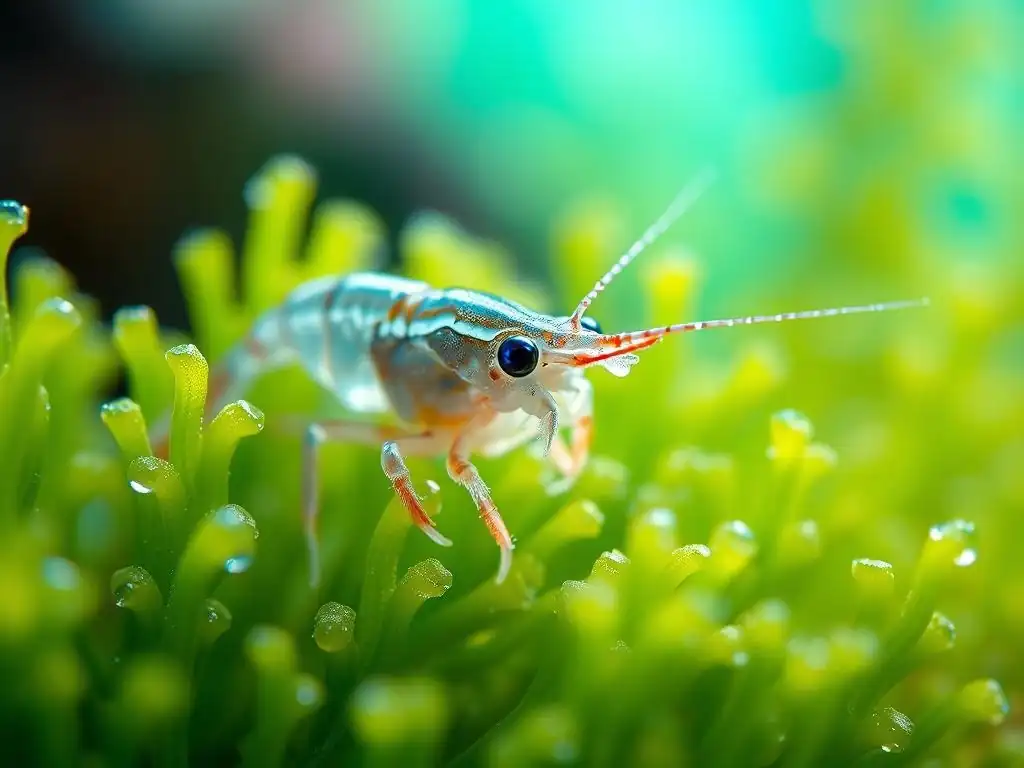
Establishing a Healthy Biological Filter for Nutrient Control
A robust and mature biological filter is perhaps the most critical component in preventing algae blooms in any aquarium, especially a shrimp tank. The beneficial bacteria residing in the filter media are responsible for the nitrogen cycle, converting toxic ammonia and nitrites into less harmful nitrates. A well-established filter efficiently processes organic waste, preventing the accumulation of excess nutrients that algae thrive on.
Allowing your tank to fully cycle before introducing shrimp, typically a 4-6 week process, ensures that the biological filter is mature enough to handle the bioload. Overstocking and overfeeding can overwhelm even a healthy filter, leading to spikes in nutrients and subsequent algae growth. Regular filter maintenance, such as rinsing filter media in old tank water, helps maintain its efficiency without destroying the beneficial bacterial colonies. A balanced biological filter is the first and most effective line of defense in shrimp tank algae control.
Avoiding Overfeeding to Minimize Algae Growth
Overfeeding is one of the most common causes of algae blooms in aquariums. Uneaten food quickly decomposes, releasing a significant amount of nitrates, phosphates, and other organic compounds into the water column. These excess nutrients act as a direct fertilizer for algae, promoting rapid and often unsightly growth. Shrimp, while constant grazers, have very small bioloads, and even a small amount of uneaten food can upset the delicate nutrient balance.
To minimize algae growth, it is crucial to feed shrimp sparingly. Offer only what they can consume within 1-2 hours. For example, a colony of 20 Neocaridina shrimp might only require a single small pellet or a few flakes every other day. Observe your shrimp during feeding times to gauge their consumption rate. Any uneaten food should be promptly removed from the tank after the designated feeding period to prevent decomposition. This simple yet vital practice significantly reduces the nutrient load and is a cornerstone of effective shrimp tank algae control.
Quarantine New Plants to Prevent Algae Introduction
New aquatic plants, while beneficial for a shrimp tank, can inadvertently introduce algae spores or even established algae colonies into your pristine aquarium. Many aquatic nurseries grow plants emersed (above water) or in tanks that may have their own algae issues. Introducing these plants directly into your shrimp tank can quickly lead to widespread algae problems.
To prevent this, it is highly recommended to quarantine new plants for at least 1-2 weeks in a separate container before adding them to the main tank. During this period, you can observe them for any signs of algae or pests. Additionally, performing a plant dip using a very diluted bleach solution (e.g., 1 part bleach to 19 parts water for 1-2 minutes) or a potassium permanganate solution can effectively kill algae spores and pests.
Always rinse plants thoroughly under running water for several minutes after any dip to remove residual chemicals before introducing them to your shrimp tank. This proactive measure is a simple yet effective way to prevent future shrimp tank algae control headaches.
Utilizing Algae for a Thriving Shrimp Ecosystem
Cultivating Beneficial Algae Species in a Separate Container
While managing unwanted algae is crucial, certain types of algae, particularly green film algae and diatoms, are highly beneficial as a natural food source for shrimp. Instead of fighting all algae, aquarists can strategically cultivate these desirable species in a controlled environment to supplement their shrimp's diet. This method provides a continuous supply of nutritious biofilm and microalgae without risking an unsightly bloom in the main display tank.
To cultivate beneficial algae, simply place small, inert objects like smooth rocks, ceramic tiles, or extra pieces of aquarium glass in a separate container filled with tank water. Position this container under strong lighting (e.g., a dedicated LED light or even natural sunlight, carefully avoiding overheating) for several days to weeks. As algae grow on these surfaces, they can then be periodically transferred into the shrimp tank for the shrimp to graze upon. This provides a natural, enriching food source and encourages natural foraging behaviors, enhancing the overall health and activity of your shrimp colony.
Creating an Algae "Refugium"
The concept of an algae refugium, while more commonly associated with saltwater reef tanks, can be adapted in principle for freshwater shrimp tanks to great benefit. A refugium is a separate, often smaller, connected chamber or tank dedicated to growing beneficial macroalgae (or in a freshwater context, specific fast-growing aquatic plants and microalgae) and housing microfauna. Its primary purpose is to act as a natural filter, absorbing excess nutrients like nitrates and phosphates from the main display tank before they can fuel unwanted algae growth.
In a freshwater shrimp setup, a small hang-on-back refugium or even a dedicated small tank plumbed into the main system can be used to cultivate fast-growing, nutrient-hungry plants (e.g., Water Sprite, Hornwort) alongside a controlled amount of beneficial microalgae. As these plants and algae grow, they outcompete nuisance algae in the main tank for nutrients. Additionally, the refugium can become a breeding ground for beneficial microfauna, providing a continuous supply of natural food for shrimp and their shrimplets. This advanced strategy contributes significantly to long-term water quality and natural shrimp tank algae control.
Troubleshooting Algae Issues: A Step-by-Step Guide
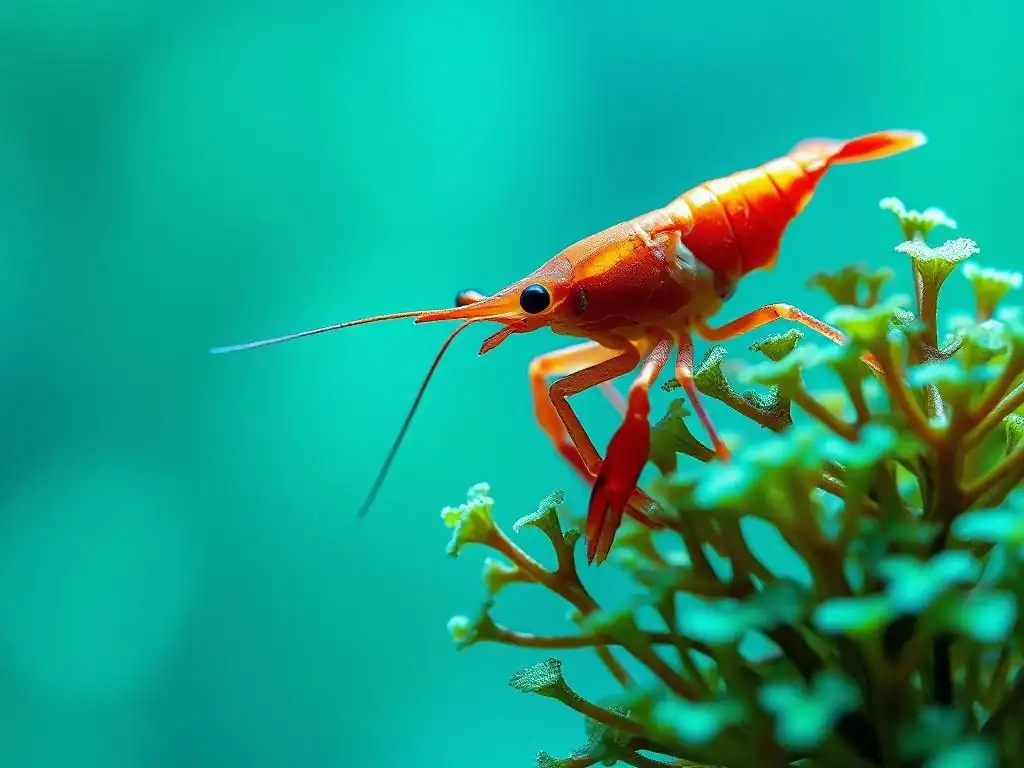
Diagnosing the Cause of Algae Outbreaks
When faced with an algae outbreak, the first and most crucial step is accurate diagnosis of its underlying cause. Algae are merely symptoms of an imbalance in the aquarium ecosystem, not the problem itself. A systematic approach to identifying the specific type of algae and correlating it with tank parameters can pinpoint the culprit. Begin by observing the algae's appearance, color, texture, and location within the tank. Is it a green film on the glass, long strands on plants, or a slimy mat on the substrate?
Next, thoroughly test your water parameters. Look for elevated nitrates or phosphates, which often indicate overfeeding or insufficient water changes. Check your lighting schedule: is the duration too long (e.g., over 8 hours)? Is the intensity too high for your tank's plant load? Consider your fertilization routine: are you over-dosing nutrients? For instance, a sudden boom of green spot algae might point to high light and low phosphates, while hair algae often signals excess nitrates and phosphates. Diagnosing accurately is key to effective shrimp tank algae control.
Adjusting Your Algae Control Strategy Based on the Type of Algae
Once the specific type of algae and its likely cause have been identified, tailor your shrimp tank algae control strategy accordingly. A "one-size-fits-all" approach rarely works effectively, as different algae thrive under different conditions. For example, if you're battling green spot algae, you might reduce light intensity or duration and consider slightly increasing phosphate levels if tests show a deficiency.
Conversely, for hair algae, the focus should shift to reducing overall nutrients through more frequent water changes, reducing feeding, and ensuring healthy plant growth to outcompete it. Brown algae (diatoms) in a new tank usually resolve with time as the tank matures, but manual wiping and Nerite snails can help.
For blue-green algae (cyanobacteria), a multi-day blackout combined with improved circulation and addressing nutrient imbalances (e.g., increasing nitrates if they are too low) is often necessary. By implementing targeted adjustments based on the specific algae problem, you can achieve more efficient and sustainable algae control without resorting to harsh chemicals that might harm your shrimp.
Conclusion: Achieving a Balance Between Algae and a Healthy Shrimp Tank Environment
In the intricate world of freshwater aquariums, algae often evoke a sense of dread for aquarists. However, for a thriving shrimp tank, understanding the nuanced relationship between algae and shrimp is paramount. It becomes clear that not all algae are foes; in fact, a certain level of beneficial algae and biofilm is an indispensable part of a shrimp's natural diet and well-being, contributing significantly to their health, coloration, and natural behaviors. The key lies not in complete eradication, but in achieving a delicate balance and implementing effective shrimp tank algae control strategies.
Successful algae management in a shrimp aquarium hinges on proactive husbandry and an integrated approach. This involves maintaining stable water parameters, optimizing lighting duration and intensity, managing nutrient levels through careful feeding and regular water changes, and selectively introducing biological controls like Nerite snails and Amano shrimp. By diagnosing the specific type of algae and addressing its root cause, rather than merely treating the symptom, aquarists can foster a healthy, vibrant ecosystem where shrimp flourish. Ultimately, a clean yet naturally balanced shrimp tank, where algae is managed rather than eliminated, is the hallmark of a skilled aquarist.
Frequently Asked Questions
How can I tell if algae is beneficial or harmful in my shrimp tank?
Beneficial algae, like green spot algae, provides a natural food source for shrimp and helps maintain water quality. Harmful algae, such as black beard algae, can outcompete plants and indicate an imbalance in your tank.
What are some natural methods for controlling algae growth in a shrimp tank?
Introducing algae-eating invertebrates like Nerite snails or amano shrimp can help control algae naturally. Maintaining a balanced lighting schedule and avoiding overfeeding also helps.
What water parameters are most important to monitor for algae control?
Regularly testing and maintaining optimal levels of nitrates and phosphates is crucial. These nutrients fuel algae growth, so keeping them low is key.
Can I use algaecides in a shrimp tank?
Generally, it's not recommended to use algaecides in shrimp tanks. Many algaecides contain chemicals that are toxic to shrimp, even in small doses.
What should I do if I have a severe algae outbreak in my shrimp tank?
Perform a partial water change to remove excess nutrients. Manually remove as much algae as possible and consider adjusting your lighting and fertilization schedule.
Final Reflection: Embracing the Green in Our Miniature Worlds
The exploration of algae's role in shrimp tanks, as we've seen, is far from a simple "friend or foe" dichotomy. It's a nuanced dance between ecological balance and aesthetic preference, and understanding this relationship is crucially relevant today as the aquascaping hobby continues to grow in popularity and complexity. The ability to effectively manage and even utilize algae in our shrimp tanks represents a significant step towards creating truly sustainable and thriving aquatic ecosystems.
This journey into the world of microscopic flora has profoundly impacted my perspective on aquarium keeping. It's shifted from a purely aesthetic pursuit to a deeper appreciation of the interconnectedness of life within these miniature worlds. The constant learning and adaptation required to maintain a healthy shrimp tank mirrors the challenges we face in larger ecosystems. In nature, nothing is perfect and everything is perfect. Trees can be contorted, bent in weird ways, and they're still beautiful.
- Alice Walker. This quote reminds us that even the seemingly imperfect presence of algae can contribute to the overall beauty and functionality of our shrimp tanks.
Now, as you gaze upon your own shrimp tank, I encourage you to see beyond the initial reaction to algae's presence. Reflect on the strategies we've discussed and consider how you can harness its potential while maintaining a healthy and visually appealing environment. Embrace the challenge of shrimp tank algae control not as a battle to be won, but as an opportunity to deepen your understanding of aquatic ecosystems and cultivate a more harmonious relationship with the life within your glass walls.
Uncover the Power of Algae!
Thank you for diving into the world of algae and its impact on your shrimp tank. We hope you now have a clearer understanding of how to manage and even utilize these often-misunderstood organisms. Ready to put that knowledge into action?
Here's how you can take the next steps:
- Start small: Identify the type of algae present in your tank and research its specific needs and potential benefits for your shrimp.
- Share your algae success (or struggles!)! Document your tank's algae growth and management journey with photos and descriptions in online shrimp-keeping forums. Your experiences could help others!
- Consider introducing a single, beneficial algae-eating snail to your tank to help keep things in balance.
What specific algae-related challenge are you most excited to tackle in your shrimp tank this week?