
Quarantining New Crayfish: Protecting Your Established Tank from Harm

Welcome to Aquarium Mastery!
Ever wondered if that vibrant new crayfish you're eyeing could be a hidden danger to your carefully cultivated aquarium ecosystem? Think beyond just admiring its claws. Our latest article dives deep into a crucial, often overlooked process: the new crayfish quarantine process. Discover how to safeguard your established tank from potential diseases and parasites with our comprehensive guide. Ready to ensure a healthy and thriving aquatic environment? Let's explore the secrets to successful crayfish quarantine!
- Why a New Crayfish Quarantine Process is Essential for Aquarium Health
- Setting Up Your Crayfish Quarantine Tank: A Step-by-Step Guide
- The Complete New Crayfish Quarantine Process: A Detailed Guide
- Managing Potential Crayfish Health Issues During Quarantine
- Transferring Quarantined Crayfish to the Main Aquarium
- Maintaining a Healthy Aquarium After Introducing New Crayfish
-
Frequently Asked Questions
- How long should I quarantine a new crayfish before introducing it to my established aquarium?
- What type of tank is best for quarantining a new crayfish?
- What are some common signs of illness to watch for during the quarantine period?
- What water parameters should I maintain in the quarantine tank?
- What should I do if my new crayfish shows signs of illness during quarantine?
- Final Reflection: Safeguarding Aquatic Ecosystems
- Unleash the Vibrant Potential of Your Aquarium!
Why a New Crayfish Quarantine Process is Essential for Aquarium Health
Preventing Disease Introduction with Crayfish Quarantine
When introducing new crayfish to an established aquarium, there's a significant risk of introducing various pathogens, including bacteria, viruses, and fungi, from their previous environment. Even if a new crayfish appears perfectly healthy, it might be an asymptomatic carrier of diseases that could devastate your existing tank inhabitants. The stress of transport and acclimatization can weaken a crayfish's immune system, making it more susceptible to exhibiting symptoms once in a new environment, often after being introduced to the main display tank.
The new crayfish quarantine process acts as a critical barrier, allowing any latent diseases to manifest in isolation before they can spread to your entire aquatic ecosystem. For instance, specific bacterial infections like shell rot, which causes erosion of the exoskeleton, or "red leg disease," characterized by red discoloration on the underside, can be highly contagious.
Fungal infections, such as those caused by Saprolegnia, appear as white, cottony growths and can quickly spread to other invertebrates and fish. By containing these potential threats within a separate quarantine tank, you can observe symptoms, diagnose issues, and initiate treatment without jeopardizing the health and stability of your main aquarium.
Avoiding Parasite Infestation: The Role of Isolation
Crayfish can harbor a range of external and internal parasites that are often microscopic or barely visible to the naked eye. These can include common aquarium pests like Ichthyophthirius multifiliis (Ich), Chilodonella, or even larger parasites such as anchor worms ( Lernaea) and fish lice ( Argulus). Introducing an infected crayfish directly into your main tank can lead to a rapid and widespread infestation, as these parasites quickly multiply and seek new hosts among your fish, shrimp, and other invertebrates.
Isolation during the new crayfish quarantine process provides an invaluable opportunity for thorough observation and targeted treatment. For example, the life cycle of Ich can be up to three to four weeks at typical aquarium temperatures, meaning visible trophonts might only appear after several days.
If parasites are detected, the quarantined crayfish can be treated with appropriate medications that might otherwise be harmful to the sensitive inhabitants or beneficial bacteria in your main tank. This controlled environment ensures that any parasite eradication efforts are effective and contained, protecting your established tank from potentially devastating outbreaks that are difficult and costly to resolve.
Protecting Existing Tank Inhabitants from Aggression
Beyond diseases and parasites, aggression is a significant concern when introducing new crayfish, particularly larger species like the Electric Blue Crayfish ( Procambarus alleni) or Marbled Crayfish ( Procambarus fallax f. virginalis). Many crayfish are territorial and opportunistic predators that can pose a threat to smaller fish, shrimp, snails, or even other bottom-dwelling invertebrates. Introducing a new crayfish directly into an established community tank can lead to immediate stress, injury, or even the death of tank mates due to territorial disputes or predatory behavior.
The new crayfish quarantine process offers a crucial period to observe the crayfish's individual temperament and behavioral tendencies. While a quarantine tank doesn't perfectly replicate the dynamics of a community tank, it allows the aquarist to assess its general activity level, its inclination to burrow, and any signs of excessive climbing that might indicate a higher risk of escape or aggression.
This observation period helps in making informed decisions about suitable tank mates or necessary modifications to the main tank's layout (e.g., providing ample hiding spots) before permanent placement. This proactive assessment can prevent stressful and potentially harmful interactions, ensuring a more harmonious environment for all existing tank inhabitants.
Setting Up Your Crayfish Quarantine Tank: A Step-by-Step Guide
Choosing the Right Size Quarantine Tank for Crayfish
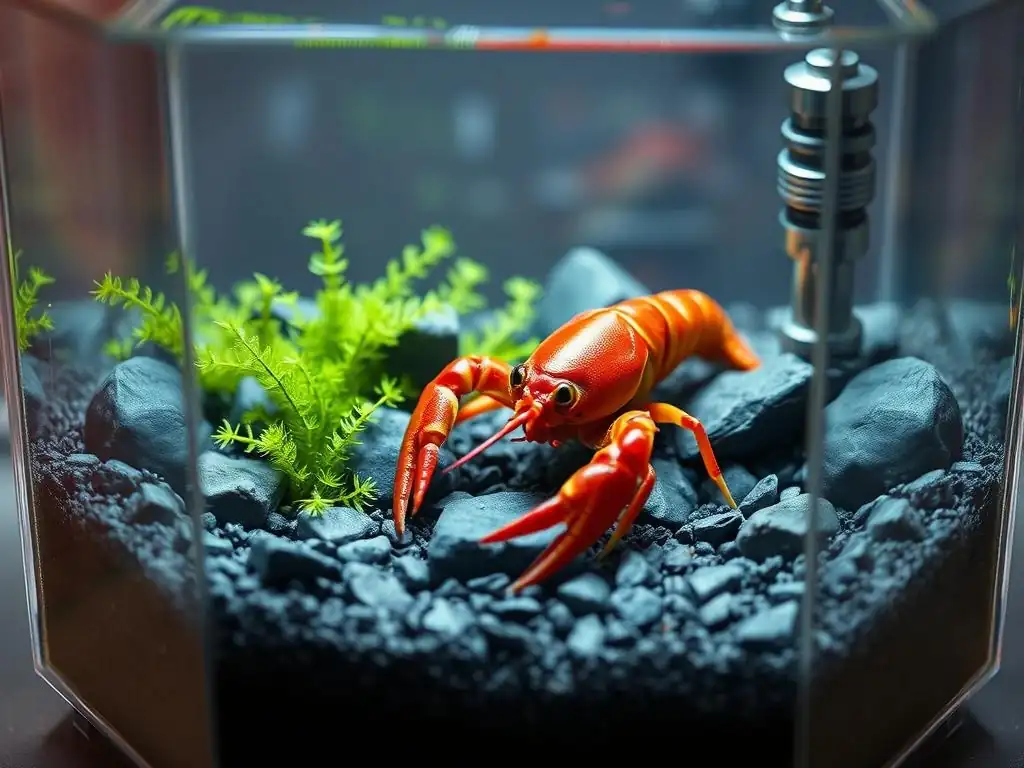
The appropriate size for a crayfish quarantine tank largely depends on the species and its anticipated adult size. For smaller dwarf crayfish species like Cambarellus patzcuarensis or Cambarellus diminutus, a 5-gallon (approximately 19-liter) tank can be sufficient for a single specimen during its quarantine period. However, for larger and more commonly kept species such as the Electric Blue Crayfish ( Procambarus alleni) or other medium-sized varieties, a 10-gallon (approximately 38-liter) tank is generally considered the minimum appropriate size.
It's important to remember that the quarantine tank's primary purpose is functionality and health monitoring, not aesthetics. While it doesn't need to be elaborate, it must provide adequate space for the crayfish to move comfortably, hide, and for the aquarist to observe it effectively.
Overcrowding, even in quarantine, can cause undue stress to the crayfish, potentially masking symptoms or worsening health conditions. A 10-gallon tank is often a versatile choice, offering enough room for essential equipment like a small filter and heater, along with necessary hiding places, without being overly cumbersome to manage for the typical new crayfish quarantine process.
Essential Equipment for a Crayfish Quarantine Setup
Quarantine Tank Heater and Filtration Needs
Maintaining stable water temperatures is crucial for the health of a quarantined crayfish, as temperature fluctuations can cause significant stress. A reliable aquarium heater, appropriately sized for the quarantine tank, should be set to maintain a consistent temperature, typically between 70-78°F (21-26°C), matching the conditions of your main display tank. For filtration, a small, air-driven sponge filter is highly recommended. Sponge filters provide excellent biological filtration by cultivating beneficial bacteria, and their gentle flow is ideal for crayfish, which can be stressed by strong currents.
Crucially, chemical filtration media like activated carbon should be avoided in a quarantine setup, as they will absorb any medications you might need to administer. The mechanical filtration provided by the sponge filter is sufficient for removing particulate matter. To ensure immediate biological filtration and prevent dangerous ammonia spikes, it's highly beneficial to "seed" the sponge filter.
This can be done by squeezing out a sponge from an established tank's filter into the quarantine tank's water or by running the new sponge filter in an established tank for a week or two before use. This step is vital for maintaining good water quality throughout the new crayfish quarantine process.
Substrate and Hiding Places for Quarantined Crayfish
For a quarantine tank, a bare bottom is often the most practical choice. This allows for extremely easy cleaning, makes it simple to spot uneaten food, waste, and any parasites that might detach from the crayfish. If a substrate is desired, a very thin layer of fine, inert sand or smooth gravel can be used, but it should be minimal to prevent the crayfish from burrowing extensively and obscuring observation. The goal is to maximize visibility for health monitoring and simplify maintenance.
Hiding places are absolutely essential for a quarantined crayfish to reduce stress, as they provide a sense of security in an unfamiliar environment. However, these hiding spots should be non-porous and easy to clean. Excellent options include sections of PVC pipe (e.g., 1-inch diameter, cut into 4-6 inch lengths), ceramic caves, or small, overturned ceramic pots.
Avoid using natural wood or porous rocks that could leach tannins, alter water parameters unpredictably, or be difficult to sanitize. The chosen decor should allow the crayfish to retreat comfortably while still being easily removable for daily observation and cleaning during the new crayfish quarantine process.
Preparing the Quarantine Tank Water: Water Parameters and Cycling
Before introducing your new crayfish, the quarantine tank's water must be carefully prepared to match the parameters of your main display tank as closely as possible. This includes temperature, pH, and general hardness (GH). For most common freshwater crayfish, a pH between 6.5-8.0 and moderately hard water (GH 8-15 dGH) is generally suitable. Using dechlorinated tap water, or a mix of dechlorinated tap water and a small amount of water from your established main tank, can help achieve this match and minimize the shock of transfer.
Crucially, the quarantine tank must be cycled to prevent the accumulation of toxic ammonia and nitrite. While a full nitrogen cycle typically takes several weeks, you can jumpstart the process by seeding the sponge filter with beneficial bacteria from an established filter or by using a high-quality bacterial starter product. Ammonia and nitrite levels must consistently read 0 ppm, and nitrates should be kept below 20 ppm (ideally below 10 ppm).
These compounds are highly toxic to invertebrates like crayfish and will severely compromise their health, especially during the already stressful new crayfish quarantine process. Daily water testing using a reliable liquid test kit is non-negotiable to ensure safe water parameters.
The Complete New Crayfish Quarantine Process: A Detailed Guide
Acclimating New Crayfish to the Quarantine Tank
Proper acclimation is a critical first step in the new crayfish quarantine process, as crayfish are highly sensitive to sudden changes in water parameters. The drip acclimation method is highly recommended for its gentle and gradual approach. Begin by floating the sealed bag containing the new crayfish in the quarantine tank for 15-20 minutes to allow the water temperature to equalize.
Next, open the bag, secure it to the side of the tank with a clip, and use airline tubing with a knot to create a slow drip from the quarantine tank into the bag. The goal is to slowly introduce small amounts of quarantine tank water over an extended period, typically 30-60 minutes, allowing for a gradual equalization of temperature, pH, and hardness. Once the volume of water in the bag has tripled or quadrupled, gently net the crayfish and transfer it into the quarantine tank.
It is imperative to discard the old bag water, as it may contain pathogens or undesirable chemicals from the transport environment. Never pour this water directly into your quarantine tank.
Observing New Crayfish for Signs of Illness or Disease
Identifying Common Crayfish Diseases and Parasites
During the new crayfish quarantine process, daily, meticulous observation is paramount. Look for specific visual cues that indicate illness or parasite infestation. For bacterial infections, observe the exoskeleton for opaque areas, red discoloration (especially on joints or the underside, often indicative of "red leg"), or eroded patches characteristic of shell rot. Fungal infections typically present as white, cottony growths on the body, gills, or mouthparts.
For parasites, carefully inspect the crayfish for small white spots, which could be Ich, or any visible worms, anchor worms, or lice that might be attached to the body or gills. For example, a crayfish affected by "porcelain disease" ( Thelohania contejeani) may appear pale and develop a brittle, porcelain-like exoskeleton. Any changes in the texture or color of the shell, presence of lesions, or unusual growths should be noted immediately. Early detection is crucial for effective treatment and preventing the spread of issues.
Recognizing Abnormal Behavior in Quarantined Crayfish
Beyond physical symptoms, changes in behavior are often the first indicators of a problem during the new crayfish quarantine process. Normal crayfish behavior includes active foraging, exploring their environment, utilizing hiding places, and occasional molting. Abnormal behaviors to watch for include prolonged lethargy, constant hiding even when undisturbed, a complete lack of appetite for several days (beyond the initial settling-in period), erratic or uncoordinated movements, or persistent attempts to climb out of the tank.
Unusual postures, such as holding claws awkwardly, twitching, or constantly scratching, could indicate irritation from external parasites or poor water quality. Increased respiration, characterized by rapid gill movements, might suggest gill parasites, ammonia poisoning, or a lack of oxygen. Any significant deviation from typical activity or a sudden change in demeanor should prompt a closer inspection of the crayfish and a thorough check of the water parameters. This consistent behavioral monitoring is as vital as visual inspection for ensuring the crayfish's well-being.
Maintaining Optimal Water Quality During Quarantine
Regular Water Changes in the Quarantine Tank
Maintaining pristine water quality is fundamental to the success of the new crayfish quarantine process. Frequent, small water changes are far more beneficial than infrequent large ones, especially in a smaller quarantine tank where waste can accumulate quickly. For a 10-gallon quarantine tank, performing a 25-30% water change every 2-3 days is often recommended, particularly if the tank is uncycled or lightly cycled. This helps to dilute nitrates, remove accumulated organic waste, and replenish essential minerals.
When performing water changes, always use dechlorinated water that is matched as closely as possible to the quarantine tank's temperature and parameters. Use a small siphon to remove detritus from the bottom of the tank. If you are administering medications, be sure to follow the medication manufacturer's instructions regarding water changes, as some treatments may require specific intervals or re-dosing after water removal. Consistent water quality reduces stress on the crayfish and supports its immune system, facilitating recovery and overall health.
Monitoring Ammonia, Nitrite, and Nitrate Levels
Daily water testing for ammonia, nitrite, and nitrate is absolutely essential during the new crayfish quarantine process. Even with a seeded filter, a new setup can experience mini-cycles or sudden spikes in toxic compounds due to the crayfish's waste production. Ammonia and nitrite levels must consistently read 0 ppm. Any detectable amount of these compounds is highly toxic to crayfish, causing gill damage, respiratory distress, and making them extremely vulnerable to disease. Nitrate levels should be kept below 20 ppm, and ideally below 10 ppm, through regular water changes.
A reliable liquid test kit is an indispensable tool for this daily monitoring. If you detect any spikes in ammonia or nitrite, immediate action is necessary. This typically involves a significant water change (e.g., 50%) and potentially the use of an ammonia-detoxifying water conditioner like Prime. Proactive monitoring and swift intervention are critical to prevent severe health complications and ensure the crayfish thrives in quarantine.
Feeding Quarantined Crayfish: Diet and Frequency
Providing a nutritious and varied diet is important for supporting the health and immune system of a quarantined crayfish. Offer high-quality sinking pellets or wafers specifically formulated for crustaceans or omnivorous bottom-dwellers as a staple. Supplement this with small amounts of blanched vegetables such as spinach, zucchini, or peas, and occasional protein sources like frozen or freeze-dried bloodworms or brine shrimp. This ensures the crayfish receives a broad spectrum of nutrients.
When feeding, offer a small amount that the crayfish can consume within 15-20 minutes, typically once a day or every other day. Overfeeding is a common mistake in quarantine tanks, as excess food quickly breaks down, leading to ammonia spikes, cloudy water, and bacterial blooms, especially in a smaller, potentially uncycled environment. Always remove any uneaten food promptly after the feeding period to maintain water quality. A healthy appetite is a good indicator of a crayfish's well-being and a positive sign during the new crayfish quarantine process.
Managing Potential Crayfish Health Issues During Quarantine
Treating Common Crayfish Diseases in Quarantine
Treating Crayfish with Copper-Free Medications for Fungal Infections
When treating diseases in a quarantine tank containing crayfish, it is absolutely critical to use "invert-safe" or "copper-free" medications. Many common aquarium medications, particularly those designed to treat external parasites (like Ich) or some bacterial infections, contain copper or other ingredients that are highly toxic to invertebrates, including crayfish, shrimp, and snails. Always read medication labels carefully to ensure they are safe for crustaceans.
For fungal infections, which often appear as white, cottony growths, copper-free antifungals are necessary. Methylene blue, used as a short-term bath or dip, can be effective. To apply, prepare a separate container with medicated water at the recommended concentration (e.g., 5 mg/L methylene blue for a 30-minute dip) and transfer the crayfish to it for the specified duration before returning it to the clean quarantine tank.
Alternatively, specific invert-safe medications like Seachem Paraguard or certain formulations of API Fungus Cure can be used directly in the quarantine tank. Always follow the manufacturer's dosage instructions precisely, and remove any activated carbon from the filter before dosing, as it will absorb the medication. This isolated treatment is a primary benefit of the new crayfish quarantine process.
Addressing Molting Problems During Quarantine
Providing Calcium Supplements for Healthy Molting
Molting, or ecdysis, is a natural and essential process for crayfish growth, but it is also a highly vulnerable period. Stress, poor water quality, or nutritional deficiencies can lead to molting problems, where the crayfish struggles to shed its old exoskeleton or gets stuck, often resulting in death. During quarantine, it's crucial to minimize stress by maintaining stable and optimal water parameters, including consistent temperature and low levels of pollutants.
Calcium is a fundamental nutrient required for the formation and hardening of the new exoskeleton after molting. If your tap water is naturally soft (low GH), it's advisable to provide calcium supplementation. This can be achieved by adding a small amount of crushed coral or aragonite to the filter media, using liquid calcium supplements specifically designed for invertebrates, or offering calcium-rich foods.
For instance, maintaining a General Hardness (GH) level between 8-15 dGH is generally beneficial for healthy molting. Small pieces of cuttlebone (used for birds) or clean, crushed eggshells can also be placed in the tank as a slow-release source of calcium. Ensuring adequate calcium significantly reduces the risk of molting complications, which is particularly important during the already stressful new crayfish quarantine process.
Transferring Quarantined Crayfish to the Main Aquarium
Ensuring the Quarantine Period is Complete
The duration of the new crayfish quarantine process is critical for its effectiveness. A minimum quarantine period of 4-6 weeks is generally recommended for crayfish. This timeframe allows sufficient time for most latent diseases and parasites to manifest, for any necessary treatments to be completed, and for the crayfish to fully recover and be observed for effectiveness. For example, the full life cycle of Ich can span up to 3-4 weeks, so a minimum 4-week quarantine helps ensure all stages are observed and eradicated.
It is paramount that the crayfish shows absolutely no signs of illness, abnormal behavior, or parasites for the entire duration of the quarantine period, especially for the last 1-2 weeks before transfer. If any health issues arise or symptoms reappear, the quarantine clock should be reset, and the period extended until the crayfish has been symptom-free for the full recommended time. Patience and strict adherence to the quarantine protocol are key to preventing the introduction of problems into your established display tank.
Slowly Introducing Crayfish to the Main Tank Environment
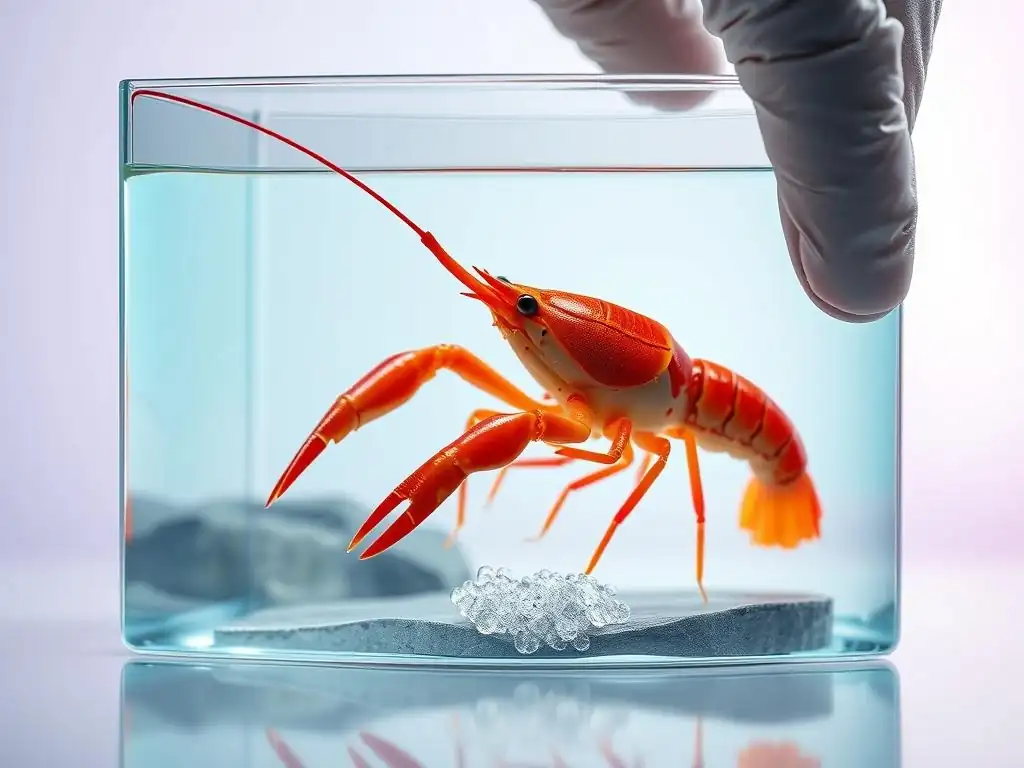
Even after a successful quarantine, the transfer from the quarantine tank to the main aquarium should be handled with care to minimize stress. Although the water parameters in the quarantine tank should have been matched to the main tank, a final drip acclimation is still highly recommended. This involves slowly adding main tank water to the crayfish's container over 30-60 minutes, allowing a gradual adjustment to any subtle differences in water chemistry or microbial environment.
When physically introducing the crayfish, turn off the main tank lights to reduce stress on both the new arrival and existing inhabitants. Gently net the crayfish from its acclimation container and release it directly into a chosen, secure hiding spot within the main tank. Avoid simply dumping it into the open water. Providing an immediate sense of security helps the crayfish settle in more quickly and reduces the likelihood of it being immediately stressed by existing tank mates or bright lighting.
Post-Introduction Observation: Monitoring for Problems
The monitoring doesn't end once the crayfish is in the main tank. Continue to observe the new crayfish closely for the first few days to a week after introduction. Look for any signs of stress, such as excessive hiding, refusal to eat, or unusual activity. Also, pay close attention to its interactions with other tank inhabitants. While the new crayfish quarantine process assesses its health, its social integration is a separate but equally important aspect to monitor.
Observe if there is any aggression directed towards or from the new crayfish. If fish appear stressed, show clamped fins, or if the crayfish is constantly chasing or attempting to catch tank mates, it might indicate compatibility issues. Even if the crayfish appeared healthy in quarantine, the stress of moving and adapting to a new environment can sometimes trigger latent issues or expose existing tank inhabitants to something they haven't encountered before. Early detection of any problems, whether behavioral or health-related, is crucial for prompt intervention.
Maintaining a Healthy Aquarium After Introducing New Crayfish
Regular Water Testing and Maintenance
The introduction of any new animal, even a thoroughly quarantined one, adds to the biological load of an established aquarium. Therefore, it's prudent to continue with your regular water testing routine for ammonia, nitrite, nitrate, pH, and general hardness (GH) in your main tank, perhaps even more frequently for the first week or two after the crayfish's introduction. This ensures that your existing biological filter can adequately handle the additional waste produced by the new inhabitant.
Consistent aquarium maintenance remains the cornerstone of a healthy tank. Adhere to your routine water change schedule (e.g., a 25% water change weekly or bi-weekly, depending on your tank size and stocking density), perform regular gravel vacuuming to remove detritus, and clean filter media as needed. For example, a 50-gallon tank with a crayfish and a few fish might benefit from a 12.5-gallon water change every 7-10 days. A well-maintained tank with stable parameters is inherently more resilient to potential minor stresses or low levels of pathogens that might still be present, ensuring a thriving environment for all.
Observing All Tank Inhabitants for Signs of Stress
It's not just the new crayfish that requires continued observation after its introduction. Pay close attention to all existing fish, shrimp, snails, and other invertebrates in your main tank for any signs of stress, disease, or injury that might arise from the new addition. This could manifest as changes in their usual behavior, a sudden loss of appetite, or physical symptoms like clamped fins, rapid breathing, or visible lesions.
Even if the crayfish itself appears perfectly healthy, the stress of a new presence can sometimes trigger latent issues in existing inhabitants, or the new environment might expose them to something they haven't encountered before. For example, if fish become unusually skittish or hide excessively after the crayfish is introduced, it might indicate perceived aggression or territorial disputes. Early detection of any problem in any tank inhabitant is paramount for prompt intervention and preventing a wider outbreak that could affect your entire aquatic community.
Preventing Future Disease Outbreaks: Proactive Measures
Beyond the rigorous new crayfish quarantine process for each new addition, maintaining a healthy aquarium long-term relies on a set of proactive measures. Never introduce any new aquatic animal—fish, invertebrates, or even live plants—without subjecting them to an appropriate quarantine period. Always source your animals from reputable suppliers who maintain clean, well-kept tanks and provide healthy specimens. Avoid the temptation to overstock your aquarium, as this stresses animals, degrades water quality, and significantly increases their susceptibility to disease.
Furthermore, ensure all tank inhabitants receive a high-quality, varied diet to support their immune systems. Maintain stable water parameters, avoiding sudden fluctuations in temperature, pH, or hardness. Regularly clean and sanitize aquarium equipment, and crucially, avoid cross-contamination between tanks by using separate nets, siphons, and buckets for your quarantine tank and your main display tank. These consistent, proactive measures are the bedrock of long-term aquarium health, significantly reducing the likelihood of future disease outbreaks and ensuring a thriving aquatic environment.
Frequently Asked Questions
How long should I quarantine a new crayfish before introducing it to my established aquarium?
A new crayfish should be quarantined for at least 4-6 weeks. This allows you to observe for any signs of disease or parasites and prevent them from spreading to your existing tank inhabitants.
What type of tank is best for quarantining a new crayfish?
A smaller, dedicated tank is ideal for quarantine. It should have a filter, heater (if necessary), and some hiding places similar to their eventual home.
What are some common signs of illness to watch for during the quarantine period?
Look for signs such as lethargy, loss of appetite, unusual behavior, or any physical abnormalities like lesions or discoloration. These could indicate an infection or parasite infestation.
What water parameters should I maintain in the quarantine tank?
Maintain water parameters similar to your main tank, including temperature, pH, and ammonia/nitrite/nitrate levels. Regular water changes are crucial for maintaining water quality during quarantine.
What should I do if my new crayfish shows signs of illness during quarantine?
Immediately research the symptoms and treat accordingly. Consult with a veterinarian specializing in aquatic animals if necessary. Avoid introducing the crayfish to your main tank until it is completely healthy.
Final Reflection: Safeguarding Aquatic Ecosystems
The meticulous steps outlined in establishing a new crayfish quarantine process are not merely about protecting a single aquarium; they represent a commitment to the health and biodiversity of our aquatic ecosystems. Neglecting these crucial procedures can have devastating consequences, introducing parasites and diseases that can decimate established tanks and even spread to natural waterways. This responsibility extends beyond the individual hobbyist and touches upon the broader ethical considerations of animal husbandry and environmental stewardship.
This practice of quarantine, though seemingly simple, profoundly impacts the long-term viability of our aquatic hobbies. It's a testament to the power of preventative measures and the respect we should hold for the delicate balance of life within our tanks. An ounce of prevention is worth a pound of cure,
a sentiment that resonates deeply when considering the potential devastation of introducing an unseen pathogen. The diligence we exercise in quarantine reflects our understanding of interconnectedness and the ripple effects of our actions.
Now, take a moment to consider your own practices. Are you truly safeguarding your aquatic world, or are you taking unnecessary risks? The health of your established tank, and potentially the broader environment, rests on your commitment to a robust quarantine process. Embrace the responsibility, refine your methods, and contribute to a healthier, more sustainable future for the fascinating world of crayfish keeping.
Unleash the Vibrant Potential of Your Aquarium!
Thank you for exploring the world of crayfish care with us! We hope this guide has empowered you with the knowledge to protect your thriving aquarium ecosystem. Now, let's put that knowledge into action and create an even healthier home for your aquatic friends.
Here's how you can take the next step:
- Immediately apply what you've learned and meticulously quarantine any new crayfish for at least four weeks before introducing them to your main tank. Don't skip this crucial step!
- Share this guide with fellow aquarium enthusiasts. Help them learn how to protect their tanks and keep their crayfish healthy and happy.
- Consider setting up a dedicated "quarantine tank" – even a small one – to streamline the process for future additions to your aquarium family.
What innovative quarantine solutions have you discovered in your aquarium journey? Share your tips and tricks in the comments below!