
The Truth About Palytoxin: Safe Handling Practices for Zoanthids

Welcome to Aquarium Mastery!
Ever wondered about the hidden dangers lurking within the vibrant beauty of your reef tank? The allure of zoanthids is undeniable, but are you aware of the risks associated with palytoxin? Dive into our comprehensive guide, " The Truth About Palytoxin: Safe Handling Practices for Zoanthids," and unlock the secrets to responsible reef keeping. Discover essential safety measures and gain the knowledge to protect yourself and your loved ones while enjoying the captivating world of corals. Intrigued? Let's explore safe zoanthid palytoxin handling together!
- Understanding Palytoxin and Zoanthids in Reef Aquariums
- Safe Zoanthid Handling Procedures to Minimize Palytoxin Exposure
- Minimizing Palytoxin Risks in Your Reef Aquarium
- Debunking Myths and Misconceptions About Palytoxin
- Long-Term Strategies for Safe Zoanthid Keeping
- Conclusion: Enjoying Zoanthids Safely in Your Reef Tank
-
Frequently Asked Questions
- How dangerous is palytoxin from zoanthids really?
- What are the most common ways people are exposed to palytoxin?
- What kind of protective gear should I wear when handling zoanthids?
- What should I do if I suspect I've been exposed to palytoxin?
- How can I safely frag zoanthids to minimize the risk of palytoxin exposure?
- Final Reflection: Navigating the Palytoxin Peril
- Unveil Zoanthid Beauty, Fearlessly!
Understanding Palytoxin and Zoanthids in Reef Aquariums
What is Palytoxin and Where Does it Come From?
Palytoxin is an extremely potent, non-proteinaceous marine toxin primarily produced by certain species of Palythoa (a genus of zoanthids) and, to a lesser extent, some Zoanthus species. Its origin is thought to be linked to symbiotic bacteria, such as Vibrio or Pseudomonas species, or potentially from the zoanthids ingesting specific dinoflagellates. This complex compound is known to be one of the most toxic non-protein substances found in nature, making safe zoanthid palytoxin handling a critical concern for aquarists.
The mechanism of palytoxin's action is severe: it binds to and disrupts the sodium-potassium ATPase pump in cell membranes, leading to an uncontrolled influx of sodium ions and efflux of potassium ions. This disruption causes cellular swelling, lysis, and ultimately, cell death across various tissues. Its extreme toxicity is underscored by its incredibly low lethal dose (LD50), which for mice is often cited in the range of 0.15–0.5 µg/kg intravenously, meaning only a minuscule amount can be fatal, highlighting the need for extreme caution.
Identifying Zoanthids and Palythoas: Understanding the Difference
Zoanthids are a diverse group of colonial polyps, including genera like Zoanthus, Protopalythoa, and Palythoa. While all are commonly referred to as "zoas" or "palys" in the hobby, distinguishing between them is important for understanding potential palytoxin risk. Zoanthus species typically have smaller, more vibrant polyps with a smoother texture, often forming dense mats. They are generally considered to contain lower, if any, detectable levels of palytoxin compared to their counterparts.
In contrast, Palythoa species are characterized by larger, fleshier polyps, often with a rougher, sand-encrusted base and less vibrant, more muted colors. These species, particularly Palythoa toxica, are historically infamous for producing significantly higher concentrations of palytoxin. For instance, some Palythoa toxica strains can contain palytoxin concentrations reaching several micrograms per gram of tissue, while many common Zoanthus varieties may have undetectable amounts. Recognizing these differences is a foundational step in practicing safe zoanthid palytoxin handling.
Why Palytoxin is a Concern for Reef Tank Keepers
Palytoxin poses a significant health risk to reef tank keepers due to various exposure routes, including inhalation of aerosols, direct skin contact (especially through cuts or abrasions), eye contact, and, rarely, ingestion. The most common scenarios for exposure include fragging (cutting) zoanthid colonies, aggressive cleaning of rocks or tank surfaces where zoanthids reside, or even boiling live rock that previously housed these corals, as heat can aerosolize the toxin.
Symptoms of palytoxin exposure can range from localized skin irritation, rash, and blistering to severe systemic effects like respiratory distress (e.g., shortness of breath, coughing, chest tightness), fever, chills, muscle aches, joint pain, and neurological symptoms. Numerous reports in medical literature document aquarists experiencing significant illness, sometimes requiring hospitalization, after handling Palythoa without adequate protection. A study published in the Journal of Medical Toxicology documented multiple cases of palytoxin poisoning in hobbyists, with some requiring intensive care due to severe respiratory and neurological symptoms, underscoring the critical importance of safe zoanthid palytoxin handling procedures.
Safe Zoanthid Handling Procedures to Minimize Palytoxin Exposure
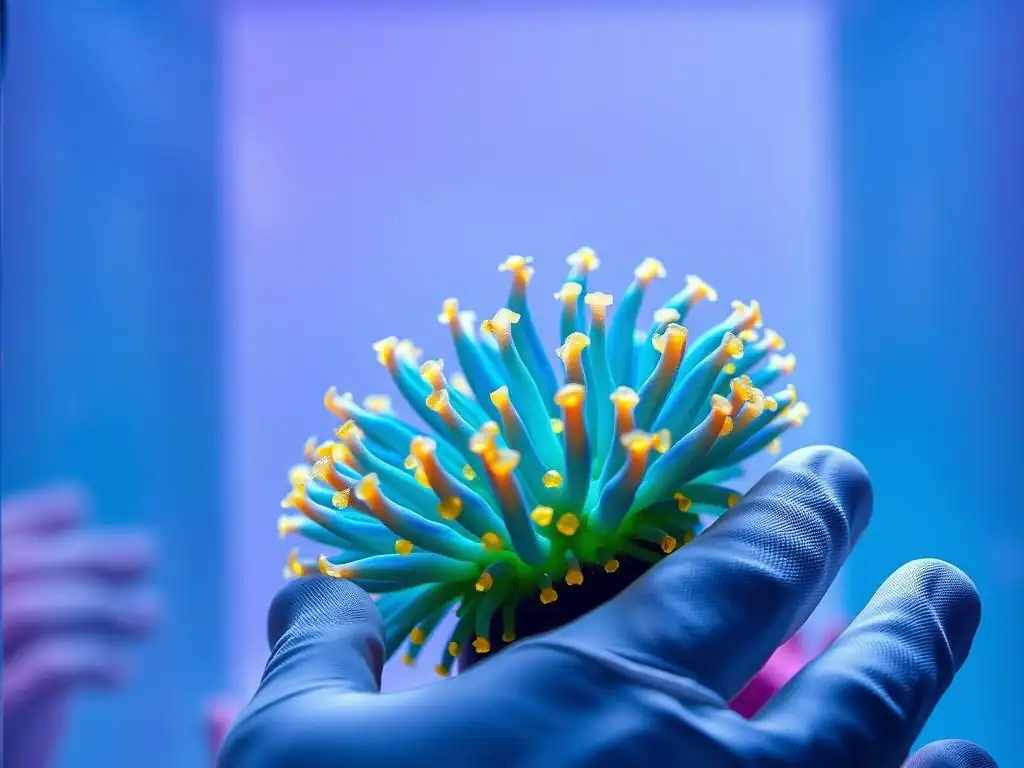
Essential Personal Protective Equipment (PPE) for Zoanthid Handling
Safe zoanthid palytoxin handling begins with the rigorous application of appropriate personal protective equipment (PPE) to create a barrier between you and potential toxins. Never underestimate the importance of these protective measures, even for seemingly routine tasks.
Gloves: Choosing the Right Type for Palytoxin Protection
When handling zoanthids, nitrile gloves are highly recommended over latex gloves. Nitrile offers superior chemical resistance and is less prone to tearing or puncturing, providing a more robust barrier against palytoxin. Consider using industrial-grade nitrile gloves, often 6-8 mil thick, for increased durability and puncture resistance, and for added security, double gloving can provide an extra layer of protection.
It is crucial to ensure gloves fit snugly but allow for full dexterity. Always inspect gloves for tears or pinholes before use, and never reuse gloves after handling zoanthids. Proper disposal of contaminated gloves immediately after use, by placing them in a sealed bag, is essential to prevent cross-contamination in your home or workspace.
Eye Protection: Preventing Palytoxin Splashes
Eye protection is non-negotiable for safe zoanthid palytoxin handling. Palytoxin can cause severe and immediate damage to the eyes, leading to painful conjunctivitis, corneal abrasions, and even temporary vision impairment. Regular eyeglasses are insufficient as they do not provide peripheral protection.
Instead, opt for full-wrap around safety glasses or, ideally, chemical splash goggles that form a seal around your eyes. These types of eye protection prevent any accidental splashes or airborne particles from reaching your eyes. A reported case involved a hobbyist who experienced severe eye irritation, blurred vision, and light sensitivity for several days after an unprotected splash during zoanthid fragging, highlighting the critical need for proper eye protection.
Respiratory Protection: When is a Mask Necessary?
Respiratory protection is vital when there's a risk of aerosolizing palytoxin, which commonly occurs when zoanthids are handled out of water, during fragging, aggressive cleaning, or if you're working with rocks that previously housed zoanthids and are being boiled or heated. Inhaling airborne palytoxin can lead to severe respiratory distress, including coughing, shortness of breath, and chest tightness.
A minimum of an N95 respirator mask is recommended for particulate protection. However, for activities generating significant aerosols, a P100 particulate filter respirator (such as those with 3M 2091 or 2097 filters) offers superior protection against airborne particles, including those potentially carrying palytoxin. Ensure the mask forms a proper seal around your face, as a poorly fitting mask significantly reduces its protective efficacy.
Preparing Your Workspace for Safe Zoanthid Handling
Thorough preparation of your workspace is a critical step in ensuring safe zoanthid palytoxin handling, minimizing the risk of contamination and facilitating a secure working environment. A well-organized and protected area can prevent accidental exposure and simplify cleanup.
Dedicated Work Area: Minimizing Contamination Risks
Always perform zoanthid handling in a well-ventilated area, preferably outdoors, in a garage with open doors, or near an open window with a fan drawing air away from living spaces. This helps dissipate any potential airborne toxins. Cover your work surface with disposable plastic sheeting, newspaper, or a dedicated, easy-to-clean mat. This barrier prevents contamination of countertops and makes cleanup significantly easier and safer.
It is imperative to establish a clear boundary for your work area and ensure that children and pets are kept well away. Their accidental contact with contaminated surfaces or tools could lead to serious exposure. Maintaining this isolated and protected space is key to preventing widespread contamination within your home.
Required Tools and Equipment: What You'll Need
Having the right tools readily available and dedicated for zoanthid handling is essential. You will need sharp fragging tools such as a scalpel, razor blade, or bone cutters; these should be clean and used solely for coral work to prevent cross-contamination. Prepare separate containers: one with tank water for holding zoanthids, another for the fragging process (ideally with the zoanthid submerged), and a third for waste water and debris.
Additionally, have cleaning supplies on hand: plenty of paper towels, a spray bottle with a diluted bleach solution (e.g., 1:10 bleach to water) for immediate tool sterilization, and a designated bucket for contaminated waste water. Crucially, keep a bottle of saline solution or an eyewash station within immediate reach for emergency eye flushing.
Step-by-Step Guide to Safely Handling Zoanthids
Following a methodical approach is paramount for safe zoanthid palytoxin handling, reducing stress on the coral and minimizing your exposure risk during various procedures.
Acclimation Procedures and Initial Inspection
When introducing new zoanthids, always follow proper acclimation procedures, typically drip acclimation over 30-60 minutes, to minimize stress on the colony. While the zoanthids are in their acclimation container, perform a careful initial inspection. Before even placing your hands in the tank or handling the coral, ensure all cuts or abrasions on your skin are covered with waterproof bandages, and always wear appropriate gloves and eye protection.
During this initial observation, look for any signs of stress, such as closed polyps, or visible pests like zoanthid-eating nudibranchs or zoanthid spiders. Addressing these issues early, ideally in a quarantine tank, can prevent more aggressive handling later in your display tank.
Fragging Zoanthids: Best Practices for Safe Propagation
Fragging zoanthids is one of the highest-risk activities for palytoxin exposure. Always use sharp, clean tools and, whenever possible, perform the cutting while the zoanthid colony is submerged in a separate container of tank water. Submerging the coral significantly minimizes the aerosolization of palytoxin that can occur when cutting polyps in the air. Make clean, swift cuts to avoid crushing polyps, which can release more toxins.
Keep the fragging process quick and efficient to reduce both coral stress and your exposure time. After fragging, it's a good practice to dip the newly cut frags in an iodine-based dip (e.g., Lugol's solution) or a commercially available coral dip for a few minutes. This disinfects the cuts and helps prevent infection, ensuring the health of your new frags before they are introduced into a frag tank or display tank.
Cleaning Zoanthids: Removing Debris and Pests Safely
Routine cleaning of zoanthids to remove accumulated debris or unwanted pests should also be approached with caution. Gently brush off detritus using a soft toothbrush or use a turkey baster to blow off debris, always performing this while the zoanthids are submerged in a separate container of tank water. This prevents the release of aerosols containing potential toxins into the air.
If removing pests like zoanthid-eating nudibranchs, do so carefully with tweezers, ideally outside the main display tank. Avoid crushing the pests on the coral, as this could also release compounds. All cleaning water, removed debris, and any pest remnants should be disposed of responsibly. Place them in a sealed container or double-bagged plastic bag, as they may contain trace amounts of toxins, and never pour them down household drains.
Emergency Procedures for Palytoxin Exposure
Despite the most diligent safe zoanthid palytoxin handling practices, accidents can happen. Knowing immediate emergency procedures is crucial for mitigating the effects of exposure.
First Aid for Skin Contact
If palytoxin-contaminated water or coral tissue comes into contact with your skin, immediately and thoroughly wash the affected area with soap and copious amounts of cool water for at least 15-20 minutes. Do not scrub the skin vigorously, as this can potentially spread the toxin or increase absorption if there are micro-abrasions. After washing, observe the area closely for any signs of rash, redness, itching, blistering, or localized pain.
If symptoms develop, persist, or worsen, seek medical attention promptly. It is vital to inform medical personnel about the suspected palytoxin exposure from a marine organism, specifically zoanthids or palythoa, as this information is critical for proper diagnosis and treatment, given the rarity of such poisonings.
What to Do if Palytoxin Splashes in Your Eyes
Eye exposure to palytoxin requires immediate and aggressive action. Immediately flush the affected eye(s) with a continuous stream of cool, clean water or a sterile eyewash solution for a minimum of 15-30 minutes. Hold your eyelids open to ensure that water thoroughly irrigates the entire eye surface. If you are wearing contact lenses, remove them immediately if they do not flush out during the initial rinse.
Even if symptoms appear mild after flushing, seek immediate medical attention. Palytoxin can cause severe and prolonged eye irritation, pain, and even temporary vision impairment. A reported case involved a hobbyist experiencing severe pain and blurred vision for several days after a small splash, requiring ophthalmological intervention due to corneal damage.
Seeking Medical Attention: Recognizing Palytoxin Poisoning Symptoms
Be vigilant for systemic symptoms of palytoxin poisoning, which can include fever, chills, muscle aches, joint pain, shortness of breath, chest tightness, cough, nausea, vomiting, or neurological symptoms such as numbness, tingling, or weakness. These symptoms can sometimes be delayed by several hours after exposure.
If any of these systemic symptoms appear, or if skin or eye irritation is severe, persistent, or rapidly worsening, go to the emergency room or call emergency services immediately. When speaking with medical personnel, clearly state that you suspect palytoxin exposure from marine zoanthids or palythoa. Providing precise information about the type of coral and the circumstances of exposure will significantly aid healthcare providers in their diagnosis and in administering appropriate supportive care.
Minimizing Palytoxin Risks in Your Reef Aquarium
Beyond direct handling, several long-term strategies can help minimize the overall risk of palytoxin exposure within your reef aquarium, contributing to overall safe zoanthid palytoxin handling.
Maintaining Optimal Water Parameters to Reduce Palytoxin Production
Stressed zoanthids are more prone to releasing toxins as a defense mechanism. Therefore, maintaining stable and ideal water parameters is crucial for their health and can indirectly reduce the likelihood of toxin production. Key parameters include stable salinity (1.025-1.026 specific gravity), alkalinity (7-9 dKH), calcium (400-450 ppm), magnesium (1300-1400 ppm), and a consistent temperature (76-78°F or 24.5-25.5°C).
While zoanthids are generally tolerant of a wider range of nutrient levels than some other corals, keeping nitrates below 10-20 ppm and phosphates below 0.05 ppm can contribute to overall coral vitality. Research suggests that environmental stressors, such as fluctuating parameters or poor water quality, can trigger defense responses in marine organisms, including the increased production or release of toxins. A healthy, unstressed colony is inherently safer.
Proper Filtration Techniques: Removing Toxins from the Water
Effective filtration plays a vital role in removing dissolved organic compounds and potential toxins from your aquarium water. High-quality activated carbon is particularly effective at adsorbing organic compounds, including potential toxins like palytoxin, from the water column. It is recommended to use fresh activated carbon monthly, or more frequently if your tank has a high bioload or if you've recently performed any high-risk zoanthid handling.
Efficient protein skimmers also significantly contribute by removing dissolved organic compounds and particulate matter before they break down, thereby reducing the overall organic load and the potential for toxin accumulation. A well-tuned protein skimmer can remove a substantial percentage of dissolved organics daily. Furthermore, regular water changes (e.g., 10-20% bi-weekly or monthly) dilute any accumulated toxins and replenish essential trace elements, fostering a healthier environment and reducing the need for stressful interventions that might lead to toxin release.
Responsible Zoanthid Placement: Avoiding Accidental Contact
Strategic placement of zoanthid colonies within your aquarium can significantly reduce the risk of accidental contact during routine maintenance. Avoid placing them in high-traffic areas where your hands frequently enter the tank for cleaning, feeding, or repositioning equipment. Similarly, ensure they are not positioned directly in front of powerful powerheads where strong flow could potentially cause polyps to detach and drift, potentially spreading toxins.
If you are keeping known Palythoa species with a higher potential for palytoxin production, consider placing them on an isolated rock or in a dedicated, easily accessible section of the tank. This minimizes the chance of inadvertent contact during general tank upkeep. Additionally, ensure the zoanthids receive appropriate flow and lighting for their specific species. For instance, most Zoanthus species prefer moderate flow and lighting (PAR 50-150), while some Palythoa can tolerate higher PAR, up to 250. Providing optimal conditions reduces stress and, consequently, the likelihood of toxin release.
Debunking Myths and Misconceptions About Palytoxin
Understanding the realities behind common myths surrounding palytoxin is crucial for developing truly safe zoanthid palytoxin handling habits.
Myth: All Zoanthids Contain Dangerous Levels of Palytoxin
This is a widespread misconception that can lead to either undue panic or dangerous complacency. The reality is that not all zoanthids produce palytoxin, and even among those that do, the concentration varies wildly. Many of the small, brightly colored Zoanthus species, which are incredibly popular in the reef keeping hobby, often contain negligible or even undetectable amounts of palytoxin.
Research has consistently shown that Palythoa species, particularly Palythoa toxica from specific geographical locations like Okinawa, are among the most potent, with palytoxin concentrations that can be orders of magnitude higher than many common Zoanthus varieties. For example, a study comparing various zoanthid species found that some Zoanthus samples had no detectable palytoxin, while Palythoa samples from the same region contained significant levels. This highlights that while a precautionary approach to safe zoanthid palytoxin handling is always best, the risk profile is not uniform across all zoanthids.
Reality: Palytoxin Levels Vary Significantly Between Species
The actual levels of palytoxin in zoanthids are highly variable, influenced by factors such as the specific species, its geographical origin, environmental conditions (e.g., water quality, light, nutrient levels), and the presence of symbiotic microorganisms. Palythoa species, especially Palythoa toxica, Palythoa caribaeorum, and Palythoa mutans, are generally considered to be the primary concern due to their higher potency. Some Protopalythoa species can also contain significant levels.
Even within the Zoanthus genus, there can be variation. While many popular "designer" Zoanthus morphs are relatively benign, some Zoanthus species, like the infamous "King Midas" zoanthids, have been linked to isolated incidents of exposure, though their potency is generally lower than that of the most toxic Palythoa species. This variability underscores why a universal approach to safe zoanthid palytoxin handling is advisable, but also explains why not every exposure leads to severe symptoms.
Myth: Palytoxin is Only a Concern During Fragging
While fragging and aggressive cleaning are indeed high-risk activities due to the direct manipulation of the coral and the potential for aerosolization, the idea that palytoxin is only a concern during these times is a dangerous misconception. Palytoxin exposure can occur during various routine tank maintenance tasks, even without direct cutting.
Simply touching a colony with unprotected hands, especially if you have unnoticed cuts or abrasions, can lead to localized exposure. Handling live rock that previously housed zoanthids, or even vigorous scrubbing of tank walls near a colony, can dislodge polyps or release toxins into the water. Furthermore, incidents of severe poisoning have occurred from boiling rocks that previously had zoanthids attached, due to the aerosolization of the toxin. This emphasizes that safe zoanthid palytoxin handling is a continuous consideration, not limited to specific high-intensity tasks.
Reality: Palytoxin Exposure Can Occur During Routine Tank Maintenance
Palytoxin exposure can indeed occur during seemingly innocuous routine tank maintenance activities. Examples include siphoning detritus near a zoanthid colony, repositioning a rock where zoanthids are attached, or even a simple hand-in-tank operation if there are unnoticed cuts or abrasions on the skin. Any disturbance that causes the polyps to exude mucus or release cellular material can lead to potential exposure.
The risk of inhalation is also present through aerosols generated from splashing water during maintenance, the use of powerheads near zoanthids, or even just from disturbing the water surface above a colony. These fine droplets can become airborne and, if inhaled, lead to respiratory symptoms. Given the extreme potency of palytoxin, it is always best to err on the side of caution and employ safe zoanthid palytoxin handling practices for all interactions with zoanthids, regardless of whether it's a "routine" task or a major overhaul, to ensure continuous safety.
Long-Term Strategies for Safe Zoanthid Keeping
Implementing long-term strategies is crucial for maintaining a safe reef aquarium environment and ensuring consistent safe zoanthid palytoxin handling throughout the lifespan of your colonies.
Quarantine Procedures for New Zoanthid Colonies
Quarantining new zoanthid colonies in a separate, dedicated tank for a period of 4-6 weeks is a highly recommended practice. This allows for thorough observation of the colony's health, identification, and removal of any pests (such as zoanthid-eating nudibranchs or zoanthid spiders) that might have hitched a ride. During quarantine, you can perform necessary dips and manual removals in a controlled environment, reducing the risk of introducing unwanted organisms or diseases into your main display tank.
A dedicated quarantine tank also provides a safe, isolated environment for initial handling and observation of new zoanthids. This minimizes the risk of accidental palytoxin exposure in your main system, as any potentially contaminated water or tools are confined to the quarantine setup. It allows you to assess the species and its general disposition before integrating it into a more public area of your reef.
Regular Health Checks and Early Detection of Issues
Routinely inspecting your zoanthid colonies for any signs of stress, recession, or unusual behavior (e.g., prolonged closing, unusual coloration, or excessive mucus production) is a vital long-term strategy. Early detection of issues can prevent the need for more invasive interventions later, which inherently carry a higher risk of palytoxin exposure. Keeping a log of your water parameters and coral observations can help you identify trends and potential stressors before they become critical problems.
Proactive intervention is key. For example, if a colony appears stressed, immediately check your water parameters to ensure they are within optimal ranges. Addressing minor issues promptly can prevent the colony from becoming severely stressed, thereby reducing the likelihood of it releasing toxins as a defensive response. A healthy, unstressed zoanthid colony is generally less likely to pose an immediate palytoxin risk.
Responsible Disposal of Zoanthid Frags and Waste Water
Responsible disposal of zoanthid tissue, unwanted frags, or contaminated waste water is a critical, often overlooked, aspect of safe zoanthid palytoxin handling. Never dispose of zoanthid tissue or water that may contain palytoxin down household drains or directly into the environment. This can pose a significant health risk to others and potentially contaminate local water systems.
Instead, place any unwanted frags, dead polyps, or contaminated cleaning water into a sealed, heavy-duty plastic bag. For added security, double-bag the waste. Dispose of this sealed waste with regular household trash. For larger quantities or heavily contaminated water, consider solidifying it with an absorbent material before disposal to prevent any leaks. Always check local regulations, as waste disposal guidelines for potentially hazardous materials can vary by municipality.
Conclusion: Enjoying Zoanthids Safely in Your Reef Tank
Zoanthids are undeniably captivating additions to any reef aquarium, offering a kaleidoscope of colors and textures that enhance the beauty of a marine environment. However, their potential to produce palytoxin, one of the most potent marine toxins, necessitates a cautious and informed approach to their care. By understanding the risks and diligently implementing safe zoanthid palytoxin handling practices, aquarists can enjoy these beautiful corals without compromising their health or the safety of their households.
Key Takeaways for Safe Zoanthid Palytoxin Handling
The cornerstone of safe zoanthid palytoxin handling lies in prevention and preparedness. Always wear appropriate personal protective equipment (PPE), including nitrile gloves, full-wrap around eye protection, and a suitable respirator mask (N95 or P100) when handling zoanthids, especially during fragging or aggressive cleaning. Perform all work in a well-ventilated area, preferably outdoors or with strong air circulation.
Understand that palytoxin exposure can occur during routine maintenance, not just fragging, and that toxin levels vary significantly between species, with Palythoa generally being more potent. Finally, be prepared with emergency first aid procedures and do not hesitate to seek medical attention if symptoms of exposure arise.
Further Resources for Learning About Palytoxin and Zoanthids
For those seeking to deepen their understanding of palytoxin and comprehensive zoanthid care, a wealth of information is available from reputable sources. Consult academic papers on marine toxins and toxicology, which provide detailed scientific insights into palytoxin's properties and effects. Specialized books on coral husbandry and marine aquarium keeping often dedicate sections to zoanthid care and safety. Additionally, reputable reef keeping forums and online communities can offer practical advice and shared experiences from other aquarists, while medical toxicology journals provide valuable case studies on palytoxin poisoning. Continual learning is key to maintaining a safe and thriving reef aquarium.
Frequently Asked Questions
How dangerous is palytoxin from zoanthids really?
Palytoxin is extremely potent, making it a significant threat. Even small exposures can cause serious health problems, emphasizing the need for extreme caution. It's crucial to understand the risks.
What are the most common ways people are exposed to palytoxin?
Exposure often occurs through skin contact, inhalation of aerosols (when fragging or cleaning), or accidental ingestion. Proper protective gear and safe handling practices are essential to prevent these exposures.
What kind of protective gear should I wear when handling zoanthids?
Always wear gloves, eye protection (goggles), and a mask (N95 or better). This barrier minimizes the risk of palytoxin coming into contact with your skin, eyes, or respiratory system during tank maintenance.
What should I do if I suspect I've been exposed to palytoxin?
Immediately wash the affected area with soap and water and seek medical attention. Do not delay, as early treatment is crucial for minimizing the potential effects of the toxin.
How can I safely frag zoanthids to minimize the risk of palytoxin exposure?
Always frag zoanthids underwater to prevent aerosolization of palytoxin. Wear the recommended protective gear and work in a well-ventilated area to further reduce the risk of exposure.
The information presented throughout this article underscores the critical importance of safe zoanthid handling in the reef aquarium hobby. The potential dangers of palytoxin are real, and understanding the risks, coupled with implementing proper safety protocols, is no longer optional, but essential for protecting ourselves and our loved ones. Ignoring these precautions can have devastating consequences, turning a beautiful hobby into a serious health hazard.
This topic has profoundly influenced my own approach to reef keeping, and I believe it's reshaping the broader community's understanding of responsibility. The awareness surrounding palytoxin has forced us to confront the inherent risks associated with keeping these fascinating, yet potentially dangerous, organisms. It's a reminder that beauty and danger can coexist, and that respect for the natural world, even within our aquariums, is paramount. Knowledge is power, but applied knowledge is even more powerful.
This quote perfectly encapsulates the need to not only understand the dangers of palytoxin, but to actively implement safe handling practices.
Now, I urge you to reflect on the information shared and consider how you can apply these lessons in your own reef keeping journey. Let's commit to prioritizing safety, sharing knowledge, and fostering a culture of responsible reef keeping. By embracing these practices, we can continue to enjoy the beauty of zoanthids while safeguarding our health and well-being. Let's make informed decisions and cultivate a safer, more sustainable future for our beloved reef aquariums.
Unveil Zoanthid Beauty, Fearlessly!
Thank you for diving into the world of Palytoxin and Zoanthid care. Now that you're equipped with the knowledge to handle these beautiful corals safely, it's time to put that understanding into action. Let's ensure a safe and thriving reef environment for you and your aquatic inhabitants.
Here are some steps you can take right now:
- Prioritize your safety: Review and implement the personal protective equipment (PPE) guidelines discussed, ensuring you always wear gloves and eye protection when handling Zoanthids.:
- Explore: Research local reefing communities to share insights and safe handling experiences, enhancing collective knowledge and safe practices.
- Consider photographing and documenting your Zoanthid handling process, creating a visual reminder of the safety steps.
What specific PPE will you prioritize for your next Zoanthid maintenance to ensure maximum safety?