
Decoding Zoanthid Care: Light, Flow, & Parameters for Success

Welcome to Aquarium Mastery!
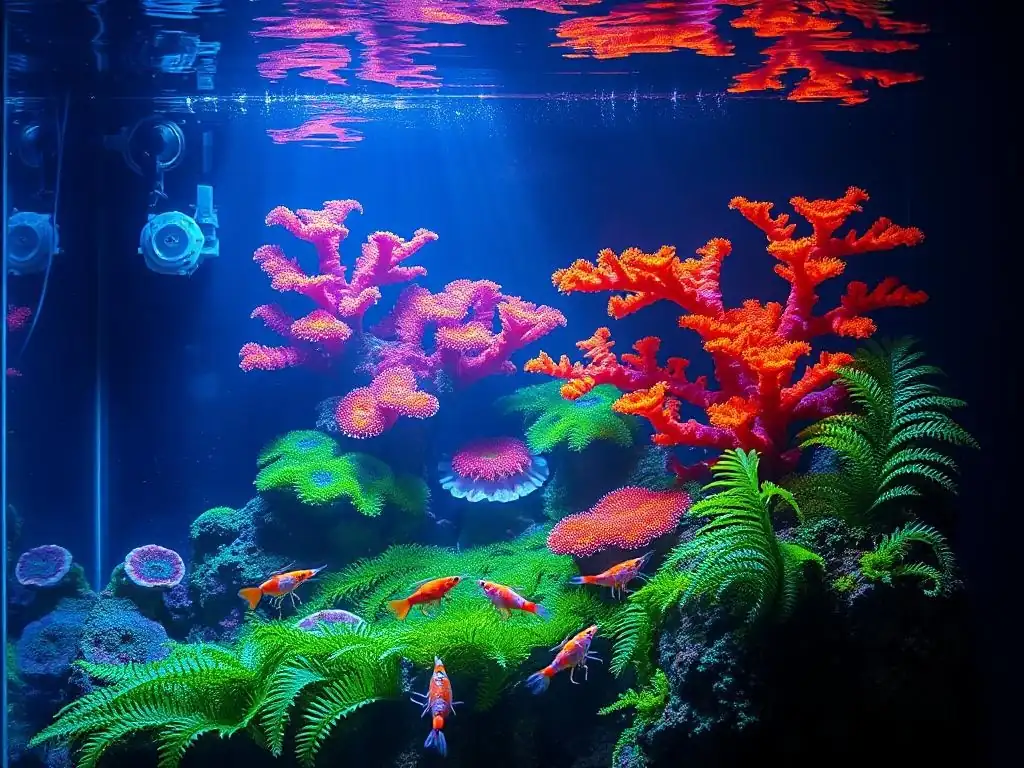
Dive deep into the mesmerizing world of reef keeping! Ever wondered how to unlock the vibrant potential of your Zoanthids? This guide, Decoding Zoanthid Care, unravels the secrets to achieving optimal light flow parameters and creating a thriving environment for these captivating corals. Prepare to illuminate your understanding and cultivate a stunning Zoanthid garden! Let's begin...
- Understanding Zoanthid Care: A Comprehensive Guide
- Zoanthid Lighting Requirements: Illuminating Success
- Zoanthid Water Flow: Achieving the Perfect Current
- Essential Water Parameters for Zoanthid Thrive
- Zoanthid Placement: Maximizing Growth and Color
- Troubleshooting Common Zoanthid Problems
- Feeding Zoanthids: Supplementing Their Diet
- Zoanthid Propagation: Expanding Your Colony
- Choosing the Right Zoanthid Species for Your Aquarium
- Advanced Zoanthid Care: Taking Your Reef to the Next Level
- Zoanthid Light Flow Parameters: A Summary for Success
-
Frequently Asked Questions
- What are the ideal light requirements for Zoanthids in a reef aquarium?
- How important is water flow for Zoanthid health, and what type is best?
- What are the key water parameters to monitor for successful Zoanthid keeping?
- How do I know if my Zoanthids are receiving too much or too little light?
- What are some common issues that can affect Zoanthid health, and how can I troubleshoot them?
- Final Reflection: Illuminating the Path to Zoanthid Flourishing
- Ignite Your Zoanthid Garden!
Understanding Zoanthid Care: A Comprehensive Guide
Zoanthids, often simply called "zoas," are a captivating group of soft corals renowned for their vibrant colors and relatively forgiving nature, making them a popular choice for both beginner and experienced reef aquarists. These colonial polyps, belonging to the order Zoantharia, thrive when their environmental needs are met, particularly regarding their specific light, water flow, and chemical parameters. Understanding these fundamental aspects is paramount to cultivating a thriving, colorful zoanthid garden in your home aquarium.
While often considered hardy, zoanthids still require attentive care to prevent common issues such as melting, bleaching, or pest infestations. Their success in a reef tank heavily relies on maintaining stable conditions that mimic their natural shallow-water habitats. This guide will delve into the critical factors—Zoanthid light flow parameters, water chemistry, and placement—to ensure your zoanthids exhibit their full potential in terms of growth, coloration, and overall vitality.
Zoanthid Lighting Requirements: Illuminating Success
Selecting the Right Light Spectrum for Zoanthids
The light spectrum plays a crucial role in the health and coloration of Zoanthids, as they host symbiotic algae called zooxanthellae that perform photosynthesis. A spectrum rich in blue and actinic wavelengths (typically 420-470 nm) is highly beneficial, promoting the photosynthetic process of these algae and enhancing the vibrant fluorescent pigments unique to many zoanthid morphs. While full-spectrum lighting systems are common, ensuring a strong blue component is key for optimal "pop" and energy production.
Many aquarists find that a color temperature ranging from 10,000K to 20,000K, with a bias towards the bluer end, yields the best results for zoanthids. Modern LED fixtures offer tunable channels, allowing for precise control over the spectrum. Experimenting with a higher blue ratio, for instance, 80-90% blue and 10-20% white/other colors during peak photoperiods, can often intensify zoanthid coloration without causing stress, provided the overall intensity (PAR) is appropriate.
PAR Levels for Optimal Zoanthid Growth and Coloration
Photosynthetically Active Radiation (PAR) measures the intensity of light available for photosynthesis. Zoanthids are generally considered low to moderate light corals, thriving in a PAR range of approximately 50-150 µmol·m⁻²·s⁻¹. Placing them within this specific range encourages robust growth and helps them retain their characteristic colors without bleaching or browning.
Exceeding the optimal PAR range, especially above 200 µmol·m⁻²·s⁻² without proper acclimation, can lead to light shock, causing polyps to close, bleach, or even melt. Conversely, insufficient PAR (below 30-40 µmol·m⁻²·s⁻²) can cause zoanthids to stretch, lose color intensity, and slowly decline due to inadequate energy production. Utilizing a PAR meter is highly recommended for accurate measurement and fine-tuning your Zoanthid light flow parameters, ensuring your corals receive precisely what they need.
Acclimation to New Lighting: Preventing Zoanthid Shock
When introducing new zoanthids to a tank or upgrading your lighting system, proper acclimation is vital to prevent light shock. Zoanthids, like most corals, are sensitive to sudden changes in light intensity and spectrum. A common acclimation strategy involves starting the coral in a lower light area of the tank, such as on the sand bed, and gradually moving it up over several weeks.
For new lighting systems, begin with a reduced intensity, perhaps 50-60% of the target output, and slowly increase it by 10-15% per week. Observe your zoanthids closely for signs of stress, such as prolonged closing, browning (excess zooxanthellae), or bleaching (loss of zooxanthellae). This gradual adjustment, typically over 2 to 4 weeks, allows the zooxanthellae within the zoanthid tissue to adapt to the new light conditions, ensuring a smooth transition and minimizing stress related to Zoanthid light flow parameters.
Zoanthid Water Flow: Achieving the Perfect Current
The Importance of Water Movement for Zoanthid Health
Adequate water flow is as critical as lighting for the long-term health and vitality of zoanthids. Proper water movement ensures the efficient delivery of essential nutrients, such as dissolved organic matter and trace elements, directly to the polyps. It also plays a vital role in removing metabolic waste products and detritus that can accumulate on the coral tissue, which if left to settle, can lead to irritation, tissue necrosis, and even "melting."
Beyond nutrient exchange, water flow helps maintain a healthy boundary layer around the zoanthid's polyps, facilitating gas exchange and preventing the buildup of stagnant water. Consistent, gentle to moderate flow keeps polyps clean and encourages full extension, maximizing their surface area for photosynthesis and feeding. Without sufficient flow, zoanthids may appear sluggish, accumulate debris, and become more susceptible to algae growth.
Different Types of Flow and Their Impact on Zoanthids
Zoanthids generally thrive in moderate, indirect, and turbulent water flow rather than strong, direct, or laminar flow. Laminar flow, which is a straight, consistent current, can cause polyps to remain constantly closed or even detach from their substrate if too intense. Conversely, turbulent flow, characterized by chaotic and unpredictable movement, gently washes over the polyps from multiple directions, mimicking natural reef conditions and preventing any single area from being constantly blasted.
Achieving turbulent flow can be accomplished by strategically placing multiple smaller powerheads or wavemakers that direct water flow to bounce off rockwork or tank walls before reaching the zoanthids. For instance, two 500-1000 GPH powerheads positioned on opposite sides of a 40-gallon breeder tank, angled slightly towards the front or back glass, can create a desirable chaotic flow pattern. Avoid pointing powerheads directly at zoanthid colonies to prevent stress and ensure optimal Zoanthid light flow parameters.
Identifying Signs of Insufficient or Excessive Flow
Observing your zoanthids' behavior provides clear indications of whether your water flow is appropriate. If flow is insufficient, you might notice detritus or film accumulating on the polyps, or the polyps may appear retracted and slimy. Algae, particularly hair algae or diatoms, might also begin to grow directly on the zoanthid colony or the rockwork immediately surrounding it, indicating stagnant areas.
Conversely, excessive flow will cause zoanthids to remain tightly closed for extended periods, appearing "blown out" or constantly struggling against the current. In severe cases, they may even detach from their frag plug or rockwork. The ideal flow allows polyps to fully extend and gently sway, indicating they are receiving adequate water movement without being overwhelmed. Adjusting powerhead placement and strength is crucial for fine-tuning these Zoanthid light flow parameters.
Essential Water Parameters for Zoanthid Thrive
Maintaining Stable Salinity for Zoanthid Health
Stability in water parameters is perhaps the most critical factor for zoanthid health, and salinity is no exception. Zoanthids are highly sensitive to rapid fluctuations in salinity, which can lead to osmotic stress, tissue damage, and ultimately, melting. The ideal specific gravity (SG) for a zoanthid aquarium is between 1.025 and 1.026, or 35 parts per thousand (ppt).
To maintain this stability, using an auto top-off (ATO) system is highly recommended to replenish evaporated freshwater daily, preventing salinity spikes. Regularly calibrate your refractometer with a 35 ppt calibration solution to ensure accurate readings. Consistent weekly water changes of 10-20% with properly mixed saltwater will also help stabilize salinity and replenish essential trace elements, contributing significantly to the overall stability of Zoanthid light flow parameters and water chemistry.
The Role of Alkalinity, Calcium, and Magnesium in Zoanthid Growth
While zoanthids are soft corals and do not build large calcium carbonate skeletons like LPS or SPS corals, alkalinity, calcium, and magnesium are still vital for their overall health, cellular function, and the subtle calcification of their internal spicules. Stable levels prevent stress and support the metabolic processes of both the coral and its zooxanthellae.
Target ranges for these parameters are: Alkalinity (dKH): 7-9 dKH; Calcium (Ca): 400-450 ppm; Magnesium (Mg): 1250-1350 ppm. Although zoanthids consume these elements at a much slower rate than stony corals, maintaining them within these ranges is crucial. Fluctuations, particularly in alkalinity, can cause stress and impact their ability to thrive. Regular testing and small, consistent dosing (if necessary for heavily stocked tanks) are more beneficial than large, infrequent adjustments.
Nitrate and Phosphate Levels: Finding the Right Balance
Nitrates (NO3) and phosphates (PO4) are often considered undesirable in reef tanks, but for zoanthids, a very low but detectable level is generally beneficial. These compounds serve as essential nutrients for the symbiotic zooxanthellae, supporting their photosynthetic activity. A complete absence of these nutrients (ultra-low nutrient or ULNS systems) can sometimes lead to zoanthids appearing faded or failing to thrive, as their zooxanthellae may become nutrient-starved.
An optimal range for nitrates is typically 1-10 ppm, and for phosphates, 0.02-0.08 ppm. Levels significantly higher than these can lead to nuisance algae outbreaks that compete with and smother zoanthids. Conversely, levels near zero can hinder zoanthid growth and coloration. Achieving this balance involves careful feeding, regular water changes, efficient protein skimming, and potentially the use of a refugium or GFO (granular ferric oxide) to manage nutrient export.
Regular Water Testing: Monitoring Key Parameters for Zoanthids
Consistent and accurate water testing is the cornerstone of successful zoanthid husbandry. Relying on visual cues alone can often mean problems are identified too late. A routine testing schedule, ideally weekly, allows aquarists to track trends in key parameters such as salinity, alkalinity, calcium, magnesium, nitrates, and phosphates. This proactive approach enables early detection of imbalances and allows for timely corrective actions before stress impacts your zoanthids.
Invest in reliable and accurate test kits, and always follow the instructions precisely. Keep a log of your test results to identify patterns and understand your tank's consumption rates. For instance, if alkalinity consistently drops from 8.5 dKH to 7.0 dKH over a week, it indicates a need for increased dosing or more frequent water changes. This diligent monitoring ensures that all Zoanthid light flow parameters and water chemistry remain within optimal ranges for your thriving coral colonies.
Zoanthid Placement: Maximizing Growth and Color
Considering Lighting and Flow When Placing Zoanthids
The optimal placement of zoanthids within your aquarium is a direct application of understanding their Zoanthid light flow parameters. As they prefer low to moderate light, positioning them on the sand bed or on lower to mid-level rockwork is generally ideal. Avoid placing them directly under intense light sources unless they have been very slowly acclimated to higher PAR levels, which is typically only done for specific, high-demand morphs.
Similarly, consider the water flow in the intended placement area. Zoanthids thrive with indirect, turbulent flow. Avoid placing them in areas of direct, strong current that would cause their polyps to remain closed or struggle to extend. Observe the existing flow patterns and choose a spot where the polyps gently sway, indicating sufficient but not overwhelming water movement. This strategic placement is critical for their long-term health and vibrant coloration.
Avoiding Aggression from Other Corals
While zoanthids are generally considered peaceful corals, they can be negatively affected by the stinging tentacles of more aggressive coral species. LPS (Large Polyp Stony) corals such as Euphyllia (Torch, Hammer, Frogspawn) and some Favia or Favites species possess powerful sweeping tentacles that can inflict damage or even kill zoanthid polyps if placed too closely. SPS (Small Polyp Stony) corals, while less overtly aggressive, can also release chemicals that may irritate soft corals.
Maintain adequate spacing, typically at least 3-6 inches, between zoanthid colonies and potentially aggressive neighbors, depending on the sweep of the aggressor's tentacles. If aggression is observed, immediately relocate one of the corals. Additionally, some zoanthids, particularly Palythoa species, can release palytoxin, a potent neurotoxin. Good carbon filtration and regular water changes help to mitigate any allelopathic effects in a mixed reef tank.
The Importance of Substrate for Zoanthid Attachment
Zoanthids are colonial polyps that naturally encrust onto hard surfaces. In the aquarium, they are typically sold on small frag plugs or pieces of live rock. When placing them, ensure the chosen substrate is stable and clean, allowing the zoanthids to securely attach and expand their colony. If placing a frag on live rock, use a small amount of coral glue (cyanoacrylate gel) to secure the plug or frag directly to the rockwork.
For larger colonies or those placed directly on the sand bed, ensure the sand is coarse enough not to be easily disturbed by water flow, which could bury or dislodge the zoanthid. A stable attachment point is crucial for the colony's long-term health and growth, as it prevents physical damage and allows the polyps to fully extend and capture light and nutrients efficiently. A well-anchored zoanthid is a happy zoanthid, able to thrive in its carefully managed Zoanthid light flow parameters.
Troubleshooting Common Zoanthid Problems
Identifying and Treating Zoanthid Pests
Zoanthids, despite their hardiness, can fall victim to specific pests that can decimate a colony if left unchecked. The most common include Zoanthid Eating Nudibranchs (ZENS), which are small, often camouflaged nudibranchs that mimic the color of the zoanthid they are consuming. Sundial snails, characterized by their distinctive spiral shells, also prey on zoanthids. Various types of flatworms can also irritate or consume polyps.
Treatment typically involves manual removal using tweezers or siphoning them off the colony. For more severe infestations, a series of coral dips (e.g., with CoralRx or Revive Coral Cleaner) can be highly effective. Always follow dip instructions carefully and perform multiple dips over several days or weeks to target eggs and newly hatched pests. Quarantining all new zoanthids for at least 2-4 weeks in a separate tank is the most effective preventative measure against introducing these pests.
Addressing Zoanthid Melting or Decline
"Melting" refers to the rapid tissue recession and disintegration of zoanthid polyps, a common and alarming symptom of severe stress. This can be caused by drastic shifts in water parameters (salinity, temperature, alkalinity), high levels of nitrates or phosphates, insufficient or excessive Zoanthid light flow parameters, or the presence of pests. A sudden increase in tank temperature above 80°F (26.7°C) or a drop below 72°F (22.2°C) can also trigger melting.
Upon observing melting, immediately test all water parameters to identify any major deviations. Perform a small, targeted water change (e.g., 10-15%) to dilute potential toxins or stabilize parameters. Inspect the colony closely for any visible pests. If water flow or light is suspected, try moving the zoanthid to a spot with different conditions. Sometimes, simply removing the affected polyps can prevent the spread of the issue to the rest of the colony.
Preventing and Managing Algae Overgrowth on Zoanthids
Algae overgrowth, particularly hair algae, dinoflagellates, or diatoms, can smother zoanthids, block their light, and cause irritation, leading to polyp retraction and decline. The primary causes are elevated nutrient levels (nitrates and phosphates), insufficient water flow around the colony, or excessive light for the existing nutrient conditions.
Management strategies focus on nutrient control: consistently performing regular water changes (e.g., 10% weekly), reducing overfeeding, and ensuring efficient nutrient export through protein skimming, a refugium, or chemical filtration like GFO. Manually removing algae with a soft toothbrush or siphoning can provide temporary relief. Increasing local water flow around the affected zoanthids can also help by preventing detritus from settling and inhibiting algae growth, complementing your Zoanthid light flow parameters strategy.
Feeding Zoanthids: Supplementing Their Diet
The Benefits of Target Feeding Zoanthids
While zoanthids primarily derive energy from the photosynthesis of their symbiotic zooxanthellae, supplemental target feeding can significantly enhance their growth rates, improve coloration, and boost overall vitality, especially for larger polyp varieties or in tanks with very low nutrient levels. Photosynthesis alone may not provide all the necessary nutrients, particularly amino acids and fatty acids crucial for tissue growth and pigment development.
Target feeding allows the zoanthids to directly capture and consume particulate food, providing them with a more complete nutritional profile. This can lead to noticeably fuller, more robust polyps and accelerated colony expansion. For many aquarists, seeing their zoanthids actively consume food is also a clear indicator of their health and well-being.
Suitable Food Options for Zoanthids
Zoanthids have relatively small mouths, so the ideal food options are finely particulate. Excellent choices include copepods, rotifers, newly hatched brine shrimp nauplii, and various commercially prepared coral foods. Products like Reef Roids, Polyp Lab Polyp Booster, or finely crushed high-quality flake food (e.g., spirulina-based) that are specifically formulated for filter feeders or soft corals are often very effective.
When preparing food, ensure it is thoroughly mixed and dispersed into a fine suspension. Liquid or very fine powder foods are often the most readily accepted. Avoid feeding large chunks of food that zoanthids cannot ingest, as these can simply decompose and contribute to nutrient buildup in the tank. The particle size is critical for efficient consumption.
Frequency and Amount of Feeding for Optimal Growth
The frequency and amount of feeding should be carefully balanced to provide benefits without negatively impacting water quality. For most zoanthid colonies, target feeding 1 to 3 times per week is sufficient. Overfeeding can quickly lead to elevated nitrate and phosphate levels, which can fuel nuisance algae growth and stress other corals in the aquarium.
To target feed, turn off powerheads and return pumps to minimize water movement. Use a pipet or turkey baster to gently squirt a small amount of prepared food directly onto the open polyps. Observe the polyps for signs of ingestion (e.g., closing around the food). After 10-15 minutes, or once feeding is complete, turn the pumps back on. A little goes a long way, and consistency is more important than quantity when it comes to supporting Zoanthid light flow parameters and overall health.
Zoanthid Propagation: Expanding Your Colony
Fragging Zoanthids: A Step-by-Step Guide
Fragging zoanthids allows aquarists to expand their colonies or share them with others. Due to the potential presence of palytoxin, extreme caution, including wearing gloves and eye protection, is paramount. To frag, carefully remove the colony from the tank. Using a sharp, clean razor blade or bone cutters, cut a small section of the rock or mat that contains at least 3-5 polyps. Avoid cutting through individual polyps if possible.
Once separated, gently attach the new frag to a small frag plug or a piece of rubble rock using coral-safe super glue gel (cyanoacrylate). Apply a small bead of glue to the frag plug, then firmly press the base of the zoanthid colony onto the glue. Hold for 10-20 seconds to allow the glue to set. Allow the glue to fully cure (often a few minutes in air) before returning the frag to the aquarium.
Caring for New Zoanthid Frags
New zoanthid frags are more susceptible to stress than established colonies. Place them in a stable environment with moderate light and gentle, indirect water flow. Avoid strong, direct flow that could dislodge the frag or prevent the polyps from fully opening. Monitor the frags closely for signs of stress, such as prolonged closing, browning, or melting.
Maintain pristine water quality, as fluctuations can hinder the healing process. It typically takes a few days to a few weeks for new frags to fully open, recover from the fragging process, and begin to encrust onto their new substrate. Patience is key during this period, and providing consistent Zoanthid light flow parameters will aid in their recovery.
Ethical Considerations for Zoanthid Propagation
Ethical propagation of zoanthids is an important aspect of responsible reef keeping. By fragging and sharing tank-raised zoanthids, hobbyists can reduce the demand for wild-collected specimens, thereby lessening the impact on natural reef ecosystems. This practice promotes sustainability within the hobby and helps preserve wild coral populations.
Furthermore, when propagating zoanthids, it's crucial to ensure responsible disposal of any excess or unwanted fragments. Never release tank-bred corals into natural waterways, as they can introduce non-native species or diseases that could harm local ecosystems. Adhering to best practices in propagation contributes to a healthier hobby and a more sustainable future for marine life.
Choosing the Right Zoanthid Species for Your Aquarium
Popular Zoanthid Varieties and Their Specific Needs
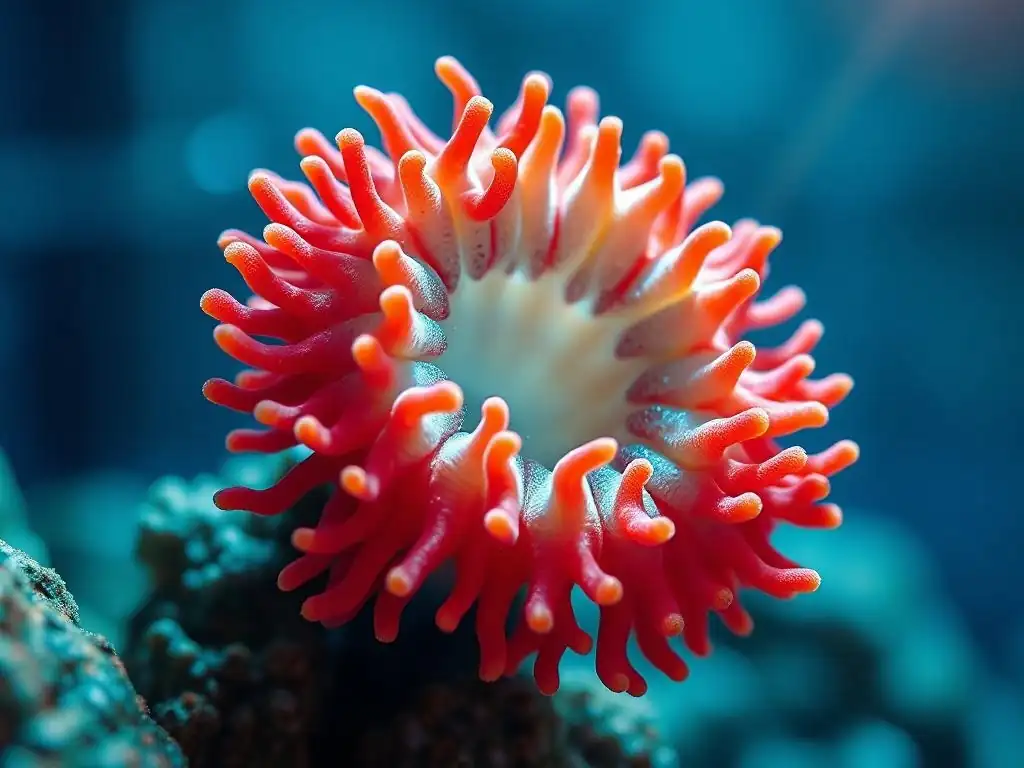
The world of zoanthids boasts an incredible array of colors and patterns, leading to countless named "morphs" such as "Rastas," "Utter Chaos," "Godzilla," "Whammin' Watermelon," and "Blue Hornets." While the general care guidelines for Zoanthid light flow parameters apply across most varieties, some highly sought-after or intensely colored morphs may exhibit slightly greater sensitivity or require more precise conditions to display their full vibrancy.
For instance, some of the more exotic, brightly colored morphs might "pop" more under specific blue-heavy lighting, while others may prefer slightly lower light. Researching the specific morph you are interested in can provide nuanced insights into its preferred conditions, though broad care principles remain consistent. Consider their mature size and growth habit; some form tight, encrusting mats, while others have larger, more individual polyps that spread more openly.
Considering Zoanthid Toxicity: Handling with Care
It is crucial to be aware that certain species of zoanthids, particularly Palythoa (which are often mistaken for Zoanthus but typically have larger, fleshier polyps), contain palytoxin, one of the most potent non-protein toxins known. While cases of severe exposure are rare, extreme caution is necessary when handling any zoanthid or palythoa.
Always wear appropriate personal protective equipment, including thick gloves and eye protection, when handling, fragging, or even just cleaning around zoanthid colonies. Never boil or use hot water on rocks with zoanthids, as this can aerosolize the toxin. If cutting zoanthids, do so in a well-ventilated area. Symptoms of exposure can range from flu-like symptoms to severe respiratory issues; seek immediate medical attention if exposure is suspected.
Researching Before Purchasing: Ensuring Compatibility
Before adding any new zoanthid species to your aquarium, thorough research is highly recommended. Understand the specific light, flow, and water parameter needs of the particular morph you are considering. This ensures that your existing tank environment can meet its requirements, leading to a higher chance of success and vibrant coloration.
Purchase zoanthids from reputable sources that maintain healthy, pest-free tanks. Inquire about the conditions (including Zoanthid light flow parameters) the coral was kept under, as this information can aid in a smoother acclimation process to your home aquarium. Choosing compatible species not only benefits the zoanthid itself but also contributes to the overall stability and health of your entire reef ecosystem.
Advanced Zoanthid Care: Taking Your Reef to the Next Level
Experimenting with Different Lighting and Flow Regimes
For the advanced aquarist, pushing the boundaries of Zoanthid light flow parameters can unlock truly spectacular growth and coloration. This involves meticulous observation and fine-tuning. Experimenting with dynamic lighting schedules, such as incorporating lunar cycles or cloud cover simulation with advanced LED controllers, can mimic natural conditions and potentially enhance zoanthid vitality. For example, a 12-hour photoperiod with a 3-hour ramp-up/down provides a natural transition.
Similarly, optimizing water flow with advanced wavemakers can create complex, turbulent patterns that vary throughout the day, ensuring all polyps receive optimal nutrient delivery and waste removal without constant direct blasting. Some aquarists find that a short burst of very high flow for a few minutes daily helps clear detritus, followed by moderate, chaotic flow for the remainder of the day. Using a PAR meter to precisely map light intensity across different tank areas allows for strategic placement and targeted adjustments.
Implementing a Regular Water Change Schedule
While regular water changes are a fundamental aspect of basic reef keeping, advanced zoanthid care emphasizes consistency and precision in this routine. For heavily stocked zoanthid tanks, or those where target feeding is frequent, a weekly 10-15% water change with high-quality salt mix and RODI water can be more beneficial than bi-weekly changes. This consistent replenishment of trace elements and removal of accumulated pollutants (even at low levels) helps maintain pristine water quality.
Tracking the consumption of alkalinity, calcium, and magnesium between water changes allows for more informed dosing, if necessary, ensuring these parameters remain within their tight target ranges. A stable environment, underpinned by diligent water changes, minimizes stress on zoanthids and allows them to direct more energy towards growth and vibrant coloration.
Utilizing Supplements to Enhance Zoanthid Color and Growth
Beyond maintaining the core parameters, advanced aquarists may explore the use of specific supplements to further enhance zoanthid color and growth. Trace elements such as iodine, strontium, and various amino acid blends can play a role in promoting vibrant pigments and robust tissue development. For instance, some hobbyists report enhanced red and orange coloration with careful iodine dosing, typically aiming for 0.06 ppm.
However, supplementation should always be approached with caution and only after consistent testing reveals a genuine deficiency or if a specific, observed benefit is targeted. Overdosing can be detrimental and lead to imbalances. It is crucial to remember that supplements are complementary; they are not a substitute for stable water parameters, appropriate Zoanthid light flow parameters, and excellent general husbandry practices. Start with minimal doses and observe the corals' response before increasing.
Zoanthid Light Flow Parameters: A Summary for Success
Key Takeaways for Healthy Zoanthids
Achieving success with zoanthids hinges on a holistic understanding and consistent application of their environmental needs, particularly regarding Zoanthid light flow parameters. For lighting, aim for a moderate PAR range of 50-150 µmol·m⁻²·s⁻² with a spectrum rich in blue and actinic wavelengths (e.g., 10,000K-20,000K). Always acclimate new corals or lighting systems gradually over several weeks to prevent shock.
Water flow is equally critical; zoanthids thrive in moderate, indirect, and turbulent flow that gently washes over them, delivering nutrients and removing waste, without causing constant retraction. Maintaining stable water parameters is paramount: salinity at 1.025-1.026 SG, alkalinity 7-9 dKH, calcium 400-450 ppm, and magnesium 1250-1350 ppm. Keep nitrates between 1-10 ppm and phosphates 0.02-0.08 ppm. Regular, accurate testing and strategic placement, coupled with vigilance against pests, are the pillars of a thriving zoanthid display.
Frequently Asked Questions
What are the ideal light requirements for Zoanthids in a reef aquarium?
Zoanthids generally thrive under moderate lighting. Aim for a PAR (Photosynthetically Active Radiation) level between 100-200 PAR. Adjust based on your specific Zoanthid species and observe their color and polyp extension for signs of stress.
How important is water flow for Zoanthid health, and what type is best?
Water flow is crucial for removing waste and delivering nutrients. Moderate, turbulent flow is ideal, preventing detritus buildup and ensuring even distribution of light and essential elements.
What are the key water parameters to monitor for successful Zoanthid keeping?
Maintain stable water parameters, including a salinity of 1.024-1.026 SG, a temperature of 72-78°F, and appropriate levels of alkalinity, calcium, and magnesium. Regular water testing is highly recommended.
How do I know if my Zoanthids are receiving too much or too little light?
Signs of too much light include bleaching or paleness. Too little light can result in elongated polyps and a loss of color. Observe your Zoanthids closely and adjust your lighting intensity accordingly.
What are some common issues that can affect Zoanthid health, and how can I troubleshoot them?
Common issues include Zoanthid Eating Nudibranchs (ZEN), bacterial infections, and parameter swings. Quarantine new arrivals, maintain stable water parameters, and consider dipping Zoanthids with appropriate solutions to prevent and treat these issues.
Final Reflection: Illuminating the Path to Zoanthid Flourishing
The intricate dance of light, flow, and water parameters, as explored in this article, isn't just about keeping Zoanthids alive; it's about unlocking their vibrant potential and witnessing the spectacular beauty they can bring to a reef aquarium. Understanding these core elements is crucial, not only for hobbyists seeking success, but also for fostering a deeper appreciation for the delicate balance within these miniature ecosystems.
This journey into Zoanthid care has underscored the profound impact that informed choices have on the health and vibrancy of our aquariums. The dedication to understanding and replicating natural conditions is not merely a technical exercise, but a testament to our respect for these living organisms. The best way to observe a fish is to become a fish.
- Jacques Cousteau. This sentiment applies equally to Zoanthids; by understanding their needs, we can create environments where they not only survive, but thrive, enriching our lives with their captivating colors and forms.
Now, armed with this knowledge of light, flow, and parameters, I invite you to reflect on your own approach to reef keeping. Consider how you can refine your practices, not just to maintain life, but to cultivate an environment where Zoanthids, and all your aquatic inhabitants, can truly flourish. Embrace the challenge, experiment with informed adjustments, and witness the remarkable transformation that awaits. Let your aquarium be a testament to the power of knowledge and dedication, a vibrant ecosystem that reflects your commitment to the beauty and complexity of the natural world.
Ignite Your Zoanthid Garden!
Thanks for diving into the captivating world of Zoanthids! Now that you're equipped with the knowledge to help them thrive, let's put that understanding into action. Your vibrant coral reef aquarium awaits!
Here's how to nurture your Zoanthids:
- Start Today: Re-evaluate your lighting spectrum and intensity. Make small, incremental adjustments and monitor your Zoanthids closely for any signs of stress or improvement.
- Share the Bloom: Post a picture of your Zoanthid setup on social media with #AquariumMasteryZoas and inspire other reef keepers!
- Research Local Reefing Clubs: Find a local community to exchange coral frags with other hobbyists for increased biodiversity!
What innovative aquascaping idea will you implement to showcase your Zoanthids in their best light?